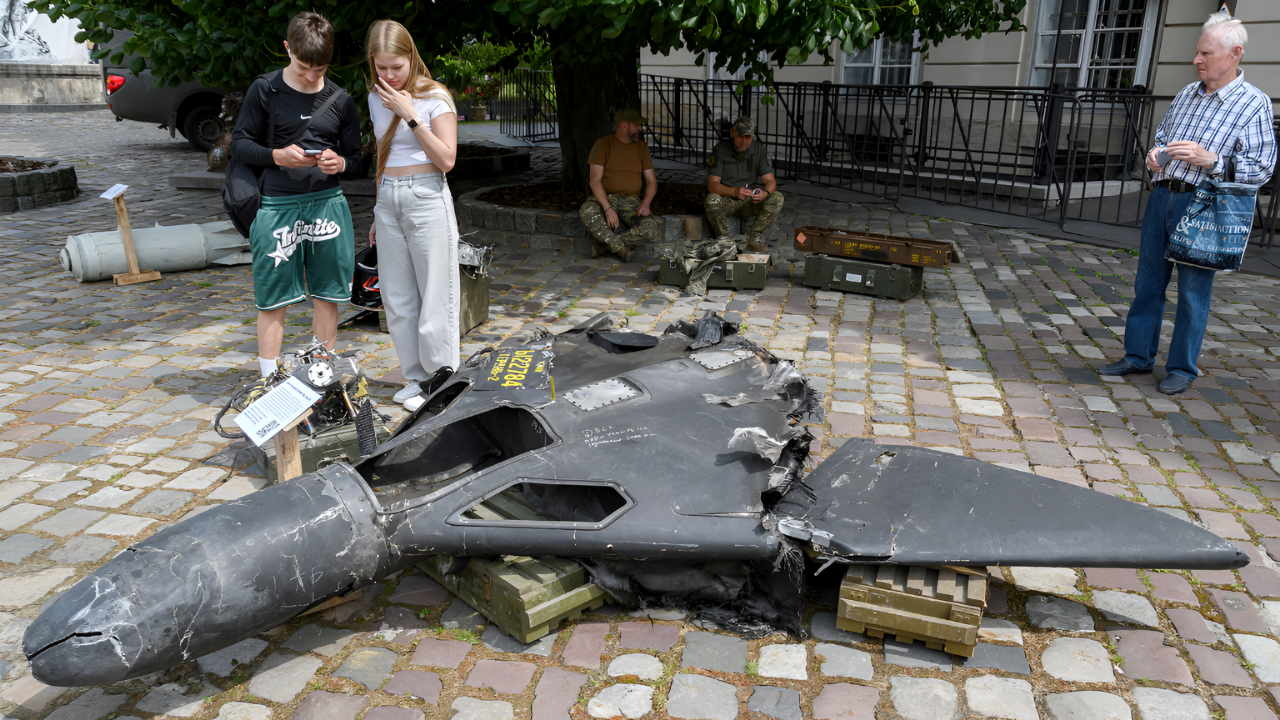
Throughout the night of November 20-21, Ukraine’s air defense forces waged an unprecedented battle in the darkness. They achieved their most intensive single-night interception operation in recent months, neutralizing 106 Russian Shahed-type drones from a coordinated 136-drone assault.
Ukrainian defenses maintained a 78% success rate—a remarkable achievement tested under relentless pressure across six distinct launch zones spanning 1,000 kilometers.
Attack Scale and Numbers
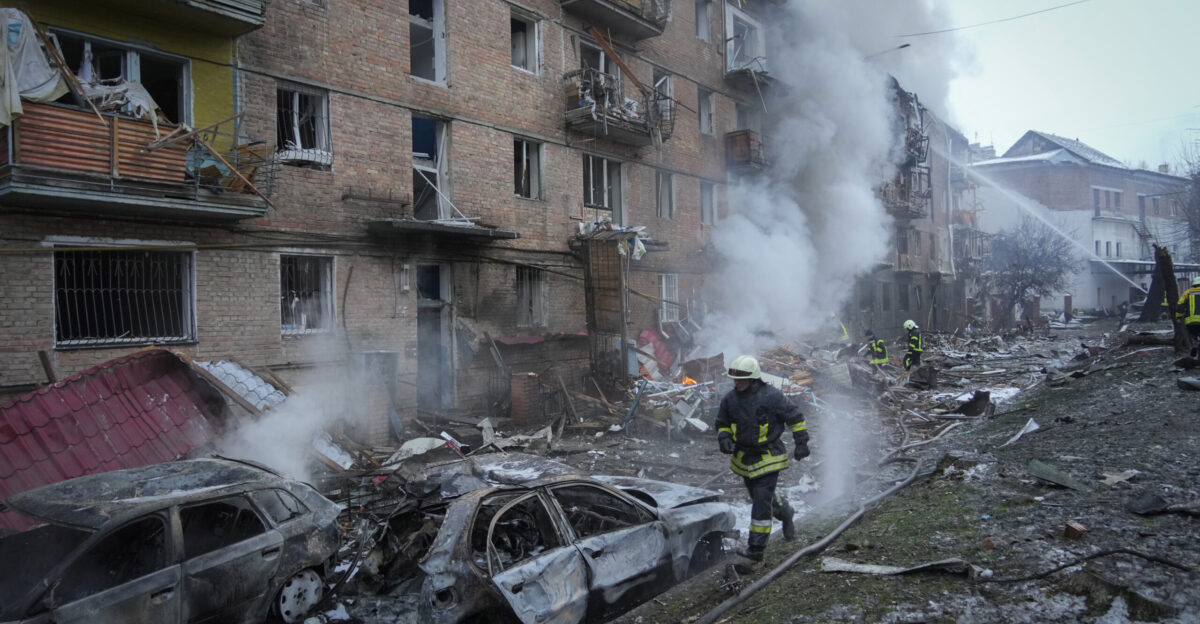
Russia launched 136 total drones overnight in a coordinated assault. Ukraine intercepted 106 drones, achieving a 78% success rate in one of the most intense engagement periods of the war. Yet the numbers tell only part of the story: 29 Russian drones successfully penetrated defenses and struck targets.
These drones hit 16 distinct locations across Ukraine. An additional three sites sustained damage from debris of intercepted drones—collateral casualties of successful defense.
Six Launch Zones Across 1,000+ Kilometers
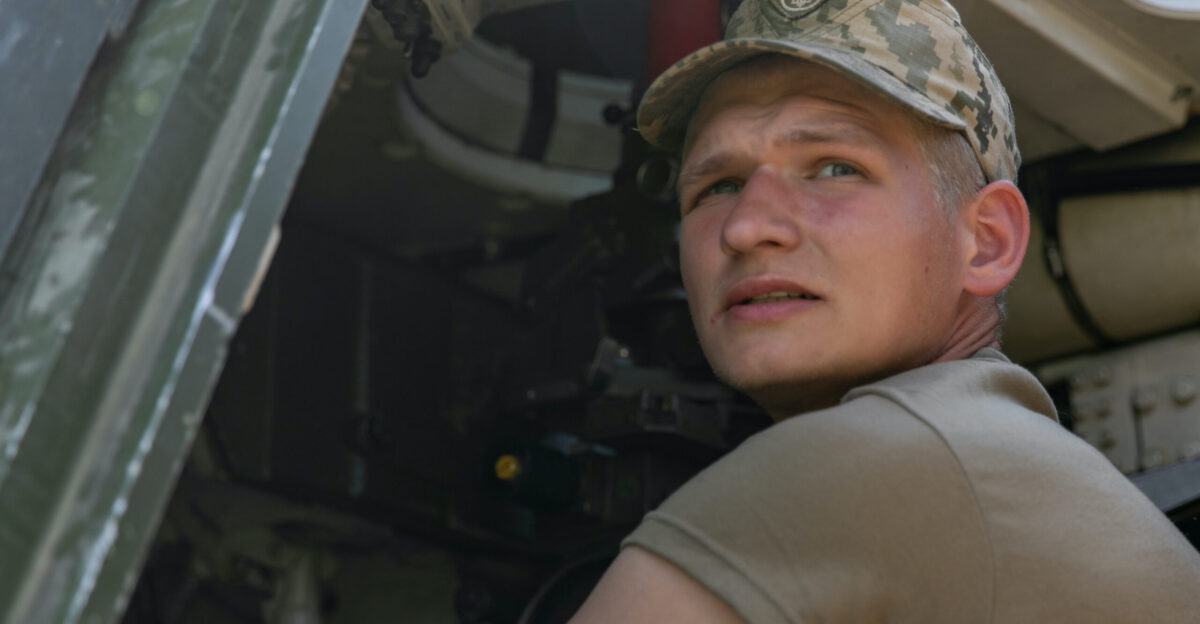
Russian forces coordinated simultaneous strikes from six distinct operational zones: Kursk, Orel, Rostov, Bryansk, Krasnodar Krai, and temporarily occupied Crimea.
This unprecedented multi-vector approach reflects Russia’s distributed drone launch infrastructure and represents a calculated escalation in saturation tactics designed to overwhelm and stress Ukrainian air defenses across vast geographic breadth, forcing defenders to spread resources thin.
29 Drones Broke Through Defenses
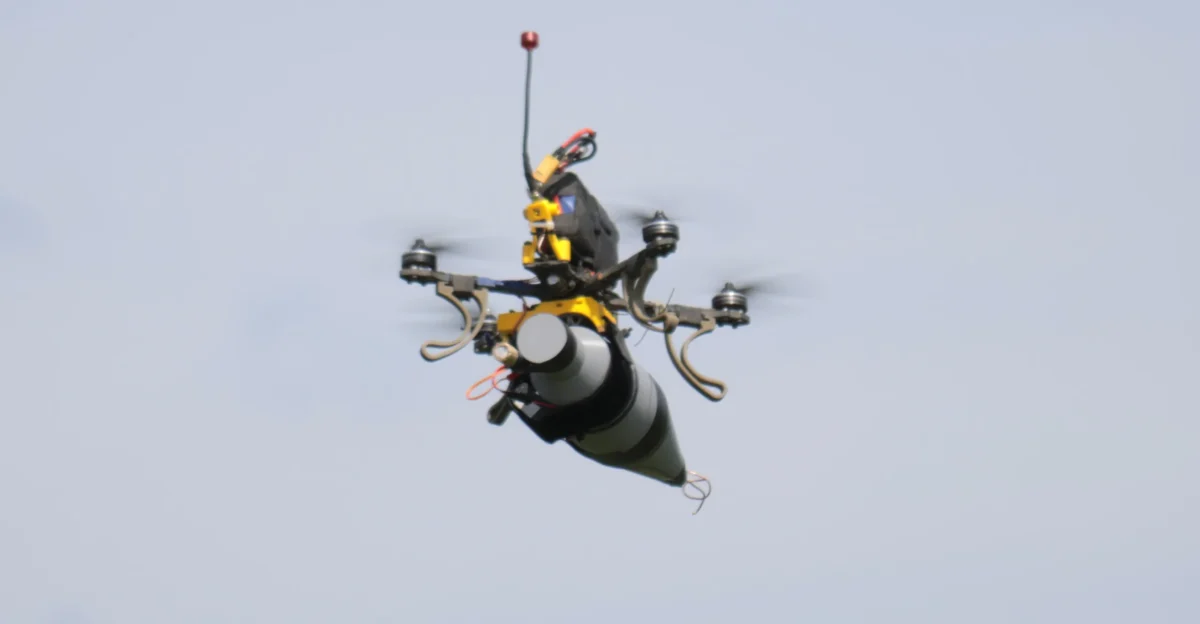
Despite the 78% interception rate, 29 Russian drones successfully penetrated Ukrainian air defenses and struck locations across Ukraine. An additional three sites sustained damage from falling debris of intercepted drones—a grim reminder that even successful defense comes with a cost.
This penetration underscores the brutal tactical reality: even highly effective defense allows meaningful destruction when facing relentless waves of coordinated attacks.
Multi-Layered Defense Response
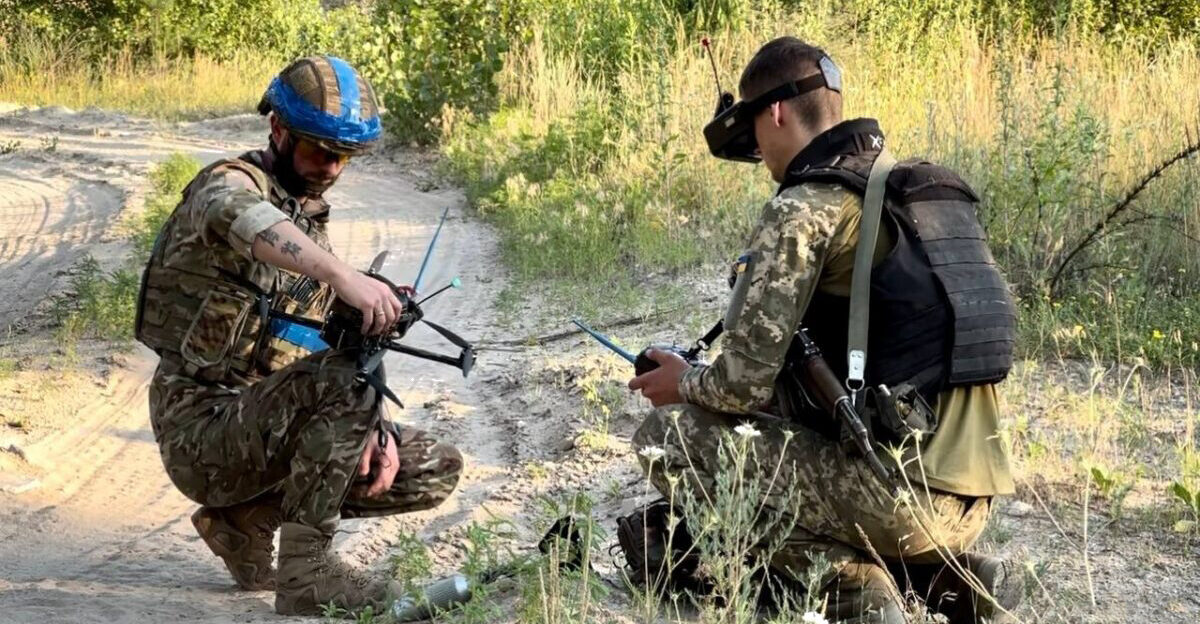
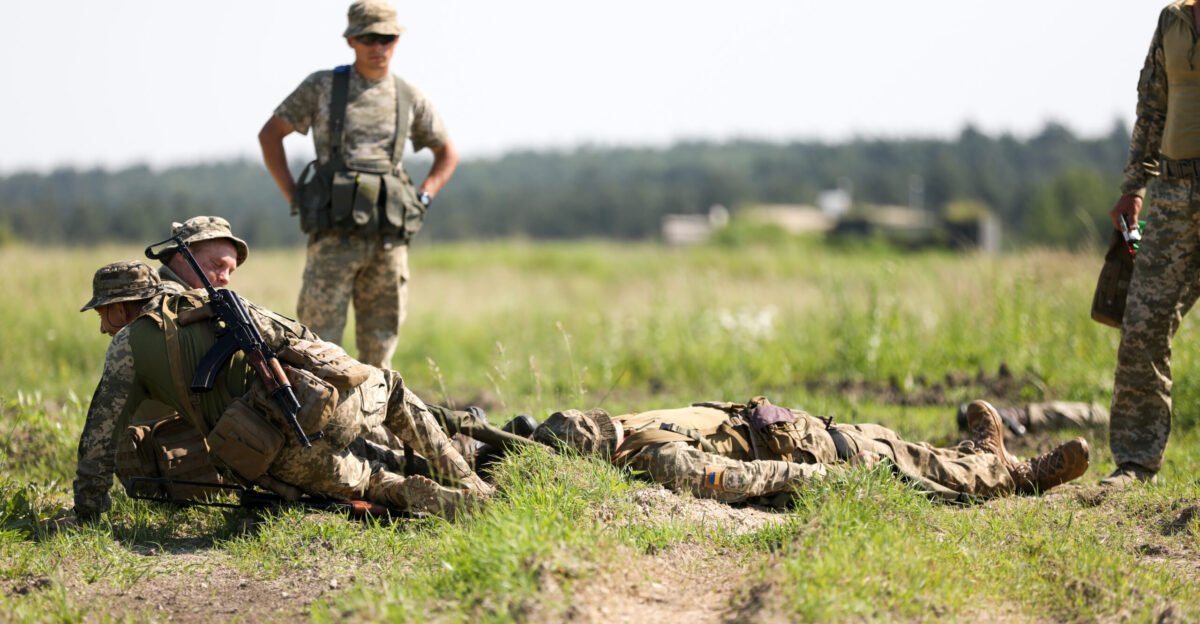
Throughout the assault, Ukraine’s air defense coordinated across multiple systems in a complex dance of survival: fighter aircraft engaged targets, anti-aircraft missile troops deployed defensive fire, electronic warfare units jammed incoming drone signals, unmanned counter-drone systems engaged enemy UAVs, and mobile fire teams provided rapid response.
This integrated approach reflects the tactical sophistication Ukraine has developed through months of sustained drone warfare—a network tested nightly.
Attack Remained Ongoing at Time of Reporting
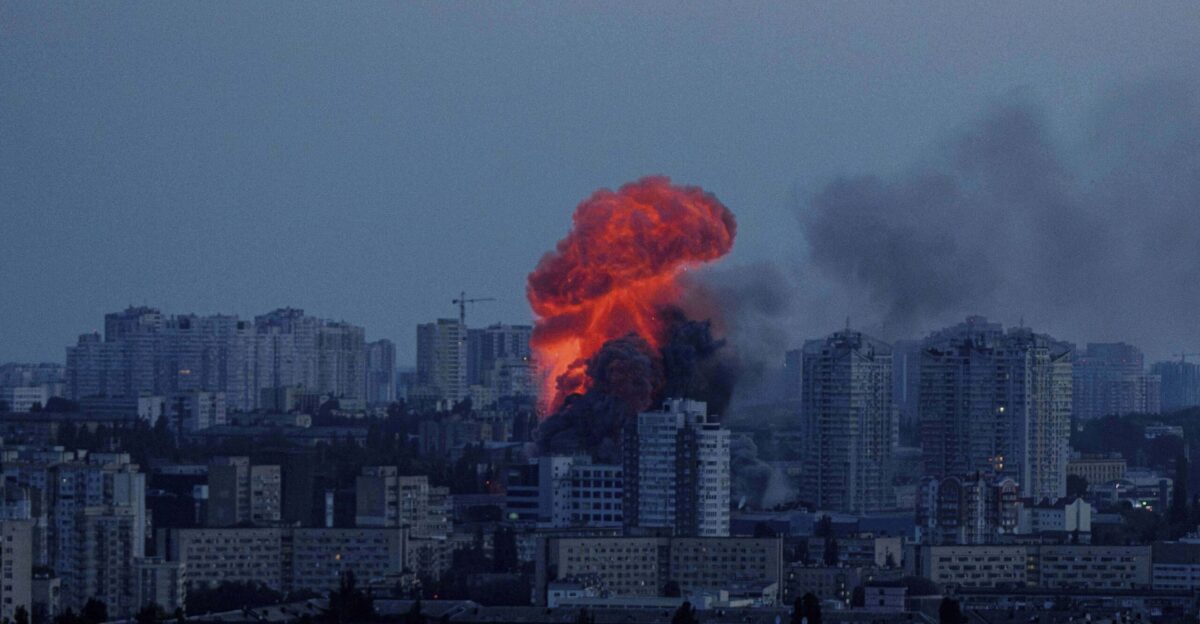
The assault remained active as dawn broke. Several enemy drones remained in Ukrainian airspace throughout the early morning hours, testing defensive endurance.
Air defense forces continued engagement operations as the overnight campaign persisted—a non-stop vigil of vigilance and response capabilities maintained despite the intensity of the coordinated attack from multiple vectors. Exhaustion was not an option.
106 Drones: A Single-Night Record
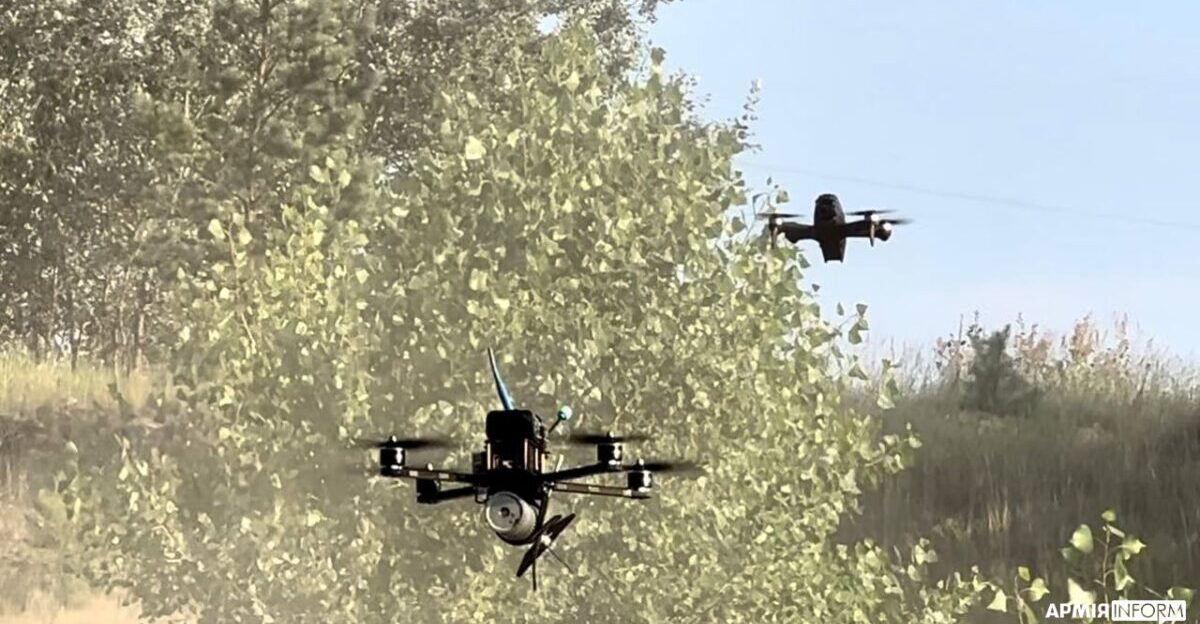
The 106 drones intercepted overnight represents Ukraine’s most intensive single-night interception operation in recent months—a record achieved under unprecedented strain. This figure reflects the sheer scale of coordinated defensive effort required to repel Russia’s distributed, multi-vector assault.
The achievement demonstrates sustained operational capability despite escalating attack tempos throughout November, yet it comes at a cost measured in exhaustion and resource depletion.
Opening Salvo of Unprecedented Weekly Campaign
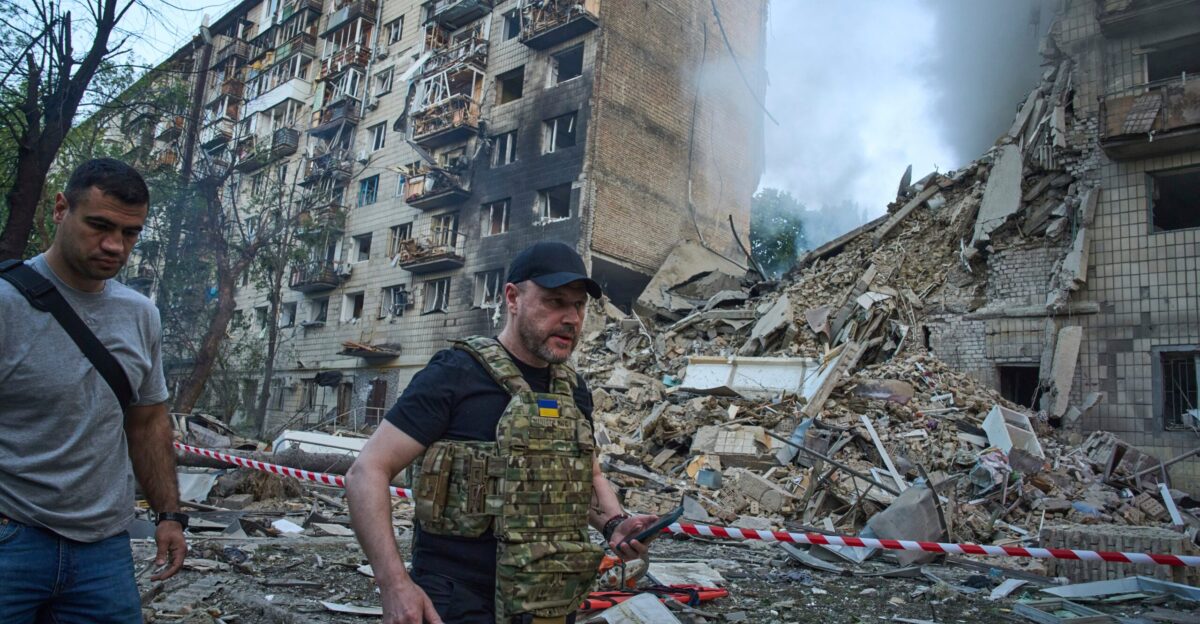
The Nov 20-21 assault served as merely the opening strike of an unprecedented weekly bombardment. Between November 19-25, President Zelenskyy reported Russia deployed over 1,050 attack drones, nearly 1,000 guided bombs, and 60+ missiles across all weapons platforms in record-breaking pace.
This escalation established a new baseline of intensity—a relentless campaign that defines Russia’s winter air strategy and tests Ukraine’s ability to endure.
Concurrent Ternopil Missile Strike
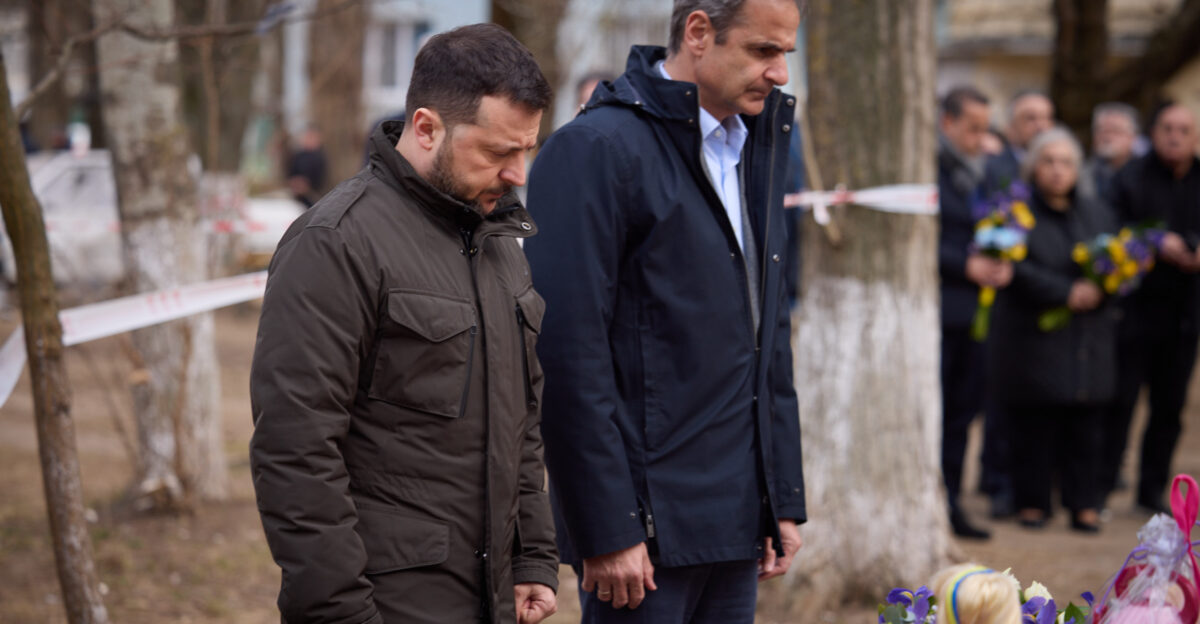
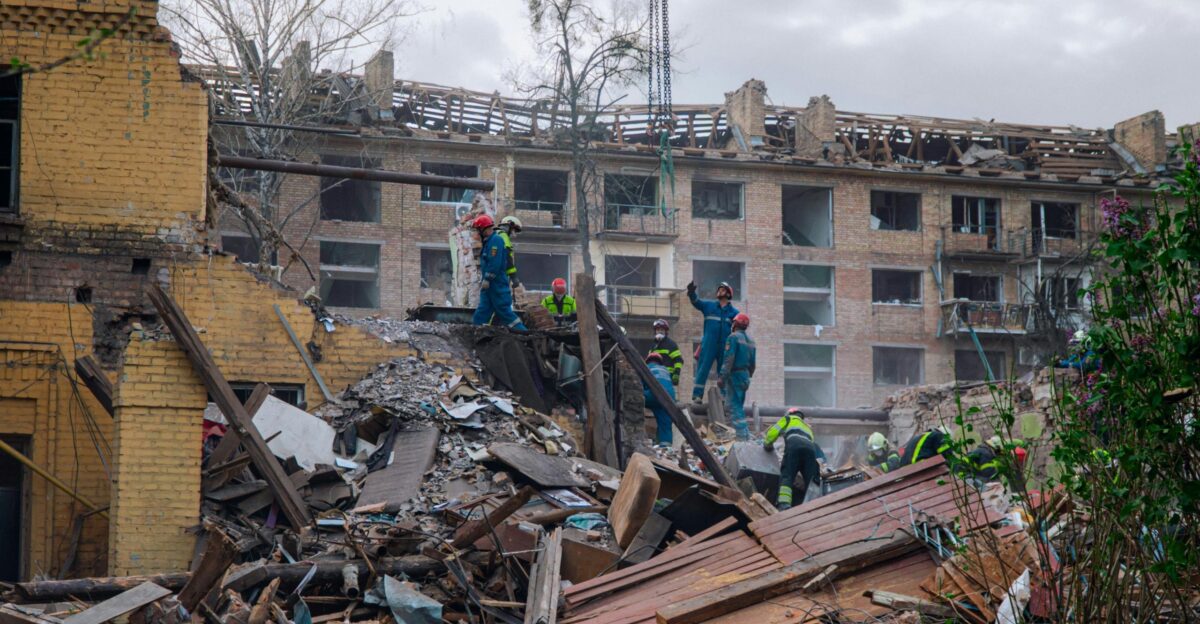
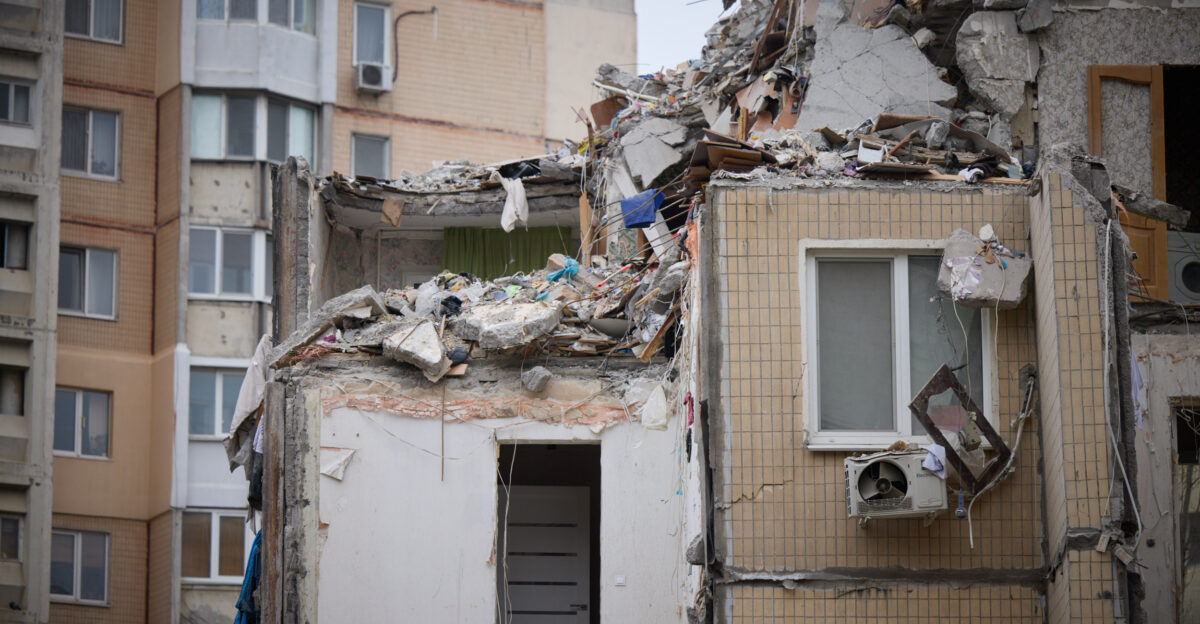
As drones rained across Ukraine, a separate Russian cruise missile attack targeted Ternopil in western Ukraine the same night, believed to involve Kh-101s. The strike resulted in 34 confirmed deaths—families lost in the bombardment.
Rescue operations concluded on November 22 after four days of recovery efforts, with six people still missing, feared dead in the rubble. This concurrent operation underscored Russia’s deliberate multi-platform strategy of overwhelming civilian and military targets simultaneously.
Russia’s Saturation Doctrine Strategy
The November 20-21 assault illustrates a critical threshold in drone warfare—a calculated strategy of overwhelming by volume. While 136 drones represents standard scale for November 2025, the successful penetration of 29 drones reflects Russia’s tactical calculation: maintaining sufficient impact even when facing effective defenses.
Saturation overwhelms layered air defense through sheer relentless volume and coordinated multi-vector assault tactics designed to exhaust and demoralize.
Accelerating November Attack Tempo
October 2025 established baseline drone operations with daily attacks averaging 135-171 drones. But November escalated dramatically—a record pace of assault. Multiple attacks exceeded 300+ drones per night, culminating in a record 464-drone bombardment on November 25.
The Nov 20-21 operation represented merely the opening phase of this intensifying campaign—a preview of the relentless winter offensive ahead.
Long-Term Defense Sustainability Challenge
Ukraine’s defensive achievement demonstrates remarkable operational capability under extraordinary pressure. Yet persistent penetration of 29 drones illustrates the mathematical and moral challenge: even highly effective defenses allow meaningful destruction when facing coordinated waves.
As Russia ramps production capacity toward 500+ drones daily, Ukrainian planners face an endurance test of historic proportions. How long can defenders sustain this pace?
Defense Effectiveness Assessment
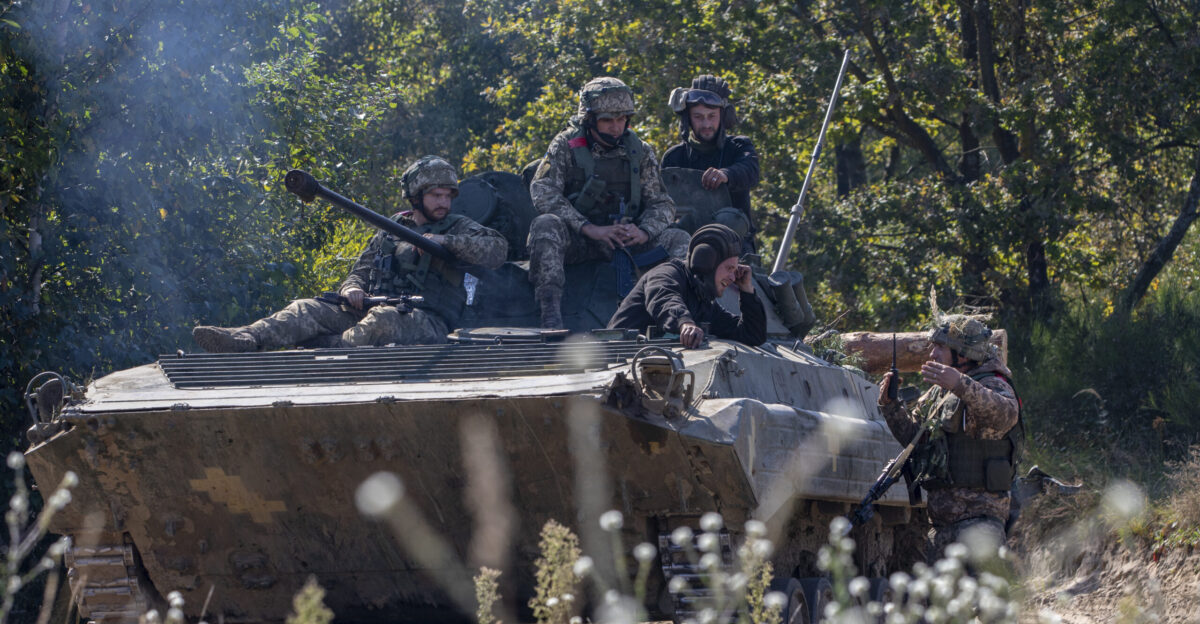
The 78% interception rate achieved November 20-21 reflects Ukraine’s multi-layered defensive architecture operating at peak coordination. Yet penetration of 21% of attacking systems reveals the brutal math of saturation warfare: as Russia scales toward 500+ daily production, even sustained high interception rates will allow increasing absolute numbers to strike civilian targets.
This is a race against time—Ukraine’s defensive capability versus Russia’s production capacity.
Winter Escalation Signals Intensifying Campaign
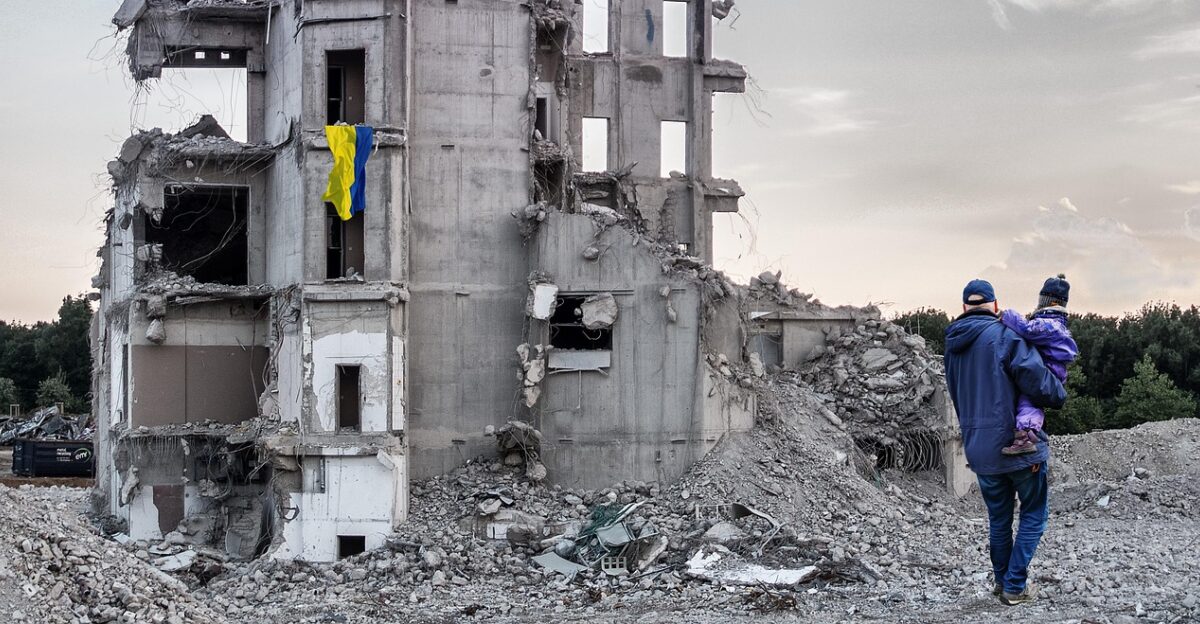
The unprecedented weekly assault of 1,050+ drones signals Russia’s strategic commitment to a grinding winter offensive targeting civilian infrastructure and military capability simultaneously.
Ukraine’s ability to sustain defensive tempo across nightly bombardment will determine whether current air defense systems can prevent catastrophic civilian casualties or whether defenders face eventual exhaustion under relentless saturation pressure. The stakes have never been higher.
Critical Data Point in Escalating Drone Warfare
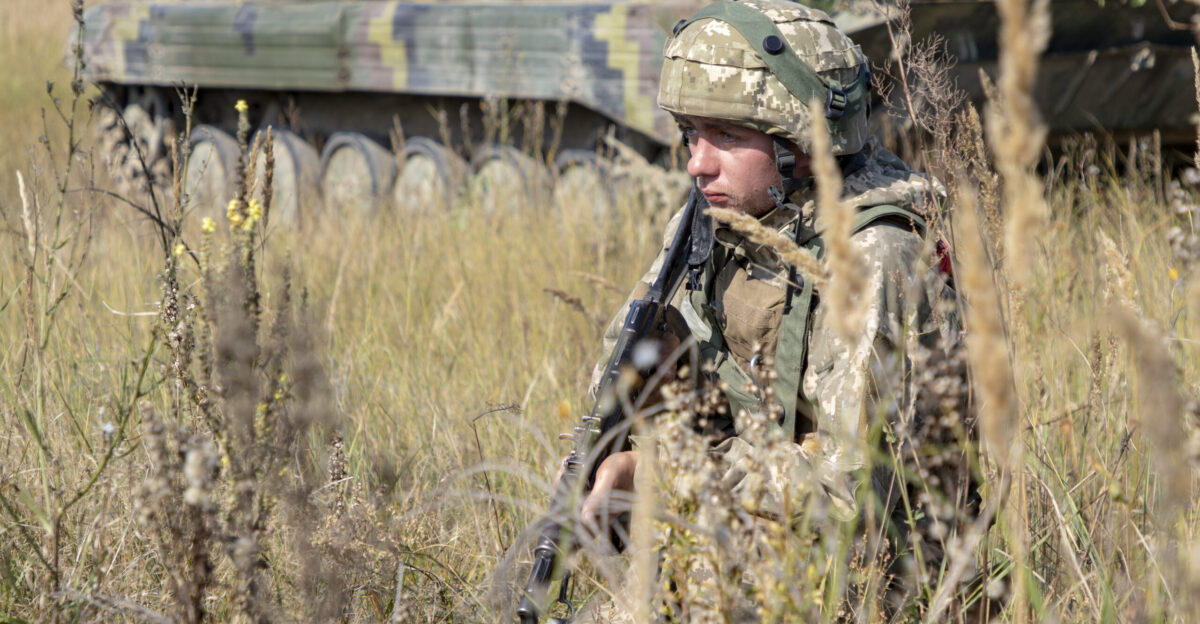
The November 20-21 engagement represents neither the largest single attack by raw numbers nor a moment of strategic breakthrough—but rather a critical warning sign. It is a data point in the escalating intensity curve of drone warfare now defining the conflict’s aerial dimension.
As Russia demonstrates record production and deployment rates, this night marks a crossing point: the threshold between manageable aerial assault and unprecedented sustained bombardment. What comes next will test Ukraine’s endurance beyond measure.
Sources:
Ukrainian Air Force — Official operational reports, November 19-20, 2025
President Volodymyr Zelenskyy— Weekly escalation briefing, November 23, 2025
Kyiv Independent— Casualty reports and recovery operations, November 22-23, 2025
RFE/RL— Ternopil strike documentation and casualty toll, November 19, 2025
ISW/Critical Threats— Tactical analysis of Russian air campaign, November 2025