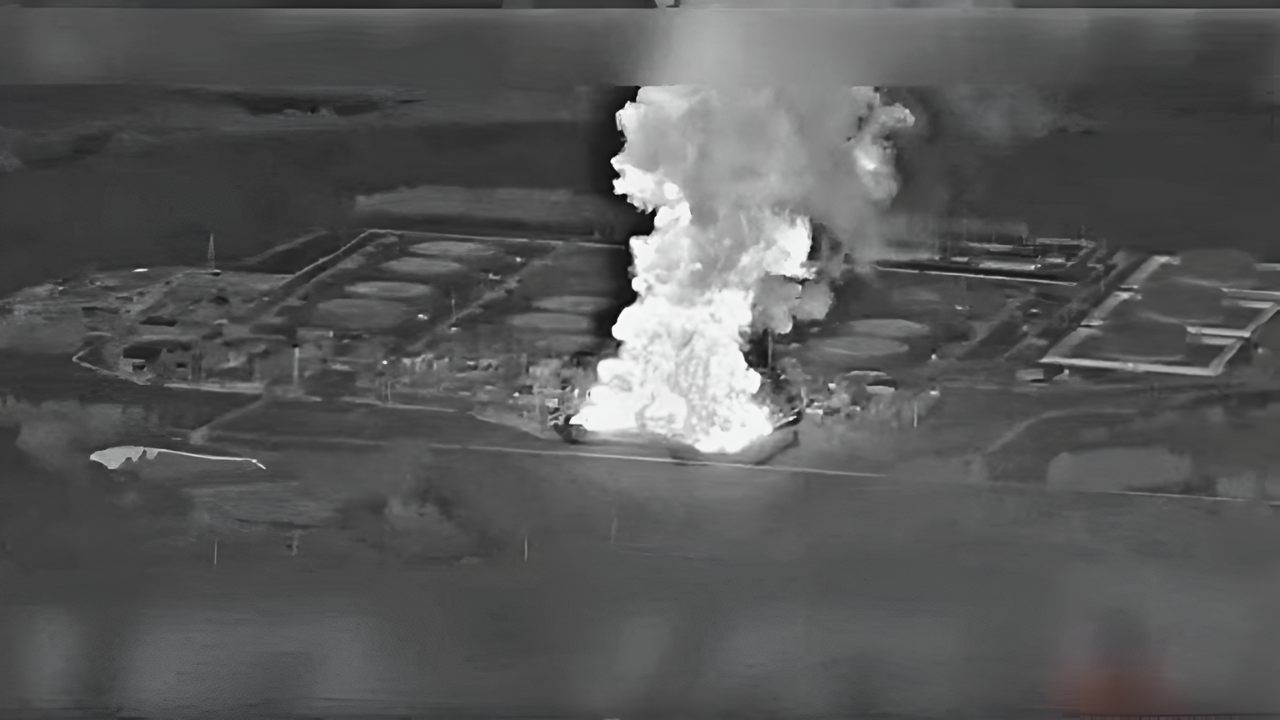
On November 15, 2025, Ukrainian forces struck Russia’s Novorossiysk port on the Black Sea, a facility responsible for roughly 2% of worldwide oil exports. The attack damaged a tanker and nearby residential areas, injuring at least three crew members and triggering a complete halt to oil shipments from one of the world’s most critical energy hubs. The incident immediately reverberated through financial markets, currency exchanges, and commodity trading floors as analysts assessed the potential for sustained disruption to global energy supplies.
Novorossiysk typically handles approximately 1.5 million barrels of crude oil daily, drawing supplies from Russia and Kazakhstan. The port’s strategic importance extends beyond energy; it also serves as a distribution point for regional wheat exports. The sudden suspension of operations created immediate uncertainty about price movements and broader economic consequences. Brent crude surged nearly 3% following the strike, approaching $65 per barrel for the first time in months, while West Texas Intermediate briefly exceeded $60.
Escalating Ukrainian Strategy

Ukraine’s targeting of Russian energy infrastructure has intensified markedly over recent months, shifting from small-scale operations to sophisticated strikes on high-value assets. The acquisition of Western drone technology has enabled Ukrainian forces to reach critical locations with greater precision and effectiveness. These attacks reflect a calculated strategy to undermine Kremlin revenues by targeting “hard-to-replace” refinery equipment and export facilities. Recent operations have escalated from fuel storage facilities to essential cracking units, demonstrating the specificity of Ukraine’s operational objectives.
Ukrainian President Volodymyr Zelenskyy stated that recent attacks could deprive Russia of at least $37 billion in oil and gas revenues by the end of 2025—a staggering figure that highlights the significant economic impact of the conflict. The strikes represent what analysts describe as economic warfare, designed to exploit Russia’s vulnerability to existing Western sanctions while degrading its international market performance.
Cascading Market and Supply Disruptions
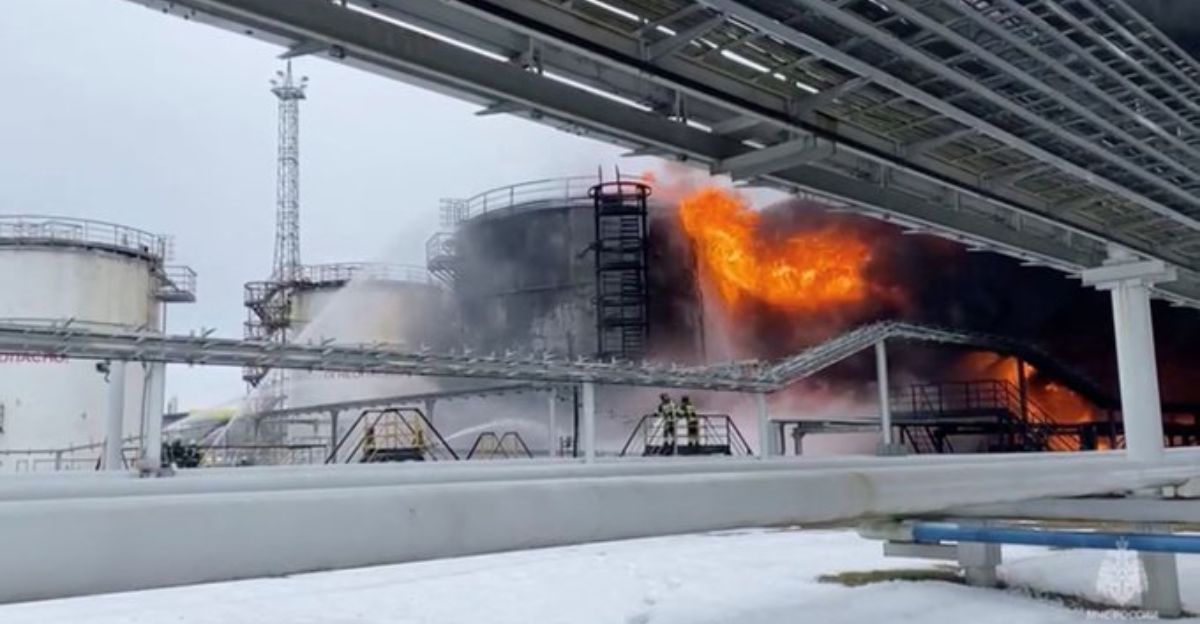
The immediate aftermath of the strike created paralysis across regional trade networks. Over 1.5 million barrels of crude oil faced sudden blockage, with vessels queuing offshore or being rerouted entirely. The disruption extended to wheat shipments, jeopardizing food supplies destined for the Middle East and Africa. Industry observers noted that such localized strikes can exacerbate international market uncertainty, forcing traders to seek alternative supply sources and adjust contracts rapidly.
Commodity experts cautioned that even short-term outages at Novorossiysk could produce persistent price volatility and complications in global supply chains. The interconnected nature of modern energy markets means that disruptions at a single facility can ripple across continents, affecting businesses that depend on stable pricing and reliable delivery schedules.
Russian Response and Repair Challenges
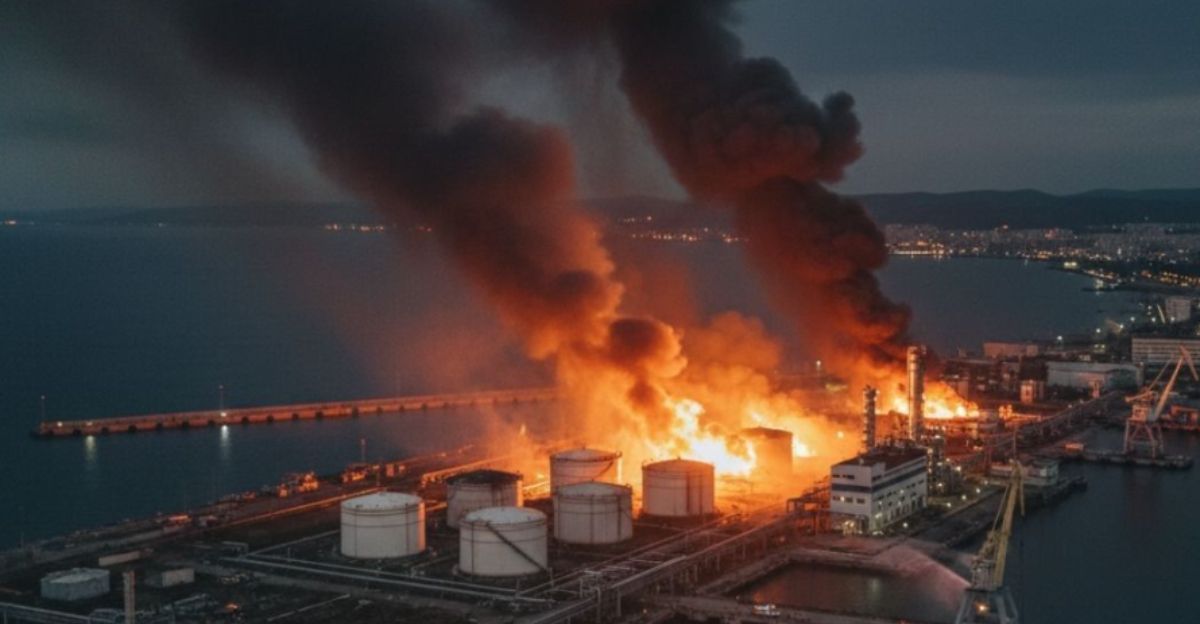
Russian authorities announced the mobilization of rapid-response repair teams to restore functionality at the damaged facility. However, the repair timeline presents a significant obstacle. Much of the critical equipment at Russian refineries relies on Western-made components, which are now subject to embargo restrictions. Replacement or repair of destroyed equipment could extend for months or longer, creating an extended vulnerability in Russia’s energy operations.
This structural weakness reflects the cumulative pressure of existing Western sanctions on Russia’s energy sector, which already limit access to critical technology and equipment. The sanctions have complicated Russia’s ability to maintain efficient refinery operations and respond effectively to emergencies.
Broader Geopolitical Implications
The strike has intensified debates within the G7 regarding oil price caps and the enforcement of sanctions against Russia. Policymakers are weighing the risks of escalation against the need to curtail funding for military operations. Global observers are monitoring reactions from Russian military and diplomatic channels, with analysts warning that sustained Ukrainian campaigns could lead to lasting changes in energy import routes and trading partnerships.
The incident has also prompted discussions at the United Nations, with member states expressing concern over implications for global energy security and food supplies. The Novorossiysk strike illustrates how localized military actions can now have consequences that extend far beyond regional boundaries, affecting energy-dependent economies worldwide and reshaping calculations about long-term energy diversification and security strategies.