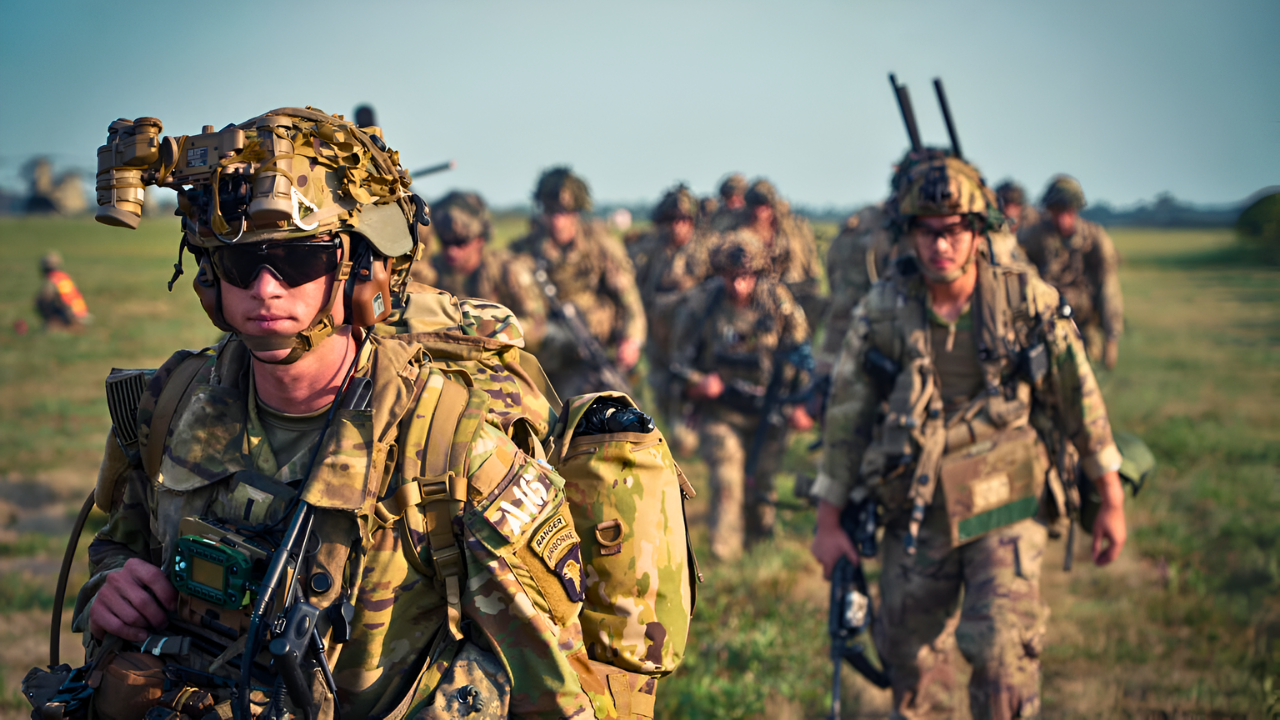
Tensions in the Indo-Pacific have intensified as China’s military assertiveness around Taiwan and the Philippines prompts urgent responses from allied nations. The United States and regional partners are rapidly expanding their military presence and readiness to address growing instability, with analysts warning that insufficient preparedness could trigger miscalculation in critical flashpoint areas. Strategic deterrence and coordinated cooperation among allies have become essential to maintaining regional balance.
Pentagon’s Strategic Pivot
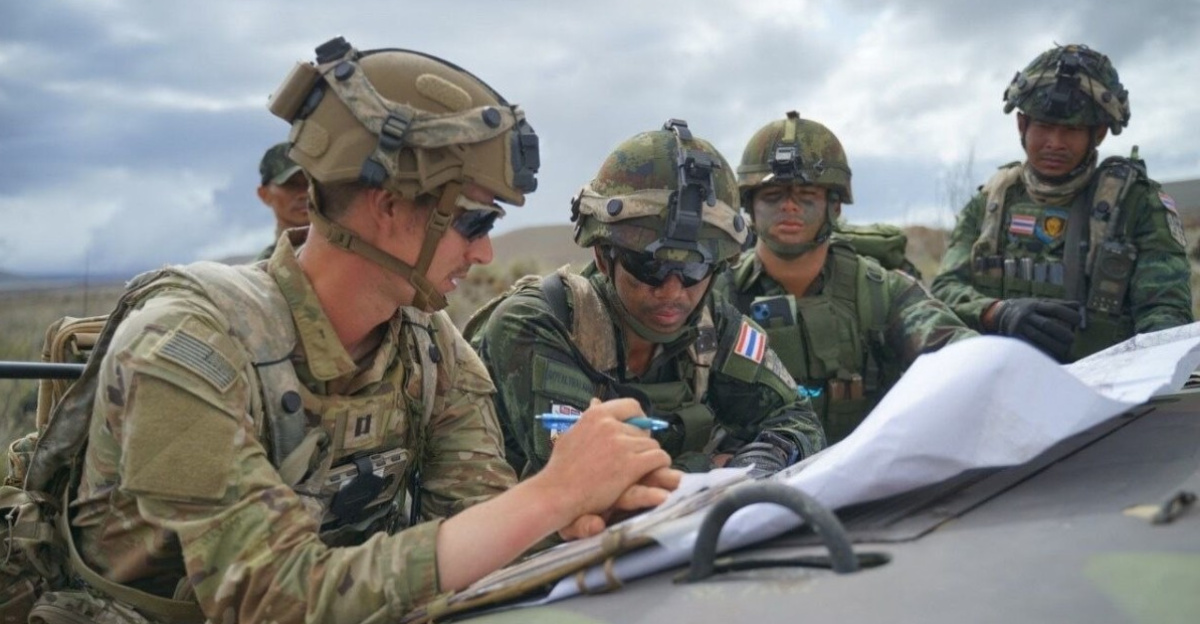
Recognizing escalating regional tensions, the Pentagon has made Indo-Pacific deterrence a cornerstone of its strategic framework. This approach includes deploying advanced military systems and conducting multinational exercises throughout Southeast Asia. Recent U.S. military operations emphasize joint operations and enhanced interoperability with regional allies facing shared threats. As defense budgets expand and exercise rotations increase, military planners emphasize that visible, coordinated operations are crucial to demonstrate commitment and mitigate conflict miscalculation risks.
The Joint Pacific Multinational Readiness Center
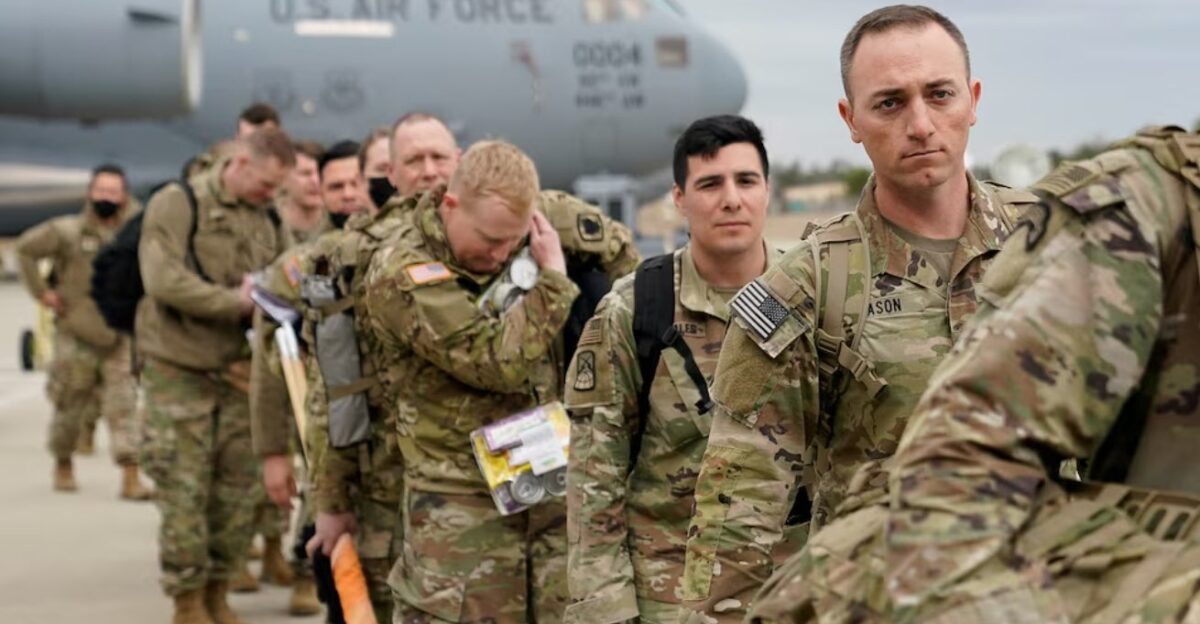
In 2022, the U.S. Army established the Joint Pacific Multinational Readiness Center (JPMRC) at Schofield Barracks—the Army’s first new Combat Training Center in more than fifty years. Unlike European-focused facilities, the JPMRC is purpose-built for jungle, archipelagic, and large-scale operations required for Pacific contingencies. The center integrates U.S. forces with regional allies in realistic training environments, enhancing Army readiness doctrine across the theater and ensuring forces are prepared for complex operations in diverse settings.
November Exercise Tests Multinational Coordination
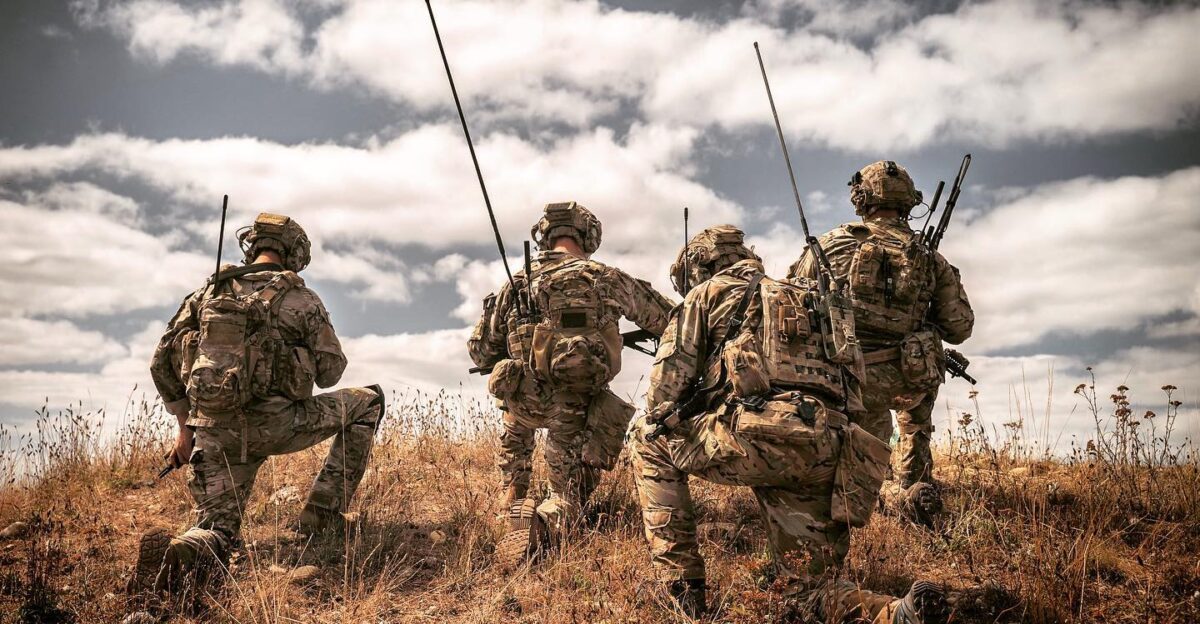
On November 6, 2025, the U.S. Army’s 2nd Battalion, 25th Aviation Regiment executed a large-scale maritime air assault exercise at Ford Island, Hawaii, as part of JPMRC Rotation 26-01. Six nations participated alongside American units: France, Malaysia, the Maldives, the Philippines, Singapore, and Thailand. The operation employed CH-47 Chinook helicopters, AH-64 Apache gunships, and UH-60 Black Hawk helicopters to simulate coordinated scenarios across an island chain, testing multinational command and control integration at high combat intensity.
Ford Island, home to Naval Station Pearl Harbor, provided an ideal training backdrop. The exercise extended across multiple Hawaiian islands, including the Pohakuloa Training Area and Kahuku. The diverse terrain—dense jungles, narrow passages, and limited landing zones—mirrors challenges forces might face in the South China Sea. Hawaii’s geographic isolation and well-equipped infrastructure proved vital for large-scale, multinational drills that enhanced operational realism.
Realistic Conditions Reveal Coordination Gaps
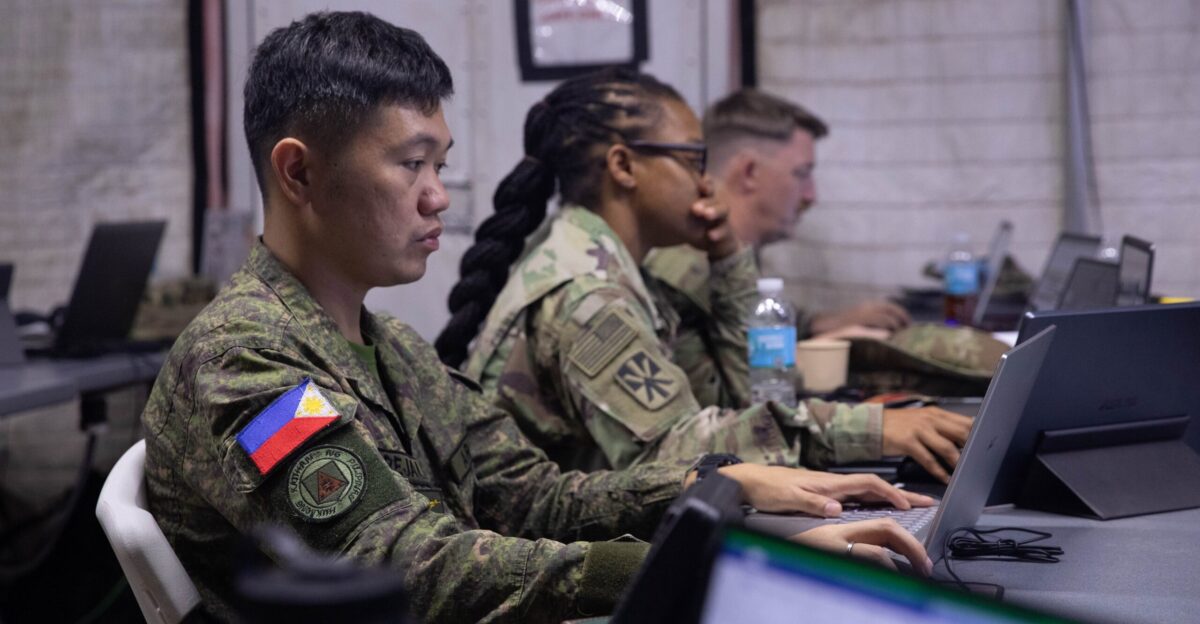
During the multi-day exercise operations, helicopter crews executed precise insertions into contested landing zones while ground units secured perimeters against simulated threats. Medical teams operated field hospitals, treating casualties in real-time, and showcased allied logistical capabilities. Soldiers described the experience as approaching actual combat without the use of live fire.
Third-party observers from New Zealand documented interoperability challenges, including communication delays, tactical doctrine discrepancies, and equipment incompatibilities. However, observers noted significant improvements in coordination throughout the rotation, with forces from France, the Philippines, and Thailand demonstrating advanced tactical proficiency. The exercise validated the necessity of multinational training initiatives and prompted recommendations for more frequent joint air-assault drills and standardized communication protocols.
Building Trust and Capability
Participants emphasized the collaborative dimension of these exercises. Training with allies is crucial not only for showcasing capabilities but also for learning from one another. Officers and enlisted personnel from the U.S. Army noted that integration was seamless and that working together helps forces understand each other’s strengths and weaknesses.
The JPMRC exercises demonstrate a new level of military collaboration among participating nations, illustrating how interoperability enhances collective security. Beyond preparing for potential conflicts, these operations emphasize building trust, understanding operational capabilities, and fostering lasting relationships among allies. As Indo-Pacific tensions rise, such collaborative efforts serve as a vital counterbalance to potential aggression, reinforcing commitment to regional security and stability.