Critical questions concerning the entwined legacies of education and slavery in America are raised by the recent investigation into a historic Virginia college, which was prompted by evidence of enslaved children attending an 18th-century school on its grounds. This college, which is associated with the Williamsburg Bray School, illustrates a paradox in which teaching literacy to enslaved children, mainly the Anglican faith, persisted in the system of slavery while also providing enslaved people with an essential, albeit constrained, tool of empowerment.
In colonial Virginia, education, religion, and slavery were all co-constituted, as evidenced by the discovery of this school’s foundation and associated artifacts. This story forces a difficult examination of the past, exposing painful realities and influencing current debates over education, race, and historical memory.
Background of the Williamsburg Bray School in History
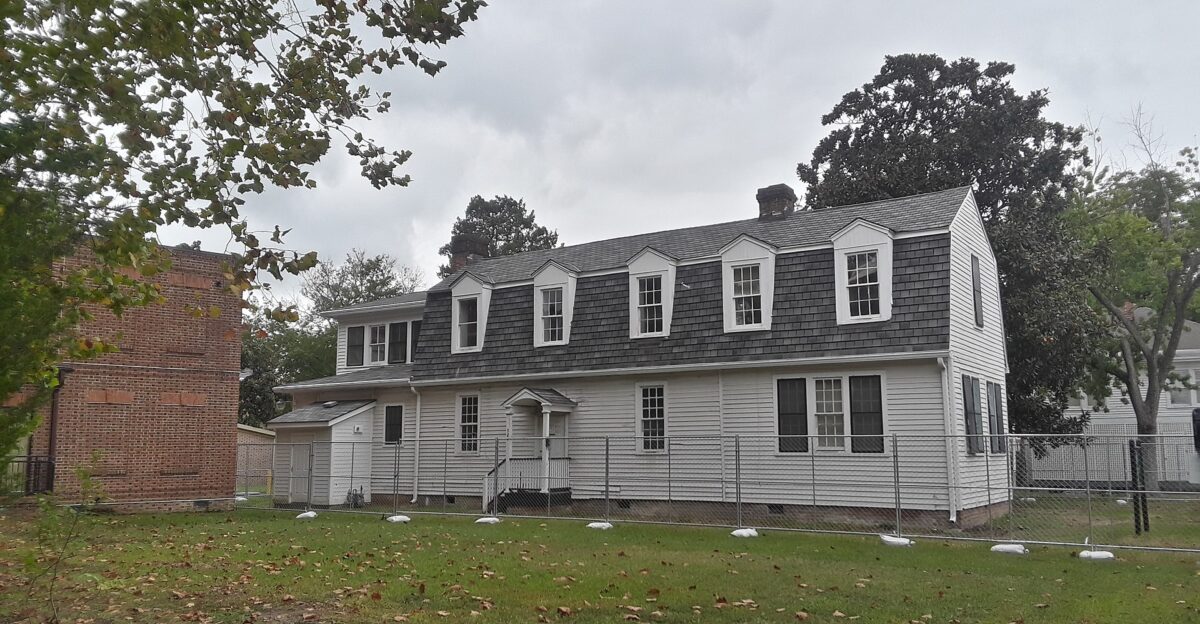
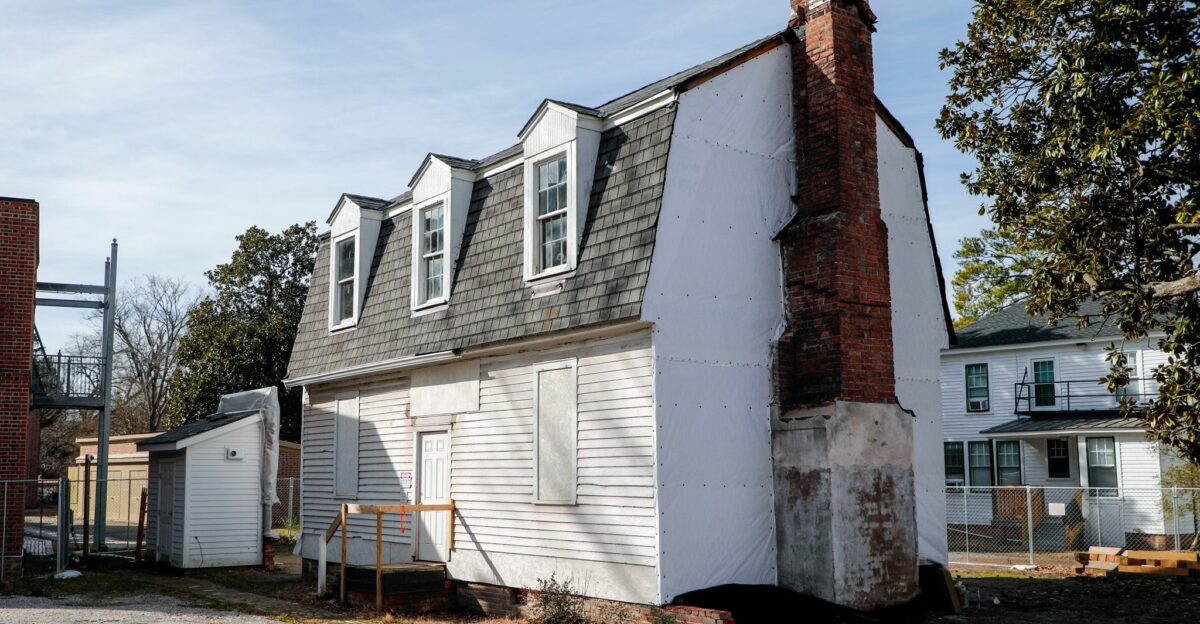
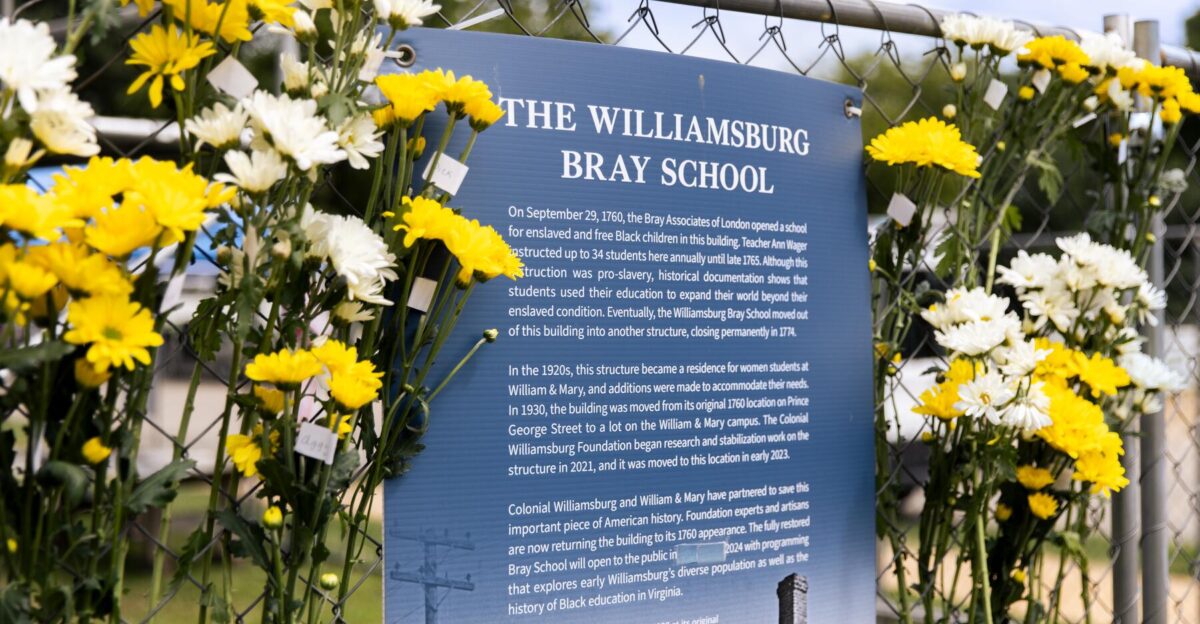
Under the direction of the Bray Associates, a missionary branch of the Anglican Church, the Williamsburg Bray School was founded in the middle of the eighteenth century to educate Black children, both enslaved and free. Instead of promoting true intellectual freedom, the curriculum placed more emphasis on reading primers and gospel lessons in an effort to instill religious compliance.
About 30 pupils showed up, the majority of whom were enslaved children between the ages of 3 and 10. Given this background, it becomes clear that the school served as a base for religious indoctrination, mirroring colonial efforts to uphold slavery under a moral pretext while fostering some level of literacy in these kids.
Education and Slavery in Colonial Virginia
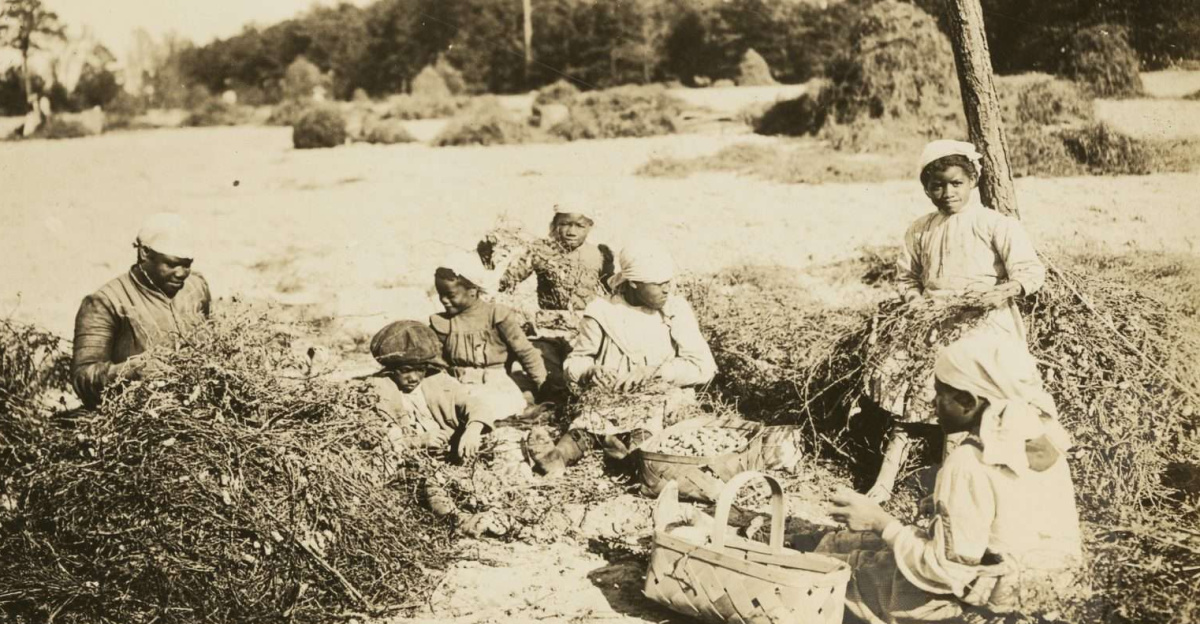
In the middle of the 19th century, 32-42% of Virginia’s population was made up of enslaved adults and children, making up a sizable portion of the state’s counties. Despite this, laws that prohibited literacy gatherings severely limited Black education. To prevent uprisings and preserve social control, enslaved people were to remain illiterate.
Although the Bray School was an early exception, Virginia completely outlawed literacy instruction for Black people in the 1830s due to fears of rebellion after incidents like Nat Turner’s 1831 uprising.
The Conundrum of Religious Education and Slavery
To encourage obedience, the Bray School’s curriculum required students to read the Bible and go to church. By incorporating theological defenses of slavery, this educational approach simultaneously strengthened students’ enslaved status while empowering them with literacy.
This manipulation of faith demonstrates how, despite planting the seeds for future resistance, education was used as a weapon to control enslaved populations psychologically.
Archaeological Findings and Their Significance
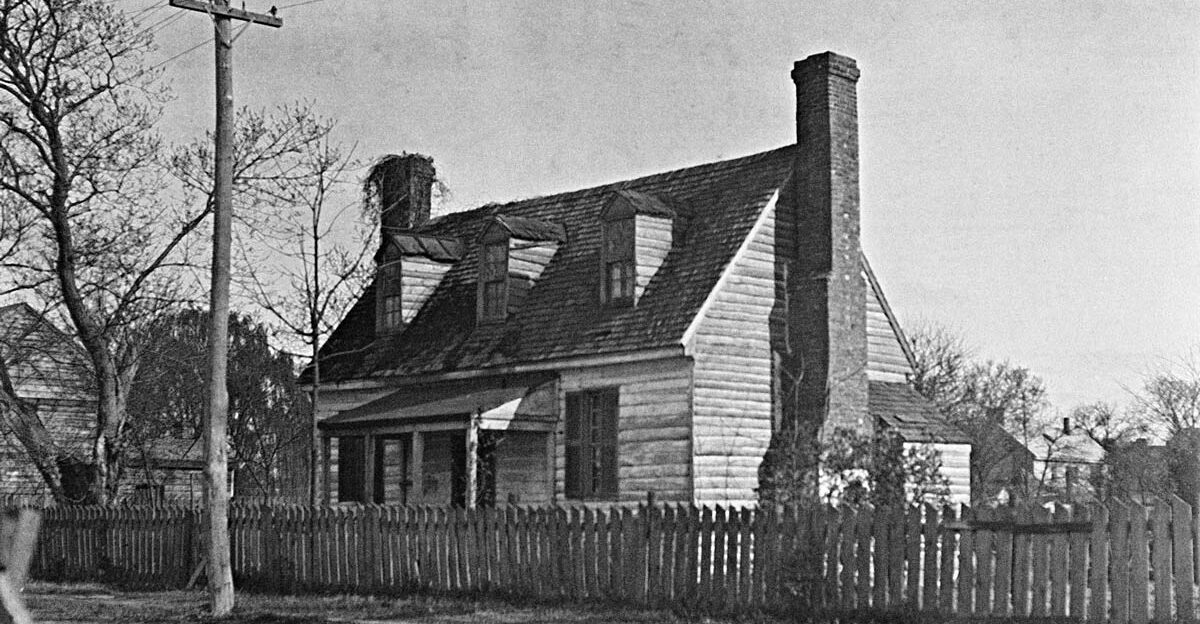
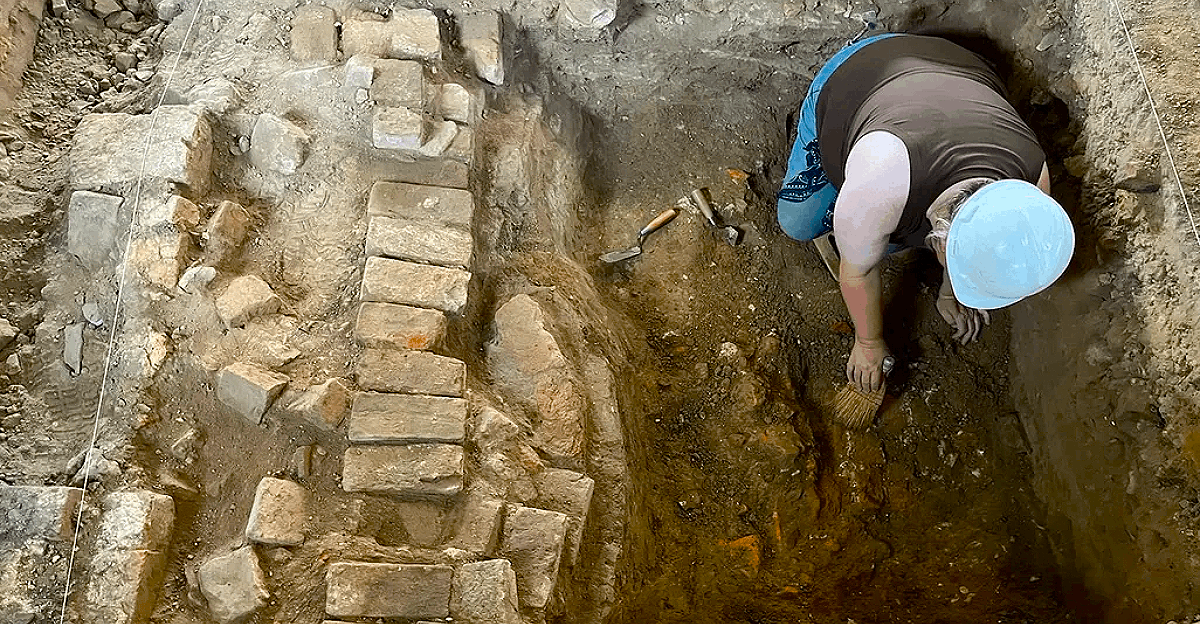
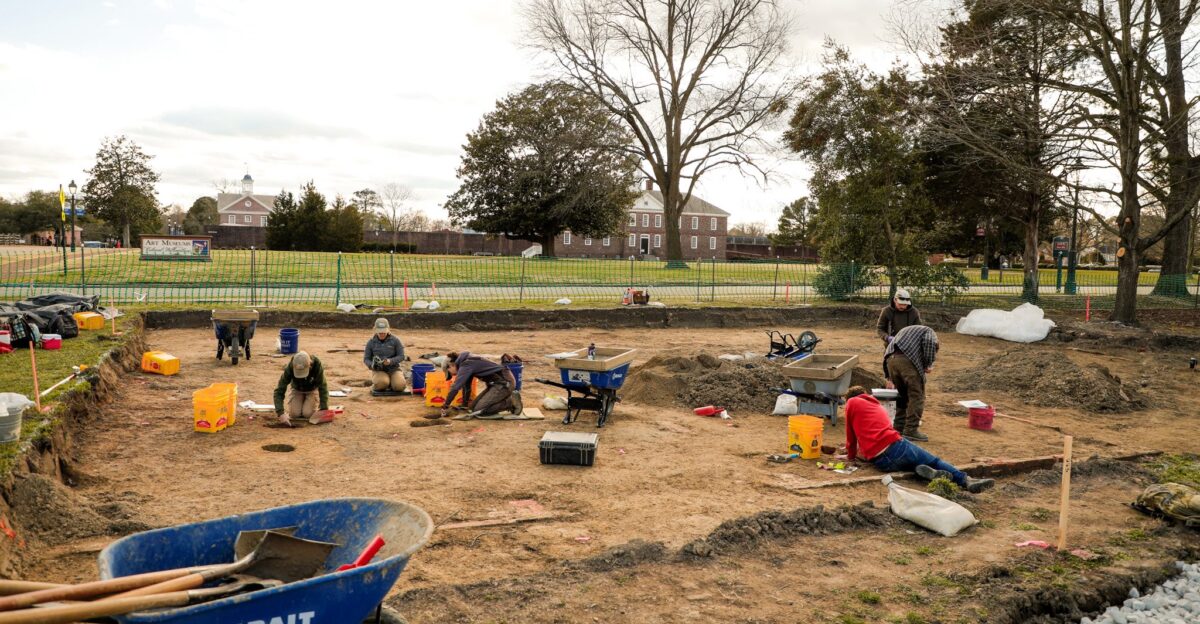
The historical narrative is energized by the recent archaeological discovery of the foundations of the Bray School and an unrecorded cellar, as well as artifacts dating from the 18th century onward.
These findings offer tangible proof to refute sanitized histories of American education and aid in confirming the existence of enslaved children in early educational institutions. These material relics link historical facts with current discussions of racial inequality and academic institutions’ legacies.
Identity and Narratives of Students in Slavery
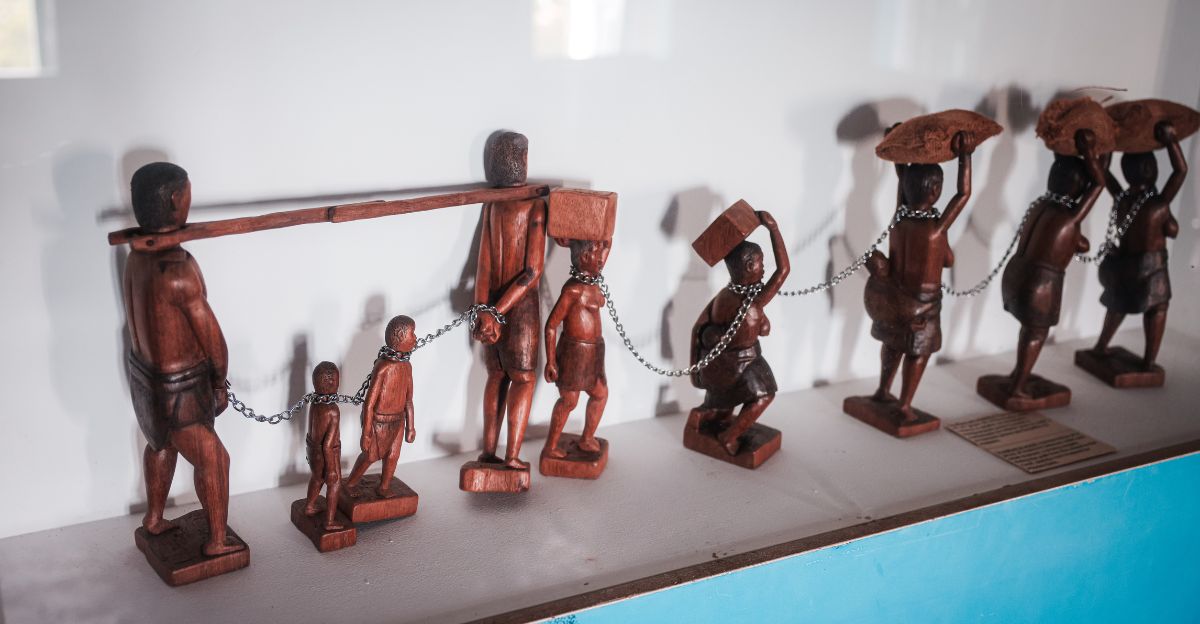
More than 80 students have been identified by research as attending this school, providing names and background information to those who faced this dichotomy of formal education and forced labor.
A history that is frequently reduced to statistics is made more relatable by the tales of kids like Aberdeen, Bristol, George, and Phoebe, who demonstrate the human cost and tenacity in the face of injustice. As former pupil Isaac Bee demonstrates, literacy was sometimes a means of achieving freedom.
Early Black Empowerment and Resistance to Education
Black people, both enslaved and free, managed to learn and teach in secret despite persecution. Black teachers established covert schools in response to Virginia’s stringent literacy laws.
Freed African Americans established their own public education system after the Civil War, highlighting the critical role that literacy plays in fostering freedom and civic engagement. These initiatives run counter to the school’s original purpose and show how the education of enslaved children fueled enduring social resistance.
Contemporary Research and Institutional Accounting

The Virginia college in question is currently under a lot of scrutiny and is being called upon to provide transparency and make amends. This instance is representative of a broader national trend in which universities face their historical connections to slavery, resulting in memorials, name changes, and educational initiatives.
While acknowledging the painful legacies that shaped American academia, such investigations hold promise for sincere communication and healing.
The Emotional Aspect of Education and Slavery
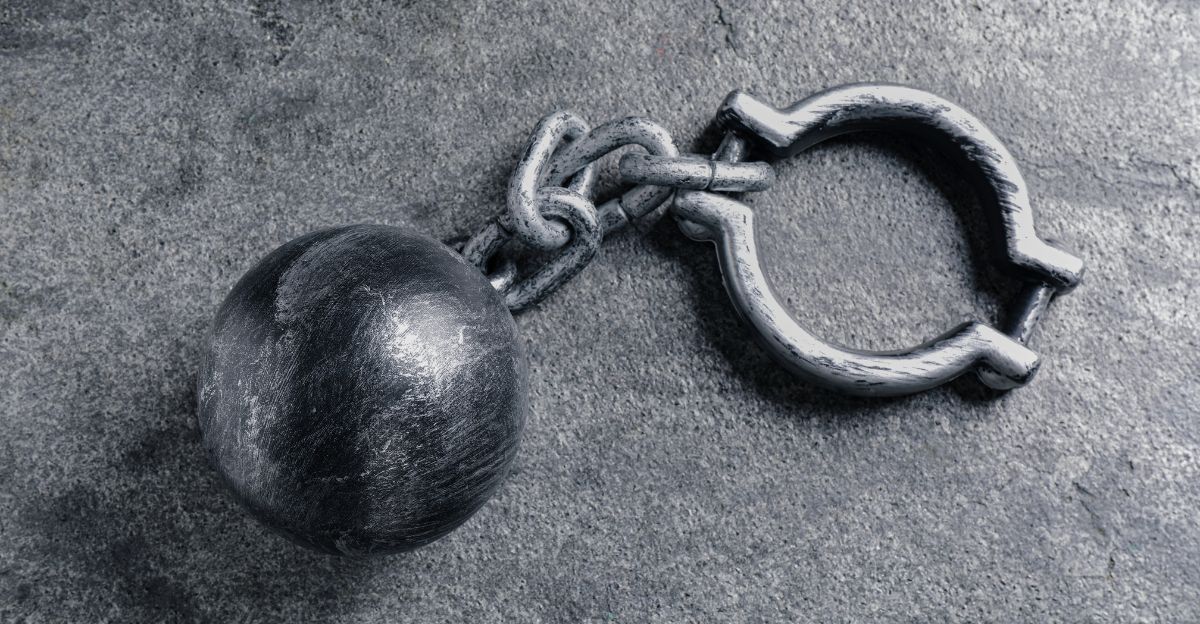
A psychological examination of trauma, identity formation, and resilience is encouraged by the dissertation on enslaved children who were taught under duress and brainwashed through religious education.
Both internal conflicts and adaptive strategies, like the use of secret literacy skills as emancipation tools, may result from this duality. Understanding the lived experiences of enslaved children beyond victimhood is enhanced by this complex psychological history.
Slave Control through Education
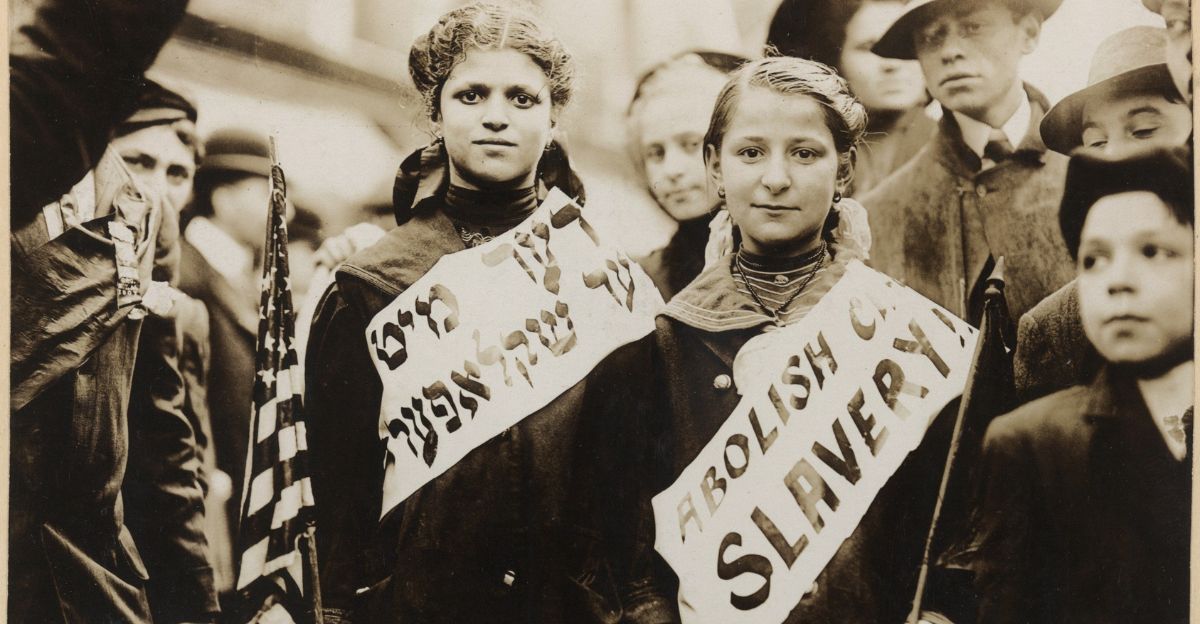
The claim that teaching enslaved children was solely about empowerment ignores the more brutal truth: control was the primary goal. In order to preserve social hierarchy, the curriculum placed a strong emphasis on religious obedience while severely restricting intellectual freedom. By enforcing a story of divine approval of slavery, this model employed education as a means of indoctrination to quell rebellion.
The institution maintained systemic oppression under the guise of moral justification by teaching enslaved children that their roles were predetermined by God. This viewpoint casts doubt on sentimental beliefs and compels acknowledgment that, in this particular context, education served as a tool to strengthen rather than abolish slavery.
History Rewritten by Archaeology

Archaeology’s ability to rewrite suppressed or forgotten histories is best exemplified by the multidisciplinary excavation at the Bray School site. The tangible foundations and artifacts, which include jewelry and handcrafted ceramics, provide indisputable evidence of the education and everyday lives of enslaved children, refuting myths that downplay or ignore these experiences.
Concrete links to history that would otherwise only be known from sparse records are provided by archaeology. This strategy promotes a more thorough and truthful public history by encouraging other organizations dealing with the legacy of slavery to spend money on forensic and archaeological research to unearth lost narratives. These findings call into question sanitized historical narratives and necessitate more extensive historical recognition and social reflection.
Reading as Quiet Opposition
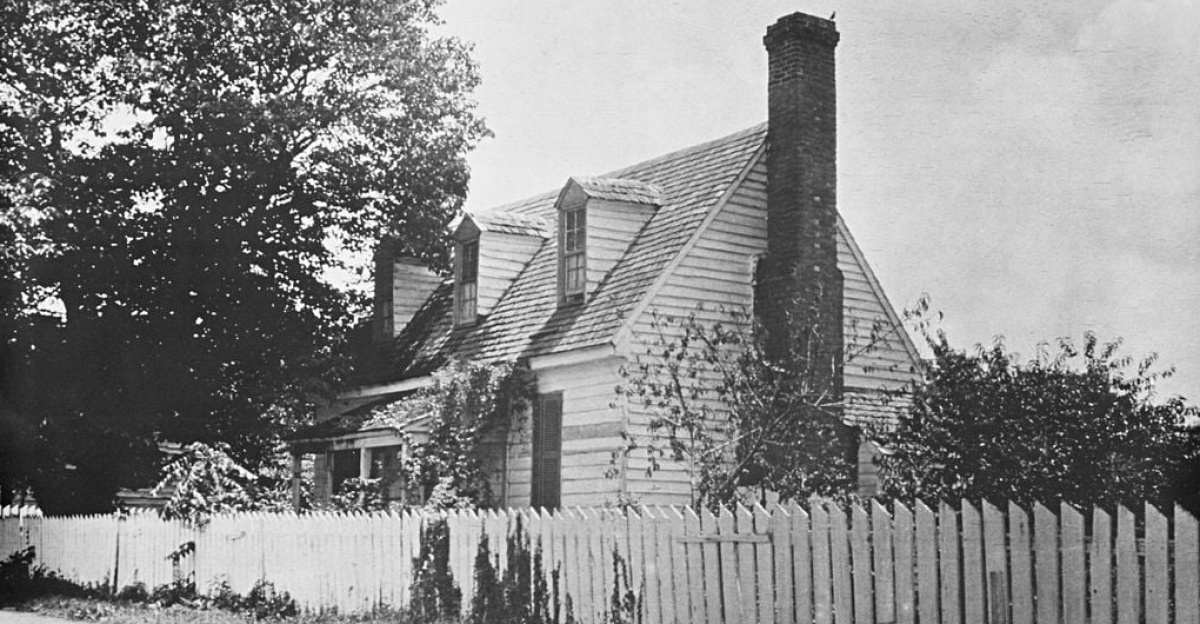
There is strong theoretical support for the idea that literacy instruction at the Bray School planted the seeds of silent rebellion. By enabling them to read subversive literature, communicate clandestinely, and exchange knowledge with other communities, literacy helped enslaved children develop resilience and challenge their imposed status. This covert empowerment could have fueled oral histories and abolitionist rhetoric or enabled covert forms of resistance that went undetected, enabling escapes like Isaac Bee’s.
Although there is little concrete proof, the intellectual environment served as a basis for defiance and survival tactics; these interpretations deepen our understanding of the experiences of enslaved children by highlighting the dual nature of slave education, as a tool for control and a source of inspiration for aspirations for liberation.
The More Comprehensive Story of Slavery and Education in America

The Bray School in Virginia is a prime example of a nationwide trend in which the education of enslaved children was riddled with inconsistencies, provided under the pretext of religion but based on upholding racial hierarchies. Similar establishments in southern states expose a structural framework designed to deny Black people full access to citizenship and knowledge while controlling their bodies and minds.
Slavery’s widespread influence on social, religious, and educational institutions is highlighted by these two legacies. By establishing this larger narrative, the Bray School is placed within the larger historical context of America, serving as a reminder of the pervasiveness of institutionalized racism and influencing current campaigns for educational justice and racial equality outside of the colonial setting.
Modern Pedagogy and Slave Education

Unique insights can be gained by relating the history of education for enslaved children to current pedagogical discussions regarding curriculum inclusivity and cultural responsiveness. The limited, brainwashing curriculum of the Bray School stands in stark contrast to the current demands for education that strengthens the identities and histories of marginalized students. This comparison calls into question how much progress has been made and forces a reexamination of how educational systems have historically marginalized Black experiences.
By addressing this history, educators can better comprehend the causes of mistrust in schools and create frameworks that respect and integrate various cultural narratives, reversing historical exclusions stemming from the legacy of slavery.
The Literacy Laws and Nat Turner
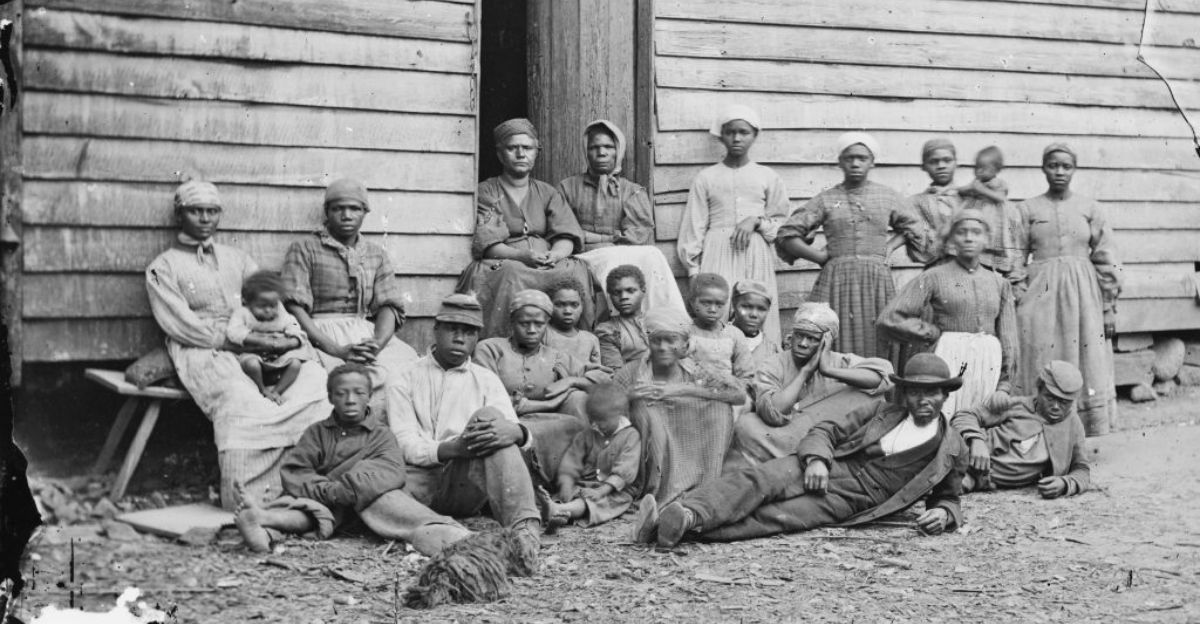
An extreme example of how literacy among enslaved populations led to severe legal backlash, with
, is the state’s response to Nat Turner’s 1831 uprising. This legislative crackdown demonstrated how seriously education threatened the institution of slavery and reflected fears that literacy equated to empowerment and rebellion.
Although the Bray School was only in existence for a short time before this crackdown, it is a final example of early attempts to strictly regulate the knowledge of enslaved people. Given this background, the school is positioned as a historical outlier as well as a representation of the ongoing conflict between oppression and education that persisted during slavery in the United States. For generations, the effects of these laws influenced access to education.
Social justice and education
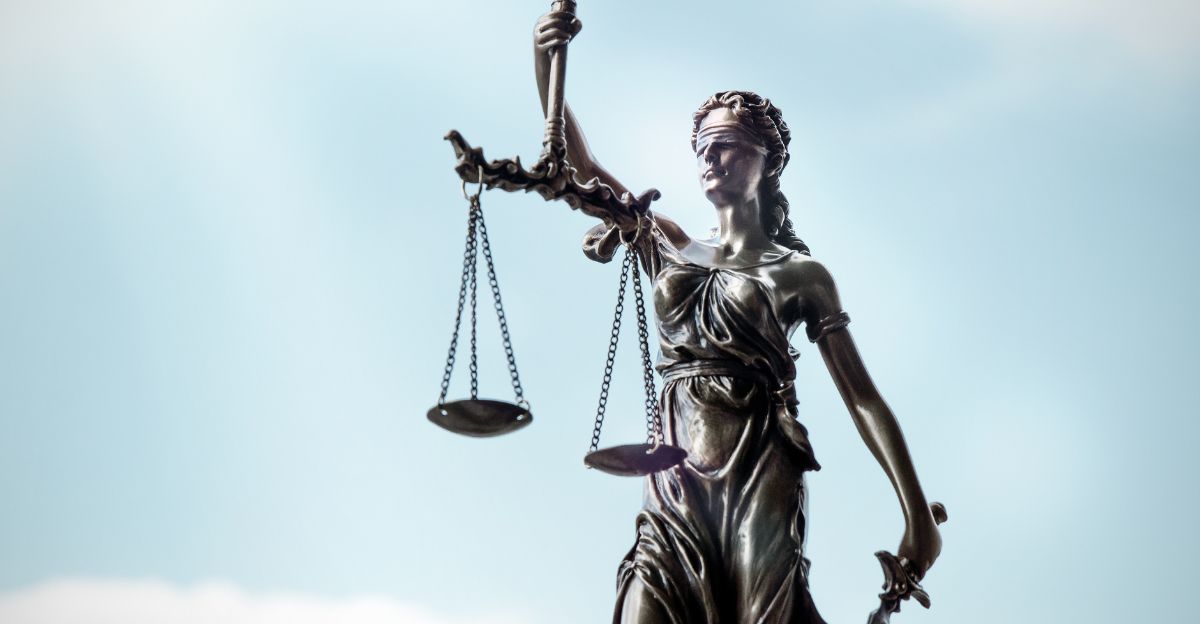
Initiatives for social justice and educational reform that right historical wrongs are expected to be sparked by the ongoing investigation. Understanding the intricate legacy of the Bray School could lead to the development of memorials, scholarship programs for descendants, and curriculum reform that includes a more thorough description of the educational experiences of enslaved children.
This reckoning may have an impact on public memory politics, encouraging sincerity and dialogue about reparations in schools and communities. In the end, making this history public can facilitate discussions about racial justice, equity, and healing while guaranteeing that educational institutions interact openly with their roots in order to create more just futures.
Unconfirmed Reports and Potential Findings

According to speculative but plausible theories, more archaeological excavation at the Bray School site or in the surrounding area might turn up more artifacts that shed light on the lives and resistance of enslaved children or unrecorded burial sites.
Understanding the agency of enslaved children under oppressive conditions would be strengthened by finding personal belongings, notes, or proof of covert literacy practices. Even though these theories are still unproven, they show how archaeology has a lot of potential to bring underrepresented histories to light. Expected results may change perceptions and inspire a renewed interest in honoring and conserving the heritage of enslaved communities.
The Ethics-Based Need for Open Accounting
This inquiry calls for an open and sincere examination of historical wrongdoings and their ongoing effects on surviving communities. It is the moral duty of the organizations working to unearth this history to promote discussion, learning, and reparative justice. Realistic, transparent storytelling promotes empathy, ends denial cycles, and advances structural reforms to address persistent racial injustices.
By highlighting the fact that healing necessitates facing brutal realities rather than hiding them, such accountability can act as a template for other organizations addressing the legacy of slavery. Publicly confronting history is essential to ethical scholarship and social advancement, as demonstrated by the Williamsburg Bray School case.
Enlightenment via Historical Confrontation
Society is forced to reconsider narratives surrounding education, race, and religion in light of the discovery and investigation into the education of enslaved children at this historic college in Virginia. Although this history exposes the harsh realities of oppression, it also highlights the fortitude and subtly defiant behavior of enslaved children who managed to acquire literacy in spite of their limitations.
In addition to challenging oversimplified interpretations, this dual legacy enhances collective memory and offers crucial lessons for today’s fight against systemic racism. Sincere discussion of these findings promotes enlightenment and motivates changes for educational justice. In order to heal and create inclusive futures based on equity and truth, it is imperative that the complete complexity of this history be acknowledged.