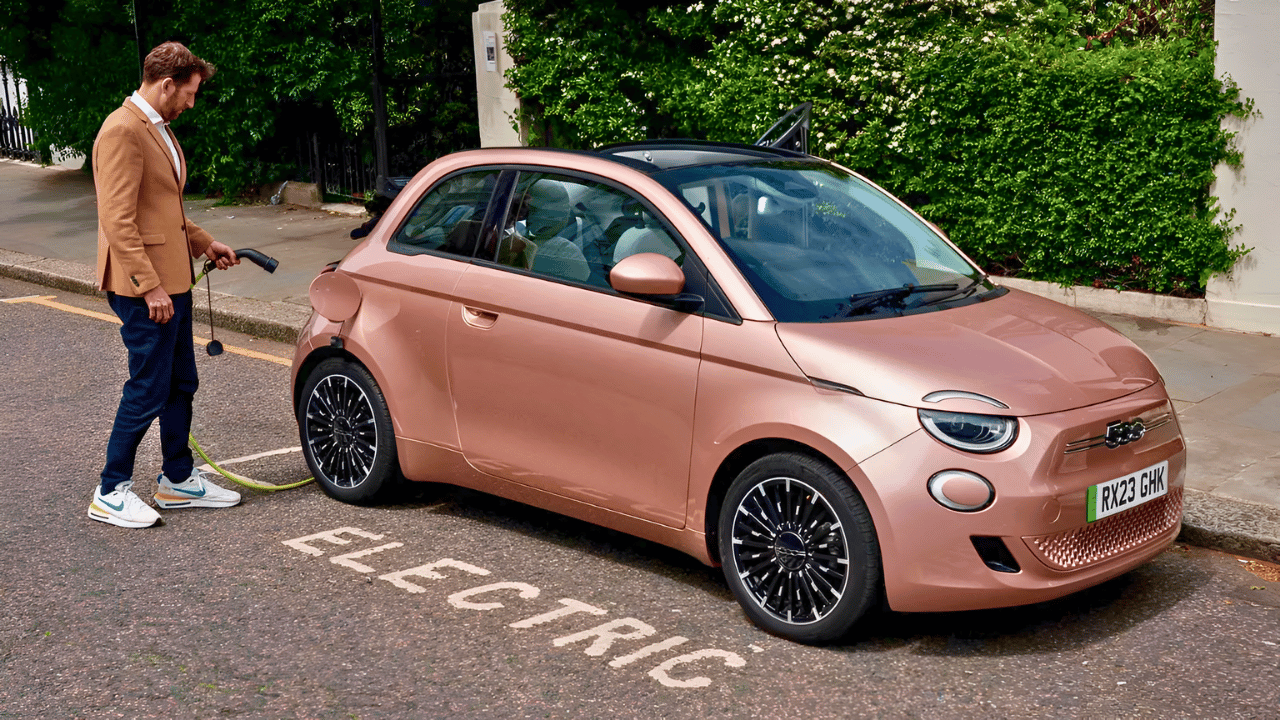
The electric vehicle market in the United States reached a tipping point in 2025. EVs now represent 10.5% of new car sales, yet many still see them as expensive.
Today, buyers can secure a new EV for under $30,000. This guide highlights 11 affordable options, featuring specs, honest assessments, and more. First-time EV buyers or trade-up shoppers will see that going electric no longer requires breaking the bank, making the transition to cleaner, cost-effective transportation accessible and realistic.
5 Compelling Reasons to Go Electric Today
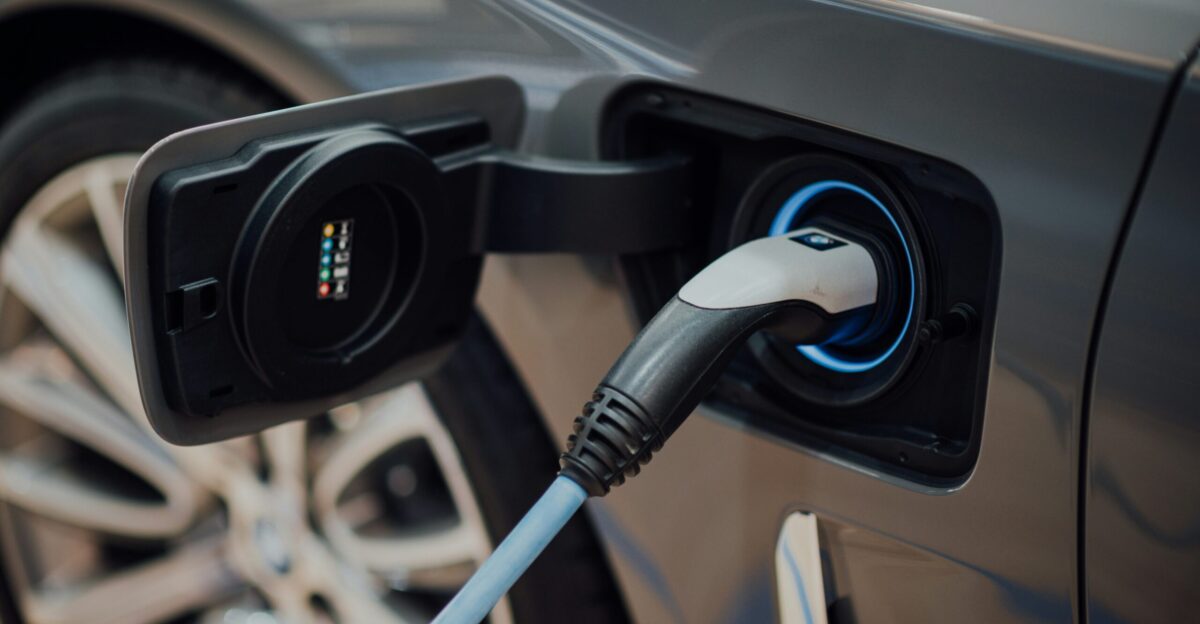
EVs cost 60-70% less to operate than gas vehicles. Electricity is cheaper than gasoline, and maintenance drops—no oil changes, spark plugs, or transmission fluid. They produce zero tailpipe emissions, shrinking your carbon footprint by about 80%.
Modern EVs include cutting-edge infotainment, smartphone integration, and standard driver assistance features. Instant torque delivers responsive acceleration, and quiet motors make cabins serene. Though federal tax credits expired, many states still offer rebates, making EV ownership affordable, practical, and environmentally responsible for American drivers today.
What Happened to the $7,500 EV Tax Credit?
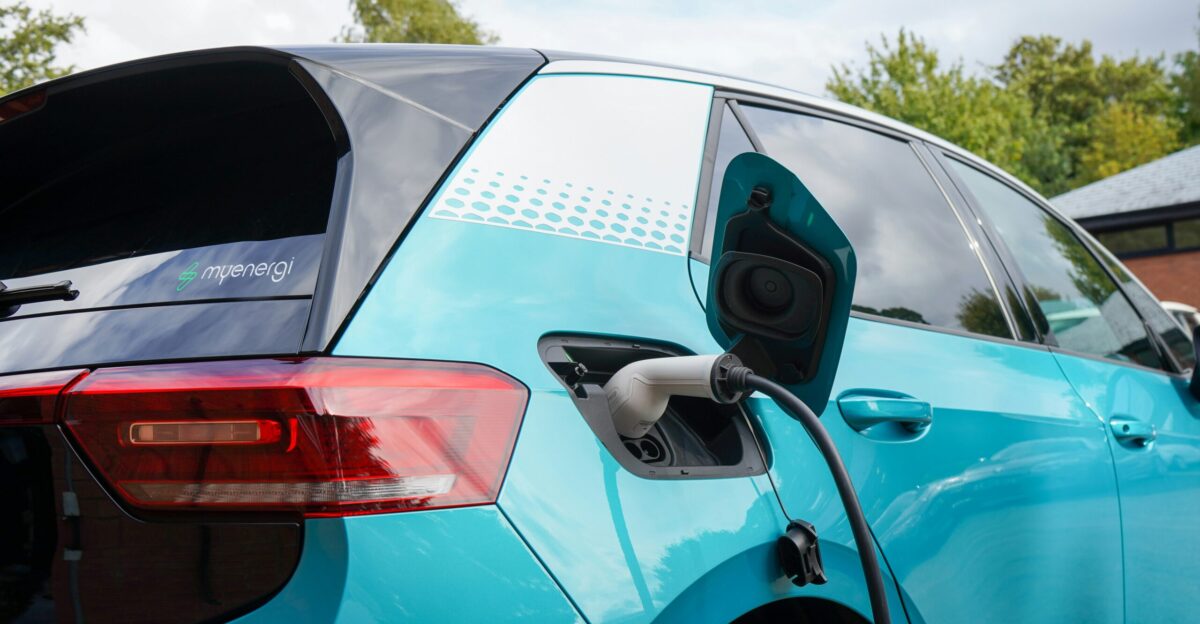
The federal EV tax credit expired on September 30 this year, offering up to $7,500 in per-vehicle subsidies. While this removed aggressive federal incentives, many states—such as California, New York, and Colorado—still offer EV rebates.
Automakers now compete on base pricing, driving affordability through cost reductions rather than credits. Smart buyers can take advantage of these price adjustments to access entry-level EVs at historically low prices without relying on expired federal incentives.
Where EVs Stand in America’s Auto Market (2025)
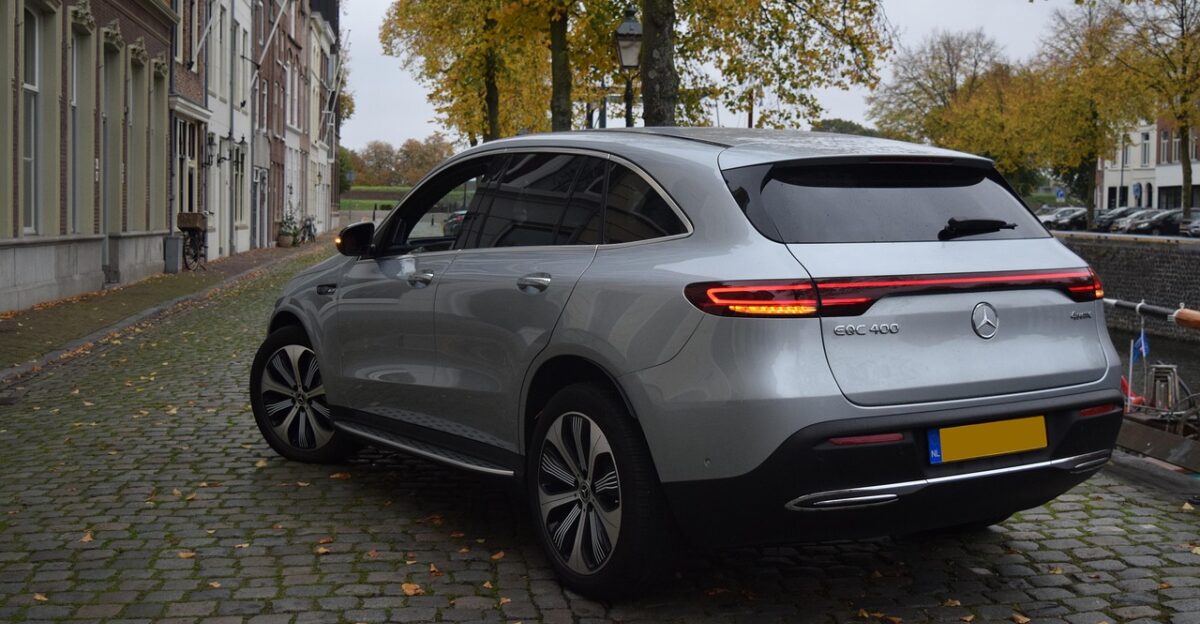
EVs accounted for 10.5% of U.S. new car sales in Q3 2025, up from 7.4% in Q2, with over 437,000 units sold that quarter alone. Tesla holds 41% of the market, followed by GM, Hyundai Group, Ford, Volkswagen, and Honda.
Nearly 90 EV models are now available nationwide. With U.S. EV sales exceeding one million in the first three quarters of 2025, mainstream adoption is clearly underway, proving that affordable EV options are not just niche vehicles—they’re shaping the future of mobility.
Public Charging Is Exploding Across America
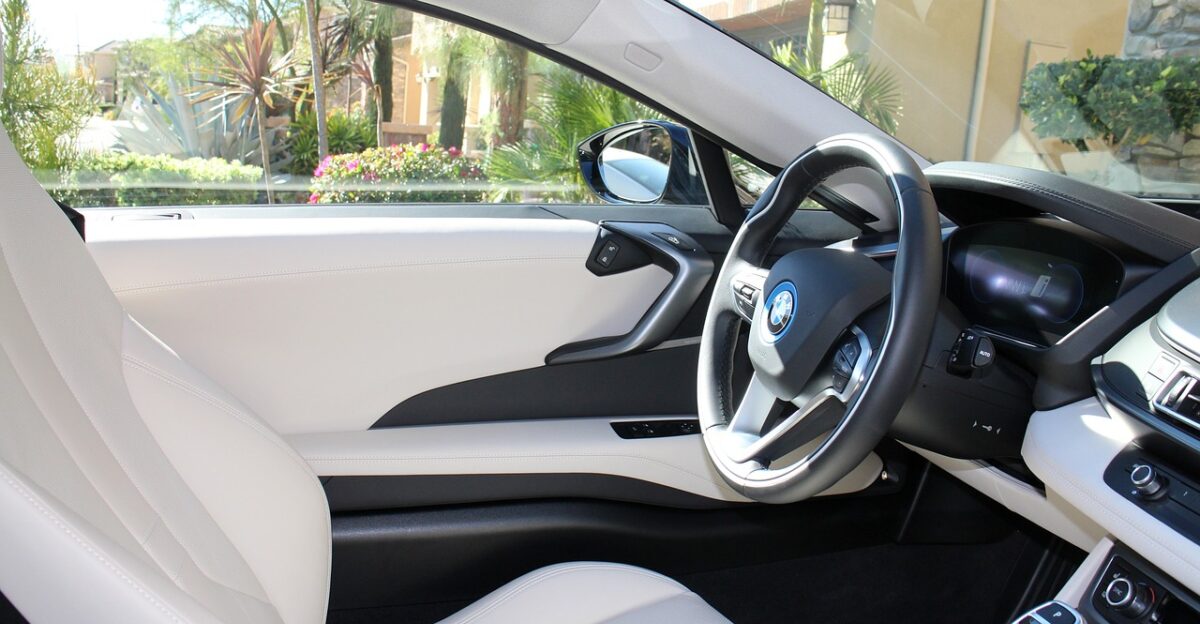
America’s EV charging network expanded rapidly this year, with 780 new public high-speed chargers opening in the third quarter alone. Level 2 chargers now number in the hundreds of thousands, while DC fast chargers enable 80% charging in 20-40 minutes.
Tesla’s Supercharger network remains the industry leader, and Electrify America, EVgo, and ChargePoint are expanding rapidly. This growth reduces range anxiety and enables long-distance travel, making entry-level EVs practical for city commutes and weekend trips alike, further supporting the shift to electric transportation as charging infrastructure catches up with demand.
EVs Are Actually Cheaper to Own Long-Term
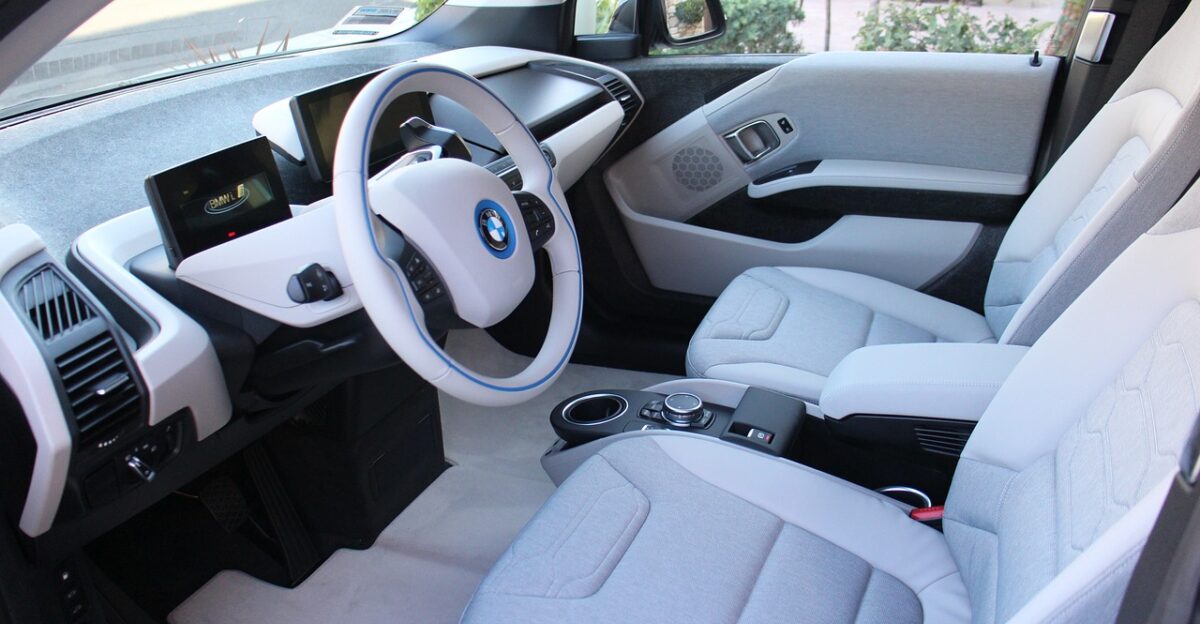
Despite slightly higher upfront costs, EVs save thousands over five years. Total ownership, including purchase, operating costs, and maintenance, averages $36,772 for EVs versus $54,473 for comparable gas vehicles, a $17,701 difference.
Electricity costs 60% less than gasoline, regenerative braking extends brake life, and routine maintenance is minimal. Insurance is comparable or lower, and resale values remain strong. The combination of lower operating costs, minimal maintenance, and sustained resale value makes EV ownership financially attractive, particularly for those transitioning from gas-powered vehicles to a cleaner, cost-efficient electric future.
Range Anxiety Is Overblown. Here’s Why

Average U.S. commutes are roughly 30 miles daily. Even the lowest-range EV on this list, the Nissan Leaf (149 miles), can handle five days of commuting before needing a charge. Modern infrastructure enables fast DC charging for long trips—adding 200+ miles in 30-40 minutes.
Affordable EVs easily cover 95% of routine driving needs, and the longest-range models on the list offer up to 363 miles of range. For most households, range anxiety is more psychological than practical, making these vehicles reliable and stress-free options for daily use.
So, Which Are the Cheapest EVs Right Now?

Electric vehicles no longer demand six-figure budgets. In 2025, shoppers can find brand-new EVs priced from under $30,000 to around $42,000. These entry-level models combine reliable range, modern technology, and essential safety features, making them accessible for first-time buyers, urban commuters, and families alike.
Depending on priorities—short daily commutes, city parking, or longer highway drives—there’s an option for nearly every driver. Prices reflect automakers’ focus on affordability, not just incentives, creating genuine opportunities to switch to electric without sacrificing performance, convenience, or peace of mind. These 11 vehicles demonstrate the best value currently on the market.
#1 – Nissan Leaf – $29,635
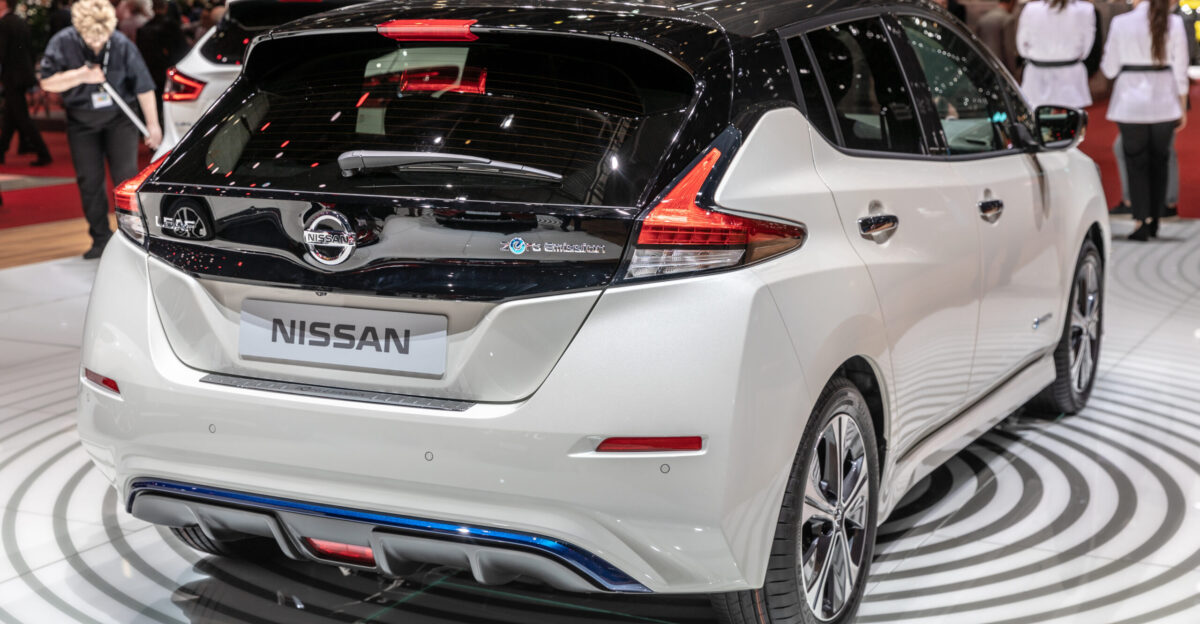
The Nissan Leaf remains America’s most affordable EV, backed by over 12 billion electric miles driven globally. Buyers can choose a 40-kWh battery with 149 miles of range or a 60-kWh pack delivering 212 miles. Both provide reliable performance suited for everyday driving.
Its e-Pedal system offers intuitive one-pedal control, while the cabin seats five comfortably with safety features such as automatic emergency braking and blind-spot monitoring. Although its look has changed little since 2011, the Leaf continues to attract practical shoppers seeking trusted, budget-friendly electric transportation.
#2 – Fiat 500e – $32,495
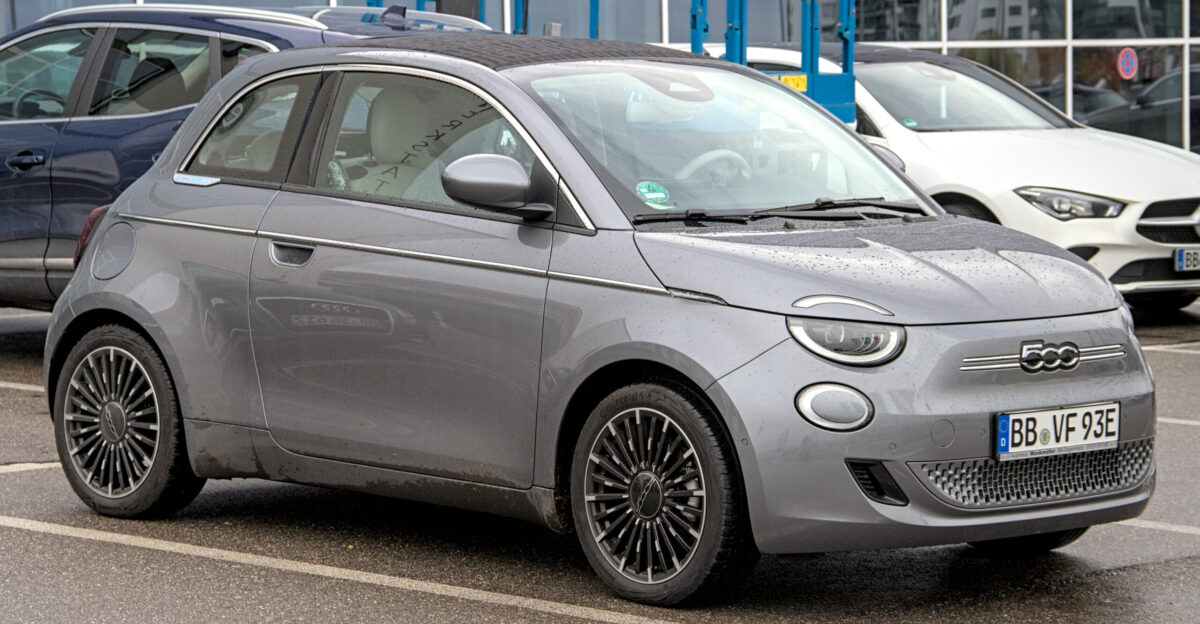
The 2025 Fiat 500e blends classic Italian design with modern EV efficiency, offering 149 miles of EPA-estimated range from a 42-kWh battery and 117-hp motor. Its tiny footprint makes it ideal for crowded cities, tight parking, and short commutes.
DC fast charging brings the battery to 80 percent in about 35 minutes. The 500e accelerates from 0-60 mph in 7.8 seconds and includes three drive modes to optimize efficiency. With a fashion-inspired cabin and premium materials, this compact EV suits urban drivers seeking style and maneuverability.
#3 – Hyundai Kona Electric – $34,470
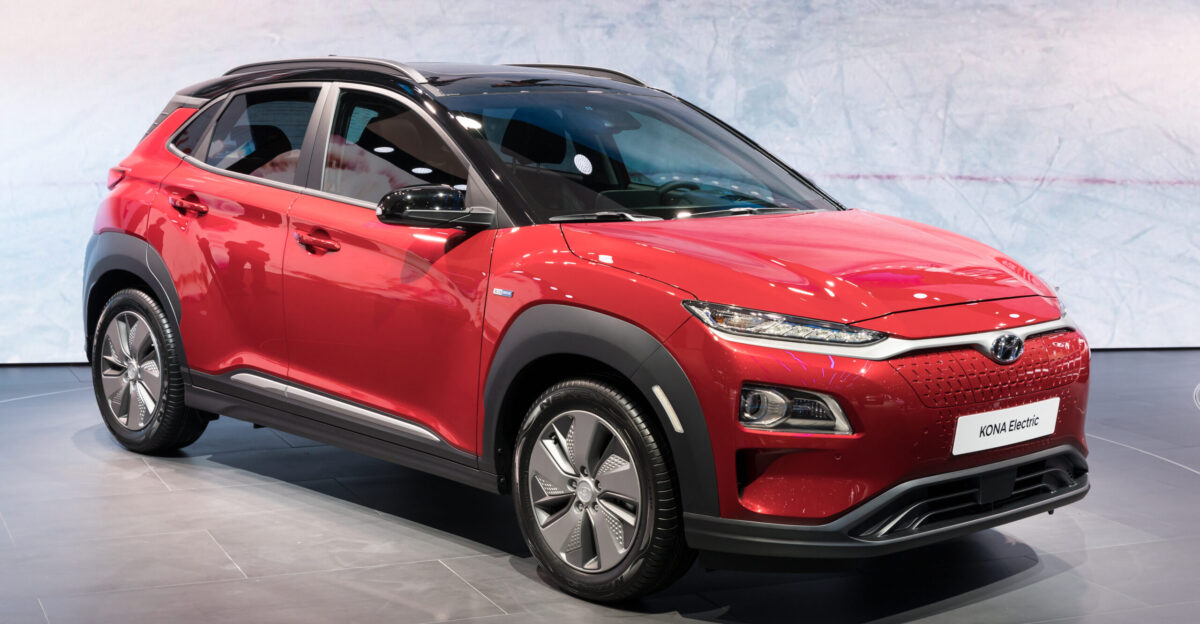
The redesigned 2025 Hyundai Kona Electric offers up to 261 miles of range. Buyers can pick between a 48.6-kWh battery with 133 hp and 200 miles of range or a 64.8-kWh pack offering 201 hp and 261 miles. Its compact SUV body adds practicality for a wide range of drivers.
Hyundai’s SmartSense safety suite provides autonomous emergency braking, lane-keeping assist, blind-spot monitoring, and highway driving assist. With 25.5 cubic feet of cargo space and availability across 48 states, the Kona Electric delivers strong value for shoppers seeking an affordable, well-equipped electric SUV.
#4 – Chevrolet Equinox EV – $33,600
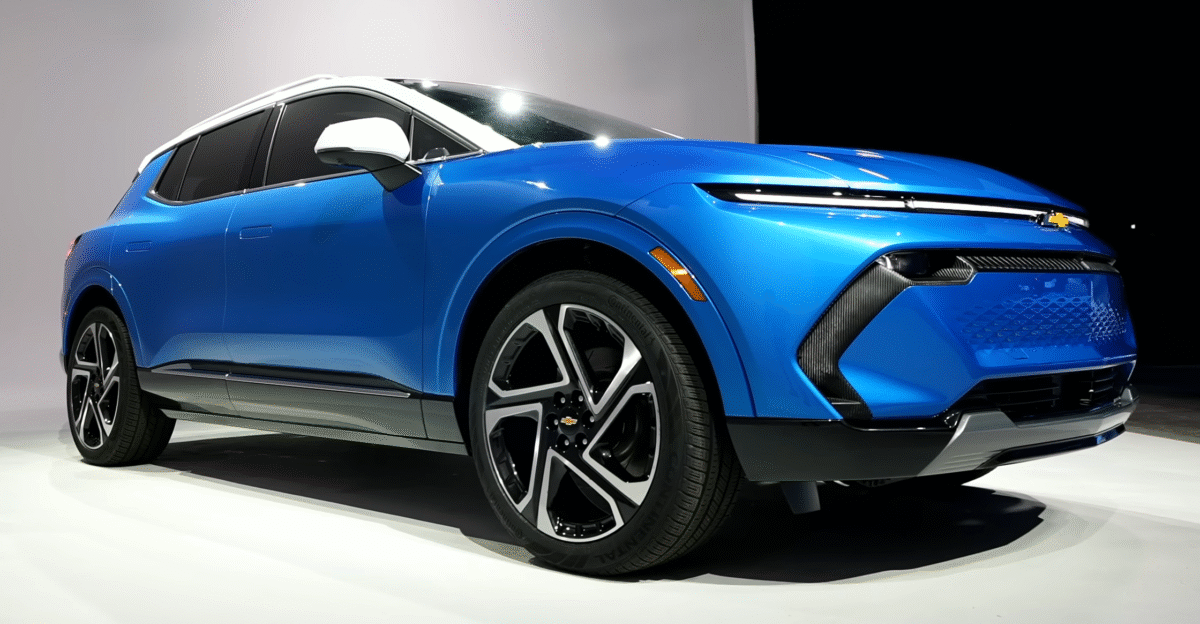
The 2025 Chevrolet Equinox EV stands out with 319 miles of range on its base front-wheel-drive model. The 85-kWh Ultium battery and 220-hp motor support quick acceleration, while DC fast charging can add up to 70 miles in 10 minutes. It ranks among the longest-range budget EVs.
Inside, a large 17.7-inch touchscreen provides Google built-in services. One-pedal driving is standard, and safety features include automatic emergency braking and forward collision alert. With comfortable seating for five and flexible cargo capacity, the Equinox EV offers excellent value for families stepping into electric driving.
#5 – Tesla Model 3 Standard – $38,380
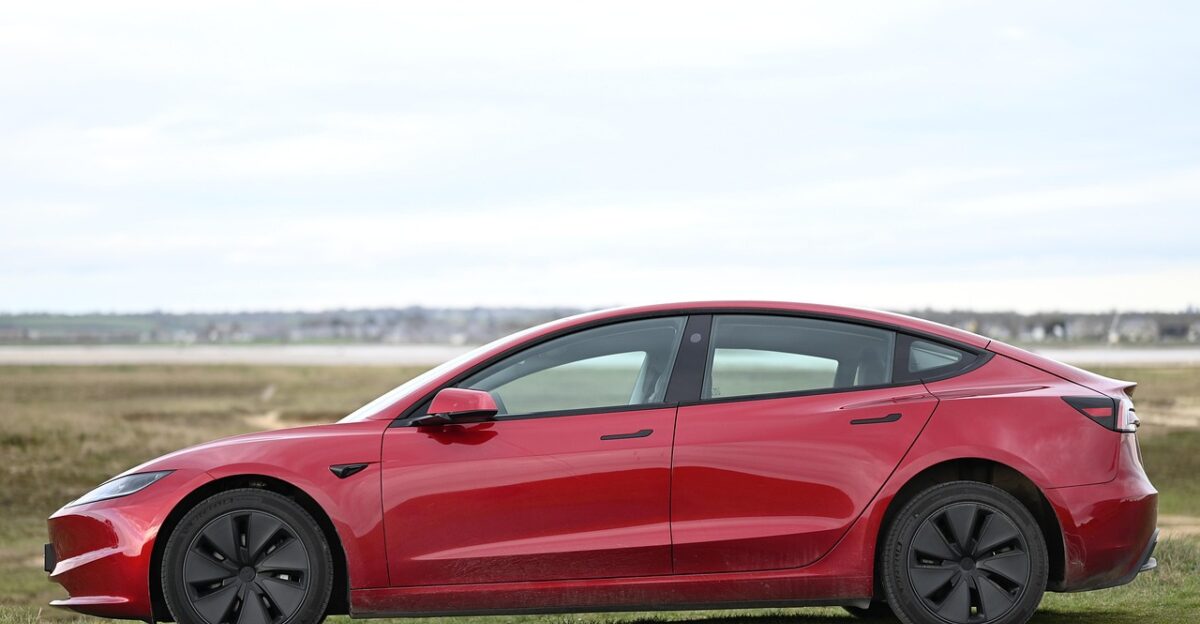
Tesla’s 2025 Model 3 Standard delivers 321 miles of range using a 69-kWh LFP battery powering a rear-wheel-drive motor. The sedan reaches 0-60 mph in 5.8 seconds, offering lively performance at a competitive price point for an EV in its class.
The minimalist interior features a 15.4-inch touchscreen, though some premium upgrades are reserved for higher trims. Standard safety includes automatic emergency braking, adaptive cruise control, and blind-spot monitoring. Access to Tesla’s Supercharger network and NACS compatibility further enhances its appeal to cost-conscious EV shoppers.
#6 – Toyota bZ4X – $38,520
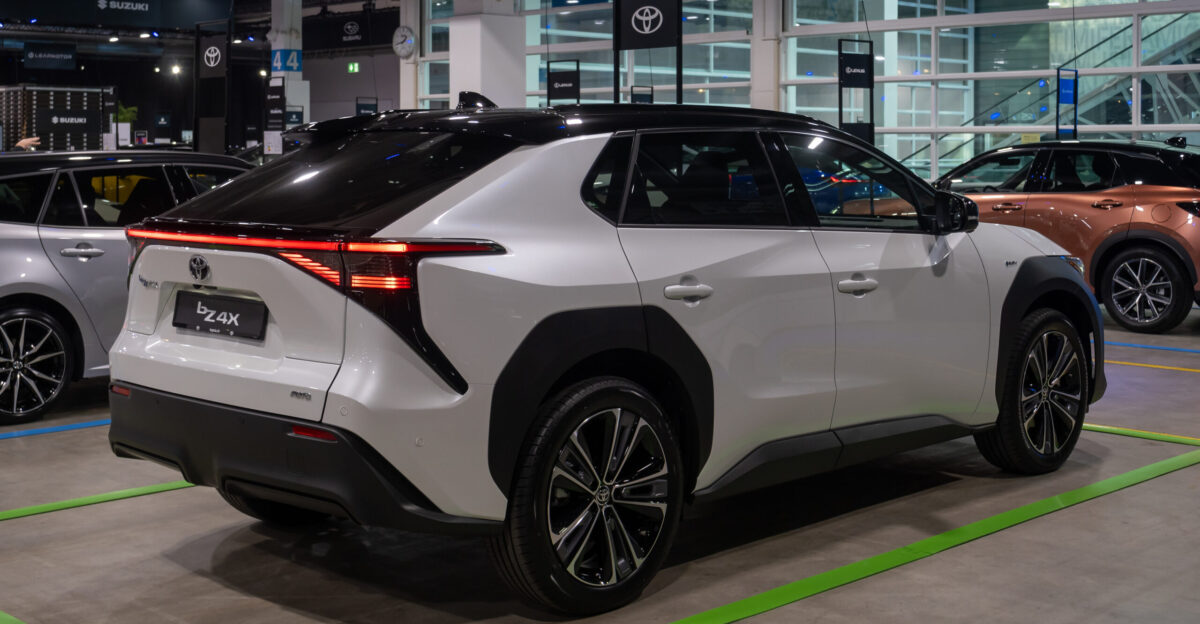
Toyota’s 2025 bZ4X delivers 222-252 miles of range, combining the brand’s reliable reputation with its first widely available EV platform. Buyers can choose a 71.4-kWh battery for FWD or a 72.8-kWh pack for AWD models. Both deliver smooth, quiet driving for daily use.
Safety features include front and rear automatic emergency braking, adaptive cruise control, and lane-keeping assist. The interior offers seating for five plus practical cargo space. Aimed at shoppers who value long-term dependability, the bZ4X focuses on steady, predictable performance rather than high-speed thrills.
#7 – Hyundai Ioniq 6 – $39,095
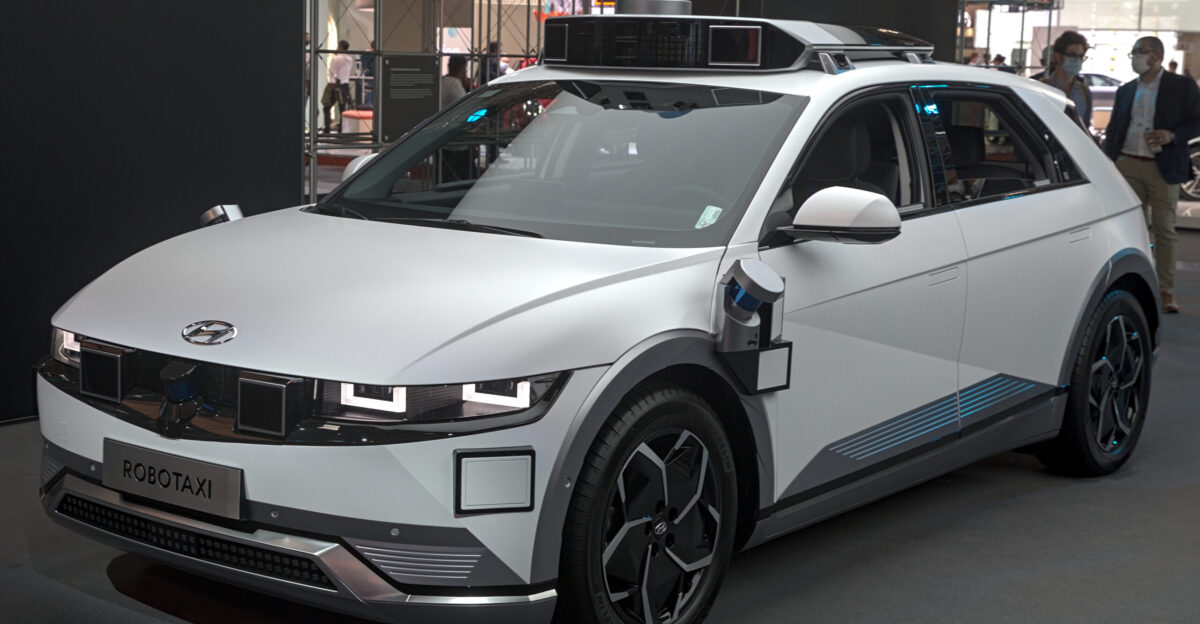
The Hyundai Ioniq 6 pairs futuristic design with high efficiency, offering up to 342 miles of range. Its 800-volt architecture allows 10-80 percent charging in about 18 minutes on a compatible 350-kW charger. The base SE uses a 53-kWh battery producing 149 hp.
Higher trims offer a 77.4-kWh battery with 225-hp single-motor or 320-hp dual-motor configurations. Named Best Value EV by Cars.com for two consecutive years, the Ioniq 6 features dual 12.3-inch screens, premium cabin materials, and advanced safety tech. Its aerodynamic design improves range while delivering an engaging drive.
#8 – Subaru Solterra – $39,915
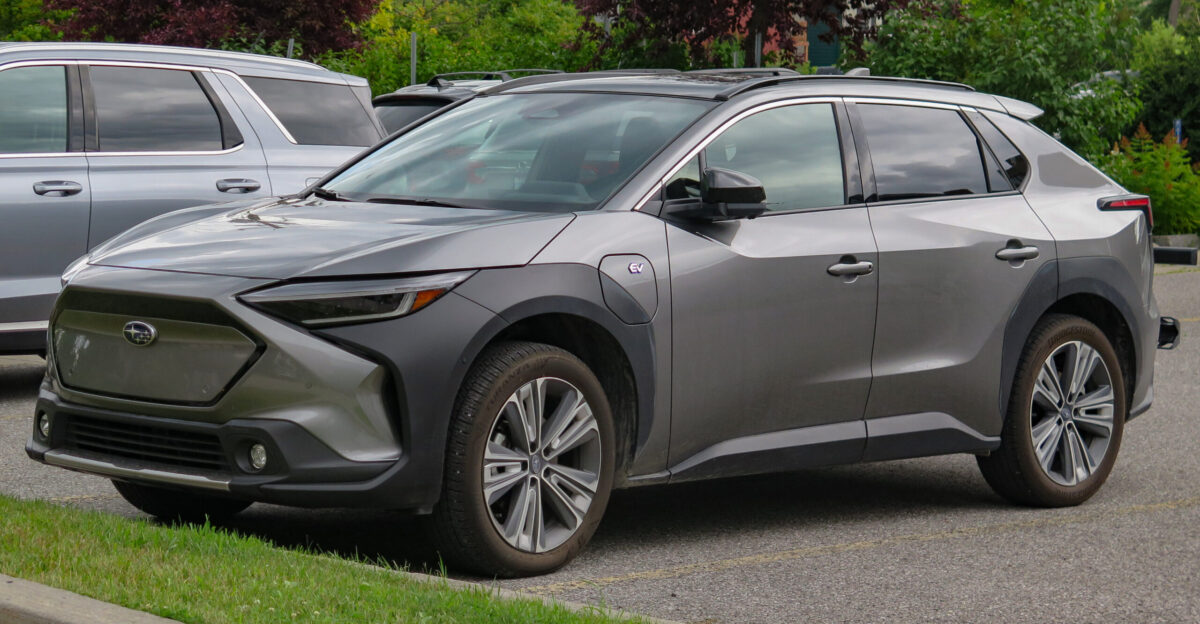
The 2025 Subaru Solterra introduces all-electric AWD capability with dual motors generating 215 hp and 249 lb-ft of torque. Its 72.8-kWh battery provides 222-227 miles of range and supports 10-80 percent charging in about 35 minutes. Four trims allow increasing levels of comfort and technology.
Available features include heated seats, a panoramic sunroof, and upgraded audio. Standard safety covers automatic emergency braking, adaptive cruise control, and lane-centering assist. Subaru’s Solterra Connect app adds remote monitoring tools. Built with familiar SUV capability, the Solterra suits buyers seeking Subaru dependability in EV form.
#9 – Ford Mustang Mach-E – $39,990
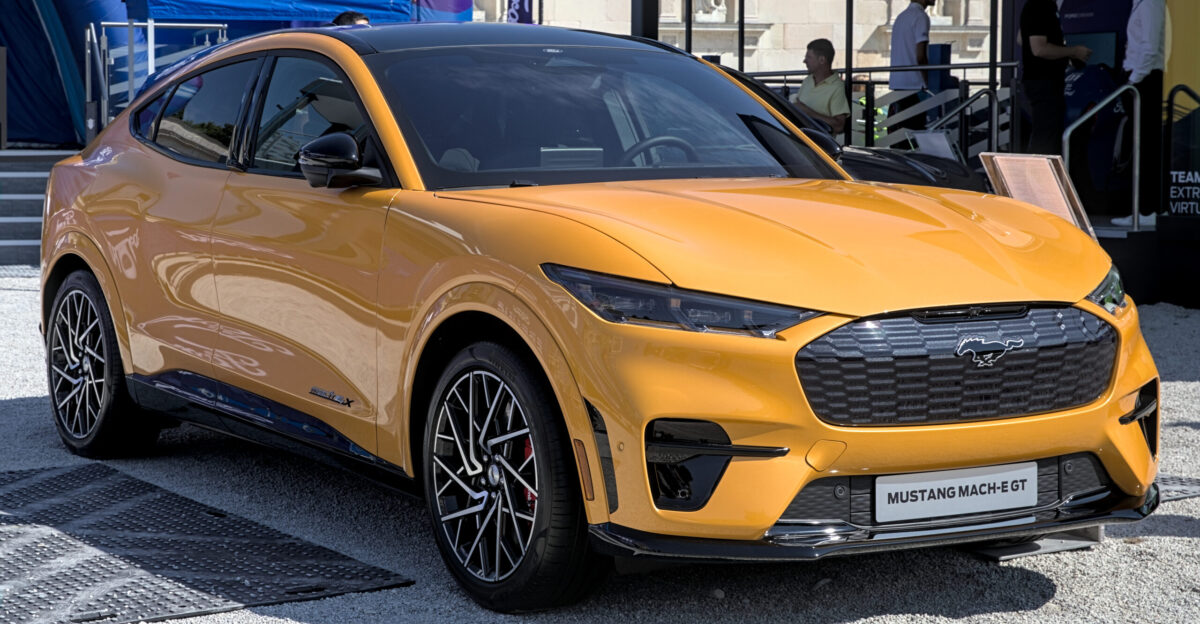
The Ford Mustang Mach-E Select RWD offers up to 320 miles of range while delivering a sporty character. Its 264-hp motor produces 387 lb-ft of torque, reaching 0-60 mph in 5.8 seconds. For 2025, Ford added a heat pump for better cold-weather performance and BlueCruise hands-free driving.
Inside, the Mach-E features a large 15.5-inch touchscreen, wireless smartphone connectivity, and available heated and ventilated seats. Cargo space spans 29 to 60 cubic feet. An 8-year or 100,000-mile EV component warranty adds reassurance for buyers seeking both performance and practicality.
#10 – Kia Niro EV – $41,045
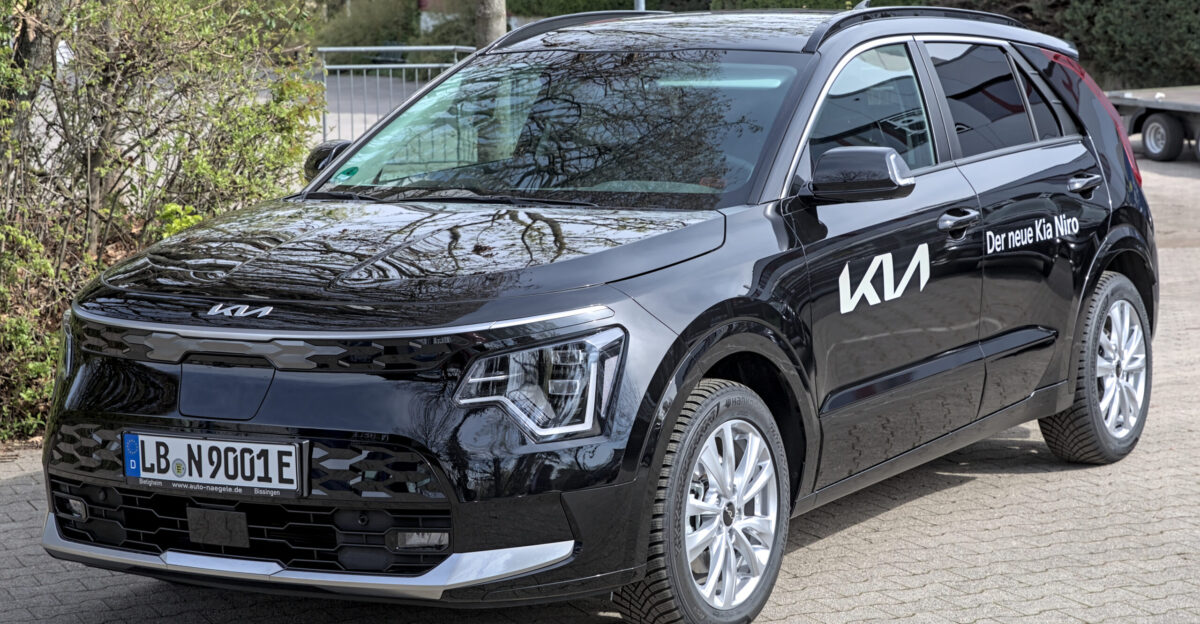
The 2025 Kia Niro EV offers 253 miles of range and a practical interior for families. Its 201-hp motor and 64.8-kWh battery support efficient one-pedal driving through regenerative braking. Wind and Wave trims include strong everyday features suited for commuting and weekend travel.
Heated front seats, a 10.3-inch touchscreen, dual-zone climate control, and ambient lighting come standard. Safety systems include automatic emergency braking, lane-keeping assist, and highway driving assist. Eco-friendly cabin materials and smart cargo versatility make the Niro EV a dependable, value-focused electric crossover.
#11 – Nissan Ariya – $41,265
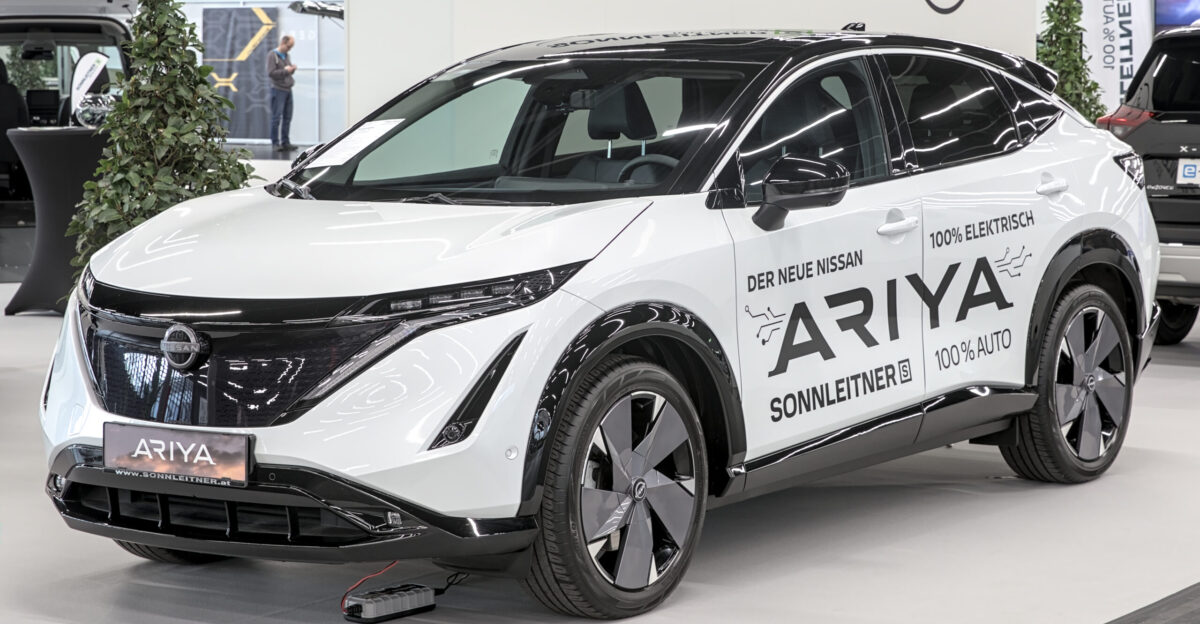
The Nissan Ariya offers 205-289 miles of range depending on configuration. Base FWD models produce 216 hp, while e-4ORCE AWD variants deliver up to 389 hp and a 5.0-second 0-60 time. Dual 12.3-inch displays anchor a refined, tech-forward cabin.
Features include wireless charging, USB-C ports, and Alexa support. Driver assistance brings ProPILOT semi-autonomous driving and automatic parking. With Nissan pausing 2026 Ariya production for the United States, remaining 2025 inventory may be the last chance to secure this well-equipped premium electric crossover.
What Actually Matters
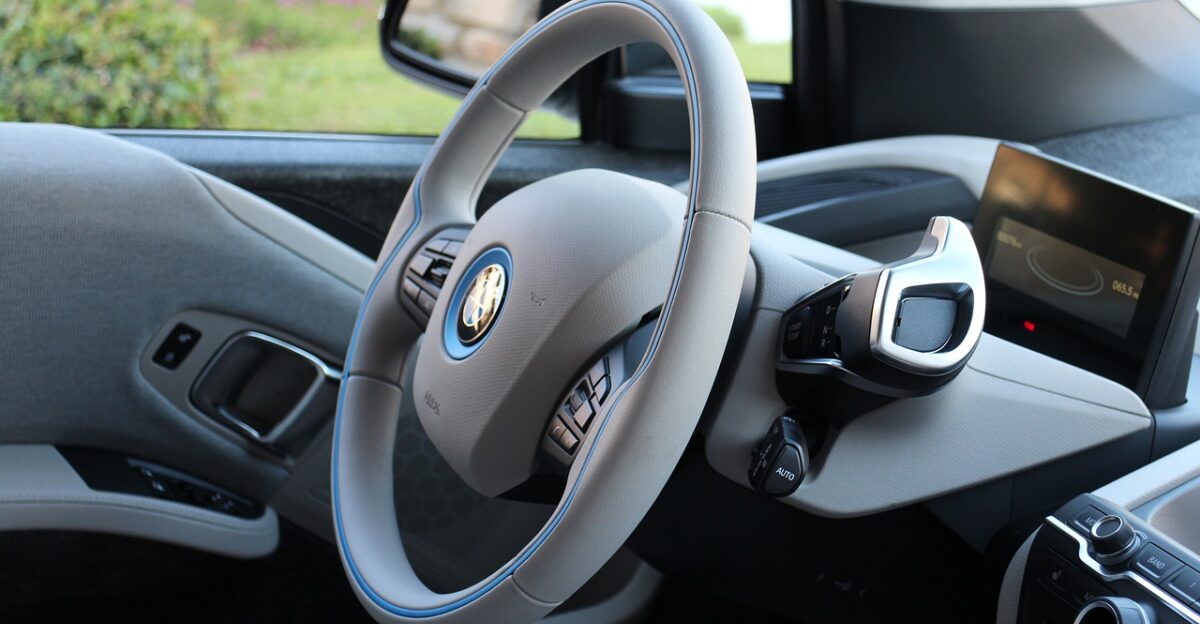
Battery size (kWh) affects range: 40-50 kWh suits daily commutes, 60-90 kWh handles frequent long trips. EPA-estimated range predicts realistic driving distance, factoring in temperature effects. Horsepower influences acceleration; torque delivers immediate responsiveness. Level 2 home charging takes 4-8 hours; DC fast chargers refill 80% in 30-45 minutes. FWD maximizes efficiency; AWD improves traction and handling at minor range cost.
Understanding these specs helps buyers match a vehicle to commuting habits, family needs, and highway travel, ensuring an informed EV purchase that balances range, performance, and cost.
How to Buy: Lease vs. Finance vs. Used
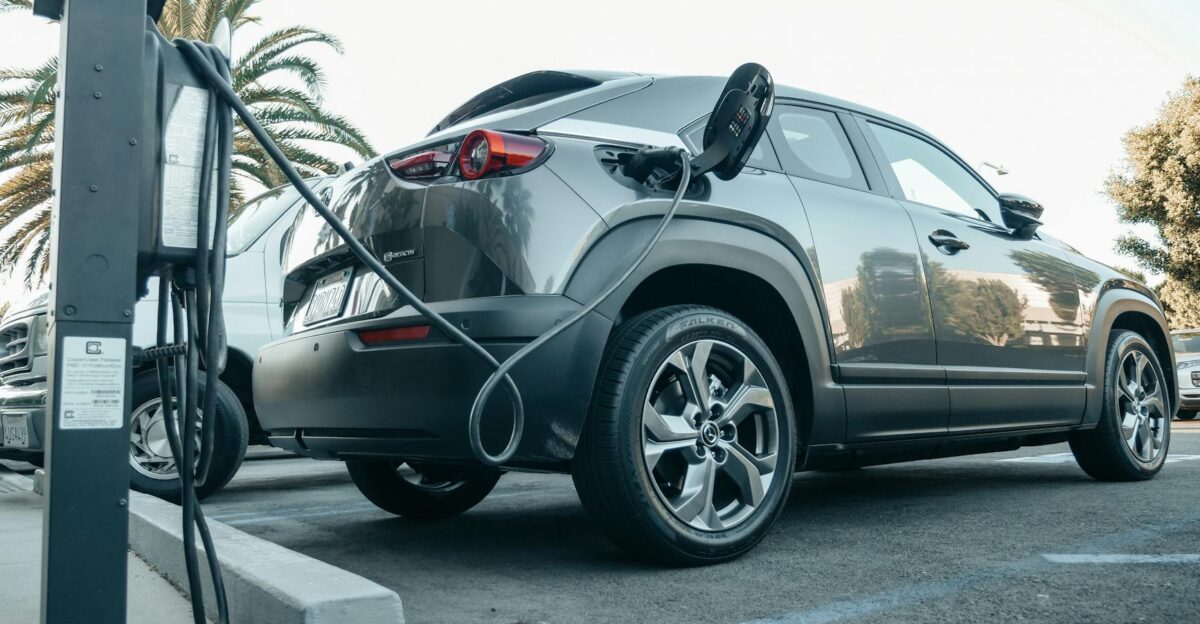
New purchases provide full ownership, long-term savings, and unlimited mileage. Financing is available for 48-72 months with competitive rates. Leasing covers maintenance and warranty, ideal for tech-conscious drivers wanting the latest features, but mileage limits apply. Used EVs offer discounts, though battery longevity and remaining warranty must be considered.
With new EV prices now $29k-$42k, buying new often outperforms used in value, offering peace of mind through warranties and full feature access, making new entry-level EVs the most practical and economical choice for 2025 buyers.
Your EV Buying Checklist: Don’t Miss These Steps
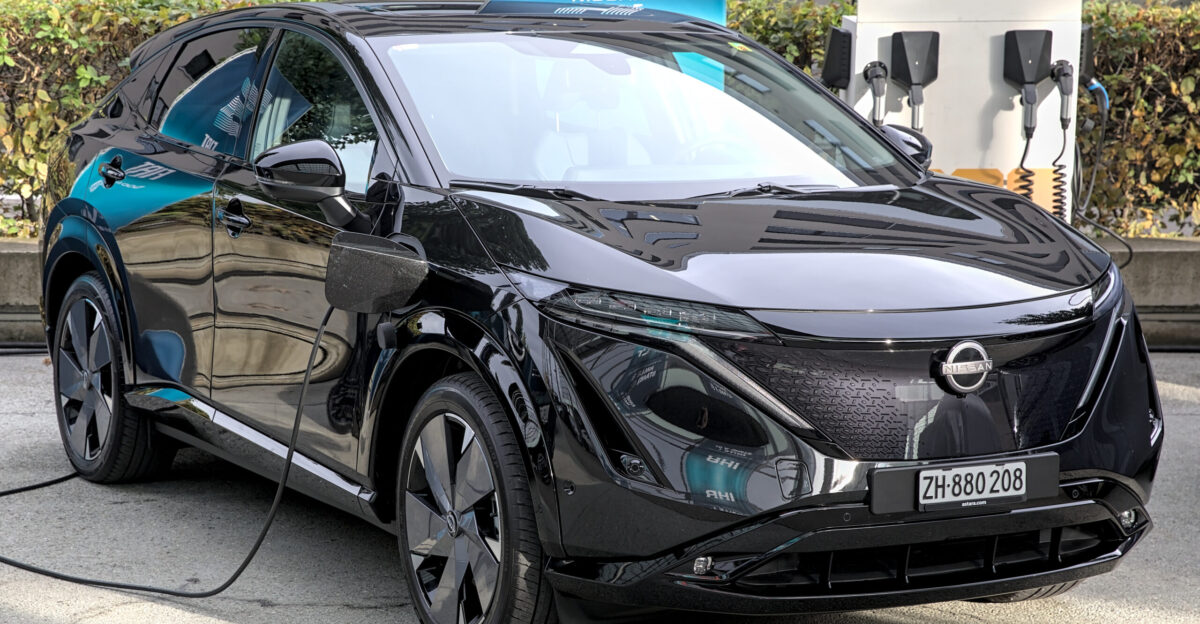
Test drive multiple EVs to experience one-pedal driving, acceleration, and cabin quietness. Evaluate home charging feasibility and Level 2 installation costs ($500-$2,500). Compare total ownership costs including insurance, electricity, maintenance, and depreciation. Check state incentives, which still provide $3,000-$7,500. Confirm dealer inventory as federal tax credit expiration caused supply fluctuations.
Finally, review warranties—most EVs offer 8-year/100,000-mile coverage. Following these steps ensures you select the right affordable EV for your lifestyle, budget, and driving needs while maximizing savings and convenience in the evolving American EV market.
Sources
U.S. Environmental Protection Agency (EPA) – EV Range Testing Methodology
Internal Revenue Service (IRS) – Federal EV Tax Credit Expiration
Cox Automotive & Kelley Blue Book – Q3 2025 EV Sales Data