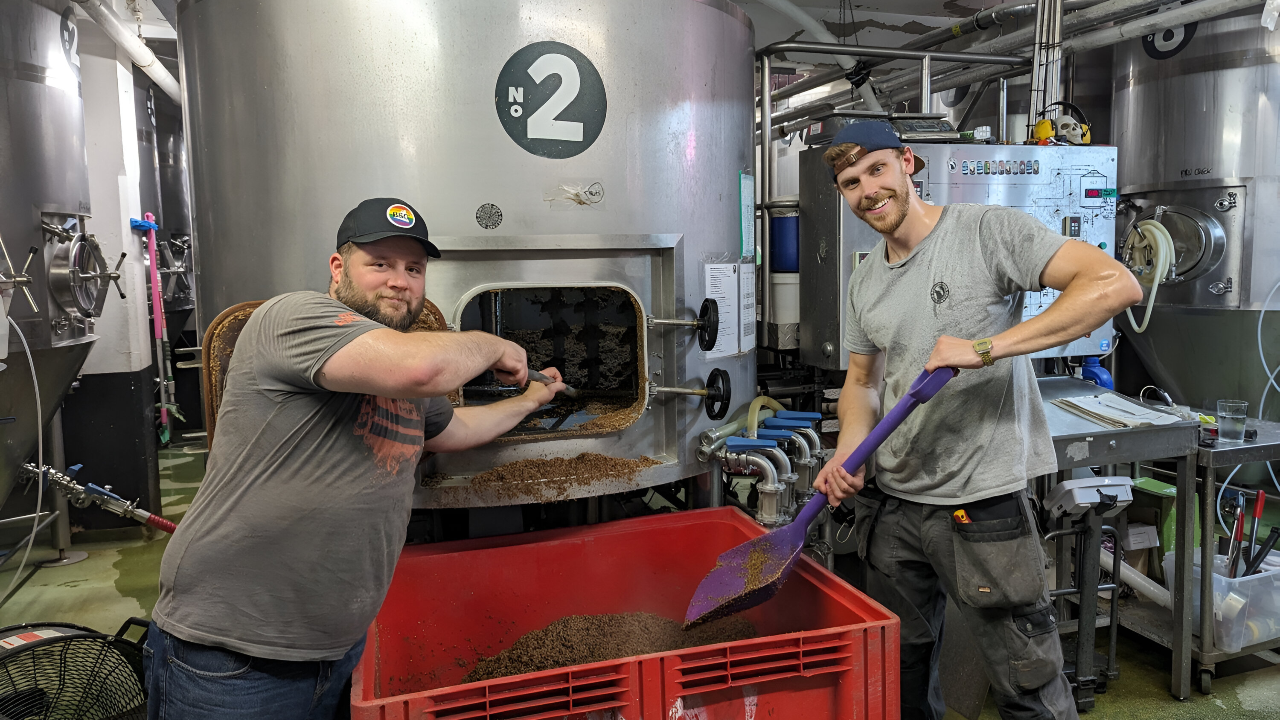
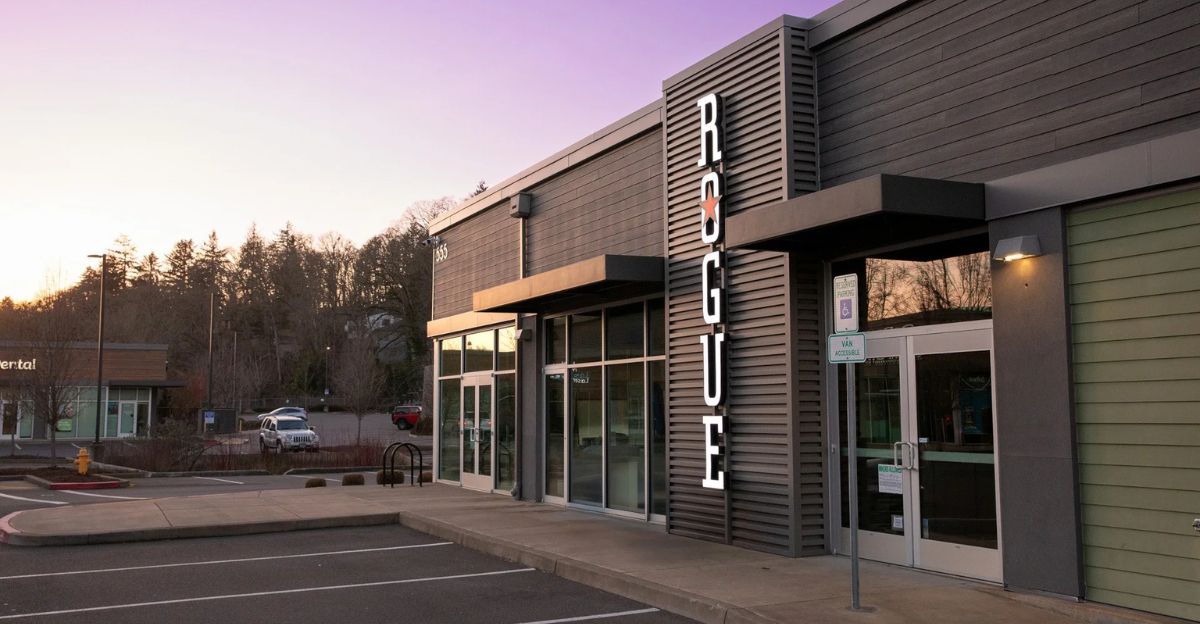
On November 14, 2025, Rogue Ales & Spirits abruptly closed all six of its Oregon locations, affecting an estimated 150 to 300 employees across its production facility and brewpubs in Newport, Portland, Salem, and Astoria. Staff learned of job losses via scheduling app messaging.
The 37-year-old Newport brewery, founded in 1988, has been distributing beer to all 50 U.S. states since 2014. The sudden closure devastated employees and had a ripple effect on Oregon’s economy, offering no transition period or career assistance.
Financial Crisis Reveals Massive Debt

While the company has not officially filed for bankruptcy as of mid-November, the closure revealed a severe debt crisis. The company owed $545,000 in back rent to the Port of Newport and approximately $30,000 in unpaid property taxes.
A contested $10 million dram shop claim from a 2022 fatal DUI reportedly represented the largest liability. Subsidiaries Rogue River Brewing and Yaquina Bay Beverage were included. Total deficit reached nearly $11.8 million.
From Nike Founders to National Icon
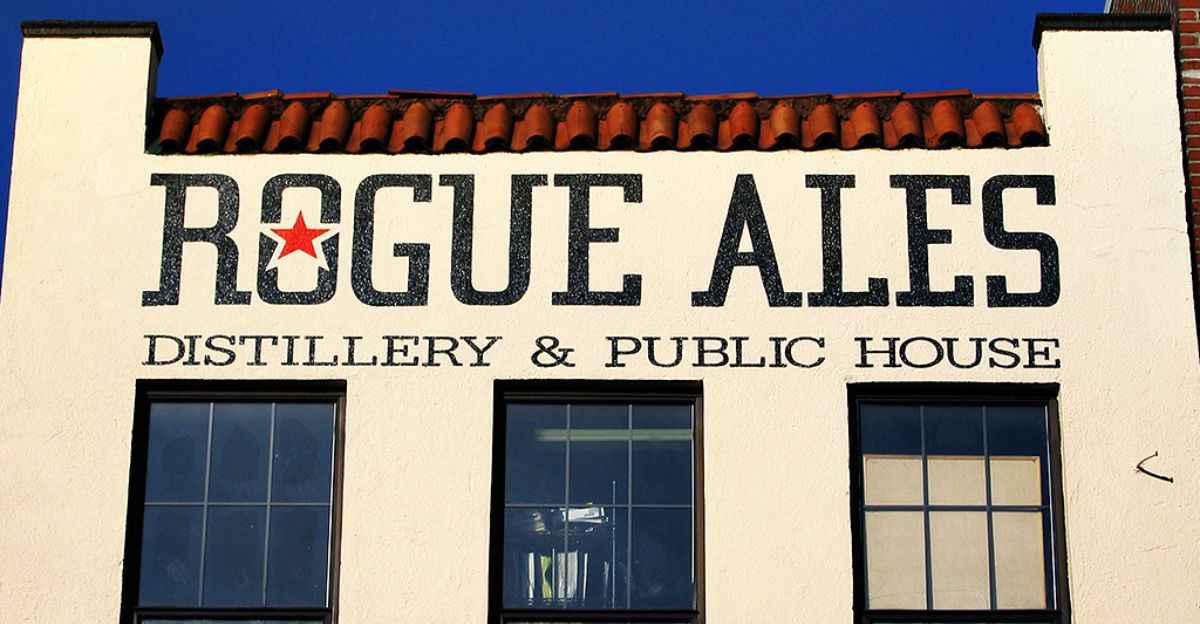
Founded in 1988 by Nike executives Jack Joyce, Rob Strasser, Bob Woodell, plus home brewer Jeff Schultz, Rogue achieved iconic status. The brewery was distributed to all 50 states and more than 50 countries by 2014.
Flagship “Dead Guy Ale” became one of America’s most recognizable craft beers. Rogue expanded to craft spirits in 2003, offering whiskey, gin, and rum. Revenue declined significantly from 2023 to October 2025.
Employees Left Without Warning or Severance

Employees learned of the closure via a scheduling app, with many hearing from colleagues rather than management. An estimated 150 to 300 workers across Newport’s production facility and four Oregon brewpubs were impacted.
No transition period or placement assistance provided. One staffer reported being told, “We were going to be paid until the end of today.” Oregon labor officials activated WorkSource rapid response assistance for affected workers.
Assets Reveal Operational Strain
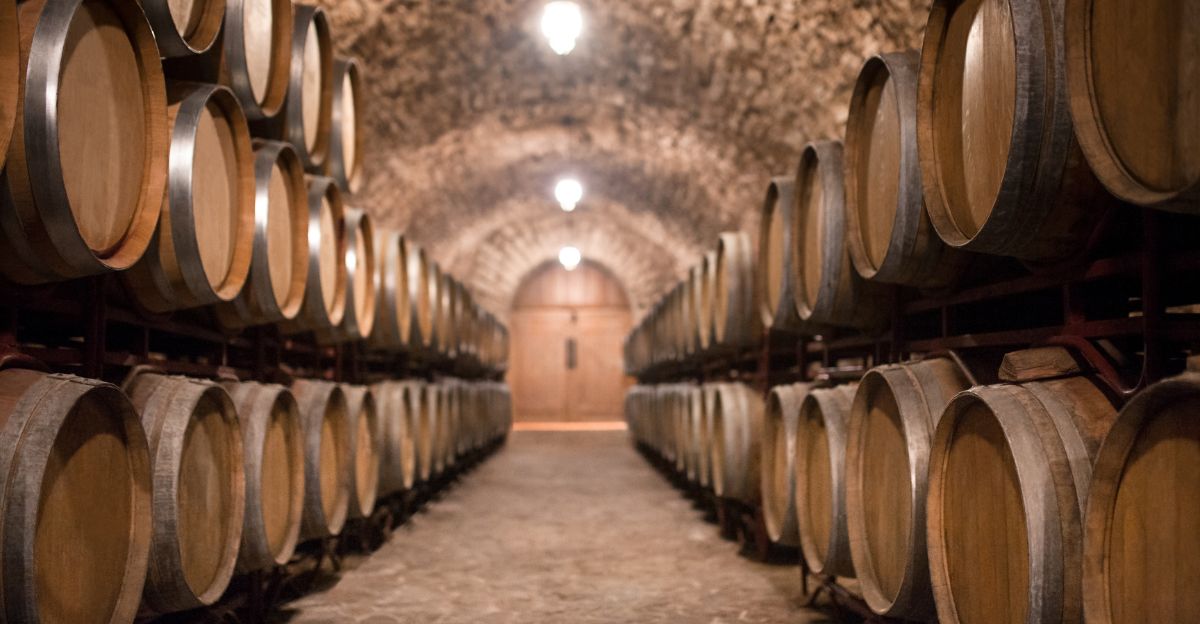
Rogue’s assets included 1,300 barrels of aging whiskey valued at $2.8 million. Additional assets included hops/grain, packaging, and bottled beverages.
Heavy reliance on whiskey indicates severe cash flow problems—capital locked in long-term investments when immediate liquidity was critical. The Port of Newport had already moved to lease Rogue’s 4,800-square-foot distillery space to a seafood processor prior to the shutdown, signaling the company’s contraction.
The $10 Million Dram Shop Liability
A 2022 fatal DUI crash involving an allegedly overserved Rogue patron created a $10 million liability claim. This single claim represents a significant portion of the total debt. Likely exceeding liquor liability insurance coverage, the lawsuit became a catastrophic uninsured exposure.
The estate of a 74-year-old Lincoln City woman killed in the incident filed the claim. The other driver was convicted of criminally negligent homicide, sentenced to six years. Combined liability and operational losses triggered the collapse.
National Sales Push Preceded Collapse
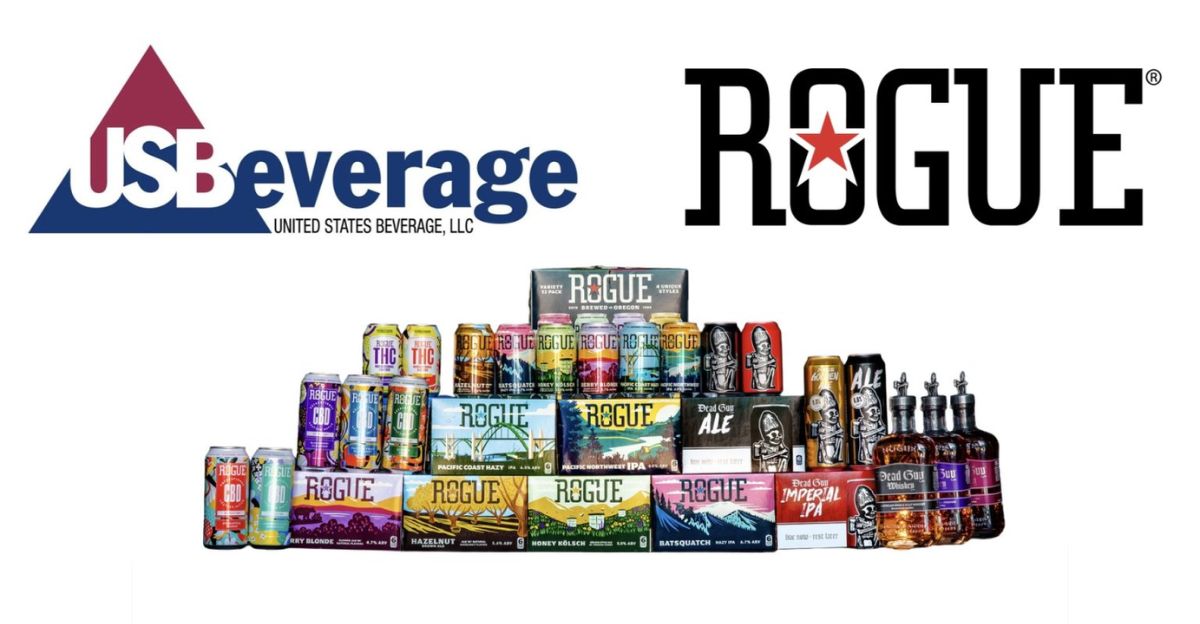
August 2025 marked Rogue’s major national sales partnership with U.S. Beverage LLC—just three months before closure. This expansion suggested management expected growth, contradicting actual financial deterioration.
Founder Jeff Schultz stated that the board found no “path forward to meaningful profitability.” The timing reveals a corporate strategy disconnected from financial reality.
Craft Beer Industry Faces Historic Contraction
As of June 2025, there were 9,269 U.S. craft breweries, representing a 1% year-over-year decrease. Notably, closures now outpace openings for the first time in over 20 years. Over 250 breweries closed January-June 2025.
Oregon has lost nearly 75 breweries/taprooms since the pandemic. Distribution-focused breweries suffered hardest; taproom models showed slight resilience. Brewers Association reports craft production declined 5% year-over-year.
Consumer Behavior Shifts Away from Craft

U.S. alcohol consumption hit record lows in 2024-2025. Consumers shifted spending toward hard seltzers, RTD cocktails, and cannabis beverages. Craft beer’s off-premise volume declined 4.1% in 2025. Price-sensitive consumers gravitated toward cheaper mass-produced options amid inflation.
This demographic migration eliminated demand for premium craft products that built Rogue’s three-decade business model. Post-pandemic recovery never materialized for most breweries.
Wholesaler Pessimism Signals Market Weakness
NBWA’s Beer Purchasers’ Index scored 15 in June 2025—well below the 50’s expansionary threshold. This marks three consecutive years of deep mid-tier distribution contraction. Wholesalers controlling shelf space and distribution networks showed little confidence in the future of craft beer.
June 2024’s BPI scored 27, demonstrating rapid deterioration. Distributor pessimism directly reduces market access for wholesale-dependent breweries. Rogue’s national distribution model proved particularly vulnerable.
Market Oversaturation Crushed Competition
Approximately 1,500 craft breweries existed in 2008; by 2023, nearly 10,000 operated—a six-fold increase. Massive oversaturation plagued the Oregon and California markets. Retail chains cut SKU counts, disproportionately harming mid-tier and regional brands.
Competition intensified as smaller breweries adopted hyperlocal taproom models that Rogue hadn’t fully embraced. Rogue’s national distribution model couldn’t compete with local favorites or the consolidation of Big Alcohol.
Other Iconic Breweries Face Similar Fates
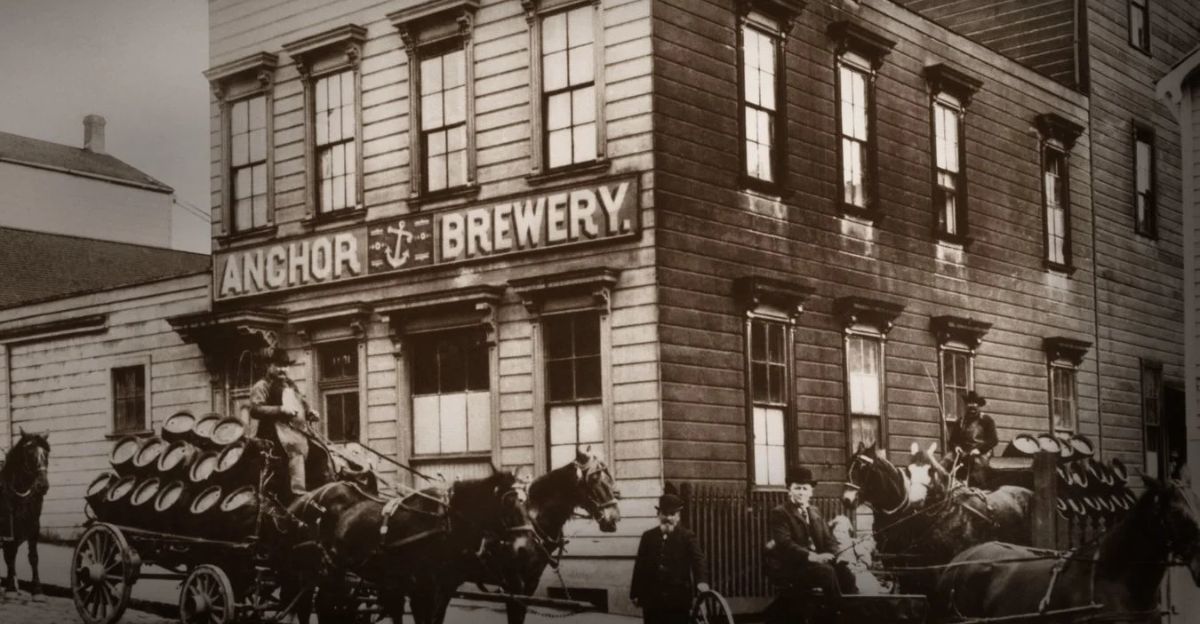
Anchor Brewing, founded in 1896, ceased national sales in June 2023 and filed for Chapter 11 bankruptcy in July 2023. Sapporo Holdings acquired it in 2017 for $85 million but struggled with ownership.
New owners will not reopen the original San Francisco brewery. 21st Amendment, operating since 2000, announced its closure in September 2025, following 20% annual sales declines since 2021. These failures demonstrate systemic industry stress affecting mid-tier regional breweries across the nation.
Community and Economic Ripple Effects
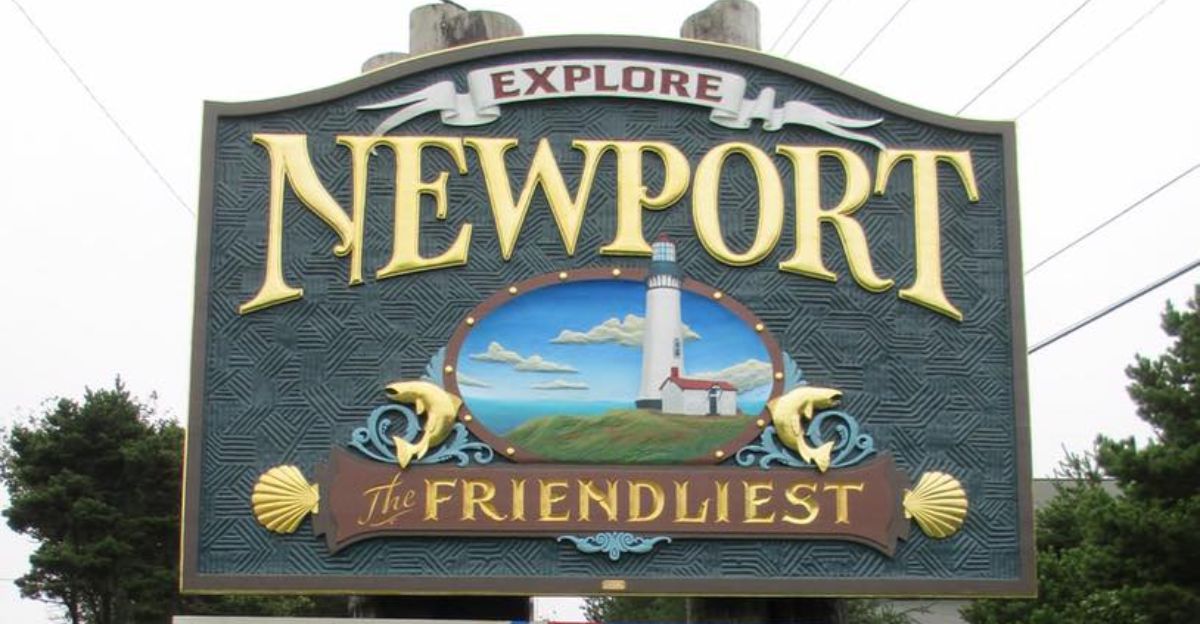
Newport lost its largest employer and major tourism draw. Port of Newport faces $545,000 in unpaid rent and lost revenue. Lincoln County loses $30,000 in tax revenue.
Rogue’s closure was estimated to carry a $3 million annual economic impact on Newport. Local businesses dependent on brewery tourism will suffer reduced revenue. Approximately 150 to 300 jobs were eliminated across Newport’s production facility and four Oregon brewpub locations.
Creditors Face Massive Losses

Unsecured creditors recover pennies on the dollar. Major creditors include Northrim Bank ($1.35M), Hops Direct ($865K), and Washington farms. Co-founder Jeff Schultz holds a $620k unsecured loan. Liquidation will sell the distillery equipment, brewing machinery, inventory, and brand intellectual property in a piecemeal manner.
Industry Consolidation and Future Outlook Expected

Brewers Association CEO Bart Watson called 2025 “a painful period of rationalization”. Survivors will focus on hyperlocal taproom models over national distribution. Breweries under 1,000 barrels annually showed resilience, with 50% reporting growth.
Mid-tier distributors like Rogue face extinction. Industry experts predict a continued shakeout through 2026, with liquidated assets and permanent brand closures.