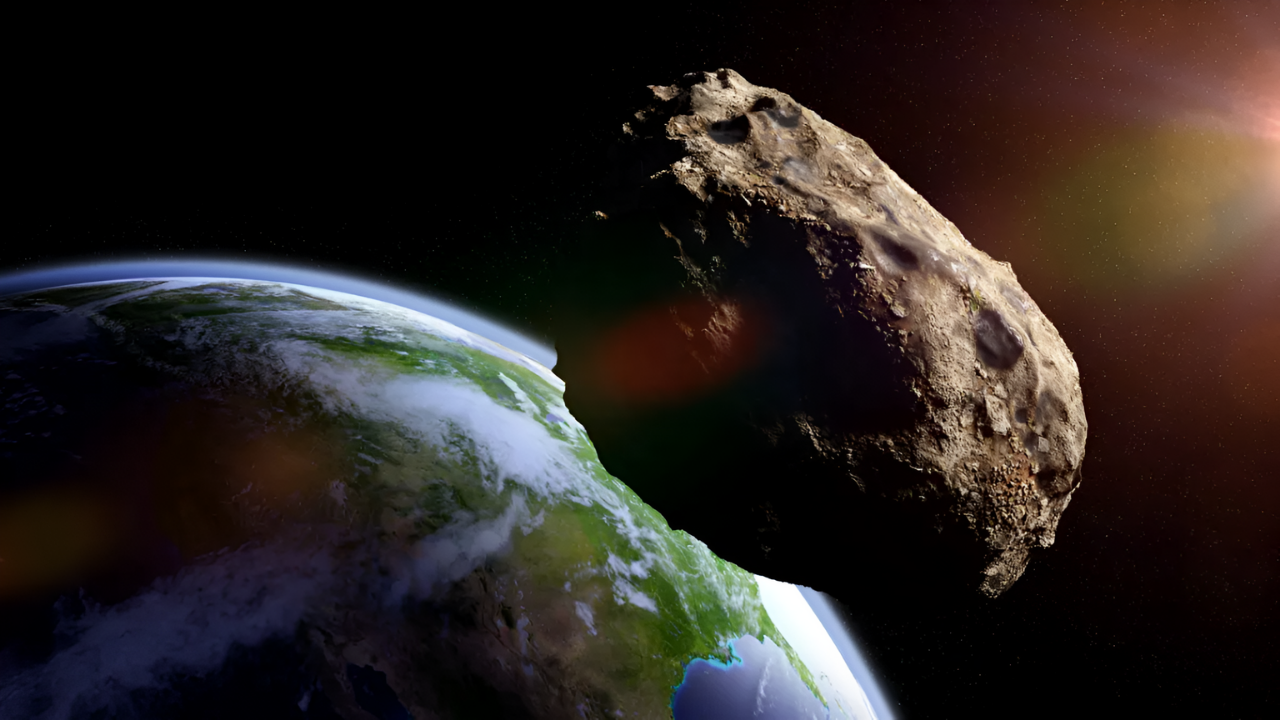
Imagine a rock the size of the Empire State Building screaming past Earth at 77,000 miles per hour. That’s not science fiction. That was asteroid 2001 FO32 on March 21, 2021. Today, as bus-sized asteroids silently cruise past our planet this very month, that 2021 flyby is more relevant than ever.
It was the dress rehearsal that taught us how to spot, track, and ultimately defend ourselves from cosmic threats.
An Empire State–sized Bullet in Our Solar System
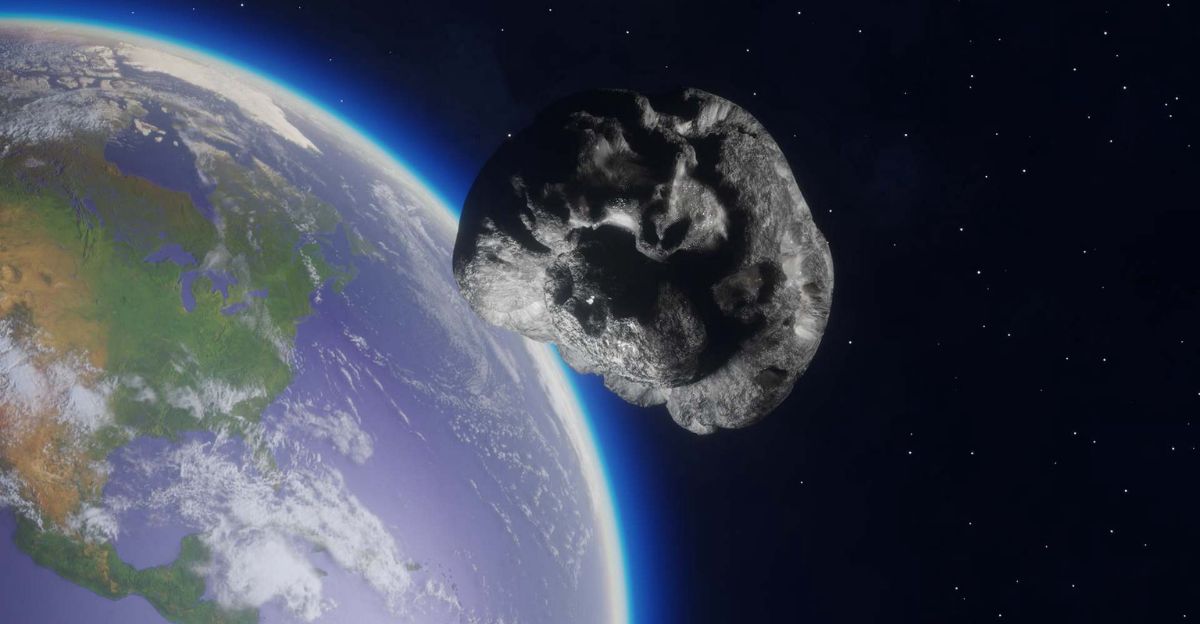
When astronomers at a New Mexico observatory discovered 2001 FO32 on March 23, 2001, the initial data was stunning. Here was an object estimated to be up to 2,230 feet across—nearly twice the height of the Empire State Building—on a path that would bring it unnervingly close to home.
For two decades, NASA’s Center for Near-Earth Object Studies tracked this cosmic bullet, realizing its size wasn’t the only terrifying thing about it. Its speed was off the charts.
How a Cosmic Slingshot Created a Speed Demon
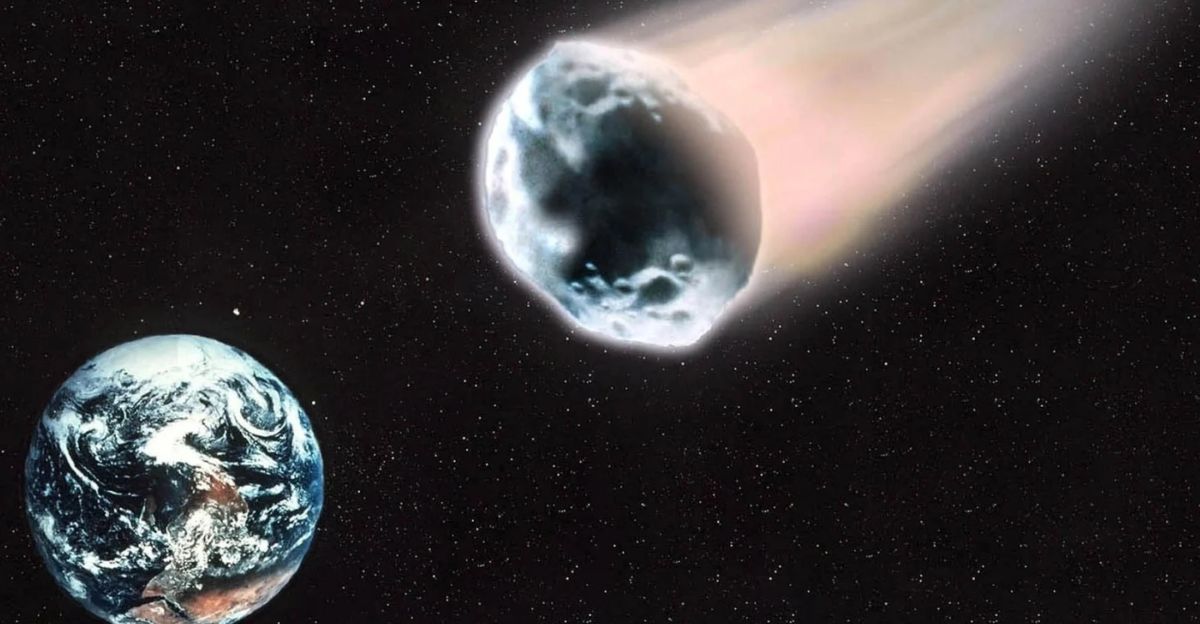
Why was 2001 FO32 moving so fast? It all comes down to a bizarre, highly tilted orbit. Unlike most asteroids that trundle along the same flat plane as Earth, this one dives toward the sun at a steep 39-degree angle, swinging closer than Mercury before being flung back out past Mars.
This extreme path creates a massive gravitational slingshot effect. As it falls back toward the sun, it accelerates into an actual speed demon.
A “Safe” Miss by a Cosmic Hair’s Breadth
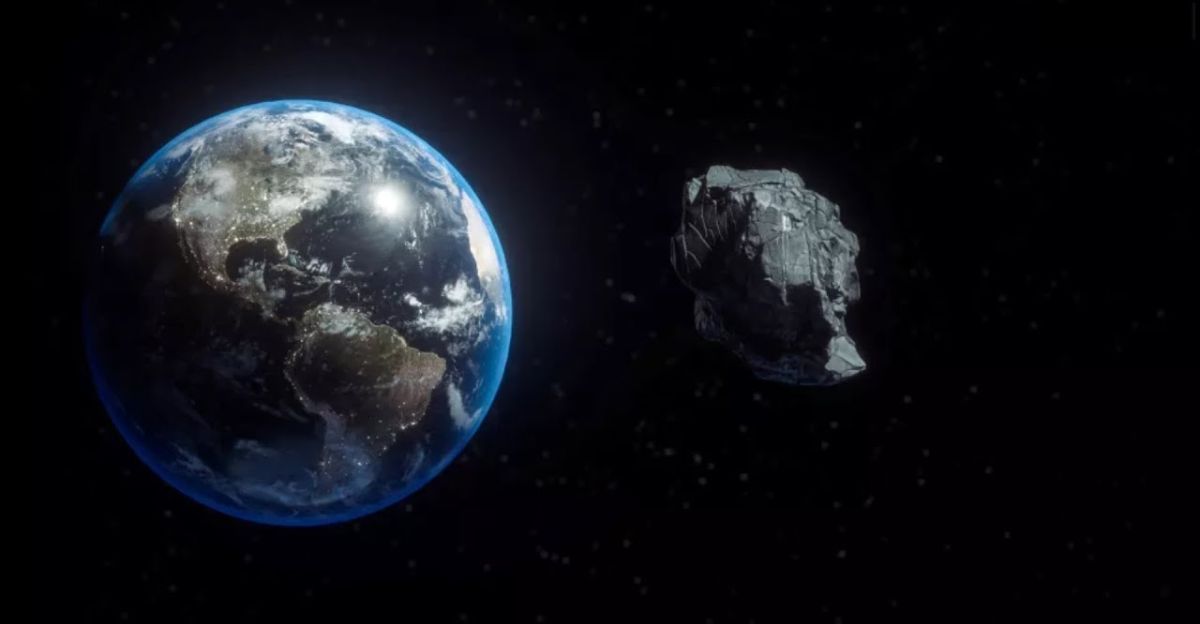
When 2001 FO32 passed us on March 21, 2021, it was 1.25 million miles away. While that sounds far, it’s a stone’s throw in cosmic terms—just over five times the distance to our own Moon. NASA called the flyby “safe,” yet still classified the asteroid as “potentially hazardous.”
Paul Chodas, the agency’s top asteroid tracker, noted with both pride and warning that its path was known “very accurately,” adding a chilling subtext: We saw this one coming. But what about the next?
A Priceless Lab Subject Hurtling Through Space
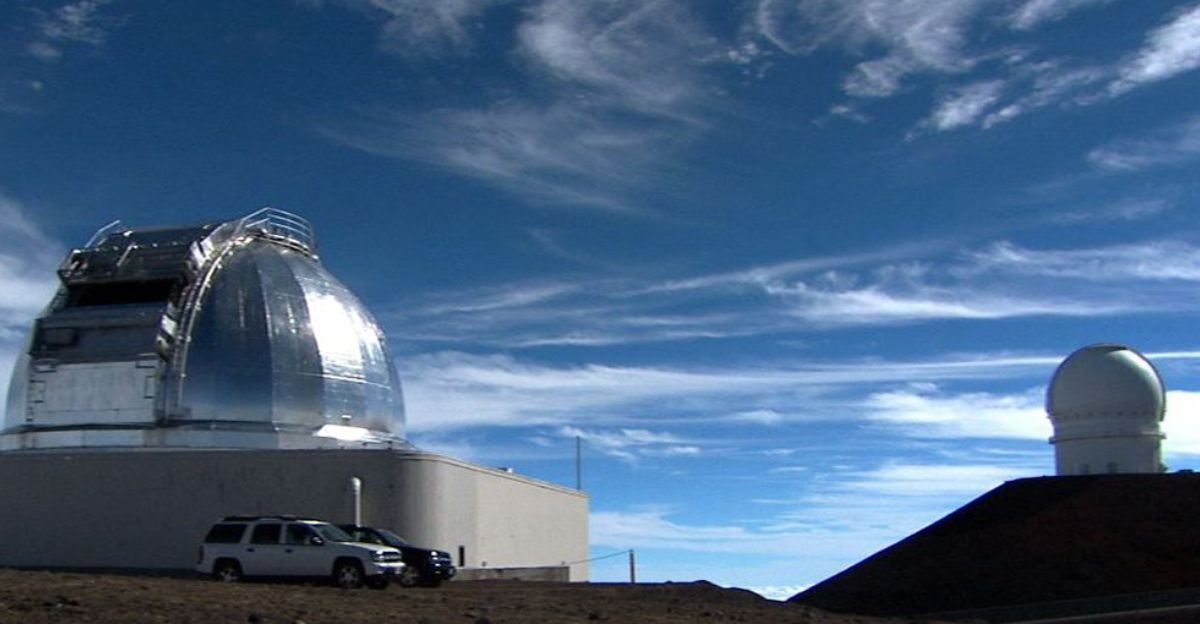
For scientists, the flyby was less a threat and more a once-in-a-generation gift. An object this large and fast wouldn’t pass this close again for decades. As the public worried, researchers in Hawaii pointed the powerful NASA Infrared Telescope Facility at the speeding rock. “We’re trying to do geology with a telescope,” explained University of Arizona researcher Vishnu Reddy.
By reading the sunlight reflecting off its surface, they could decipher its chemical makeup—studying a pristine relic from our solar system’s birth.
Faster Than a Speeding Bullet? Try 45 Times the Speed of Sound
It’s hard to wrap your head around 77,000 miles per hour. A commercial jet would take 330 hours to circle the Earth; this asteroid did it in less than 20 minutes. For those with powerful enough telescopes, it was a fleeting dot of light, a tangible reminder of the forces at play in our solar system.
“Do you see this dot of light?” an awestruck astrophysicist, Gianluca Masi, asked a live-streaming audience. “How excited I am to bring this to you.”
If It Had Hit: A City-Killer with Global Consequences
The question was unavoidable: what if it hadn’t missed? An impact from a rock this size would strike with the force of thousands of nuclear bombs. It would instantly obliterate a major city like Chicago, trigger continent-spanning earthquakes, and blast enough vaporized rock into the atmosphere to block sunlight for months. The result would be a devastating “nuclear winter” effect on a regional, if not global, scale.
That potential is precisely why the “potentially hazardous” label matters.
We Live in a Cosmic Shooting Gallery—And We’re Fighting Back
As of late 2025, NASA tracks tens of thousands of near-Earth asteroids, with hundreds designated “potentially hazardous.” This very month, several bus-sized rocks are quietly passing by. We live in a far more crowded cosmic shooting gallery than most people realize. But the story has changed since 2001 FO32.
We’re no longer just passive observers cataloging threats. Now, we’re learning how to fight back.
The Giant That Woke Us Up to a Hidden Threat
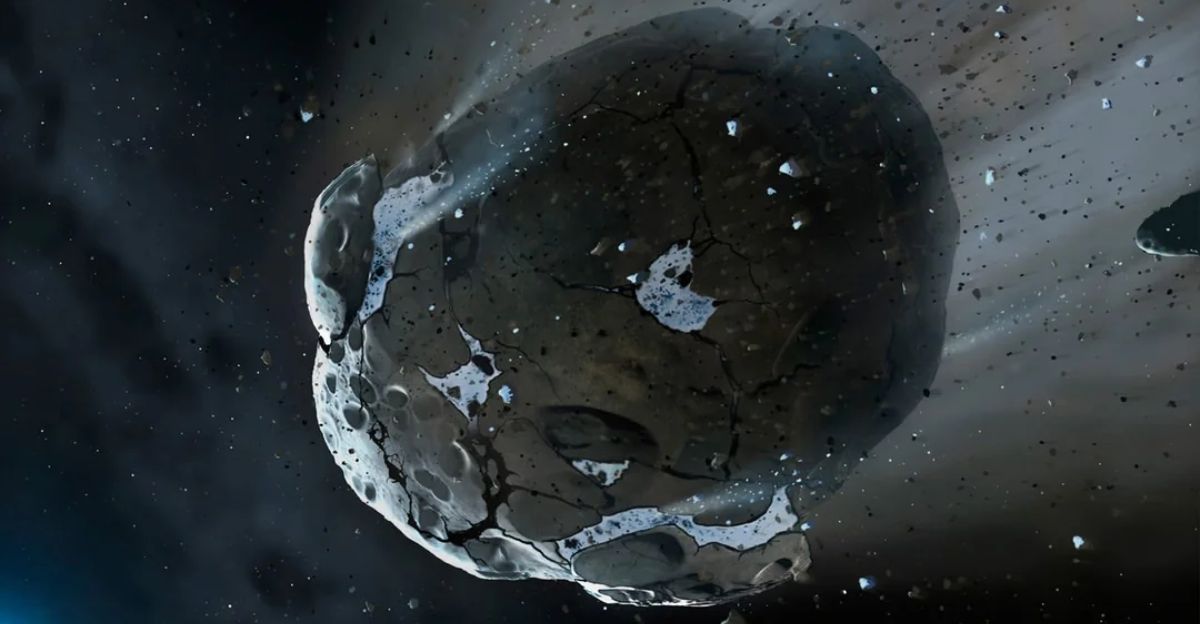
The 2021 flyby was the wake-up call humanity needed. If an object nearly half a mile wide could get that close with most of the public unaware until weeks beforehand, what else was lurking out there? Scientists realized our planetary defense network was great at spotting the true giants (over 3,300 feet), but vulnerable to smaller, city-killer-sized objects.
In 2001, FO32 proved that we needed better eyes on the sky—and we needed them fast.
Off Into the Void—But We’ll Be Waiting in 2052
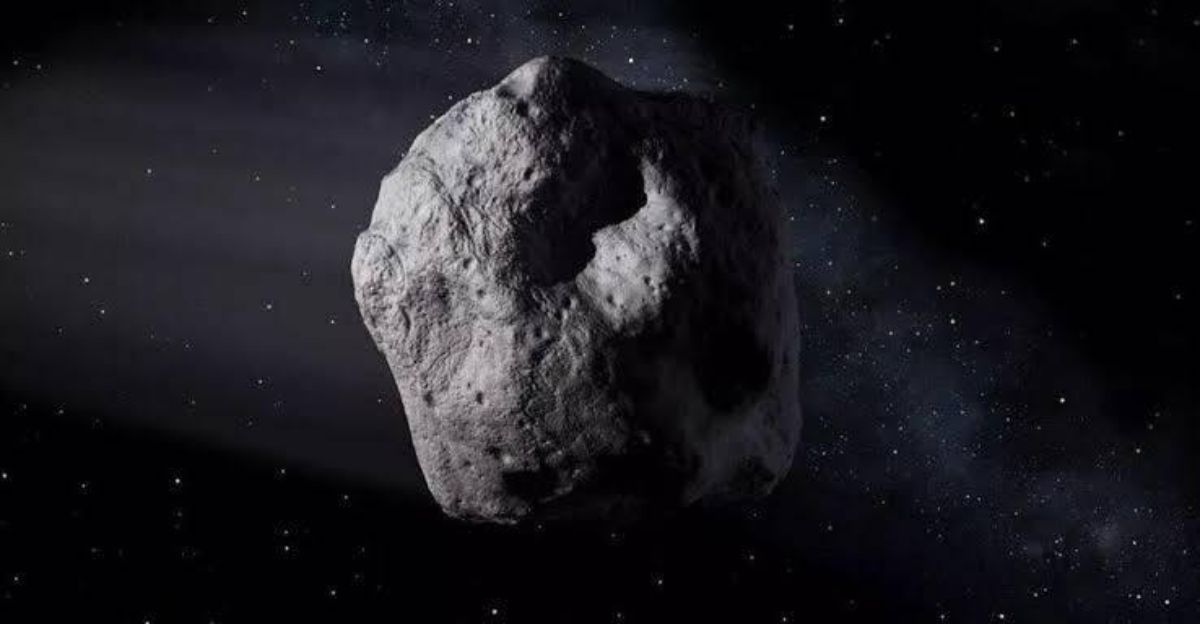
After its 2021 visit, 2001 FO32 continued its lonely journey, and it’s now hurtling out past Mars. But this isn’t goodbye. It will return to our neighborhood in 2052, although at a slightly safer distance of 1.75 million miles.
Astronomers will be tracking it the entire way, refining its path with every observation. And when it returns, a new generation of scientists with far more advanced tools will be waiting to greet it.
From Theory to Action: How We Learned to Punch an Asteroid
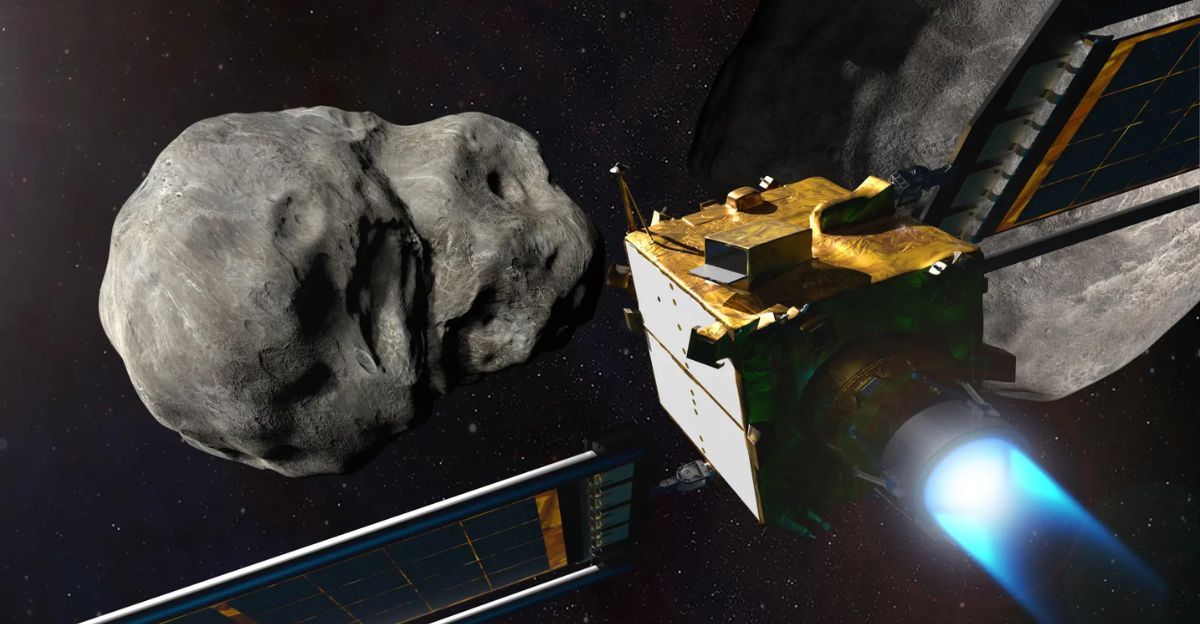
The data gathered from 2001 FO32 helped inform one of the most audacious experiments in human history: NASA’s DART mission. In 2022, the agency proved planetary defense wasn’t just a theory by intentionally slamming a spacecraft into an asteroid moonlet named Dimorphos. The impact successfully altered the asteroid’s orbit, proving we can physically nudge a dangerous rock off course.
Today, the European Space Agency’s Hera mission is en route to study the aftermath up close. We’ve gone from watching to acting.
The Scary Truth: What If We Don’t See the Next One?
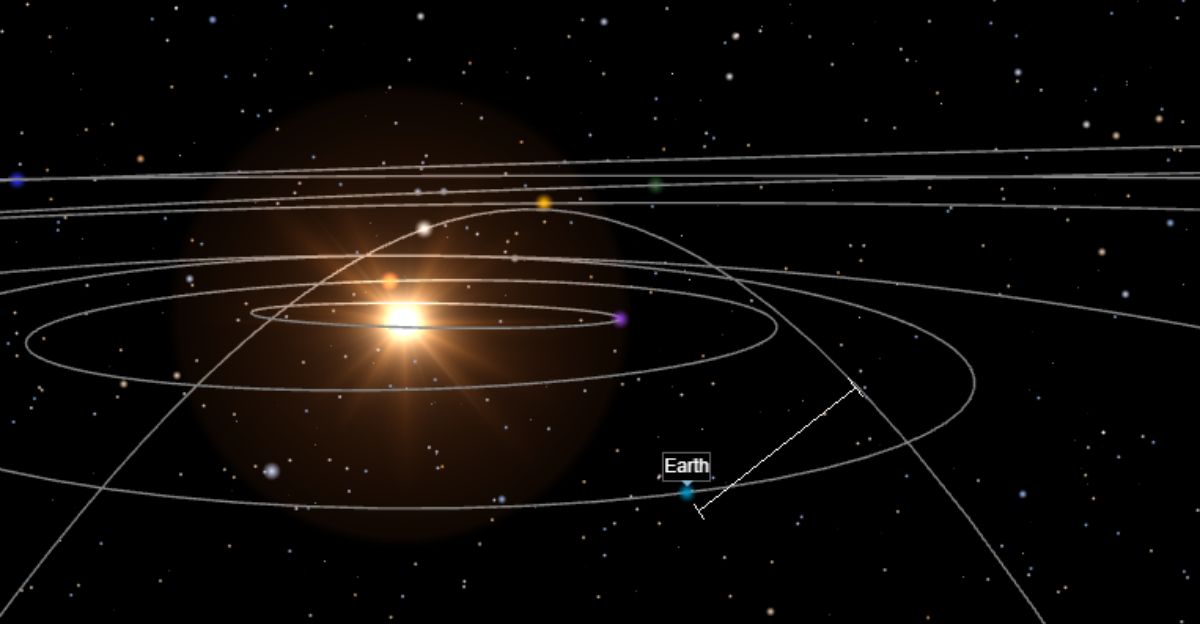
Here’s the uncomfortable truth that keeps astronomers up at night. 2001 FO32’s orbit was “well-determined” thanks to 20 years of tracking. But what if a new, large asteroid is discovered with only a few weeks or months of warning?
Our ability to deflect a threat depends entirely on our ability to recognize it in time to take action. This is the lingering fear that drives our relentless investment in bigger, better asteroid detection systems.
Earth’s Unseen Guardians: The Patient Hunt for Killer Rocks
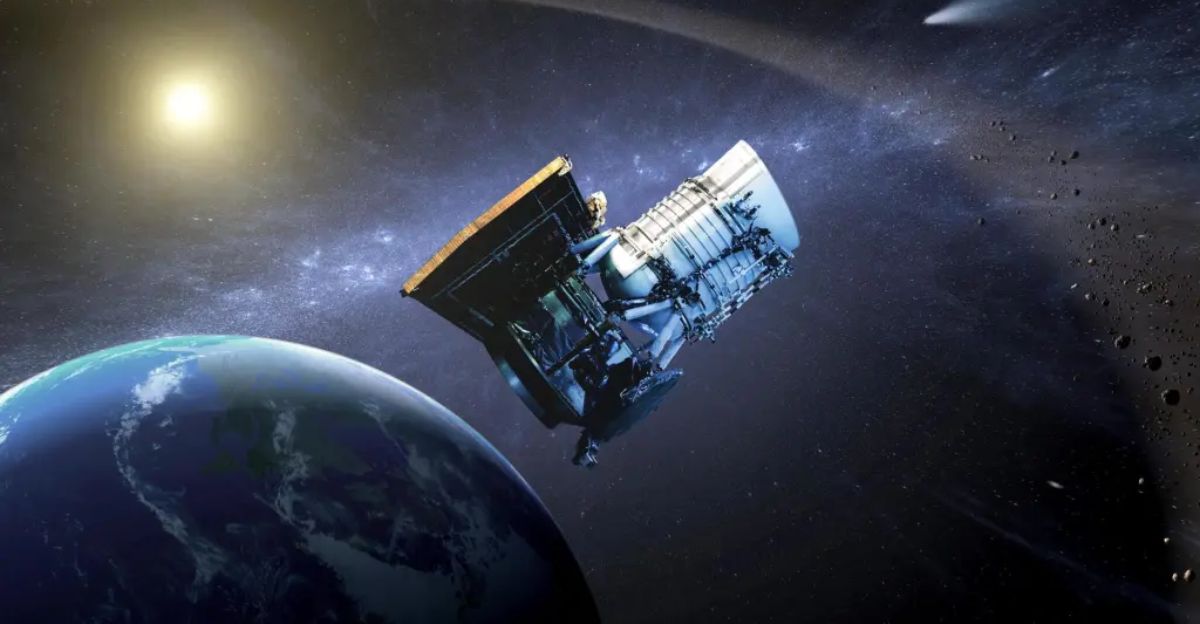
While headlines flare and fade, a team at NASA’s Near Earth Object Program works in quiet, constant vigilance. They are Earth’s unseen guardians, overseeing a global network of telescopes that patiently hunt for threatening objects, day and night.
Their work isn’t about dramatic, last-minute decisions. It’s about the methodical accumulation of data and the mathematical certainty needed to know where the rocks in space are headed, years or even decades in advance.
The Game-Changer: A New Set of Eyes in Deep Space
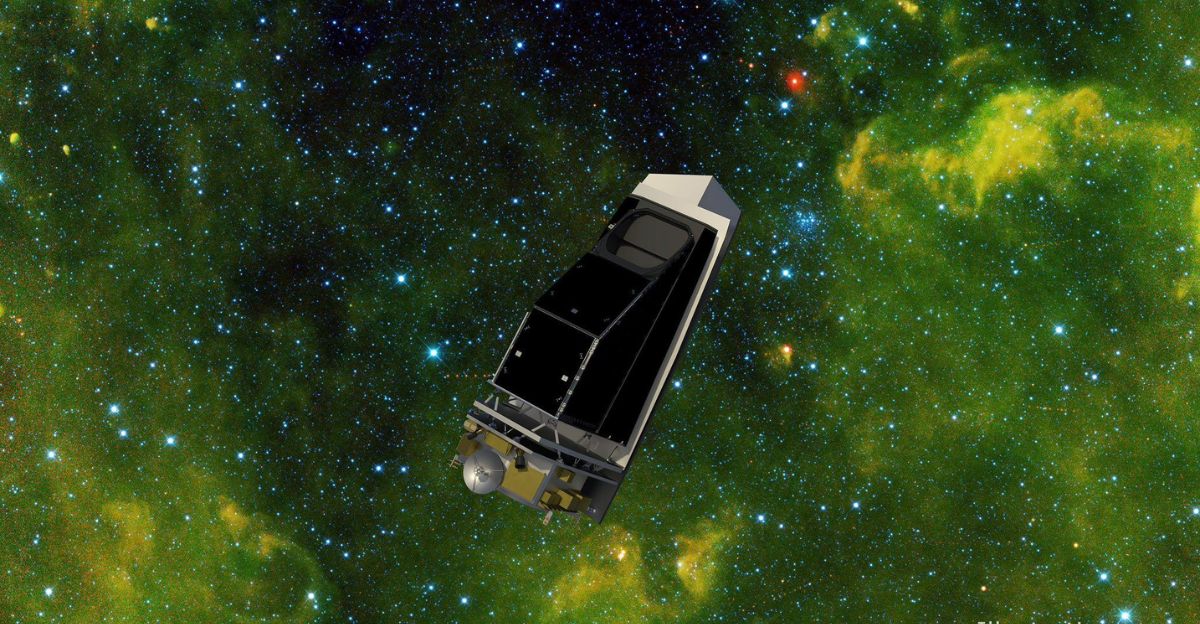
Everything is about to change. In 2025, NASA announced a launch for the NEO Surveyor space telescope in late 2027. Riding a SpaceX Falcon 9 into deep space, this infrared telescope will do what ground-based observatories can’t: spot hazardous asteroids from the darkness of space, unhindered by daylight or Earth’s atmosphere.
It is expected to find two-thirds of the city-killer asteroids we’re currently missing. NEO Surveyor is the game-changer, turning our planetary defense shield from theory into reality.
Sources
NASA Jet Propulsion Laboratory (JPL) Center for Near Earth Object Studies — Asteroid 2001 FO32 orbit determination and closest approach data (March 2021)
NASA Near Earth Object Program — Near-Earth asteroid catalog and hazard assessment methodology (September 2025 update)
University of Arizona Lunar and Planetary Laboratory — Infrared spectroscopy observations and mineral analysis (Vishnu Reddy, principal researcher)
Virtual Telescope Project (Ceccano, Italy) — Real-time observational data and public communication archive (Gianluca Masi, director)
NASA DART Mission Documentation — Double Asteroid Redirection Test impact results and kinetic deflection validation (2022)
European Space Agency Hera Mission — Asteroid deflection follow-up investigation and planetary defense collaboration