In a groundbreaking revelation, researchers from the Natural History Museum at the University of Oslo and the Swedish Museum of Natural History in Stockholm have unearthed over 30,000 fossilized remains from marine creatures buried in Arctic mud for 249 million years. This remarkable discovery challenges long-held beliefs about the recovery time of marine ecosystems following the end-Permian mass extinction, according to findings published in Science magazine in November 2024.
Scientists on Spitsbergen Island, Norway, found skeletal evidence of a thriving ecosystem, including teeth, bones, and coprolites, from prehistoric organisms that inhabited a super-ocean. The rich fossil bed opens new avenues for understanding the complexity of ancient marine life and how ecosystems can rebound from catastrophic events.
A Paradigm Shift in Paleontology
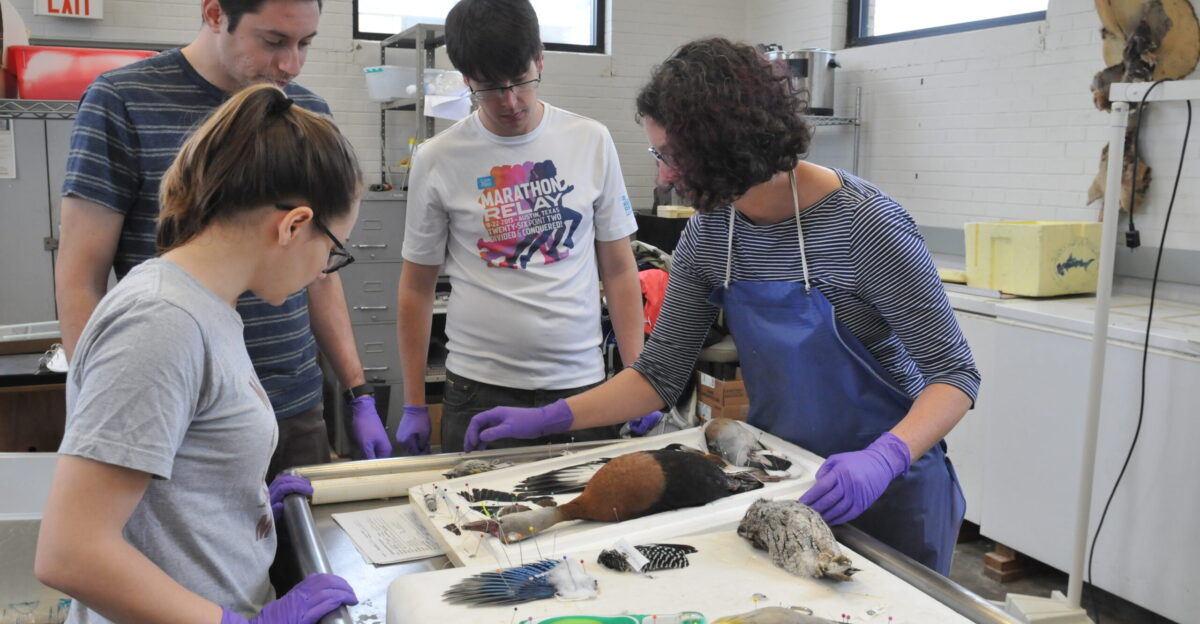
Between 2015 and 2024, paleontologists meticulously excavated and analyzed a bone-bed spanning 36 square meters, divided into one-meter grids, according to Earth.com’s analysis of the discovery. This extensive research has overturned nine decades of paleontological dogma, revealing that recovery times post-extinction occurred three times faster than previously claimed.
Researchers have contributed to a revised understanding of ecological resilience, suggesting that marine life can adapt and recover more swiftly than previously believed. The implications of this find extend beyond historical curiosity, influencing our comprehension of biodiversity and ecosystem dynamics under duress.
Old Beliefs Questioned
For decades, scientists believed that marine ecosystems required approximately 8 million years to bounce back after the end-Permian mass extinction 252 million years ago, according to paleontological consensus documented in prior research. This notion shaped our understanding of the fragility and resilience of the Earth’s biosphere.
However, the recent findings from Spitsbergen fundamentally challenge this consensus. The evidence suggests that marine recovery was not only rapid but also robust, indicating a highly resilient ecological framework. This shift prompts reevaluation of theories related to mass extinctions and recovery dynamics, urging scientists to reframe perspectives on ecological recovery in the face of dramatic environmental changes.
The Great Dying: A Prelude to Discovery
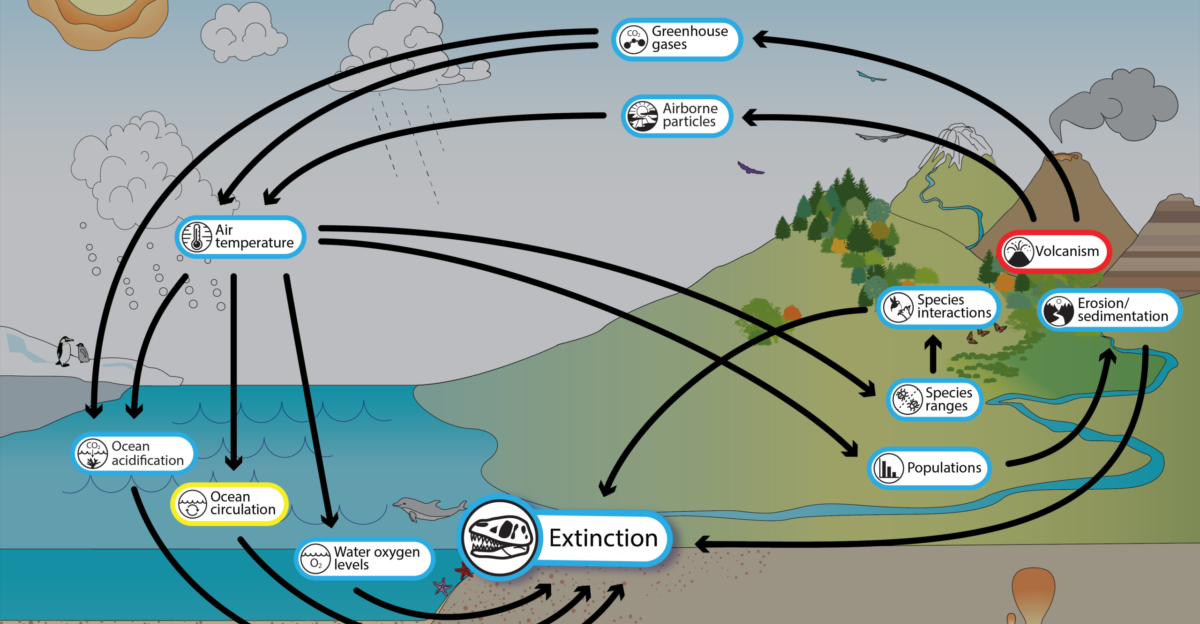
The Siberian Trap volcanism, documented as the most catastrophic eruption sequence in Earth’s history, triggered immense carbon dioxide emissions and subsequent environmental catastrophes, including runaway warming, ocean acidification, and anoxia, according to research published in Science magazine in 2015.
The Great Dying led to the extinction of over 90% of marine species, marking the worst extinction event ever recorded. This somber backdrop provides context for the Spitsbergen discovery, emphasizing the stark contrast between devastation and the subsequent reemergence of biodiversity. Understanding this dichotomy is essential for grasping the complexities involved in ecological succession following extreme events.
Recovery Erupted, Not Crawled
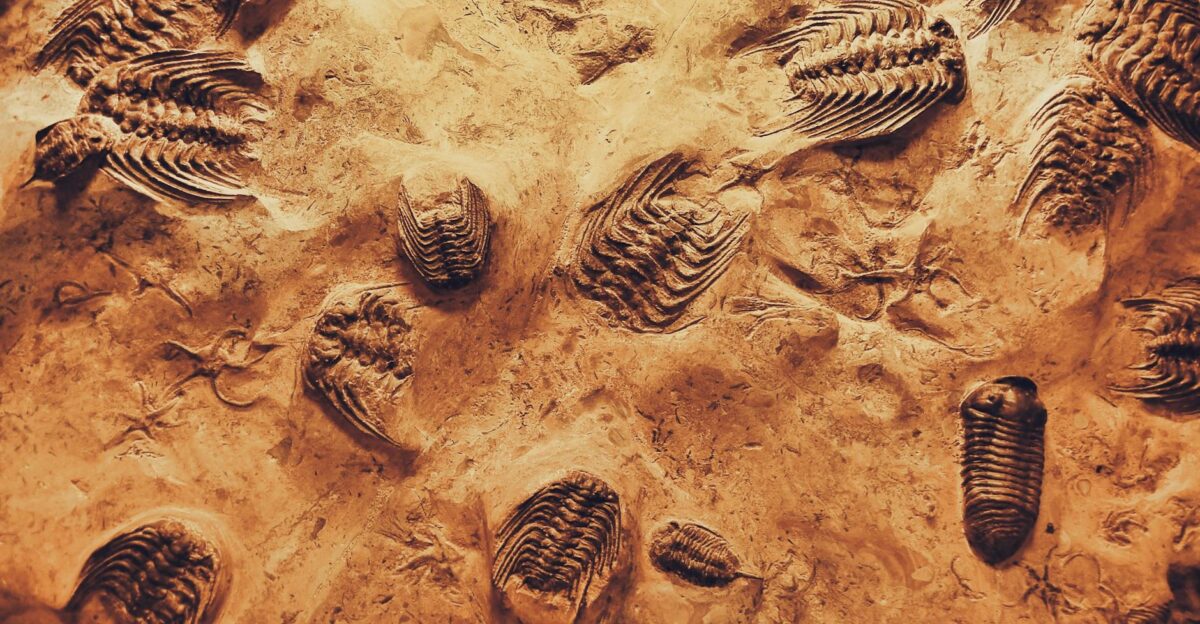
Remarkably, fossils from Spitsbergen dating to exactly 249 million years ago just three million years post-extinction unveiled a vibrant marine food web already fully reconstructed, according to findings published in Science in November 2024. Over 30,000 individual fossils reveal that recovery occurred at least 2.67 times faster than any prior scientific estimates.
This critical finding reshapes our understanding of biological resilience and challenges established timelines. The research team stated: “This accumulated over a very short geological timeframe, and therefore provides unprecedented insights into the structure of marine communities from only a few million years after the end-Permian mass extinction.” This discovery not only alters existing narratives but also sparks new inquiries into the evolutionary processes underlying such rapid recovery.
An Unexpected Tropical Setting
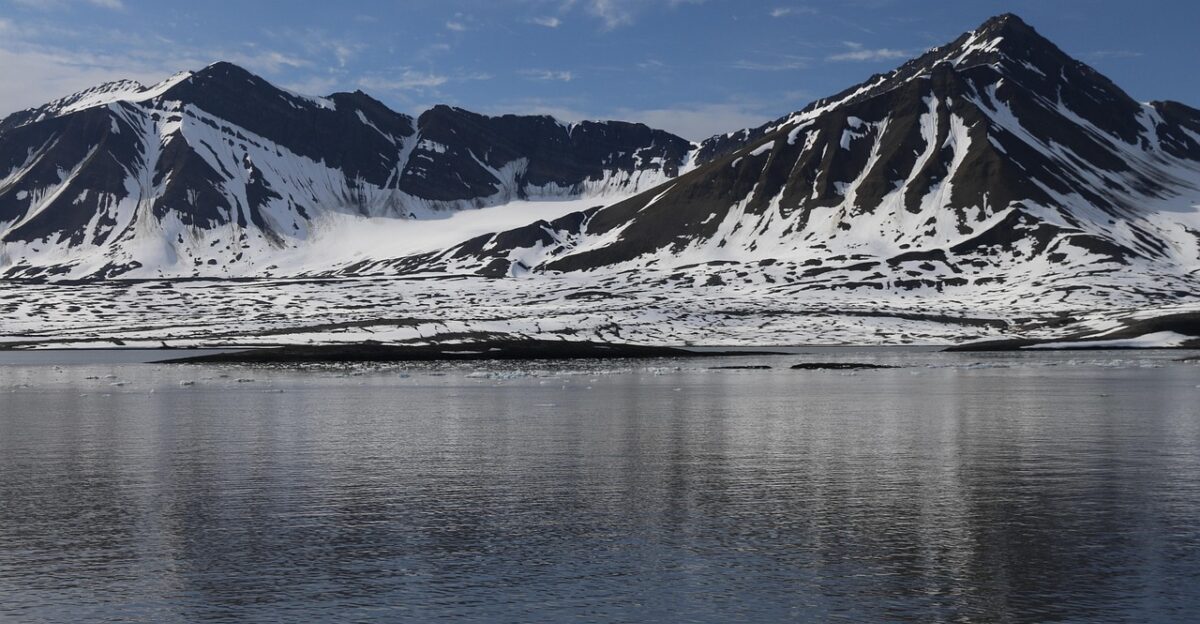
While Spitsbergen is within the Arctic Circle today, it bordered the warm super-ocean Panthalassa nearly 249 million years ago, according to paleoclimate research documented by CORDIS and verified by current paleontologists. The paleoenvironment was tropical or subtropical, fostering a rich marine ecosystem that flourished shortly after the global catastrophe’s end.
This climatic shift offers dynamic insights into past ecosystems’ adaptability and the interplay between environmental conditions and biodiversity. Acknowledging Spitsbergen’s ancient climate allows scientists to understand how ecosystems can thrive amidst dramatic environmental changes. Paleontologists suggest that this historical context serves as a vital lesson for interpreting current ecological shifts related to climate change.
Dominance at the Top: The Ichthyosaurs
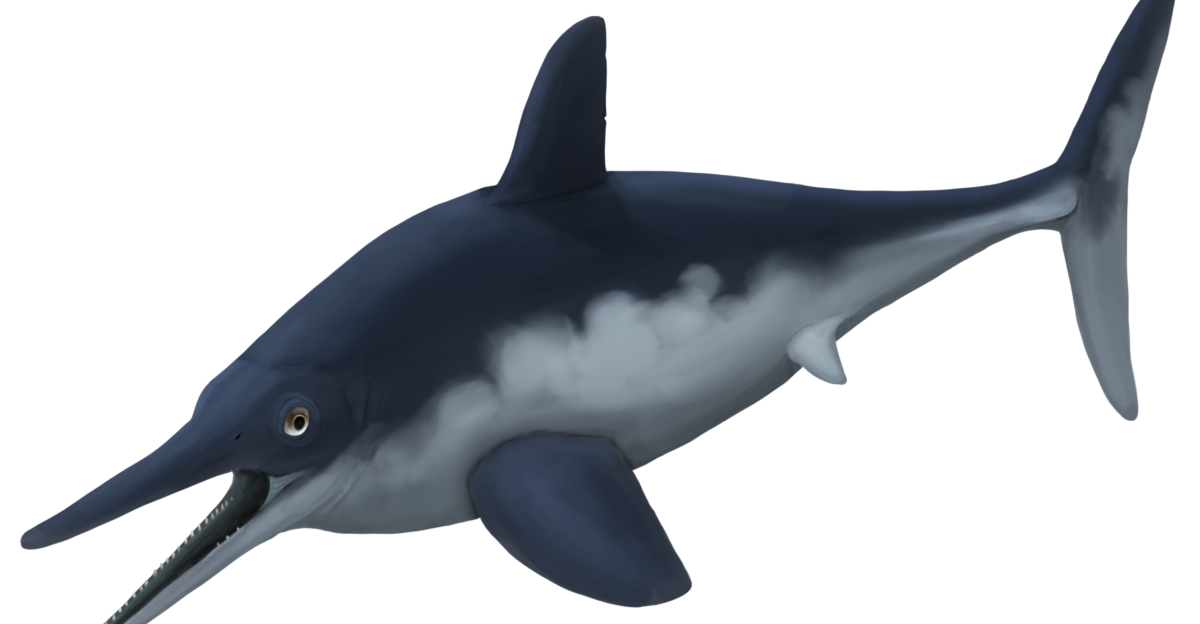
Among the apex predators of this revived ecosystem were ichthyosaurs marine reptiles that filled critical ecological niches, according to paleontological analysis from the Swedish and Norwegian research institutions. Smaller species, under one meter in length, hunted squid with precision, while larger varieties exceeding five meters asserted their dominance over various oceanic realms.
Accompanying these formidable hunters were archosauromorphs and several species of amphibians, creating a multifaceted ecosystem characterized by competition and cooperation. The rapid reestablishment of these apex predators signals ecosystem resilience and adaptability in the face of disastrous events, as documented in PNAS research on ichthyosaur evolution (2011, 2013).
Oxygen’s Regulatory Role in Recovery
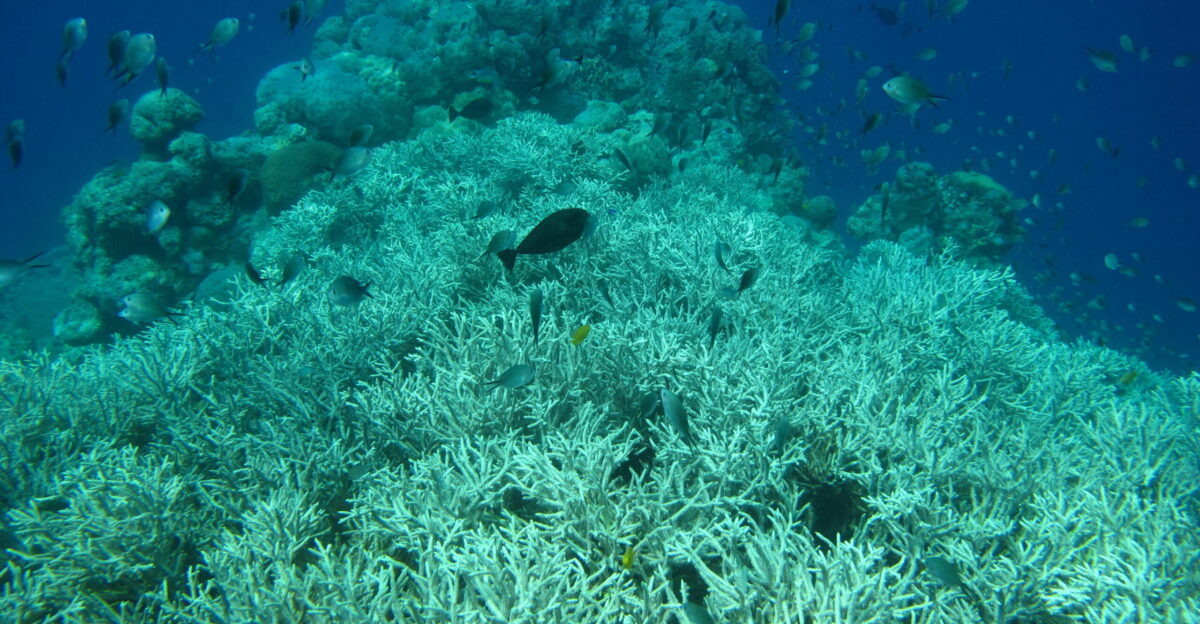
During the mass extinction, oceanic deoxygenation resulted in conditions that suffocated many shallow-water organisms, according to research published in Science on ocean acidification and the Permo-Triassic mass extinction (2015). However, by 249 million years ago, oxygen levels in Spitsbergen’s waters had begun to recover, providing a new foundation for complex aerobic food webs to flourish.
This critical finding reshapes the narrative around the role of oxygen levels in marine recovery and hints at the ecosystem’s intricate balance of life. The fossil evidence underscores how oxygen availability is pivotal for ecosystem functioning, according to the PMC/NIH research on Permo-Triassic causes (2023).
A Rich Fossil Assemblage

When researchers compared the fossil assemblage from Spitsbergen to Early Triassic sites worldwide, the Arctic fossil bed ranked among the richest and most diverse ever discovered, according to Earth.com’s comprehensive analysis. Its rapid complexity and functional redundancy where competitors, hunters, and prey coexist in layered food webs distinguish it from other known ecosystems of the period.
This newfound biodiversity emphasizes the need for continual investigation into adaptive resilience. The rapid recovery showcased at Spitsbergen prompts paleontologists to rethink models of ecological resilience, as reflected in the research findings published in Science magazine (November 2024).
Pre-Extinction Adaptation
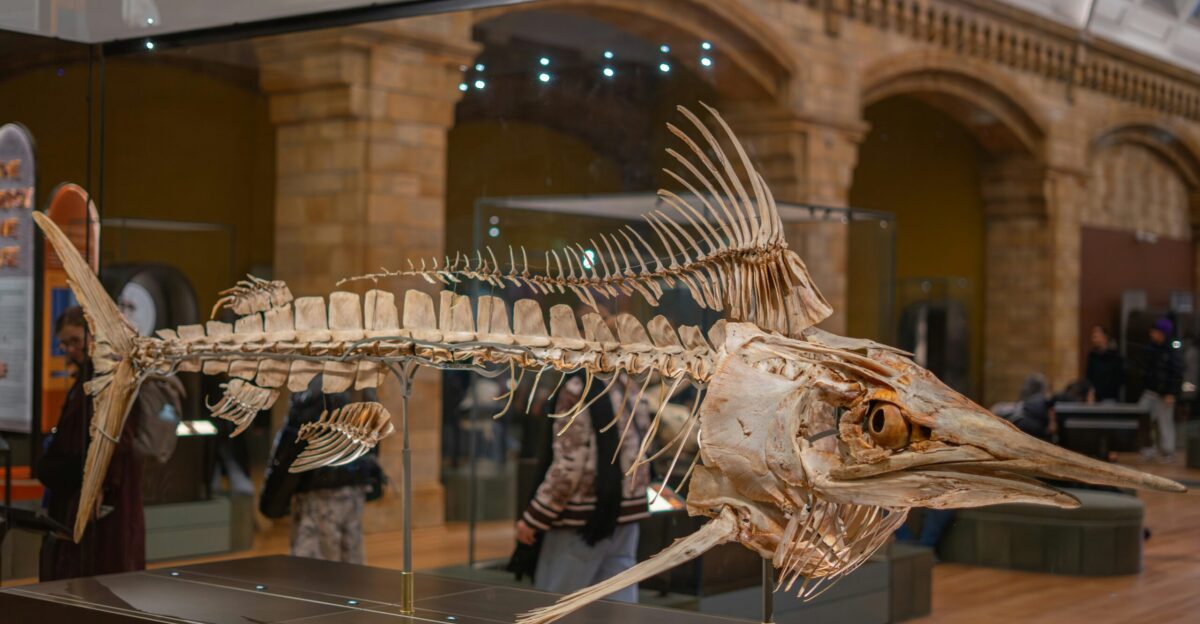
One of the most astonishing revelations entails genetic and skeletal evidence suggesting that marine reptiles and amphibians started adapting to oceanic life before the Great Dying, rather than afterward, according to findings presented in the Science publication and corroborated by PNAS research on marine reptile evolution (2011, 2013).
This forward-thinking adaptability allowed the survivors to thrive explosively in vacant ecological niches once preyed upon by competitors. These findings emphasize the concept of “pre-adaptation,” indicating that evolutionary forces were already shaping marine life before the catastrophic events unfolded. This insight changes our understanding of evolutionary timelines and strategies, challenging the traditional post-extinction diversification narrative.
Collaborative Effort in Discovery
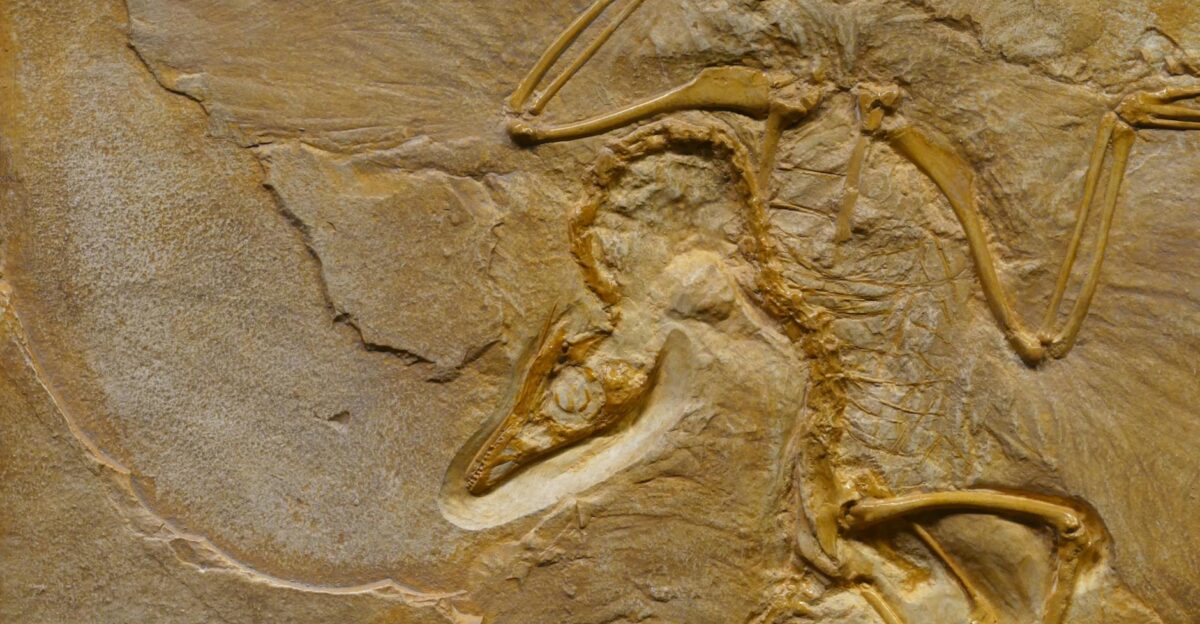
The excavation and analysis of this significant fossil cache were spearheaded by the Natural History Museum at the University of Oslo and the Swedish Museum of Natural History in Stockholm, as documented in the Science publication (November 2024). For nearly a decade, multidisciplinary teams braved Arctic conditions, cataloging fossil fragments under microscopes and reconstructing entire organisms from scattered remains.
Their collaborative efforts demonstrate the value of teamwork in scientific exploration, combining expertise across fields to unravel the mysteries of ancient ecosystems. The painstaking work not only unveils history but also offers valuable lessons for current scientific practices in extreme environments.
Precision in Fossil Preparation
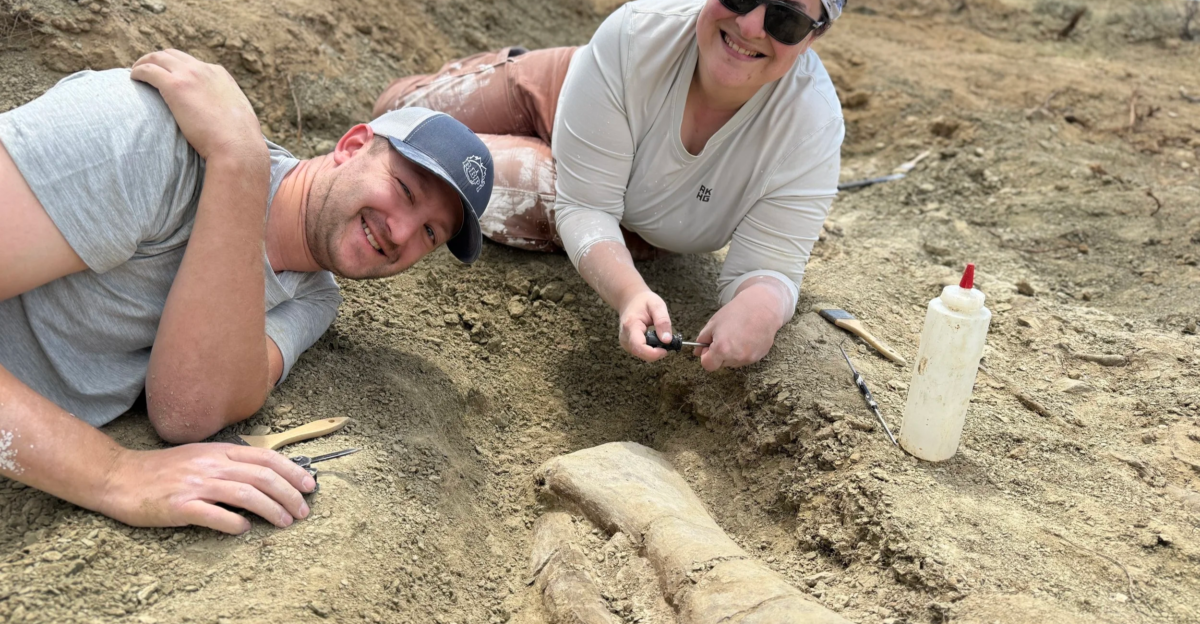
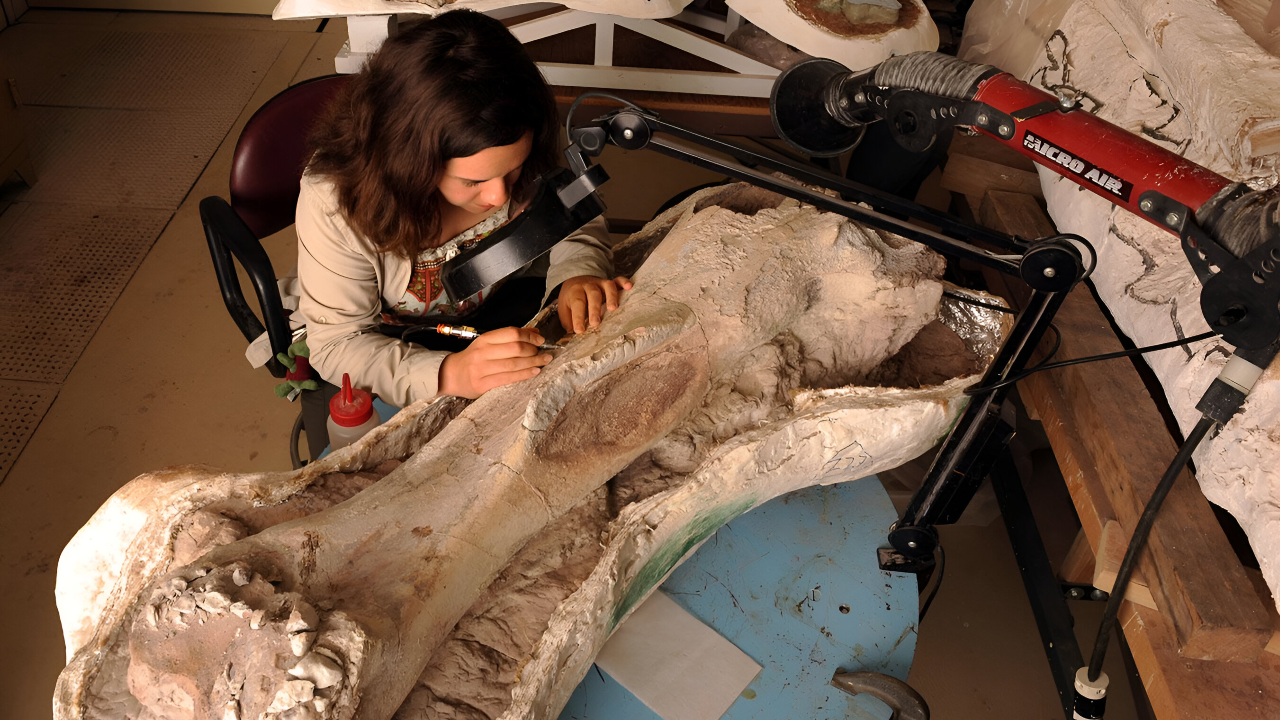
The meticulous preparation of fossils is essential for accurate analysis and interpretation, according to paleontological standards employed by the University of Oslo and Swedish Museum of Natural History. Conservators used advanced techniques to clean, reconstruct, and preserve the delicate fossils unearthed from Spitsbergen.
This process often involves microscopy and other techniques to reveal minute details that could provide clues about the organisms’ biology and their environmental conditions. The clarity of these fossils enables accurate interpretation of their ecological significance, highlighting the importance of rigorous methodologies in paleontological research. Such meticulous care is crucial for insightful scientific renditions and future studies.
Significance of Marine Biodiversity

The Spitsbergen discovery underscores the critical importance of marine biodiversity both past and present, according to research published in the Science journal. Biodiversity enhances ecosystem resilience and adaptive capacity, illuminating how life can rebound from the brink of extinction. This revelation calls for a renewed focus on conservation efforts, emphasizing the interconnectedness of marine life and ecological health.
The findings challenge scientists to consider biodiversity as a core element in addressing modern environmental challenges and resilience against climate change. Lessons from history are pivotal in informing today’s conservation strategies, as emphasized by marine ecology researchers.
Going Beyond the Fossils
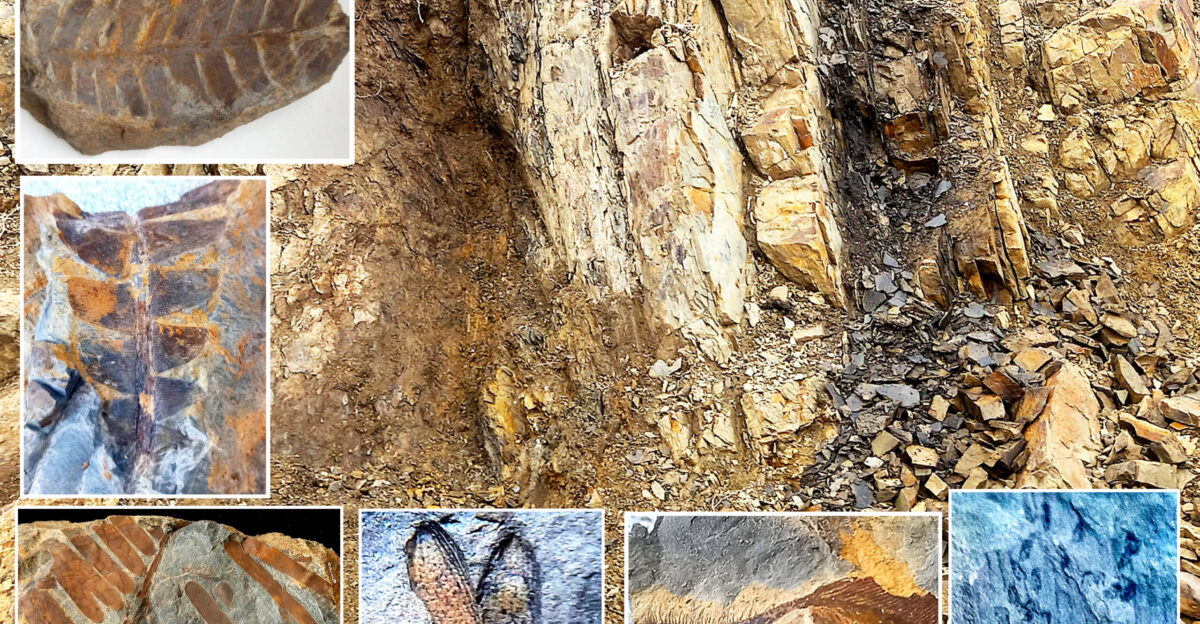
This discovery does not merely add to the fossil record; it also encourages new technological advancements and methods in paleontology, as researchers continue to leverage findings from Spitsbergen. Enhanced imaging technologies and genetic analyses are becoming instrumental in decoding the intricate stories held within these ancient remains.
Advanced computational methods and 3D reconstruction technology have revolutionized how paleontologists analyze the 30,000+ specimens recovered, according to research methodologies employed by both institutions. The implications extend outward, affecting how we engage with evolving research methodologies, ultimately paving the way for deeper insights into life’s resilience.
Implications for Future Research

The rapid recovery observed in Spitsbergen opens avenues for further investigations into post-extinction ecosystems worldwide, according to the Science publication and related paleontological studies. Future research can now investigate the mechanisms that facilitated such swift resilience and adaptation, aiming to unravel the evolutionary narratives that shape marine biodiversity today.
Scientists are encouraged to apply this knowledge to contemporary conservation efforts and ecosystem management strategies, particularly in regions facing rapid environmental changes. Understanding these past ecosystems informs our responsibilities in protecting today’s ecosystems, as research coordinators and ecologists have emphasized in light of these findings.
Ancient Ecosystems and Modern Parallels

The challenges faced by ancient ecosystems during the end-Permian mass extinction evoke striking parallels with contemporary environmental crises, according to comparative analysis by paleontologists and climate scientists. Climate change, habitat loss, and human impact echo the disruptions experienced by marine life millions of years ago.
Learning from these ancient epochs helps scientists forge connections to devise effective responses to modern ecological threats. Understanding how the Siberian Trap volcanism drove ocean acidification and anoxia mechanisms strikingly similar to modern CO₂-driven climate change provides critical context for current conservation strategies. Such lessons are vital in cultivating future strategies for ecological resilience.
Engaging the Next Generation
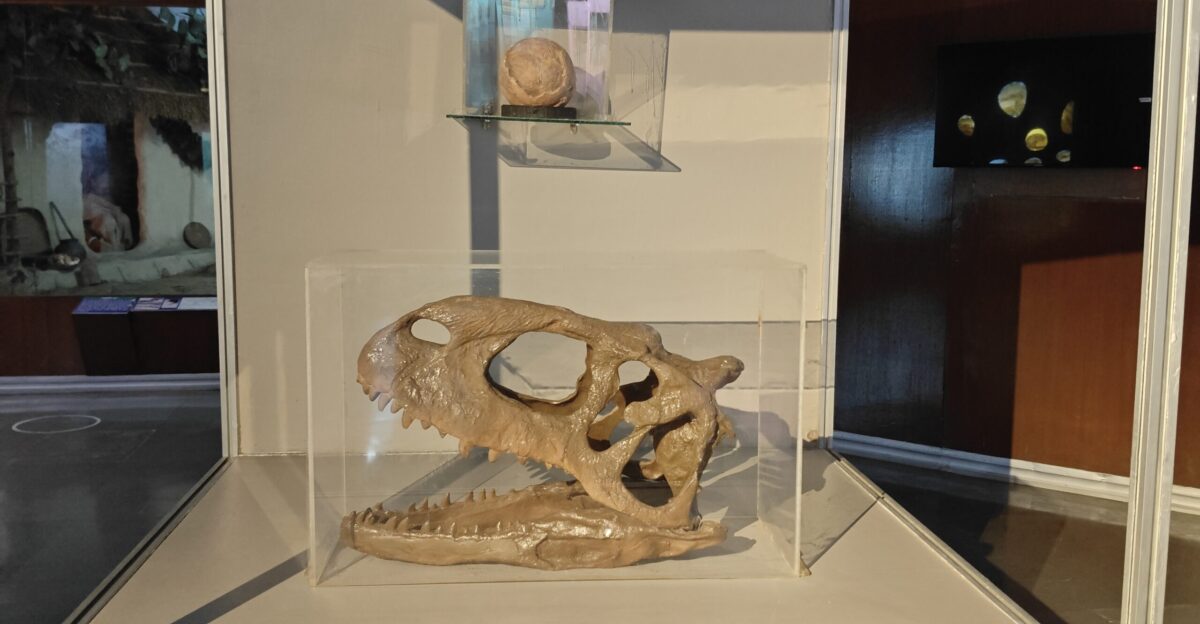
The excitement surrounding the Spitsbergen discoveries serves as a powerful tool for inspiring the next generation of scientists and environmental stewards, as institutions like the University of Oslo and Swedish Museum of Natural History have recognized. Educational programs focusing on these findings can spark interest in paleontology and climate resilience among students. Integrating these lessons into curricula fosters an appreciation for biodiversity and the importance of ecological health.
Many universities and research centers have already launched outreach initiatives based on the discovery, translating complex paleontological science into engaging educational content. There’s nothing more fulfilling than witnessing young minds spark curiosity and passion for science, emphasizing the significance of educating individuals about past ecosystems to inspire future solutions.
Policy Implications and Conservation Efforts
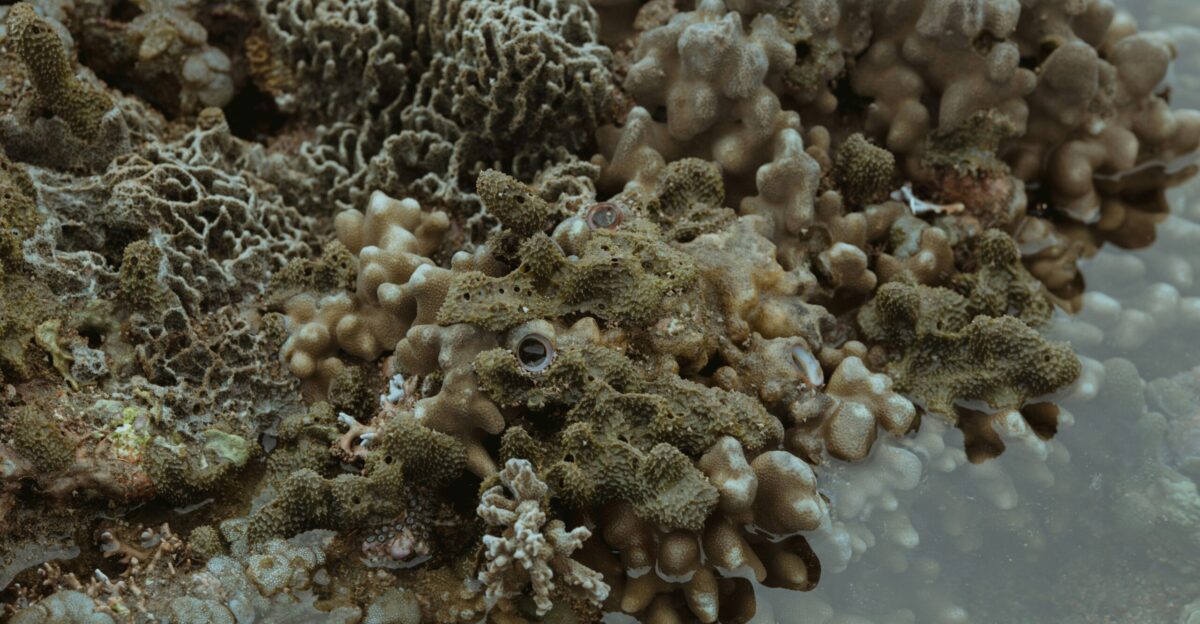
The revelations from the Spitsbergen site extend to informing policies aimed at conserving marine biodiversity, according to marine conservation advocates and policy researchers analyzing the findings. As ecosystems showcase the capacity for resilience, understanding the factors that prompt recovery can lead to policies that protect vulnerable marine environments.
This creates an opportunity for policymakers and scientists to collaborate on safeguarding biodiversity against modern threats. International regulatory bodies and environmental agencies are increasingly incorporating paleontological findings like those from Spitsbergen into long-term marine protection strategies. Our focus must shift towards creating sustainable policies that honor the resilience illustrated by our planet’s history, as conservation advocates have emphasized in the wake of these discoveries.
Global Collaboration for Marine Research
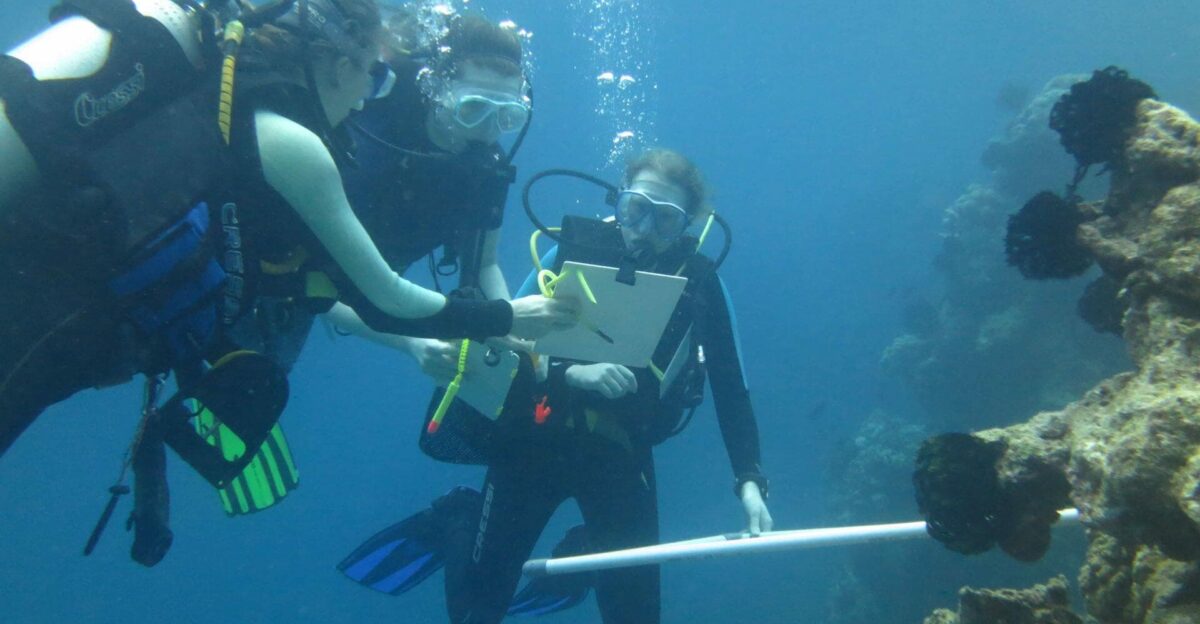
The insights drawn from Spitsbergen emphasize the importance of international cooperation in marine research, as exemplified by the partnership between the University of Oslo and Swedish Museum of Natural History. Collaborative endeavors among nations can enhance the breadth of knowledge shared about ancient and modern ecosystems.
Expanding global partnerships enables researchers to pool resources and expertise, enhancing scientific discovery’s efficacy. The Spitsbergen project has already inspired similar paleontological expeditions in other Arctic regions and polar areas worldwide, according to research coordination networks. Only through collaboration can we tackle the complexities of marine science, as marine researchers involved in international projects have highlighted, emphasizing the significance of uniting efforts to address pressing ecological challenges.
Building a Resilient Future
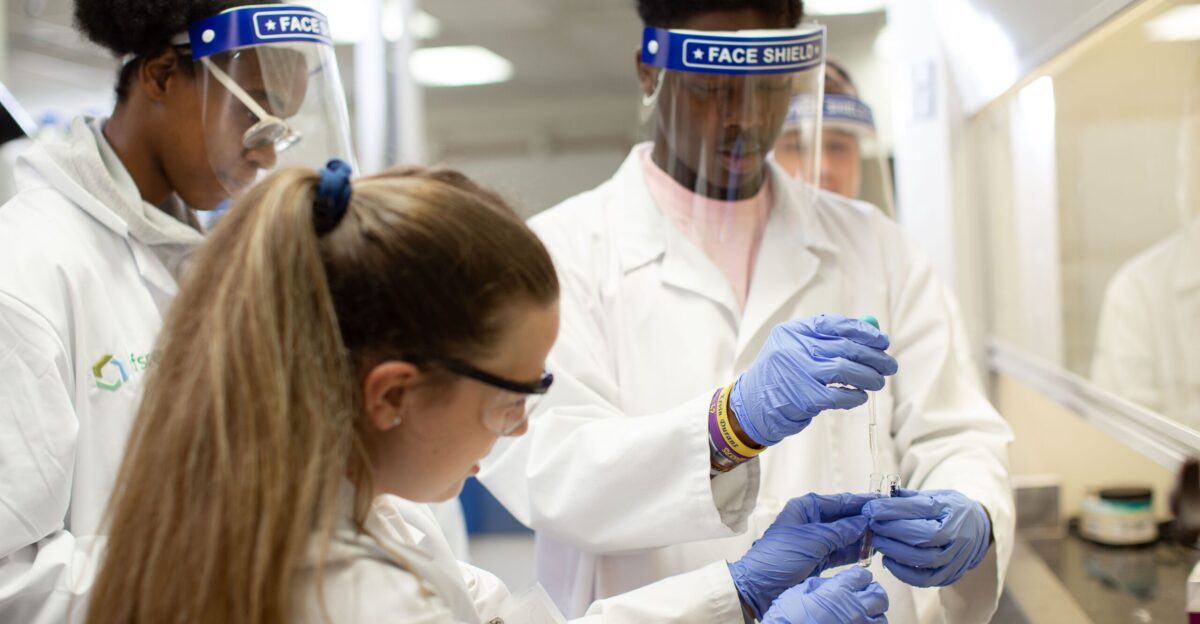
The discoveries at Spitsbergen mark a monumental step in understanding marine ecosystems’ history and resilience, as documented in the Science publication (November 2024) and corroborated by research from multiple institutions worldwide. These findings not only challenge existing theories particularly the 8-million-year recovery consensus but also provide valuable lessons applicable to modern environmental challenges.
Emphasizing biodiversity and the adaptive capacity of ecosystems serves to galvanize contemporary conservation efforts. The 30,000+ fossils recovered from Arctic mud have fundamentally reshaped paleontological understanding of how quickly life can rebound from catastrophic events. As we reflect on these ancient narratives of resilience and rapid recovery, they inspire us to foster adaptability in tackling today’s multifaceted ecological crises. Ultimately, the past equips us with the knowledge and understanding to face the future, as researchers passionately advocate for ongoing exploration in paleontology.
Sources:
Science Magazine – “Recovery of marine ecosystems from the end-Permian mass extinction” – November 2024
Natural History Museum, University of Oslo – Spitsbergen fossil excavation and analysis (2015-2024
Swedish Museum of Natural History, Stockholm – Collaborative paleontological research
Indian Express – “Spitsbergen discovery: Over 30k fossils found in dinosaur era” – November 18, 2025 –
Earth.com – “Marine ecosystem was thriving in the Arctic 250 million years ago” – November 19, 2025
Phys.org – “Oldest oceanic reptile ecosystem from the Age of Dinosaurs found on Arctic island”