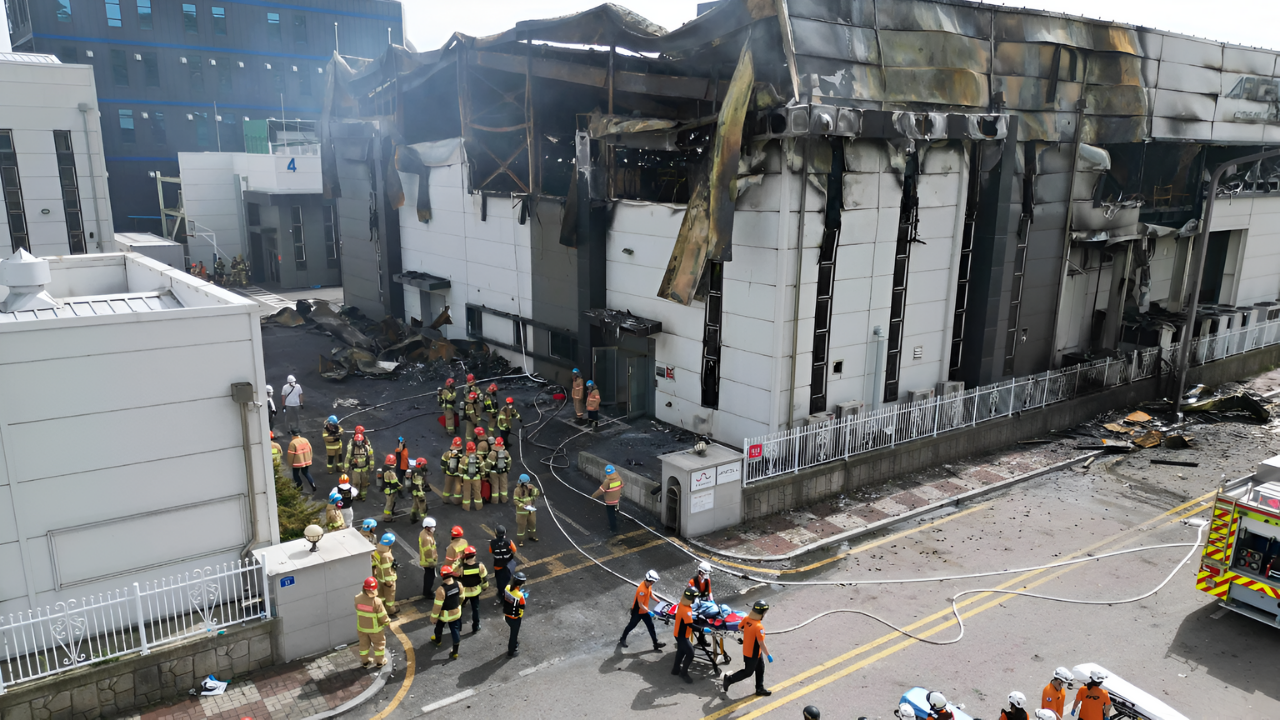
When a major fire erupted at the Novelis aluminum plant in Oswego, New York, on November 20, 2025, it sent shockwaves through Ford’s operations. This marked the second significant fire at the facility in two months, forcing the automaker to slash its profit forecast by $2 billion. The incident has exposed a critical vulnerability in America’s automotive supply chain and raised urgent questions about Ford’s ability to maintain production of its flagship F-Series trucks.
The Aluminum Dependency Problem
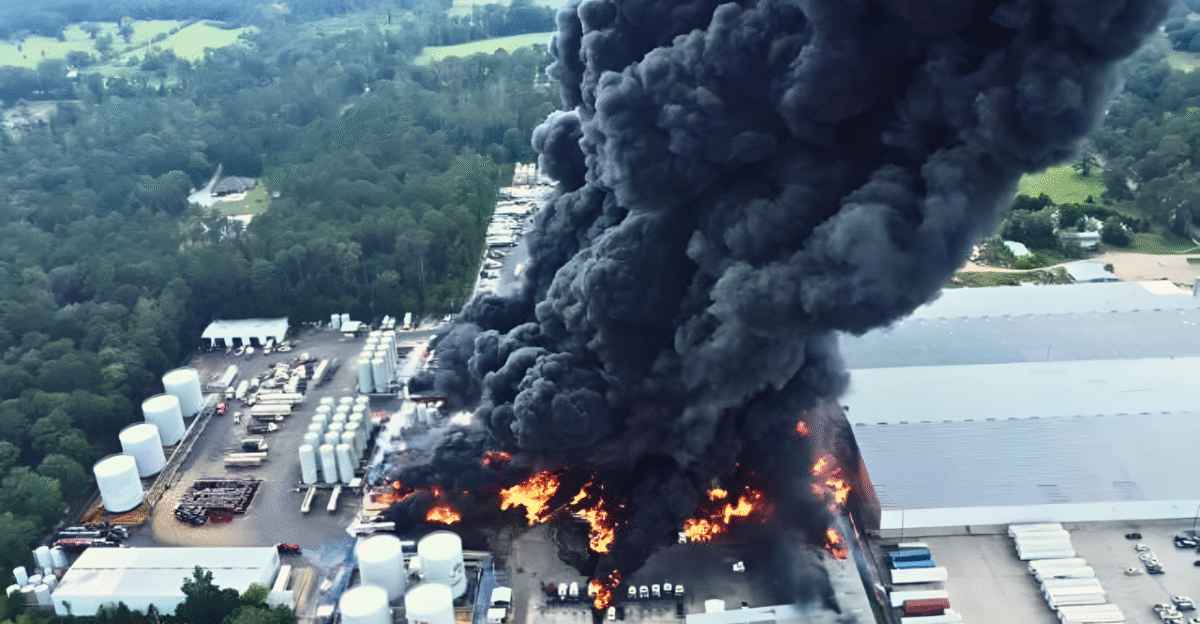
Ford’s reliance on Novelis has become a strategic liability. The Oswego plant supplies approximately 40 percent of the aluminum used by U.S. automakers, with Ford as its largest customer. This concentration of supply from a single source has transformed what should be a reliable partnership into a potential bottleneck. When production halts at Oswego, Ford’s manufacturing operations grind to a halt within days.
The repeated fires have forced Ford to confront an uncomfortable reality: the just-in-time supply chain model that has dominated the automotive industry for decades leaves little room for disruption. With minimal inventory buffers and production tightly synchronized with supplier output, even temporary shutdowns cascade through the entire manufacturing network.
Production Cuts and Market Impact

The consequences have been immediate and severe. Ford halted or significantly reduced production of its most profitable models, including the F-150 Lightning and Expedition. The Dearborn Truck Plant saw F-150 output cut by approximately 55 percent, while Kentucky’s facility faced similar constraints. Dealers now face extended waiting lists, and customers are experiencing delays measured in months rather than weeks.
Industry analysts project that Ford could lose up to 100,000 vehicles in the fourth quarter of 2025, with only partial recovery possible through accelerated production schedules. The aluminum shortage is simultaneously pushing up costs across the industry, squeezing margins for both suppliers and manufacturers.
Ripple Effects Across the Economy
The impact extends far beyond Ford’s assembly plants. The Novelis facility is a major employer in Oswego, and its repeated shutdowns have created uncertainty for workers and the surrounding community. Ford’s Kentucky Truck Plant, which depends on Oswego’s aluminum supply, experienced production constraints and workforce reductions related to the disruption. The disruption has widened to affect communities dependent on Ford’s operations throughout the Midwest.
Workers across Ford’s network face production uncertainty as the company adjusts assembly schedules. The United Auto Workers union is closely monitoring developments at affected plants.
Strategic Response and Recovery Efforts
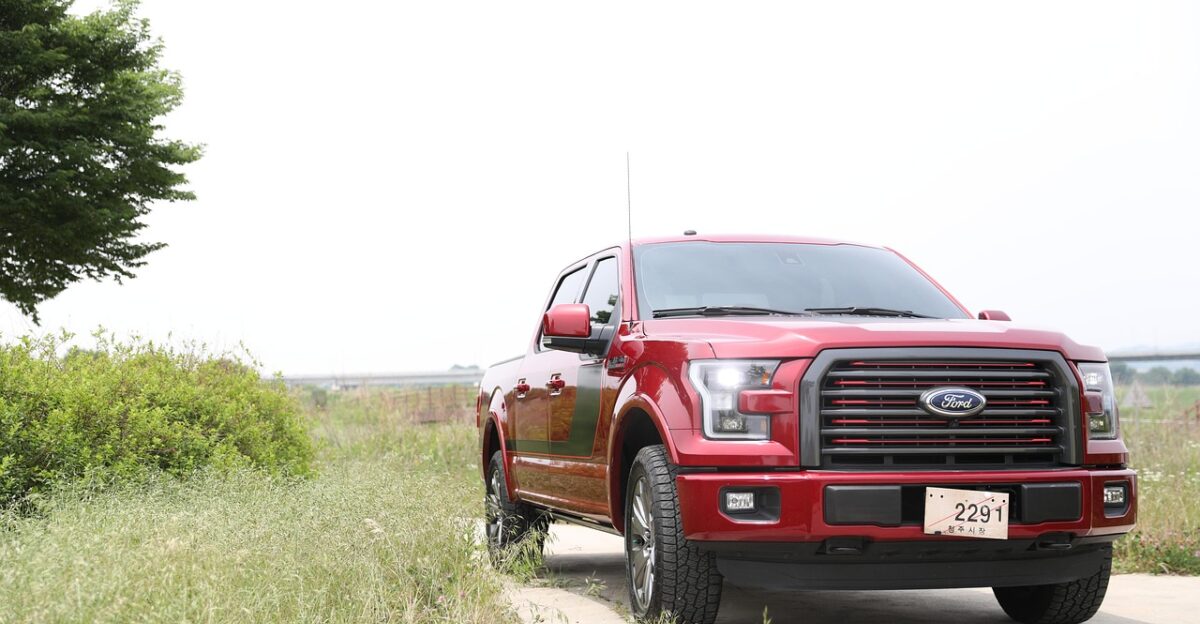
Ford’s leadership is moving aggressively to address the crisis. CEO Jim Farley has addressed the severity of the situation, noting broader competitive challenges in the global market. The company is investing $60 million in production upgrades and retraining programs to adapt to supply chain vulnerabilities.
The recovery plan includes adding a third shift at the Dearborn Truck Plant and increasing production line speed at Kentucky. These measures are expected to create up to 1,000 new jobs and allow Ford to build an additional 50,000 trucks in 2026 to recoup lost market share. Competitors including Stellantis and General Motors are simultaneously securing alternative aluminum sources to prevent similar disruptions.
Looking Forward
Despite aggressive recovery efforts, uncertainty persists. Analysts warn that the $2 billion profit hit could worsen depending on how quickly Novelis resumes full operations. Rising tariffs, fragile supply chains, and shifting consumer preferences add layers of complexity to Ford’s recovery path. The F-150 Lightning, central to Ford’s electric vehicle ambitions, remains sidelined as the company prioritizes gas and hybrid models.
The Novelis fires have served as a stark reminder that even America’s largest automakers remain vulnerable to supply chain shocks. As Ford navigates this crisis, the broader automotive industry is reassessing its dependence on concentrated suppliers and reconsidering inventory strategies that leave no margin for error. The outcome will likely reshape how U.S. automakers approach supply chain resilience for years to come.