
Imagine the moment when the U.S. population hits an unprecedented milestone: for the first time in history, the median age crosses 39 years. Last year, this demographic shift sent shockwaves through the nation, setting the stage for a future where the elderly outnumber children in a growing number of states.
In just four years, the number of states with more seniors than kids has skyrocketed by 267%. This isn’t just a number; it’s a reflection of dramatic changes that will reshape economies, healthcare, and infrastructure across America. What’s driving this shift, and what will it mean for the next generation? Let’s dive in.
Why This Matters Now

The U.S. median age reached a record 39.1 years in 2024. Seniors aged 65+ are growing by 3% annually. In five years, the number of states nearing senior-majority has doubled. Rural hospitals are closing. Schools in aging states are consolidating.
Some tax bases are weakening. The Northeast now has a median age of 40.6, nearly 12 years older than Utah at 32.4 years. Several states lead this demographic shift.
9. Pennsylvania – The Forgotten Industrial Giant Turning Gray
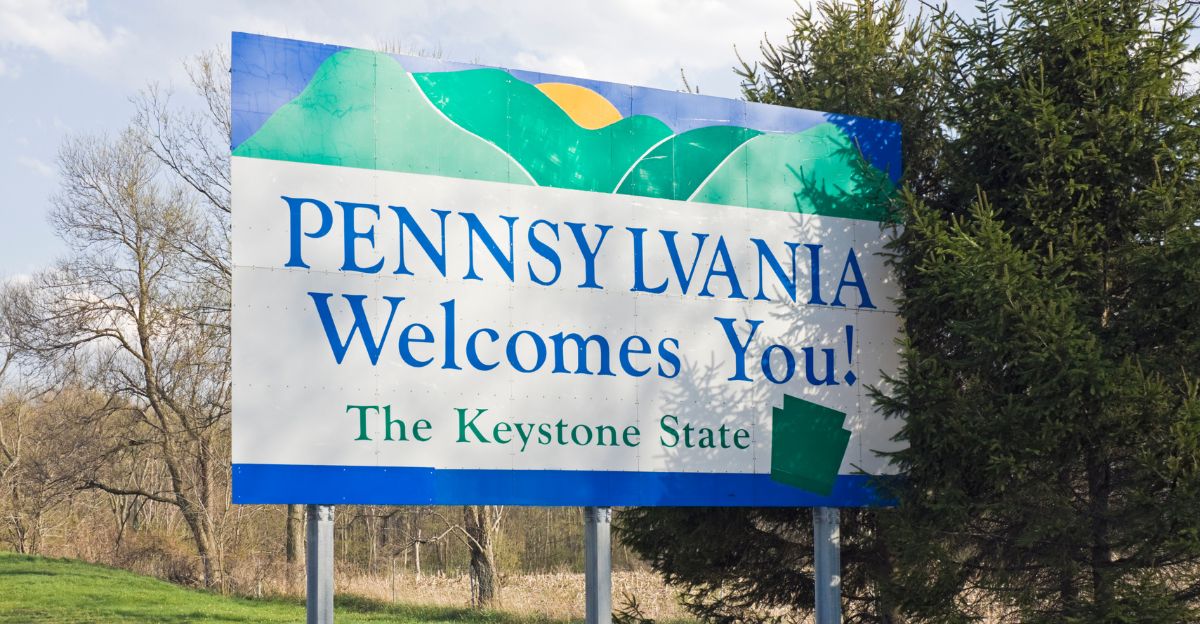
Pennsylvania doesn’t get the headlines in 2025—no sunny beaches or wide-open spaces. Yet its median age of 41.2 ranks it among the oldest states. The state’s population of 13 million is aging faster than it’s growing.
Younger generations are increasingly moving to other states in search of more opportunities. What remains is a shrinking workforce and aging infrastructure, with the government scrambling to fund pensions while the tax base erodes. Pennsylvania is a warning for post-industrial America.
Pennsylvania’s Healthcare Challenges: Who Will Care for Over 2 Million Seniors?

Pennsylvania has about 2.4 million residents over 65, representing 19% of the population. Rural hospitals have closed at an alarming rate. With one senior for every six working-age adults, Pennsylvania faces a severe healthcare crisis.
The nursing shortage worsens, and state spending on Medicaid grows, while education budgets are cut. The future may see more nursing homes than classrooms in a state struggling to balance healthcare needs with shrinking revenues.
8. Hawaii – The Paradise Where People Live Long and Rarely Leave

Hawaii’s sunny beaches and military bases give it a youthful image. But its median age of 41.5 ranks it among the oldest states. Life expectancy in Hawaii is about 80.7 years—the longest in the nation. Retirees flock to Hawaii, rarely leaving, and living longer lives.
With a population of 1.4 million and nearly 285,000 seniors, housing costs have become the highest in the nation, pricing out younger families.
Why Hawaii’s Seniors Stay: Healthcare, Culture, and the Cost of Leaving

Hawaii’s aging population is no accident. The state invested heavily in senior healthcare, creating top-tier geriatric programs. Traditional Hawaiian culture emphasizes multigenerational family care, and seniors have deep roots and trusted medical teams.
However, a cycle emerges: healthcare spending on seniors drains education and workforce budgets, leading to a decline in the number of young professionals. By 2030, Hawaii’s median age could exceed 43, further stressing its aging systems.
7. Montana – The Last Frontier’s Population Crisis

Montana is known for its wide-open spaces and outdoor culture. Yet with a median age of 41.9, it ranks as the seventh-oldest state. Its 1.1 million residents are spread thinly over 147,000 square miles.
The state has long attracted retirees, offering cheap land and a low cost of living. However, in-migration has outpaced departures since 2021, with retirees driving this trend.
Montana’s Infrastructure Is Under Pressure

Montana faces a growing labor shortage as its workforce ages. Rural fire departments lose volunteers, schools consolidate, and hospitals are increasingly threatened.
The state’s property taxes rise to cover obligations, while young families face rising land costs. Montana remains vast and beautiful, but its modern infrastructure and services struggle to keep pace with its aging population.
6. Delaware – America’s Corporate Tax Haven Ages Slowly

Delaware isn’t a state most people think of in terms of aging. But with a median age of 42.0, it ranks among the oldest states. Over 19% of its population is aged 65 or older.
Despite its small size, Delaware is known for its corporate tax benefits, attracting businesses and retirees. But its growing senior population quietly shapes its future, requiring a delicate balance between industry and care for its elderly.
Delaware’s Silent Success: Why a Tiny, Aging State Keeps Thriving

Despite a high median age, Delaware’s corporate tax structure keeps its economy stable. The state’s healthcare systems are well-funded, and many seniors are wealthier than in other states.
Young professionals continue to flock to Delaware for jobs in finance and pharmaceuticals, fueling the state’s economy, even as its senior population grows.
5. Florida – The Retiree State and $282 Billion Healthcare Economy
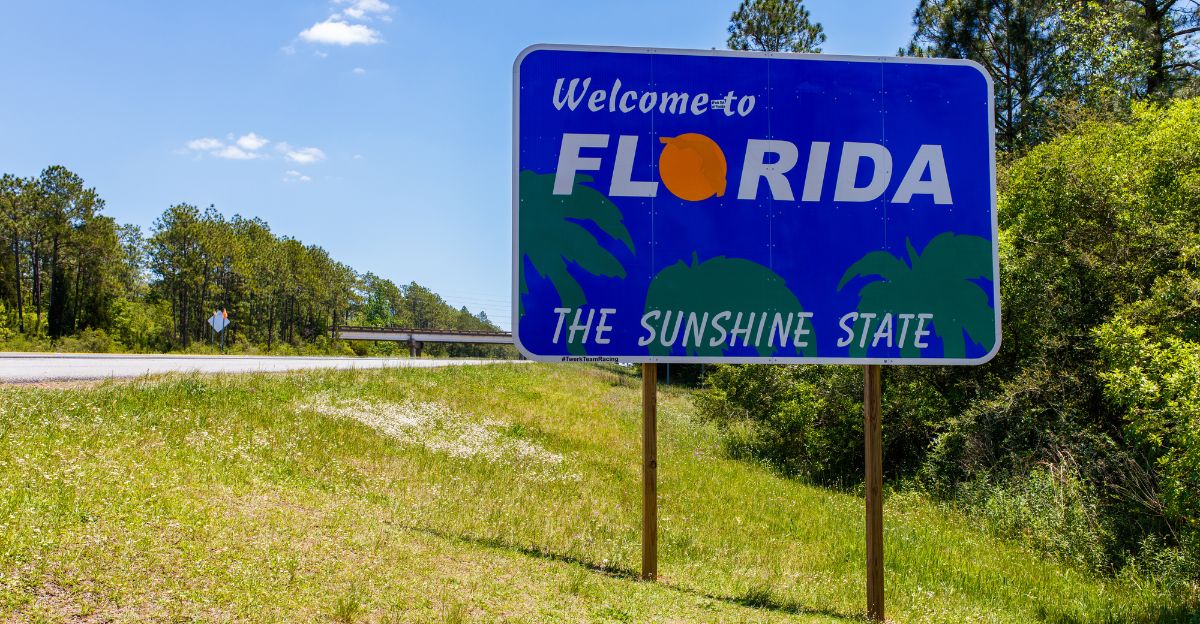
Florida’s senior population is well known, but its scale is staggering. With 3.1 million seniors—more than the population of some states—Florida has a median age of 42.6, making it the fifth-oldest state.
Seniors continue to flock to Florida, drawn by no state income tax and the promise of retirement. But with a senior-heavy population, the state faces mounting pressures on its healthcare and housing systems.
Florida’s Challenge: Who Will Care for 3.1 Million Seniors in a High-Cost State?

Florida’s healthcare system relies heavily on its senior population, but healthcare worker wages are far below the soaring housing costs.
Young Floridians struggle to afford rent or homeownership, and the state’s priorities are increasingly shaped by the needs of seniors. With more than 3 million seniors and a rising cost of living, Florida’s healthcare demand will only grow, putting additional strain on its economy.
4. West Virginia – The Opioid Crisis Accelerates Aging
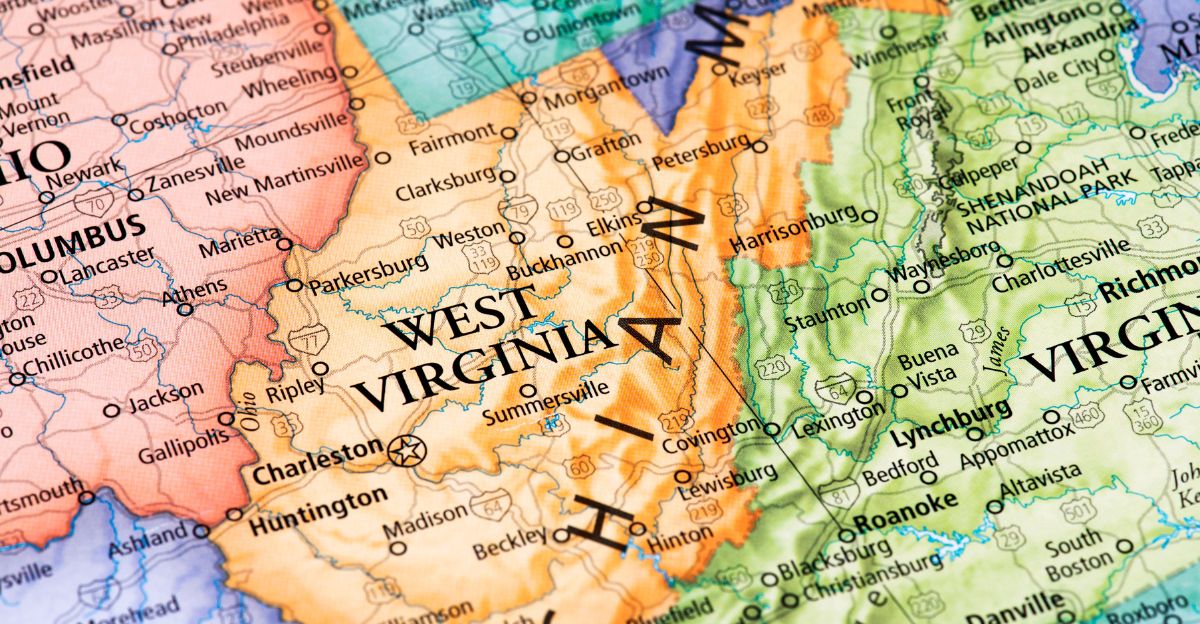
West Virginia has a median age of 43.0, making it the fourth-oldest state. The state’s opioid crisis has accelerated the aging of its population, with many working-age adults succumbing to addiction.
The state’s population has shrunk from 1.84 million in 2010 to about 1.73 million today, and nearly 20% of West Virginians are now aged 65+.
West Virginia’s Double Crisis: Economic Loss and an Aging Population

West Virginia’s industrial decline has left a legacy of shrinking towns and economic hardship. Schools are consolidating, and elderly residents rely on strained pension systems.
The state’s working-age tax base can no longer support senior care, contributing to a growing economic crisis. The state’s aging population exacerbates the difficulty of maintaining infrastructure and services in once-thriving communities.
3. Vermont – The Maple Syrup State Where Grandparents Nearly Outnumber Grandchildren
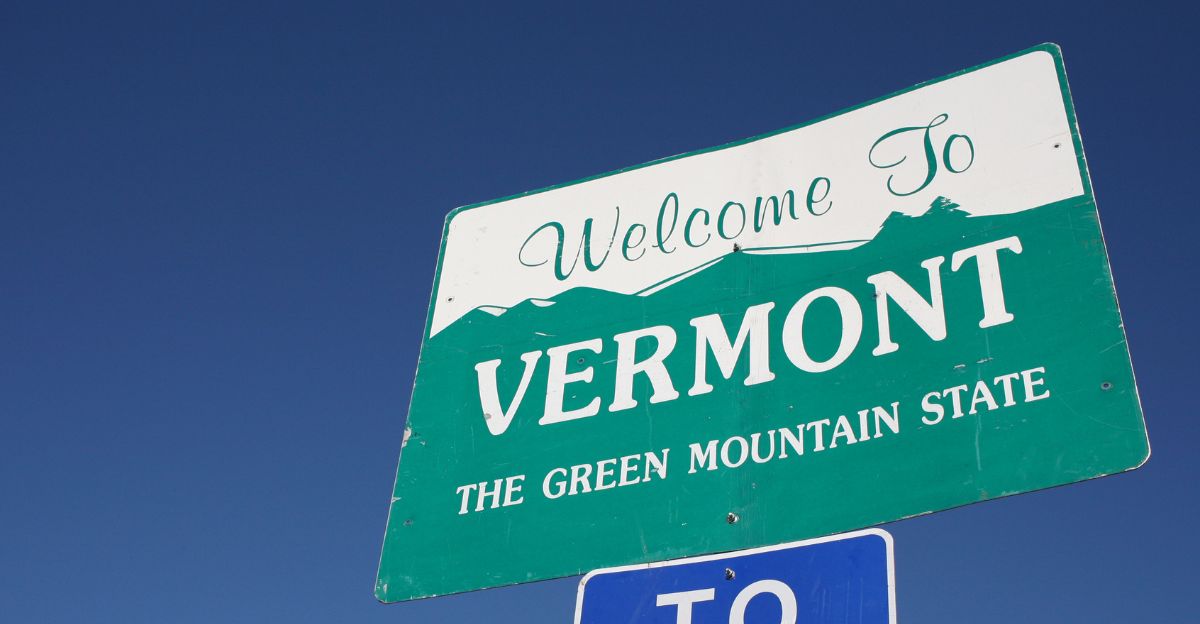
Vermont is known for its outdoor lifestyle, but it’s also one of the oldest states in the nation, with a median age of 43.6. Seniors now nearly outnumber children in Vermont, and the state’s aging population poses unique challenges.
Efforts to attract young people face headwinds from high housing costs and a shrinking workforce, making Vermont a microcosm of the broader aging trend.
Vermont’s Experiment: What Happens When Seniors Dominate Politics?

Vermont’s political landscape is increasingly shaped by its senior citizens, who drive policy toward healthcare and Social Security.
As the population ages, the state faces a dilemma: should it invest more in schools and youth or focus on expanding senior care? With many young people leaving, Vermont’s political priorities will continue to shift toward the aging demographic.
2. New Hampshire – The Tax Haven Aging Faster Than It Grows
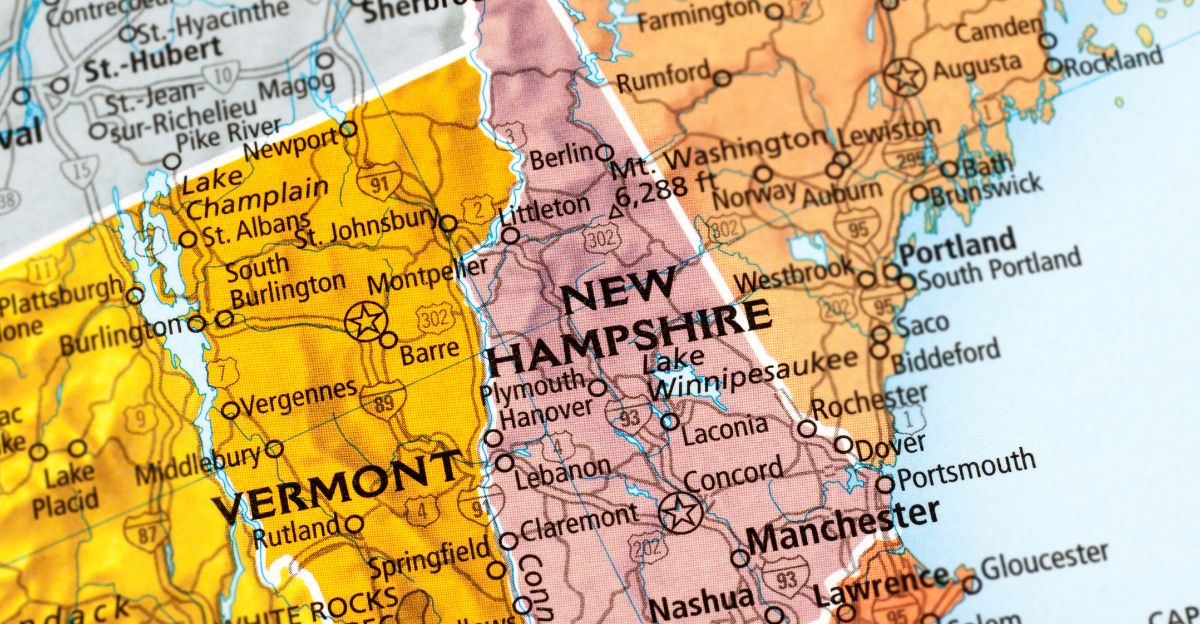
New Hampshire is one of the oldest states in the U.S., with a median age of 43.6. The state attracts retirees due to its lack of income and sales taxes.
But as the senior population grows, young people are leaving for more affordable regions. New Hampshire is facing an aging population crisis, where retirees dominate, but the younger workforce is shrinking.
New Hampshire’s Population Trap: Wealth Flows In, Youth Flows Out

New Hampshire’s tax policies attract retirees, but the state faces a growing imbalance. As more seniors settle in the state, the reliance on existing wealth, rather than newly earned income, deepens.
Young professionals are leaving for larger cities like Boston or New York, accelerating the state’s demographic decline and leaving behind a rapidly aging population.
1. Maine – America’s Oldest State, and Getting Older

Maine is the oldest state in the nation, with a median age of 44.8. It’s sparsely populated, with only 44 people per square mile, and has a population of about 1.4 million.
Nearly 20% of Maine’s population is over 65. The state faces outmigration of younger people, while retirees continue to move in, creating a unique demographic situation that will only get more pronounced by 2030.
America’s Future: Not All States Are Aging Equally, But Most Are

The states profiled here aren’t anomalies—they’re a preview of the demographic shifts taking place across the country. The number of senior-majority states will continue to rise, with the Northeast likely exceeding a median age of 42 by 2030.
As young Americans choose between staying in aging states or moving to more youthful regions, the political and economic power of seniors will continue to grow, reshaping the nation’s future.
Sources:
US Census Bureau Population Division, “An Aging Nation: U.S. Median Age Surpassed 39 in 2024”; Census Bureau State Population Estimates (2025)
Population Reference Bureau (PRB), “Which U.S. States Have the Oldest Populations?” Updated Demographic Analysis (2021); PRB Elderly Americans Population Bulletin
Pew Research Center, “How Americans Are Thinking About Aging” (2025); U.S. Centenarian Population Projections Report
World Population Review and Census Bureau, State Median Age Rankings and Senior Population Statistics by State (2023–2024); American Community Survey Five-Year Estimates