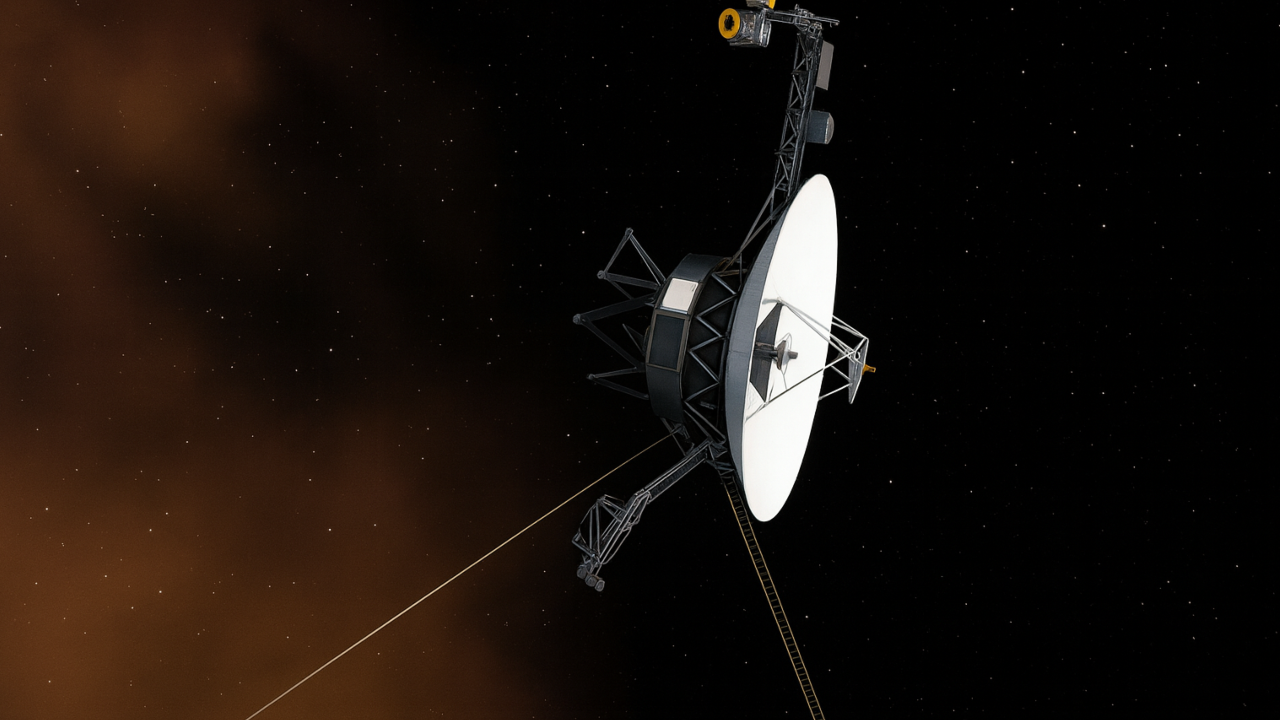
A mysterious object traveled across interstellar space and entered our solar system. Scientists discovered it in July 2025 and named it 3I/ATLAS—the third confirmed interstellar visitor ever recorded.
Unlike previous cosmic wanderers, this one sparked fierce public disagreement among credentialed astrophysicists. Some call it natural.
Others say its behavior defies conventional physics. Accusations of data suppression now fuel a deeper crisis of trust. What makes respected scientists so polarized over one distant object?
Anomalies Mount
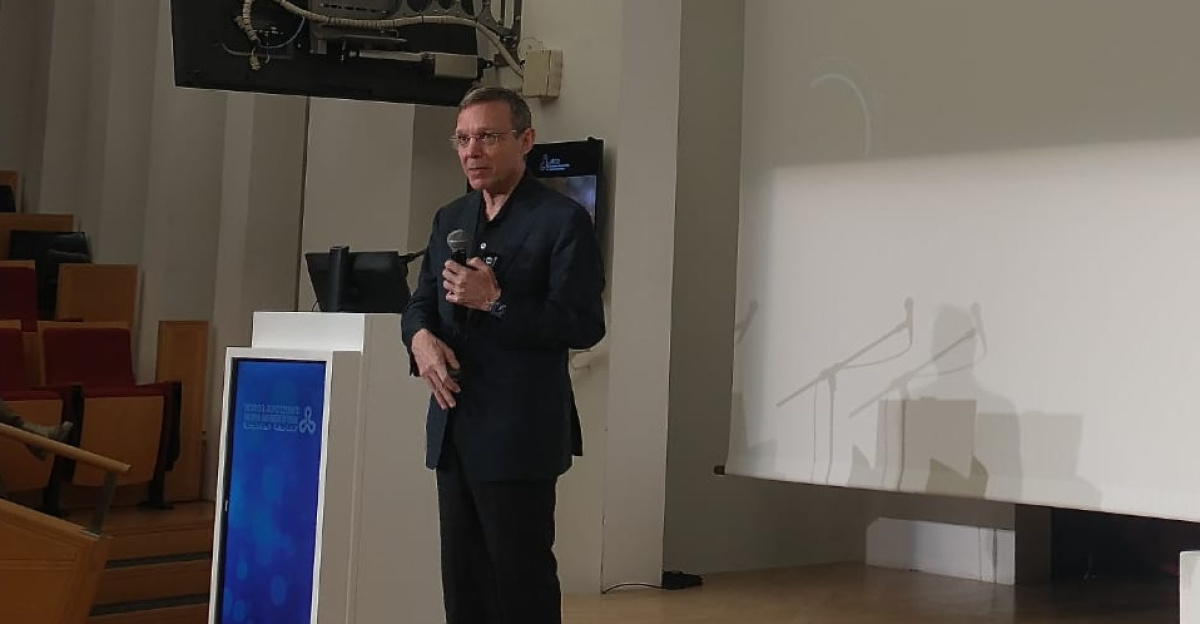
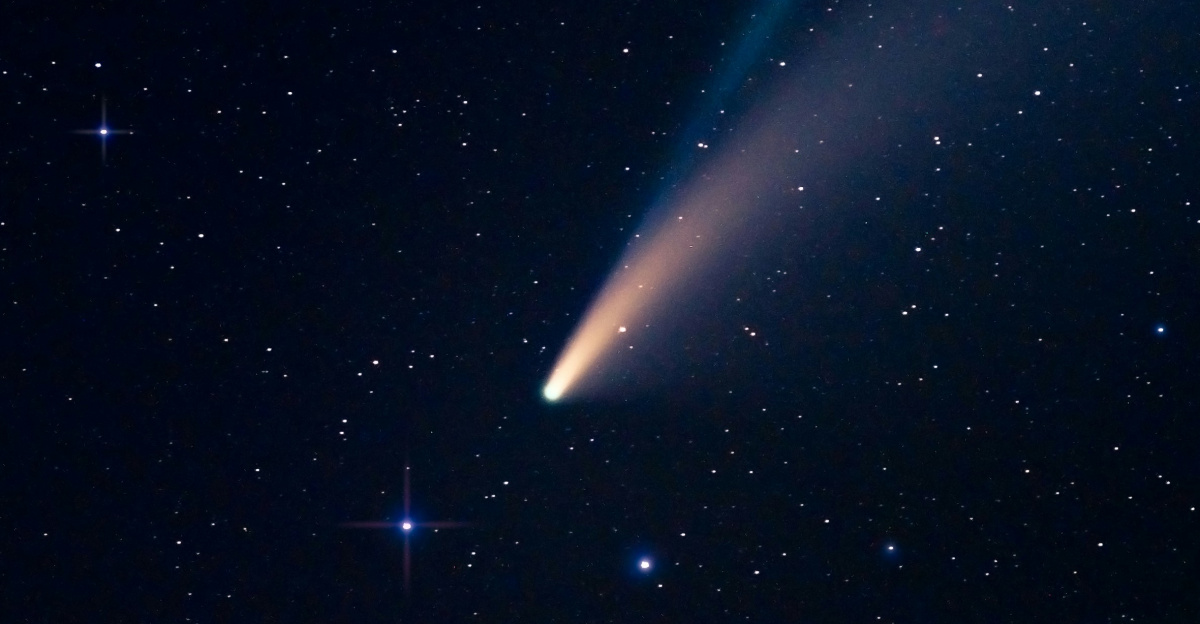
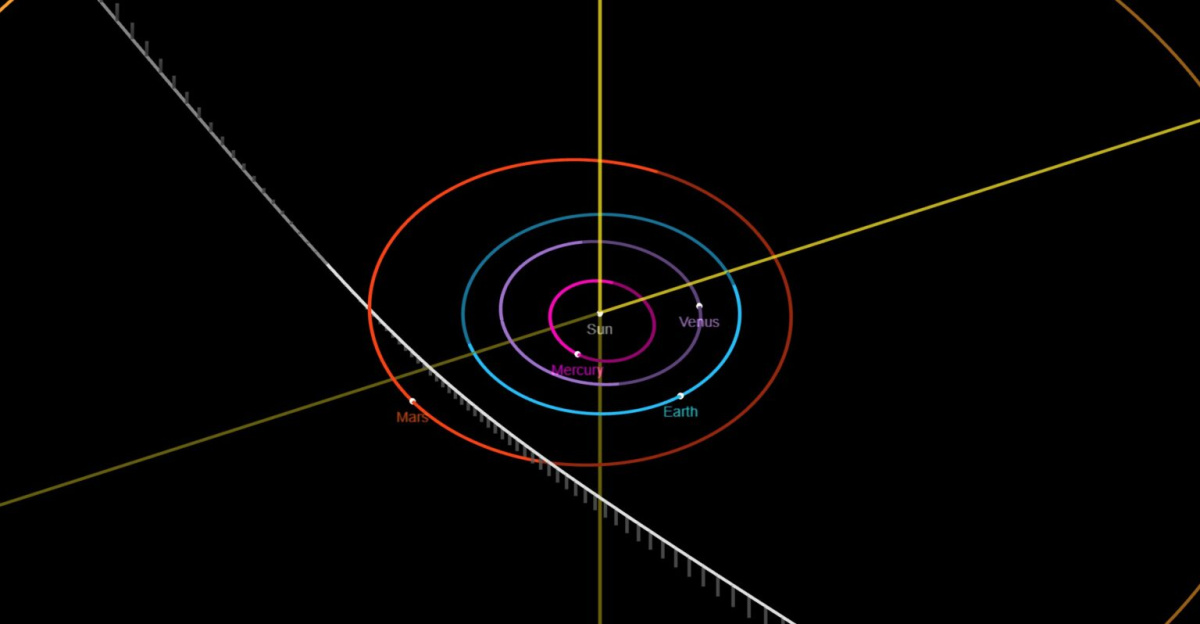
Harvard astrophysicist Avi Loeb documented 12 anomalies in 3I/ATLAS’s behavior that challenge standard comet physics. The object’s trajectory showed only a 0.2% probability of occurring naturally.
It accelerated without a gravitational explanation. The object shifted color near the sun, turning blue in October 2025. Its jets pointed sideways instead of away from the sun, as typical comets do.
Loeb published his findings and warned that dismissing such evidence without investigation violates scientific principles. Mainstream astronomers swiftly rebutted him. The scientific community fractured into opposing camps.
The Establishment Pushes Back
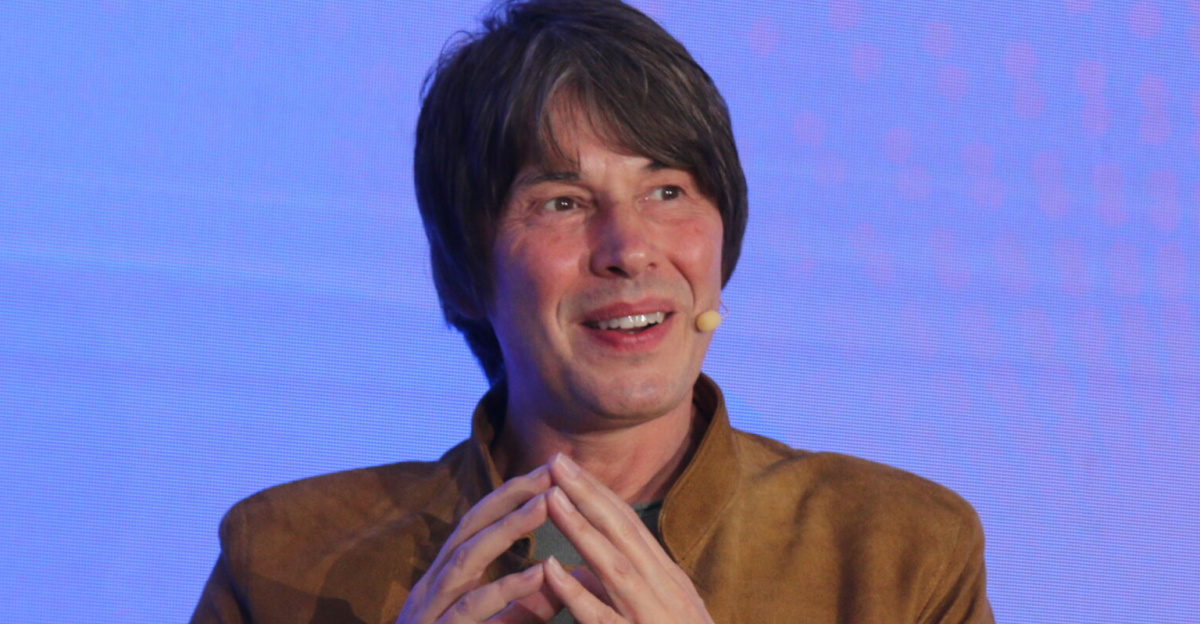
Oxford astronomer Chris Lintott called Loeb’s work “nonsense on stilts.” Arizona State’s Steven Desch accused him of “sloppy” methodology and “bypassing peer review to feed conspiracy theories.”
Penn State’s Jason Wright published a detailed blog documenting “fundamental errors” in Loeb’s trajectory analysis. Physicist Brian Cox described 3I/ATLAS as “a completely natural object.”
These critics issued public dismissals, suggesting Loeb spread misinformation. Loeb countered that the establishment prioritized reputations over truth and applied excessive conservatism. Both sides now accuse each other of bad faith.
Congressional Pressure Builds
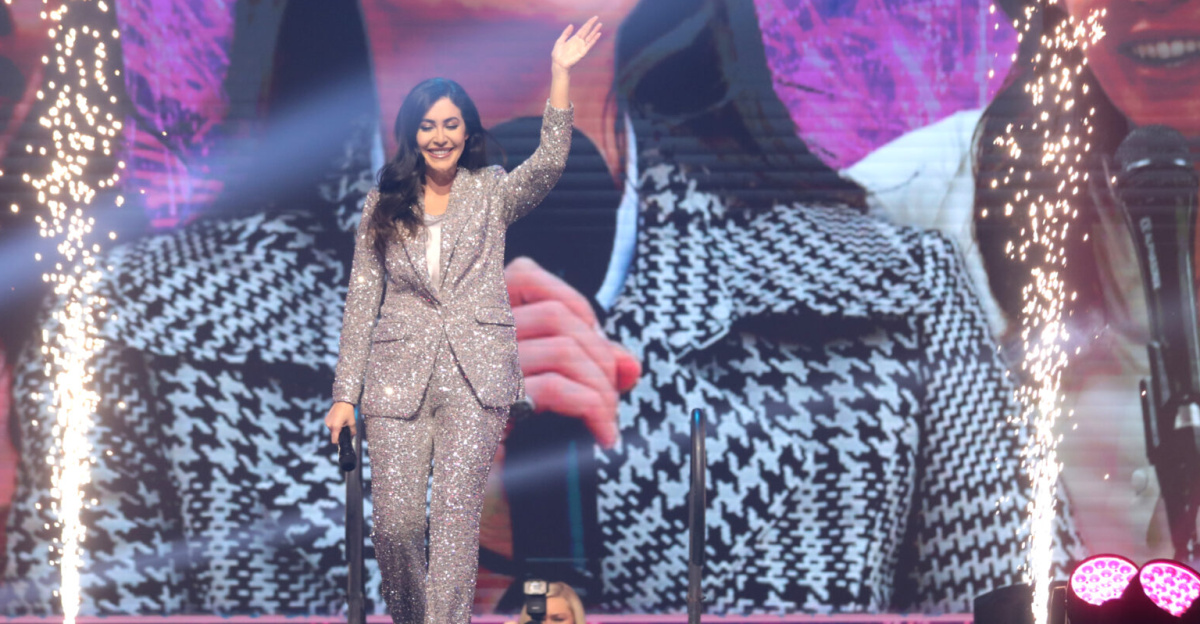
By late October 2025, the controversy reached Congress. Representative Anna Paulina Luna sent an official letter to NASA’s Acting Administrator on October 31, 2025, demanding “immediate release of specific records, images, and data about 3I/ATLAS.”
Her letter signaled mounting political pressure alongside scientific disputes. The government shutdown delays had already prevented NASA from discussing the object publicly since October 1. News media speculated about what NASA withheld.
Social media erupted with theories. Mainstream outlets began covering suppression accusations. NASA’s long-awaited press conference on November 19 would provide the dramatic reveal.
The Blurry Reveal
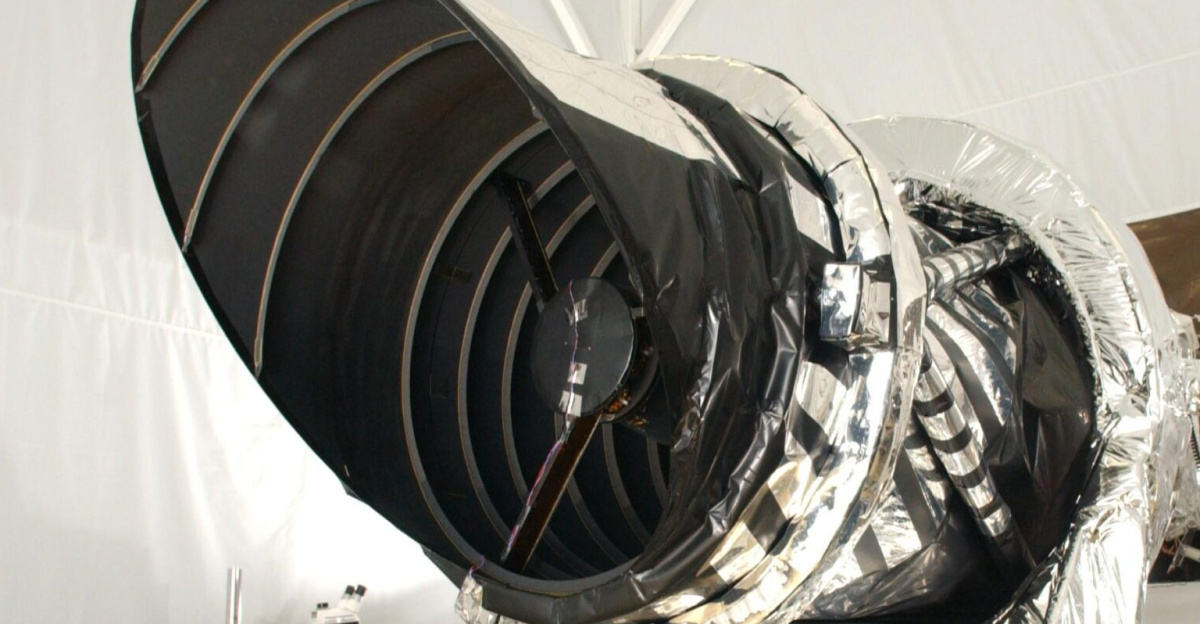
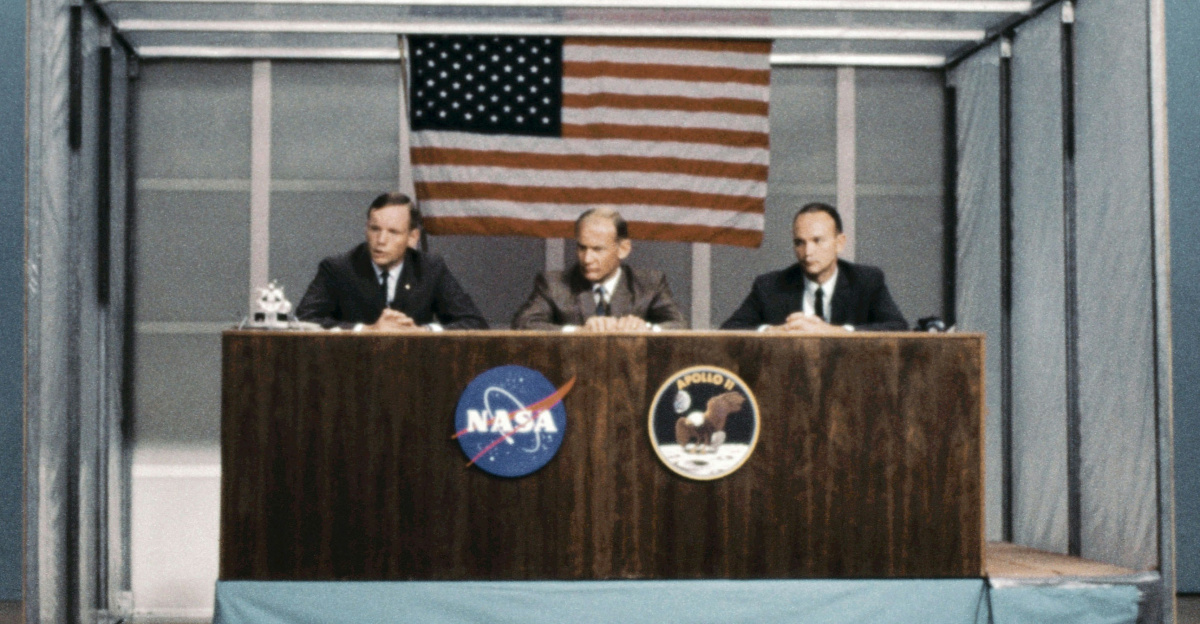
NASA held its highly anticipated press conference on November 19, 2025, featuring Associate Administrator Amit Kshatriya and Science Mission Directorate head Nicky Fox.
The agency unveiled images captured by the HiRISE camera aboard the Mars Reconnaissance Orbiter from a distance of 19 million miles. The image showed a “fuzzy white ball” with no sharp detail or clear object definition.
Amateur astronomers on Earth captured sharper photographs using ground-based telescopes. NASA officials insisted: “This object is a comet. It looks and behaves like a comet.” They found “no techno signatures,” suggesting intelligent design. Public response: disappointment and anger.
Social Media Erupts
Within hours, social media platforms were filled with accusations of cover-ups. Users posted side-by-side comparisons showing NASA’s fuzzy release versus sharper amateur images. Hashtags trended: “NASA = NEVER A STRAIGHT ANSWER.”
Comments accused the agency of gaslighting the public. Reddit threads grew heated with speculation about why NASA released poor-quality imagery if better photos existed. YouTube comments ranged from sarcastic (“Worth the wait, NASA”) to conspiratorial (“They’re hiding something”).
One Twitter user summarized the mood: “Many viewers felt disappointed; they expected something more detailed.” The press conference intensified controversy instead of settling it.
Loeb’s Direct Challenge
Avi Loeb responded publicly to NASA’s presentation within hours. He criticized the agency for not releasing clearer data, quoting Sherlock Holmes: “There is nothing more deceptive than an obvious fact.”
Loeb revealed he had requested the best HiRISE image—captured on October 2, 2025—from NASA’s principal investigator. He stated, “I wrote, ‘Can I get the data? I am a scientist,’ but I received no reply.” He accused NASA of maintaining an “official mantra” rather than acknowledging unknowns.
He warned: “We’re talking about something that could affect humanity dramatically, and we shouldn’t apply excessive conservatism.”
The Government Shutdown Factor
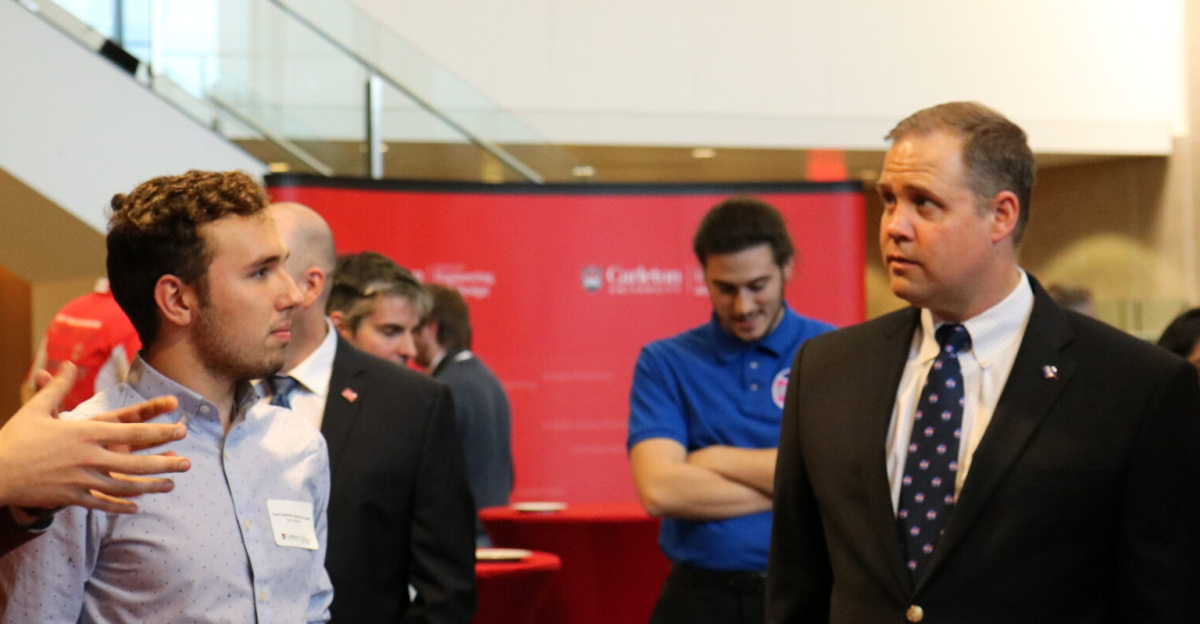
Why were clearer images unavailable? NASA cited the October 1–mid-November government shutdown as the reason for the delayed analysis and public communication. One official explained: “NASA was in a period where we couldn’t speak about it due to the recent government shutdown.”
The shutdown halted routine operations, image processing, and public affairs work. But critics noted the shutdown had ended by early November—yet the press conference didn’t occur until November 19.
The gap raised questions: Did NASA take extra time to prepare messaging? Did officials deliberate on what to release? The exact timeline of when full-resolution images became available remained unclear.
The Broader Pattern
This controversy reflected a wider debate about how science institutions handle anomalous evidence. Loeb built his career challenging mainstream consensus—from his 2019 paper on ‘Oumuamua to his founding of the Galileo Project to study unexplained phenomena.
He argued that science progresses by investigating anomalies, not dismissing them. Mainstream astronomers countered that Loeb bypassed normal peer review, published speculative ideas in the media before submitting them to journals, and thereby inflamed public opinion.
The tension surfaced a fundamental question: Should scientists prioritize reputational risk or investigative openness? The 3I/ATLAS case became the flashpoint for that philosophical divide.
Trust Erosion
Beyond the specific object, 3I/ATLAS revealed something more significant: public trust in NASA had fractured. Congressional inquiries, social media backlash, and mainstream media coverage indicated that citizens were questioning NASA’s transparency.
Rep. Luna’s October 31 letter wasn’t routine—it showed that elected officials felt compelled to demand the release of data. This incident reflected broader skepticism toward institutions perceived as gatekeepers of information.
Whether 3I/ATLAS harbors anomalies or not, the episode demonstrated that opaque communication erodes public confidence faster than any mysterious comet. NASA faced not just a scientific controversy but a credibility crisis.
Mainstream Media Amplifies Doubts
Major outlets amplified the controversy. NY Post published: “Avi Loeb Accuses NASA of Withholding 3I/ATLAS Evidence.” Futurism ran: “Professor Rages at NASA’s Deceptive Press Conference.”
Sky at Night Magazine asked: “We’ve Finally Got NASA’s Mars Images—But Why Do They Look So Fuzzy?” Each headline reinforced the narrative of suppression and disappointment. By November 21, 2025, the story reached global audiences through Indian, British, and American media.
The “scientific civil war” framing—used by critics and the media—became the public’s understanding of the dispute. NASA’s attempt to resolve the controversy backfired spectacularly.
Institutional Defensiveness
NASA defended its position in follow-up statements. Officials emphasized that HiRISE’s fuzzy image resulted from “spacecraft jitter” and extreme distance. They noted the camera was designed to photograph Mars’s surface from orbit, not distant comets.
NASA released additional data—a color-enhanced image showing chemical emissions—to support the comet hypothesis. But these technical explanations fell flat with skeptical audiences. NASA appeared to double down rather than acknowledge concerns.
Physicist Brian Cox’s public statements in support of NASA only reinforced Loeb’s argument that the establishment circled the wagons. The agency’s defensive posture accelerated credibility loss.
Loeb’s Institutional Push-Back
Loeb intensified his counter-campaign. He published critiques, gave media interviews, and called for independent analysis of 3I/ATLAS data. The Galileo Project, his Harvard-affiliated initiative, positioned itself as an alternative to mainstream institutional gatekeeping.
Loeb argued that scientific institutions had become too conservative—too concerned with protecting reputational capital and too willing to dismiss evidence that challenged the consensus. His framing resonated with portions of the public already skeptical of establishment institutions.
Whether his scientific claims held up or not, his meta-argument—that institutions suppress inconvenient questions—gained significant traction.
Unresolved and Escalating
By late November 2025, the core disagreement remained unresolved. No consensus emerged on what 3I/ATLAS actually is. No dramatic revelation vindicated either side.
Instead, the controversy became about itself—about institutional communication, data releases, and whether mainstream science can credibly investigate anomalies without bias. Independent astronomers continued observing 3I/ATLAS as it moved through the solar system.
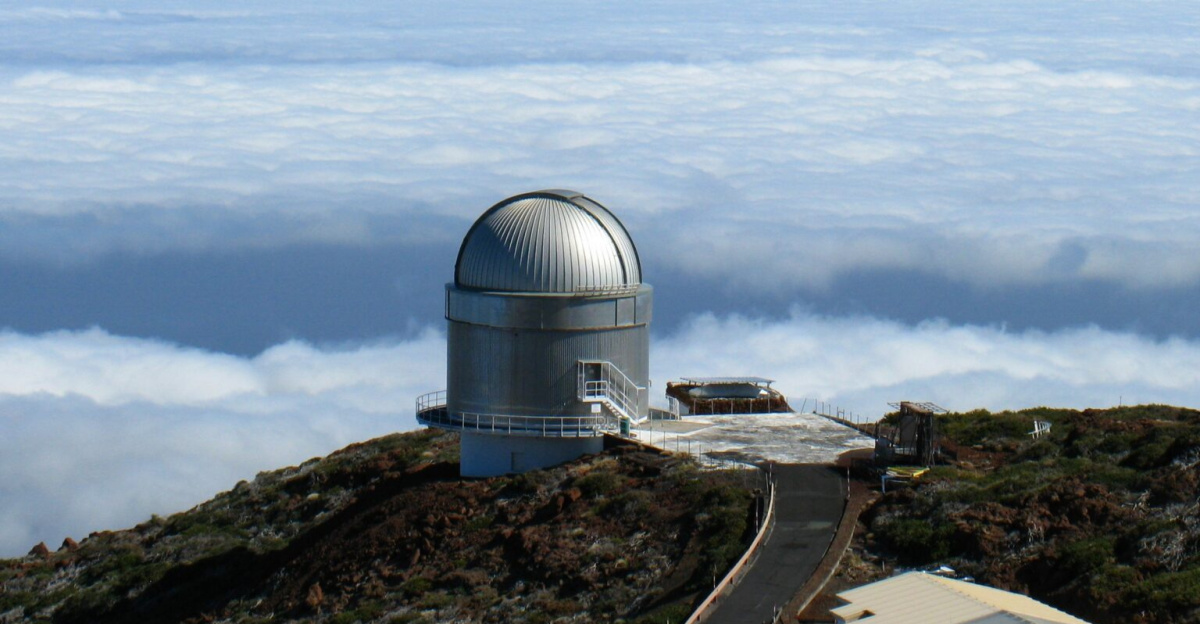
The Nordic Optical Telescope in Spain captured images showing the object hadn’t fragmented as typical comets do. Scientific disputes about data interpretation rarely resolve neatly, and institutional trust, once eroded, rebuilds slowly.
The Larger Question
The 3I/ATLAS controversy ultimately raises a larger question: In an era of social media, institutional skepticism, and polarized information ecosystems, can science institutions conduct genuine inquiry into anomalies without triggering accusations of conspiracy?
Loeb argues that they cannot—that conservatism itself becomes a form of suppression. Mainstream scientists counter that speculation without rigorous evidence poisons public discourse. Both sides claim to serve science. Neither trusts the other’s motives.
As 3I/ATLAS continues its journey through space, the scientific community remains divided. The real question isn’t what the comet is—it’s whether institutions can ever restore credibility once perceived opacity triggers public doubt.