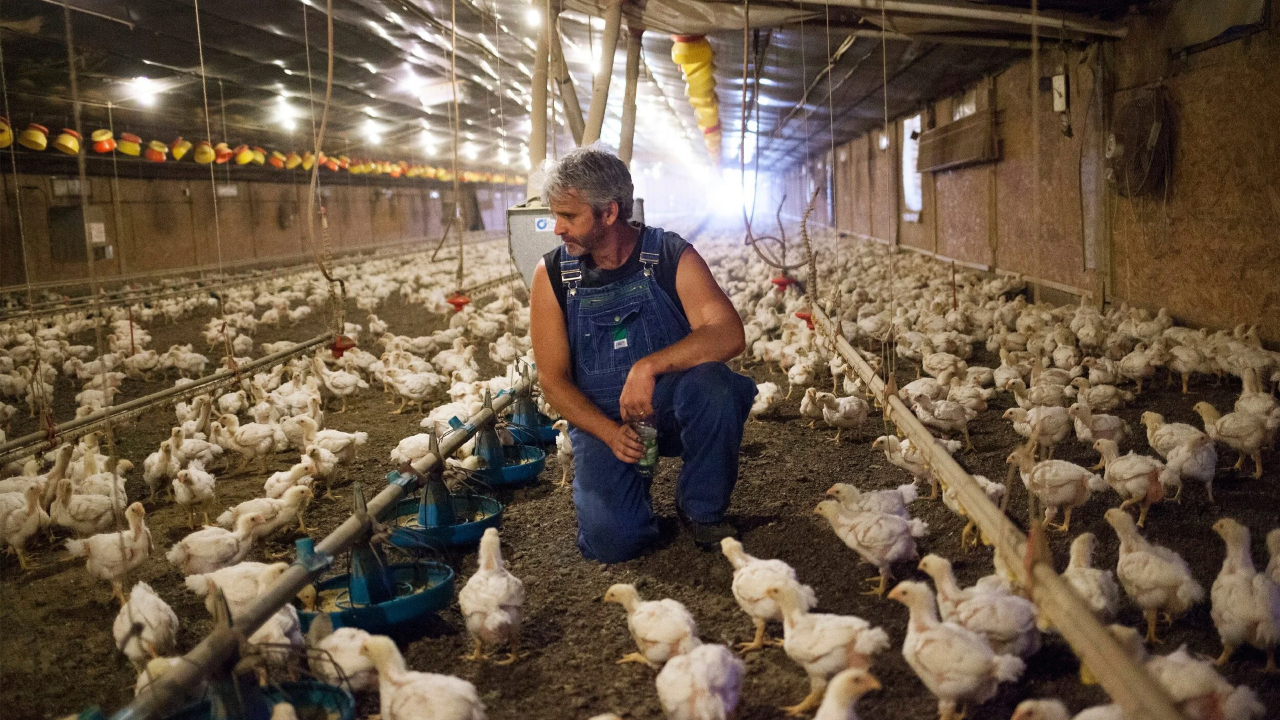
In November 2024, health officials announced the first human death from H5N5 bird flu in Grays Harbor County, Washington. An older resident contracted the virus from backyard chickens on their property, shocking scientists worldwide.
Nobody had ever documented H5N5 infecting a human before this case. Laboratory tests confirmed the diagnosis and revealed the unpredictability of bird flu viruses. The case raised urgent questions about how easily animals can transmit dangerous diseases directly to people. Researchers learned that H5N5 possesses the ability to jump species barriers in ways experts did not previously expect.
Health investigators traced the infection back to the patient’s backyard chickens within days. DNA testing proved beyond doubt that the chickens carried the virus and infected the person. Doctors found no evidence whatsoever that the virus spread from person to person.
Every family member and close contact of the patient tested negative for H5N5, which greatly eased public fears about a massive outbreak. Local officials assured the community that immediate danger remained low, yet worry rippled through rural areas where families raise backyard poultry as a common practice.
Veterinarians across the region fielded dozens of concerned calls from residents worried about their own flocks. This tragedy highlighted the profound connection between animal health and human safety in small communities.
Economic Damage and the Broader Outbreak
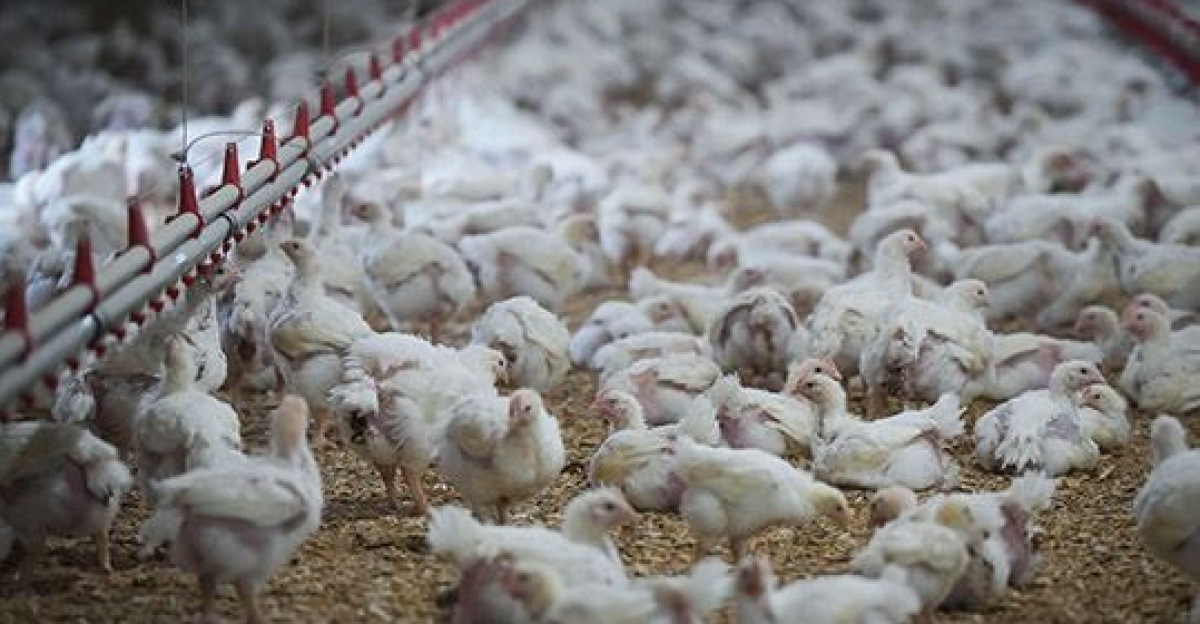
The bird flu outbreak severely damaged the entire poultry industry, sending egg prices to all-time highs. Since early 2022, this massive outbreak killed more than 168 million birds across America—dramatically exceeding the previous worst record of 50.5 million deaths in 2014-2015. This outbreak now stands as the most serious bird flu crisis in U.S. history.
The H5N5 death sent shockwaves through the Pacific Northwest’s poultry sector immediately. Within days of the announcement, demand for eggs and chicken dropped sharply, and regional markets faced significant disruptions. Some consumers reacted with panic, while others demanded stricter safety protocols.
By late 2025, the virus had infected over 1,000 dairy farms nationwide, posing serious risks to farmworkers and raising concerns about the disease potentially mutating into even more virulent forms. Egg shortages emptied grocery store shelves in many areas, forcing shoppers to scramble for alternatives and pay premium prices.
Large industrial farms maintained rigorous safety protocols, but smaller family farms and operations often lacked sufficient funding for proper worker training and protective equipment, leaving their employees at much greater risk of infection. The scale of this crisis compelled everyone to confront the fragility of American poultry farming.
Federal and state agencies, along with health experts, veterinarians, and agricultural officials, all coordinated their efforts to control the outbreak. Congress approved substantial funding for vaccine development efforts to combat the threat.
Preparing for the Future and Fighting Misinformation
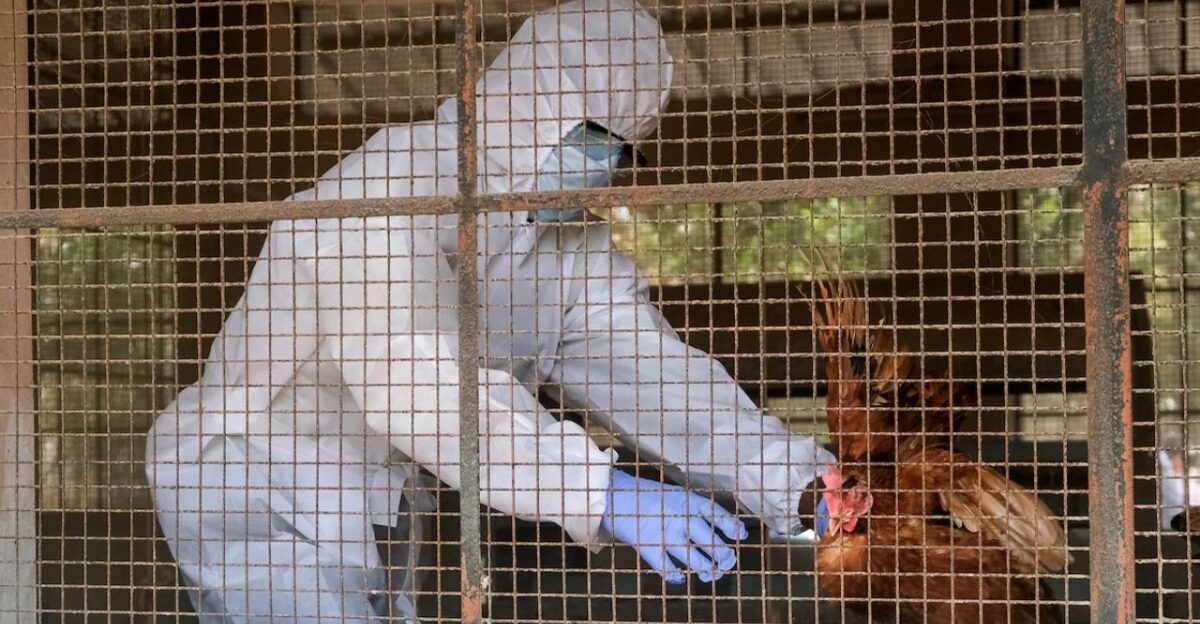
The scientific and policy communities mobilized rapidly to prepare for future pandemic scenarios. Government officials systematically searched for hidden virus sources in wildlife and monitored the disease for any dangerous mutations. Meat processors, dairy companies, and international trading partners all closely monitored developments and adjusted their operations accordingly.
The outbreak has already transformed safety protocols throughout the global food industry. Health agencies worked diligently to combat the spread of false information on social media platforms. Experts repeatedly told the public that properly cooking food kills the virus and keeps meals completely safe. Veterinarians answered questions from anxious residents about protecting their backyard flocks.
Congress has approved funding for vaccine research, and lawmakers continue debating compensation and emergency spending. The broader agricultural sector remains on alert, with every segment closely monitoring developments. Meanwhile, officials continue to search for hidden reservoirs of the virus and monitor for dangerous new mutations.
This tragedy underscored the close connection between animal health and human safety in communities worldwide. While the overall risk to average citizens remains relatively low, the enormous economic and health impacts demonstrate that society urgently needs new approaches to livestock management and pandemic planning.
The first human death from H5N5 serves as a serious warning to everyone: constant vigilance, improved disease tracking systems, and much stronger communication channels now represent essential tools for protecting both human lives and our nation’s food supply from emerging and evolving threats.