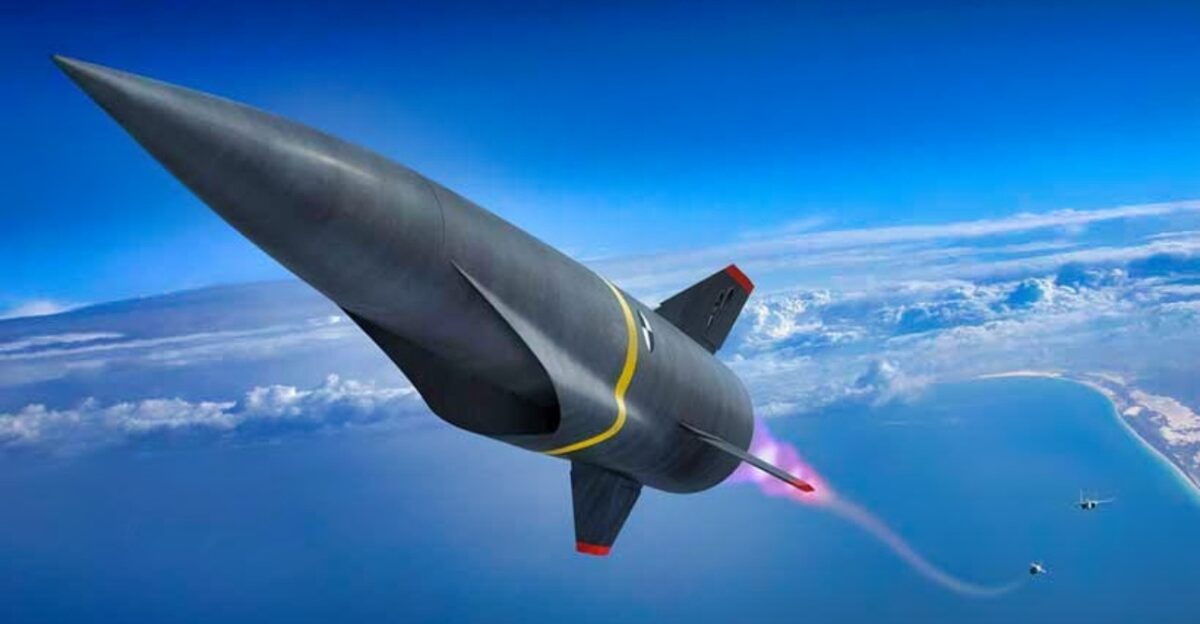
When Vladimir Putin unveiled the Kh-47M2 Kinzhal missile in March 2018, he called it “invincible”—a hypersonic weapon with no equal in the world. Former U.S. President Joe Biden later acknowledged in 2022 that the missile was “almost impossible to stop”. Those declarations are now haunting both leaders.
A Ukrainian electronic warfare unit called Night Watch has discovered that Russia’s most celebrated superweapon relies on decades-old Soviet-era technology—and they’re exploiting that weakness with a patriotic song and fake GPS coordinates.
Night Watch Turns Russia’s Speed Advantage Into a Fatal Flaw

Night Watch, a Ukrainian electronic warfare team that began as a disorganized group of civilian volunteers in the chaotic early hours of Russia’s February 2022 invasion, has become one of the war’s most consequential units.
The team told 404 Media that they have intercepted 19 Kinzhal missiles in just two weeks using a jamming system called Lima EW. Rather than attempting to physically destroy missiles traveling at more than 4,000 miles per hour, Night Watch weaponizes the Kinzhal’s greatest strength—its hypersonic speed—against itself.
How Lima EW Tricks Hypersonic Missiles Into Destroying Themselves
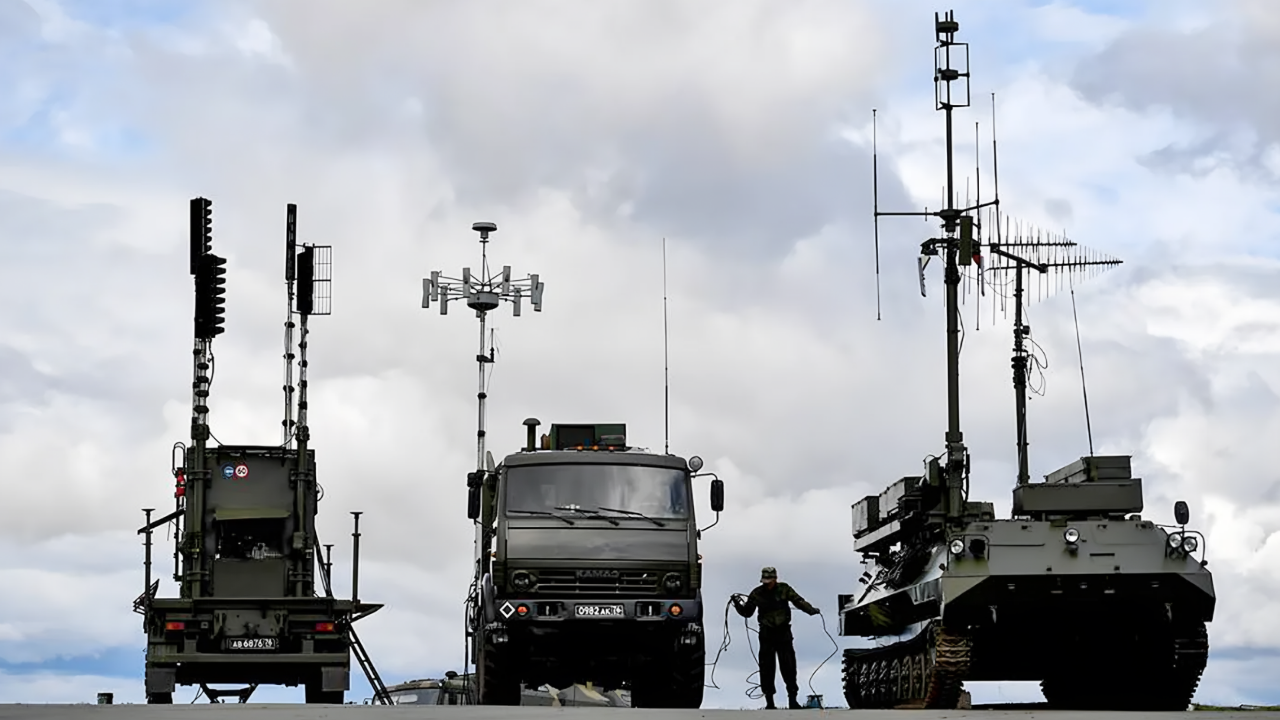
The Lima system works by generating a disruption field that severs the missile’s connection to GLONASS, Russia’s GPS-equivalent satellite navigation network. “We just send a song…we just make it into binary code, you know, like 010101, and just send it to the Russian navigation system,” a Night Watch representative explained.
The song is “Our Father Is Bandera,” a Ukrainian nationalist anthem that references Stepan Bandera, a figure Russian propaganda frequently invokes to label Ukrainians as Nazis.
The Missile That Thinks It’s in Peru
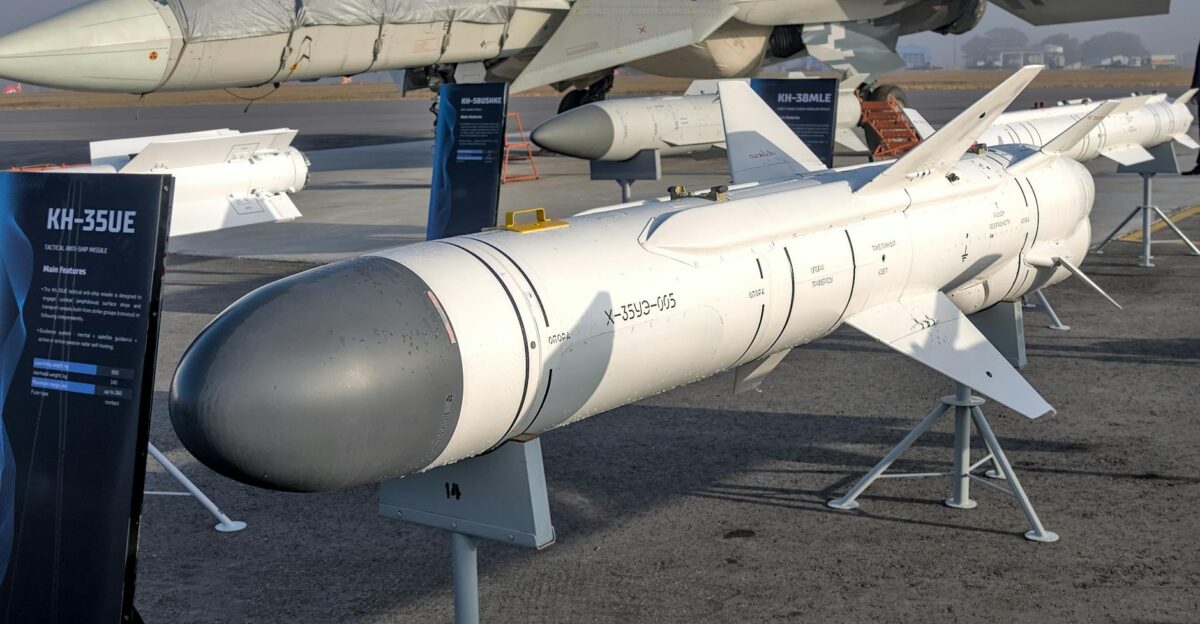
Once the song’s binary code floods the Kinzhal’s navigation receivers, Lima spoofs a fake location signal that makes the missile believe it’s in Lima, Peru. When the confused weapon attempts to correct its course while traveling at speeds exceeding Mach 5, physics delivers the killing blow.
“The airframe cannot withstand the excessive stress, and the missile naturally fails,” Night Watch said, according to 404 Media.
Patriot Systems Alone Cannot Stop the Barrage
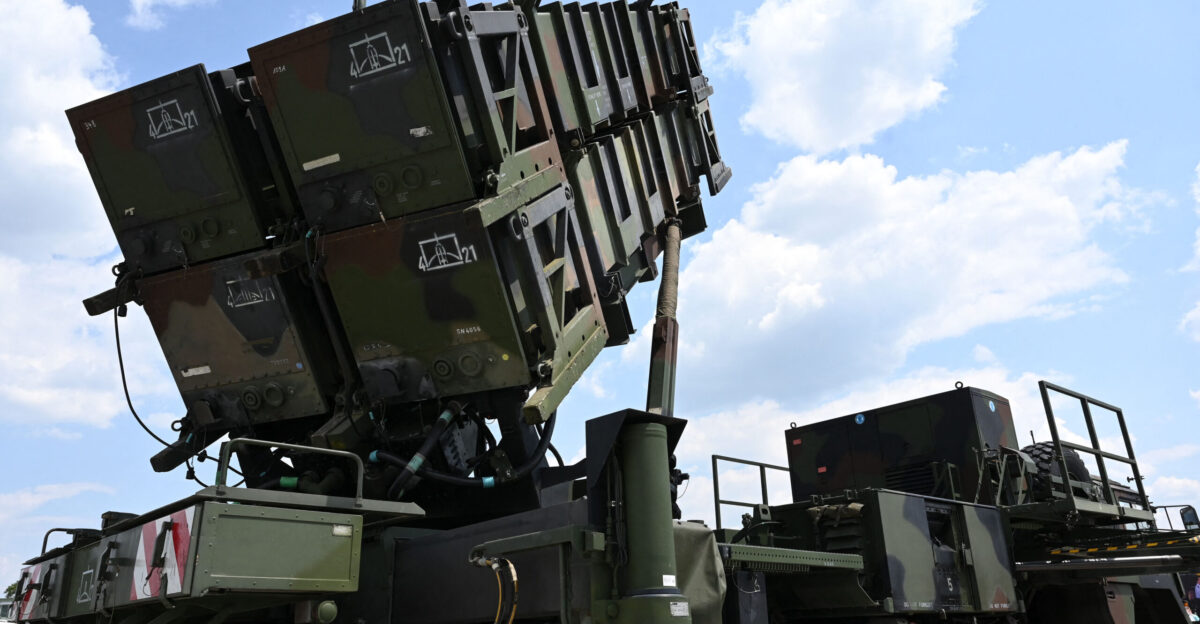
Before Lima EW proved its effectiveness, only the American-made Patriot air defense system could intercept Kinzhal missiles—and even that capability was limited. Ukraine first downed a Kinzhal with a Patriot on May 4, 2023, over Kyiv, shattering Russia’s myth of invincibility.
A Financial Times investigation found that Russia modified the missiles’ terminal flight profiles, resulting in Patriot interception rates around Kyiv plummeting from approximately 37 percent in August to roughly 6 percent in September.
Russia’s Winter Bombardment Targets Civilian Survival

The electronic warfare breakthrough comes as Russia wages a systematic campaign to destroy Ukraine’s energy infrastructure before winter temperatures plunge. An overnight attack in early October included 496 drones and 53 missiles, including Kinzhals. Another assault at the end of October involved more than 700 mixed missiles and drones, according to the Ukrainian Air Force.
On November 25, 2025, Russia launched 464 attack drones and 22 missiles, including Kinzhal aeroballistic missiles, in one of the most intense bombardments of the war.
The Scale of Destruction Russia Is Attempting

Russian attacks have destroyed nearly 70 percent of Ukraine’s electricity generation capacity, according to the think tank Green Deal Ukraina. Power outages now last up to 12 hours daily in some regions as temperatures drop.
The UN Human Rights Monitoring Mission reported that civilian casualties from January to October 2025 were 27 percent higher than during the same period last year, with the toll for the first ten months already exceeding all of 2024.
Night Watch Discovers the Kinzhal’s Dirty Secret
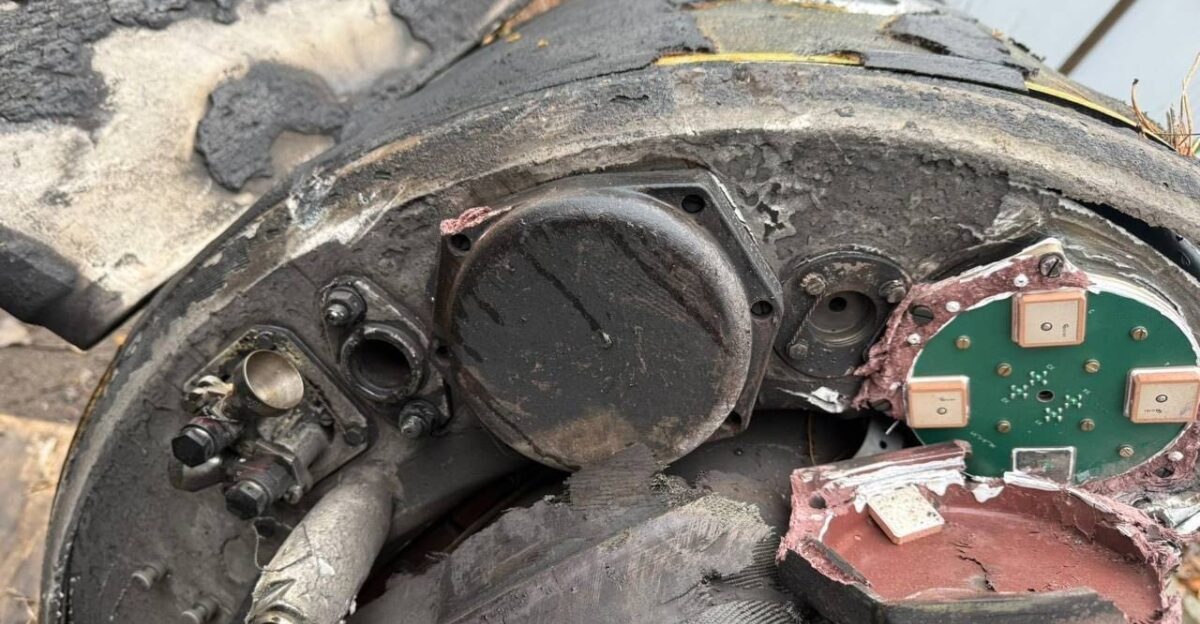
When Night Watch analyzed the wreckage of downed Kinzhals, they made a stunning discovery: Russia’s vaunted superweapon uses the same type of navigation receivers found in old Soviet missiles.
“We discovered that this missile had pretty old type of technology,” Night Watch told 404 Media. “They had the same type of receivers as old Soviet missiles used to have. So there is nothing special, there is nothing new in those types of missiles”.
Russia’s Failed Countermeasures Only Make Things Worse
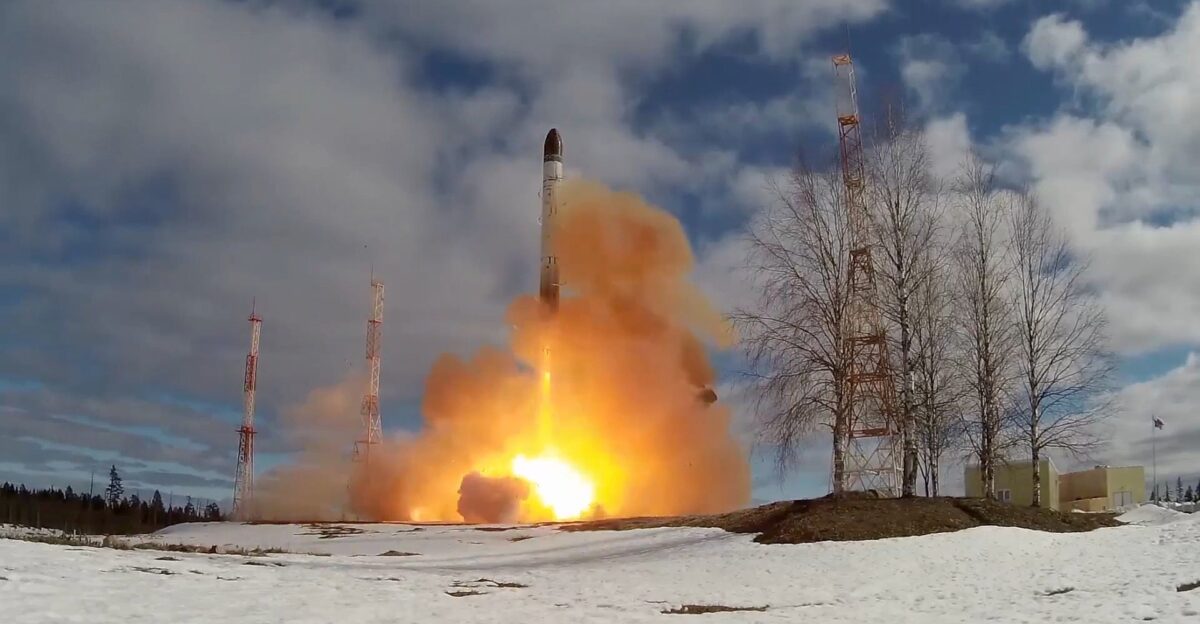
Recognizing the vulnerability, Russia has attempted to defeat Lima by increasing the number of navigation receivers on each missile. “They used to have eight receivers, and right now they have increased it to 12, but it will not help,” Night Watch explained. The most recently intercepted Kinzhal was equipped with 16 receivers—double the original number—yet it still failed.
According to Night Watch, Russia fundamentally misunderstands how Lima operates: “They think we make the attack on each receiver,” but when a missile enters Lima’s range, “we cover all types of receivers”.
Why More Receivers Won’t Save the Kinzhal
Russia’s countermeasure strategy assumes Night Watch targets individual receivers, allowing the missile to frequency-hop to maintain satellite contact. But Lima creates a blanket jamming field that renders all receivers useless simultaneously.
“It’s physically impossible to connect with another satellite, but they think that it’s possible,” Night Watch said. “That’s why they started with four receivers, and right now it’s 16. I guess in the future we’ll see 24, but it’s pretty useless”.
The Song Choice Is Psychological Warfare
Any digital noise would suffice to jam the navigation system, but Night Watch deliberately chose “Our Father Is Bandera” as a form of psychological warfare. The song, which became a viral sensation in Ukraine during 2021, references Stepan Bandera—a figure Russian propaganda weaponizes to portray Ukrainians as Nazis. “It’s just kind of a joke,” Night Watch told 404 Media.
By embedding the anthem in their jamming signal, the Ukrainians are trolling Russia’s propaganda narrative while simultaneously destroying its most expensive missiles.
A Fraction of the Cost, Many Times the Impact
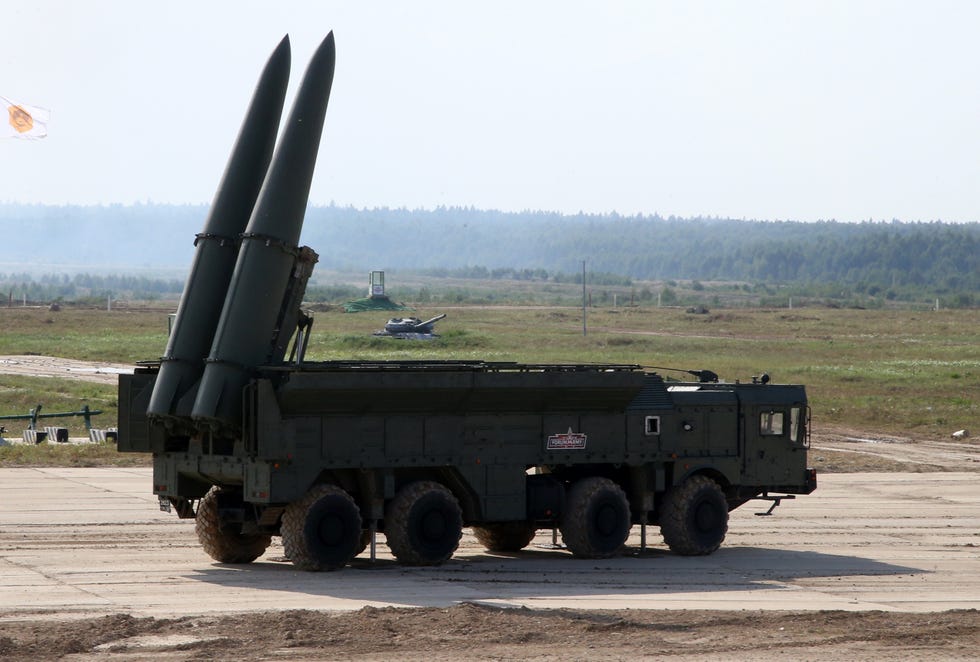
A single Kinzhal missile costs an estimated $2 million to $15 million, depending on the source. The 19 missiles Night Watch downed in two weeks represent potentially tens of millions of dollars in destroyed Russian hardware. Meanwhile, the Lima EW system uses electronic signals rather than expensive interceptor missiles, which can cost $4 million each for Patriot systems.
The economics strongly favor Ukraine: electronic warfare can protect vast areas without depleting precious ammunition stocks that take months to manufacture and deliver.
Electronic Warfare Fills a Critical Defense Gap
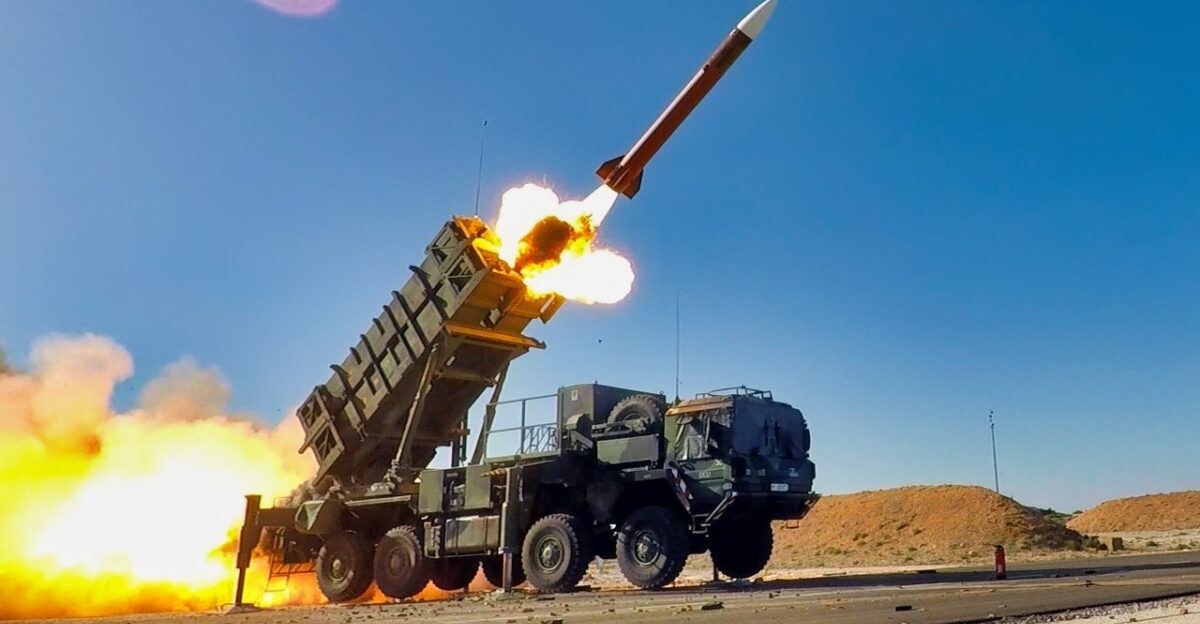
Specialists consider Lima EW particularly effective against Russian guided munitions because it was developed specifically for battlefield realities, according to Ukrainian EW operators. The system has demonstrated “particular efficiency in jamming Russian-guided bombs compared to Russian and Western systems,” Night Watch specialists told National Security Journal.
It represents a homegrown solution to a threat that Western systems struggle to counter consistently.
Russia’s Superweapon Mythology Crumbles

Putin’s 2018 presentation of “invincible” weapons was designed to project Russian military supremacy and deter Western interference. The Kinzhal was a centerpiece of that narrative—a weapon so fast that no defense could stop it.
That mythology has now been systematically dismantled by Ukrainian ingenuity, first by Patriot systems in 2023, and now by electronic warfare that exploits fundamental design weaknesses.
The Arms Race Continues at Hypersonic Speed

Night Watch expects Russia to continue adding receivers to its Kinzhals in a futile attempt to defeat Lima—”I guess in the future we’ll see 24, but it’s pretty useless,” they predicted. Meanwhile, Russia launched another massive combined attack on November 25, involving 464 drones and 22 missiles, keeping Ukrainian defenders under constant pressure. The war for Ukraine’s skies continues to evolve at a pace that matches the weapons themselves. But for now, a Ukrainian electronic warfare team has proven that sometimes the most powerful weapon against a $5 million hypersonic missile is a patriotic song and a clever deception—turning Russia’s greatest strength into its most devastating weakness
Sources
404 Media – “Ukraine Is Jamming Russia’s ‘Superweapon’ With a Song” (November 2025)
Forbes – “How Spoofing Is Diverting Russian Missiles Into Empty Fields” (November 20, 2025)
National Security Journal – “Ukraine is Jamming Russia’s Mach 10 Kinzhal Hypersonic Missile with Music” (November 12, 2025)
Reuters – “Russia strikes Ukraine energy grid, killing seven, including children” (October 30, 2025)
Ukrainian Air Force Official Records – Combat interception summaries (November 2025)
UN Human Rights Monitoring Mission Ukraine – Civilian Impact Reports and casualty assessments (November 2025)