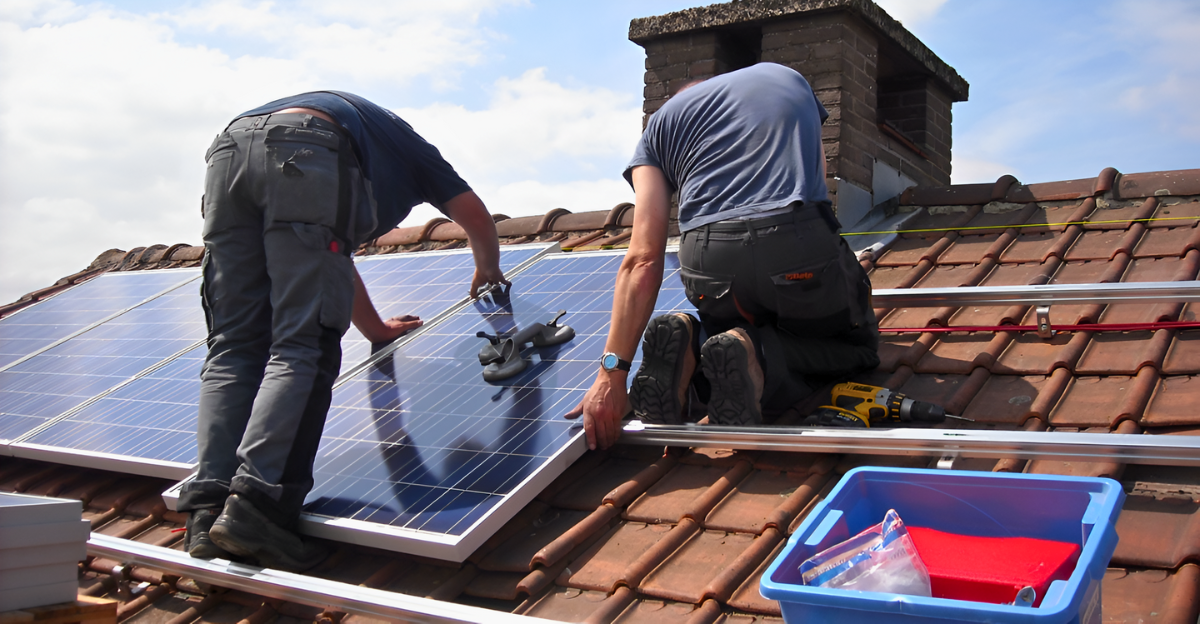
Once a shining example of clean energy expansion, the residential solar market in the United States is now in danger of collapsing. Installations dropped 31% in 2024 after years of double-digit growth, indicating a sharp decline made worse by market difficulties, changing state and federal regulations, and macroeconomic pressures.
The primary cause of this decline is the sudden and unexpected reduction in federal tax credits for residential solar caused by laws like the One Big Beautiful Bill Act. Rising interest rates have weakened the industry’s value proposition of predictable, reasonably priced electricity savings, slashed utility bill credit rates (by as much as 75% in markets like California), and tariffs on vital materials like aluminum and imported solar modules.
The Background of Residential Solar in the United States

The 1970s energy crisis, when government programs sought to install solar for federal buildings and advance research through the Solar Energy Research Institute, gave the US solar industry its first real boost.
Despite its early dominance, it held more than 85% of the world market in the early 1980s. Policy changed under succeeding administrations, resulting in supply chains moving abroad and subsidies being reduced. Federal initiatives like the American Recovery and Reinvestment Act (2009) and, more recently, the Inflation Reduction Act (2022) spurred a renaissance in the 2000s with cost reductions and technological advancements.
Policy and Macroeconomic Difficulties
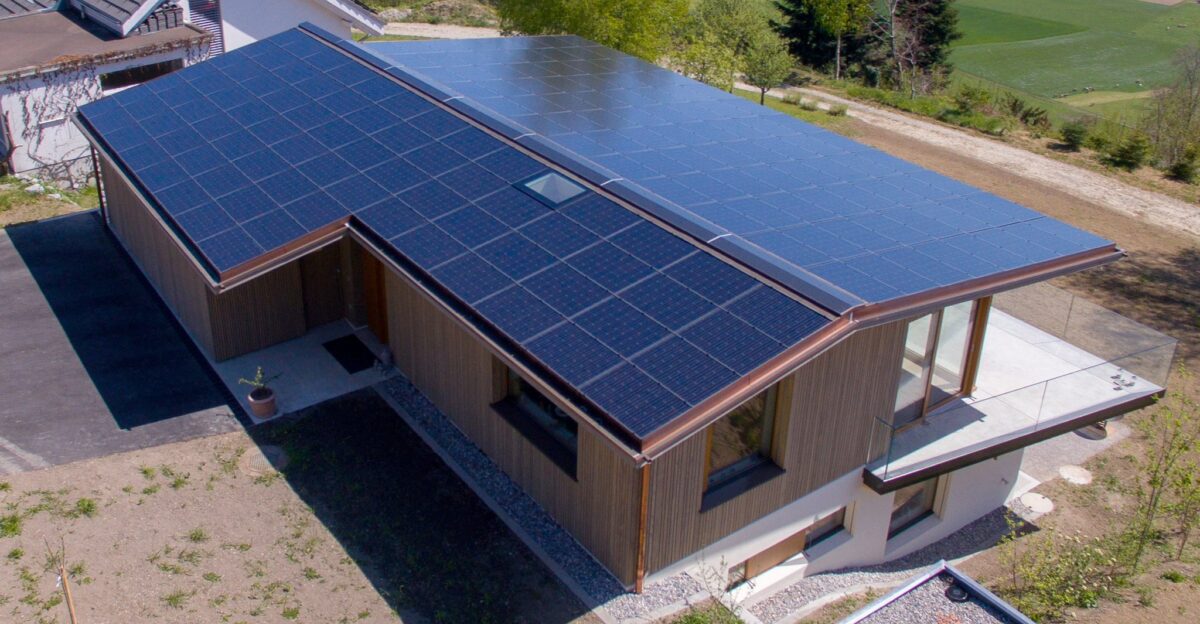
The years 2024–2025 have brought a “perfect storm” of challenges. The affordability of solar loans and leases has been weakened by ongoing high interest rates, which have raised financing costs. At the same time, plans such as those in the One Big Beautiful Bill Act would drastically reduce or eliminate federal tax incentives that have supported the economics of residential solar in 2026.
In addition to hastening the phaseout of tax credits, this bill also makes eligibility requirements more complex, limits project timelines, and does away with credit transferability. Policy changes at the state level exacerbate the issue; for instance, California’s net metering reforms (NEM 3.0) significantly lower compensation for excess energy sent to the grid, reducing homeowner incentives. The market is being unsettled by these successive policy setbacks, which are causing projects to be canceled and investors to pull out.
Supply Chain Interruptions and Tariffs
Tariffs on solar materials, such as aluminum used in racking and panel frames, as well as solar cells and modules imported from major international suppliers, have significantly increased the cost of solar projects in the United States. Since 2017, the imposition of these tariffs has caused supply chain disruptions, raised project costs by 10–15 cents per watt, and cost the US economy $19 billion in private investment and over 62,000 jobs.
Finding essential components that are not produced domestically presents additional challenges for the development of solar projects, which can stall projects and increase price volatility. In addition to decreasing solar’s domestic competitiveness, these trade restrictions have disproportionately suppressed new solar markets outside of established hubs, impeding the country’s deployment objectives.
Effects on the Market and Industry Contractions
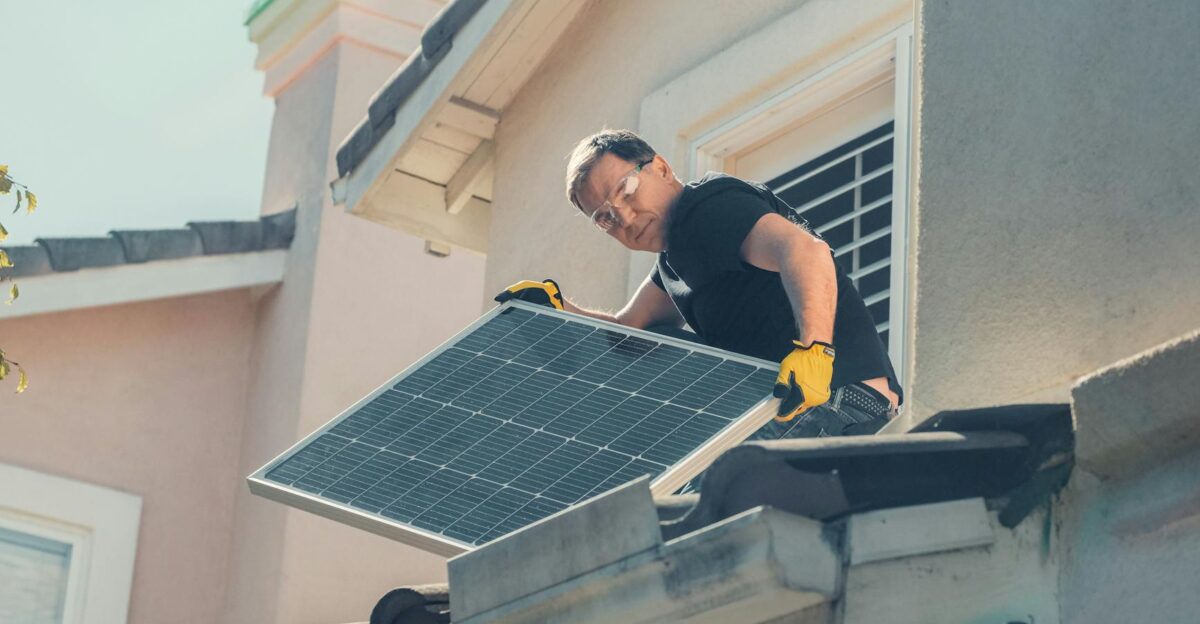
Over 20 states reported declining installation volumes, and residential solar installations fell 13% year over year in Q1 2025, marking the lowest quarterly capacity additions since 2021.
This slowdown comes after NEM 3.0 modifications caused an 80% decrease in the number of rooftop solar installations in California alone. Since 2024, there have been more than 100 solar-related bankruptcies, including major players like SunPower and Sunnova, and significant layoffs that have affected more than 17,000 workers. The once-booming residential solar market is currently experiencing an unprecedented contraction, putting tremendous financial strain on businesses attempting to sustain growth in the face of growing labor and capital expenses.
Behavioral Economics and Consumer Demand

Consumer interest in residential solar, which has historically been promoted as a means of lowering electricity costs and promoting energy independence, has diminished due to high interest rates and economic uncertainty. A significant financial incentive is eliminated when net metering benefits are reduced, which lowers the perceived return on investment.
Instability in policy and the possibility of rapidly declining tax incentives also undermine consumer confidence. As prospective buyers postpone or give up on solar adoption, this decline in demand demonstrates the interaction of psychological and economic factors, upsetting market momentum and jeopardizing the revenue streams of solar companies.
A Different View of the Effects of Federal Policy

Recent federal and state policy decisions may represent a strategic recalibration rather than a complete collapse, despite the fact that the decline of the solar industry is frequently ascribed to external economic forces. Some contend that in order to get rid of market inefficiencies and an excessive reliance on subsidies, this contractionary phase is a painful but essential correction.
Attempts to level the playing field and encourage the growth of domestic manufacturing capabilities as opposed to foreign dependencies can be seen in the accelerated tax credit phaseouts and tariff enforcement. But before these long-term advantages become apparent, this recalibration runs the risk of destroying the residential sector, creating a paradox of policy trade-offs that could unintentionally halt the clean energy transition.
Severe Case Studies: Business Failures and Bankruptcy
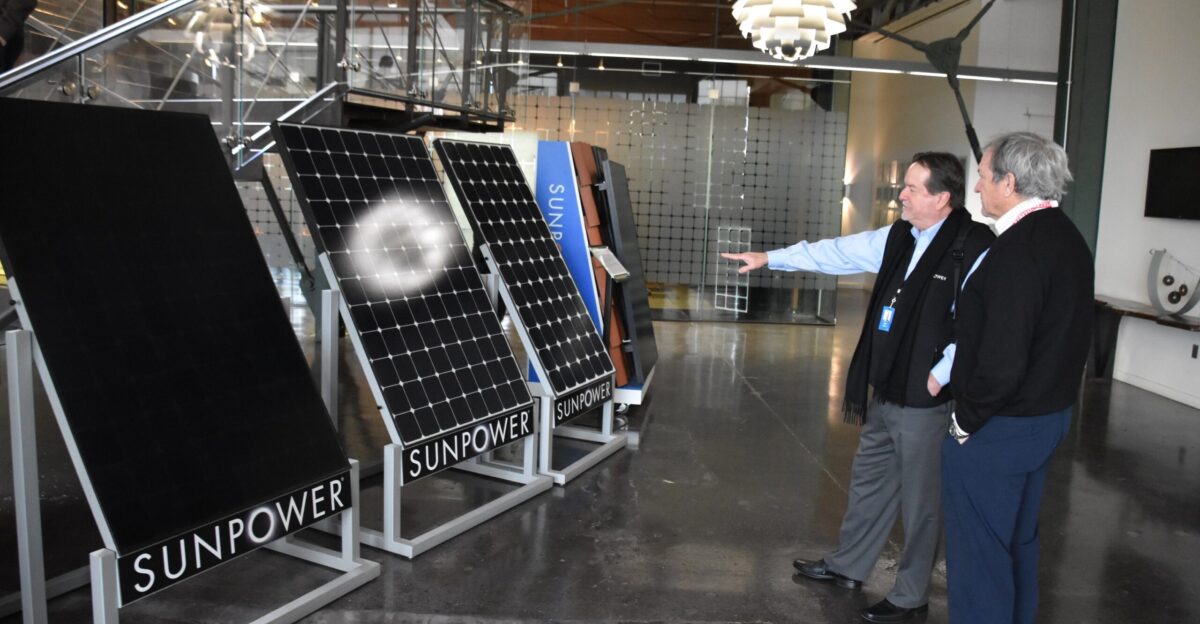
Once a leading residential solar provider, SunPower is a prime example of the industry’s problems. California’s net metering cuts, which drastically reduced revenue and installation volumes, dealt a significant blow. SunPower declared bankruptcy in spite of efforts at operational restructuring, underscoring the inability of large corporations to adjust quickly.
Systemic financial fragility is further highlighted by Sunnova’s $10 billion debt and Chapter 11 filing. These bankruptcies are a reflection of the industry’s structural issues, such as policy reversals, cost inflation, and intense competition, rather than just instances of financial mismanagement. The cascading effect exacerbates unemployment and further erodes market confidence, endangering installation companies and industry subcontractors.
Proposed Remedies and Industry Adjustment
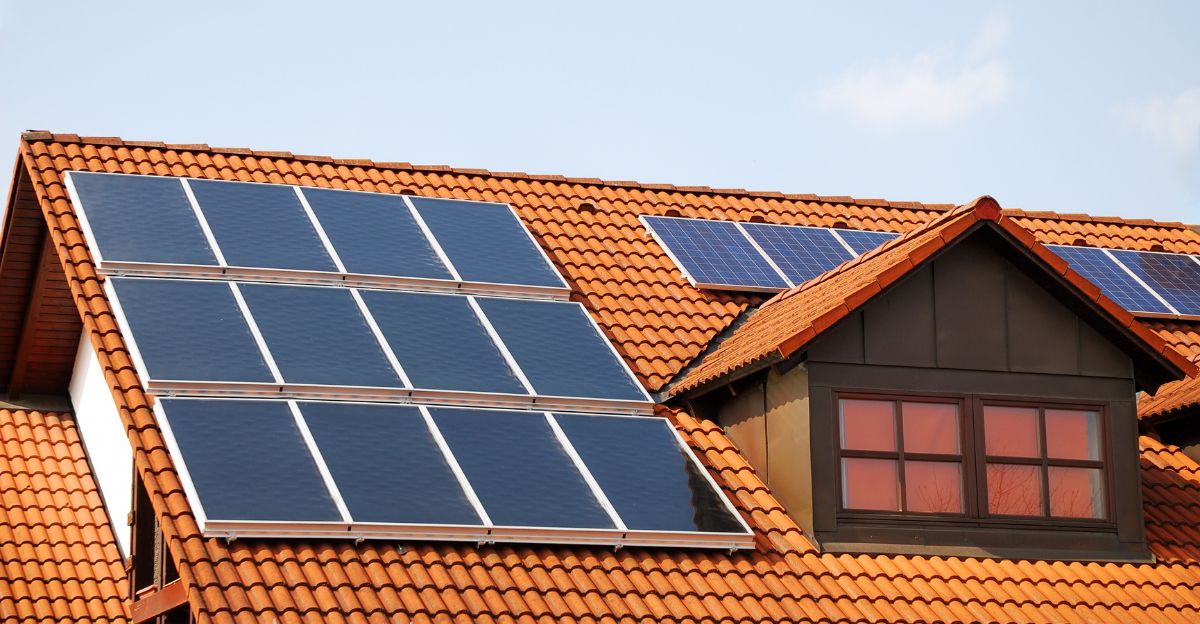
Despite the residential solar industry’s impending collapse, industry experts suggest a number of adjustments to get back on track. These include turning to new business models like community solar and commercial solar expansions that are less susceptible to changes in residential policy, promoting policy stabilization and the restoration of tax credits, and creating more affordable panel technology to offset tariff-imposed costs.
Furthermore, encouraging domestic manufacturing through the Inflation Reduction Act’s incentives can lessen reliance on imports and mitigate the effects of future tariffs. Lastly, in order to maintain demand in the face of growing costs, customer-focused financing innovations and educational initiatives are essential. However, the industry remains vulnerable in the near future in the absence of strong federal and state support.
Wider Economic Consequences
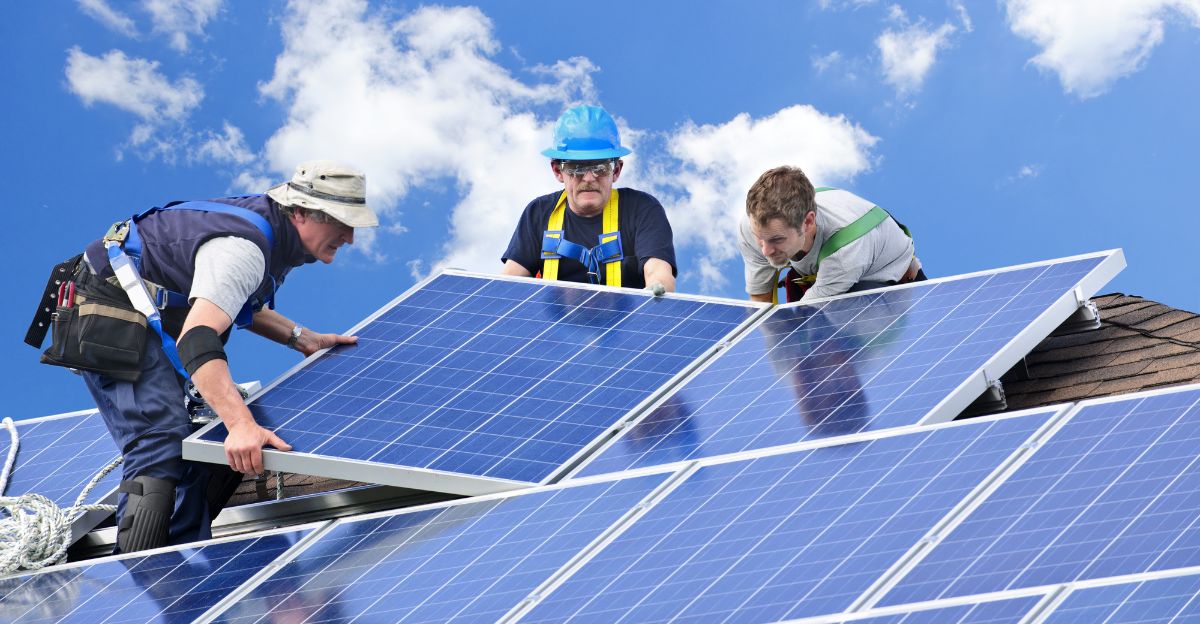
Tens of thousands of jobs and billions of dollars in economic activity are at risk due to the possible collapse of the residential solar industry, which has an impact outside of the energy market. As a significant employer, the sector has attracted investment in state-of-the-art technologies and developed new economic ecosystems centered on manufacturing, installation, and maintenance.
Its disintegration could undo the United States’ progress toward energy independence and carbon reduction targets. Local economies in solar-heavy states like California, Florida, and Texas, which have profited disproportionately from solar growth, may also be negatively impacted by the contraction. In the face of a changing energy landscape, labor market volatility, and decreased investment, regional economic resilience erodes.
Strategic and Political Aspects

Uncertainty in the solar sector is a prime example of a larger political struggle over the future of American energy. President Trump’s recent executive orders in 2025 that reversed previous climate policies are an example of how shifting priorities between administrations show how political volatility directly affects market risk.
Fossil fuel supporters, domestic manufacturing proponents, environmentalists, and fiscal conservatives are among the conflicting interests that industry stakeholders must “dance” with. The unpredictability of the policy battlefield hinders long-term industry planning and discourages investment. America’s capacity to spearhead the global energy transition is weakened by this environment, which also puts the country at risk of strategic disadvantage in developing energy technologies.
Unexpected Industry Combinations: Finance and Solar
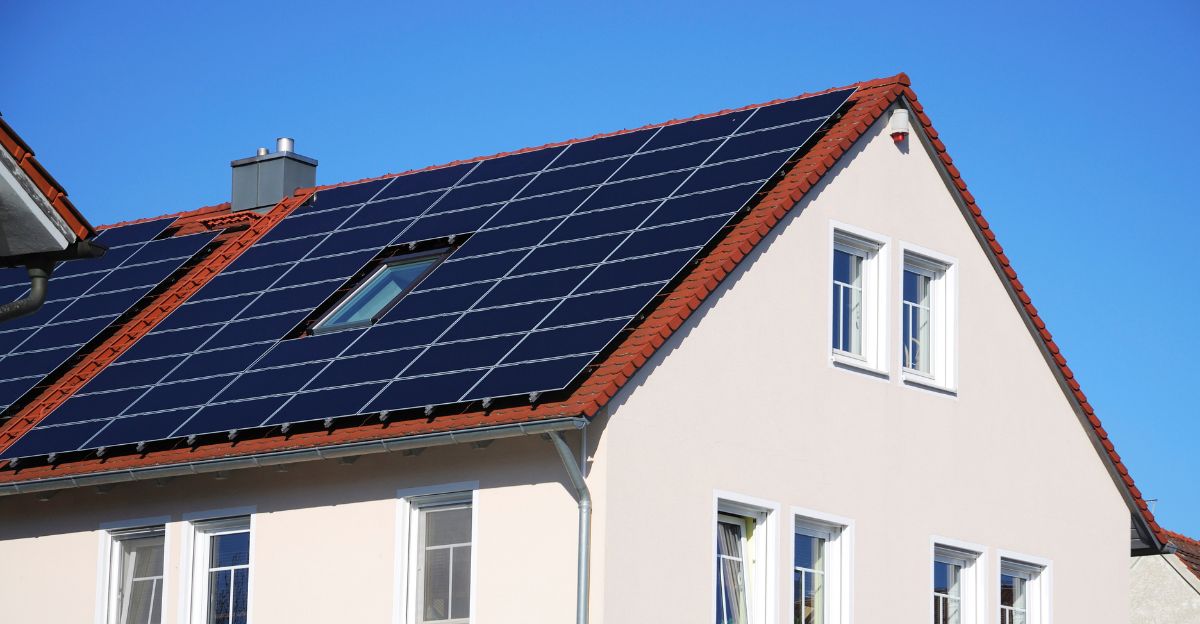
The relationship between residential solar growth and financial markets, specifically credit availability, is an understudied angle. Specialized financing models, such as leases and loans with low interest rates and tax breaks, have been crucial to the adoption of solar. Solar companies must contend with increased capital costs and fewer consumer financing options as interest rates rise and financing becomes more difficult.
This mashup highlights the delicate relationship between macroeconomic conditions and clean energy; a shock to the credit markets can quickly lead to contractions in the solar market. As a result, solar’s future is linked to more than just energy policy and overall financial health.
Models of Consumer Behavior and Psychology

Decreased solar adoption during uncertain times can be explained by applying psychological frameworks. Customers delay or reject investments when incentives diminish or market signals become ambiguous due to loss aversion and risk sensitivity. In the past, the solar industry has depended on distinct value propositions, such as reduced electricity costs, green credentials, and steady profits.
These cues are undermined by uncertainty surrounding tax credits, tariffs, and net metering, which increases cognitive load and causes indecision. Despite industry challenges, developing policies and messaging that boost confidence and encourage investment requires an understanding of the subtleties of consumer behavior.
Effects of the Second Order: Grid and Utilities
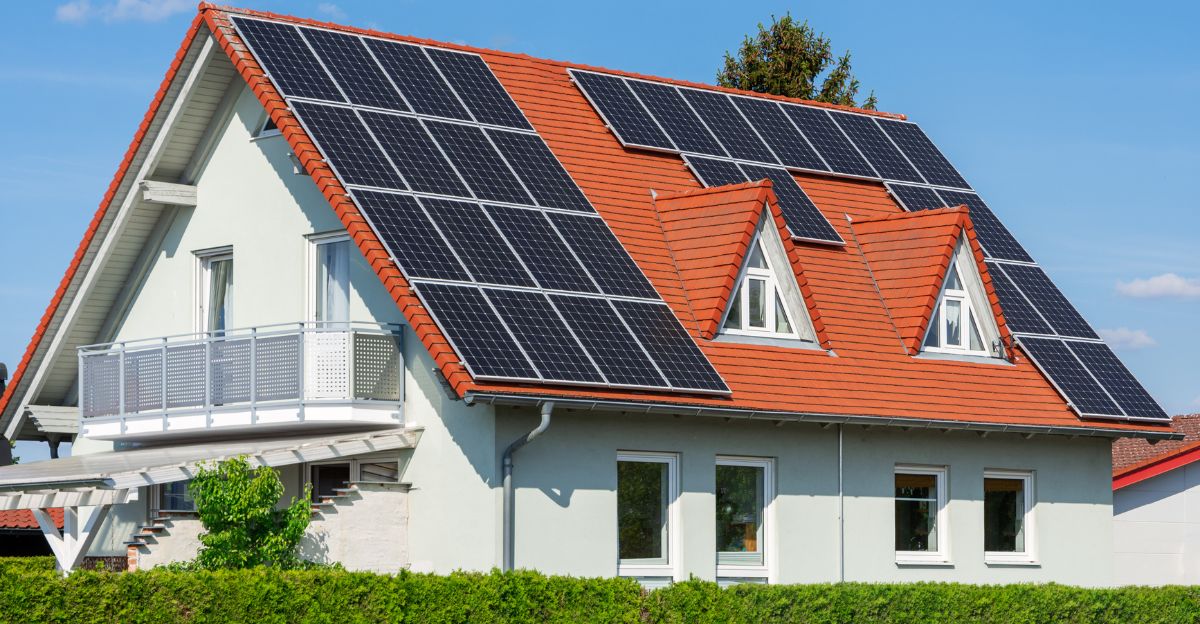
Changes in the larger electricity grid ecosystem are hinted at by the residential solar collapse. Decreased use of rooftop solar could slow grid decarbonization by increasing dependency on fossil fuel generation and centralized utilities.
Reduced prosumer participation could affect utilities’ ability to manage grid load and the profitability of distributed energy sources. Restricting the expansion of rooftop solar could stifle innovation in energy storage integration and demand response. State and federal decarbonization and resilience goals that rely on widespread distributed solar adoption are put to the test by these knock-on effects.
Commercial and Community Solar as a Protective Measure
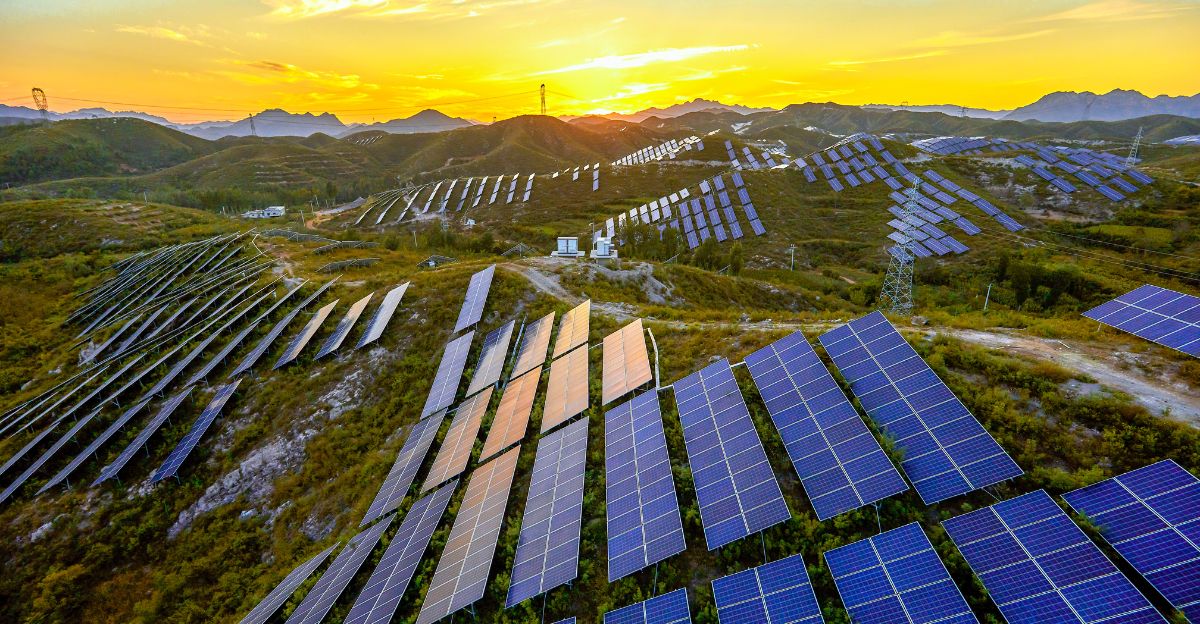
The commercial and community solar sectors provide some respite from the challenges faced by residential solar, with some commercial solar capacity expanding in spite of residential declines. These industries are less susceptible to changes in interest rates and individual consumer behavior because they enjoy distinct policy frameworks and frequently larger-scale financing.
By expanding these models, job creation and the growth of clean energy could be sustained while compensating for residential losses. Such diversification might be a calculated move to maintain the health of the solar market as a whole in the face of tremors in the residential sector.
Comparing and Learning from Other Countries
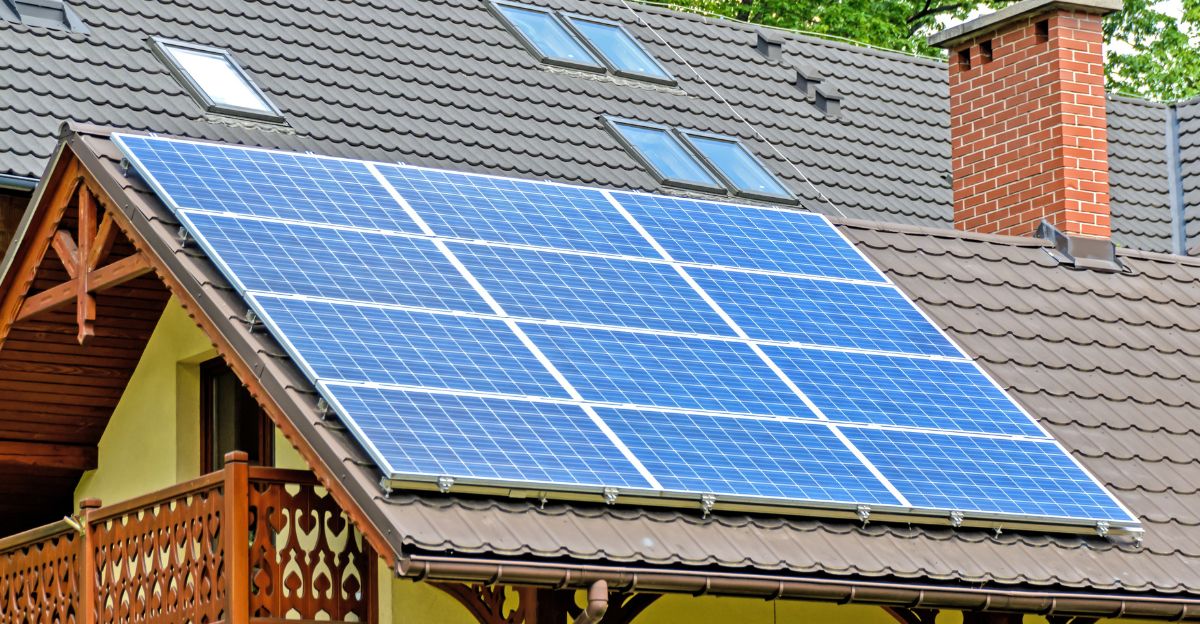
The impact of long-term strategic planning is demonstrated by contrasting the residential solar predicament in the United States with that of Germany and China, where more stable and encouraging policies have maintained solar adoption.
China’s increased manufacturing capacity and Germany’s feed-in tariffs serve as examples of the advantages of steady government support, supply chain integration, and innovation incentives. The risks of short-termism are exposed by the US approach, which varies with political tides. Realigning US policy to stabilize and promote residential solar may be guided by lessons learned from other countries.
Future Scenarios in Theory
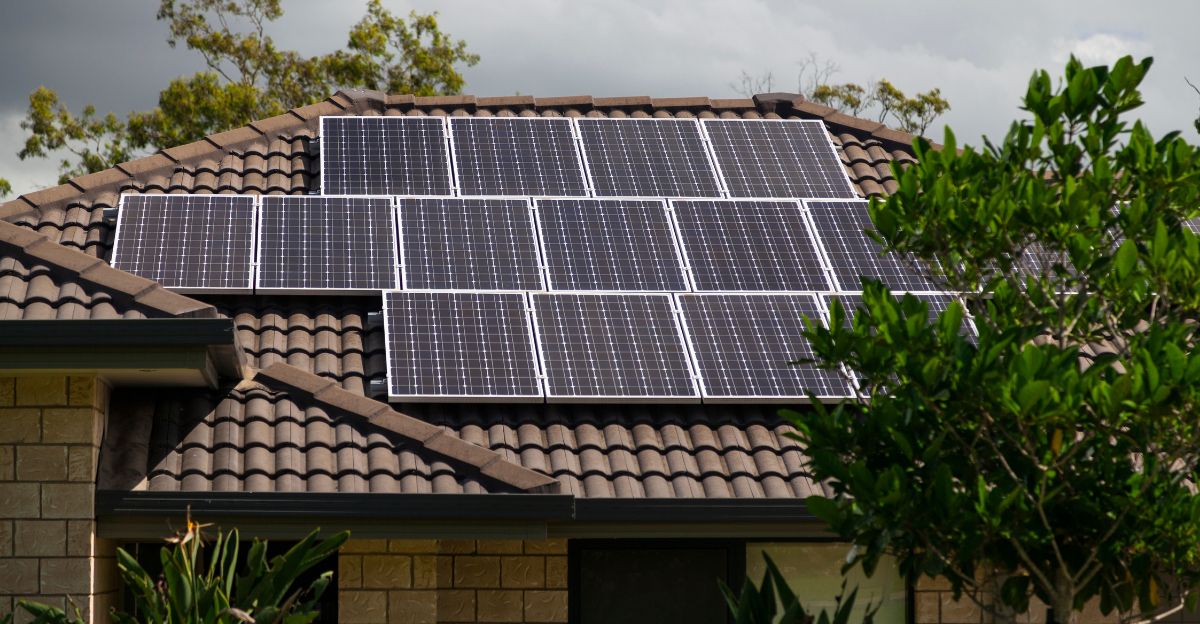
The collapse of residential solar could tecome systemic if current economic and policy conditions continue, stifling innovation and increasing the United States’ reliance on imported solar technology, thereby jeopardizing energy security.
On the other hand, the sector might recover if market adjustments or policy reversals take place, but probably not before long-term harm to jobs and domestic manufacturing happens. As a market rescue mechanism, a catastrophic collapse may also lead to new private financing models or emergency state-level interventions.
Distinct Frameworks for Collapse
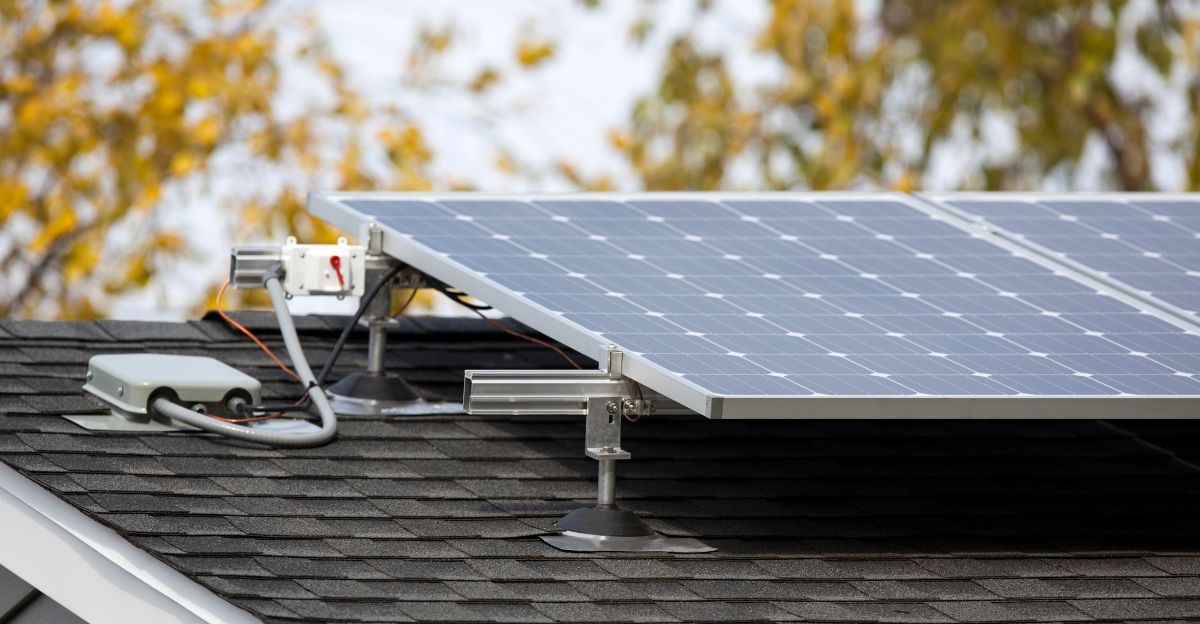
The “Policy-Price-Demand Feedback Loop” is a helpful model for comprehending the collapse. Under this framework, policy uncertainty raises costs by imposing tariffs and reducing tax credits (“Price”). Price increases reduce consumer demand, which lowers economies of scale and raises unit costs even more.
The market contraction is made worse by this positive feedback. In contrast to more established industries with stable frameworks, residential solar growth is crippled by mixed signals and tariff enforcement, as demonstrated by the need for cost control and policy stability to break this cycle.
In Conclusion
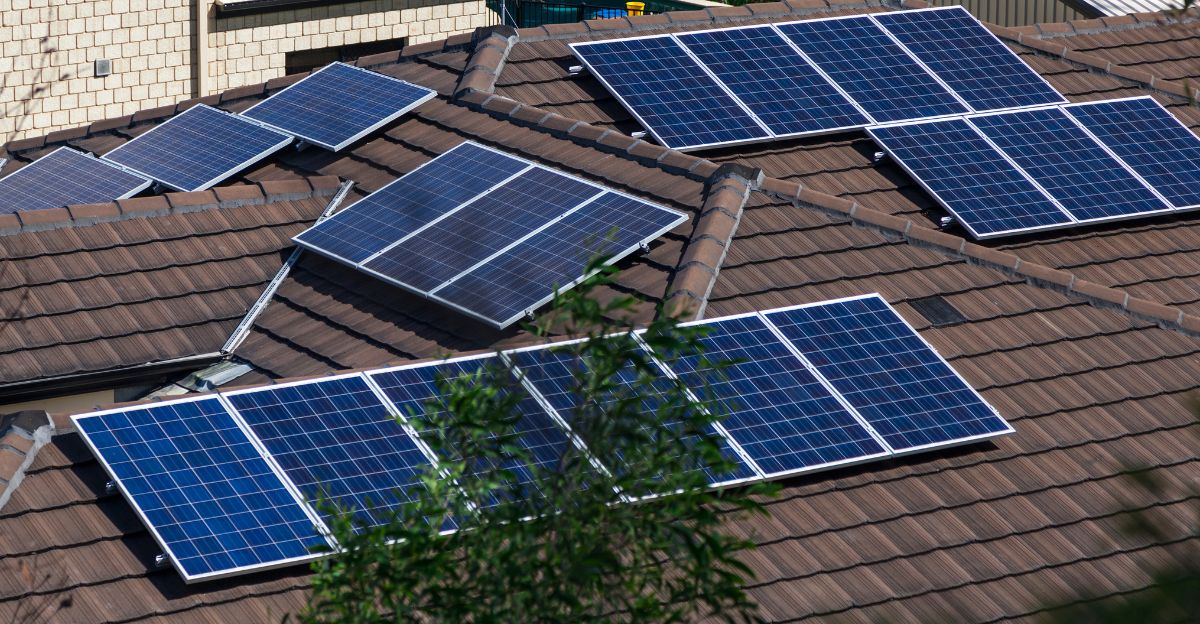
Due to a combination of unfavorable federal regulations, economic challenges, tariffs, and changing consumer attitudes, the residential solar market in the United States is perilously close to collapse. The ensuing collapse is more a result of political shortsightedness and brittle market dynamics than it is of technological failure. Beyond just the survival of the industry, national jobs, energy independence, and climate commitments are also at stake.
Restoring consumer confidence, prioritizing innovation, reducing tariffs, and stabilizing policies decisively are all necessary to prevent a long-term setback. Without these, a once-promising cornerstone of America’s clean energy future runs the risk of disintegrating into a sobering tale of political neglect and lost opportunities.