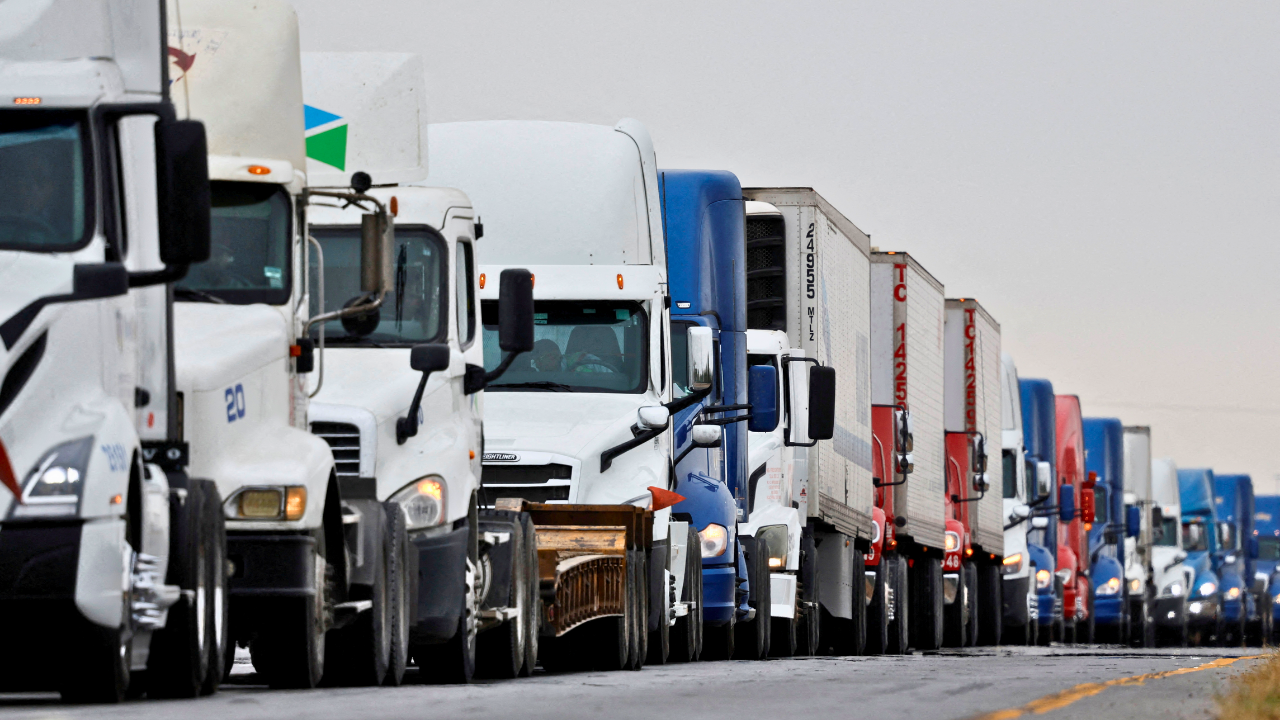
On November 1, 2025, the United States enacted a sweeping 25% tariff on imported medium and heavy-duty trucks and key components, marking a pivotal shift in the nation’s trade and industrial policy. This unprecedented move, invoking Section 232 for the first time against an entire vehicle class, sent immediate shockwaves through global supply chains—with Mexico facing the brunt of the impact. Mexico supplies approximately 70% of heavy trucks imported into the U.S., representing $15 billion in annual export value at risk. The decision signals a new era in how the U.S. approaches economic security and global competition.
The Rationale: National Security and Economic Resilience
The tariffs followed a Commerce Department investigation launched in April 2025 that concluded imported trucks and parts are vital to America’s infrastructure and national defense. By targeting these imports, the administration aims to secure a dominant 80% share of the domestic truck market for U.S. manufacturers within five years. Officials argue that the tariffs are essential for strengthening the country’s economic sovereignty, protecting critical supply chains, and ensuring long-term stability in the face of global uncertainties.
For the White House, the tariffs are not just about protecting jobs—they are about redefining the boundaries of national security to include economic resilience. The policy is designed to encourage investment in domestic manufacturing, reduce reliance on foreign suppliers, and safeguard the trucking industry’s role in supporting everything from logistics to emergency response.
Immediate Impact: Higher Costs for Businesses and Consumers
The tariffs’ effects were felt almost immediately. Imported trucks and components now cost 25% more, while imported buses face a 10% increase. These higher costs are rippling through the economy, affecting delivery firms, construction companies, and independent truckers. As transportation expenses rise, businesses are passing on the added costs to consumers, leading to higher prices for goods and services nationwide.
Small business owners and large corporations alike are bracing for increased shipping rates and operational expenses. The inflationary pressure is expected to extend beyond the trucking sector, touching industries as varied as retail, hospitality, and food distribution. Industry analysis suggests that if tariffs persist through year-end, demand for new commercial vehicles could fall by as much as 17%, while prices for new trucks are expected to increase by approximately 9% after accounting for currency fluctuations and import sourcing mix.
Industry Response: Domestic Expansion and Strategic Shifts
U.S. truck manufacturers such as Navistar and PACCAR have responded by ramping up domestic assembly lines, aiming to qualify for offset credits that help counterbalance higher production costs. PACCAR incurred $75 million in tariff-related costs in the third quarter alone and has implemented surcharges to pass costs to carriers while maintaining production expansion plans. Foreign companies, meanwhile, are weighing the benefits of reshoring production to the U.S. to avoid the tariffs. The industry is now in a race to localize operations, with both domestic and international players seeking to adapt quickly to the new rules.
Daimler Truck, which operates Mexican-built production, has a distinct cost advantage: their Freightliner Cascadia models built in Mexico are priced at approximately $165,000—notably lower than PACCAR’s comparable Kenworth T680 at roughly $195,000—creating a competitive edge for manufacturers with USMCA-compliant capacity. This tariff-driven advantage has accelerated investment in Mexican production. Volvo has increased its commitment to its Monterrey plant to $1 billion, with construction underway and operations expected to commence in 2026.
As the price of new medium and heavy-duty trucks climbs, many businesses are shifting their focus to light-duty trucks and used vehicles, both of which remain exempt from the tariffs. This shift is driving up demand for parts and repair services, as companies look to extend the lifespan of their existing fleets. The aftermarket sector is seeing a surge in activity, with longer vehicle lifespans and delayed fleet upgrades becoming the new norm.
Global Repercussions: Trade Tensions and Realignment
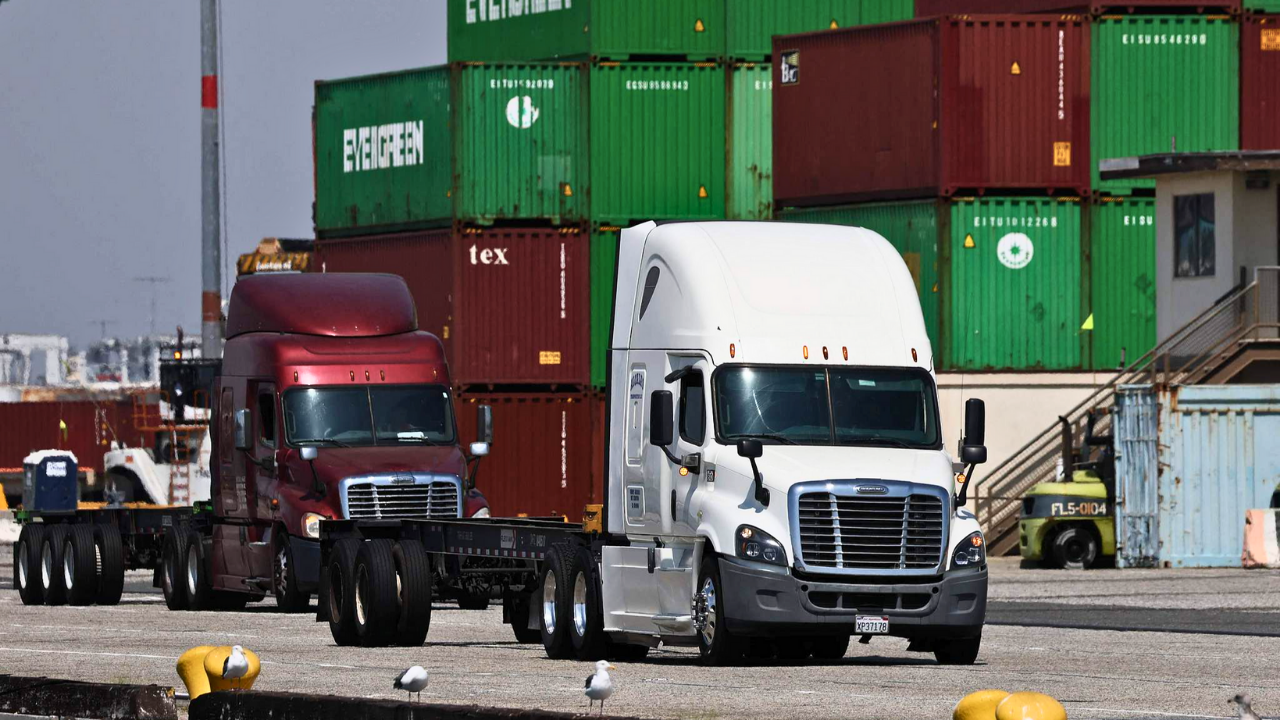
The tariffs have drawn close scrutiny from U.S. allies, particularly Canada and Mexico. Mexico, which supplies 70% of heavy trucks to the U.S. market and generates $15 billion in annual truck-related exports, faces an unprecedented challenge. While vehicles compliant with the USMCA trade agreement receive partial exemptions, the full scope of the tariffs applies to imports from other countries. USMCA content requirements stand at 64% currently and will rise to 70% by 2027, incentivizing further Mexican investment.
Mexico’s truck manufacturing ecosystem includes approximately 14 major manufacturers and 2 engine makers who now face tough decisions about production strategy. This has prompted some foreign manufacturers to reconsider their strategies, potentially relocating production or redirecting exports to other markets. Mexico’s heavy vehicle sales fell 54% in October 2025 alone, underscoring the immediate impact on the region’s manufacturing sector.
The global balance of truck production and supply is shifting, with countries that rely heavily on the U.S. market now facing critical decisions about how to respond. International buyers of U.S.-made trucks may also encounter changing prices and availability, as American manufacturers prioritize domestic orders.
Winners, Losers, and the Road Ahead
The tariffs are expected to boost domestic manufacturing investment and support expansion at U.S. truck makers and parts suppliers, particularly those positioned to capture the shift toward USMCA-compliant sourcing. However, businesses that depend on imports may face cost pressures and sourcing uncertainty as they adjust to the new trade landscape. The used truck market and repair shops are emerging as unexpected winners, while importers and small businesses grapple with higher costs.
Political debate over the policy is intense, with supporters touting its benefits for American industry and critics warning of inflation and potential retaliation from trading partners. The Commerce Department plans to monitor the tariffs’ effects and adjust the program as needed, leaving businesses to navigate an evolving regulatory environment.
As the U.S. trucking industry and its supply chains realign, the long-term implications of these tariffs will extend far beyond the factory floor. The policy’s success or failure could shape future trade strategies, influence global market dynamics, and redefine the balance between economic security and international cooperation for years to come.