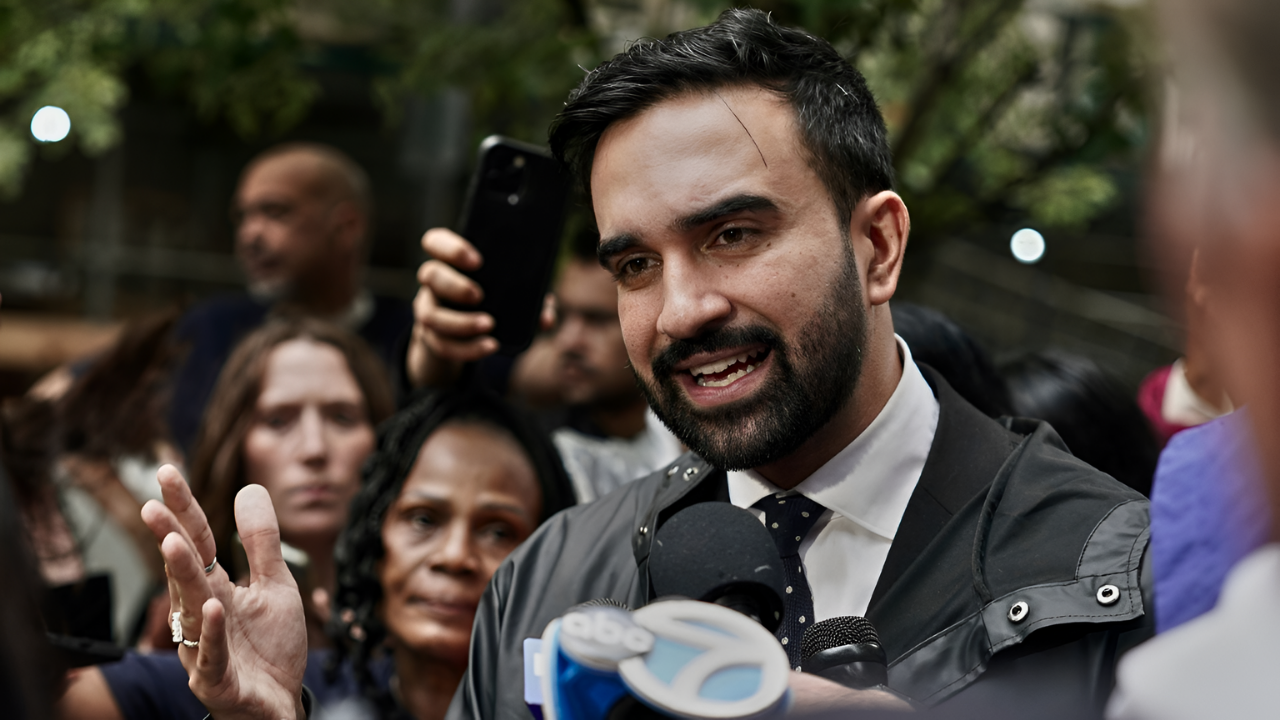
Mayor-elect Zohran Mamdani just unveiled a tax plan so aggressive it’s triggering immediate alarms on Wall Street. He wants $4 billion from millionaires and another $5 billion from corporations—nearly $9 billion annually extracted from New York’s economy. Business leaders are watching and calculating.
Governor Hochul is already pushing back. And for the first time in modern New York history, the math is forcing a conversation nobody wanted: Can the city tax its way to prosperity, or will it tax its way to exodus?
The Millionaire Tax Gets Personal

Mamdani’s income tax hike targets New Yorkers earning over $1 million annually with a two-percentage-point increase, raising an estimated $4 billion per year for universal childcare. The proposal would push NYC’s top income tax rate from 3.9 percent to 5.9 percent, creating a combined state-and-city rate of 16.776 percent—the highest in America.
Under Governor Andrew Cuomo’s 2021 “millionaire tax,” which Governor Hochul has just extended for another five years, New York’s top earners already pay the nation’s steepest rates.
The Corporate Tax Ambition
Mamdani’s second proposal aims to raise the New York State corporate tax rate from 7.25 percent to 11.5 percent, matching New Jersey’s rate, generating an estimated $5 billion annually. He frames it as simple fairness—New Jersey is the nation’s highest, so why shouldn’t New York match?
The pitch is politically seductive. The economic math, however, tells a different story entirely.
The Math Nobody Wants to Face
Here’s what Mamdani isn’t emphasizing: New York City corporations already face a 9.43 percent combined state-plus-MTA rate—the fourth-highest in America. His proposed 11.5 percent state rate would push the regional rate to 13.7 percent, exceeding every single state.
Add New York City’s own corporate tax of 8.85 percent—9 percent for financial firms—and you hit 22.5 percent combined. That’s higher than the federal rate of 21 percent. Corporations would pay more to the city and state than to the federal government.
A Historic Inversion
E.J. McMahon, an adjunct fellow at the Manhattan Institute, published his analysis on November 18, stating that New York City would become the most tax-hostile place in the entire country for operating a business. The combined 22.5 percent rate isn’t just high—it’s structurally unprecedented.
It inverts the traditional tax hierarchy, placing the local burden above the national.
Hochul’s Veto Looms
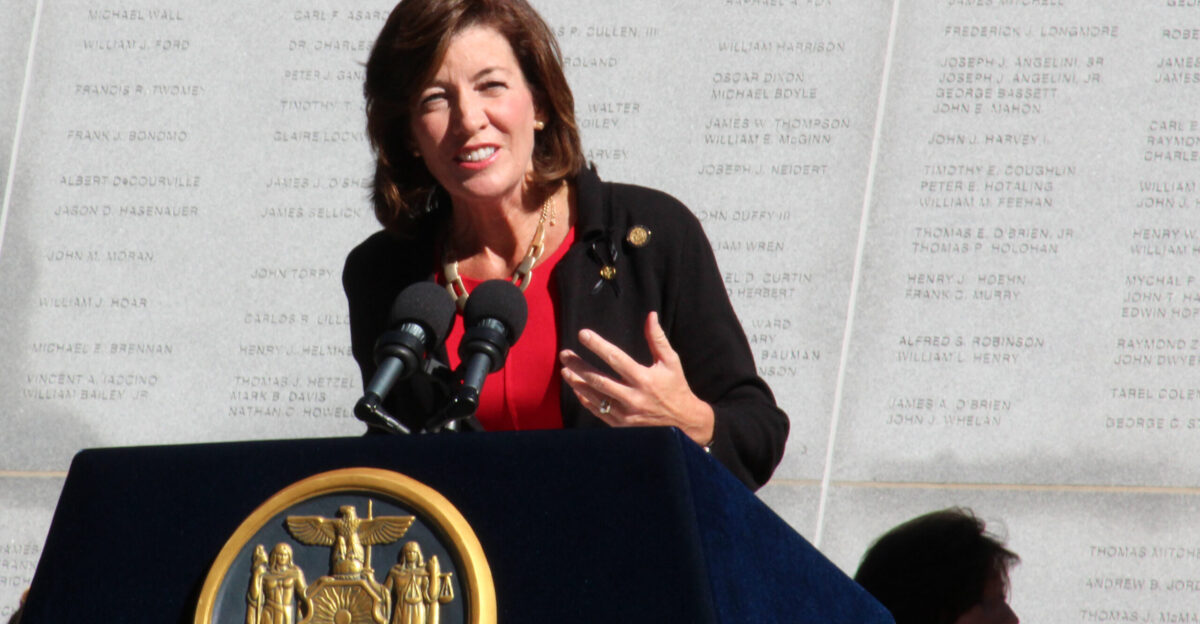
Here’s the problem for Mamdani: he can’t pass this alone. New York City mayors lack the authority to raise taxes. Only the state legislature and the governor can. Governor Kathy Hochul, according to the Wall Street Journal, stated before the election: “I’m not raising taxes on high net-worth people right now, because we cannot have them leave the state.”
Hochul isn’t philosophically opposed to taxes on the wealthy—she just extended millionaire rates through 2032. But Mamdani’s ask is much steeper.
The Primary Threat
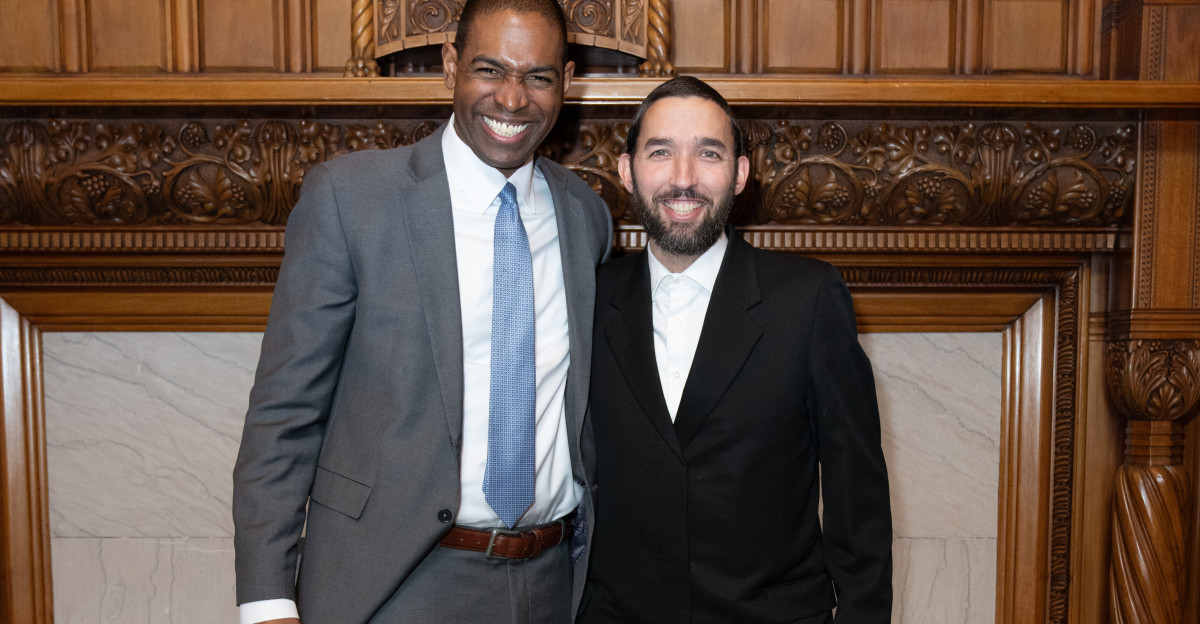
Hochul’s opposition weakens under political pressure. Lieutenant Governor Antonio Delgado announced in June 2025 that he would challenge her in the Democratic primary. Delgado has positioned himself to Hochul’s left, and rejecting a progressive tax agenda could cost her the nomination.
Democratic majorities in the state Senate and Assembly already support higher taxes, albeit at lower rates than those proposed by Mamdani. Hochul stands trapped between Delgado’s challenge and legislative allies pushing for revenue.
The Budget Deadline Arrives

Hochul’s next budget is due January 2026—six weeks away. This isn’t theoretical. By mid-January, she must decide whether to greenlight the largest tax increase in New York City history or draw a line against Mamdani’s agenda.
Politico reported that she is considering the increases and taking into account all the pros and cons of corporate tax hikes, despite public reluctance. The question isn’t whether taxes will rise, but how much and how fast.
The $1.4 Billion MTA Shock

Employers just absorbed a massive payroll tax hit. Effective July 2025, the Metropolitan Commuter Transportation Mobility Tax rate jumped for large employers, generating $1.4 billion annually for the transit system. Imagine a company with a $10 million payroll could pay $60,000 instead of $34,000—the equivalent cost of hiring an entry-level employee.
This came after Hochul’s budget-balancing measures squeezed business. Mamdani’s plan would land on top of existing obligations.
New Jersey Isn’t the Model Mamdani Claims

Mamdani frequently cites New Jersey’s 11.5 percent corporate tax as justification. But that comparison misleads. New Jersey imposes the state tax and nothing else—there’s no city layer. New York City is one of the few American cities that levies its own corporate income tax, topping out at 8.85 percent.
When Mamdani’s 11.5 percent state rate is combined with NYC’s 8.85 percent city tax, plus the MTA surcharge, the effective burden becomes 22.5 percent. New Jersey companies never face that layered attack.
The Childcare Dream

What’s driving the tax push? Universal childcare. Mamdani advocates for free childcare for all NYC children aged six weeks to five years, with wages for childcare workers comparable to those of public school teachers. The program could cost $6 billion to $12 billion annually.
Mamdani told Good Morning America that the lack of universal childcare has cost the city’s economy more than $20 billion over the last four years, with mothers being forced out of the workforce and families leaving the five boroughs.
The Revenue Question
Will the taxes actually raise the promised amount of money? The Cato Institute flagged a critical flaw in Mamdani’s math. Raising only the top marginal corporate rate doesn’t generate the projected $5 billion because most firms’ average tax rates won’t rise by the full five points.
In 2021, 79 percent of New York’s corporate filers paid less than $1,000 in corporate income tax. Most would remain in the lowest bracket even after increases.
The Exodus Already Started

Migration data reveals an uncomfortable truth: New York is hemorrhaging wealth. Between May 2024 and October 2025, the city lost 15,552 high-income earners who earned over $201,000 annually. That’s alongside 164,249 lower-income departures, meaning the rich are leaving at a proportional rate, suggesting tax sensitivity.
A November 2025 report found New York lost $517.5 billion in resident incomes from 2013 to 2022, while New Jersey lost $170.1 billion. Combined, the region lost nearly $690 billion in net purchasing power.
The Florida Connection
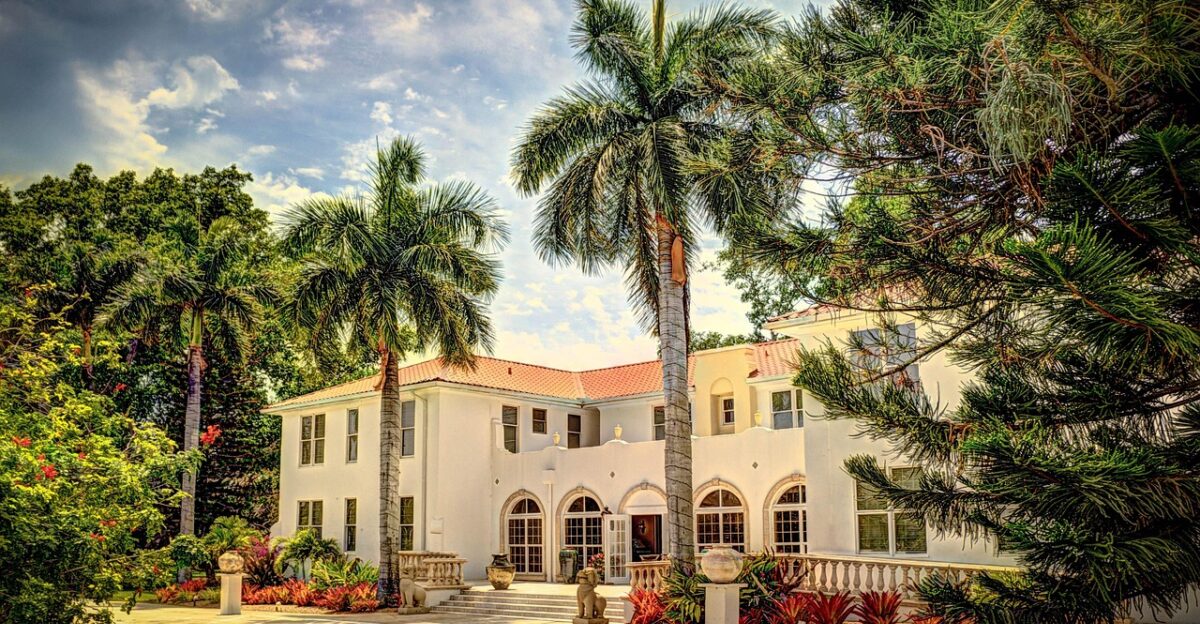
Over 125,000 New Yorkers relocated to Florida in recent years, taking nearly $14 billion in adjusted gross income. Approximately 41,000 people relocated to South Florida from 2018 to 2022, resulting in an estimated $10 billion income loss for New York City. Tampa Bay luxury real estate firms have strategically shifted marketing to attract Manhattan executives.
With Mamdani’s proposed tax burden potentially exceeding 50 percent when federal rates are included, brokers report increased interest from affluent New Yorkers exploring exits.
The Nuance Nobody Mentions

Academic research complicates the exodus narrative. Studies by Stanford University, the Treasury Department, and the Fiscal Policy Institute show that tax-driven departures occur mostly at statistical margins. A 2023 Fiscal Policy Institute study found no statistically significant evidence of tax migration following New York’s 2021 income tax hike.
Northwestern professor Jeffrey Winters told ABC News that while the rich threaten to leave, actual movement on tax grounds is “relatively small”. Yet Jared Walczak of the Tax Foundation countered that on the margin, some departure remains inevitable.
The Top One Percent Carries the Load

Here’s New York’s tax dependency: The top one percent of filers—roughly 41,000 people—pay over 40 percent of all income taxes. The top ten percent pay about two-thirds, meaning the remaining 90 percent contribute just one-third. When even a small share of high earners disappears, the revenue impact compounds dramatically.
This concentration explains Hochul’s pre-election comment about not wanting wealthy people to leave. The math is unforgiving. If NYC maintained its 2010 millionaire share, it would have collected $2.5 billion more in 2022 alone.
Business Leaders Split on the Plan
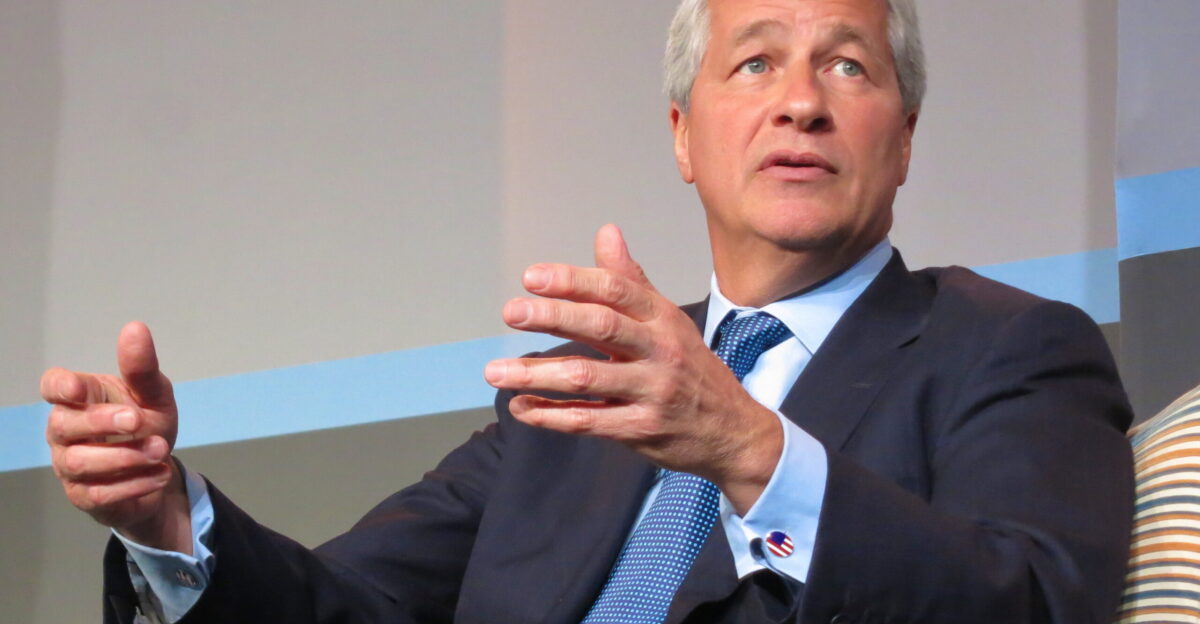
Wall Street’s response has been surprisingly divided. Billionaires like Bill Ackman, Mike Bloomberg, and Joe Gebbia poured millions into opposition groups, while Elon Musk urged voters against Mamdani. Yet, Business Insider found that back-office Wall Street workers overwhelmingly donated to the Democratic Socialist.
Some executives are open to free childcare because it alleviates employees’ financial burdens, according to Mamdani’s “CEO whisperer,” Yasser Salem. JPMorgan CEO Jamie Dimon told CNN that he won’t make quick decisions about the bank’s future in New York.
January’s Showdown Approaches
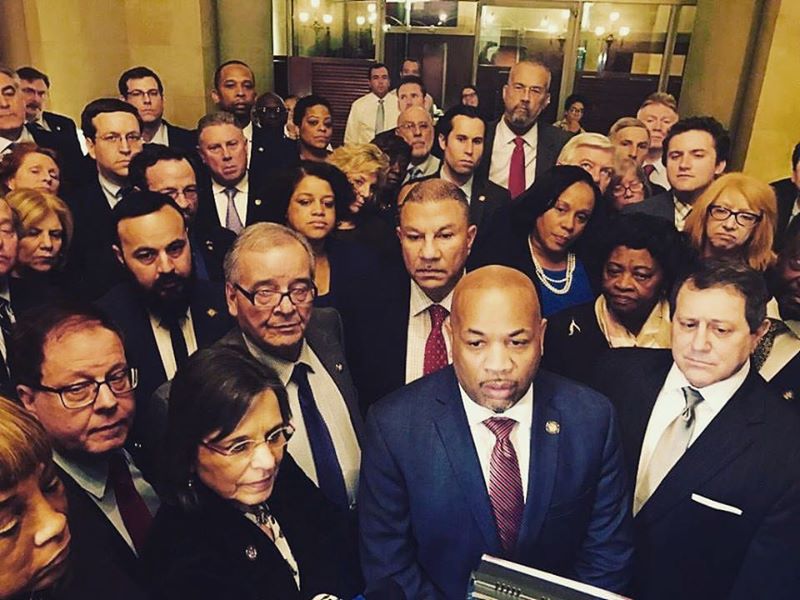
Democratic leaders aren’t rejecting Mamdani’s agenda—they’re negotiating its scope. Assembly Speaker Carl Heastie promised a “robust discussion” on revenue raises. Any tax increase will likely be tucked into an omnibus “Big Ugly” bill combining controversial items with unrelated measures.
The governor holds veto power, but overriding requires two-thirds majorities, which Hochul might not command if Delgado and progressives unite.
Mamdani’s Counter-Argument
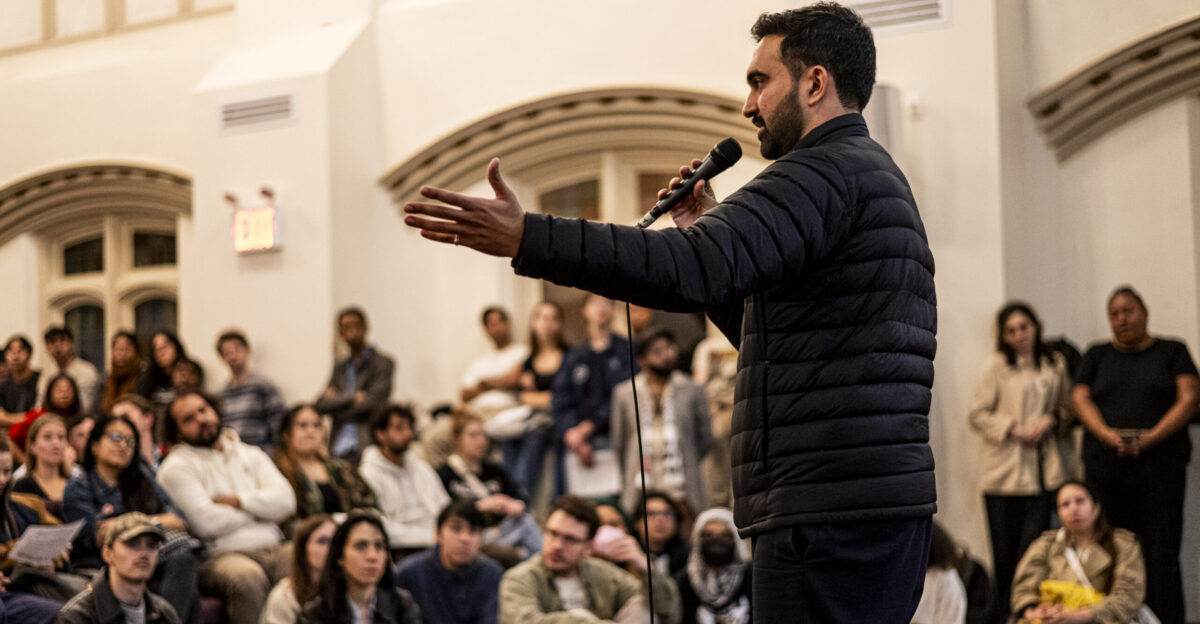
Mamdani argues the affordability crisis undermines business itself. Companies must offer childcare stipends when the city cannot, he told Good Morning America. Without affordable childcare, workers call out, productivity drops, and talent recruitment suffers.
The real cost of inaction, he contends, exceeds the tax increase. His framing appeals to progressives and parents struggling with costs, creating a narrative in which taxes fund necessities, not luxuries.
The Fork in the Road
What happens next will define New York for decades. If Hochul approves Mamdani’s full $9 billion agenda, she’s betting that childcare benefits and progressive credibility outweigh the risks of an exodus—and that tax-sensitive businesses won’t flee to New Jersey or Florida.
If she draws a line, she faces Delgado from the left and Mamdani from City Hall. For New York’s millionaires and corporations, the answer to that question will determine whether the moving vans stay parked or accelerate south.