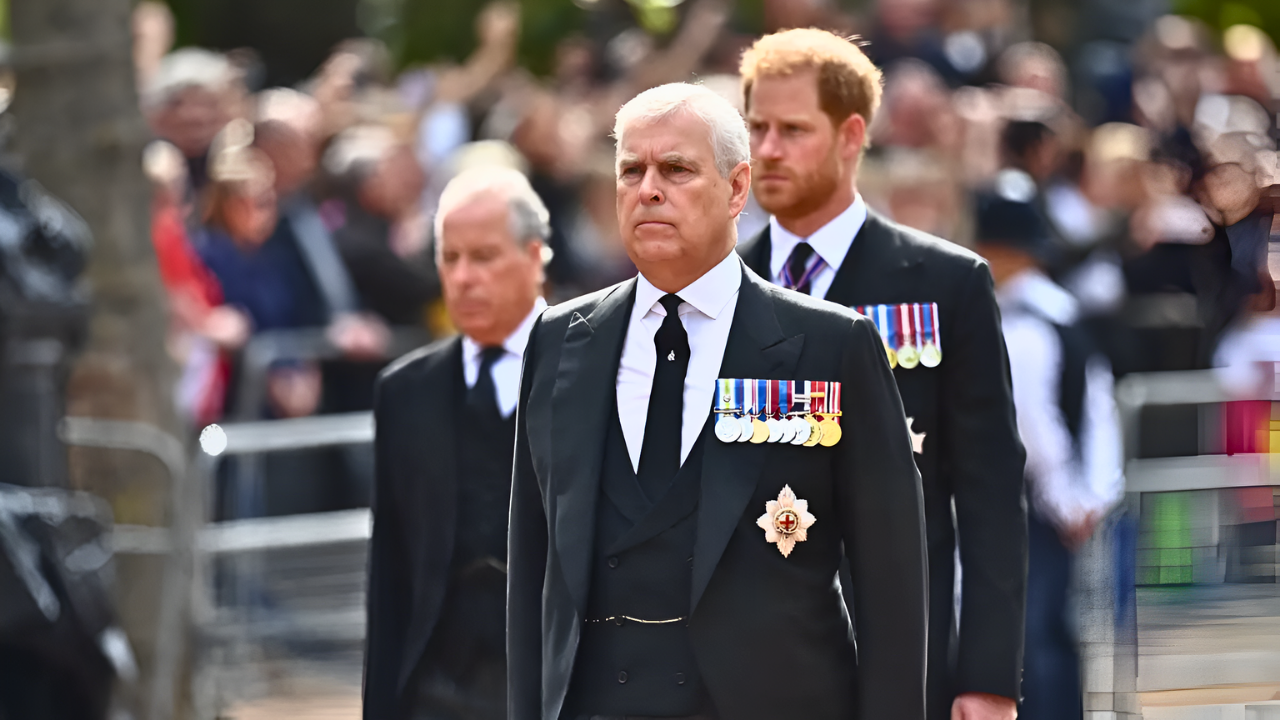
A royal residence in Windsor has become the epicenter of a bitter family dispute that is testing the limits of constitutional power, legal contracts, and the modern British monarchy’s ability to reform itself. At the heart of the standoff is Prince Andrew, stripped of his titles by King Charles III in October 2025, yet still occupying Royal Lodge, a 30-room mansion set within 98 acres of Windsor Great Park. His refusal to leave, coupled with a £75 million demand, has turned a private family matter into a high-stakes negotiation with national implications.
A Prince Stripped of Titles, Not of Property
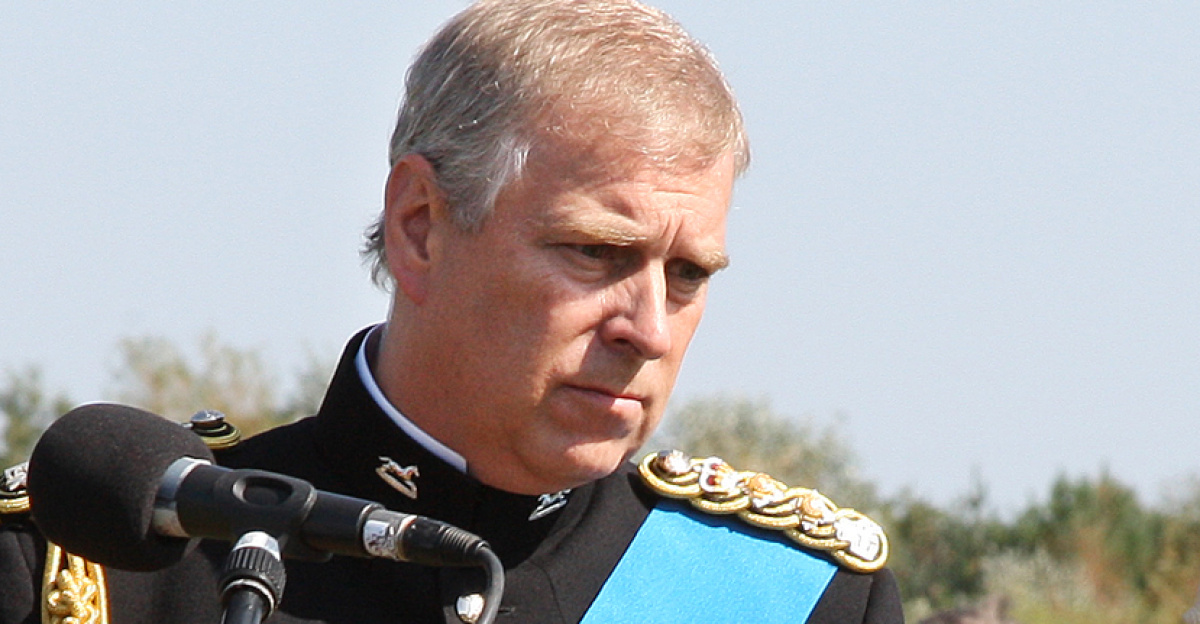
On October 30, 2025, King Charles III formally removed Andrew Mountbatten-Windsor’s remaining royal titles, severing his official ties to the monarchy. The decision followed years of mounting public pressure over Andrew’s association with Jeffrey Epstein, the financier and convicted sex offender who died in 2019. Palace officials concluded that Andrew’s continued royal status posed unacceptable reputational risk to the institution. Yet while his ceremonial role ended, his legal right to live at Royal Lodge did not. A 75-year lease, signed in 2003 and prepaid with £8.5 million, grants him secure occupancy until 2078, regardless of his status. The lease includes a nominal annual rent of “one peppercorn,” effectively making it rent-free and legally binding.
The Lodge and the Lifestyle Demands
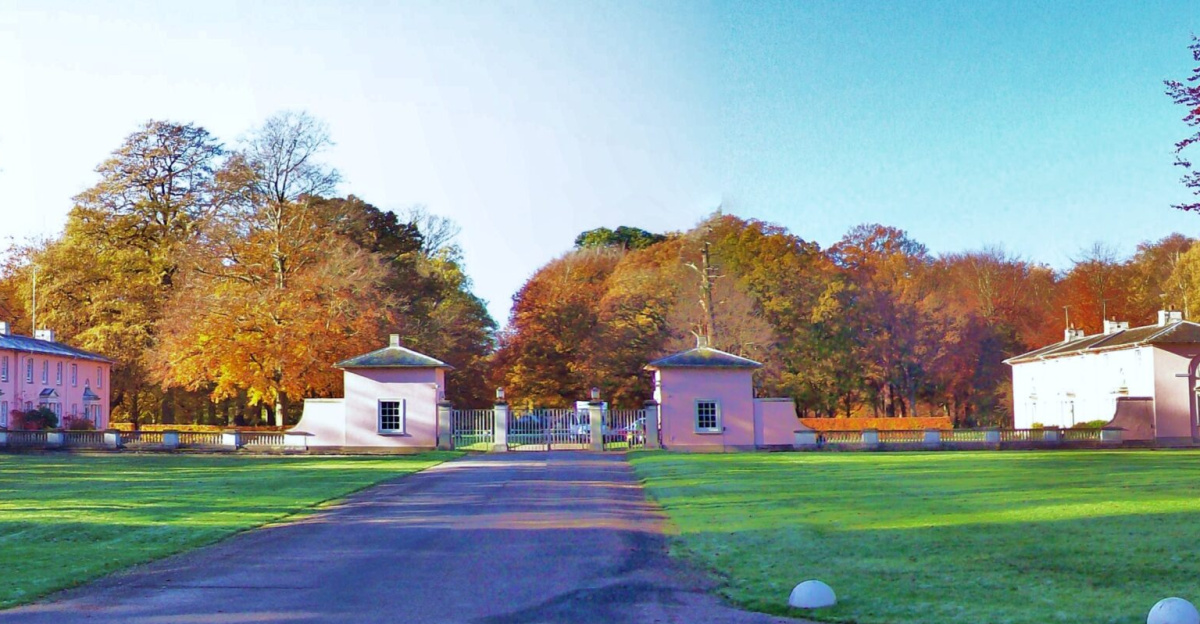
Royal Lodge is a Grade II-listed property with three main floors, seven bedrooms, multiple reception rooms, and historic interiors dating to the reign of George IV. Its grounds include a swimming pool, aviary, six lodge cottages, a gardener’s cottage, and accommodations for a dedicated police officer. Andrew’s demands for departure go beyond the property itself. He is seeking a six- or seven-bedroom home on the King’s Sandringham Estate in Norfolk, along with continued access to a personal cook, gardener, housekeeper, and full-time driver. He also insists on retaining police protection, a request the King’s advisers view as unjustifiable for a private citizen with no official duties.
The Legal and Financial Impasse

The 2003 lease contains no clauses allowing the Crown to terminate it early based on changed circumstances, such as loss of title or public controversy. Constitutional experts and royal advisers agree that the King cannot simply evict Andrew; any exit must be negotiated. On December 2, 2025, the Crown Estate informed Andrew’s representatives that he would receive no financial compensation for early termination. Under standard terms, he might have expected around £488,000, but assessments of the property’s condition show extensive dilapidations—structural issues and wear from decades of use—that would consume any potential payout. This leaves Andrew with little leverage beyond his legal right to remain and his ability to delay.
Parliamentary Scrutiny and Family Contradictions
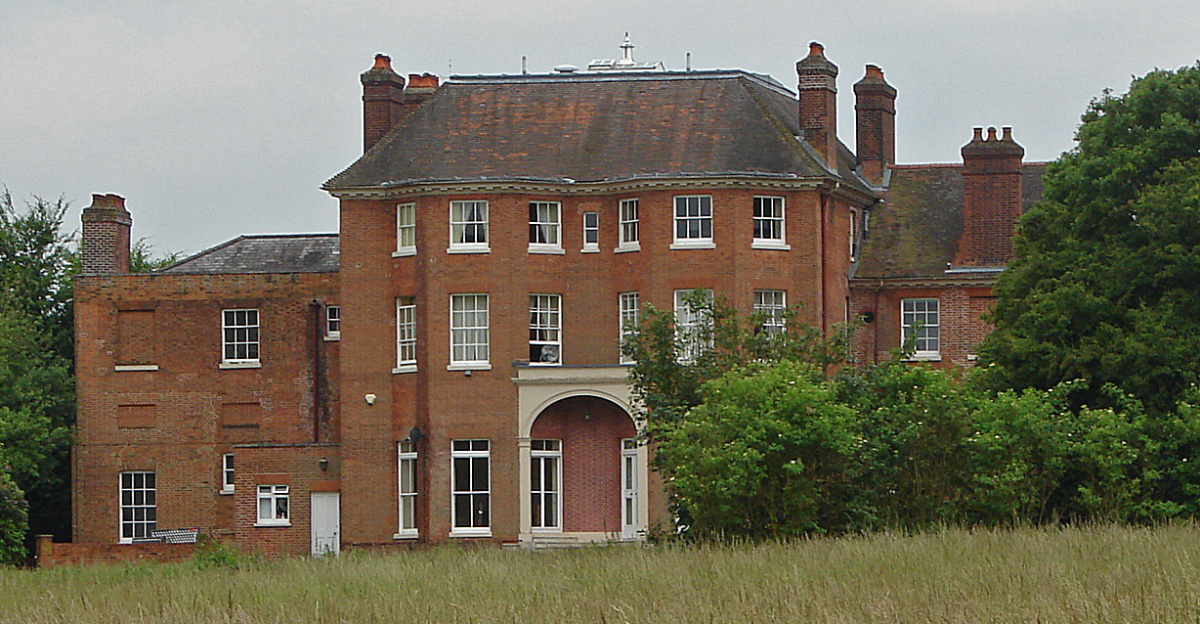
The controversy has drawn formal attention from Parliament. On December 2, 2025, the Public Accounts Committee announced a 2026 inquiry into the Crown Estate’s property arrangements with royal family members, focusing on whether taxpayer interests are properly protected. The inquiry was prompted in part by the stark contrast between Andrew’s arrangement and that of Prince William and Princess Catherine, who moved to Forest Lodge in Windsor and immediately began paying open-market rent set by independent appraisers. Further complicating the narrative, Prince Edward, the King’s youngest brother, occupies Bagshot Park under identical “one peppercorn” terms, suggesting that favorable rental deals are not unique to Andrew but part of a broader pattern.
The Path to Resolution
Despite the current deadlock, palace insiders expect the dispute to be resolved. King Charles has both the patience and the financial means to absorb a substantial settlement rather than endure prolonged public embarrassment. The looming parliamentary inquiry adds pressure on both sides to reach a clean agreement before formal hearings begin. Behind the scenes, the negotiations are described as slow and fraught, with Andrew using delay tactics and detailed demands to strengthen his position. A former senior courtier, speaking anonymously, characterized the situation as fundamentally about money: Andrew is being bought out of a valuable lease, and he is negotiating every detail. Meanwhile, sources close to Andrew portray him as cooperative, arguing that he is simply seeking fair treatment after giving up one of England’s finest homes. The standoff underscores a deeper tension: even a sovereign monarch cannot override ironclad contracts, and the monarchy’s efforts to modernize and reduce its footprint are being held back by the legal and financial legacy of past arrangements.
Sources:
Rob Shuter royal correspondent reporting (November 30, 2025)
BBC News Royal Lodge property assessment (December 2, 2025)
Crown Estate dilapidations determination (December 2, 2025)
UK Public Accounts Committee Royal Family property inquiry announcement (December 2, 2025)
Buckingham Palace official statement on title stripping (October 30, 2025)
Royal Lodge lease documentation and Crown Estate records (2003).