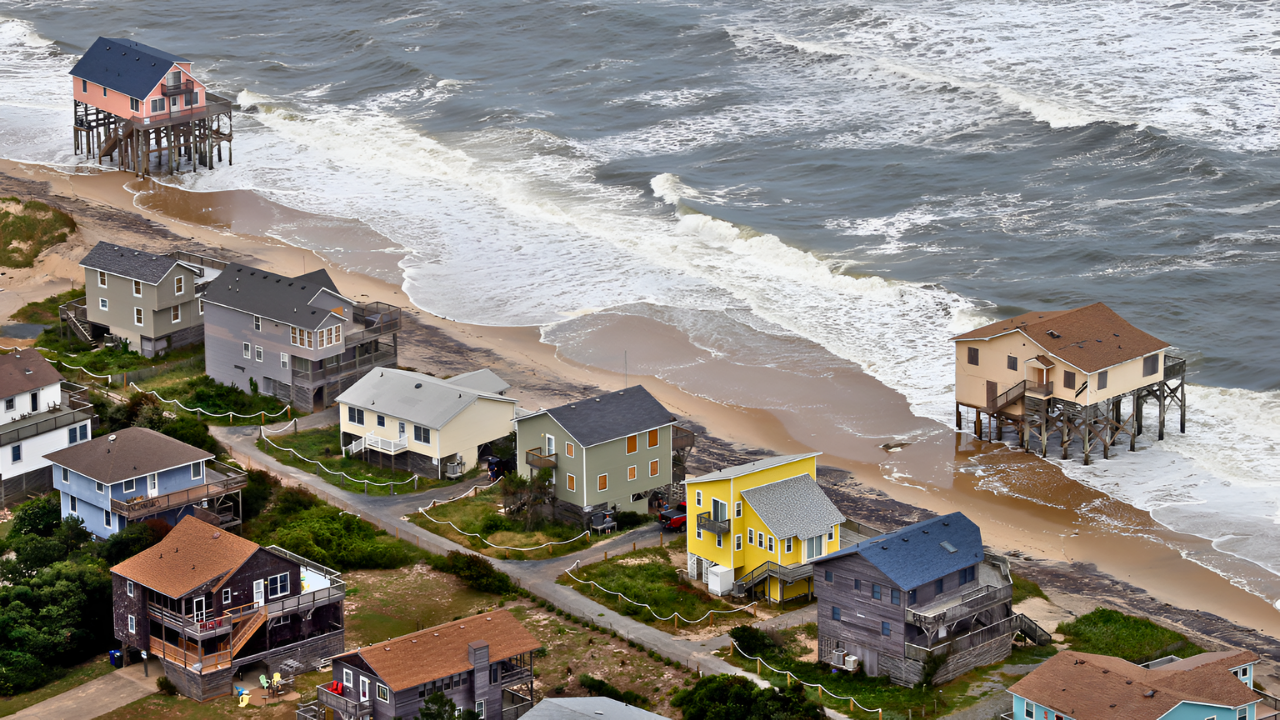
On December 17, 2025, scientists at the Woods Hole Oceanographic Institution (WHOI) unveiled a groundbreaking study revealing that the rate of U.S. coastal sea-level rise has more than doubled in the last 125 years. Rising from 1.7 millimeters annually in 1900 to a startling 4.3 millimeters in 2024, this finding significantly contrasts with a Department of Energy report from July 2025, which claimed no change. As a result, approximately 95 million Americans are now exposed to heightened flood risk.
Why It’s Accelerating: Climate Change Reshapes Coastlines

Lead researcher Chris Piecuch analyzed 70 tide gauges across the contiguous U.S. and pinpointed the primary causes of this acceleration: climate-driven ocean warming, ice sheet collapse in Greenland and Antarctica, and the thermal expansion of seawater. Piecuch criticized the DOE’s July 2025 report, stating it overly relied on just five selected stations, obscuring the more concerning broader trend affecting all major U.S. coastlines.
Homeowners Wake Up: Flood Insurance Premiums Spike
As the reality of accelerated sea-level rise sets in, coastal property insurers are recalibrating their actuarial models. Homeowners in Florida, Louisiana, and New Jersey are grappling with significant flood insurance rate increases in the wake of the release of the WHOI study. Insurers are now factoring in decades of potential future claims sooner than expected. The American Property Casualty Insurance Association indicates industry-wide adjustments are just beginning.
Real Estate Market Reacts: Property Values Falter
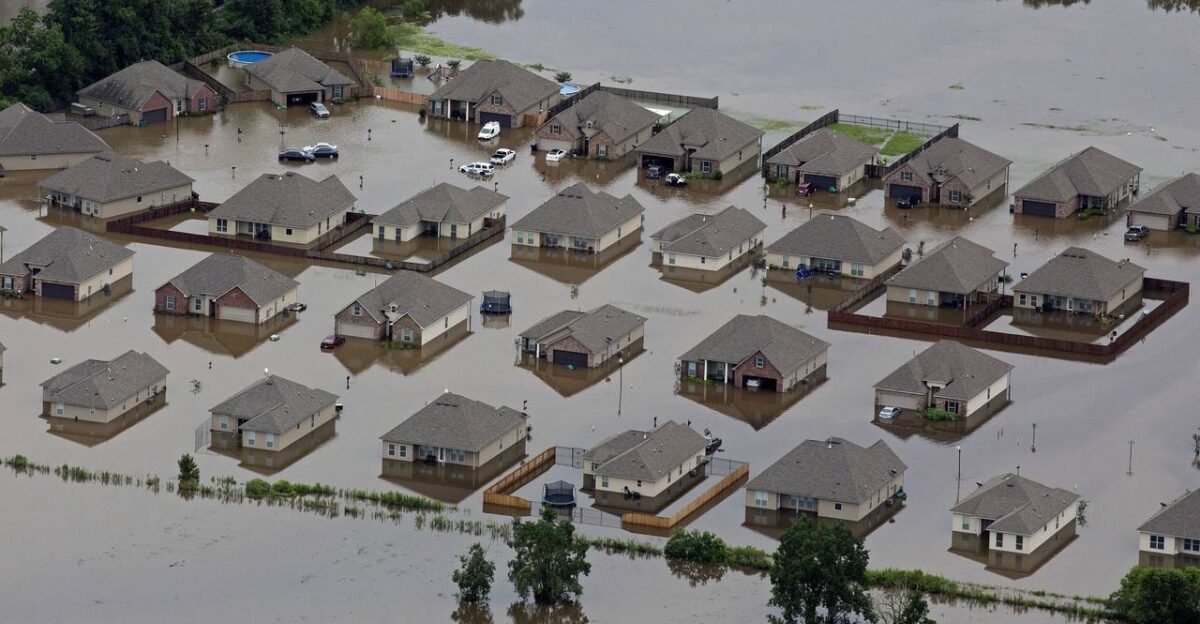
The property market is already feeling the impact of accelerated flood risk, with major real estate platforms like Zillow and Redfin updating their algorithms for valuing properties in coastal areas. Following the study’s publication, waterfront home sales in cities such as Miami, Charleston, and San Francisco saw notable declines within just one week. Prominent builders such as Lennar and D.R. Horton are also pivoting away from building in flood-prone areas.
Adaptation Tech Booms: Seawalls and Pumps in Demand
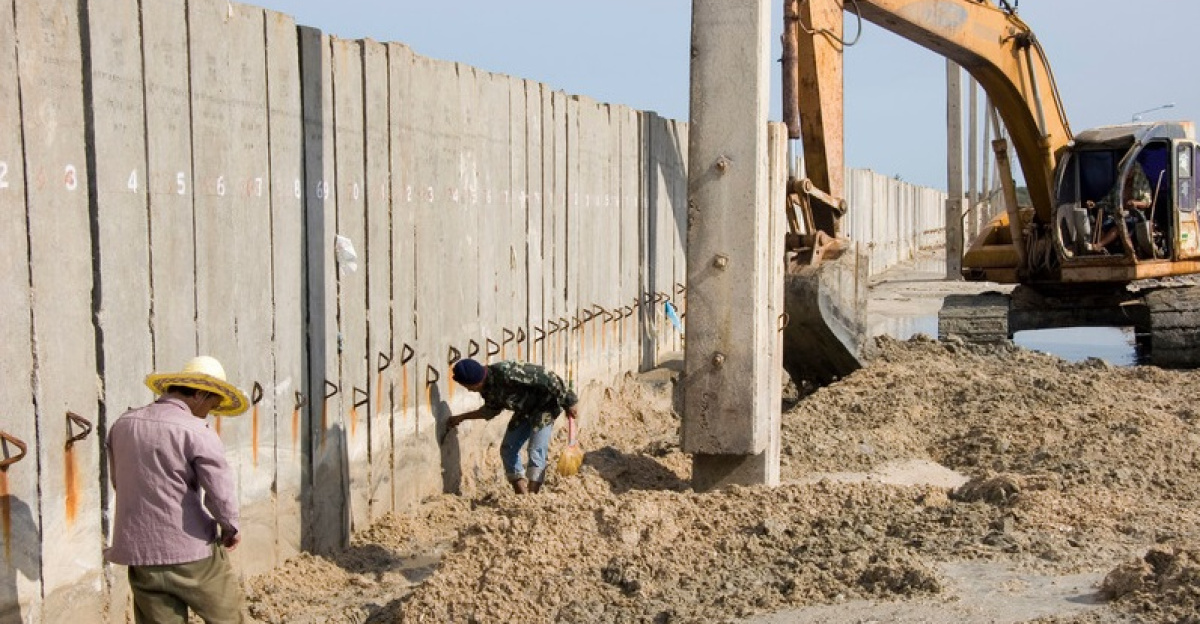
Amid increased flood risk, engineering and construction firms report a staggering surge in inquiries for flood mitigation solutions, such as elevated foundations and seawalls. Companies such as Xylem and Grundfos now face growing backlogs. Coastal municipalities are accelerating resilience projects, as evident in Miami-Dade County’s historic $500 million investment in infrastructure upgrades to better protect residents. This uptick in demand reflects a profound shift in how communities are preparing for the future.
Global Trade Routes Under Pressure: Ports Preparing for Change
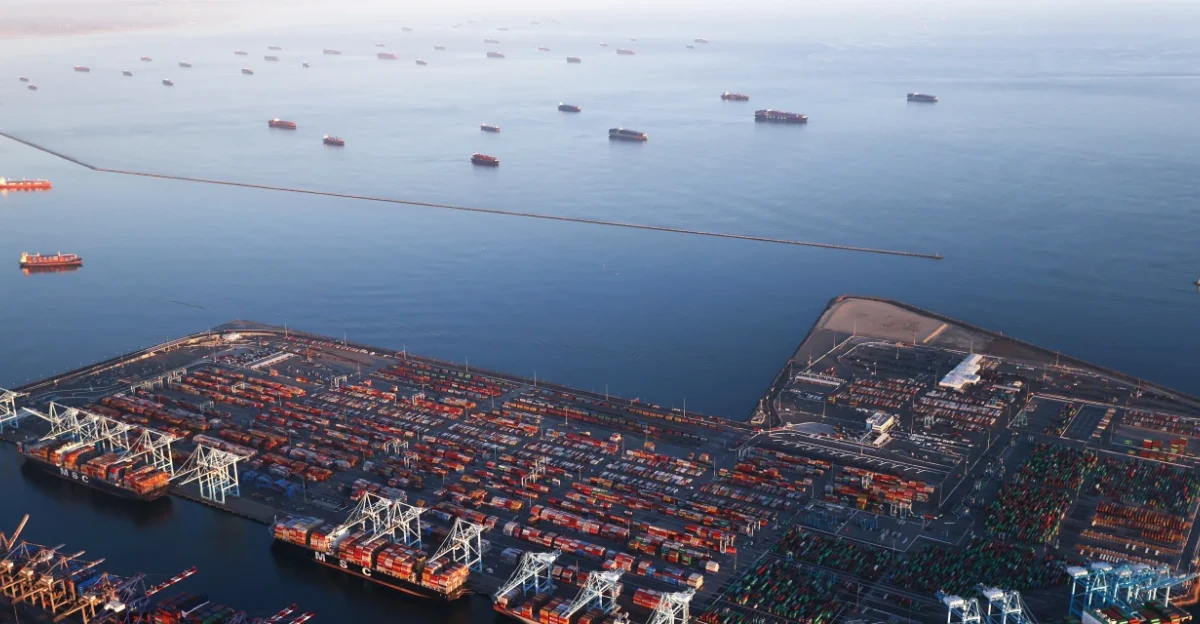
The looming risk of accelerated sea-level rise is prompting major U.S. container ports, including Los Angeles, New York/New Jersey, and Charleston, to invest billions in protective infrastructure. Supply chain experts alert that extended tidal flooding may disrupt logistics during peak seasons. International shipping lines are now examining alternative routes and contingency plans to mitigate the risks associated with rising sea levels.
Agricultural Communities Brace for Impact: Farmers Face Saltwater Intrusion
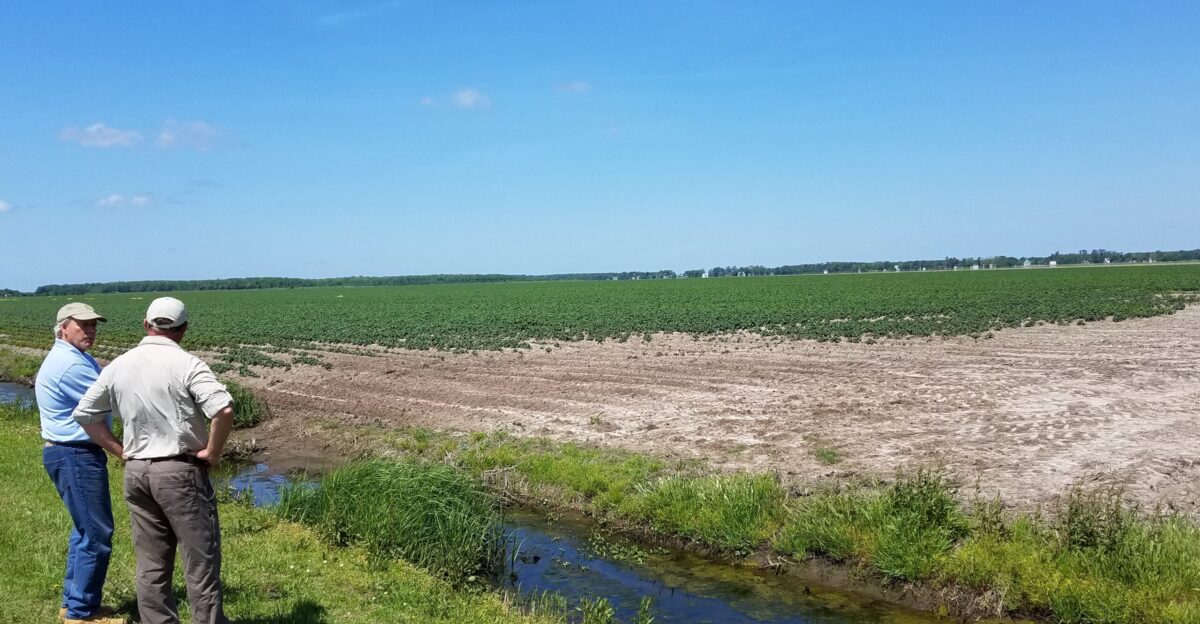
Farmers located in coastal regions, such as North Carolina’s Outer Banks and Louisiana’s Mississippi Delta, are already dealing with saltwater intrusion that affects their groundwater and crop lands. Reports from Agricultural Extension Services reveal that farmers are transitioning to salt-tolerant crops and even moving inland to preserve their livelihoods. The American Farm Bureau Federation warns that potential productivity losses could reach over $2 billion annually by 2030 if current trends continue.
Congress Moves Quickly: Coastal Protection Legislation Accelerates
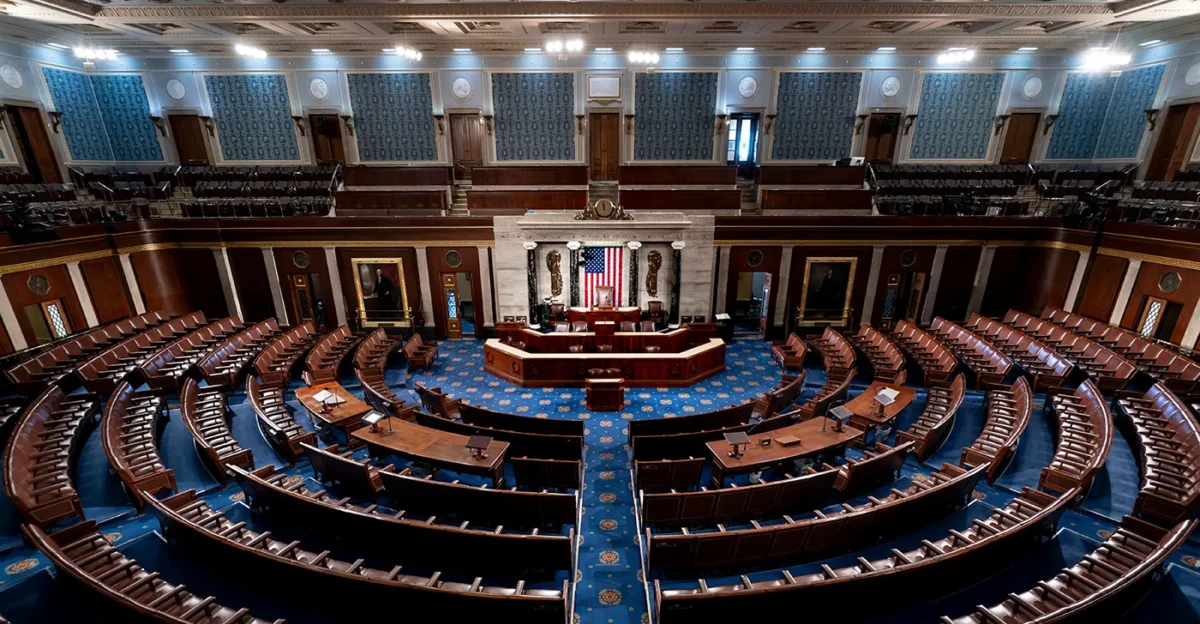
In the aftermath of the WHOI study’s findings, U.S. Congress members from coastal states quickly mobilized. On December 19, 2025, committees announced hearings to investigate the accuracy of the DOE’s July report. In tandem, discussions have emerged around an ambitious bipartisan proposal for coastal resilience, with some seeking hundreds of billions of dollars in funding over ten years to bolster infrastructure and assist in relocation efforts for vulnerable communities.
Inflation Pressures Mount: Construction Costs and Insurance Premiums Climb

Economists warn that heightened demand for coastal resilience infrastructure will lead to significant regional price increases for construction materials within the next six months. Coupling this with increasing insurance costs may impose an additional annual financial burden on coastal households by 2026. The Committee for Economic Development anticipates that such pressures could create ripple effects, potentially inflating broader housing markets nationwide.
The Human Element: Voices from the Affected
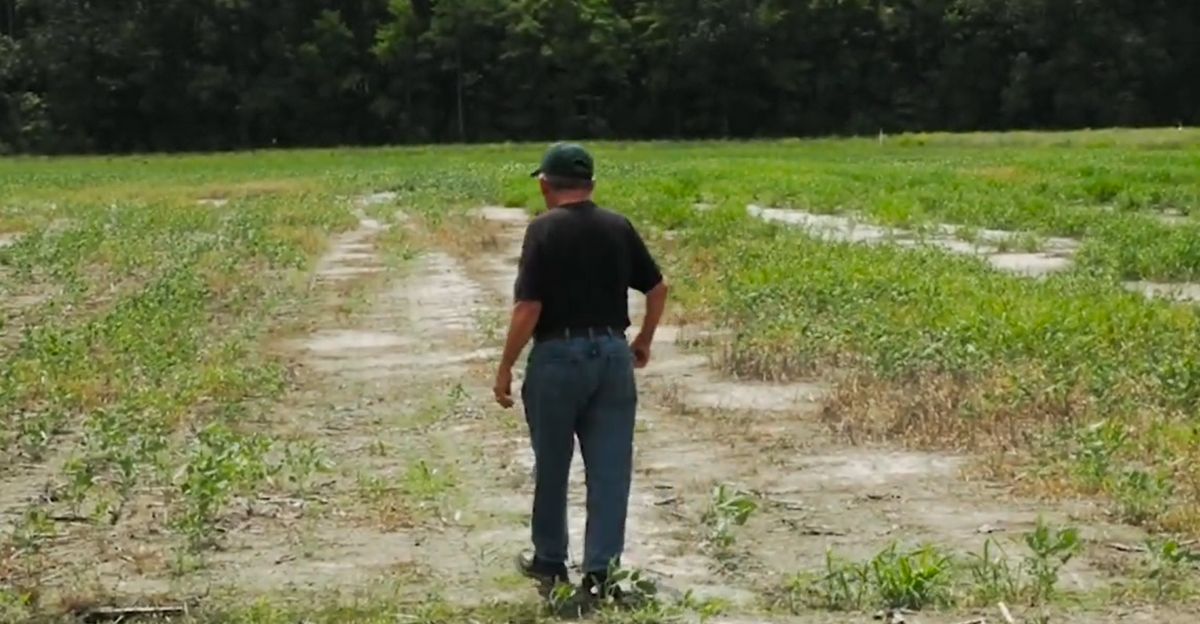
“Every day, I see my family’s farm facing more challenges due to saltwater creeping in. We’re adapting as best as we can, but the threat is real,” shared Sarah Jones, a farmer from Louisiana’s Mississippi Delta. Her concerns mirror those of many facing the brunt of climate impacts. As communities grapple with the weight of these changes, it’s crucial to recognize their resilience and need for support on every level—from local initiatives to congressional action.
Lessons Learned: The Importance of Accurate Data

The conflicting information regarding U.S. coastal sea-level rise underscores the need for reliable, comprehensive data. The reliance on limited data sets, as evidenced by the DOE’s July 2025 report, has wide-ranging implications, including misplaced assurance among policymakers and the public. Accurate, multifaceted data is vital for informing effective coastal management and adaptation strategies that safeguard communities.
Preparing for the Future: Community Engagement and Planning

Community involvement plays a pivotal role in preparing for coastal adaptation and resilience. Local governments are increasingly seeking input from residents to develop comprehensive plans that address rising sea levels. Engaging diverse stakeholders, including farmers, homeowners, and business owners, ensures that planning considers unique local challenges and fosters a cooperative spirit among residents.
Building a Sustainable Future: Climate Adaptation Technologies
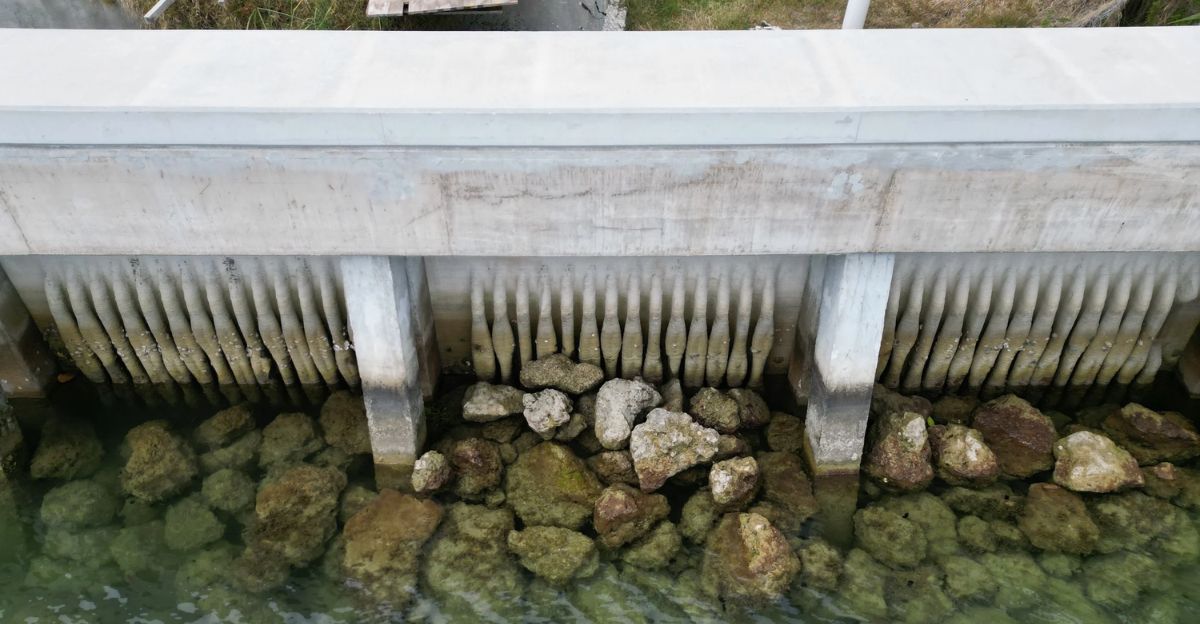
The surge in demand for flood-mitigation technology represents a pivotal shift towards resilience. Innovations in elevated buildings, seawall designs, and advanced stormwater management systems are crucial to effectively mitigating the risks associated with sea-level rise. As these technologies evolve, their adoption becomes essential in protecting not only properties but also the people living in vulnerable regions.
Collaborative Efforts: The Role of Public and Private Partnerships

Addressing the challenges posed by rising sea levels requires collaboration between public agencies and private entities. Investment from the private sector can accelerate the deployment of crucial infrastructure, while governmental policies can help foster innovation. By working together to implement adaptive strategies, communities can better prepare for future uncertainties and minimize economic disruptions.
A Call to Action: Prioritizing Coastal Resilience
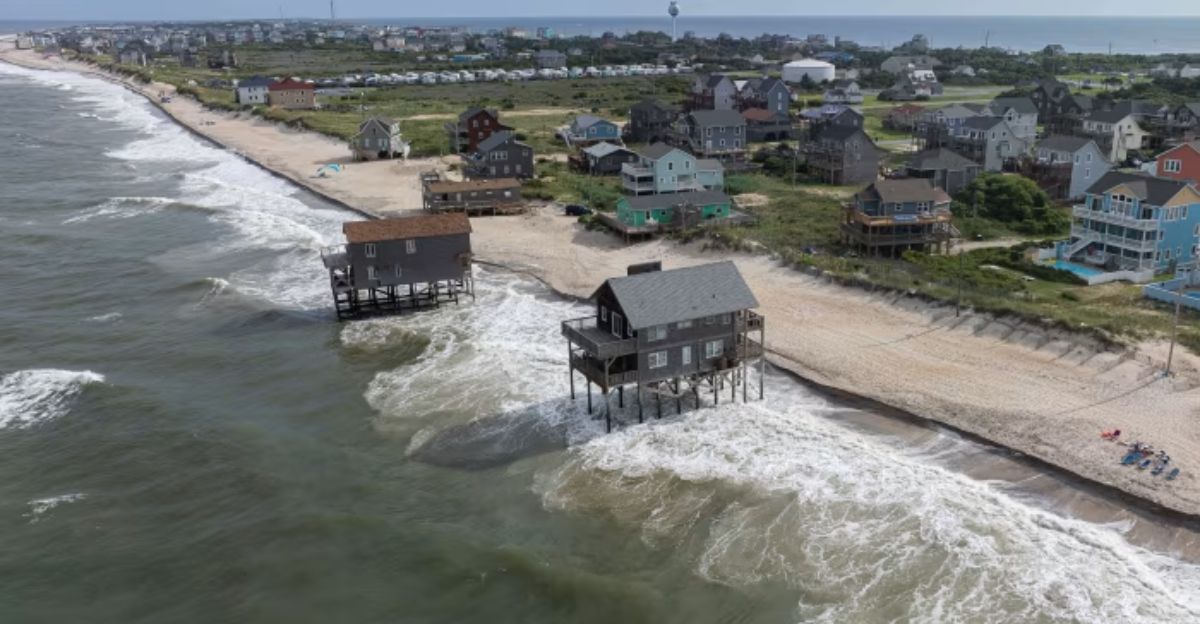
The findings of the WHOI study are a clarion call for urgent action. Policymakers, businesses, and communities must prioritize coastal resilience initiatives to secure a sustainable future. With hundreds of billions of dollars in coastal property at risk by 2050, failing to act now will have profound long-term repercussions. It is time to invest in robust solutions that ensure protection for vulnerable regions while accommodating ongoing climate change.
Sources
AGU Advances – Rate of U.S. Coastal Sea-Level Rise Doubled in the Past Century
Woods Hole Oceanographic Institution Press Release – New Study Finds Rate of U.S. Coastal Sea Level Rise Doubled in the Past Century
WBUR – Sea Level Rise Is Speeding Up, Contradicting Federal Report
American Property Casualty Insurance Association – Insurance Industry Response to Accelerated Coastal Sea-Level Rise Study
Zillow Research – Coastal Real Estate Market Response to WHOI Sea-Level Rise Study
Miami-Dade County Office of Resilience – Coastal Resilience Infrastructure Investment Announcement
American Farm Bureau Federation – Coastal Agricultural Communities Face Saltwater Intrusion Risks
U.S. House Committee on Science, Space, and Technology – Announcement of Hearings on Department of Energy Sea-Level Rise Report
Committee for Economic Development – Inflation and Economic Impact Projections for Coastal Resilience Infrastructure
World Resources Institute – Coastal Adaptation Pathways and Policy Framework