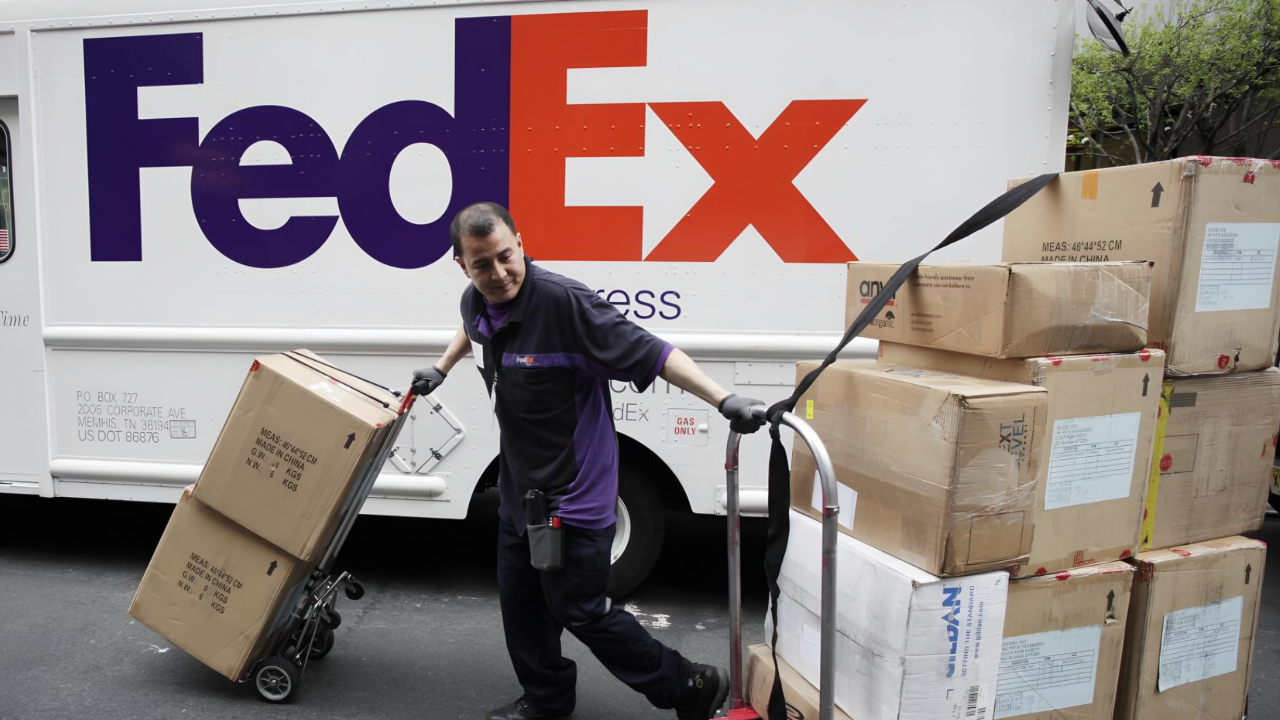
A logistics facility built entirely around a single customer’s needs became worthless the moment that customer walked away. On November 21, FedEx filed a WARN notice confirming 856 layoffs at its Coppell distribution center, which was triggered by one major customer’s decision to shift its operations to a competing third-party logistics provider. The closure represents one of the largest facility-based job losses in North Texas this year, exposing a structural vulnerability across the entire logistics sector.
The collapse unfolds in phases rather than as a sudden shock. FedEx announced the facility closure, but layoffs will occur in staggered waves through April 2026. The first 62 workers received formal notice on January 16, with paychecks stopping exactly four weeks later. Additional waves follow as operations wind down. This extended timeline forces workers to cope with the reality of unemployment while maintaining the illusion of employment, creating psychological strain alongside financial uncertainty.
The Specialized Facility Trap
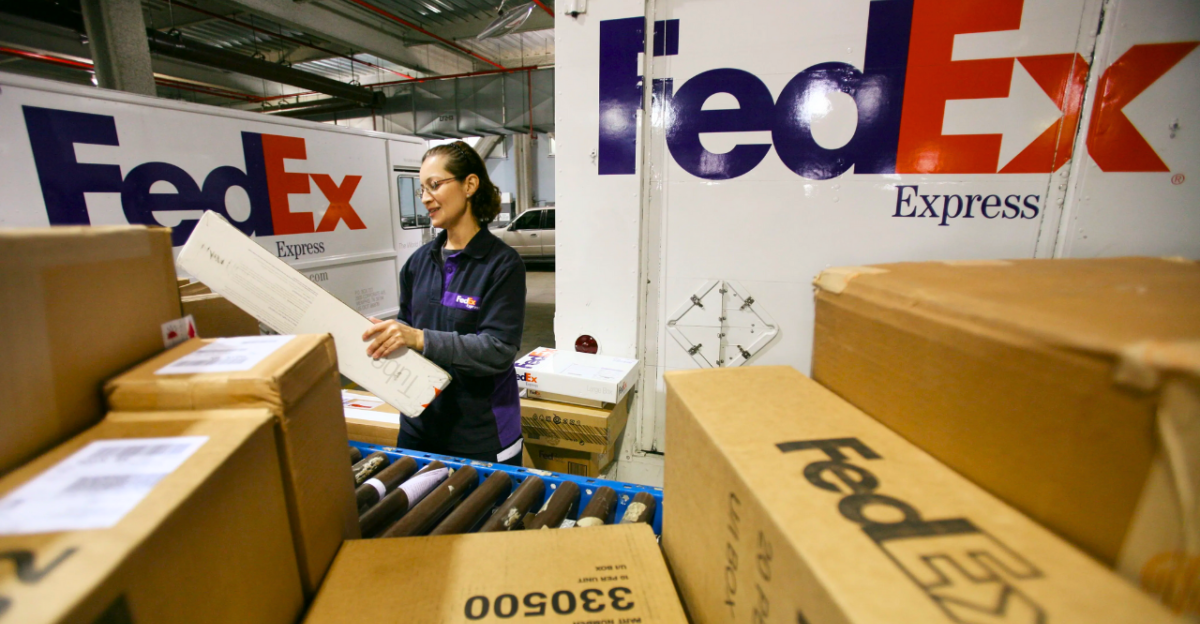
FedEx Supply Chain designed the Coppell warehouse specifically for the warehousing and distribution requirements of an unnamed customer. Dedicated staff, custom layouts, and specialized equipment were all configured to meet the single account’s operational needs. When the customer transitioned to a different provider, the facility’s entire value proposition was rendered obsolete. A warehouse operating at full capacity covers rent, utilities, equipment, and payroll. Operating at half capacity means fixed costs remain constant while revenue collapses, making the business case for continued operation impossible. Closure becomes the rational choice.
This wasn’t an isolated incident. Earlier in 2025, another FedEx facility in Fort Worth announced layoffs of more than 300 employees for nearly identical reasons: a major customer transitioning to a competing third-party logistics provider. Two facilities, two different customers, one repeated lesson: when a site depends on a single anchor account, any contract renegotiation becomes existential.
Part of a Larger Restructuring
Coppell represents one domino in FedEx’s massive “Network 2.0” restructuring announced in June 2025. The company plans to close 30 percent of its U.S. package distribution facilities within two years, merging Express and Ground operations into a streamlined structure designed to save $2 billion by fiscal 2027. By May 2025, 100 stations had already closed, and 290 had been consolidated. Individual workers caught in this path become collateral damage in corporate efficiency equations.
The timing coincides with a broader national jobs crisis. Through October 2025, 1.1 million Americans faced layoffs—a 65 percent increase over 2024. In October alone, 153,000 jobs disappeared, marking the highest monthly total in over two decades. Within that landscape, Coppell stands out as the largest logistics-sector facility closure announced in a single filing and one of the most significant regional employer shocks in North Texas this year.
Ripples Beyond the Building

When a facility shuts, damage spreads outward in concentric circles. The 856 workers lose income and face forced career transitions in saturated markets. Local businesses lose regular customers. Tax revenue drops for Dallas County and Coppell. Supply chains relying on this warehouse must find alternate operators on short notice. The economic shock travels far beyond the building itself.
FedEx offers job placement assistance, relocation aid, severance pay, continued wages and benefits through the final day, and possible transfers to other Dallas-area FedEx facilities for select workers. On paper, this sounds like substantial support. In practice, placement assistance is only helpful if comparable warehouse jobs are available for 856 people simultaneously—they aren’t. Relocation matters, but doesn’t create jobs elsewhere. Some workers land on their feet. Others accept lower pay or change industries entirely.
A Systemic Industry Problem
Coppell exposes structural weakness across the entire third-party logistics sector. Most 3PLs build their largest facilities around anchor customers, assuming that relationships are sticky because switching providers is a painful process. Today’s reality differs fundamentally. Shippers run competitive bids every few years, boards green-light network changes for meaningful savings, and aggressive competitors underbid incumbents for prime customers. The customer who triggered this closure remains unnamed in all official statements, a strategic silence that keeps the narrative focused on “business decisions” rather than failure.
For FedEx, the next chapter is consolidation and redeployment, aiming for $2 billion in fiscal 2027 savings. For the logistics industry, Coppell should prompt conversations about facility design, contract structure, and risk management. For workers facing layoff dates in January and April, the immediate challenge is competing in a market where 153,000 other people have announced layoffs this month alone.
Sources:
Texas Workforce Commission WARN Notice – FedEx Supply Chain, Coppell, TX
Challenger, Gray & Christmas – October 2025 Job Cuts Report
FedEx Network 2.0 restructuring brief / investor disclosures
CNN / Reuters coverage of October 2025 U.S. layoffs