The used car market heads into 2026 amid rising prices and shrinking inventories, leaving buyers at risk of picking vehicles plagued by battery breakdowns, software malfunctions, and vanishing parts support.
New car costs have surged significantly since 2019, pushing shoppers toward older models. With supply chain disruptions from the pandemic exacerbating scarcity, buyers face heightened exposure to concealed flaws and steep repair bills. Informed decisions now can prevent financial setbacks.
Market Pressures Fueling Risky Buys
Affordability strains dominate the used car market. Recent data shows over 26% of car owners owe more than their vehicle’s value—upside-down loans that amplify repair shocks. Industry experts have identified vehicles where reliability issues, discontinued support, or emerging technology gaps create significant ownership risks.
Automotive specialist Chris Pyle and Zach Shefska, CEO of CarEdge, analyzed NHTSA data, recalls, reliability scores, and ownership expenses to flag models with recurring defects poised to erode savings.
Nine Vehicles to Avoid in 2026
These cars emerged from patterns of failure: inadequate infrastructure, battery replacement burdens, outdated technology, production flaws, abrupt discontinuation, elevated running costs, software breakdowns, and eroding manufacturer backing.
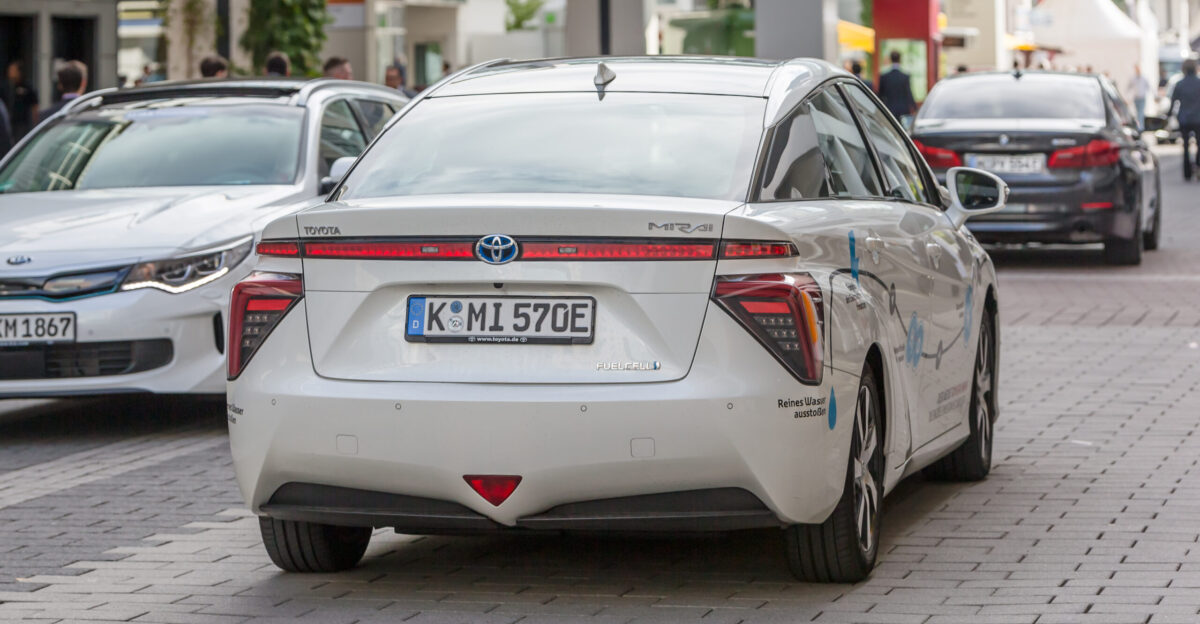
1. Toyota Mirai
California’s hydrogen infrastructure remains deeply problematic. With approximately 50 operational hydrogen stations statewide—well short of the state’s 200-station target—and eight temporarily unavailable, fuel access vanishes beyond Los Angeles or the Bay Area. Toyota Mirai sales plummeted 46% in the first half of 2025, dropping to just 698 units. A class-action lawsuit underscores the practical challenges hydrogen vehicle owners face.
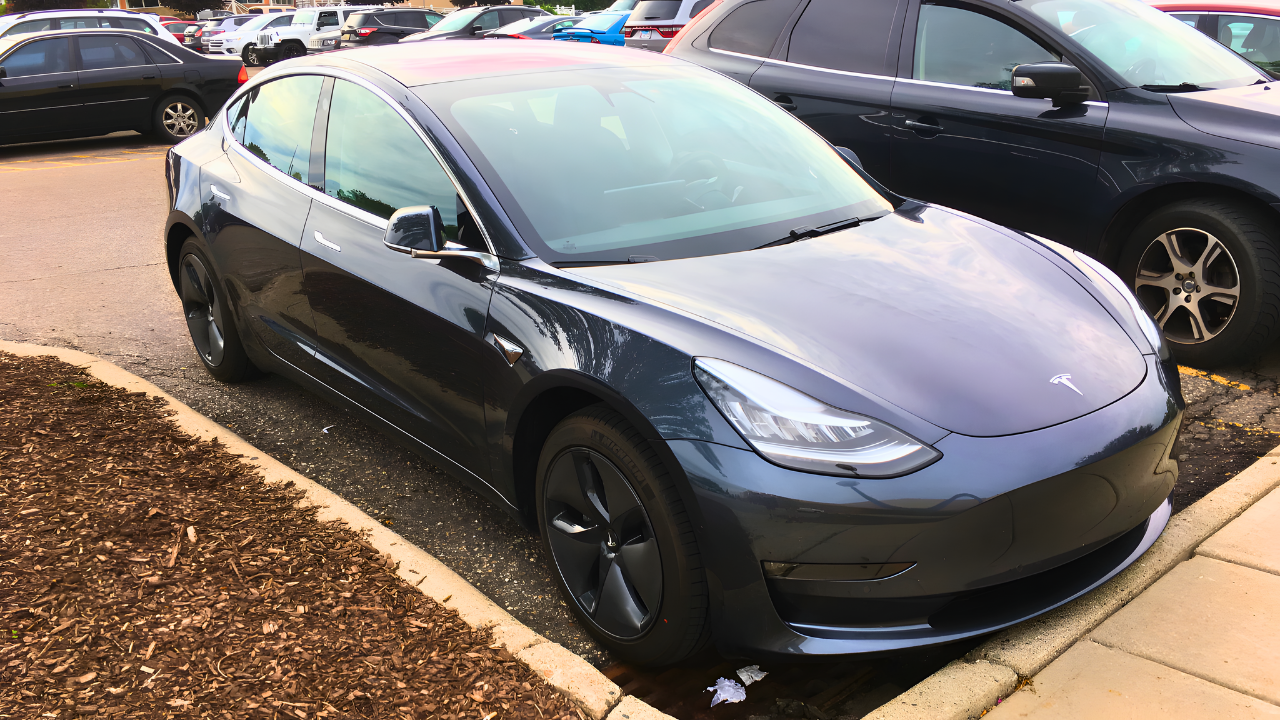
2. Tesla Models 8+ Years Old
Batteries warrantied to 70% capacity after eight years cost $12,000–$25,000 to replace—often matching or exceeding the purchase price of older used units. Multiple industry sources confirm replacement costs in this range, with RepairPal noting “$12,000 to $15,000 for the battery” plus labor, making aging Teslas financially risky.
3. Nissan LEAF 2011–2017
CHAdeMO charging plugs limit charging to 50kW against modern 150+kW CCS standards. While adapters exist, the technology gap creates long-term obsolescence concerns for pre-2018 owners as the charging network increasingly favors CCS connectors.
4. Jeep Renegade 2015–2019
The Fiat-based 2.4L engine faces oil consumption issues, while the nine-speed transmission has documented reliability problems. Multiple recalls affect these model years, and fading Fiat parts support in North America complicates maintenance compared to mainstream competitors.
5. Nissan Ariya 2023–2025
Production ends after just three years, with the model discontinued for the 2026 model year. Early discontinuation typically signals weak market reception and raises concerns about parts availability and dealer service expertise as the vehicle ages.
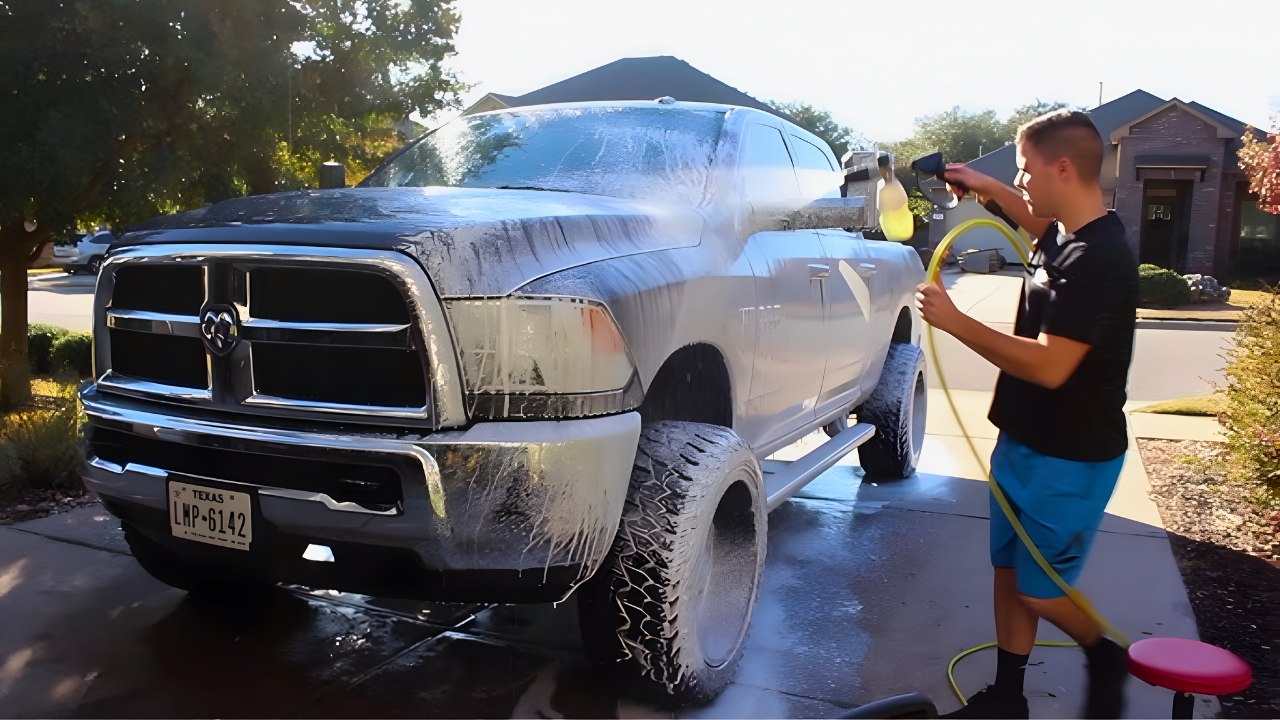
6. Ram 2500
Annual maintenance averages $1,070 according to RepairPal, versus $788 for the Ford F-150. Over five years, this difference adds approximately $1,410 in extra costs. Electrical problems, transmission issues, and engine complaints compound higher dealer service rates.
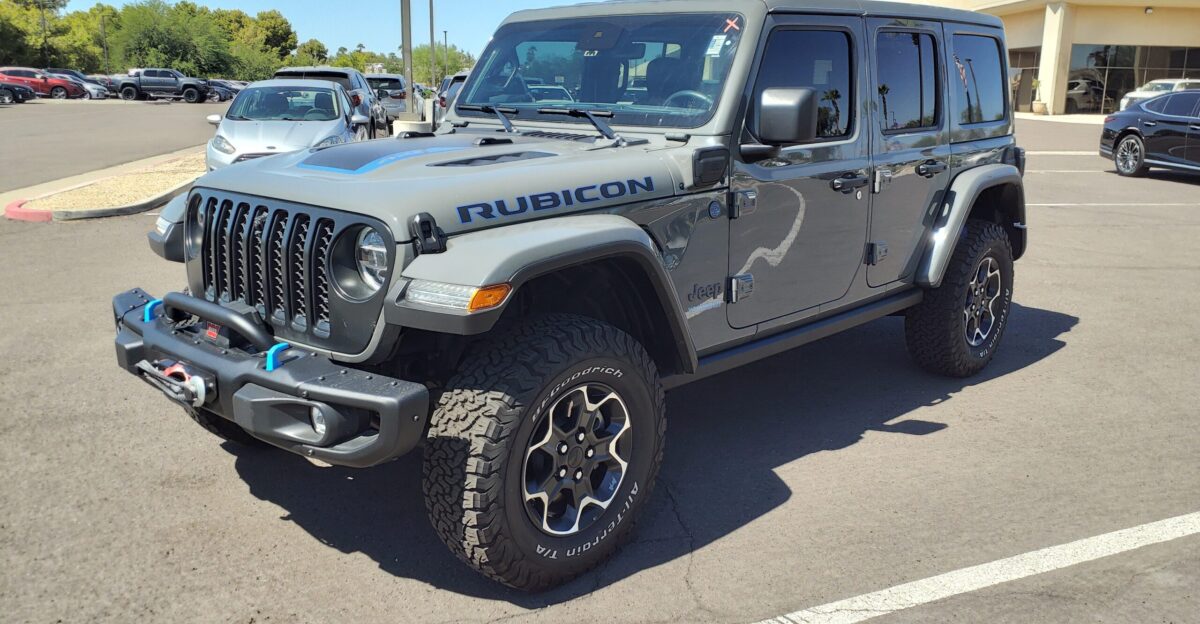
7. Jeep Wrangler 4xe 2023–2025
A 2025 software update disabled hybrid systems in 24,238 vehicles, causing mid-drive power loss. Some owners experienced multiple failures within short distances. While Stellantis issued recall solutions, the software reliability concerns remain a red flag for prospective buyers.
8. Dodge Journey
The 2014 model year drew 396 NHTSA complaints and seven recalls addressing electrical faults, engine stalls, brake caliper failures, and interior wear issues. Long discontinued, parts availability and dealer familiarity continue declining.
9. Nissan Altima 2025
Nissan discontinues its sedan lineup following an 88% operating profit plunge and approximately 20,000 global layoffs. As the company closes seven factories and restructures operations, declining parts support and dealer expertise threaten long-term ownership viability.
Expert Analysis and Safer Alternatives
Rankings weigh financial impact, recall volume, and depreciation using NHTSA, CarEdge, and industry data. Red flags include discontinued production lines, financially distressed manufacturers, unreliable software systems, aging battery technology, and obsolete charging standards.
Recommended alternatives prioritize stability and manufacturer support:
- Instead of Mirai: Toyota Camry Hybrid or plug-in hybrid with established charging infrastructure
- Instead of old LEAF: New 2025+ LEAF models with updated technology
- Instead of Renegade: Toyota RAV4 or Honda CR-V
- Instead of Ram 2500: Ford F-150 for lower maintenance costs
- Instead of Journey: Honda Pilot or Toyota 4Runner
- Instead of Altima: Toyota Camry or Honda Accord
- Avoid: Pre-2018 EVs and plug-in hybrids with documented software issues
Looking Ahead: Stakes for Buyers
These warnings spotlight systemic vulnerabilities in a market squeezed by costs and technology transitions. As EV infrastructure evolves, manufacturers restructure, and software becomes more complex, vigilance through NHTSA checks, total-cost analysis, and research tools like CarEdge and RepairPal equips buyers to sidestep expensive mistakes while securing reliable transportation.
Sources:
“9 Worst Used Cars You Can Buy in 2026, Experts Warn,” Parade Magazine, December 10, 2025
“Used Car Sales Tipped For Further Growth in 2026,” Body Shop Magazine, November 24, 2025
“How Much Does It Cost to Replace a Tesla Battery in 2025?,” EVDances.com, September 11, 2025
“The 2026 Used Car Market Will Challenge Franchise Dealers,” Dave Cantin Group, November 23, 2025
“Nissan Doubles Layoffs to Around 20,000,” CNN Business, May 13, 2025
“2025 Vehicle Depreciation Report: Key Trends and Insights,” Black Book & Fitch Ratings, July 15, 2025