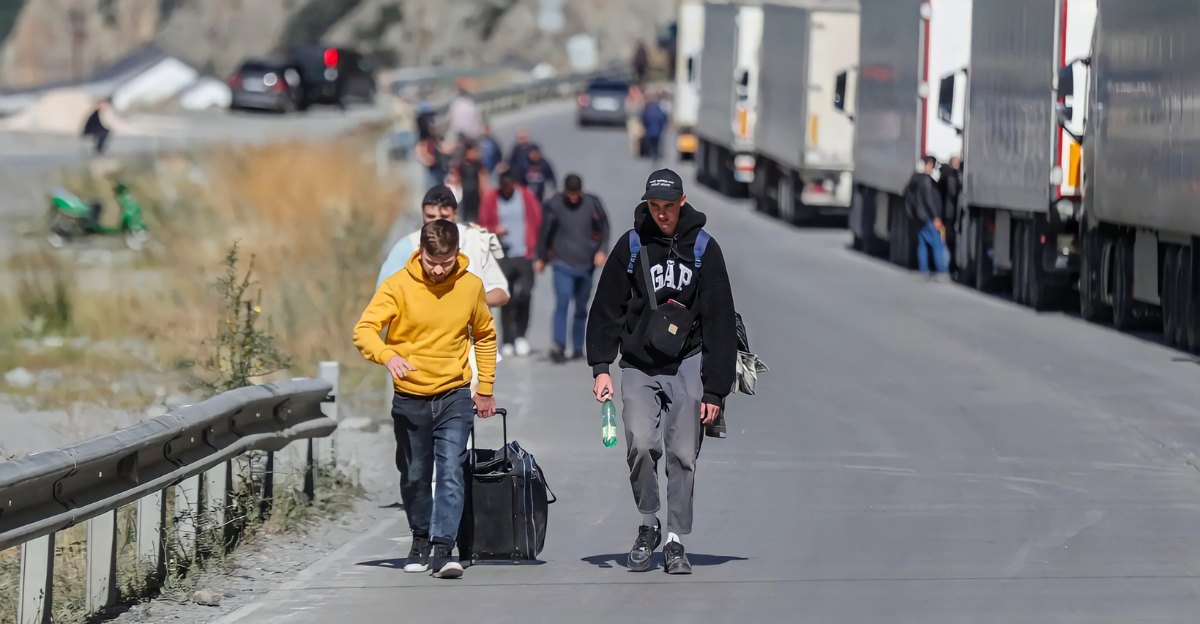
Global tourism is struggling as once-beloved cities famous for their culture, history, or natural beauty grapple with mounting challenges. Geopolitical tensions, rising crime, safety concerns, political unrest, and crumbling infrastructure drive travelers away from iconic landmarks and promising new hotspots. In 2024 and 2025, tourists place less trust in glossy brochures and more weight on real-time travel advisories, unfiltered social media footage, and first-hand accounts.
The result? A steep drop in visitor numbers for some of the world’s most iconic destinations. These nine cities are seeing international tourism plummet, driven by official warnings, hard statistics, and headline-grabbing events that are rewriting the global travel map.
1. Caracas, Venezuela
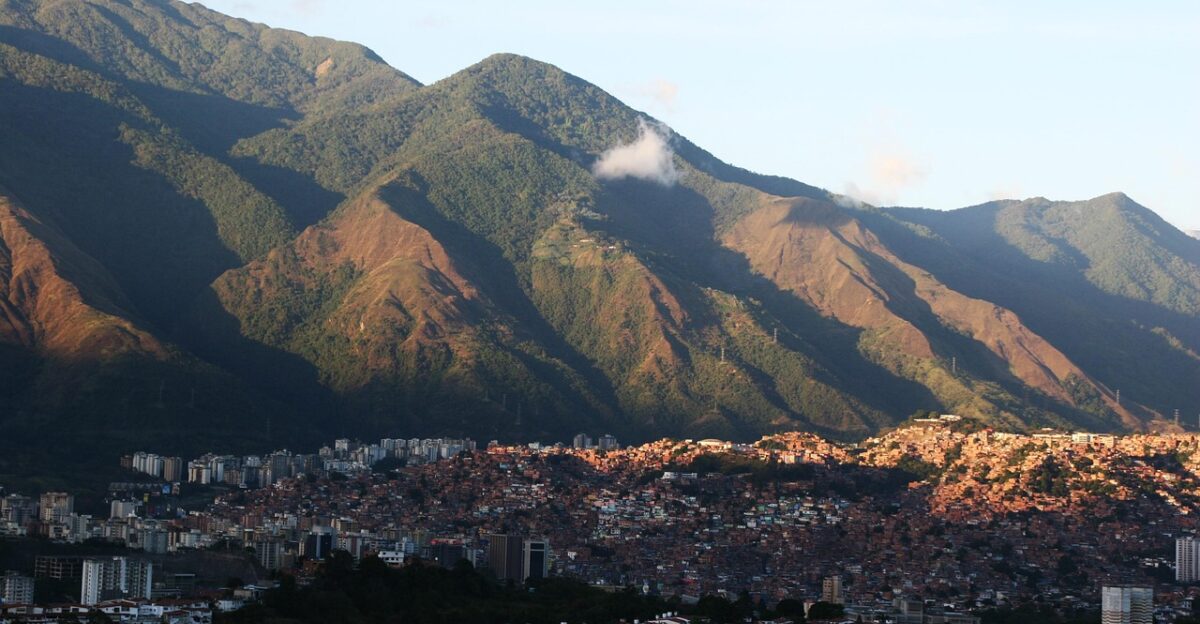
Caracas continues to top lists of the world’s most dangerous cities. In 2025, the U.S. State Department issued a “Level 4: Do Not Travel” warning, citing extreme violent crime, including frequent homicides, armed robberies, abductions, and carjackings. Basic goods, especially medical supplies, are in short supply. Many foreign embassies have pulled out most of their staff, forcing any tourist in trouble to fend for themselves.
Widespread power outages and fuel shortages are common, sometimes stranding travelers. The risk isn’t limited to specific neighborhoods; violent incidents occur even in central, supposedly safe districts, with authorities unable to protect visitors.
A City Deserted by Tourists and Airlines
The impact on tourism is visible at every level – top airlines have suspended almost all routes to Caracas, local tour operators no longer run trips into the city, and even domestic hotels have seen occupancy rates collapse. Recent data confirms Caracas remains among the world’s highest for homicides, and incidence rates for armed assaults and theft grew in 2024.
Social media posts from residents and foreign visitors underline pervasive dangers, showing deserted attractions and police rarely present in tourist areas. Most reputable travel companies have blocked Venezuela from their destination lists, erasing what was once a booming visitor hotspot.
2. Karachi, Pakistan
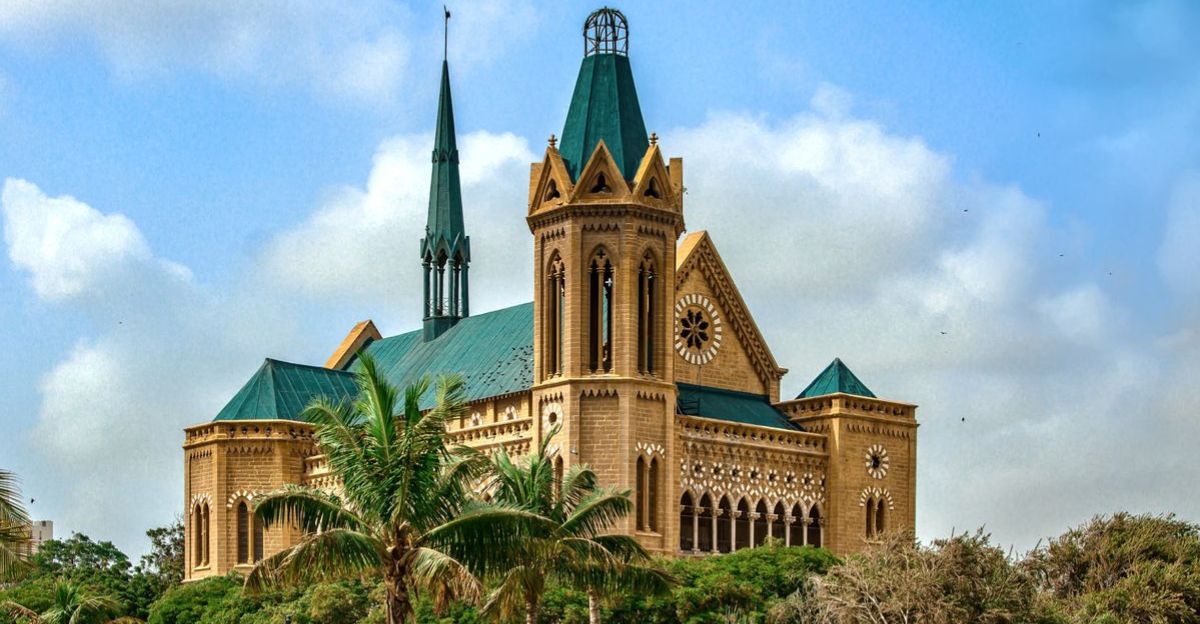
Karachi experienced over 72,000 incidents of street crime in 2024, a startling number even for a megacity. Local journalists and official police records document armed robberies, mobile snatchings, purse-grabbing, and open street violence as daily risks for residents and foreigners.
Non-essential travel is discouraged by foreign advisories – risks include organized crime, terrorism, and kidnapping, with a spate of events near high-end hotels and markets in the last two years.
Roving groups on motorcycles, often armed, are blamed for a large portion of thefts and attacks. Traditional tourism districts and major business centers see police patrols, but public safety remains fragile.
A Shrinking International Presence

Many high-end malls, markets, and hotels that once buzzed with tourists now host mostly locals and tightly screened guests. A wave of high-profile kidnappings and political protests in 2024 resulted in preventative shutdowns of popular areas, while international hotel chains have augmented security and, in some cases, quietly scaled back foreign marketing.
Foreign government warnings focus not only on violent crime and terrorism but also note the inconsistent availability of emergency medical or consular assistance.
In the business district’s ‘red zones,’ protests trigger lockdowns and military patrols, forcing tour operators to halt services across much of the city.
3. Yangon, Myanmar
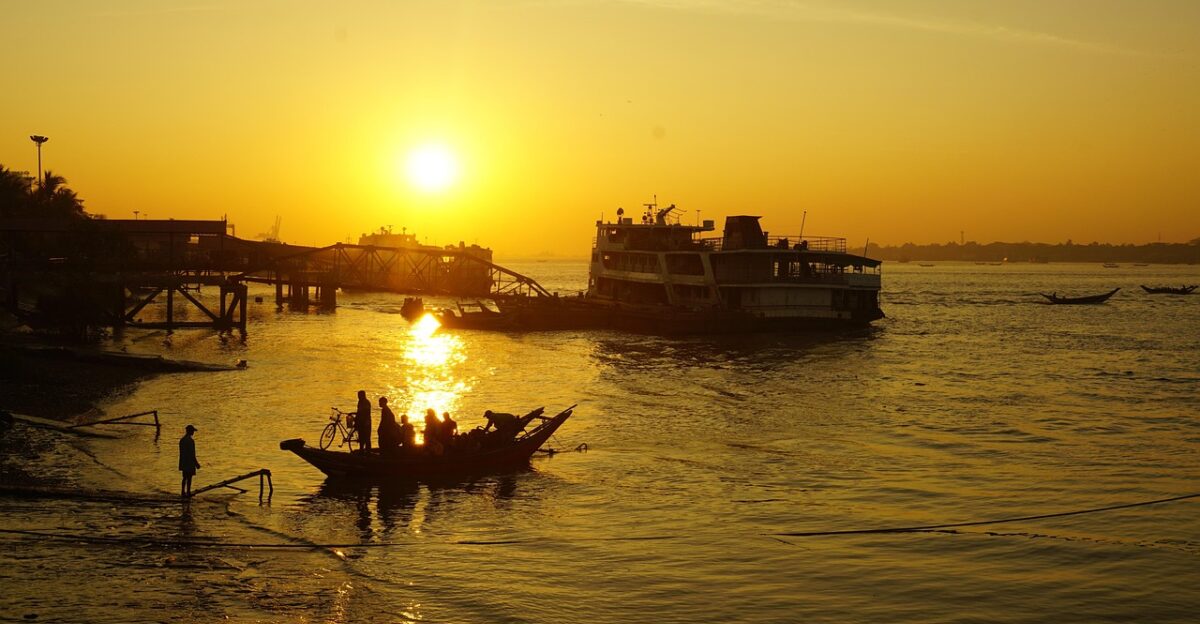
Since the February 2021 military coup, Yangon has been at the heart of nationwide protests, sporadic armed clashes, and widespread instability. The city’s visitor numbers, especially from Western countries, have plummeted since most embassies enforced “Level 4: Do Not Travel” designations.
Mass protests, internet shutdowns, and episodes of martial law have disrupted even daily life, and non-governmental organizations advise almost all foreign nationals to leave.
Human rights activists and locals cite arbitrary detentions, harassment at checkpoints, and sudden bursts of violence as ongoing risks for anyone in the city, with the overall situation showing no signs of stabilizing by mid-2025.
Tourism’s Collapse Amid Escalating Conflict
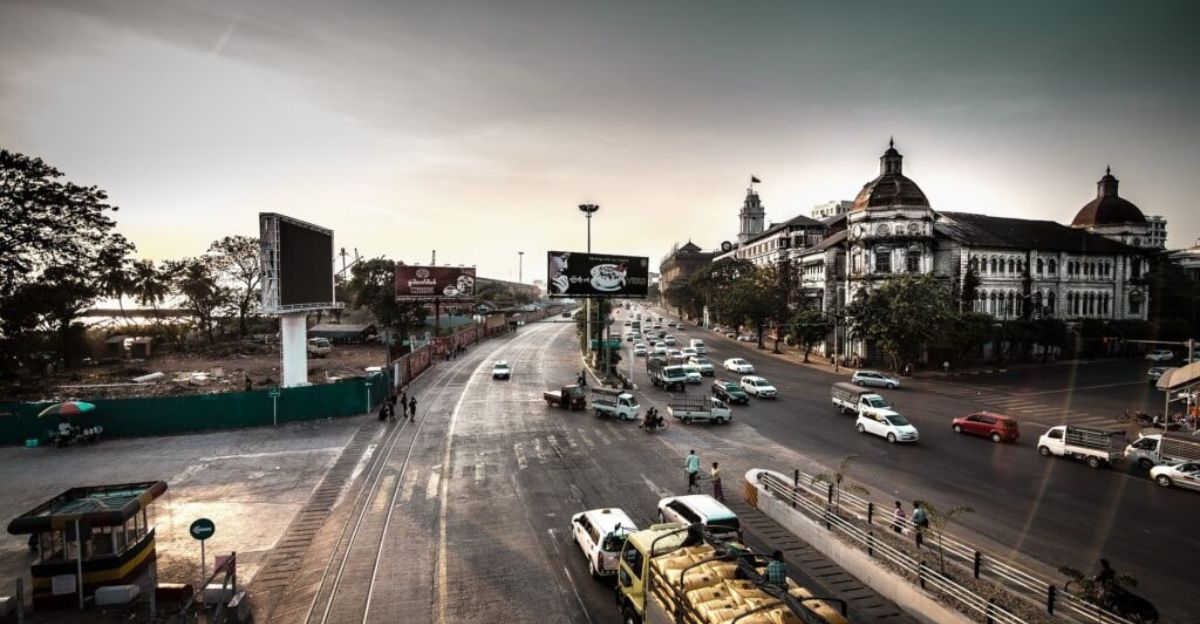
Tour operators have abandoned their city-center walking tours, and international airlines have cut routes, stranding locals and the few remaining visitors. Many previously open temples and markets now operate on reduced hours or remain closed, reflecting ongoing tension.
Interviews with residents broadcast in regional news in early 2025 reflect a sense of isolation and fear that stifles both daily commerce and any prospect of tourism recovery. Even the once-busy backpacker hostels in downtown Yangon, once hubs for Southeast Asia travelers, stand mostly empty as civil conflict drives young people to flee.
4. Lagos, Nigeria
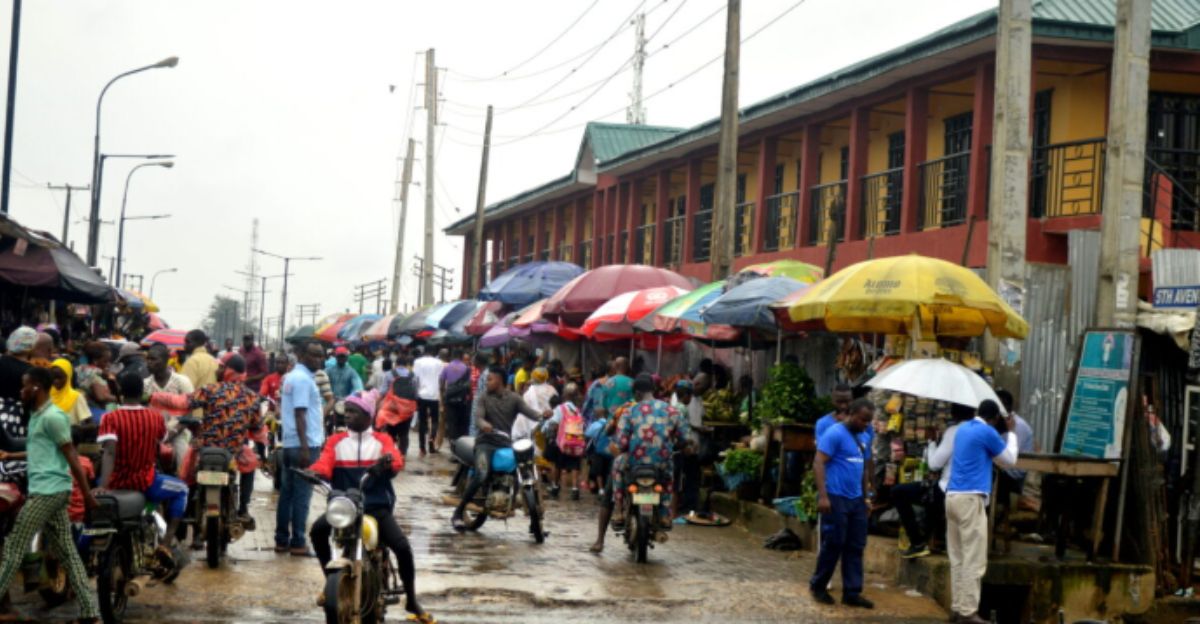
Lagos’s rapid urbanization has been accompanied by an equally dramatic increase in crime, as reported by government and private security agencies. Reliable data shows the crime index hovering around 69 -firmly in “unsafe” territory.
Incidents of armed robbery, kidnapping-for-ransom, extortion, and scams are frequently reported not just in outlying neighborhoods but increasingly in formerly secure city center districts. Security agencies’ crackdowns, including mass arrests in late 2024, have not significantly decreased visitors’ perceived risk.
Tourists are subject to strict movement restrictions in advisories, and even business travelers are now encouraged to minimize their time spent in Lagos.
Declining Confidence for Domestic and Foreign Visitors
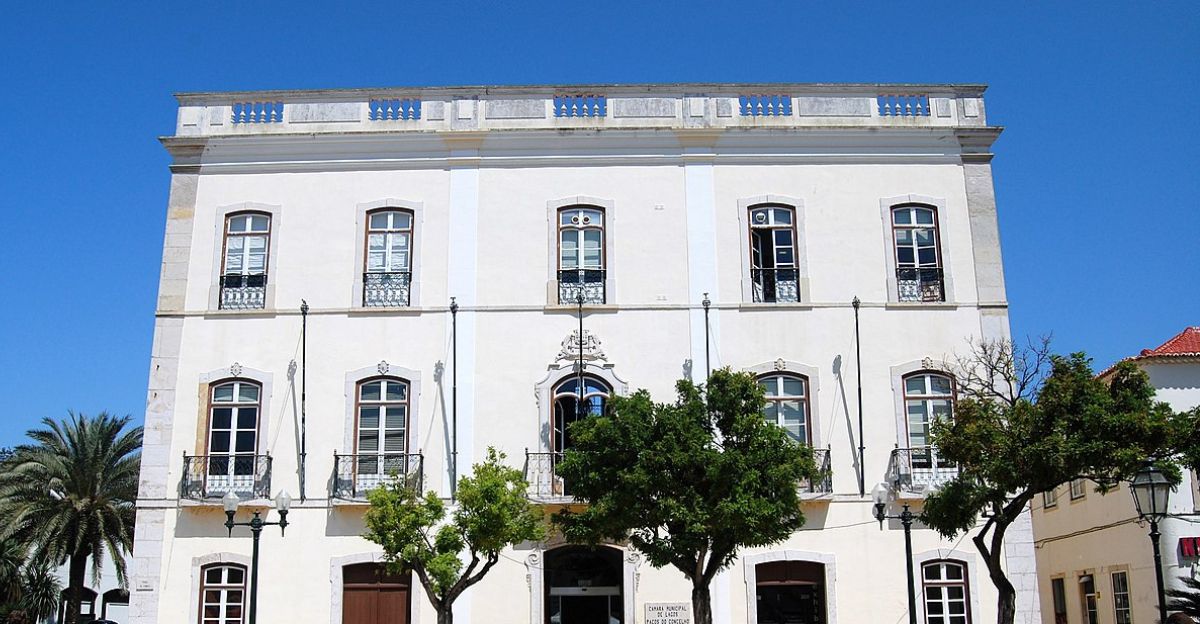
Lagos’s famed beaches, historical districts, and music scene now attract fewer outsiders. In 2024, both the U.S. and UK embassies updated their risk assessments of the city to highlight rising rates of kidnapping and attacks on foreigners.
The local tourism board has shifted focus from international marketing to domestic staycations, as even the Nigerian middle class grows wary of short urban getaways.
In the hospitality sector, hotels are pouring resources into security upgrades, while several foreign corporations point to rising safety costs as a reason for scaling back. The result is a sharp decline in international tourism – hitting local partners especially hard.
5. Cairo, Egypt
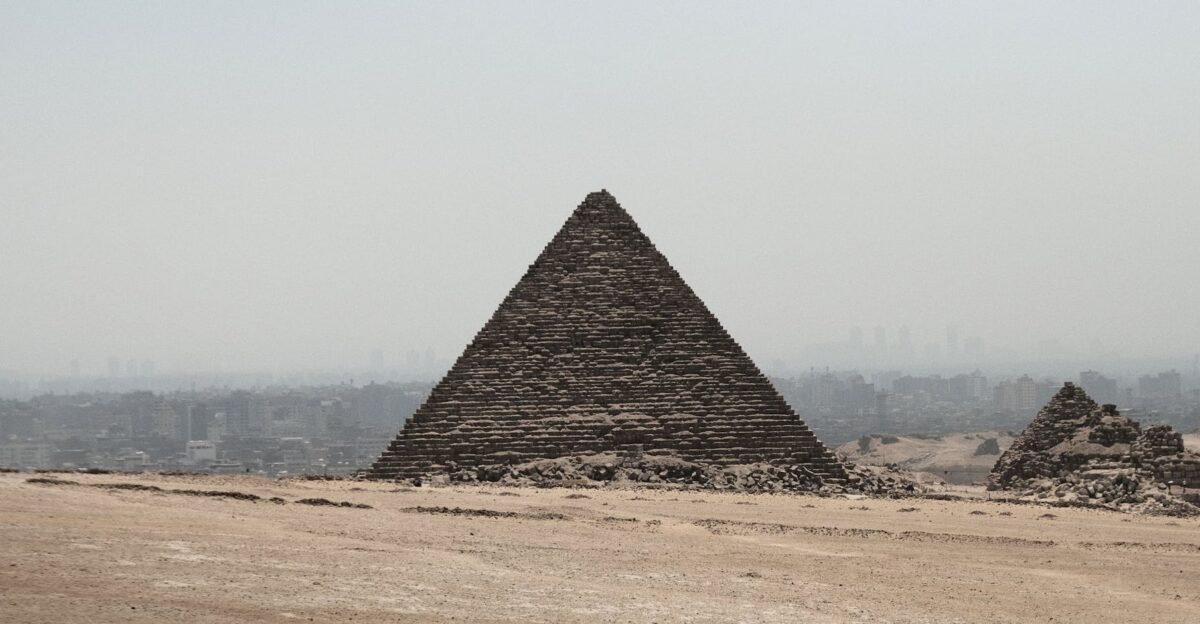
Despite declining rates of violent street crime, Cairo’s modern reality has been shaped by regional security incidents and attacks on law enforcement. In October 2024, a terror incident near a police checkpoint killed multiple officers and underscored the capital’s vulnerability to unpredictable events.
Multiple travel advisories remain in effect, warning about risks in crowded places, major transport hubs, or public squares. Tourists also face risks from opportunistic petty crime like pickpocketing and taxi scams, and the risk level rises when regional conflicts flare up, immediately impacting events and flights.
Security Forces on High Alert, Tourists Stay Away
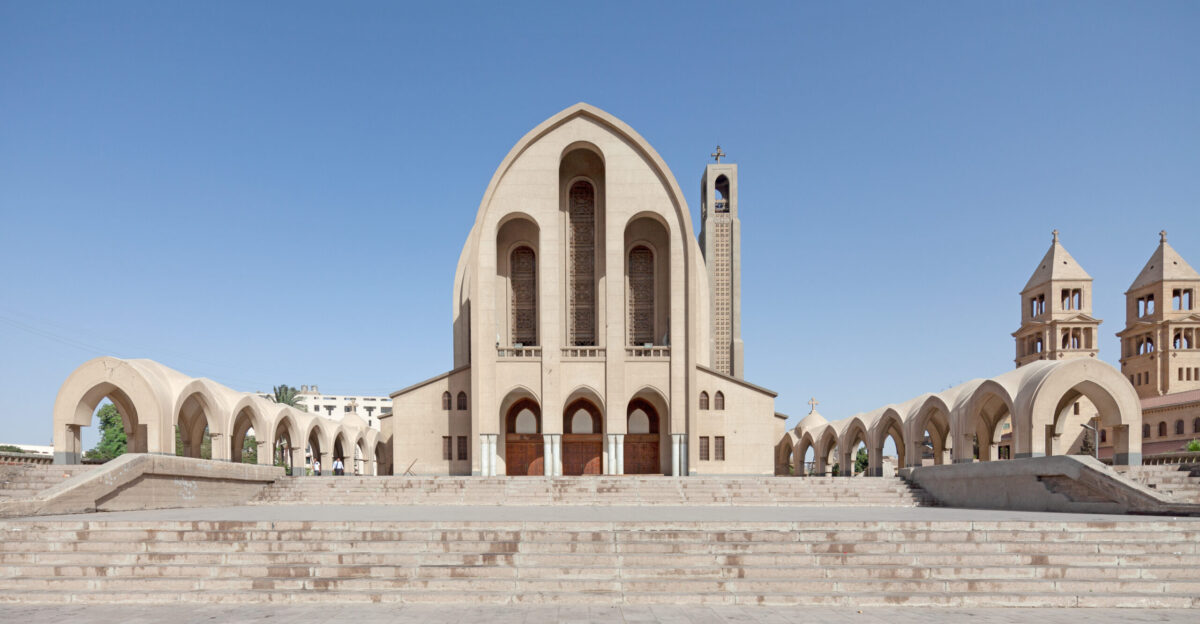
Military and police presence around key sites such as Tahrir Square, the Egyptian Museum, and Giza increased after 2024’s incidents; authorities frequently sweep areas and restrict access in anticipation of protests.
While regional travel demand returned, North American and European group bookings dropped, with several major cruise and land operators suspending Cairo stops. Locals in hospitality report that while independent travel persists, package tours and international conferences have nearly vanished.
The pyramids and other world-class monuments remain open, but global booking sites report declining interest for 2025 compared to previous years.
6. Pietermaritzburg, South Africa
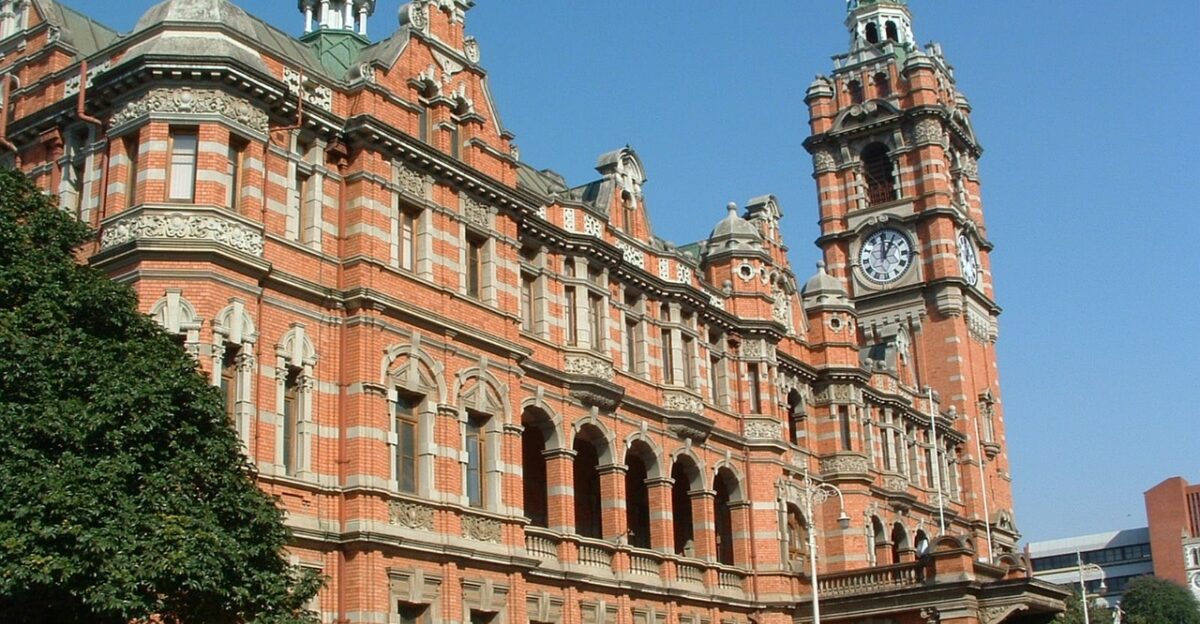
Pietermaritzburg ranked at the top of South Africa’s crime index, confirmed by local law enforcement statistics and international surveys. In 2024, a public report noted violent crime (including armed robbery and rape) at historic highs, with police records indicating ongoing underreporting by victims. Rape cases rose notably – two local police stations were among the five worst for this crime nationwide.
The wider KwaZulu-Natal province, already seen as a “no-go” zone by some travel providers, now features multiple international government advisories warning against urban and rural travel to the region outside escorted tours.
Global Travel Warnings and Local Impact

The fallout has been far-reaching – tour bus arrivals have dwindled, Midlands guesthouses are seeing record-low occupancy, and foreign agents report growing client unease. Frustrated by sluggish police response and stalled prosecutions of repeat offenders, citizens and businesses are increasingly turning to private security..
Travel operators who once ran Midlands adventure or heritage tours now divert clients to other provinces entirely. South African tourism boards have acknowledged Pietermaritzburg’s reputational crisis, launching campaigns to promote alternative destinations while tacitly agreeing that the city is currently off-limits for inexperienced travelers.
7. San Francisco, USA
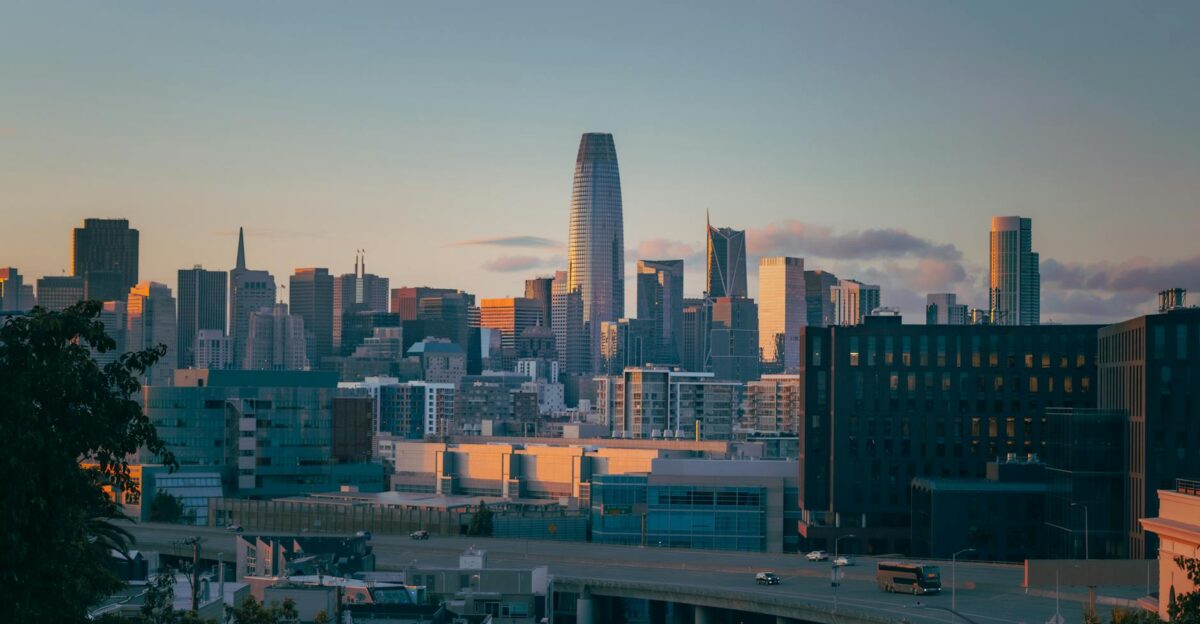
San Francisco faces a tourism crossroads: While 2024 data showed 23 million visitors, hotel occupancy and spending from international guests are still below pre-pandemic and even 2023 levels. In 2025, projections suggest hotel occupancy will reach just 64.4%, far below previous norms.
Travel spending, especially from overseas markets like the UK and Germany, is notably lower, directly impacting luxury hotels, city tours, and retail.
Several convention hubs now compete fiercely for bookings, and perceptions of public disorder, drug use, and property crime continue to fuel negative headlines and visitor caution both domestically and abroad.
Safety Perception and Economic Ripples

San Francisco’s so-called ‘Trump Slump,’ coupled with global safety concerns, has sharply influenced international travel agencies to steer clients away from extended stays. The closure of several downtown hotels and businesses, along with steep discounts at major chains, underscores the city’s ongoing struggles.
Some districts like Union Square are reporting vacancy rates above 12%. Many local business and city leaders emphasize that most visitors never experience significant harm, but negative perceptions prove far more tenacious than individual crime statistics suggest.
8. Chicago, USA
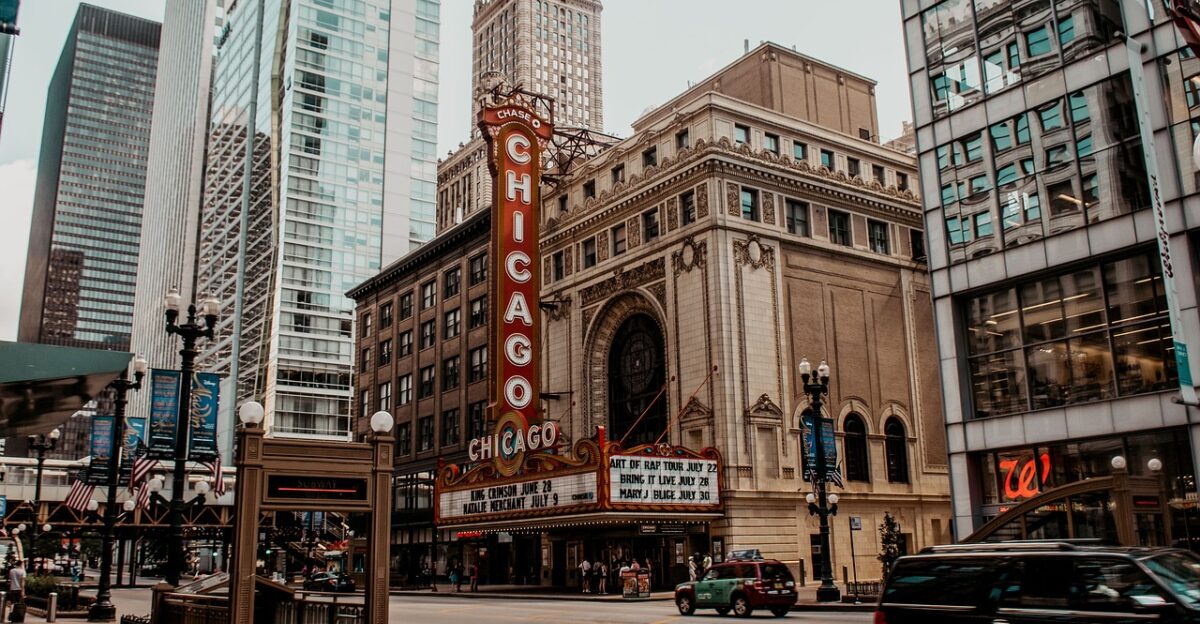
Chicago officially celebrated a record 55.3 million visitors in 2024, but this statistic hides a significant decline in international and business travel through early 2025. Tensions between the U.S. and Canada – Chicago’s top inbound international source – led to millions of dollars in cancellations after new border constraints were enacted.
Major tour operators such as Globus suspended city tours in early 2025. Hoteliers and restaurateurs report lower average spend per visitor, and convention organizers voice concern over political tensions and high-profile property crime incidents deterring international delegates.
An Uneven Picture for Tourism Recovery
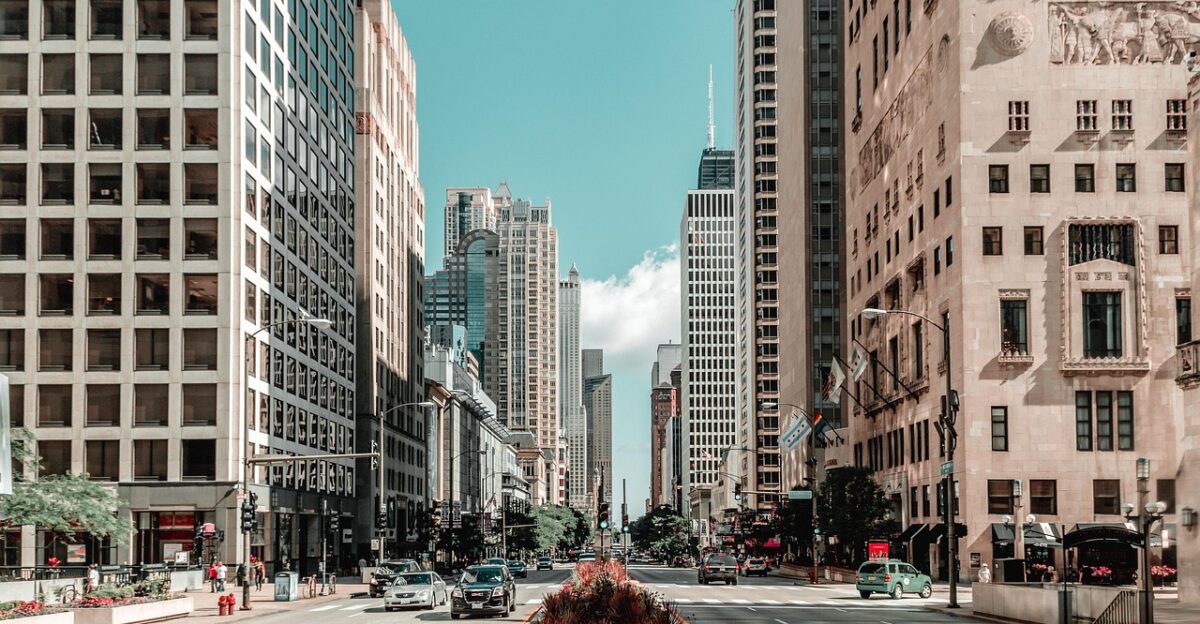
Business and event travel surged in 2024 for domestic audiences, with headline events drawing huge crowds. However, repeated travel advisories cite concerns about theft and “smash-and-grab” robberies around the Magnificent Mile and tourist-frequented areas.
Local leaders have pledged extra police presence and city cleanup efforts, but departures by international meeting planners and cancelled international events underline unresolved confidence issues.
Many observers wonder whether Chicago’s uneven recovery can be sustained or if 2024’s new record will prove a one-off amidst broader global tourism shifts.
9. Portland, USA
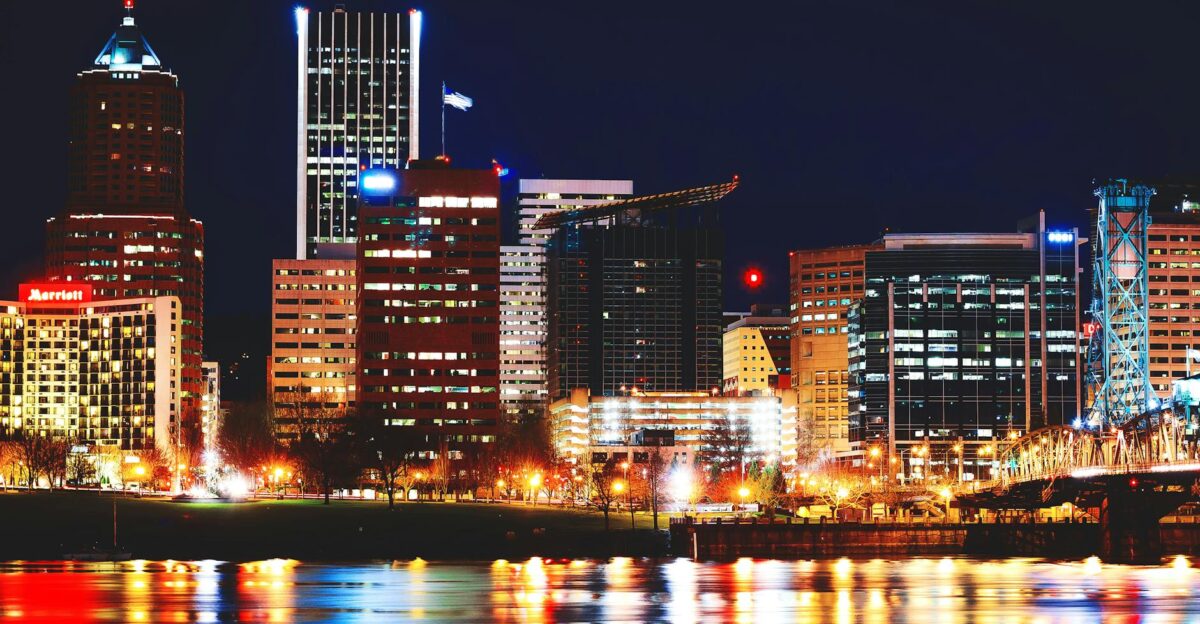
Five years after COVID, Portland’s travel recovery is the slowest among major West Coast destinations. In 2024, downtown hotel room sales lagged by over 400,000 compared with 2019. Despite optimistic official statements, local reports point to persistent challenges – rising shop closures, safety concerns, and a visible homeless population that frequently fuels viral social media debates.
While foot traffic in some central neighborhoods is up by 3%, local business groups and the tourism industry acknowledge that negative perceptions – fair or not – derail sustained international traveler growth and even regional conferences.
Patchwork Progress and Deep-Rooted Problems
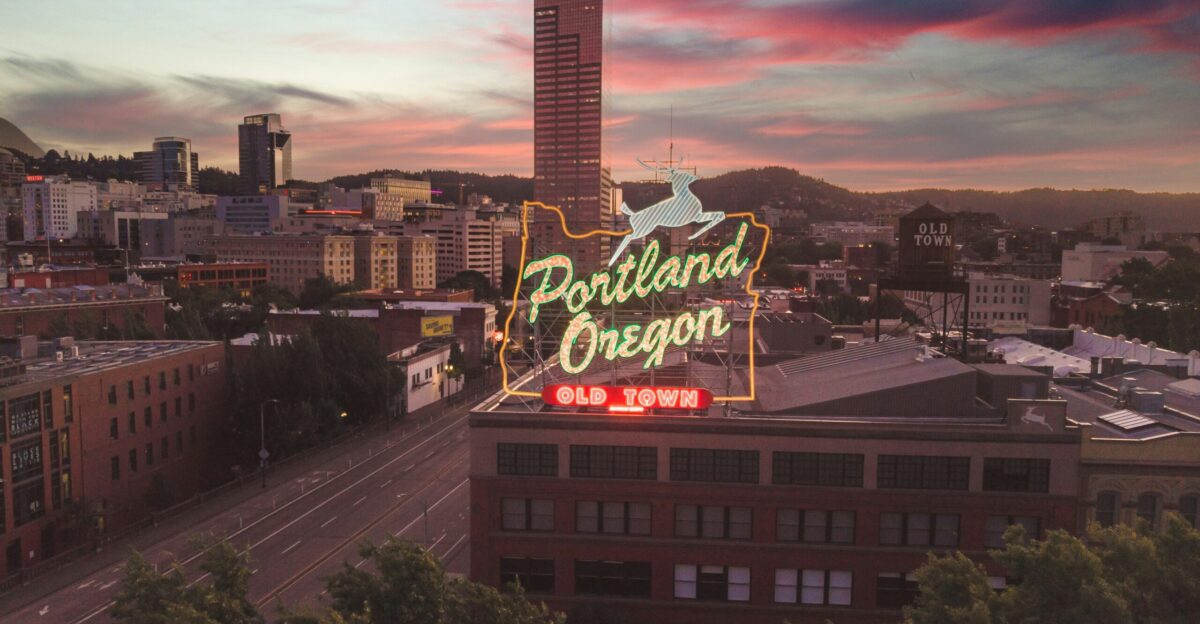
Spring 2024 saw a bounce in city-center business activity coinciding with festivals and sporting events, but most hospitality insiders deem the overall recovery fragile. Several meetings and convention planners, especially international groups, remain hesitant, and some significant events have relocated to suburbs or nearby cities.
Civic leaders and businesses have launched coordinated campaigns to boost public safety and fund downtown improvements, but shifting national headlines and timing disruptions from public infrastructure projects challenge positive messaging.
Until visible change aligns with security assurances, Portland will unlikely regain its former status as a must-see West Coast city.
A Global Call to Action for Urban Tourism

These nine cities illustrate a stark reality … tourism is not immune to social, political, or economic shocks. As travelers gravitate toward safety, stability, and positive experiences, cities struggling with crime, unrest, or declining public order are experiencing historic drops in international arrivals.
The 2024–2025 downturn is a wake-up call for city leaders and tourism officials. Branding and marketing campaigns have a limited effect without meaningful change in underlying conditions.
For travelers, thorough research and up-to-date advisories are now non‑negotiable. For policymakers, the urgency to rebuild trust and ensure safety has never been greater if the city hopes to spark a tourism rebound.