
Every grocery trip reveals an invisible economic divide. At Walmart, where millions shop weekly, the contrast between financial security and constraint plays out in aisles and at checkouts. Some shoppers move freely, adding items without hesitation. Others calculate totals mentally, replace products when budgets tighten, and time visits to catch clearance markdowns. These patterns expose how economic inequality shapes the most routine aspects of daily life.
The Arithmetic of Necessity
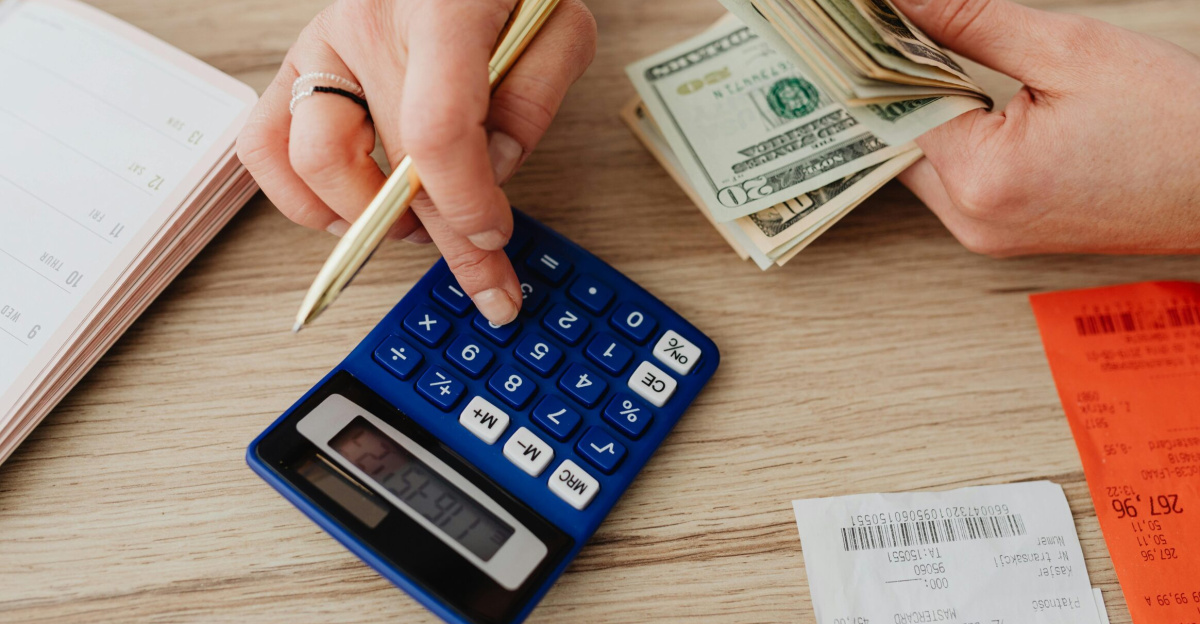
Budget-conscious shoppers practice constant mental mathematics. Before reaching the register, they round up prices, estimate tax, and maintain safety margins to avoid checkout embarrassment. Years of financial pressure sharpen these skills into automatic calculations. Research confirms that households managing tight budgets develop sophisticated tracking systems, refined through experience of living paycheck to paycheck.
Meanwhile, shoppers with financial security load carts without running totals. Surprise at the final amount rarely translates into genuine concern. Nothing gets removed based on price alone. This fundamental difference illustrates how economic stability transforms the shopping experience from stressful vigilance to casual convenience.
Unit price labels receive intense scrutiny from price-conscious buyers who calculate whether bulk sizes truly deliver savings. This mental effort yields meaningful returns—every percentage point matters when budgets stretch thin. The practice demonstrates meticulous attention to detail that struggling households cannot afford to skip.
Wealthier shoppers rarely check unit prices. The mental energy required exceeds the value of saving pennies. They grab middle-sized options and continue shopping, prioritizing time over fractional savings. This behavioral gap accumulates significantly across multiple trips.
Strategic Brand Navigation

Store brands dominate budget-conscious carts after careful experimentation. Great Value products cost 25 to 30 percent less than name brands, delivering substantial savings on cereal, canned goods, and cleaning supplies. Smart shoppers know exactly which substitutions work and reserve name-brand purchases for items where quality genuinely matters—coffee, chocolate, or specific condiments.
This selective approach requires building mental databases through trial and error. Brand flexibility reflects sophisticated consumer thinking rather than simple penny-pinching. Shoppers constantly test products and remember results, turning grocery trips into ongoing value-optimization projects.
Produce aisles highlight another divide. Budget shoppers stick to basics: bananas, potatoes, onions. Expensive items that might spoil represent significant financial risk. Frozen vegetables minimize spoilage risk while delivering equivalent nutrition. Every fresh purchase receives careful consideration.
Wealthy shoppers fill carts with berries, specialty greens, and exotic fruits. Some spoilage feels annoying but financially insignificant. They maintain high tolerance for waste that lower-income households must carefully avoid. Economic buffer capacity fundamentally alters produce-buying behavior.
The Discipline of Planning

Shopping lists function as financial guardrails for budget households. Detailed plans match meals to pantry inventory and available funds. Research indicates unplanned items comprise 20 to 50 percent of grocery spending—a dangerous territory for families where every unplanned purchase threatens financial stability.
Breaking the list feels risky, not merely inconvenient. This strict approach transforms shopping into focused missions where discipline replaces browsing entirely.
Wealthier shoppers browse with general ideas rather than rigid lists. Appealing discoveries enter carts without worry. Unplanned purchases worth thirty dollars represent tiny budget fractions. Shopping becomes exploratory and potentially therapeutic rather than stressful. The difference between “I buy what interests me” and “I buy only what I planned” fundamentally changes the experience.
Timing and Payment Psychology
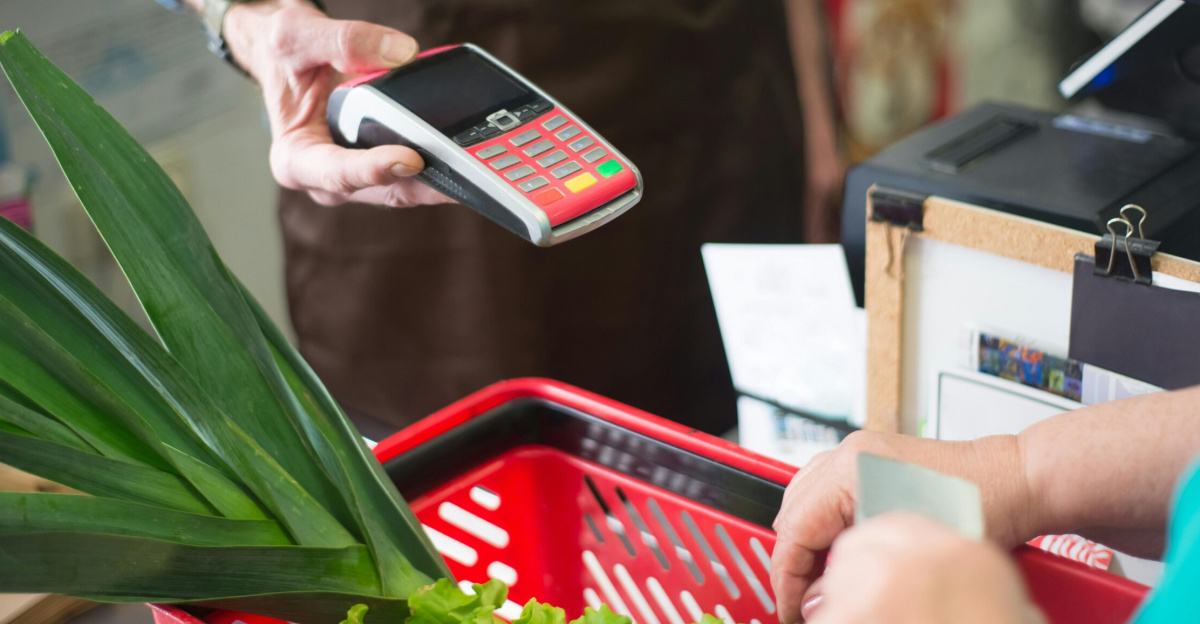
Strategic budget shoppers learn exact markdown schedules for meat and bakery items. Evening visits when clearance stickers appear can save 30 to 75 percent. Arriving at optimal times saves ten to fifteen dollars per trip, accumulating to hundreds annually. This behavior reveals both financial need and shopping sophistication.
Wealthy shoppers visit stores when convenient, ignoring markdown cycles. They purchase full-price meat without checking clearance sections. Time value exceeds modest savings.
Payment methods reveal another psychological dimension. Some budget shoppers use cash to create hard spending limits. Physical currency creates stronger spending awareness than cards. Research proves cash makes expenditures feel more real and painful—a practical tool for struggling households where willpower alone proves insufficient.
Wealthy shoppers prefer cards for convenience and rewards. Spending fifteen to twenty dollars over budget causes no concern. Card flexibility matters more than restrictions. This difference shows how privilege removes the need for physical spending controls.
Forward Implications
These behavioral patterns reveal economic inequality through accumulated small choices at every store visit. Mental arithmetic, strategic brand selection, list adherence, markdown timing, and cash envelopes represent practical survival strategies rather than preferences. Each choice optimizes limited resources because financial constraints demand careful management. Shopping habits expose profound disparities in financial security, demonstrating how economic pressure shapes daily life through routine purchasing decisions.
Sources:
Journal of Consumer Psychology (Hamilton et al., 2019): How Financial Constraints Influence Consumer Behavior; Wharton School, University of Pennsylvania: Unplanned Category Purchase Incidence (Bell, Corsten, Knox)
USDA Economic Research Service: How Low-Income Households Economize on Groceries (2006); Store Formats and Patterns in Household Grocery Purchases (Volpe, 2017); National Household Food Acquisition and Purchase Survey (FoodAPS)
MIT Sloan School of Management and Nature Scientific Reports (Banker and Prelec, 2021): Neural Mechanisms of Credit Card Spending
Federal Reserve System: Diary of Consumer Payment Choice (2024); FedCash Services Consumer Payment Behavior Studies