
The scanner beeps, the total climbs, and a shopper’s eyes flick from the cart to the screen—again. Another item lands on the belt. Another silent decision forms: keep it, swap it, or put it back before anyone notices.
In Walmart, these tiny moments can reveal how someone relates to money right now—whether they treat prices as background noise or as a boundary. But what people do next is where the real signals start to show.
1. Start With a Mild Surprise

Some shoppers keep a running total without meaning to. As items scan, they’re adding in their head, checking the cart against a limit they never announce.
They remember the price of staples, estimate the rest, and quietly decide whether there’s room for one more item.
From the outside, it can look effortless. Inside, it’s constant monitoring. If you do this, it doesn’t mean you’re anxious—it can simply mean you’ve learned to pay attention.
A Habit Born From Risk

Other shoppers wait for the final total because a surprise total is usually just an inconvenience. For someone with a tighter budget, the same surprise can trigger a different moment: putting items back, replanning the week, or feeling watched while making choices at the register.
Over time, the running tally becomes a reflex. It’s a way to reduce risk before the number appears on the screen. The habit can be quiet, but the reason for it often isn’t.
2. Add a Crowd Favorite

Walk behind a budget-conscious shopper and you might notice the same label repeating: Great Value. Cereal, canned goods, cleaning supplies—store brand after store brand. But the interesting part is how selective it can be.
Many shoppers test and compare, learning which store-brand swaps feel identical and which ones don’t. It’s not buying generic blindly. It’s building a personal map of savings that still feels reliable, trip after trip.
The Knowledge Gap

Some shoppers stick to name brands because familiarity feels safer than experimentation. They may not want to spend time comparing labels or risking a purchase they won’t enjoy. When budget pressure is lower, that trade can make sense.
A small difference per item may not feel worth the mental effort. For tighter budgets, those small gaps matter more, so comparison becomes part of the routine. Different economic realities encourage different levels of attention.
3. Highlight Broader Consequences

There’s a tiny number on the shelf edge that many people ignore: the unit price. Some shoppers look at it first, comparing cost per ounce, per count, or per use before they ever pick up the product.
They check whether the bigger size is truly cheaper or just looks like it. This kind of optimization is quiet work done in the aisle.
For shoppers with more cushion, the savings can feel too small to chase. For others, it’s a practical way to keep money from leaking away.
Every Penny Compounds

A few cents saved here and there sounds minor—until it repeats across a full cart, week after week. For people stretching a budget, small optimizations can stack into meaningful savings over time.
That doesn’t mean every unit-price checker is struggling, and it doesn’t mean every person who ignores it is wealthy.
But it can reveal a mindset: minimizing waste, avoiding surprises, and treating each purchase like part of a larger equation. For some shoppers, the shelf label is trivia. For others, it’s a budgeting tool.
4. Include a Controversial Pick

Many shoppers arrive with a list that feels nonnegotiable. They know what they need, have a rough sense of prices, and try to stick to the plan.
The list isn’t just organization—it can be protection. When a budget has little slack, a few impulse items can change the whole total.
Some people browse for fun. Others browse like it’s a trap that slowly fills the cart. If you’ve ever felt your focus narrow the moment you enter the store, you understand why the list can feel sacred.
Freedom Through Constraints

Other shoppers keep a loose mental list and let the aisles decide the rest. Something looks useful, so it goes in. Research suggests higher-income consumers tend to make more impulse purchases than lower-income shoppers.
For some households, that flexibility is harmless. For others, it forces a trade later. A strict list can look restrictive, but it can also create a small kind of freedom: predictability.
It protects the rest of the week from one small detour at the register. The unsettling part is that two shoppers can make the same impulse choice—and feel completely different consequences.
5. Memorable or Unexpected Entry

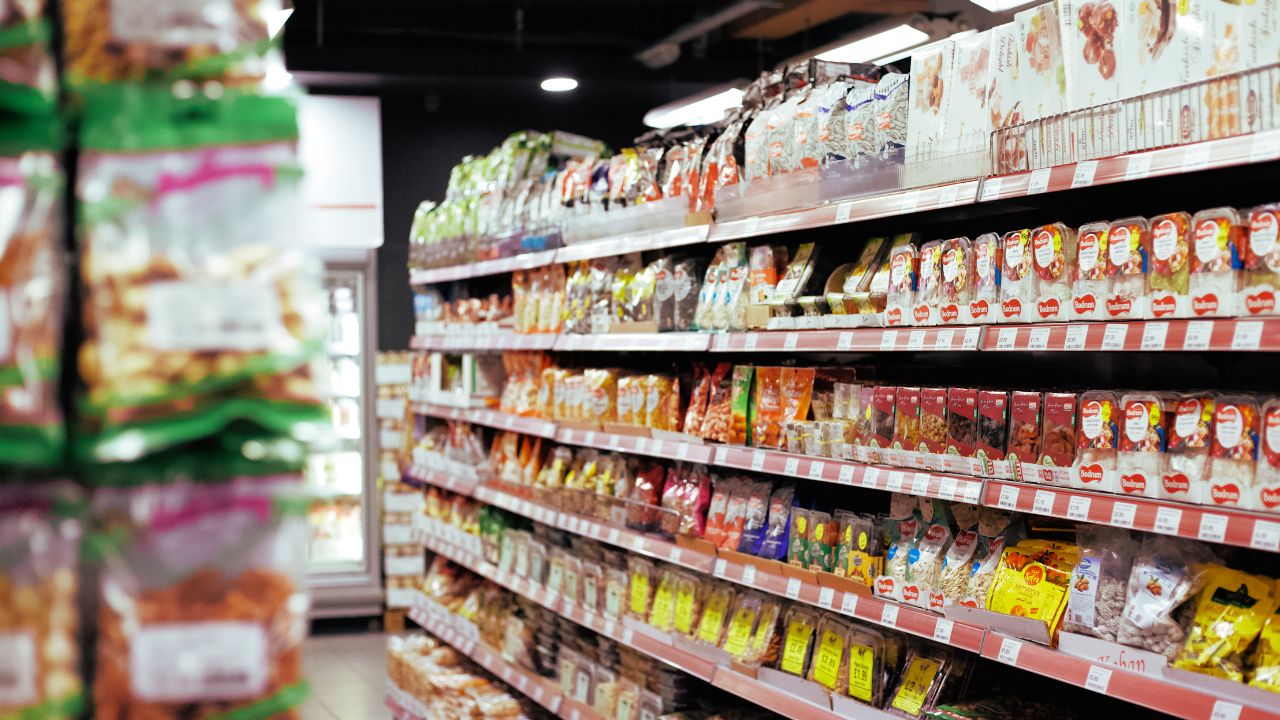
Some shoppers don’t just shop the store—they shop the timing. They learn when their local department tends to mark down meat, when bakery items hit clearance, or when certain shelves quietly rotate discounts.
They remember patterns and return when the odds look better, as their schedule allows. Not everyone can do this, but many try. It can feel like reading a hidden clock no one else sees. To outsiders it looks like normal shopping. The work is invisible, but the savings can feel concrete.
Small Wins, Big Impact
For shoppers with more financial breathing room, timing is often optional. If something is needed today, it gets bought today.
Discounts are nice, but not necessary. For tighter budgets, consistent markdowns can feel like relief, because repeated small savings can add up across many trips.
The point isn’t that everyone should hunt clearance. It’s that some people have learned to treat savings as a system, not a bonus. When money has been tight, you start noticing where a store quietly offers you room to keep going.
6. Heighten the Emotional Stakes
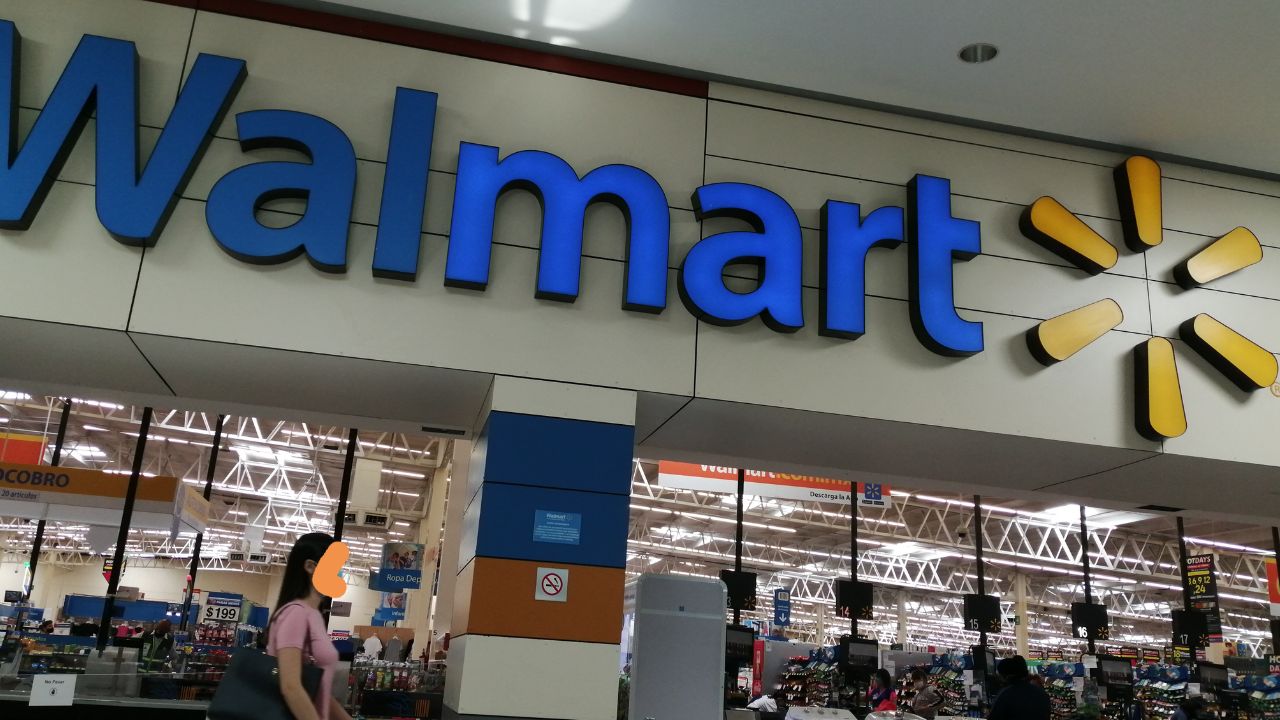
Some budget-conscious shoppers run a circuit instead of a single trip. Walmart for certain staples, Aldi for a few cheaper basics, Target or another local store for a specific item that’s worth the stop—depending on what’s nearby.
It can sound exhausting, because it often is. But when budgets are tight, even modest savings can feel worth the driving and planning. Not everyone has the time, transit, or energy to do this. Still, the habit reveals a different kind of shopping: managing territory, not just aisles.
The Value of Time

Convenience is a currency, and people spend it differently. Some shoppers value time so highly that saving a small amount isn’t worth an extra stop. That doesn’t make them careless—it reflects different priorities and constraints.
For tighter budgets, time still matters, but money pressure can matter more. The same savings that feels minor to one person can feel meaningful to another when repeated week after week.
When you see someone running a circuit, you’re watching a calculation that weighs gas, time, energy, and the fear of coming up short.
7. Introduce Cultural or Historical Context

In the produce aisle, some carts show caution. Shoppers stick to basics they know will get used—items that last longer, stretch further, and feel safer. It isn’t always about taste. It’s about risk.
Highly perishable produce can turn into waste quickly, and waste feels different when money is tight. Something that spoils before it’s eaten isn’t just disappointing; it’s a loss.
So choices become practical, focused on what will reliably feed people instead of what looks exciting in the moment.
The Waste Equation

Other shoppers buy whatever looks appealing and accept that some will go bad. That’s a normal trade for variety and convenience. Studies show higher-income households tend to waste more food annually than lower-income households.
But when budgets are stretched, waste can feel like a threat. The produce aisle stops being about trying new things and becomes about choosing what will actually get eaten.
It’s not that anyone wants fewer options. It’s that some people can’t afford the experiment. If you’ve ever watched a container of fruit spoil untouched, you know the feeling: it isn’t just guilt—it’s math.
8. Physical Money Control
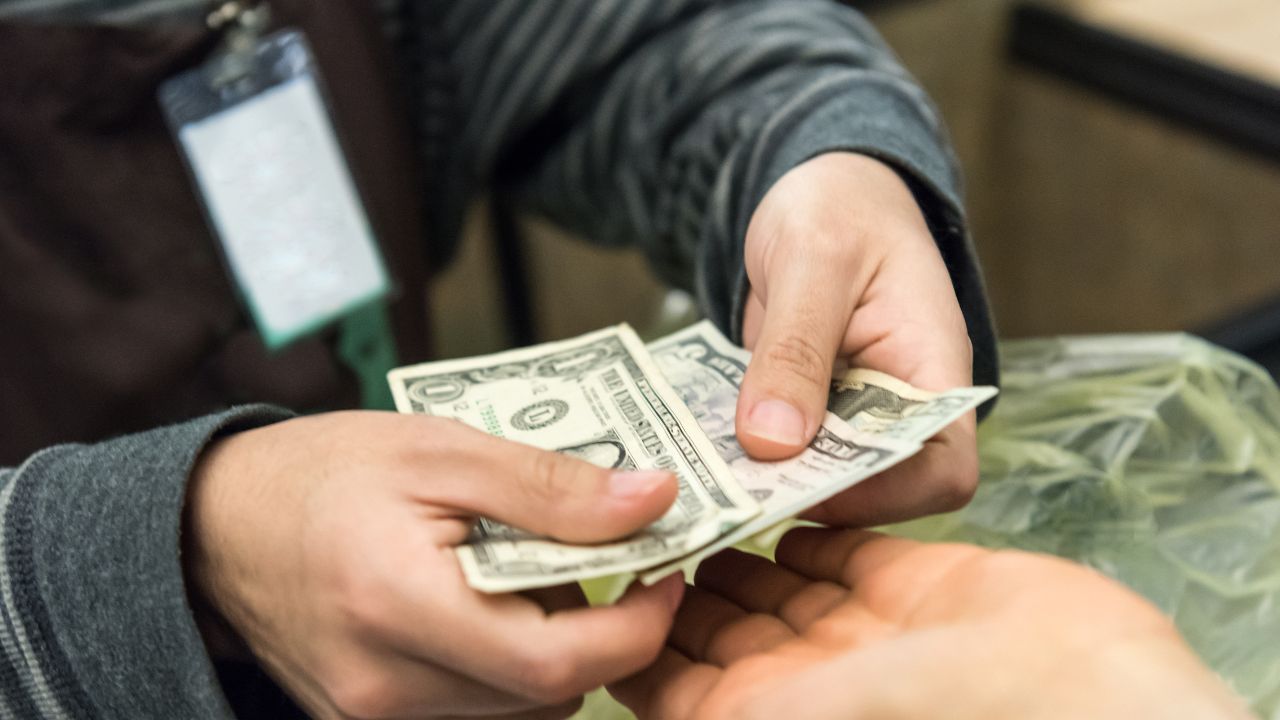
Some shoppers use cash on purpose. Not because they don’t understand cards, but because cash enforces hard limits: you can only spend what you brought. Research shows people with tighter budgets often attach particular value to cash as a monitoring and budgeting tool.
For someone trying to stay within strict boundaries, that physical edge can feel safer than the flexible blur of a card. Cards make it easier to drift, even slightly, when something tempting appears.
Cash is heavier, more visible, more final. This doesn’t automatically signal struggle. But it can reflect how carefully someone prefers to control risk in the aisle.
When Flexibility Is a Luxury
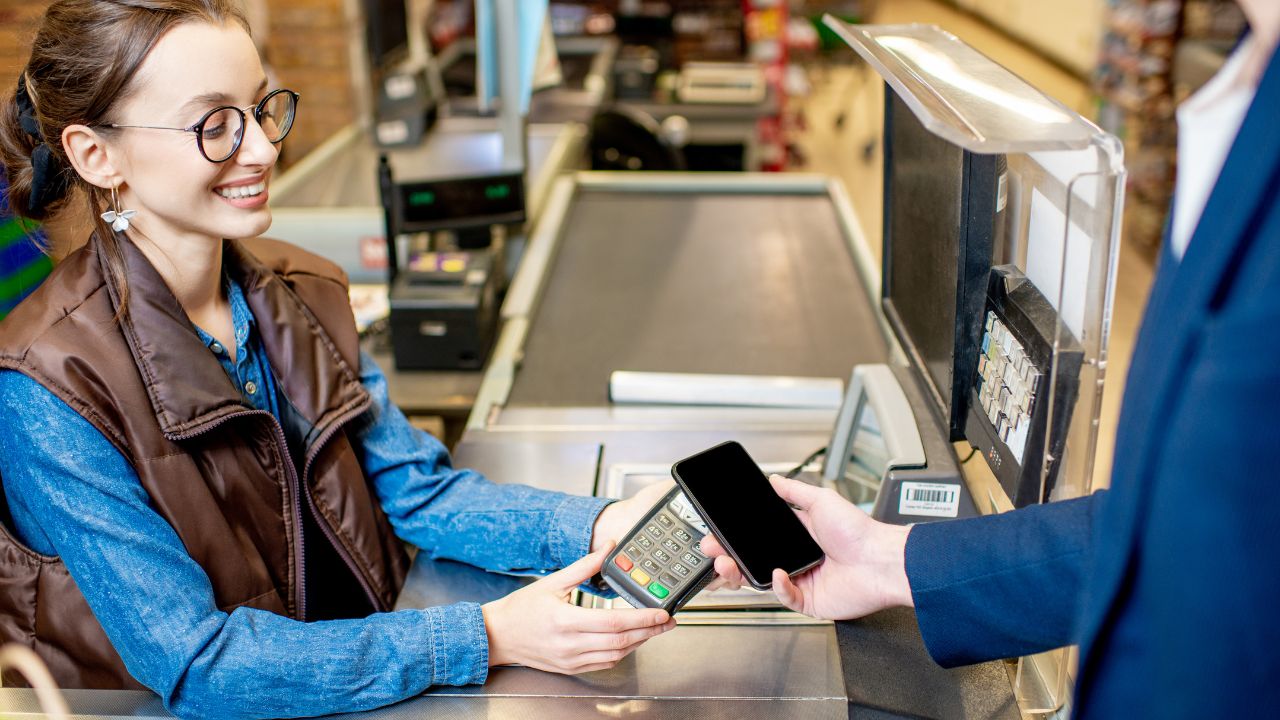
For shoppers with more cushion, small overspending usually stays small. An extra amount at checkout is inconvenient, not destabilizing. For tighter budgets, the same extra can create a chain reaction—forcing cuts elsewhere or reshaping the week.
That’s why cash can feel protective, and why card convenience can look like privilege from the outside. The unsettling part is that two people can buy similar items and experience different stakes. One shrugs. The other recalculates. It’s not about discipline. It’s about how much margin exists after the total clears.
9. Patience as Strategy
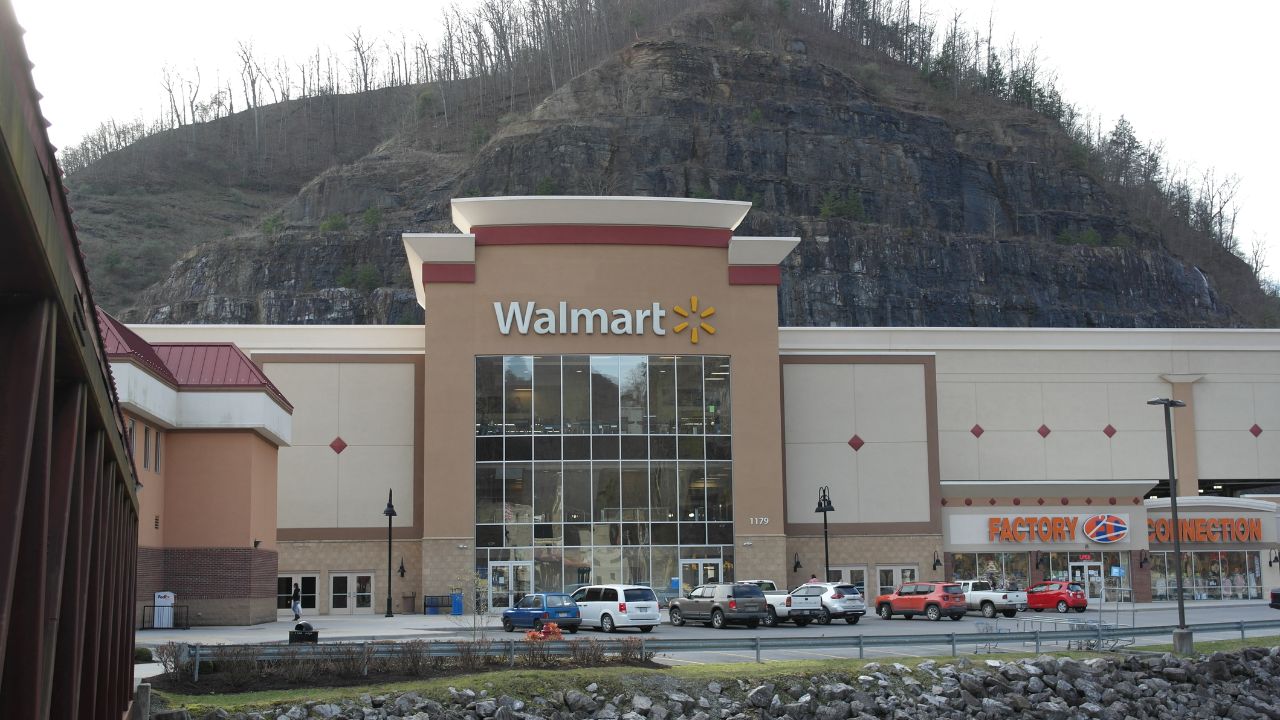
Many budget-conscious shoppers wait for rollbacks or clearance before buying nonessentials: clothes, home goods, and small extras that can wait. They watch for tags, seasonal resets, and discounts when they can.
They don’t track perfectly, but the mindset is steady—full price can feel avoidable when patience often leads to savings. This doesn’t mean everyone who buys full price is wealthy, and it doesn’t mean everyone who waits is struggling.
It means some people have learned patience as a financial tool—and they practice it in plain sight.
The Compound Effect
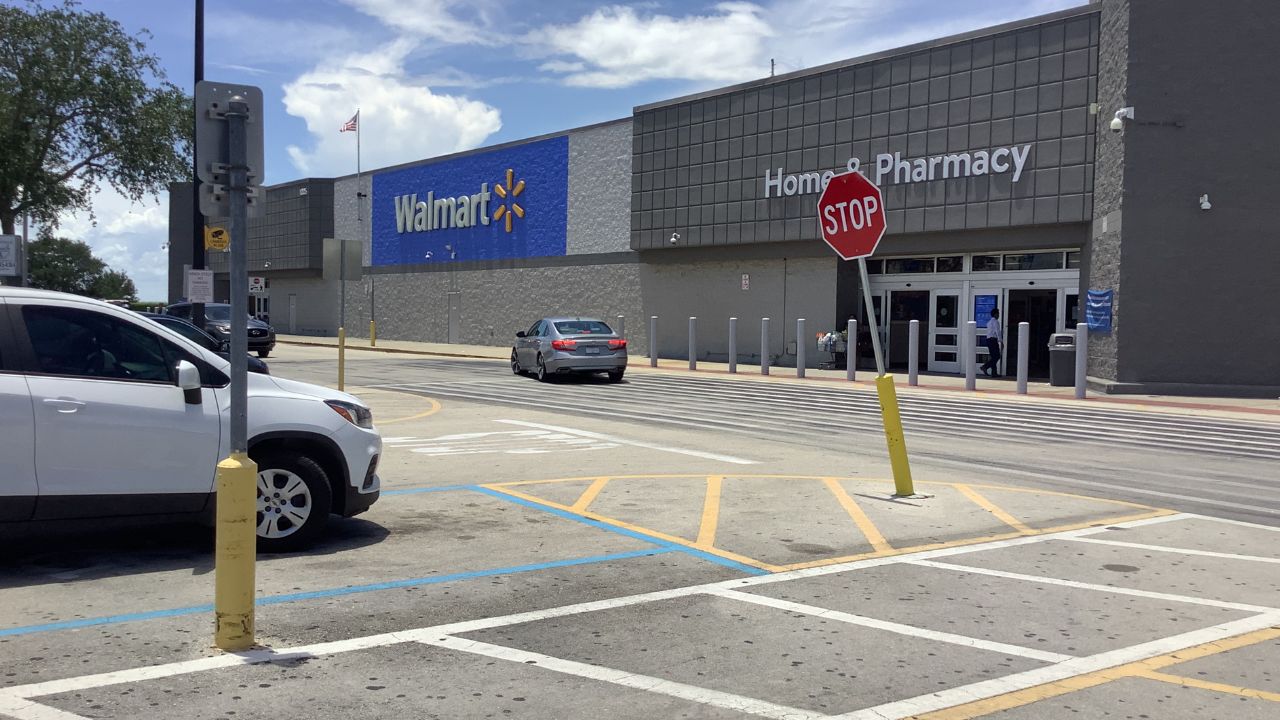
Shoppers with more buffer often buy items when they want them because waiting may not feel worth the attention. For other shoppers, repeated small savings can accumulate over time.
When you combine rollback patience with markdown timing, unit-price checks, careful lists, and store-brand knowledge, the effect can stack. These habits don’t live alone—they reinforce each other.
What looks like preference can sometimes be a system built to protect a budget with little margin. The eerie part is how normal it looks to everyone else: just another cart, quietly optimized.
What Your Cart Reveals About You

None of these habits are proof. They’re signals, and signals can mislead. People shop this way for many reasons, including personality, upbringing, and preference. Still, money pressure often shapes behavior in quiet, repeatable patterns.
When budgets are tight, shopping becomes planning, math, and risk control. When budgets are looser, shopping can feel more relaxed. Neither approach is morally better. But your cart can hint at your relationship with money. Next time you shop, notice what you do without thinking.
Sources:
“Consumer Expenditure Patterns — 2025 Data.” U.S. Bureau of Labor Statistics, Dec 2025.
“Low-Income Households Are Cutting Back and Shopping More Strategically, Walmart Says.” CNBC, 20 Nov 2025.
“Food Waste Linked to Income Levels, Study Finds.” Journal of Consumer Research, 2024.
“Cash Use Persists Among Lower-Income and Budget-Conscious Shoppers.” Federal Reserve Bank of Atlanta, 2025.