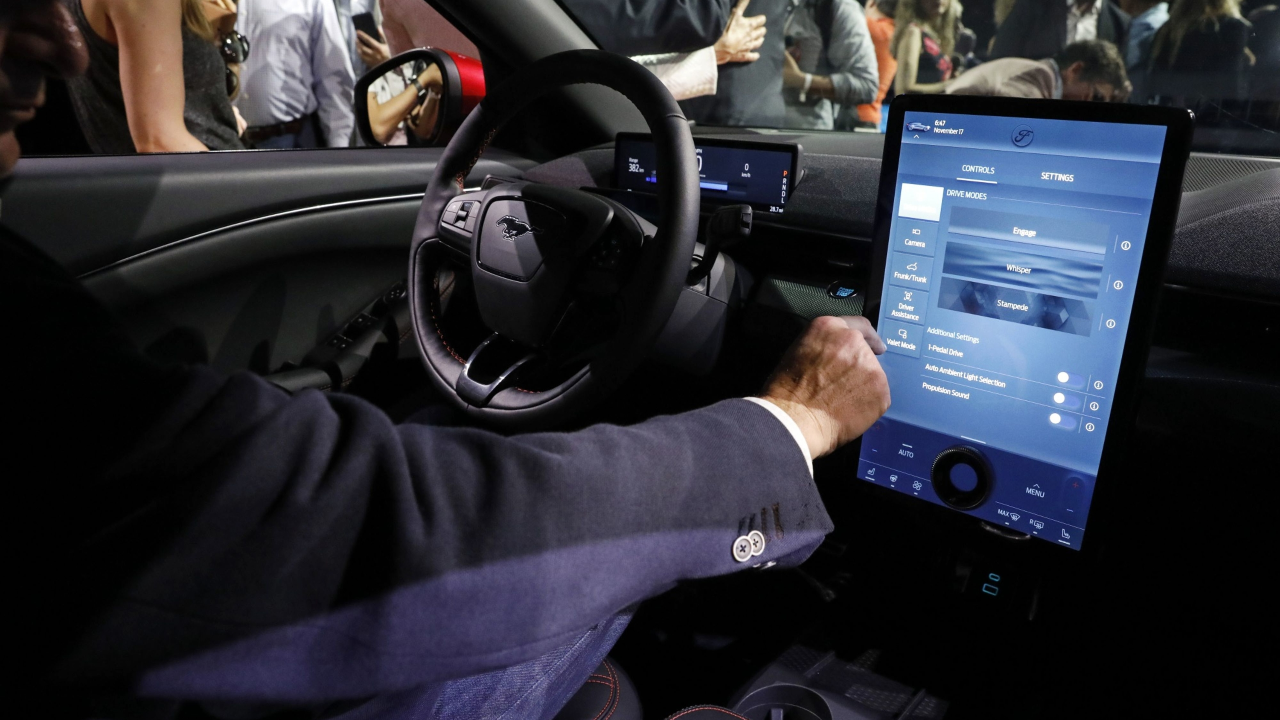
Touchscreens in cars seemed like the future. They promised sleek, minimalist interiors and cutting-edge technology. But in a stunning reversal, some of the world’s most iconic automakers are ripping them out. Instead of high-tech screens, they’re bringing back physical buttons—buttons that drivers can feel and trust.
The question on everyone’s mind: Why are companies abandoning a design trend that once promised to revolutionize driving? The answer isn’t simple. It’s a mix of safety concerns, real-world driving challenges, and a shift in consumer demand that’s forcing this drastic change. What triggered this bold decision? Keep reading to find out.
A Quiet Revolution in Car Interiors
Luxury and mainstream car brands alike—Mercedes-Benz, Volkswagen, and Hyundai—are ditching touchscreens in favor of physical controls. This isn’t simply a retrograde move; it’s a response to real consumer feedback.
Drivers are exhausted by the overwhelming complexity of touchscreen interfaces and are demanding a return to simpler, safer driving experiences. The industry is responding with a new blend of technology and tradition.
1. The Hidden Dangers of Touchscreens
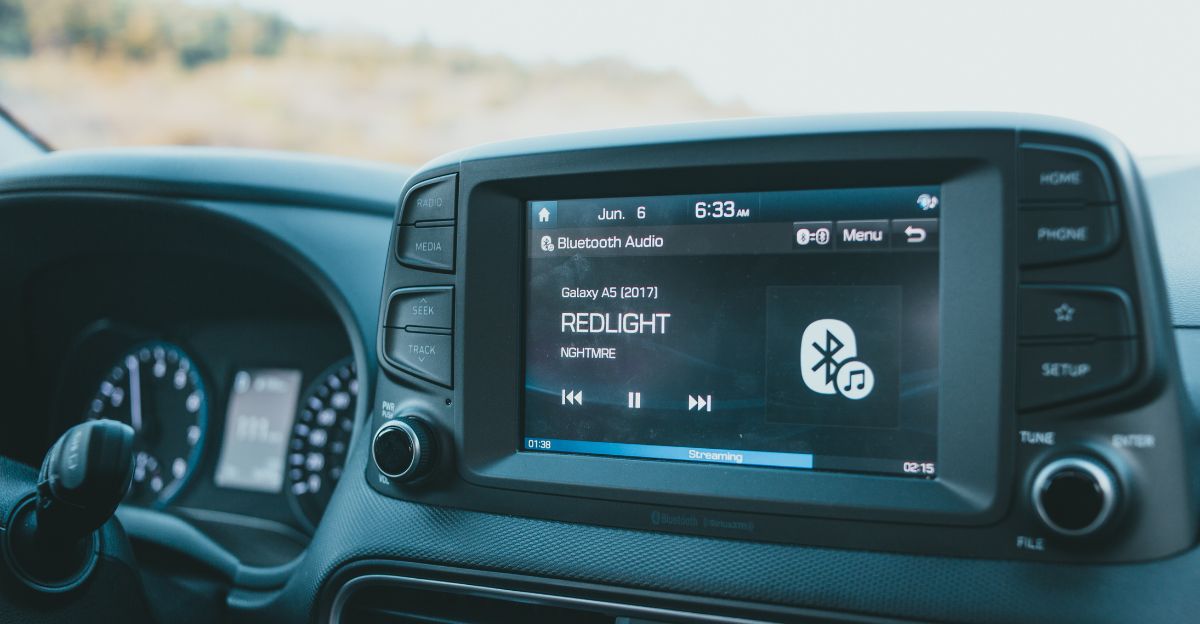
Touchscreens, while visually impressive, are a driving hazard. Unlike physical buttons that you can feel and operate without looking, touchscreens require visual confirmation with every interaction. This distraction can make the difference between a safe drive and a dangerous accident.
Studies show that using touchscreens while driving causes a delay in reaction time—research by the Transport Research Laboratory found reaction times were up to 57% slower, which is worse than driving under the influence of alcohol.
Research Unveils the Truth
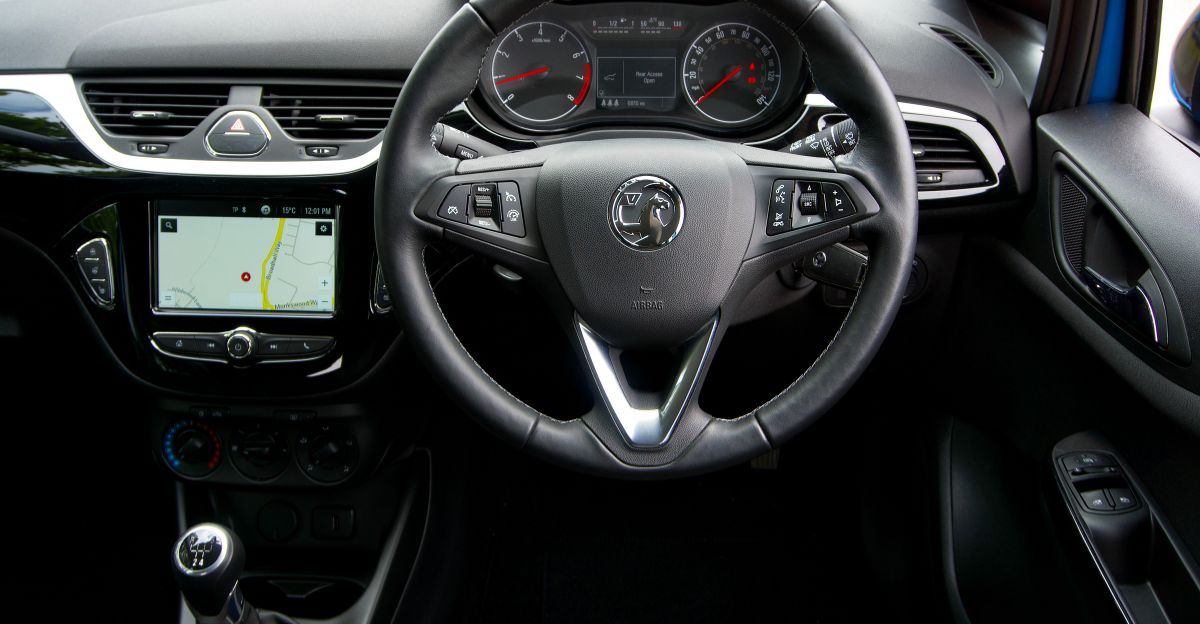
Research by Vi Bilägare confirms what many drivers have suspected: the time spent looking away from the road when using touchscreens is significant—up to four times longer than with traditional physical controls. This delay may seem small, but it can be deadly at highway speeds.
As this reality becomes undeniable, automakers are being forced to rethink their designs and prioritize safety over aesthetics.
2. Consumer Backlash Gains Momentum

Car buyers are speaking up. Once a novelty, touchscreens are now viewed by many drivers as more frustrating than functional. What was intended as a user-friendly feature has turned into a source of constant frustration.
Complaints about screen interfaces—lagging, complicated, and distracting—have flooded car manufacturer feedback channels, and brand satisfaction surveys show a clear trend: customers want change.
Automakers Finally Listen
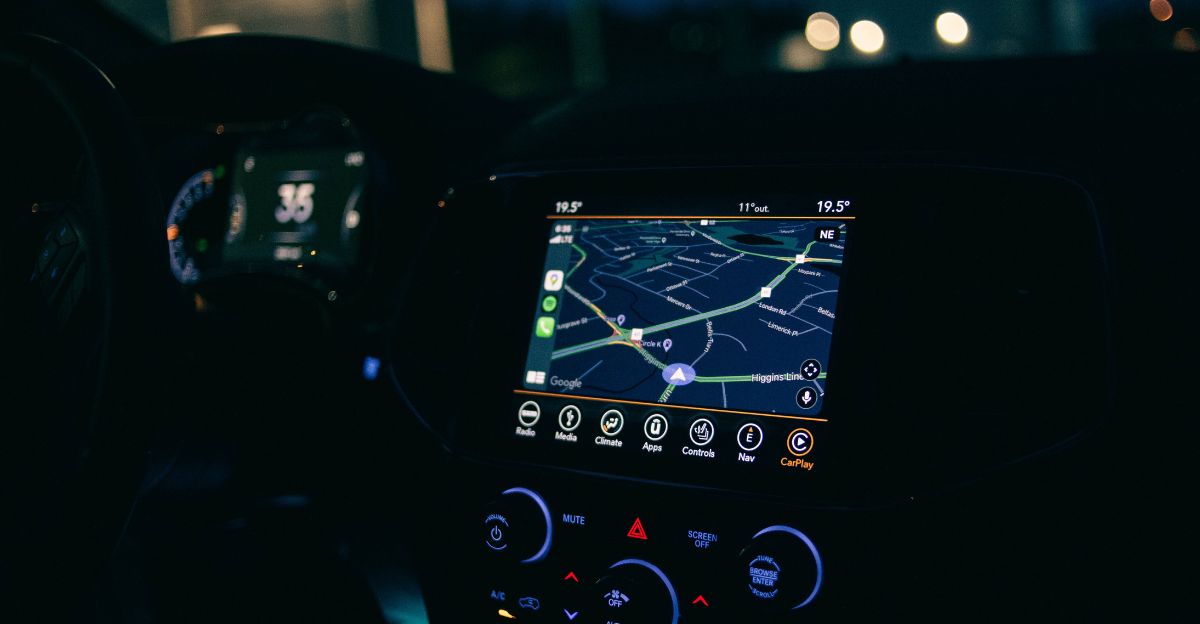
Consumer feedback and industry studies are crystal clear: drivers are walking away from cars heavily reliant on touchscreens. The frustrations are palpable: confusing layouts, difficulty navigating menus, and poor response times.
The industry has been caught in an echo chamber, chasing the latest tech trends instead of listening to the very people who are using the cars.
3. Nostalgia for Physical Buttons
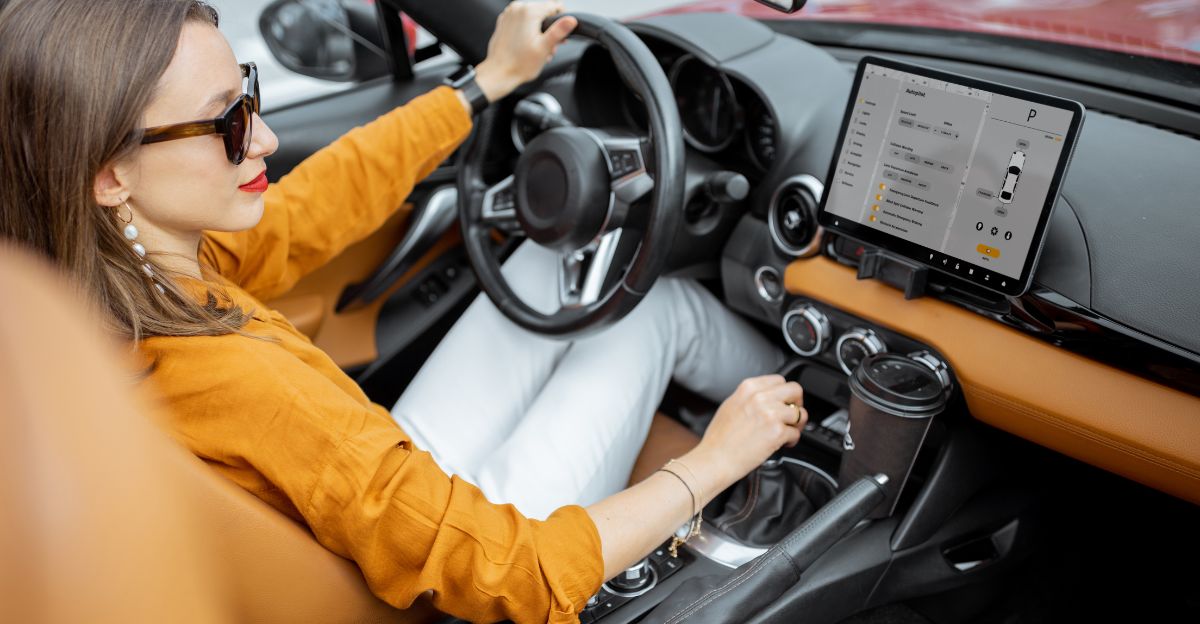
There’s a surprising resurgence of respect for physical controls. In a world overwhelmed by digital screens, the tactile feedback of knobs and buttons feels like a breath of fresh air.
Drivers appreciate the simplicity and ease of use that physical controls provide. What was once considered outdated is now considered a symbol of reliability and intuitive design.
The Neuroscience of Tactile Feedback
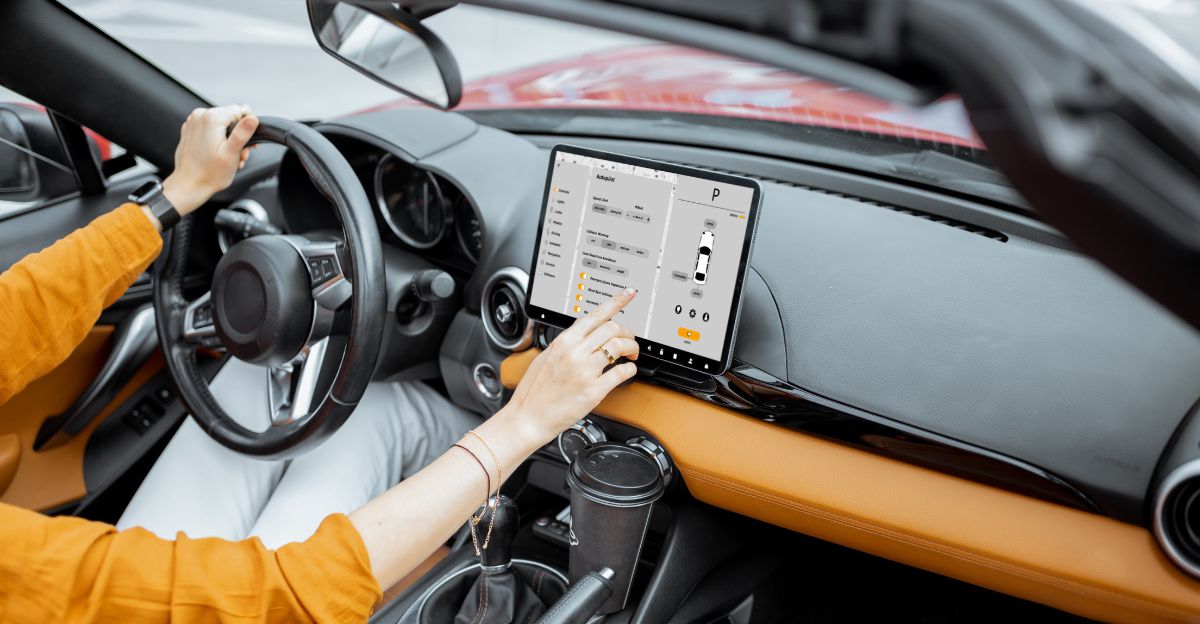
The shift towards physical buttons isn’t just a trend—it’s rooted in cognitive science. The act of turning a knob or pressing a button provides instant haptic feedback to the brain, reassuring the user in a way that screens simply can’t.
This physical reassurance leads to a greater sense of control and comfort, especially while driving, where distractions can have serious consequences.
4. Regulatory Forces Behind the Change

The movement away from touchscreens isn’t just a design trend; it’s being driven by new regulations.
Starting in January 2026, the European Union’s Euro NCAP will mandate tactile controls for essential vehicle functions like turn signals, hazard lights, windscreen wipers, horn, and SOS systems. This shift signals a broader trend toward safer, more intuitive car interiors—one that’s likely to spread worldwide.
Europe’s New Safety Standards
The regulatory push is undeniable. In Europe, new guidelines are already discouraging automakers from using touchscreens for key controls.
While the U.S. has yet to introduce similar regulations, the European Union’s lead could prompt changes across other regions. It’s clear: cars that rely solely on screens for vital functions are becoming a thing of the past.
5. The Cost of Touchscreens
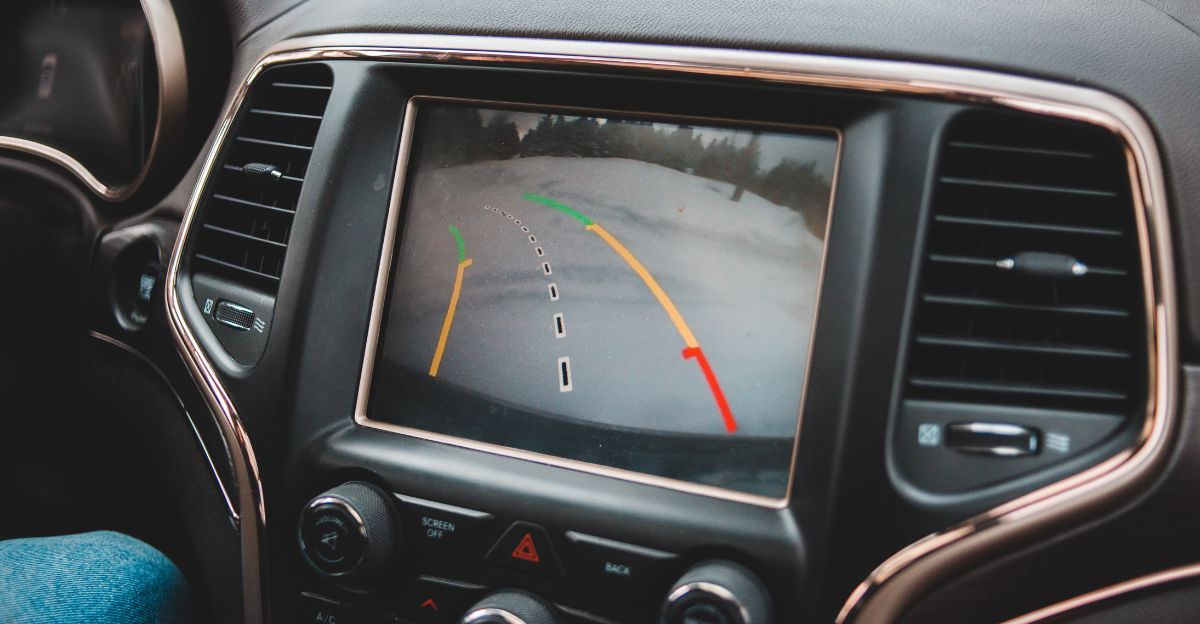
Touchscreens may look sleek, but they’re expensive. A single touchscreen unit costs automakers a considerable amount to produce, and repairs can be a nightmare for car owners.
Cracked screens or malfunctioning systems can lead to repair bills ranging from $1,500 to over $7,000. As car prices rise, automakers are looking for ways to cut unnecessary costs and improve customer satisfaction by bringing back physical controls.
Fragility and Costs Add Up
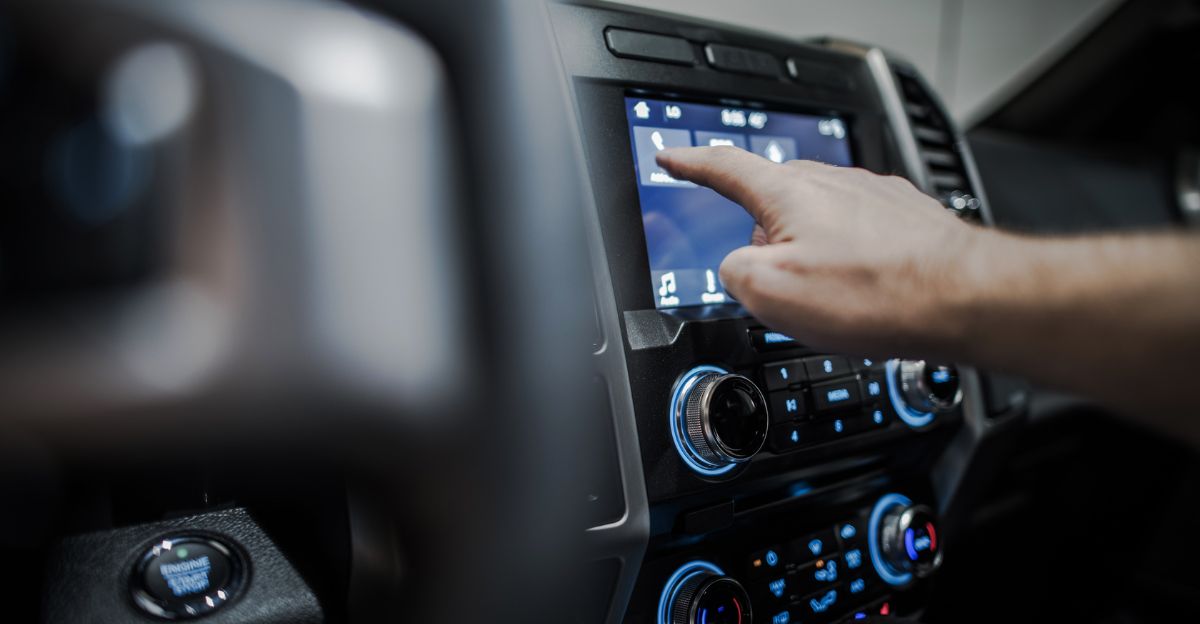
In addition to the hefty initial cost, touchscreens are prone to damage. The fragility of these digital systems, combined with the high cost of repairs, has led to widespread frustration among car owners.
The push to return to physical controls is partly driven by the need for durability—something touchscreens simply don’t provide.
6. The Return to Simplicity
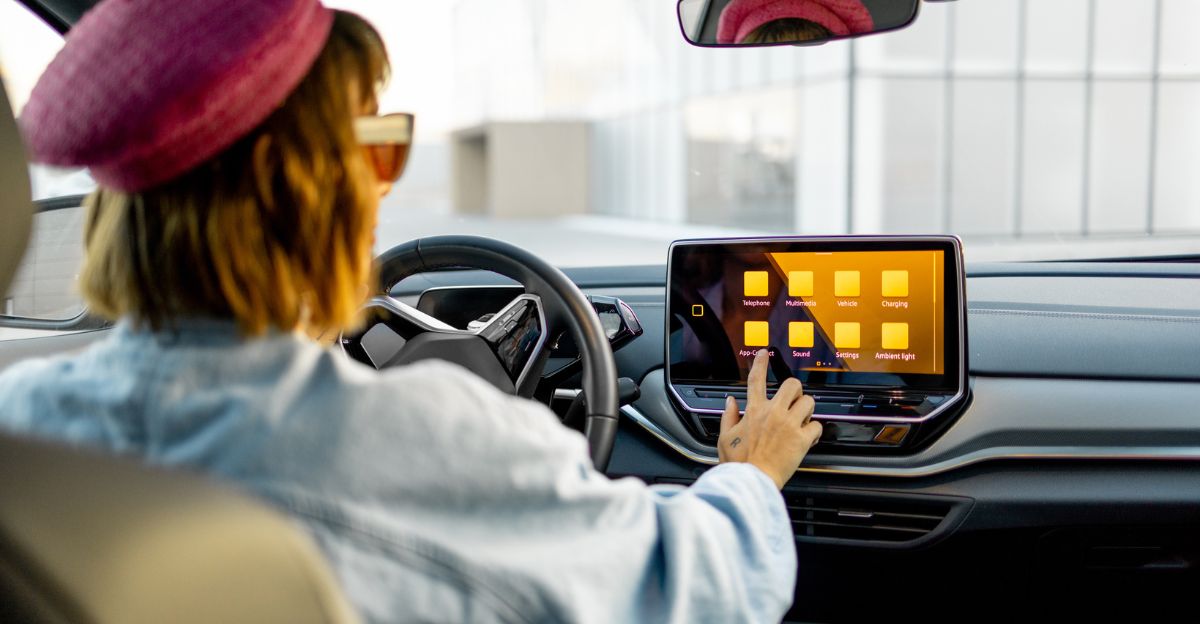
Simplicity is back in vogue. After years of pursuing complicated, high-tech interiors, car brands are rediscovering the value of minimalism.
Fewer, more thoughtful controls are now the norm. Instead of complicated menus and intricate touch-based systems, automakers are prioritizing ease of use. This design philosophy focuses on functionality over flashiness, reducing driver distraction and mental load.
Embracing the New Aesthetic
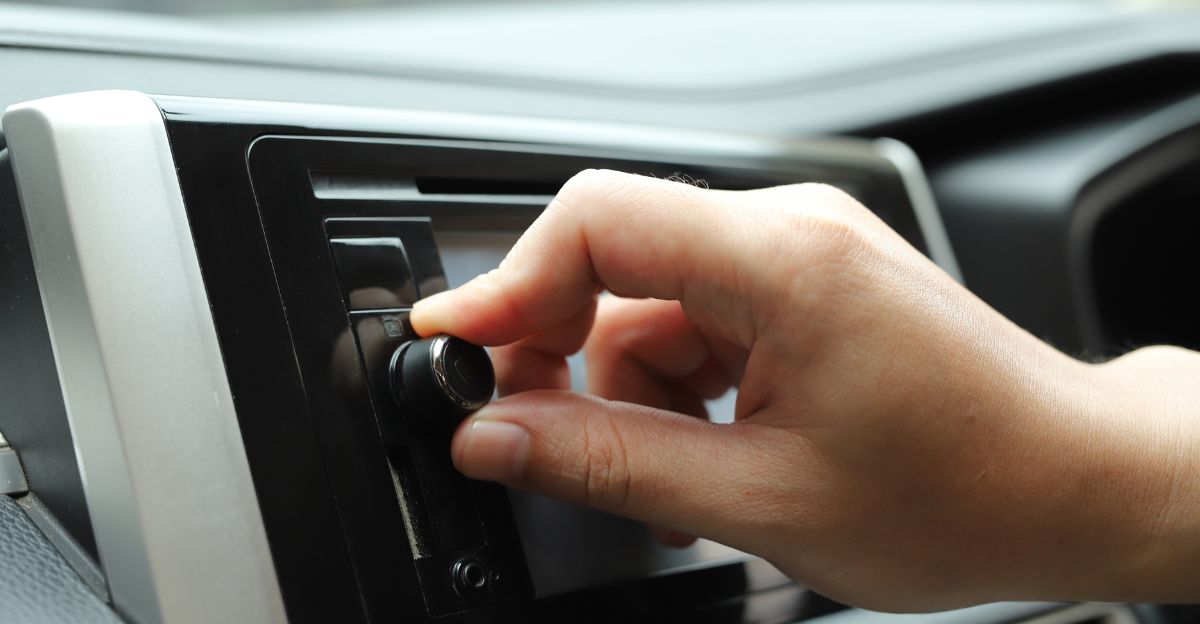
The new aesthetic of car interiors is about creating spaces that feel calm and intuitive. Brands like Volkswagen, Hyundai, and Mercedes-Benz are leading the way in reintroducing physical buttons for essential functions.
This approach, dubbed “intentional usability,” balances the convenience of digital tech with the reassurance of physical controls, ensuring drivers can focus on the road without feeling overwhelmed.
7. The Pushback from Safety Experts
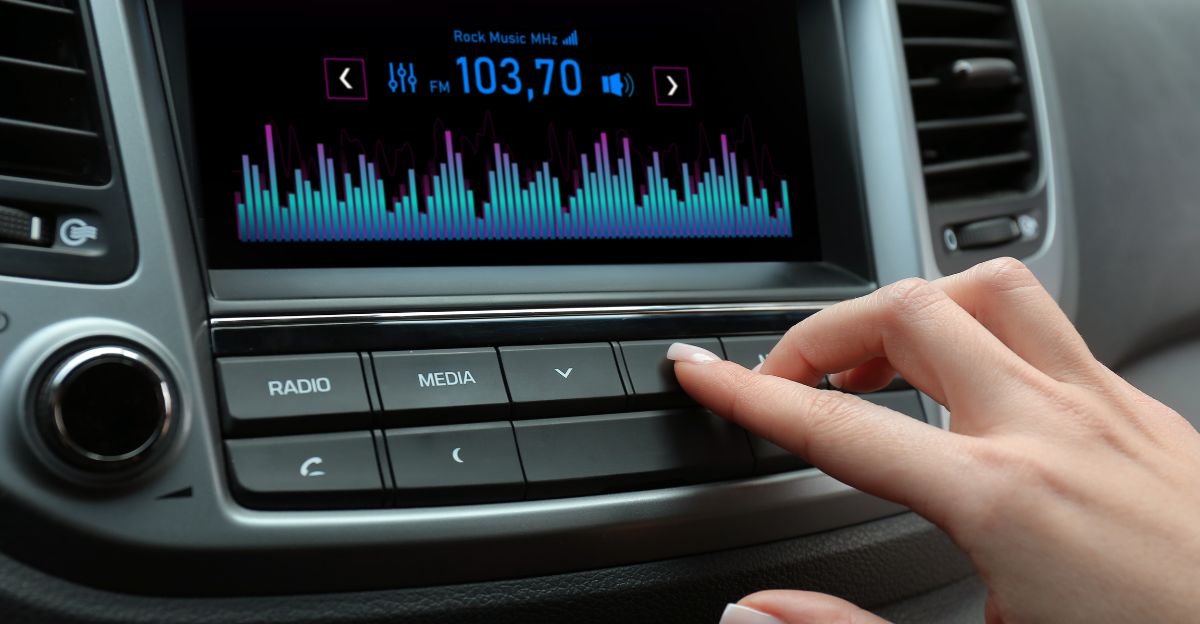
Safety experts and regulatory bodies are pushing back against the rise of touchscreen controls. Organizations like Euro NCAP and independent safety researchers have documented how screens complicate driving by delaying driver reactions.
This external pressure from safety advocates is leading the charge to reintroduce tactile controls, signaling a broader understanding that technology should serve the driver, not distract from the task at hand.
A Tension Between Design and Safety

The automotive industry has experienced growing tension between the marketing-driven push for touchscreen innovation and mounting safety evidence.
As safety data accumulates from independent testing organizations and consumer research, manufacturers are responding by emphasizing functionality and driver control over flashy, unnecessary tech. This shift is reshaping how car companies approach interior design.
8. Screen Fatigue Takes Its Toll
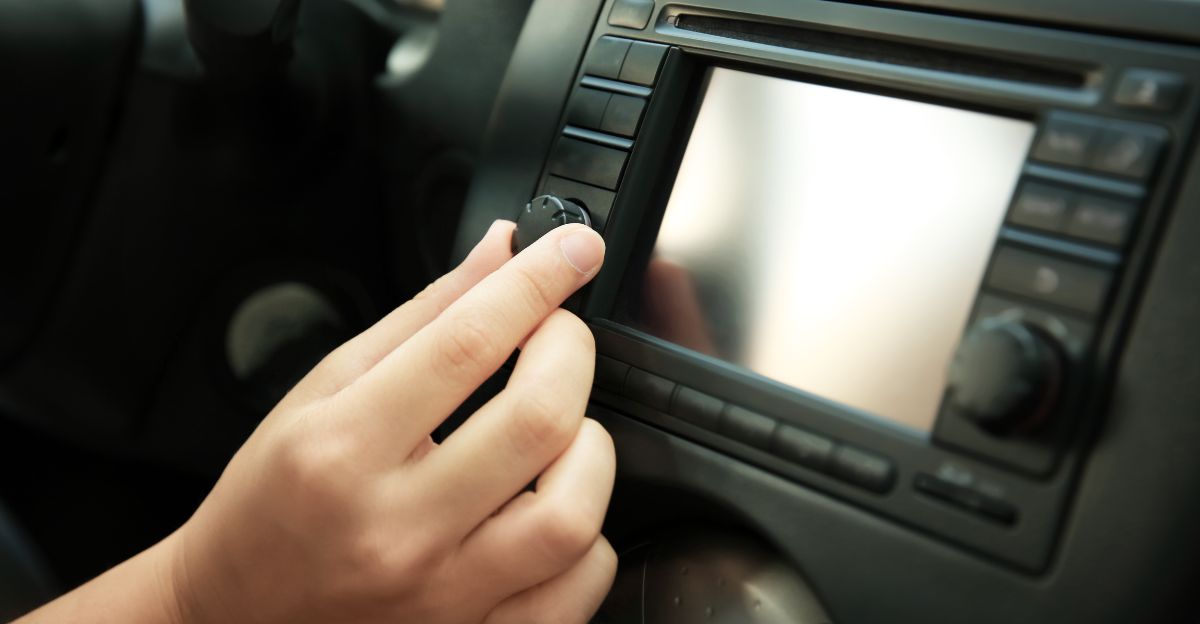
Many consumers are experiencing what researchers call “screen fatigue”—a growing weariness with digital interfaces after years of increased screen time across all aspects of life.
This broader cultural trend is influencing car buyers, who are seeking out interiors that feel comfortable, familiar, and, most importantly, safe. The desire for relief from constant digital interaction is driving demand for cars with fewer screen-based distractions and more tangible, human-centered controls.
The Need for a Break from Screens
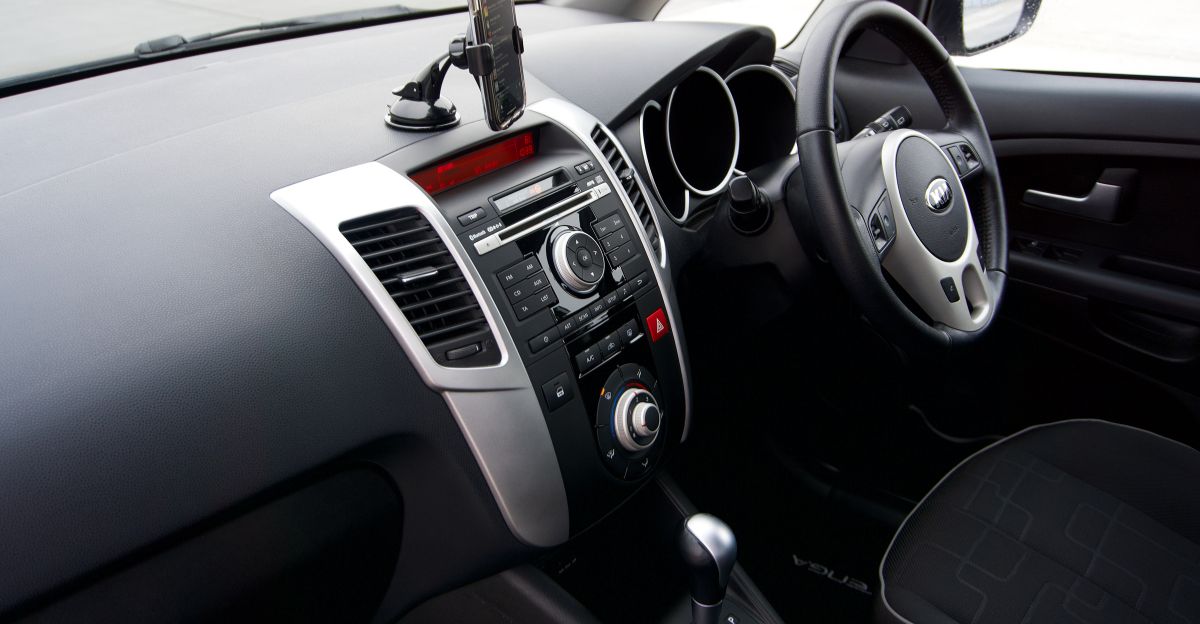
After years of endless scrolling and digital overload, many consumers are seeking products—especially cars—that offer respite from the constant barrage of screens.
This desire for simplicity and clarity is driving demand for cars with fewer digital distractions and more tangible, human-centered controls that don’t add to daily screen exposure.
9. The Future of Car Interfaces
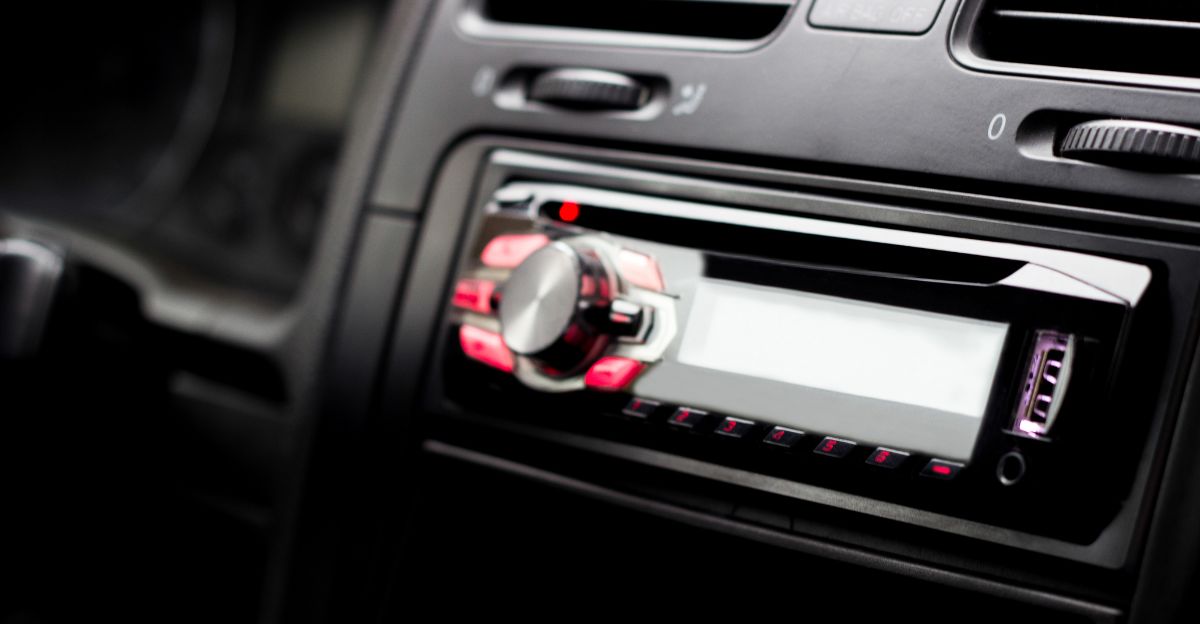
The shift away from touchscreens doesn’t signal a rejection of technology—it signals an evolution. The future of car interfaces will likely incorporate voice recognition, smart sensors, and improved haptic feedback technologies.
These innovations could allow drivers to interact with their cars without looking away from the road, offering the best of both worlds: advanced technology without the distractions.
What Lies Ahead for Car Design
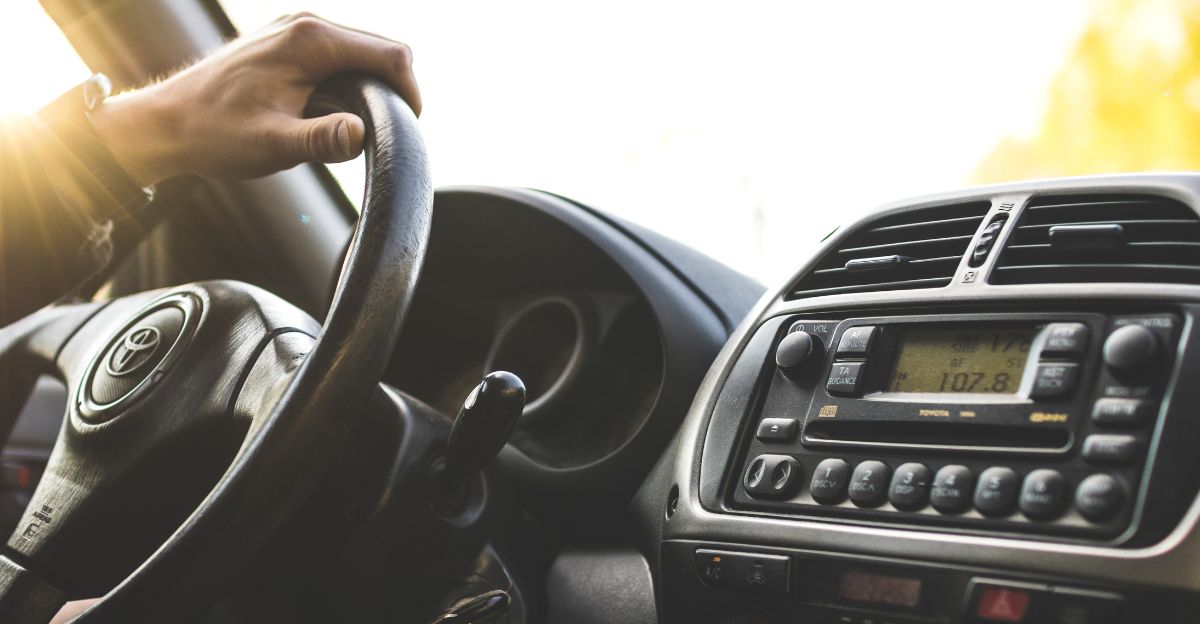
The end of the touchscreen era is near, but its lessons will endure. The next wave of car interiors will be about balance—combining intuitive tech with minimal distractions.
Expect cars that are smarter, safer, and more in tune with how humans naturally interact with their environment. The future of driving will be defined by simplicity, control, and a renewed connection to the road.