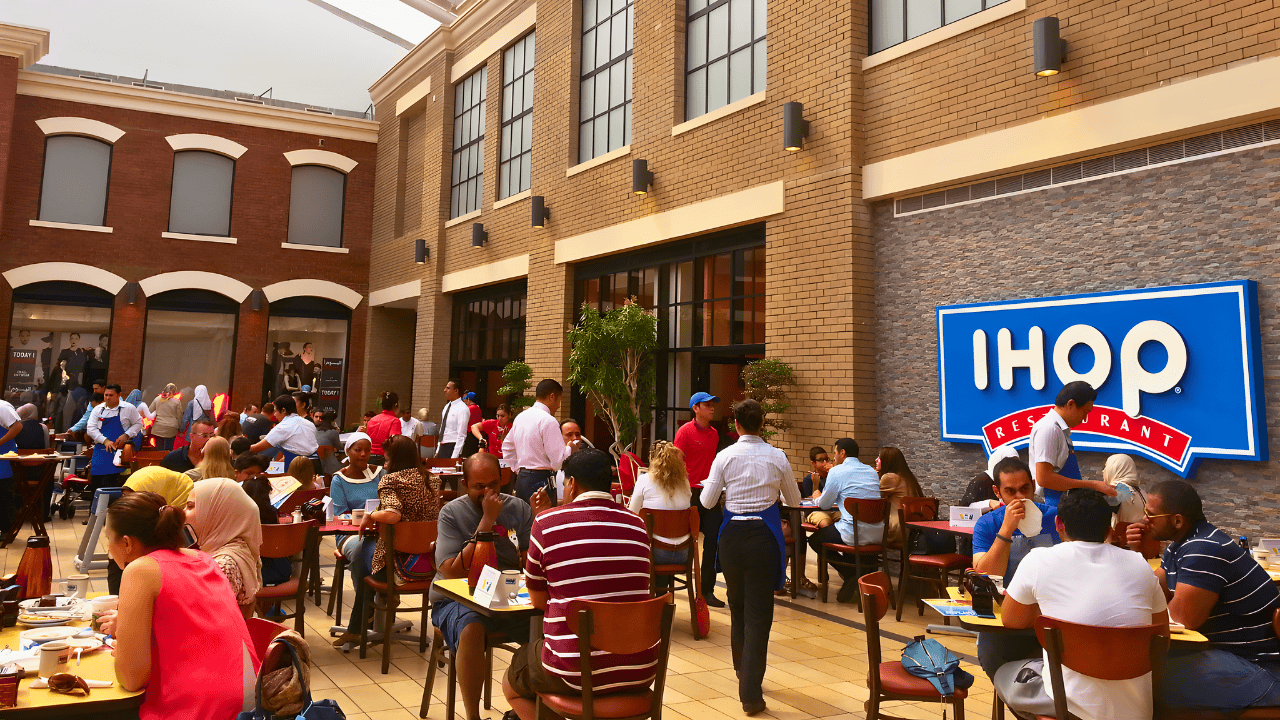
America’s once-thriving casual dining scene is now crumbling. Popular chains that families adored are disappearing, leaving behind empty spaces in shopping centers and quiet parking lots.
These restaurant icons, which defined family meals and casual outings, are facing severe financial struggles due to rising inflation, shifting customer habits, and unsustainable business models. The economic strain is driving even the biggest names to their breaking point.
1. Red Lobster: A Troubling Chapter
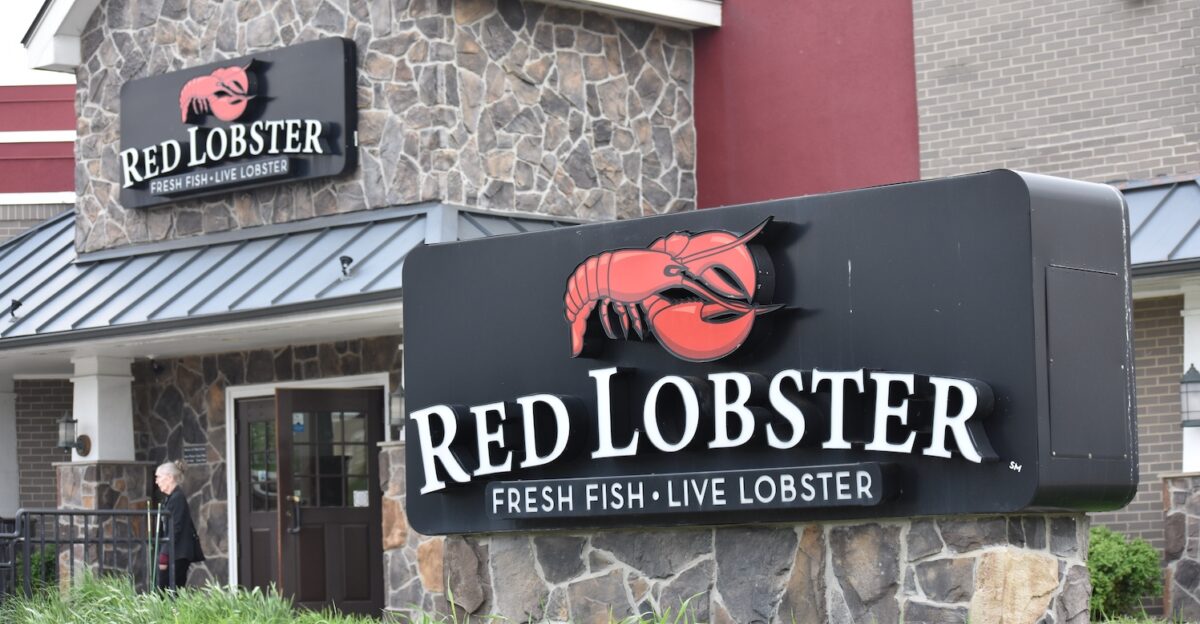
Red Lobster was once synonymous with affordable seafood and unforgettable cheddar biscuits. But in May 2024, the unthinkable happened: the chain filed for Chapter 11 bankruptcy. More than 90 restaurants were closed, shrinking the once-iconic seafood giant’s footprint.
The culprit? A too-good-to-be-true promotion—endless shrimp at just $20. Red Lobster’s desperate attempt to drive traffic ended in catastrophe, with heavy losses instead of the desired boost.
Red Lobster’s Costly Mistake
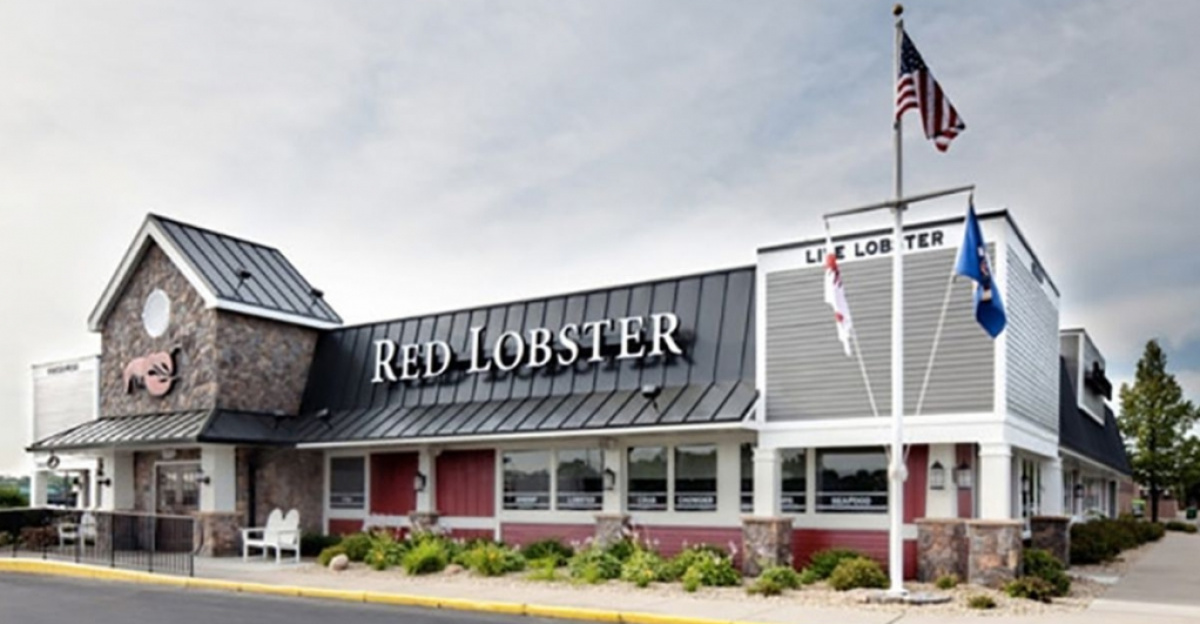
The disastrous promotion racked up $11 million in operating losses. As customers indulged in endless shrimp deals, Red Lobster absorbed costs it couldn’t afford. The price was eventually raised to $25, but the damage had already been done.
This marked one of the most spectacular financial miscalculations in restaurant history. With a restructuring plan underway, Red Lobster became a cautionary tale of what can go wrong when aggressive discounting backfires.
2. Boston Market: A Rapid Decline
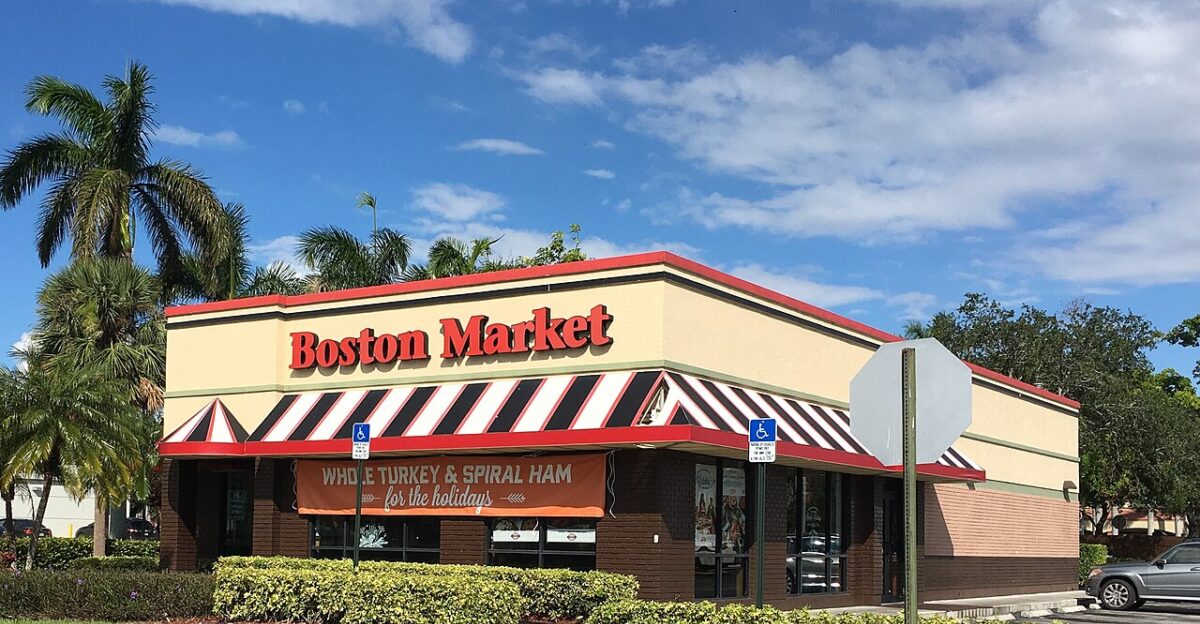
Boston Market’s demise has been swift and brutal. From 300 locations at the start of 2023 to just 16 remaining today, the rotisserie chicken chain has almost completely vanished. The company’s collapse wasn’t gradual; it was rapid and shocking.
Observers didn’t see this level of decay coming for such a well-known brand. The reasons behind this fall are complex but stark—unpaid wages, mounting debt, and poor financial management sealed its fate.
Boston Market’s Silent Implosion
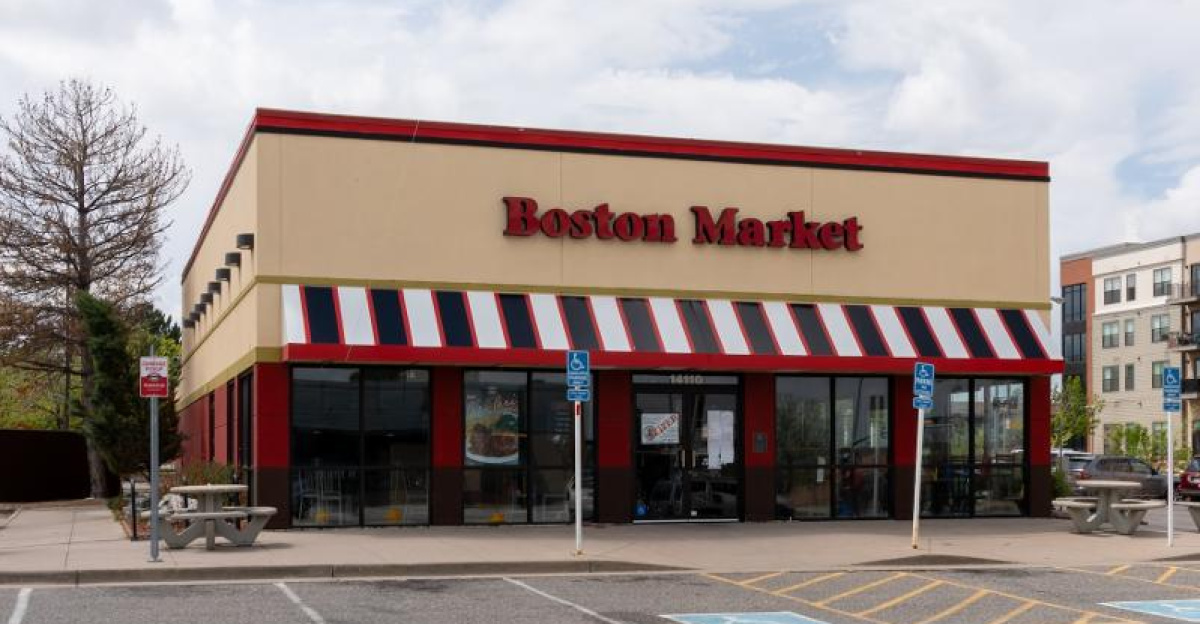
By mid-2023, the company faced severe financial troubles. In July 2023, 27 locations were shut down due to unpaid wages in New Jersey. In January 2024, a $15 million judgment was issued against the chain by US Foods for unpaid bills.
Thousands of jobs were lost as the brand collapsed without making significant headlines. Boston Market’s crash is a prime example of how companies can vanish in the blink of an eye without major scandals.
3. Applebee’s: The Decline of a Classic
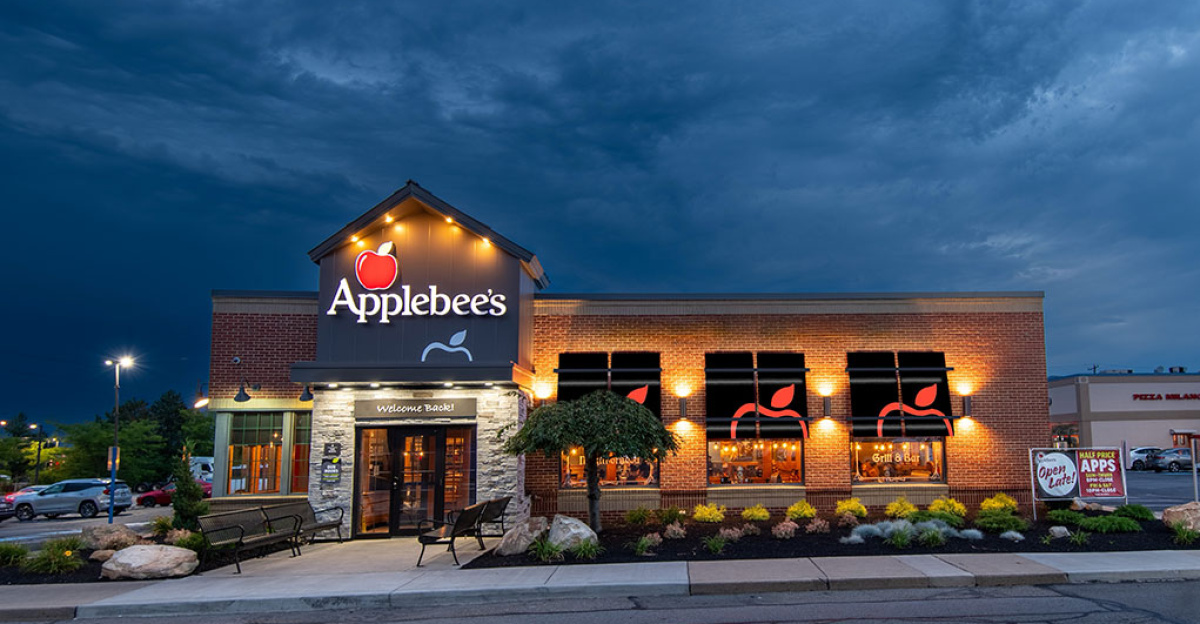
Once the go-to for casual dinners, Applebee’s now faces its own struggle to stay relevant. Since 2017, the chain has closed nearly 300 restaurants, marking its largest sustained closure wave in history.
Despite offering discounts like half-priced appetizers and a community bar feel, the brand could not compete with the rise of fast-casual chains and higher-end dining options. The decline has been slow, but steady, and shows no signs of stopping.
Applebee’s Continued Struggles
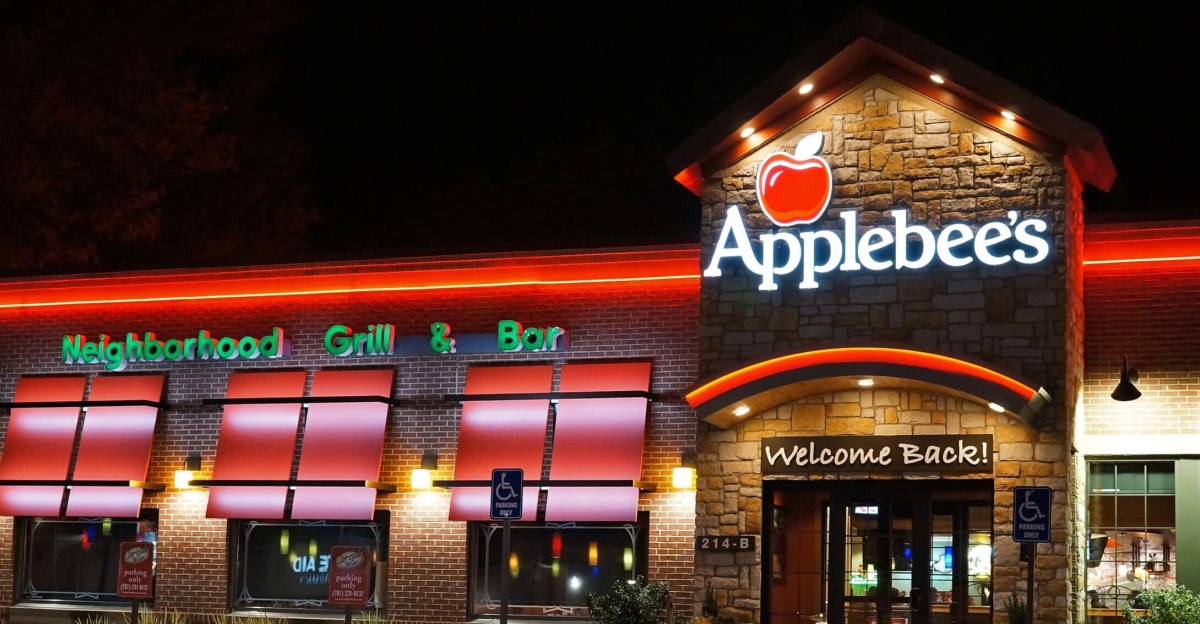
In the fourth quarter of 2023, the chain posted a 1% drop in same-store sales, marking three consecutive quarters of decline.
With approximately 4,500 to 7,500 jobs at risk, Applebee’s is hemorrhaging both customers and revenue. It’s a victim of changing dining habits and rising costs, which have priced out many of its once-loyal customers.
4. Denny’s: A Crisis of Survival
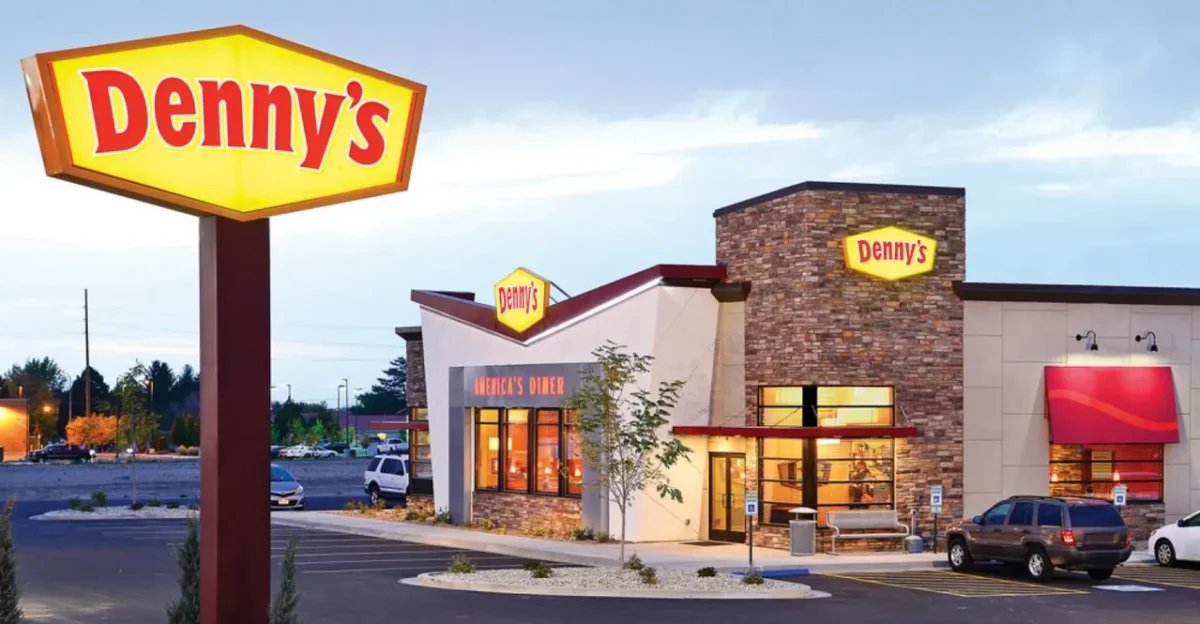
Denny’s, the 24/7 diner that became a household name for budget-friendly meals, now faces an existential crisis. In 2023 and 2024, the chain closed 88 locations, a clear sign of the company’s decline.
Customer traffic has significantly dropped, and inflation has forced Denny’s to raise its break-even threshold. The once-reliable restaurant can’t meet its own financial targets, and the future looks bleak as more closures are expected.
Denny’s Struggling to Stay Afloat
Denny’s response to inflation has been to raise its break-even threshold, pushing up costs for each location. The result? Even more closures. In 2024, the chain has closed more locations, signaling a continued loss of its customer base.
As dining costs rise, Denny’s struggles to maintain its role as a budget-friendly, 24-hour dining option. The “cheap and fast” model is no longer enough to save the chain from its downward spiral.
5. Starbucks: A Shocking Decline
Starbucks, the global coffee powerhouse, has been a symbol of premium coffee for millions. But in 2024, it posted shocking numbers: a 4% drop in global same-store sales and a 6% decline in transactions.
Even in North America, the core market, the coffee giant saw a 3% decline in same-store sales and a 7% drop in transactions. On April 30, 2024, the company’s stock plummeted 12% in after-hours trading, shaking investor confidence.
Starbucks Faces Its Reckoning
Starbucks built its empire by charging premium prices for coffee, but even its most loyal customers are now cutting back. The decline reflects the broader financial strain facing American consumers.
The premium pricing model that once made Starbucks a daily ritual is no longer sustainable for many. As inflation bites, Starbucks finds itself struggling to hold onto customers, casting doubt on the future of its once-unstoppable growth.
6. McDonald’s: Price Increases Price Out Customers
McDonald’s was once the go-to for families on a budget, but recently, the fast-food giant admitted that its core customers—those earning $45,000 or less—are visiting less frequently.
The reason? The chain’s menu prices increased by 10% in 2023, pushing its once-loyal, budget-conscious customers away. The rise in costs has made it difficult for McDonald’s to retain its market share, especially among working-class families struggling with inflation.
McDonald’s Struggles with Inflation
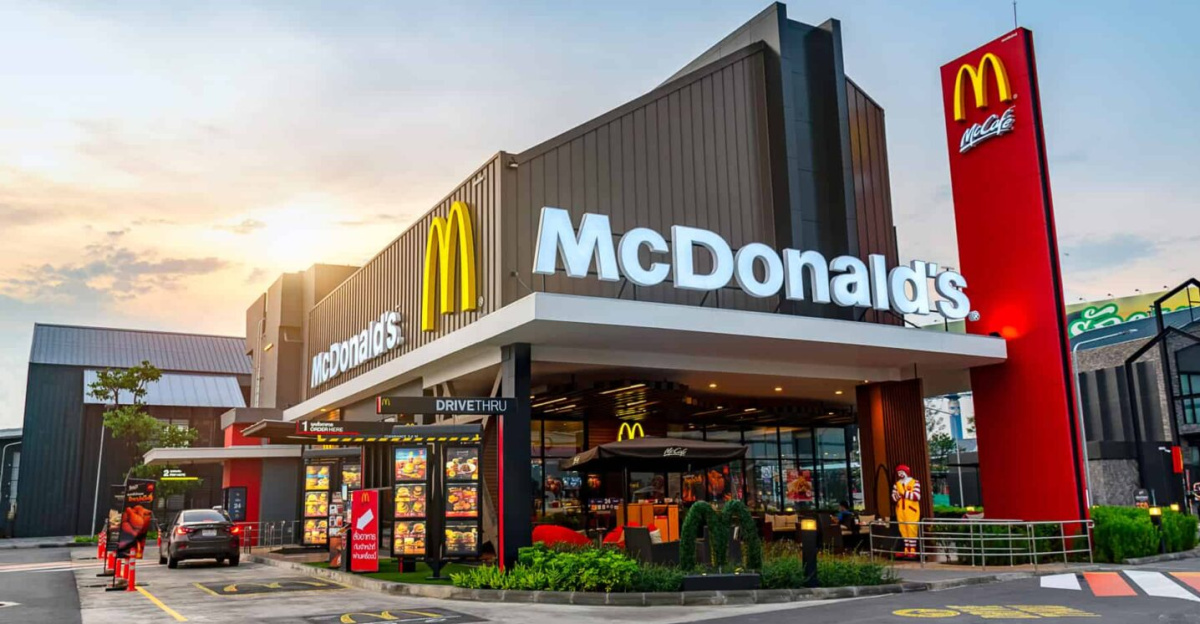
In an effort to remain profitable, McDonald’s raised its prices across the board, but this move has backfired. Families who once flocked to McDonald’s for affordable meals are now staying away due to the increased cost.
The fast-food giant is working to bring customers back with value deals, but the damage has been done. As inflation continues to take its toll, McDonald’s finds itself unable to recapture its core customer base.
7. Cracker Barrel: A Slow Collapse
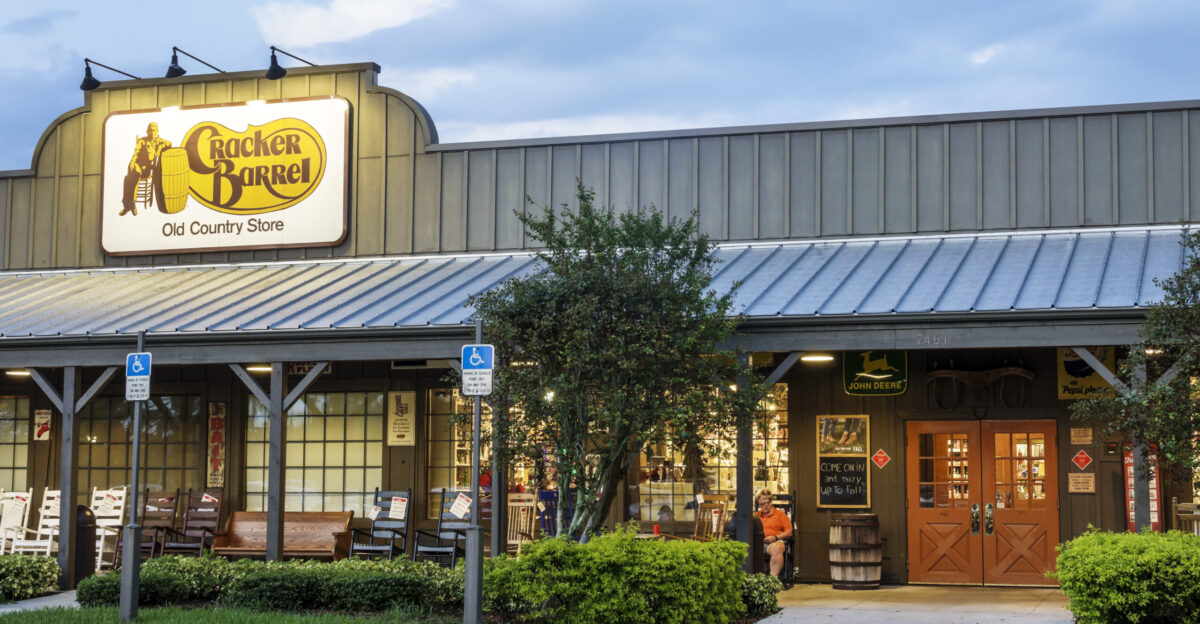
Cracker Barrel, known for its country store charm and comfort food, has been facing a steady decline in customer traffic. Despite efforts to raise menu prices and revamp its offerings, the chain hasn’t been able to reverse its downward trend.
The situation worsened after mid-2024, when the company saw substantial drops in traffic. It’s a reflection of how even the most nostalgic brands can struggle to adapt in a changing market.
Cracker Barrel: Too Expensive, Too Stale
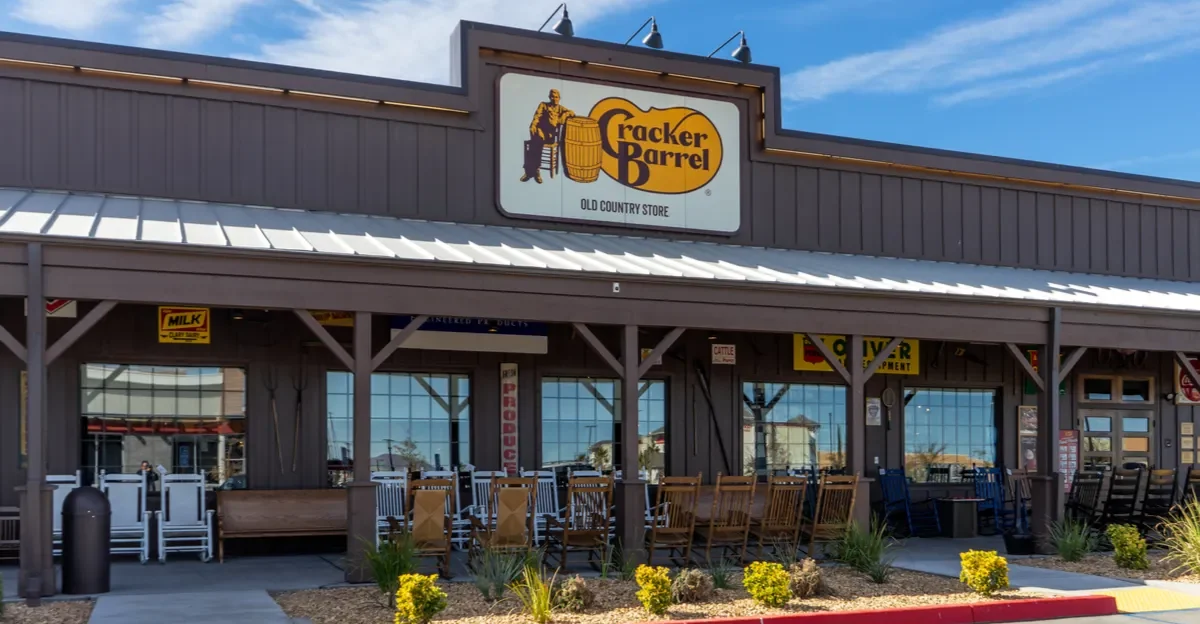
Cracker Barrel has raised menu prices in an attempt to offset losses, but it has only exacerbated the problem. The chain’s once-strong appeal as an affordable dining option has been overshadowed by its price hikes.
Cracker Barrel is caught between two worlds: too expensive to be a budget option but not upscale enough to compete with higher-end restaurants. Families are now choosing to eat at home or go elsewhere.
8. KFC: Global Success, U.S. Struggles
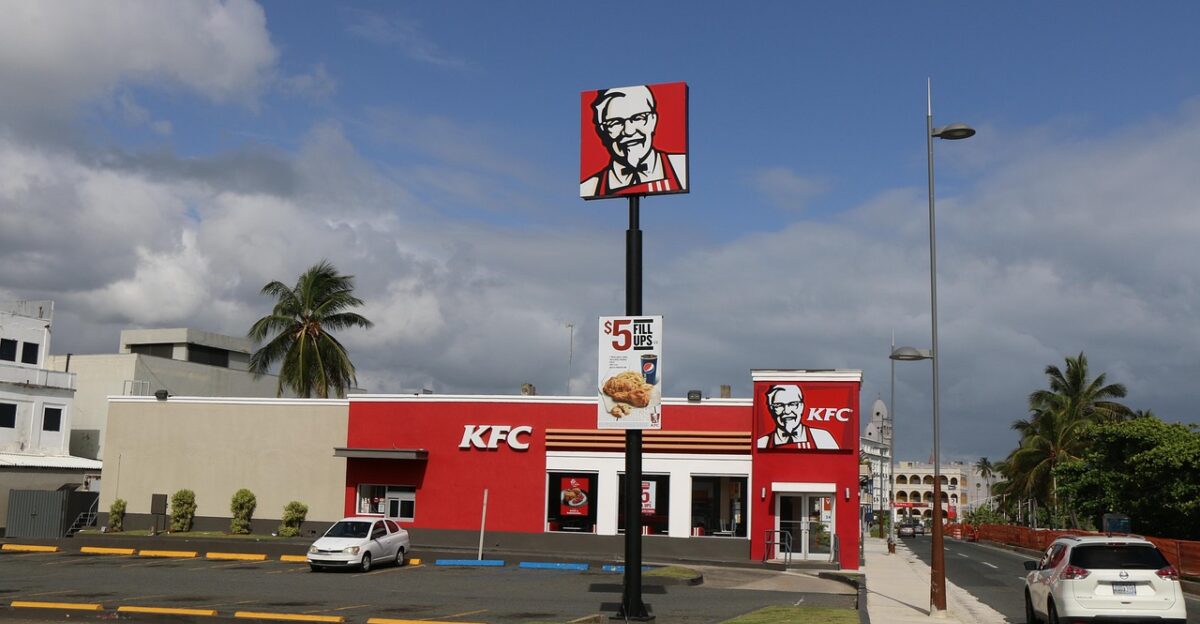
KFC’s struggles in the U.S. are puzzling, considering the brand’s success in China, where same-store sales grew by 8%. In the U.S., however, KFC is failing to maintain its grip on customers, with declining sales and outdated store designs.
Fast-casual chains like Chick-fil-A and Raising Cane’s are eating into KFC’s market share, proving that KFC’s once-iconic fried chicken isn’t enough to keep American customers loyal.
KFC: A Brand Out of Touch
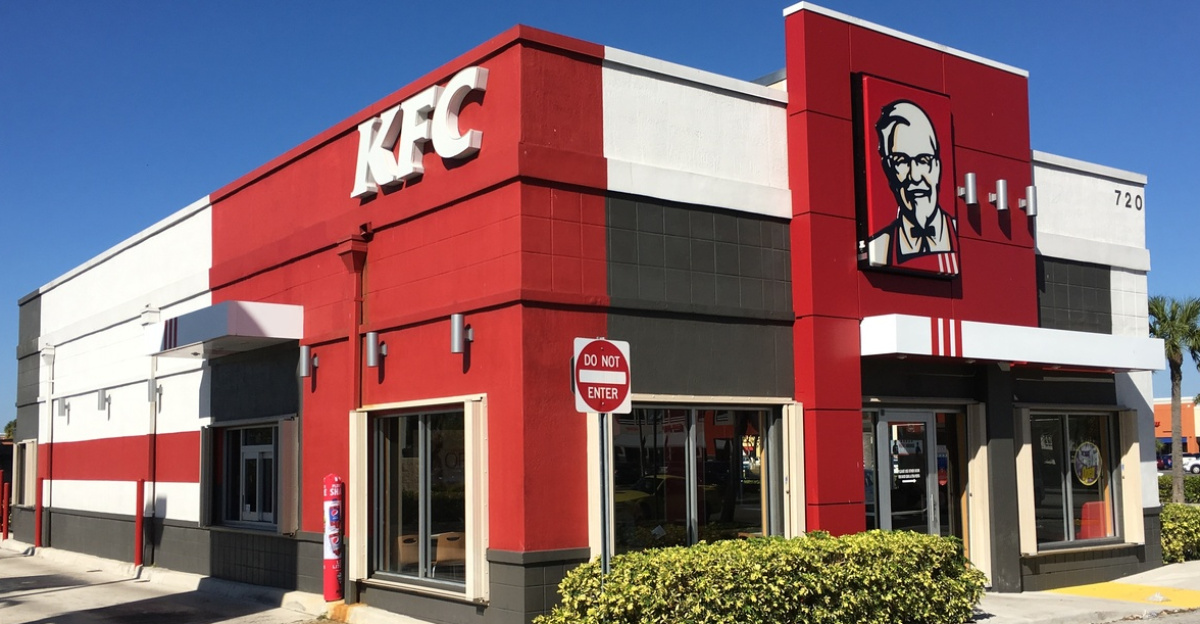
KFC’s issues in the U.S. reflect deeper problems within the brand. While the company has adapted to the Chinese market, its U.S. locations feel outdated, with fried chicken prices no longer considered a bargain.
CEO admissions of the need for a “brand reset” highlight the challenges KFC faces in winning back American customers. The chicken chain’s U.S. market troubles are rooted in more than just food—it’s a brand struggling to stay relevant.
9. Outback Steakhouse: Stagnation and Decline
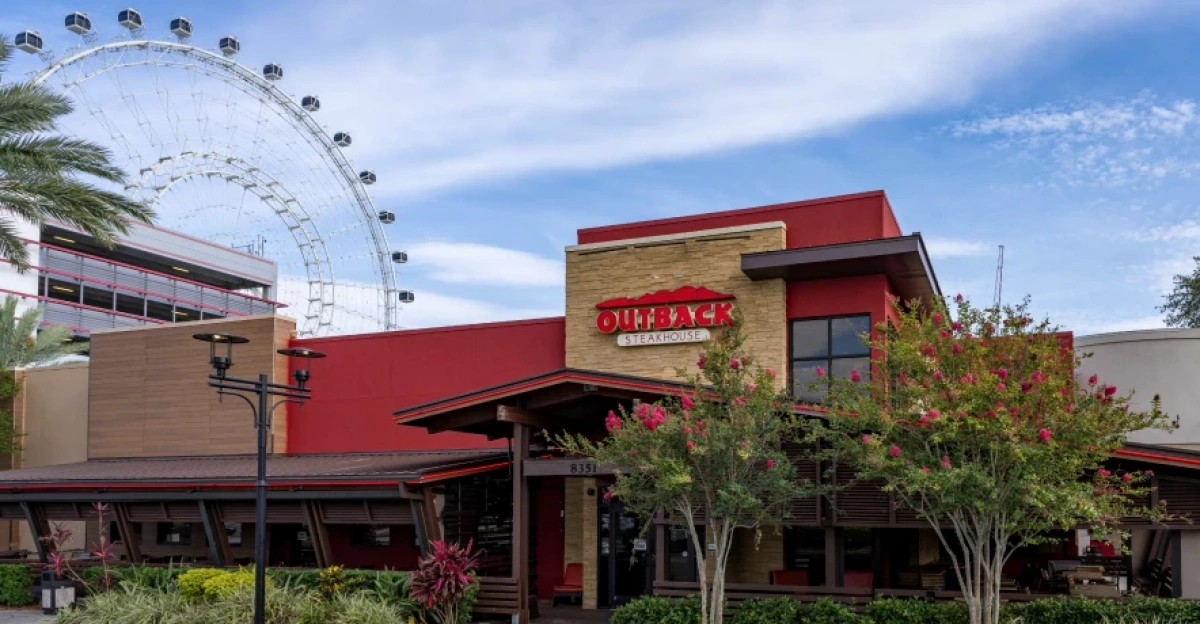
Outback Steakhouse, part of Bloomin’ Brands, has been facing challenges for years. Although the chain opened new locations in 2023, it continues to close restaurants and post declines in same-store sales and traffic.
The Australian-themed steakhouse, once seen as a fun and adventurous dining experience, now feels outdated and overpriced. It’s a reflection of the broader challenges facing casual dining in America.
Outback Steakhouse: Struggling to Rebuild
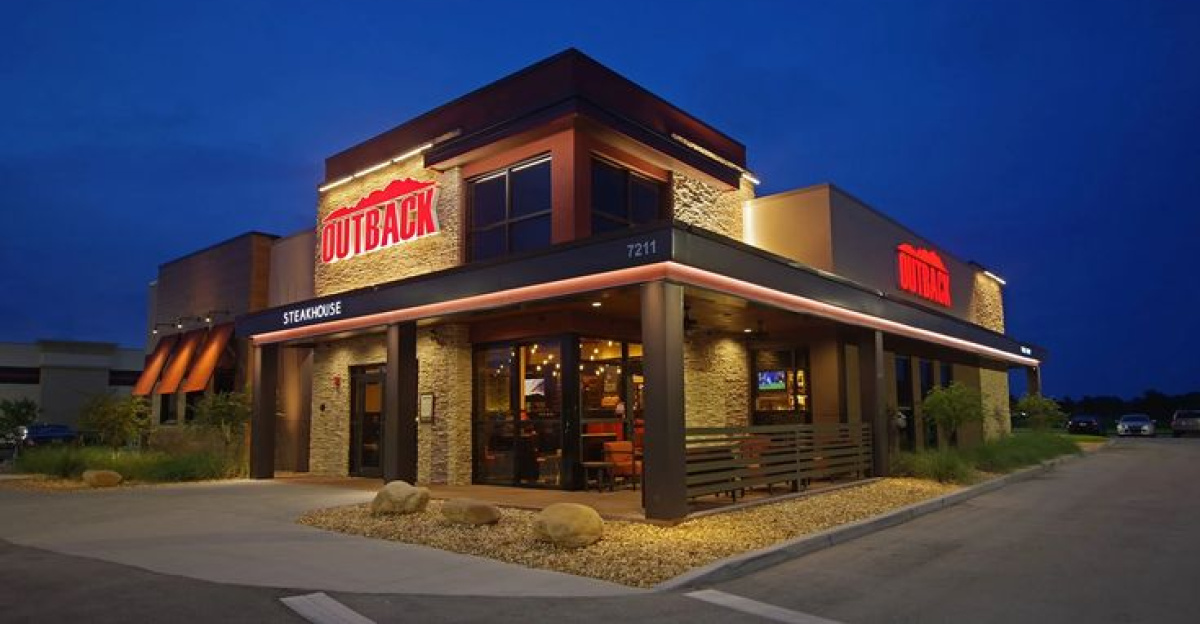
Despite efforts to grow and open new restaurants, Outback continues to lose ground. The chain’s struggles stem from rising prices and competition from more affordable fast-casual alternatives.
Bloomin’ Onion may still be a signature dish, but it’s not enough to stop the decline. Outback is stuck in a no-man’s-land: too expensive for budget diners, not upscale enough to compete with higher-end steakhouses.
The End of an Era
The collapse of these once-great restaurant chains represents the end of an era for American dining. Inflation, shifting consumer habits, and poor business strategies have taken their toll on Red Lobster, Boston Market, Applebee’s, and others.
As locations close and jobs are lost, the landscape of casual dining in America is forever altered. The question remains: Can any of these iconic chains survive in today’s economy?