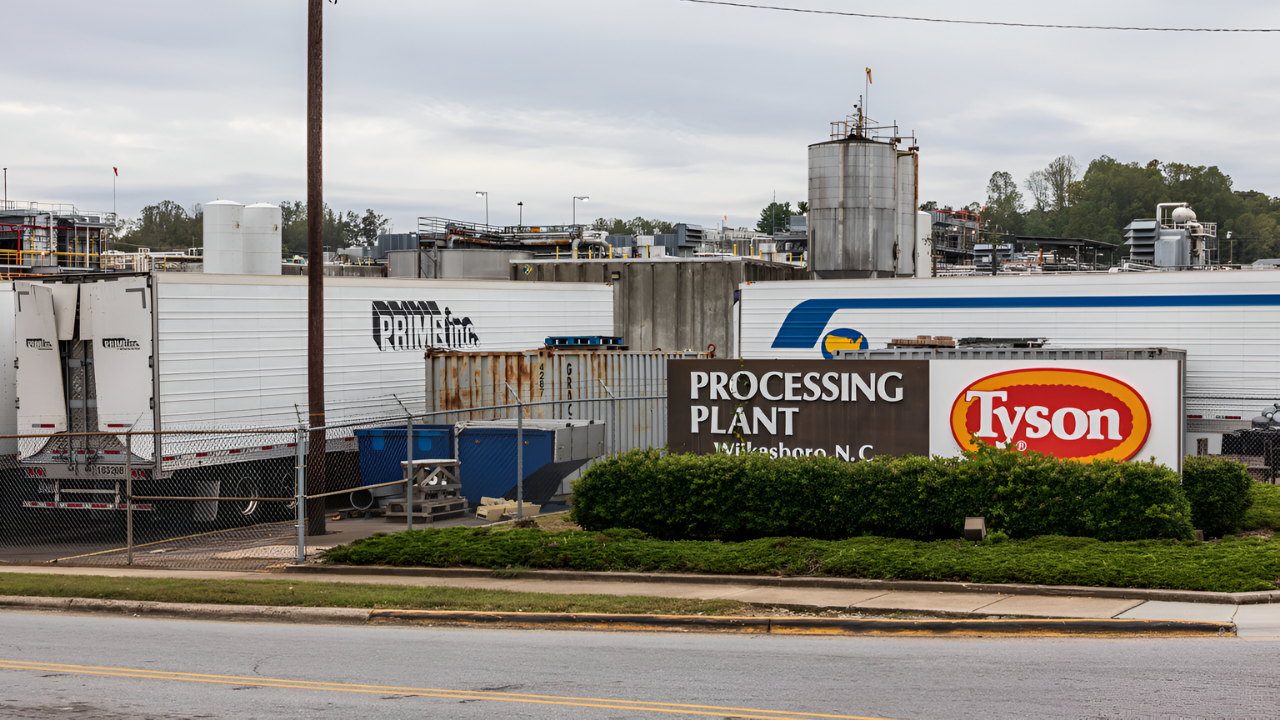
In Lexington, Nebraska, nearly one-third of the city’s residents are about to lose their jobs as Tyson Foods slashes 9% of U.S. beef processing capacity. CEO Donnie King said the changes aim to “right-size its beef business and position it for long-term success.” The announcement shocks workers and the community, promising deep economic ripples. Here’s what’s driving the closures and why the impact could be felt far beyond Lexington.
What’s Going On?
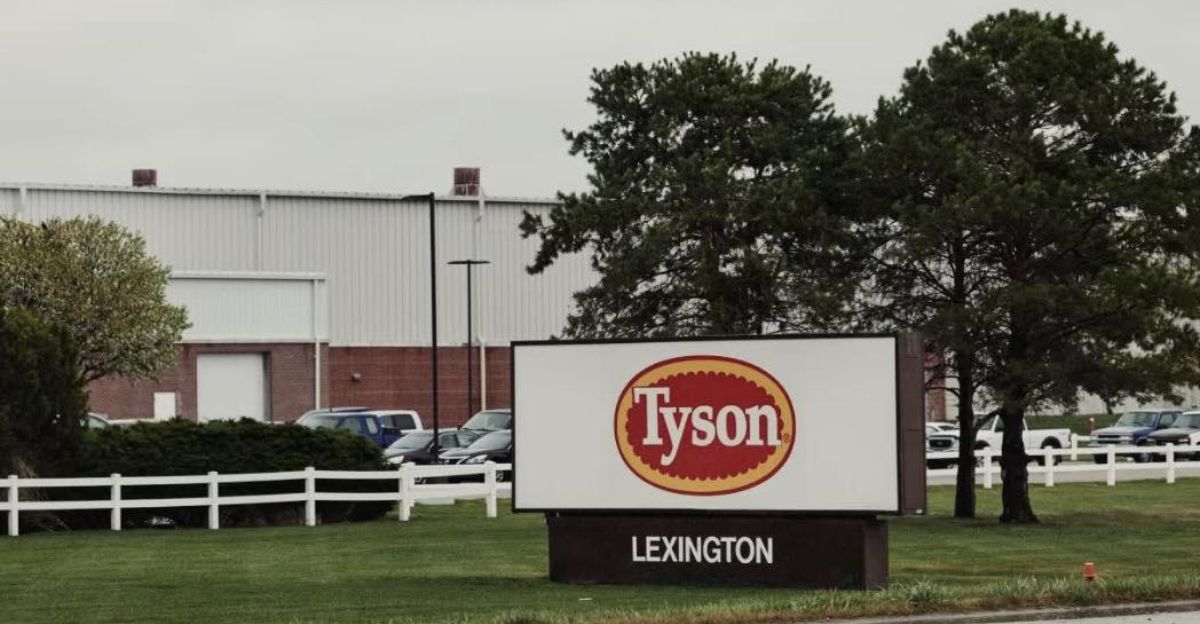
Tyson Foods announced its network restructuring on November 21, 2025, citing a long-term strategy. Lexington, Nebraska, and Amarillo, Texas, face closures or shift reductions. Lexington alone will lose 3,200 jobs, nearly 29% of its population. Amarillo will reduce B-shift operations, affecting 1,761 employees. The plan reshapes a major U.S. beef supply chain.
However, the story is more than numbers—it’s about the people and communities left behind.
Tyson’s Beef Troubles

CEO Donnie King called beef the company’s “only weak point” during November 2024 earnings. Tight cattle supplies and rising input costs drove sustained losses. While sales reached $21.6 billion in fiscal 2025, the beef division posted an adjusted operating loss of $426 million.
But what does this mean for Lexington’s local economy?
Lexington: Jobs Vanishing Fast
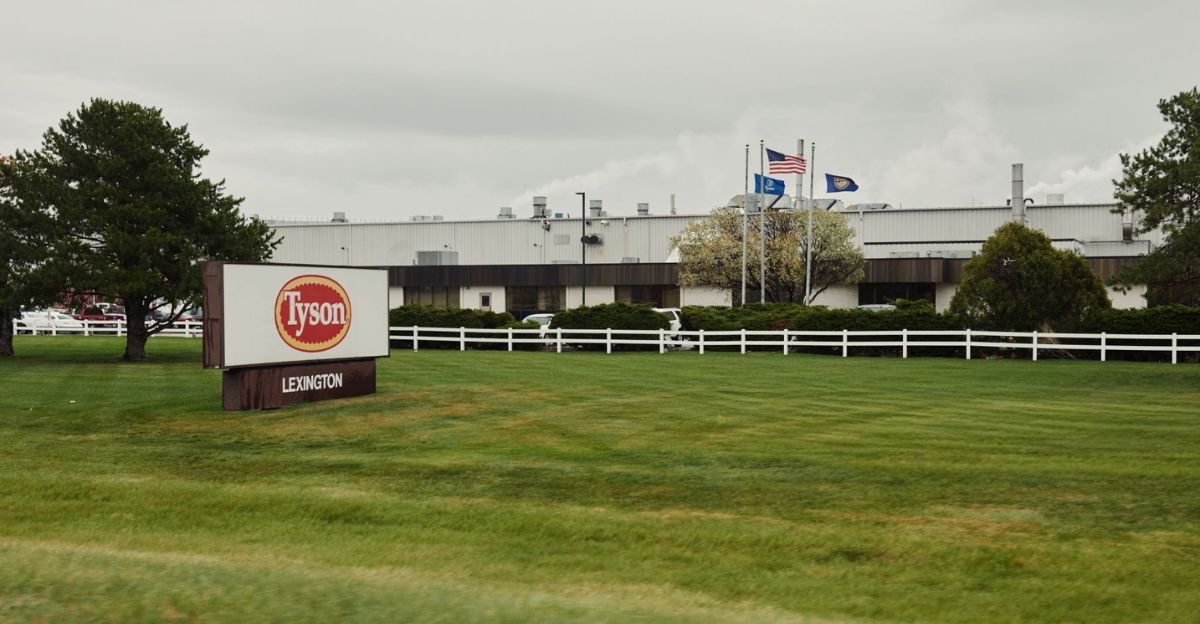
Lexington’s 11,000 residents face unprecedented disruption. The Tyson plant has operated since 1990, serving as the city’s largest employer. With 3,200 jobs lost, nearly one in three residents are affected. Schools, businesses, and services all depend on Tyson’s payroll, creating a cascading economic shock.
Yet, Tyson promises relocation and job placement assistance to some workers.
Amarillo’s Partial Hit
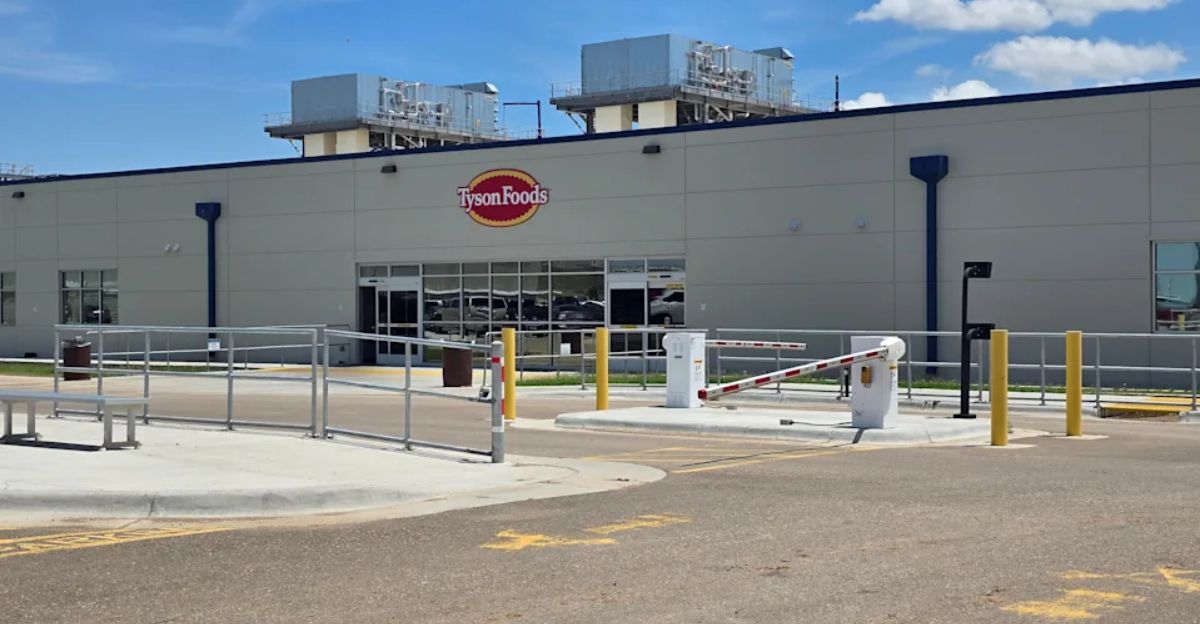
In Amarillo, Texas, the plant will reduce B-shift operations starting 20 January 2026. Approximately 1,761 positions will be eliminated. The A-shift continues at full capacity, maintaining throughput. Employees face complex logistics, including union bumping rights for some roles. This downsizing will still ripple through the local economy, though on a smaller scale than Lexington.
How will these changes affect U.S. beef supply?
Cutting U.S. Beef Capacity
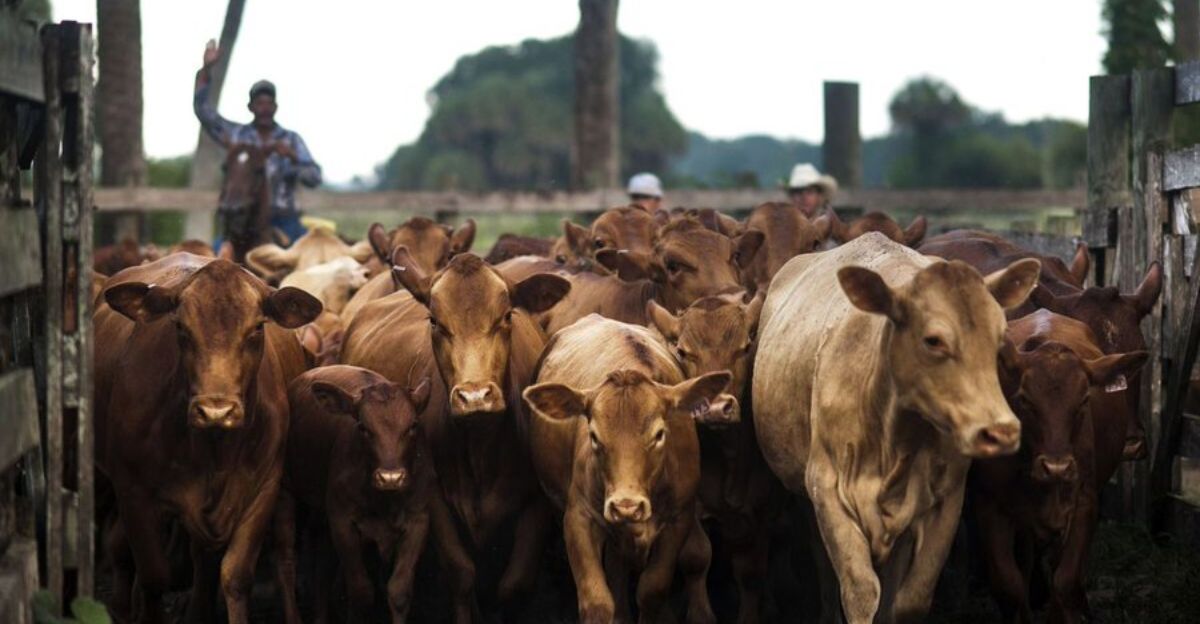
Combined closures remove 7% to 9% of national beef processing capacity. The Big Four packers—Tyson, JBS, Cargill, and National Beef—control 85% of the market. Despite record beef prices, overcapacity and thin margins force these cuts. Lexington targeted as a low-margin commodity facility, while higher-margin operations remain.
This paradox shapes the next supply chain challenge.
Supply Chain Ripple Effects
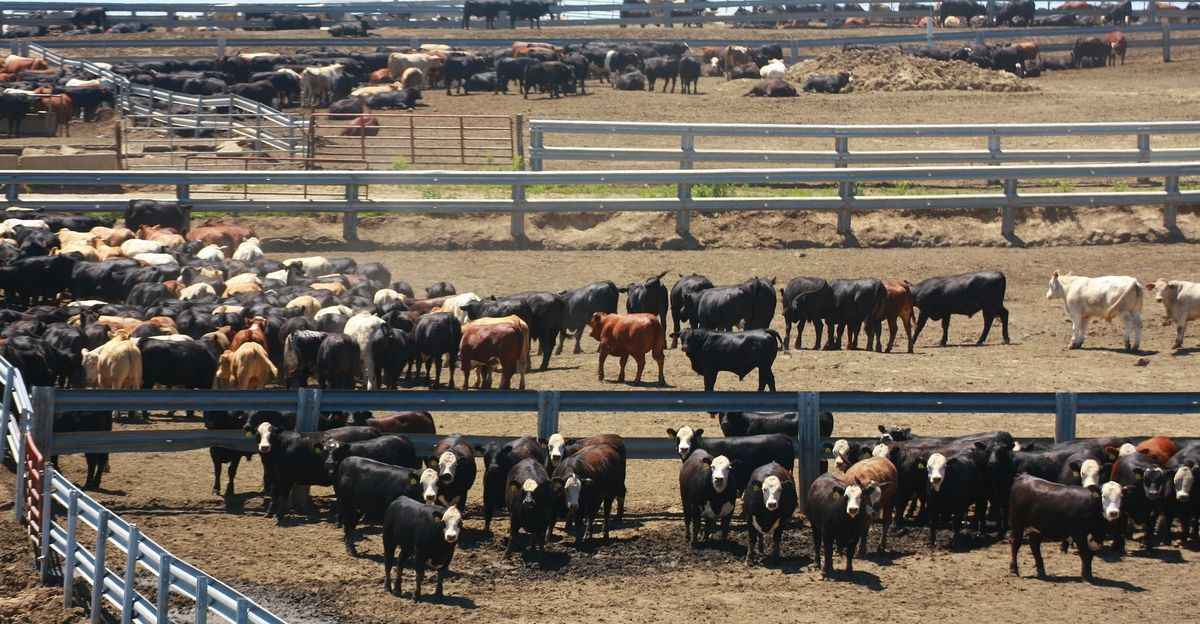
Tyson plans to increase production at other facilities, but U.S. cattle inventory is at a 75-year low. As of July 2025, only 28.7 million beef cows exist, 13% below 2019 levels. Redistribution of cattle will be costly and limited, forcing competition among remaining processors. Ground beef may remain scarce and expensive.
Consumers may soon feel the pinch at grocery stores.
Price Pressure for Consumers
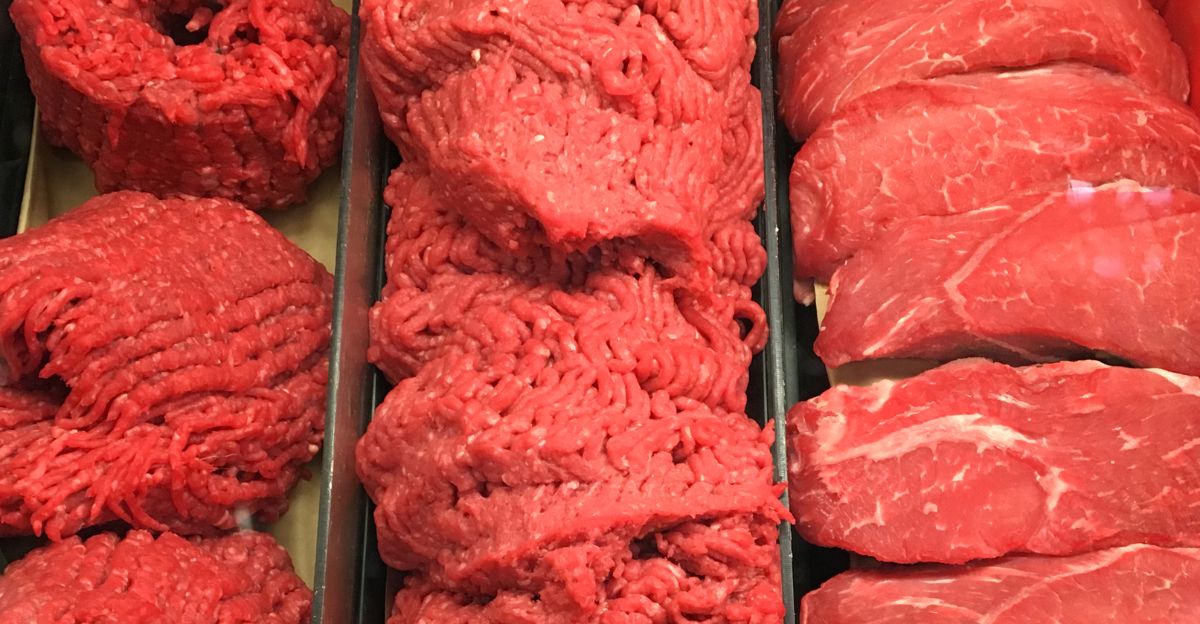
Ground beef hit $6.32 per pound in September 2025, up 26% since January 2024. Experts predict a potential $10-per-pound reality by Q3 2026. Nate Rempe, CEO of Omaha Steaks, warned, “Families are going to see $10-a-pound ground beef in the grocery store.” Rising prices follow shrinking processing capacity.
Will small ranchers survive these pressures?
Small Producers at Risk
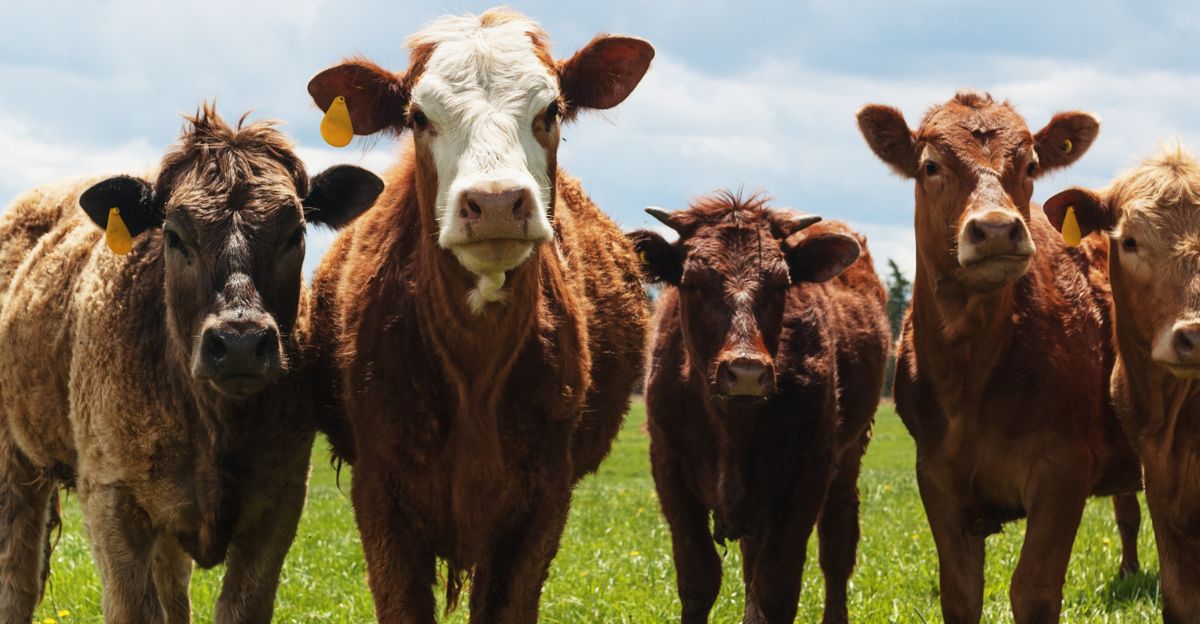
Seventy-nine percent of U.S. beef farms have 49 or fewer cattle. Many relied on Lexington as a stable buyer. Closure removes a key outlet, increasing transportation costs and economic risk. Bill Bullard said, “There’s just a lack of confidence in the industry right now.” Small producers face a shrinking market with rising uncertainty.
Their decisions could reshape future herd sizes.
Historical Context: Scale of Impact
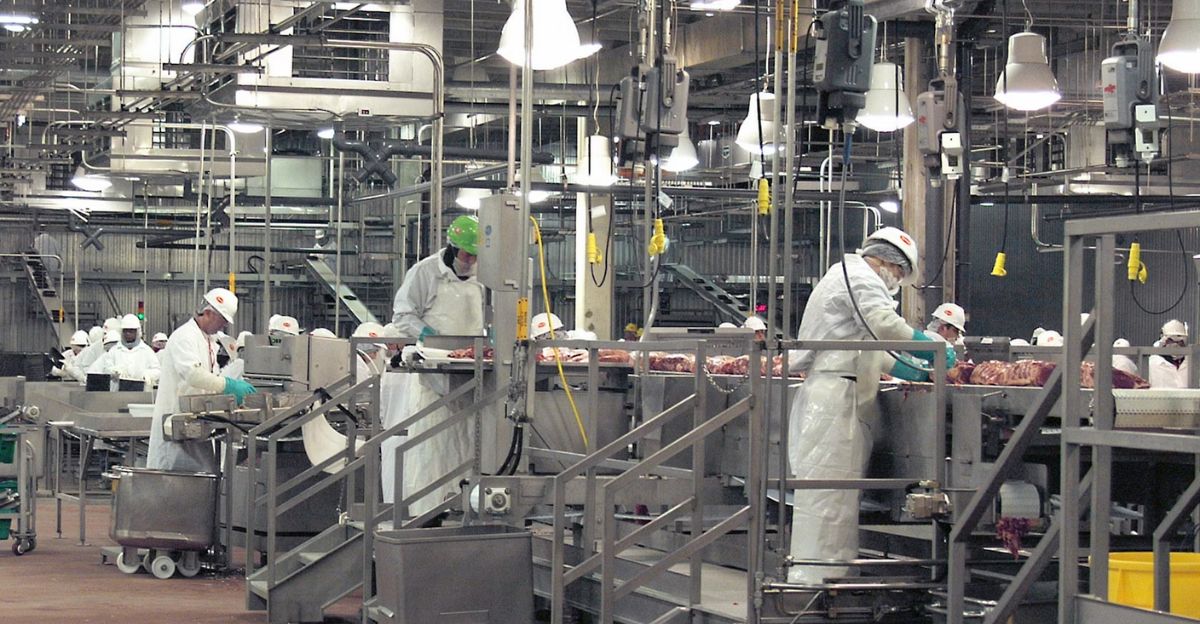
The Lexington closure is one of the most extensive single-employer shutdowns in U.S. meat processing history, considering the city’s size. In 2006, Tyson’s Norfolk, Nebraska, plant closed and remains vacant. The 2025 reduction is comparable in scale, affecting nearly one-third of a small city and removing thousands from the workforce in a historically sensitive market.
Timing around the holidays intensifies the hardship.
Timeline of Decisions
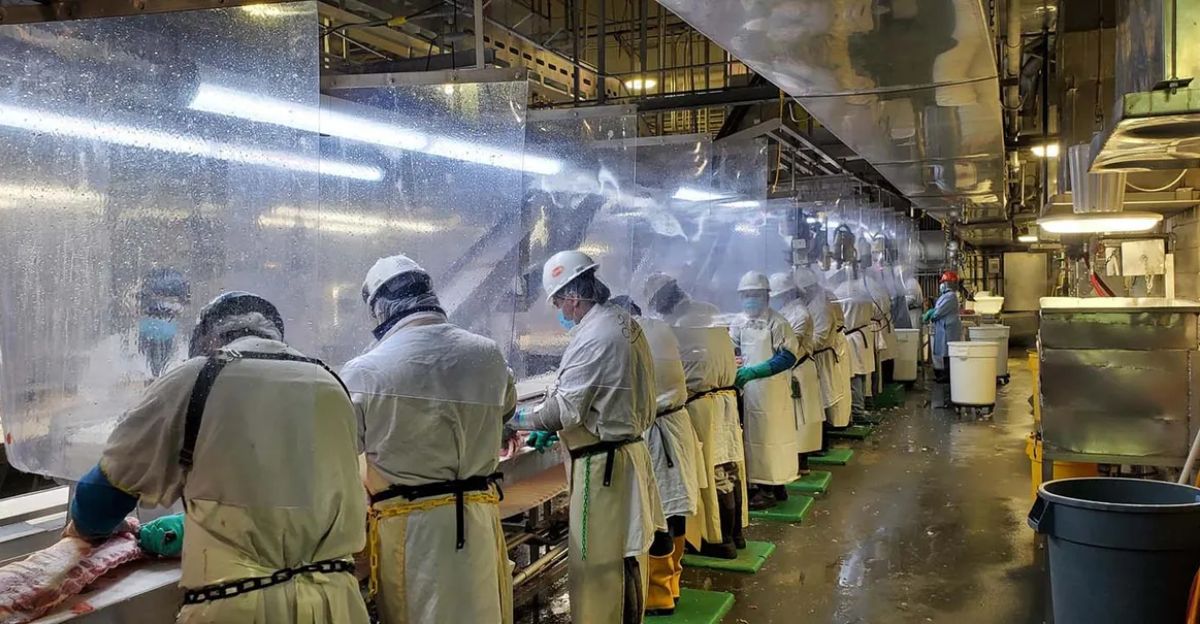
August 2024: 275 workers were laid off at the Fort Worth distribution center.
21 November 2025: Tyson announces the closure of Lexington and downsizing in Amarillo.
20 January 2026: Both closures take effect. Workers receive roughly eight weeks’ notice before termination.
The historical pattern of layoffs highlights how strategic decisions compound economic shocks over time.
Political Reactions Emerge
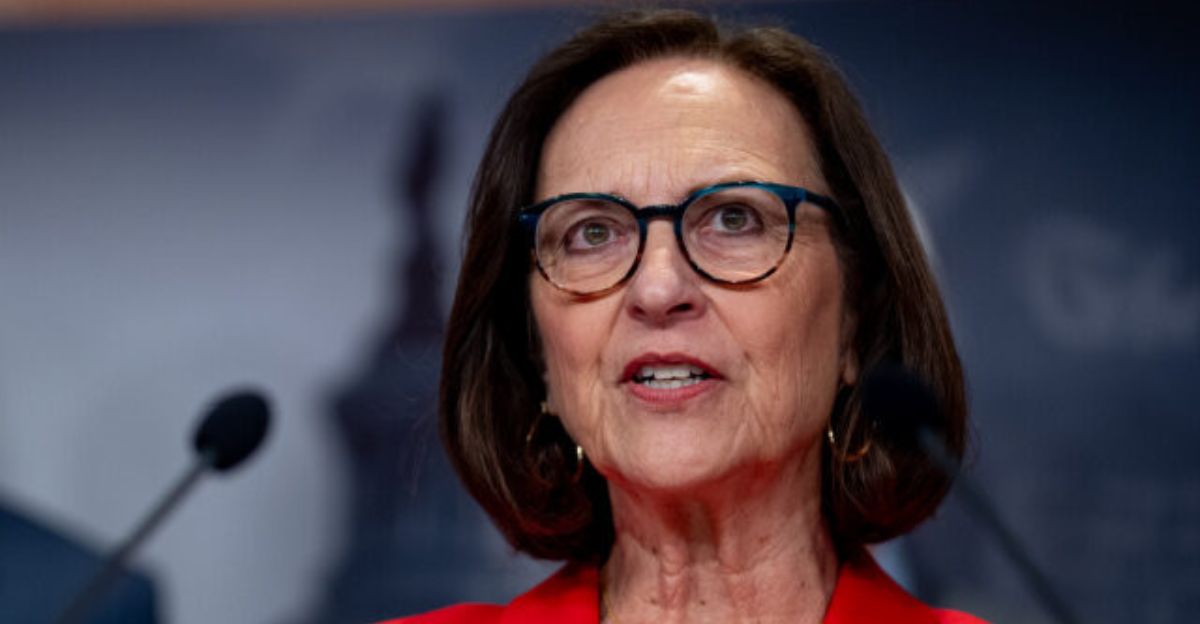
Senator Deb Fischer expressed dismay: “I am extremely disappointed by Tyson’s decision to close their Lexington facility,” warning about Nebraska’s beef market. Governor Jim Pillen noted the state will support employees and ranchers through reorganization. Congressman Adrian Smith pledged community aid, while Congressman Mike Flood warned of repeated history from prior closures.
These reactions highlight the political stakes of corporate decisions.
Why Tyson Closed Facilities

CEO King framed closures as “right-sizing” the beef business. The goal: reduce lower-margin commodity operations, increase branded product focus, and prioritize chicken, Tyson’s most profitable segment. Past inefficiencies required corrective measures to maintain long-term competitiveness. Strategic shifts highlight the balancing act between profitability and community impact.
The next question: what triggered this crisis?
Cattle Supply Collapse
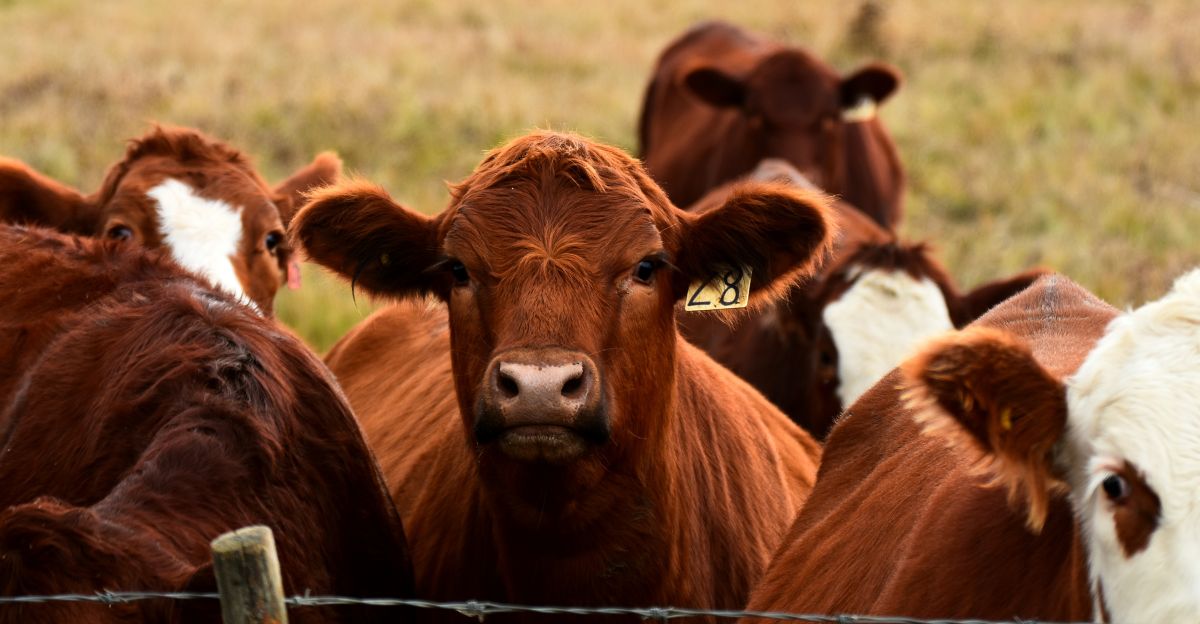
The U.S. cattle herd sits at a 75-year low, with 28.7 million beef cows as of July 2025. Drought, high input costs, and low investment incentives prevent herd rebuilding. Despite record prices, ranchers hesitate. Limited supply restricts processing volume and drives competition among processors, further squeezing margins.
This shortage also interacts with disease threats.
New World Screwworm Threat

The parasitic New World Screwworm advanced near the U.S. border by July 2025, prompting Washington to suspend Mexican cattle imports. USDA projected $1.8 billion in losses if outbreaks occurred. The import halt removed a crucial supply buffer, intensifying cattle scarcity and complicating Tyson’s operational plans.
Scarcity and margins combine to pressure decisions.
Margin Compression Explained

Tyson’s beef division faced rising costs outpacing sales growth. Q4 2025 losses totaled $94 million despite higher prices. CEO King explained, “While our beef sales have risen due to rising prices, higher cattle costs outpaced the higher sales.” Processing margins shrink when commodity costs rise faster than retail prices.
Excess capacity adds another challenge.
Industry Overcapacity
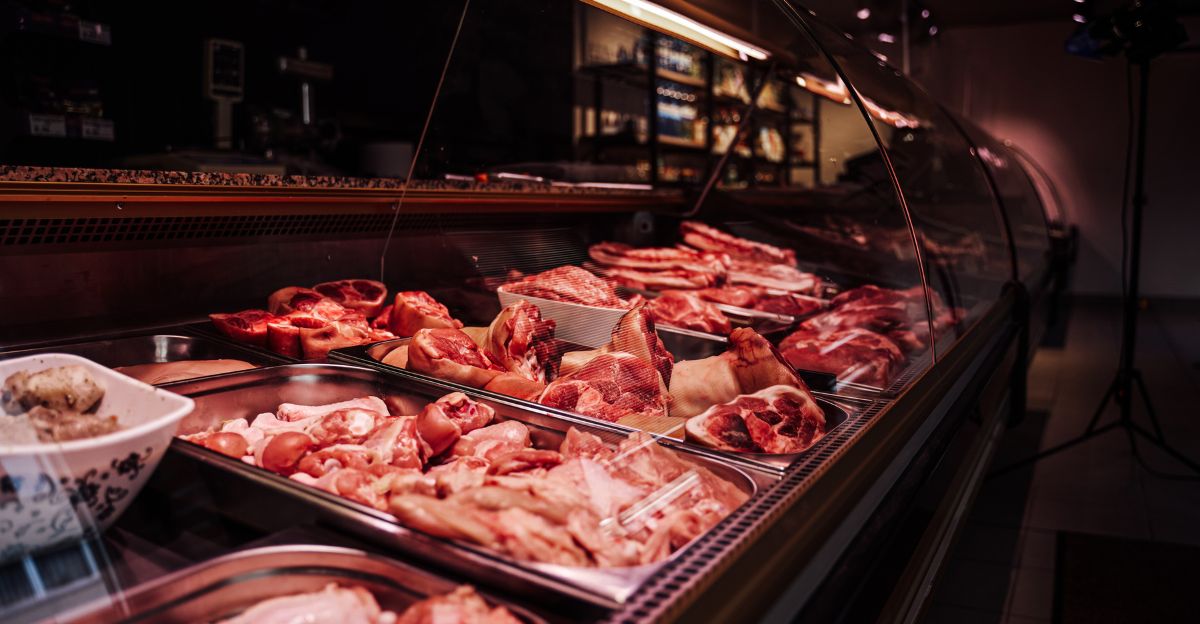
Total U.S. slaughtering capability exceeds available cattle. Consolidation left the Big Four controlling 85% of processing, limiting small competitors. Overcapacity depresses margins, making low-margin facilities like Lexington prime closure targets. Industry efficiency drives corporate strategy, even when communities bear the brunt.
How will Tyson implement these closures?
Plant Closure Logistics
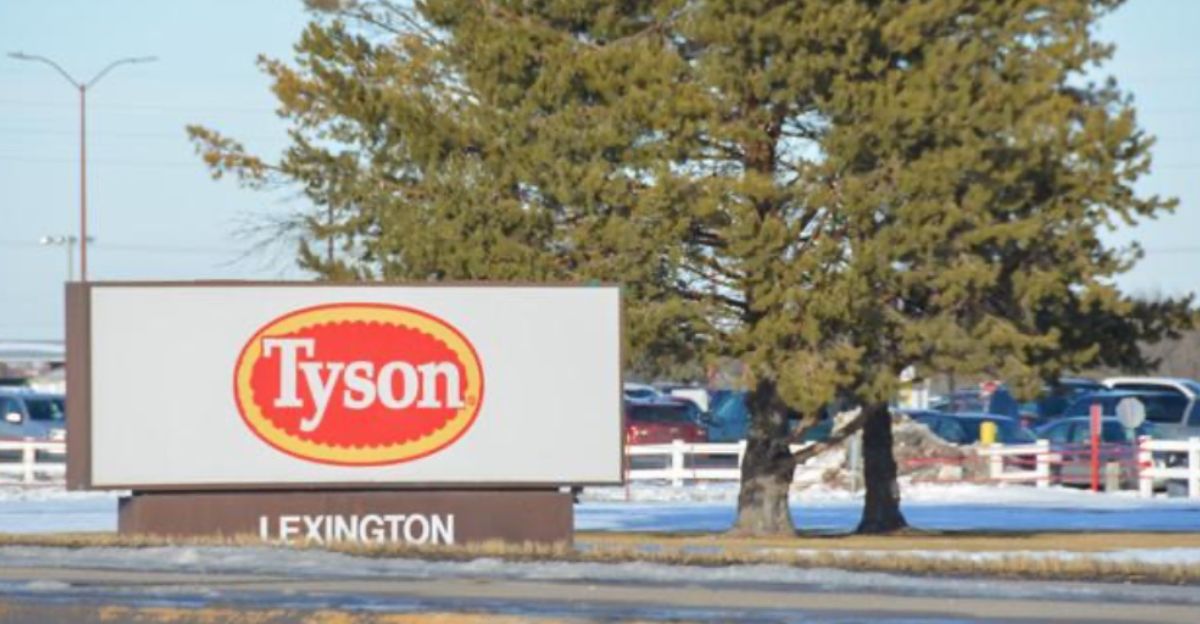
Lexington closes on 20 January 2026, eight weeks after the announcement. Some roles continue briefly to manage workflow. Tyson offers relocation and job placement support, though historical precedent suggests minimal long-term recovery. The plant processed 5,000 cattle daily, heavily disrupting supply chains. Amarillo reduces B-shift operations to maintain throughput with fewer staff.
Operational execution has ripple effects across local economies.
Economic Multiplier Effect
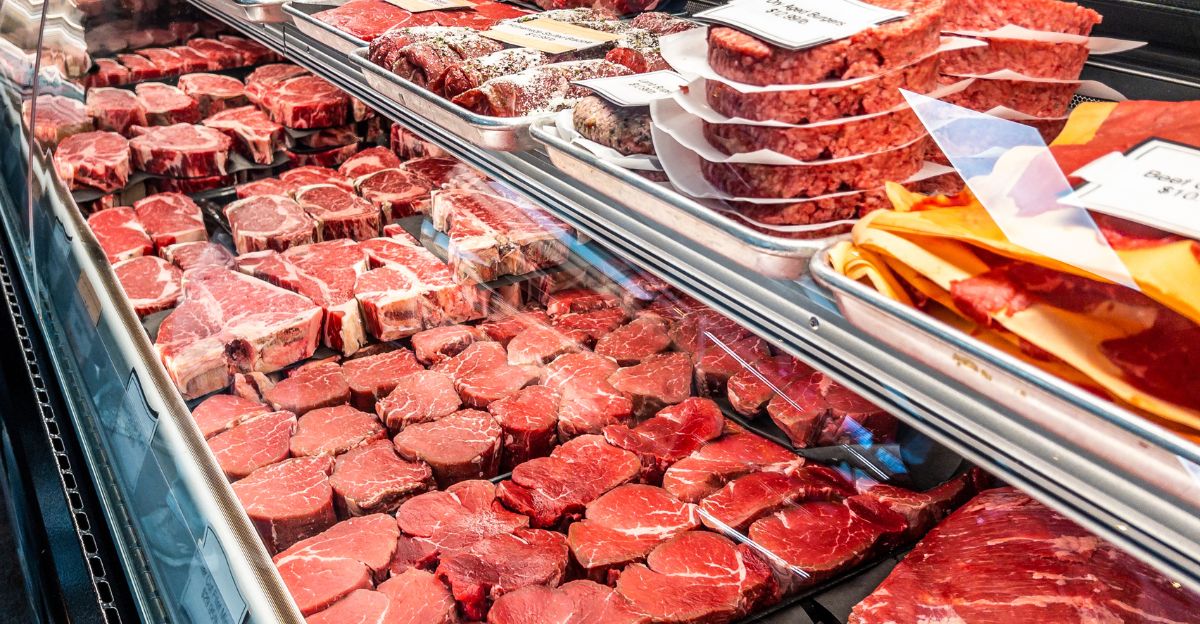
4,961 lost jobs, with an average wage of $35,000, equals $174 million annually. Supplier, service, and induced economic impacts multiply losses to $300-$520 million. Local retailers, banks, and utilities see contractions. Schools and public budgets face strain. Tyson closures create a cascading financial effect, far beyond direct payroll.
Communities feel the impacts long after the plant shutters.
Consumer Outlook and Scarcity
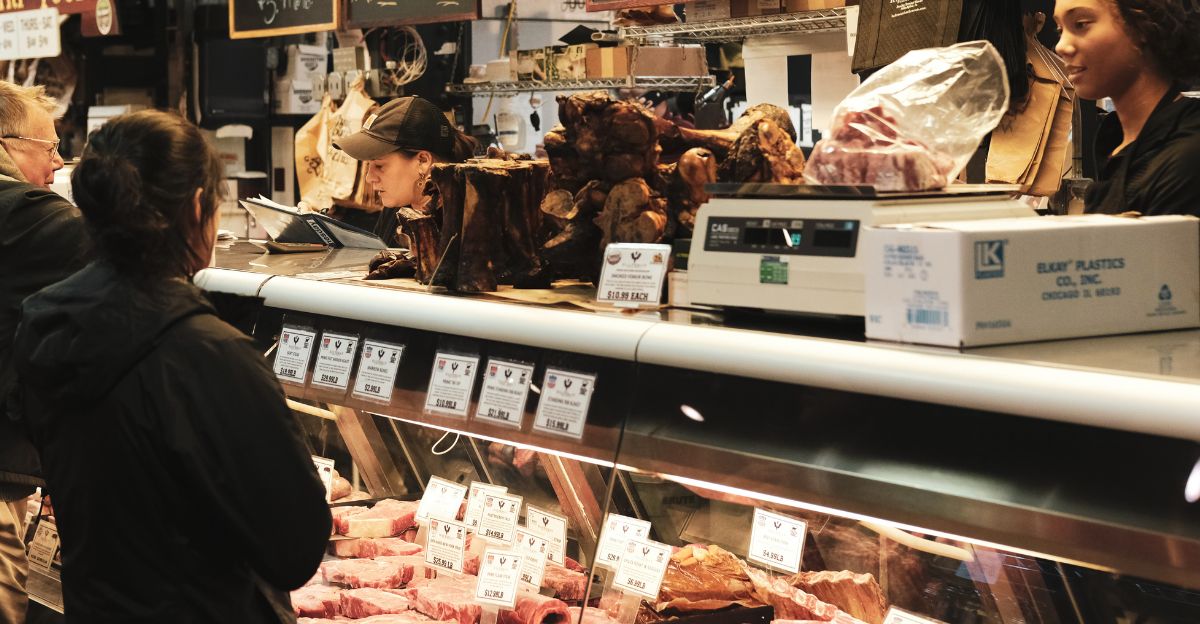
Processing reductions will tighten the supply over the next 6–12 months. Retail prices may rise further as cattle on feed are depleted. Continued herd reluctance could push ground beef toward $10 per pound by Q3 2026. Consumers face long-term scarcity, illustrating the paradox: record prices fail to incentivize higher production due to structural constraints.
What lies ahead for Tyson and the industry?
Strategic Takeaways
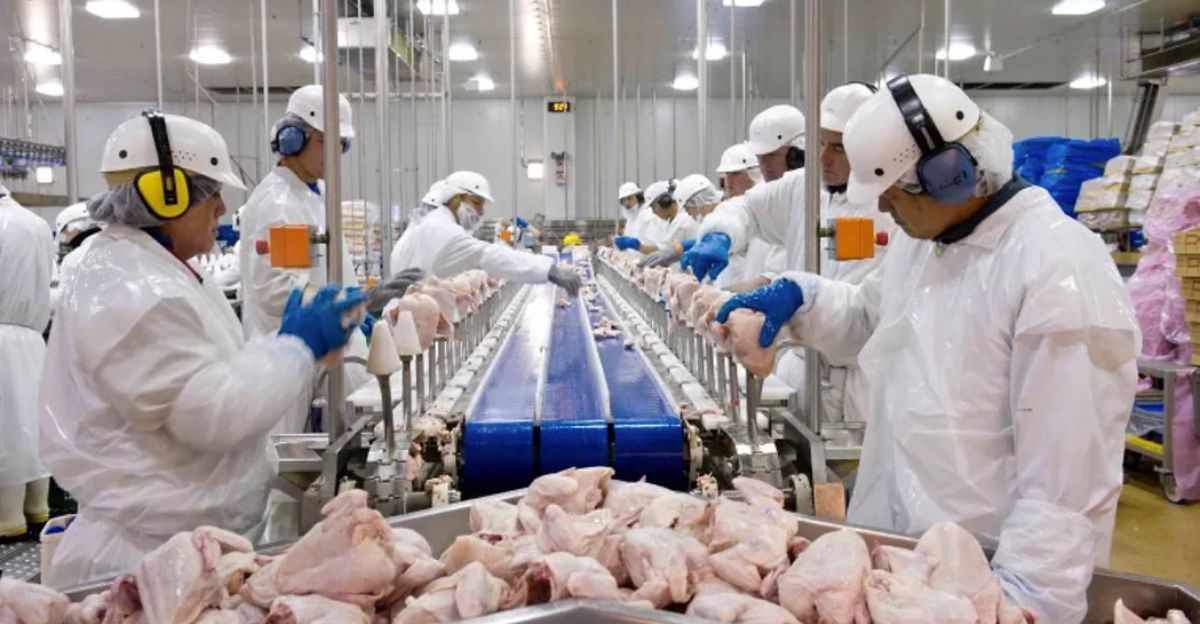
Tyson focuses on efficiency and branded products, shifting resources from commodity beef to chicken and higher-margin lines. The restructuring reduces risk but intensifies localized hardship. Lexington’s workforce and economy are particularly vulnerable. The corporate logic favors long-term profitability, yet community recovery remains uncertain.
The interplay of strategy and human cost drives continued debate.
Final Reflections
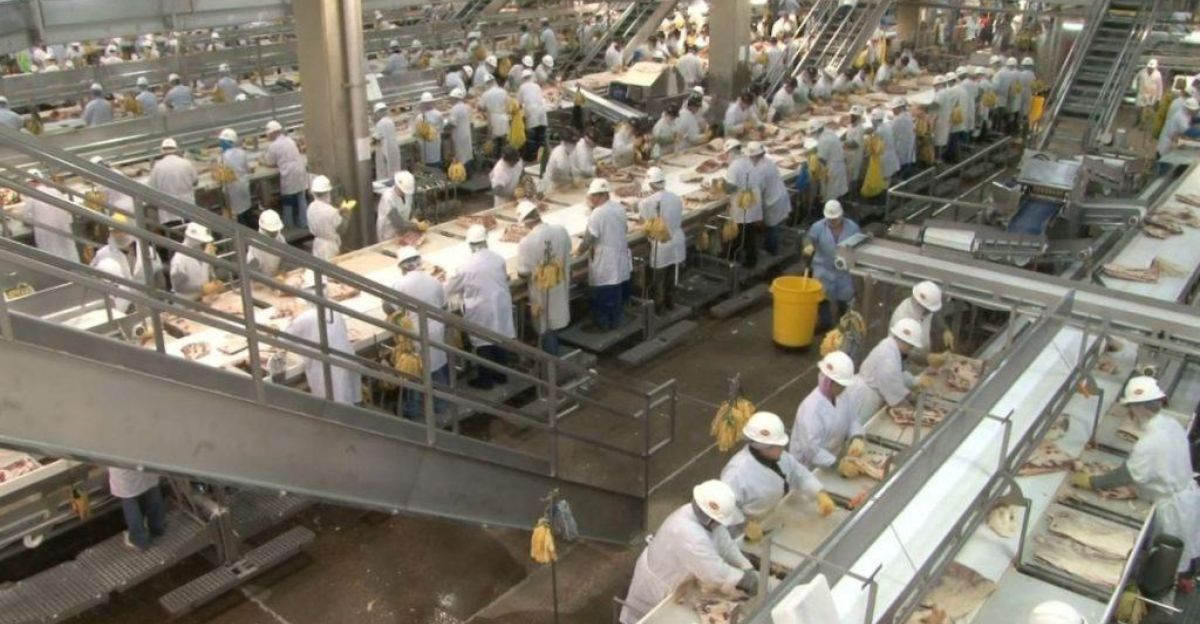
The closures reveal tensions between market forces, corporate strategy, and community stability. Tyson’s actions focus on financial efficiency but leave Lexington and small ranchers vulnerable. Retail consumers face rising costs, while politicians and industry observers weigh future policy responses. These shifts mark a critical moment in U.S. beef production history.
The impact on Nebraska and Texas will be studied for years.
Sources
Tyson Foods, Inc. Official Announcement – 21 November 2025
USDA Beef Industry Plan White Paper – 20 October 2025
USDA NASS United States Cattle Inventory Report – 24 July 2025
BLS Occupational Employment Statistics – May 2023
Federal Reserve Economic Data – Ground Beef Prices September 2025
Associated Press – Tyson closure reports November 2025
USDA Economic Research Service – Industry multiplier methodology
Reuters/Supply Chain Dive – Tyson Nebraska plant capacity reporting November 2025