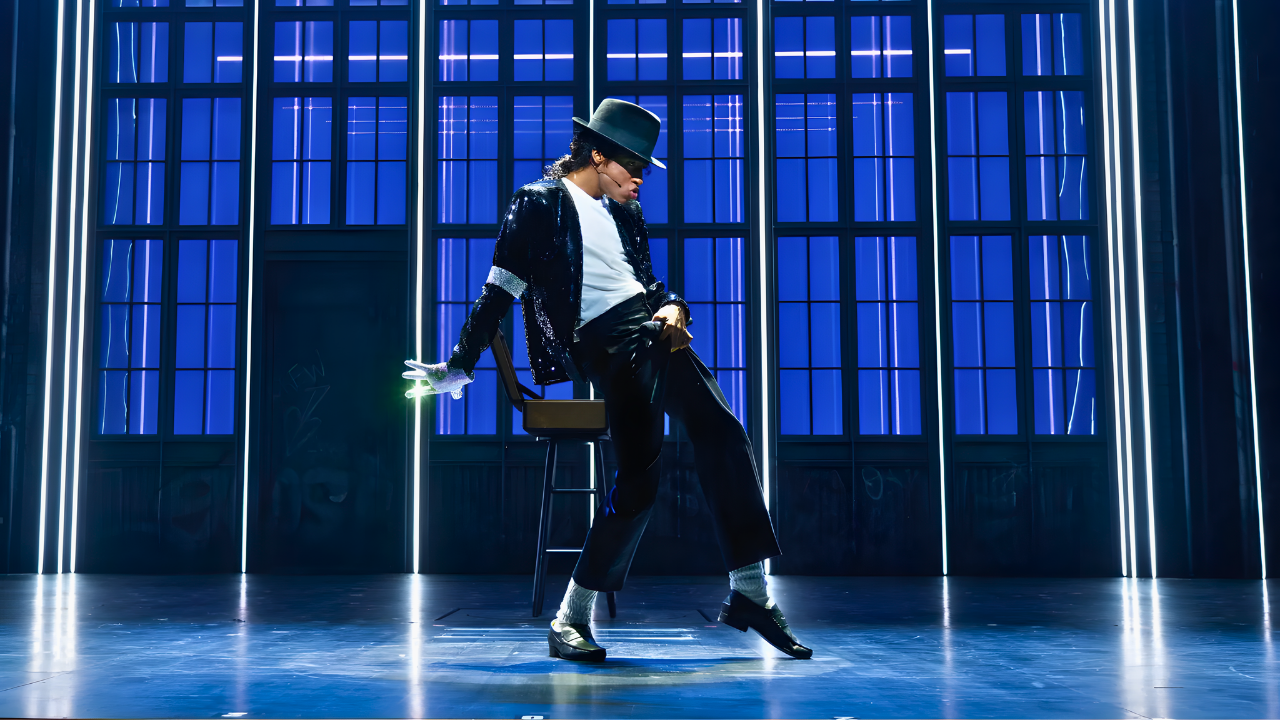
The unmistakable sound of the guitar riff cuts through the air—suddenly, the crowd is on their feet, and the atmosphere is electric. Boomers in the audience remember exactly where they were the first time they heard it. The pulse of the song—familiar, nostalgic—pulls them into a memory, a moment long past. This isn’t just music playing. It’s a portal.
As the melody swells, the scene is set for an emotional time-travel back to the carefree days of their youth, when the world seemed full of endless possibilities. But what made these songs so powerful, so timeless? Keep reading to discover the songs that continue to carry generations back to a time when everything felt like it was just beginning.
1. “Good Vibrations” by The Beach Boys (1966)
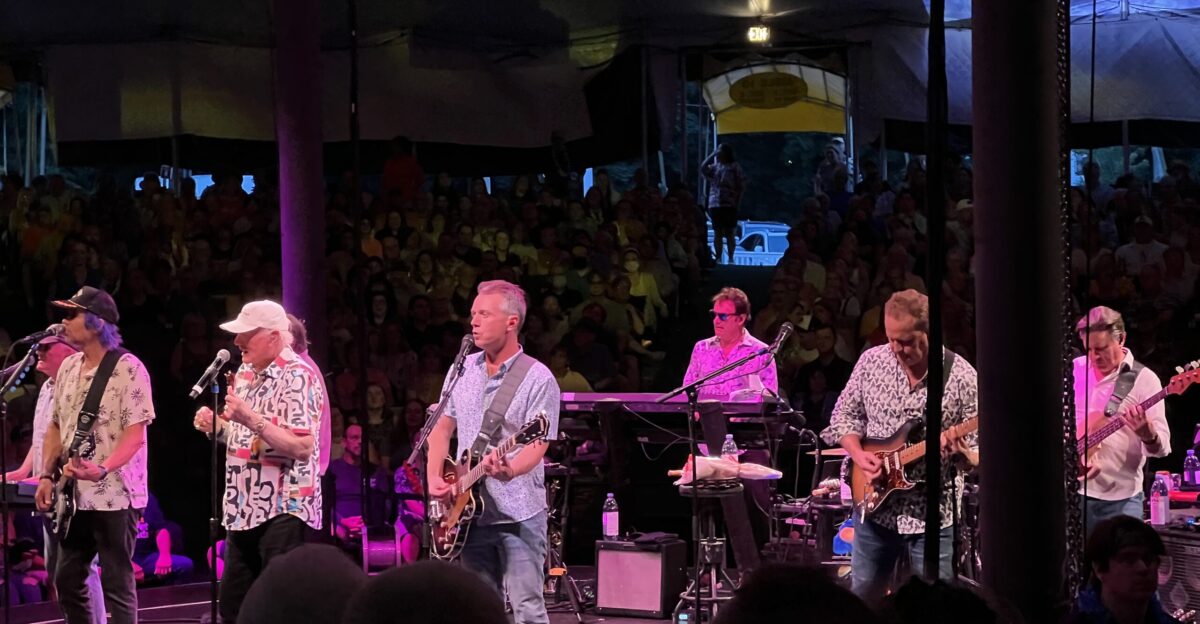
The opening notes of “Good Vibrations” whisk Boomers back to sun-soaked California beaches, even if they grew up far from the coast. Created by Brian Wilson, this song captures the 1960s’ carefree optimism, just before everything took a sharp turn.
It’s the perfect blend of pop and psychedelic, offering a snapshot of youth culture on the verge of transformation. It’s the soundtrack to first dates, drive-ins, and the feeling that the world was theirs for the taking.
A Time of Innocence
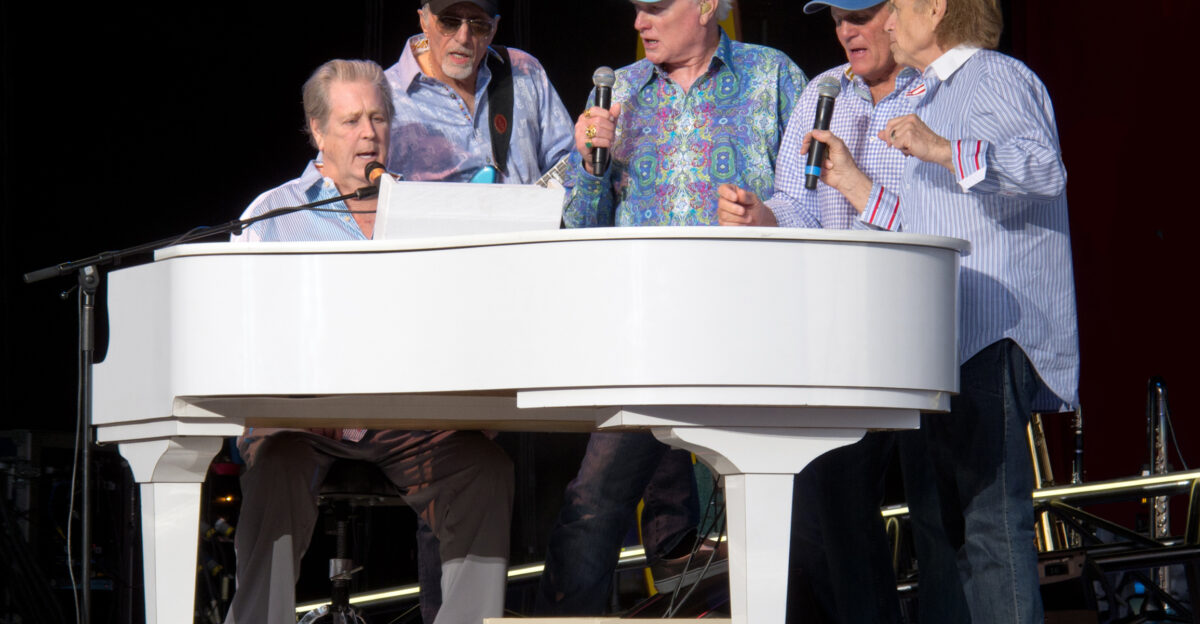
Released in 1966, “Good Vibrations” marked a fleeting moment of innocence. Vietnam was looming, and the Cultural Revolution was just beginning to gain momentum.
Yet, this song represented the last glimmer of optimism before the tumultuous years ahead. Its bright, lush harmonies evoke a time when music was a celebration of possibility. Boomers hear it now, and they’re transported to a place untouched by disillusionment, when hope seemed endless.
2. “Fortunate Son” by Creedence Clearwater Revival (1969)
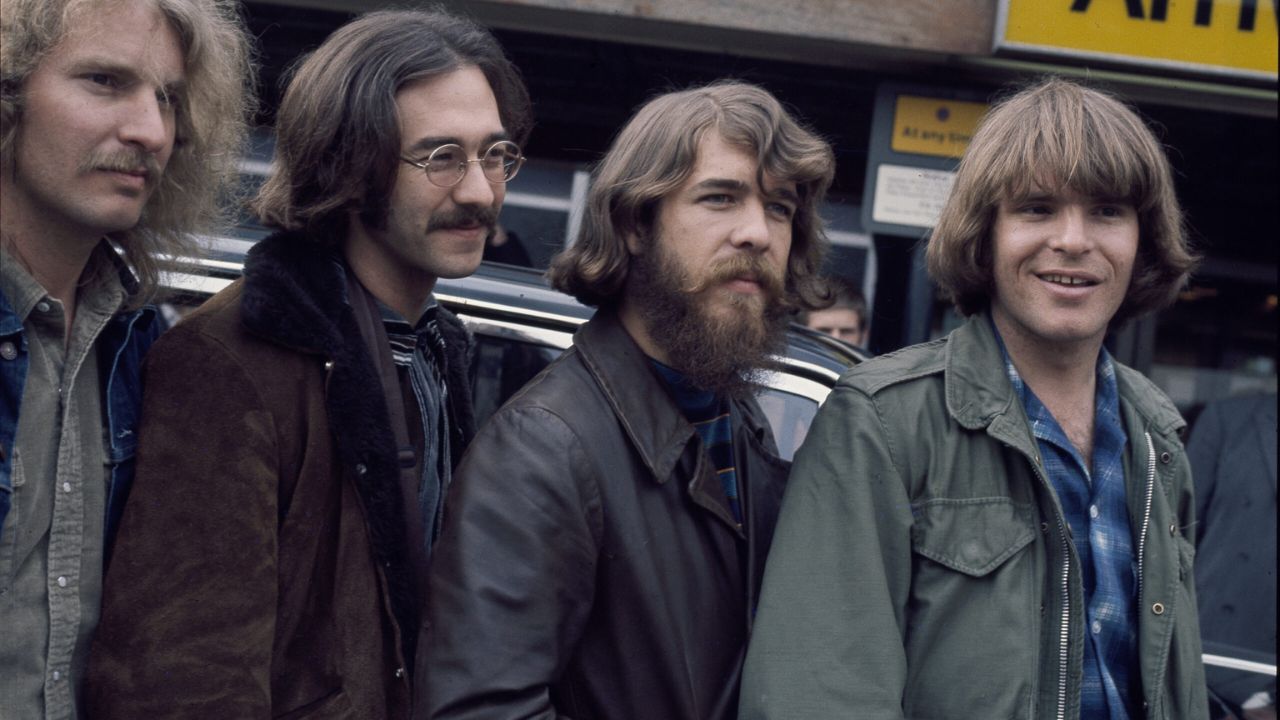
“Fortunate Son” was the anthem of a generation that saw their friends shipped off to Vietnam while the sons of the powerful stayed home.
John Fogerty’s gravelly voice still echoes with the urgency of protest. This song wasn’t just about anti-war sentiment—it was a sharp critique of the system that made young men cannon fodder for a war they didn’t believe in. It’s a song that encapsulated the disillusionment of an entire generation.
Irony of Co-Option
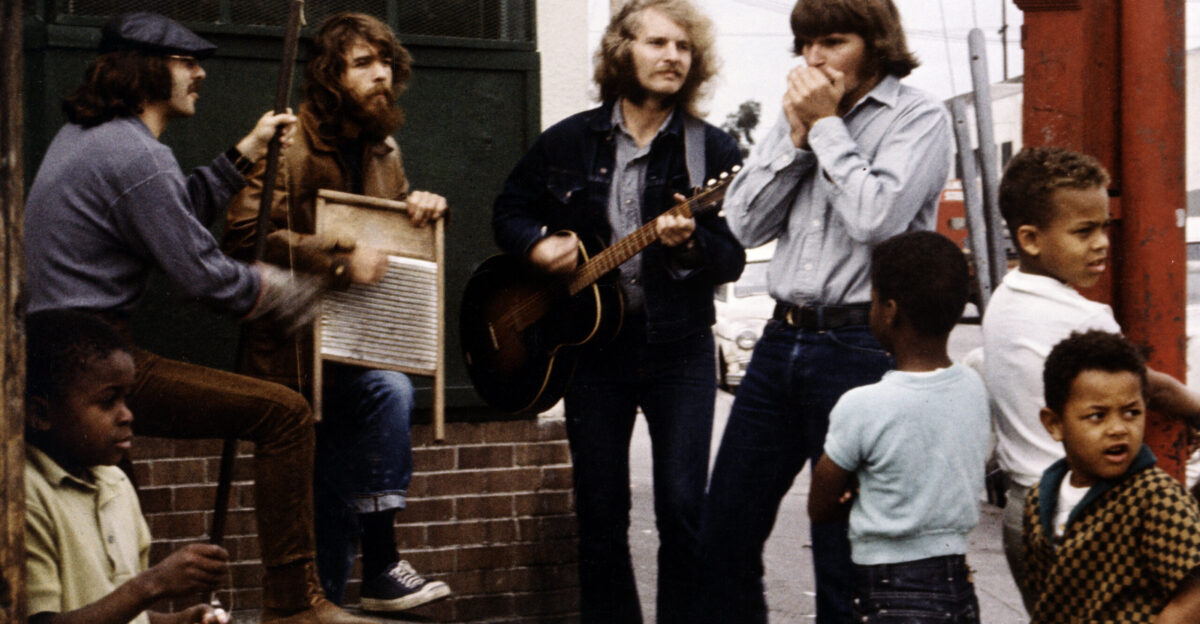
The irony is hard to ignore: “Fortunate Son,” a song condemning American war efforts, now plays at July 4th barbecues. For Boomers, it’s a reminder of the disconnect between the rebellion they lived and the commercialization of their protest music.
To some, this feels like a co-opted victory for the system it once defied. But to others, it’s a painful reminder of how their revolution was muted. Nonetheless, the song still carries the weight of history.
3. “Bridge Over Troubled Water” by Simon & Garfunkel (1970)
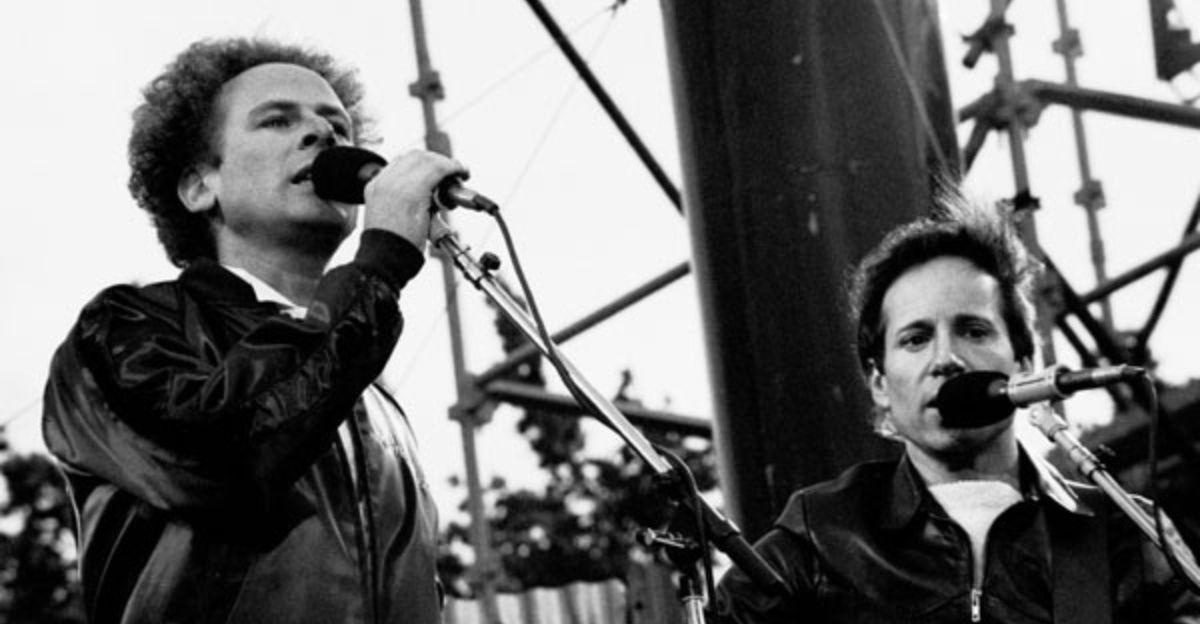
Released amidst America’s fractured state, “Bridge Over Troubled Water” became a beacon of comfort. The Vietnam protests were intensifying, and the civil rights movement was in full swing.
But this song, with its soaring vocals and calming piano, offered a promise: “I’ll be your bridge over troubled water.” For Boomers, it was a reminder that even in the darkest of times, there was someone to lean on. It’s a timeless message of hope in the face of adversity.
The Emotional Journey
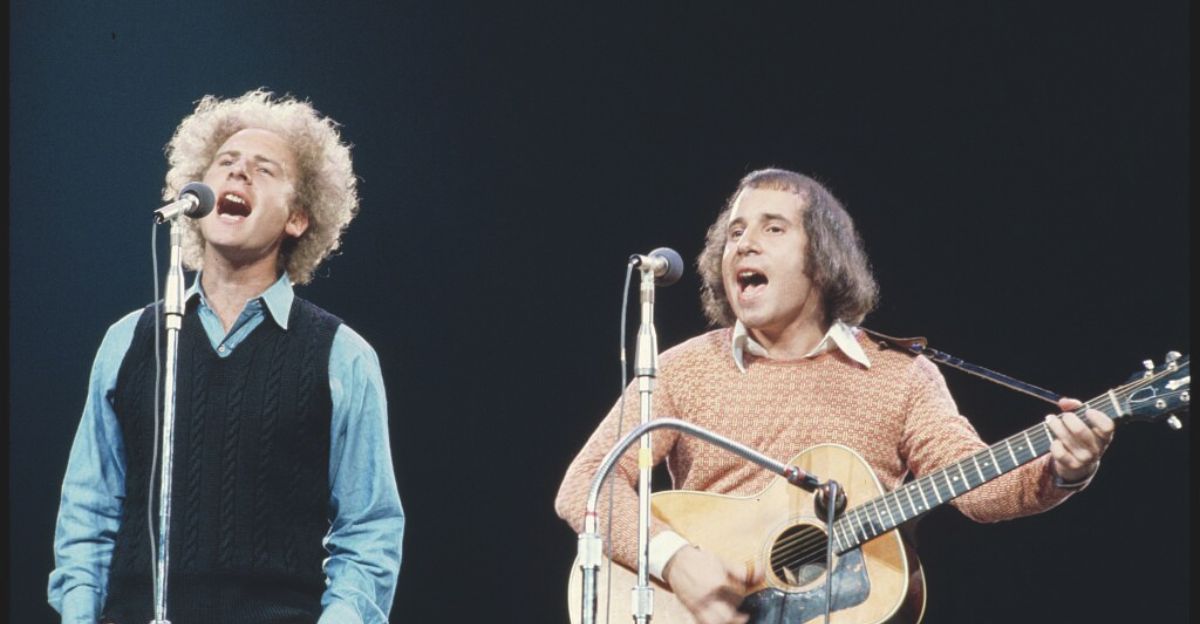
What makes “Bridge Over Troubled Water” unforgettable is its ability to build emotional intensity. Art Garfunkel’s voice, paired with Larry Knechtel’s gospel-infused piano, takes listeners on an emotional journey.
For Boomers, this song was more than a melody—it was a message of unwavering support during the uncertain times of the late 60s and early 70s. It’s the anthem of a generation seeking peace amidst chaos.
4. “Imagine” by John Lennon (1971)
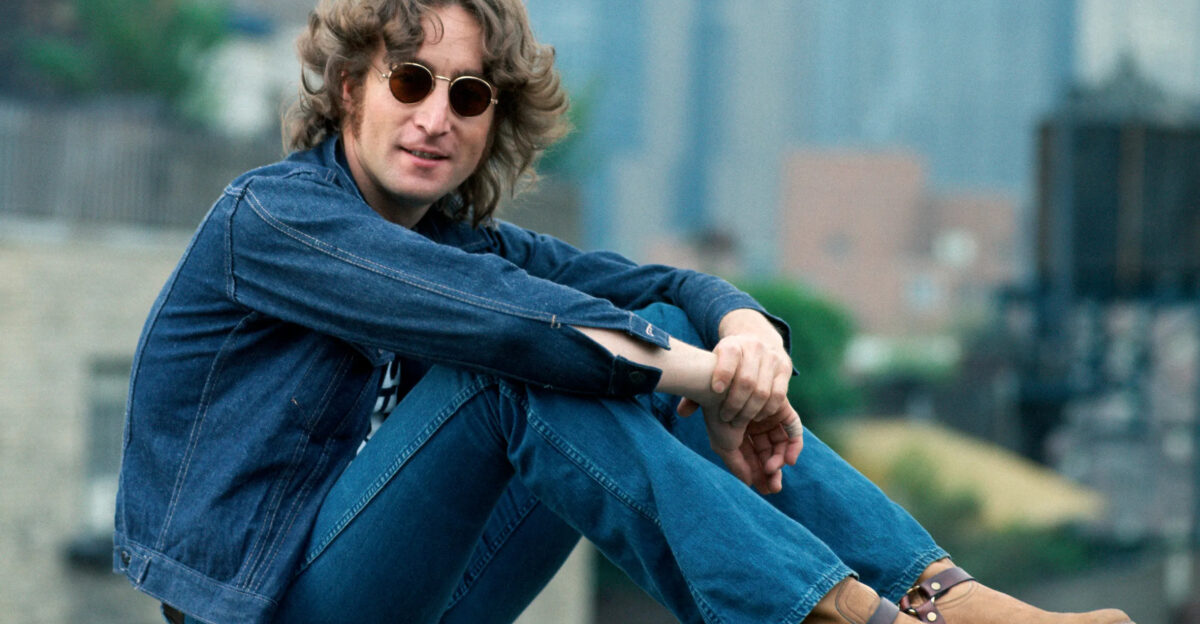
“Imagine” is the song that encapsulated everything Boomers aspired to. John Lennon’s utopian vision, released in 1971, was a call for peace and unity—a world without borders, religions, or possessions. For Boomers, it was the anthem of their idealism, reflecting their deepest hopes for a better, more harmonious world.
Even now, over fifty years later, “Imagine” continues to inspire and challenge the listener to dream of what could be.
The Dream That Ended
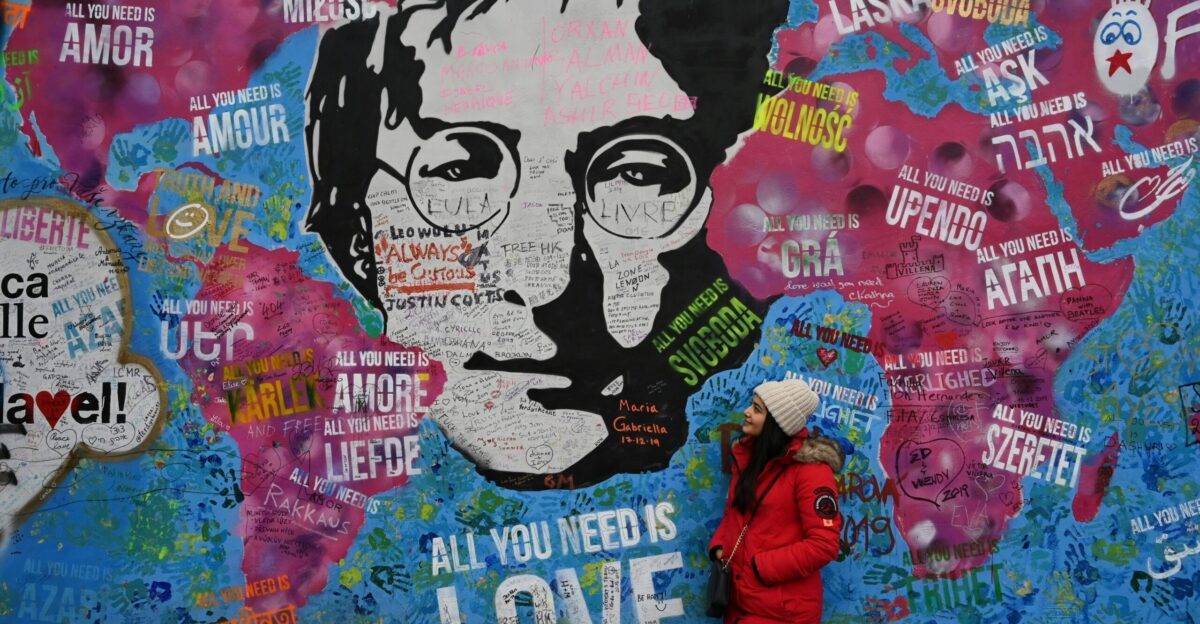
But “Imagine” also carries a bittersweet undertone for Boomers. The dream of a world united in peace remains largely unfulfilled. While progress has been made, the gap between Lennon’s vision and the present reality is stark.
This contrast makes the song even more powerful. It’s a reminder of youthful idealism, but also of the unfulfilled dreams of a generation that truly believed it could change the world.
5. “American Pie” by Don McLean (1971)
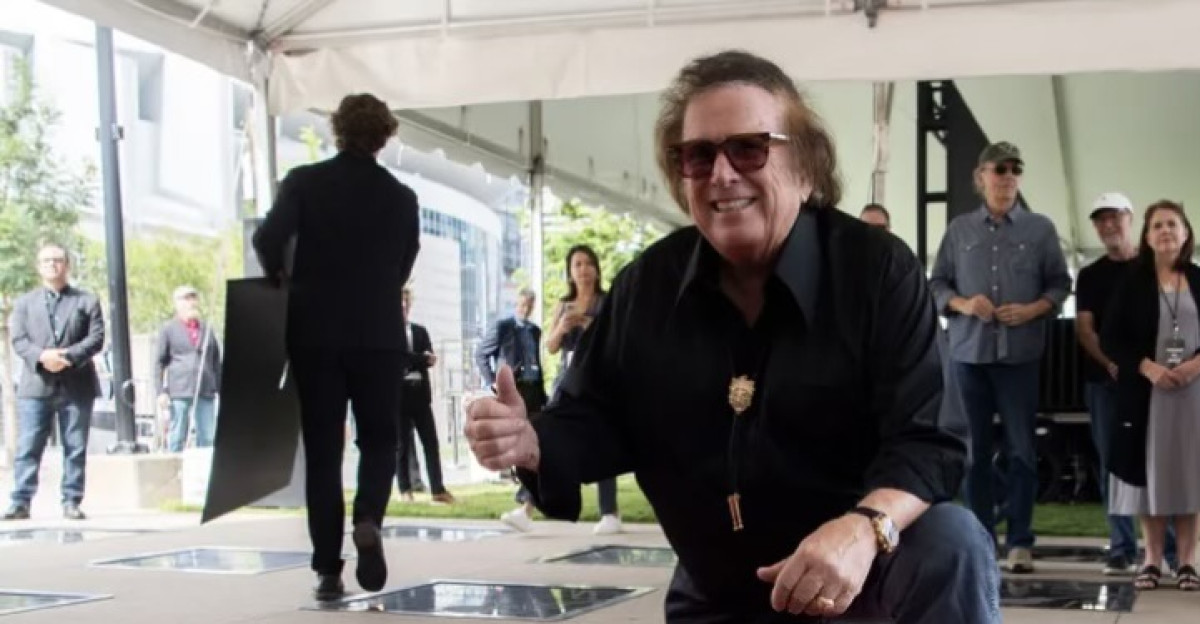
“American Pie” is more than just a song; it’s a cultural chronicle of a generation’s loss of innocence. At over eight minutes long, McLean weaves a tale of rock and roll’s transformation, telling the story of “the day the music died”—when Buddy Holly’s plane crashed in 1959.
For Boomers, “American Pie” represents a moment when everything shifted, not just in music, but in the world itself. The song captures a time of profound cultural upheaval.
Decoding the Mystery
The real legacy of “American Pie” isn’t just the music—it’s the mystery. Boomers spent decades dissecting McLean’s cryptic lyrics, debating the identities of the jester and the king, trying to understand the deeper meanings behind each verse.
This song became a cultural puzzle, one that demanded engagement. For those who lived through the 60s and 70s, solving the riddle was a way to understand their own history and the cultural shifts they experienced.
6. “Let’s Get It On” by Marvin Gaye (1973)
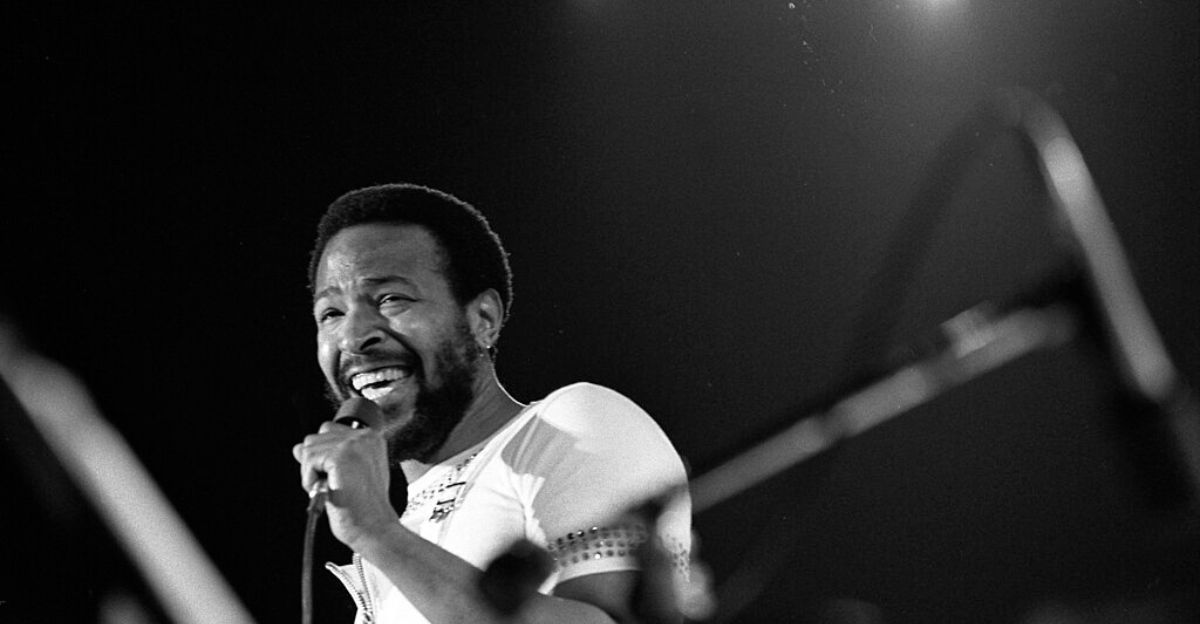
Marvin Gaye’s “Let’s Get It On” was more than just a love song—it was the anthem of the sexual revolution. Released in 1973, it marked a shift in how love and intimacy were portrayed in music. Smooth, sensual, and unapologetic, Gaye’s voice became the soundtrack for countless romantic moments.
For Boomers, hearing this song takes them back to a time when society was rethinking relationships, and freedom was a central theme.
Beyond the Physical
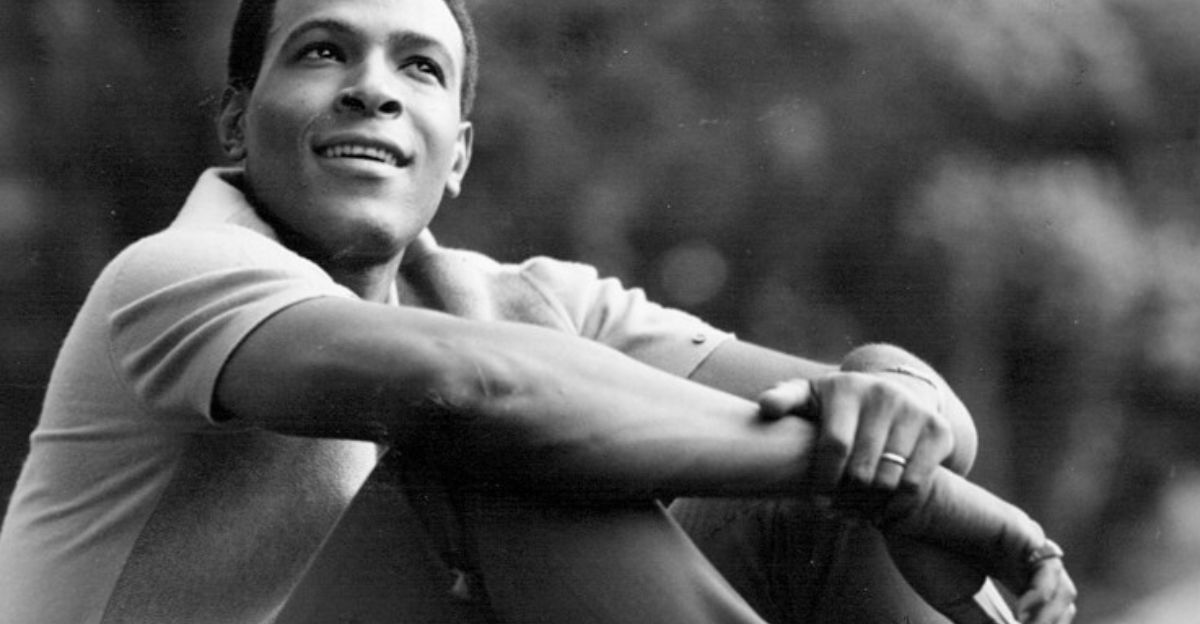
But “Let’s Get It On” wasn’t just about physical attraction. Gaye’s vocal delivery conveyed vulnerability and emotional connection, reflecting the evolving dynamics of relationships in the 1970s. This wasn’t about posturing; it was about mutual respect and emotional honesty.
For Boomers, the song became a symbol of liberation—not just sexually, but emotionally. It was a soundtrack for a generation that was redefining love and intimacy.
7. “Born to Run” by Bruce Springsteen (1975)
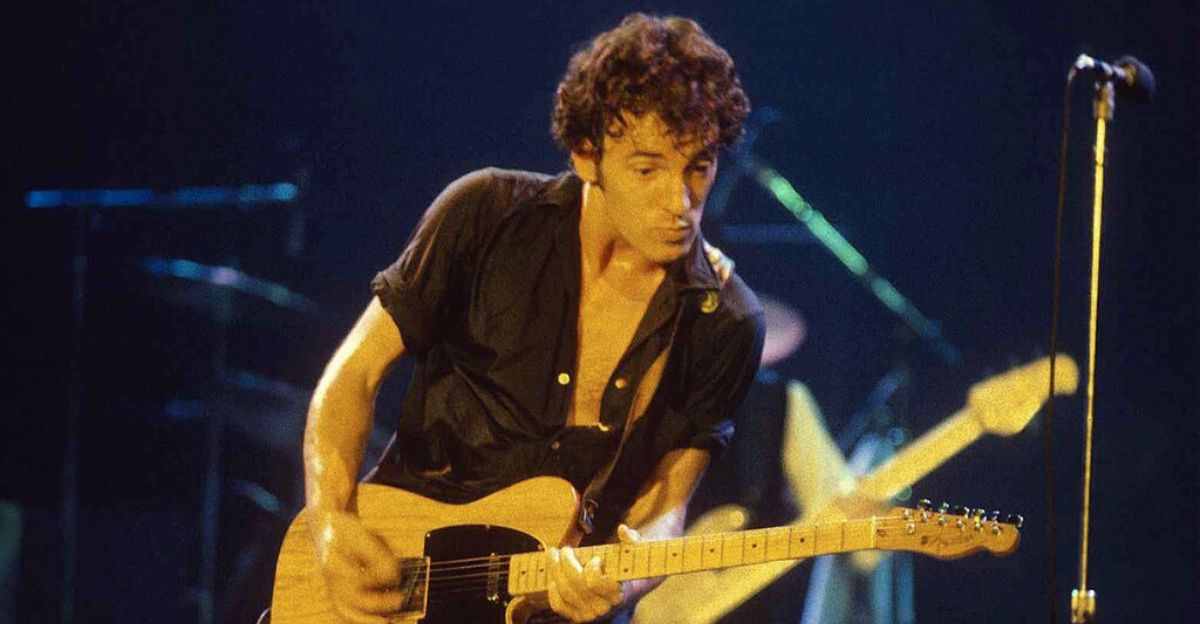
Springsteen’s “Born to Run” is the ultimate escape anthem. It speaks to the yearning for freedom, for breaking free from the constraints of small-town life. Released in 1975, it became the rallying cry for Boomers dreaming of a life filled with possibility and adventure.
The song’s frantic energy and raw emotion captured the feeling of being young, restless, and ready to face the world.
The Promise of Freedom
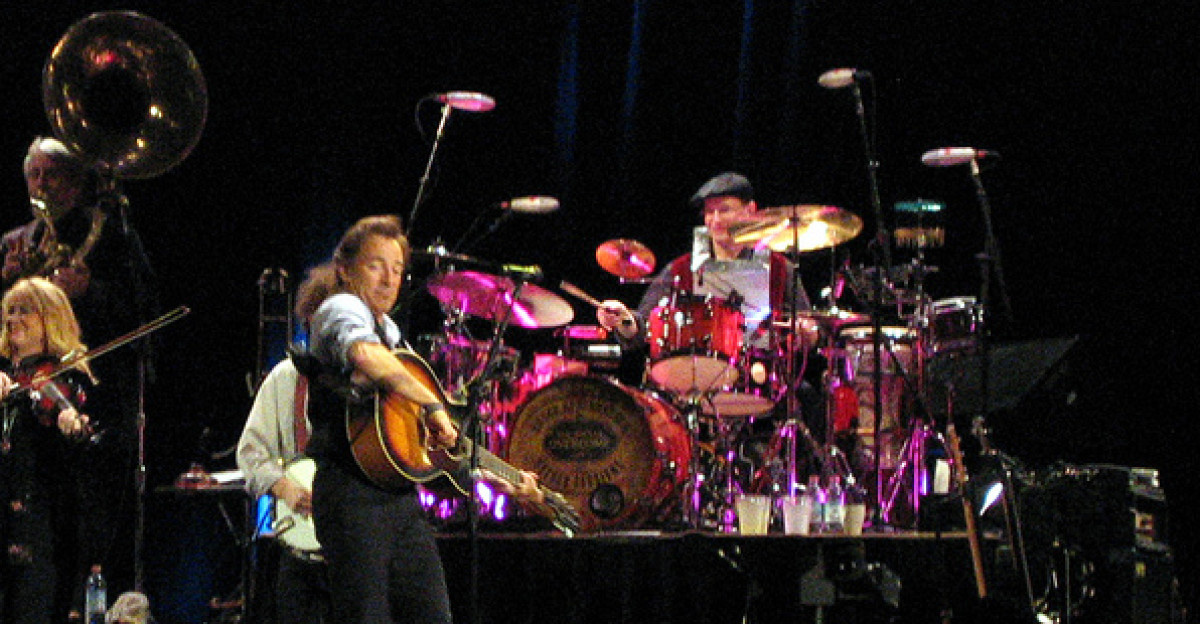
The theme of escape resonates even today. For Boomers, “Born to Run” symbolized the promise of the open road, the independence that came with having a car and the ability to drive anywhere.
Springsteen’s lyrics and the soaring saxophone became the sound of freedom. Every Boomer who heard this song couldn’t help but dream of running toward something better. It’s a universal longing that transcends time.
8. “Hotel California” by Eagles (1976)
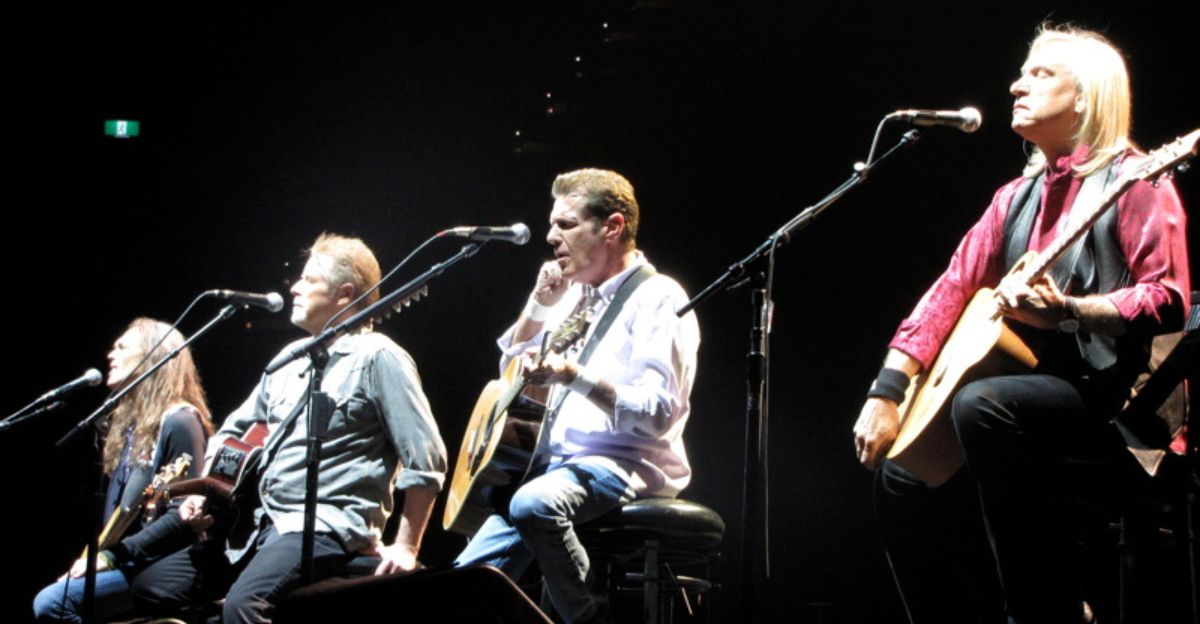
“Hotel California” is a song that encapsulated the darker side of the 1970s. Released in 1976, it became the soundtrack to the hangover that followed the idealism of the 60s. On the surface, it’s a catchy tune, but the lyrics speak to excess, materialism, and the loss of innocence.
Boomers interpret this song in different ways, but the haunting melody and cryptic message have made it a timeless classic.
Trapped in Paradise
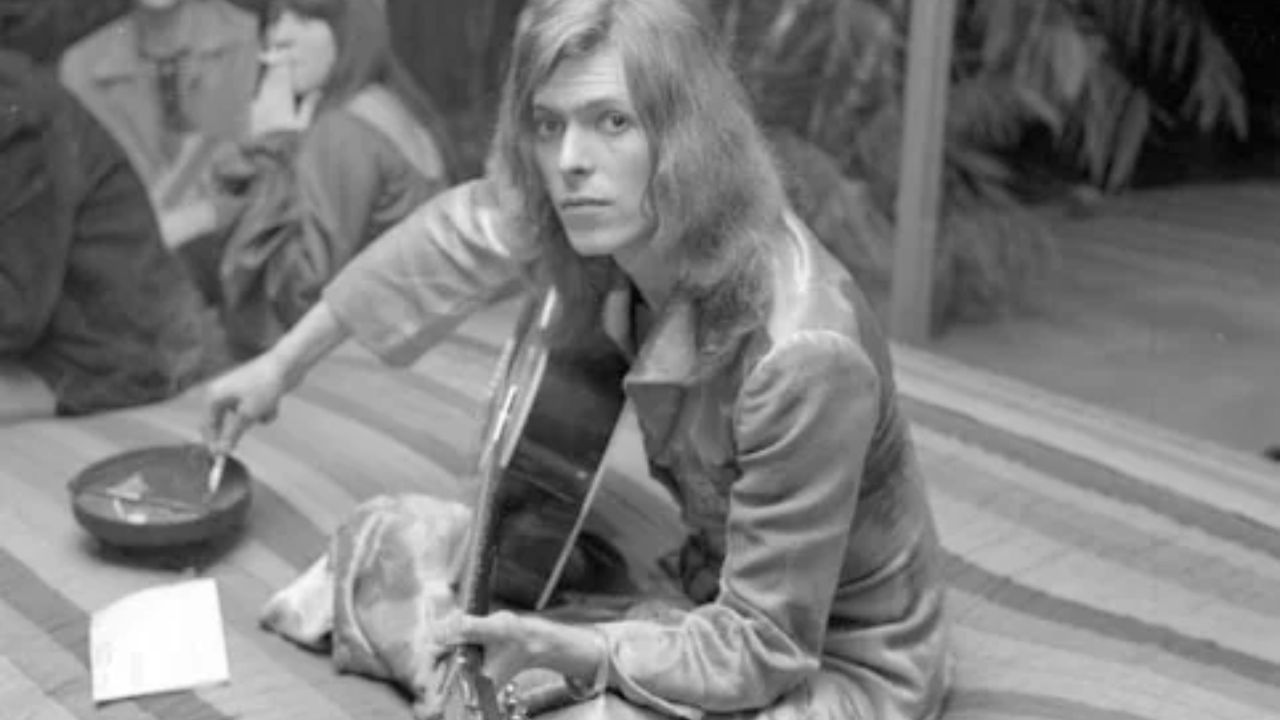
The most haunting part of “Hotel California” is its final lyric: “You can check out any time you like, but you can never leave.” For Boomers, this speaks to the sense of being trapped by the very system they once rebelled against.
The ideals of the 60s gave way to the harsh realities of the 70s, and many Boomers found themselves caught in the materialism and responsibilities they once despised.
9. “Dancing Queen” by ABBA (1976)
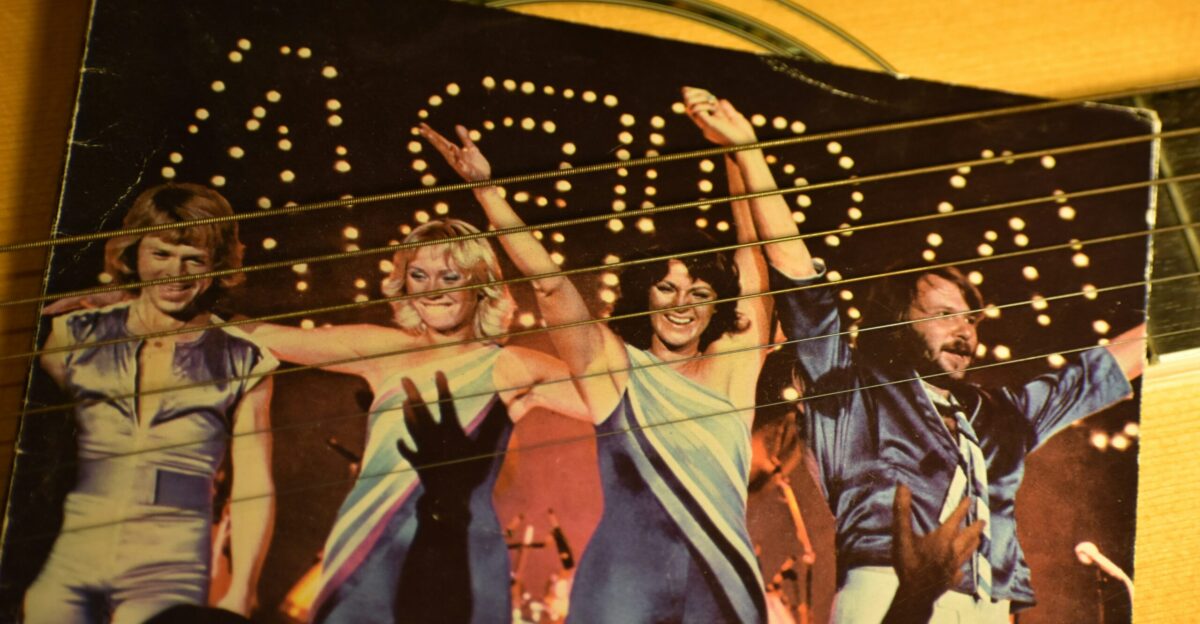
“Dancing Queen” is the ultimate celebration of youth. Released in 1976, it became an anthem of joy, freedom, and unbridled fun. While disco often gets a bad rap, this song captured the essence of what it was all about: letting go, having fun, and celebrating being young.
For Boomers, hearing “Dancing Queen” takes them back to carefree nights when all that mattered was the music and the moment.
Out-Discoing America
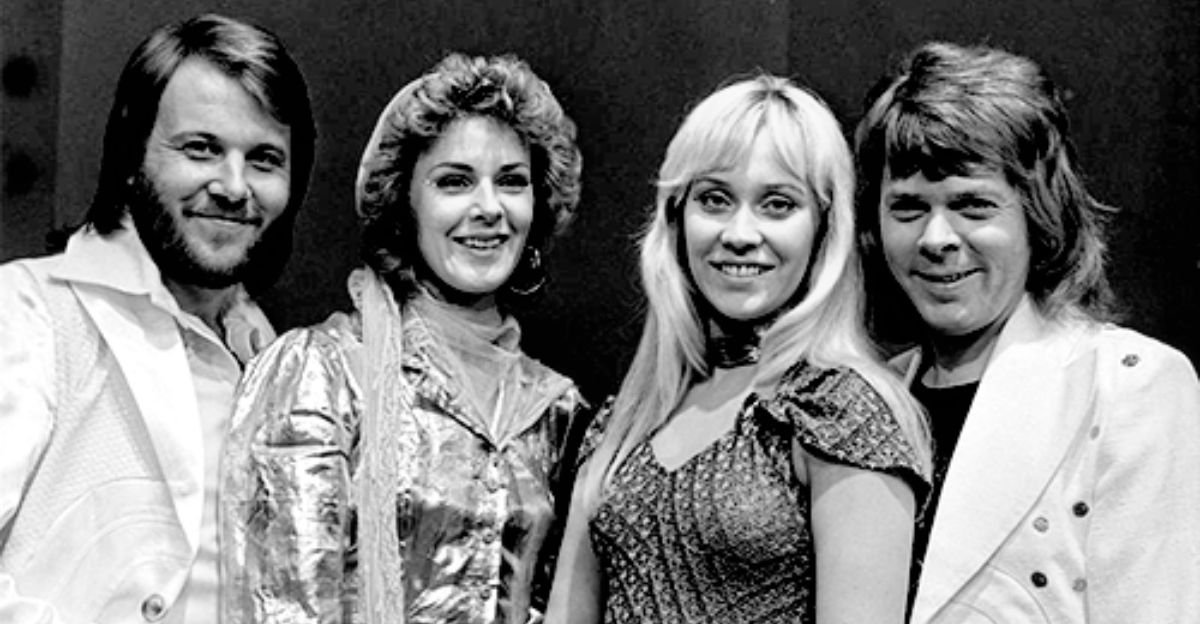
ABBA wasn’t American, but their “Dancing Queen” became the epitome of U.S. disco culture. It was the song that even Boomers who wouldn’t be caught dead in a disco club couldn’t resist.
The Swedes had outdone American bands at their own game, capturing the joy of the era better than most U.S. acts. The song transcended the disco genre, becoming something universally beloved by a generation.
Music That Defies Time
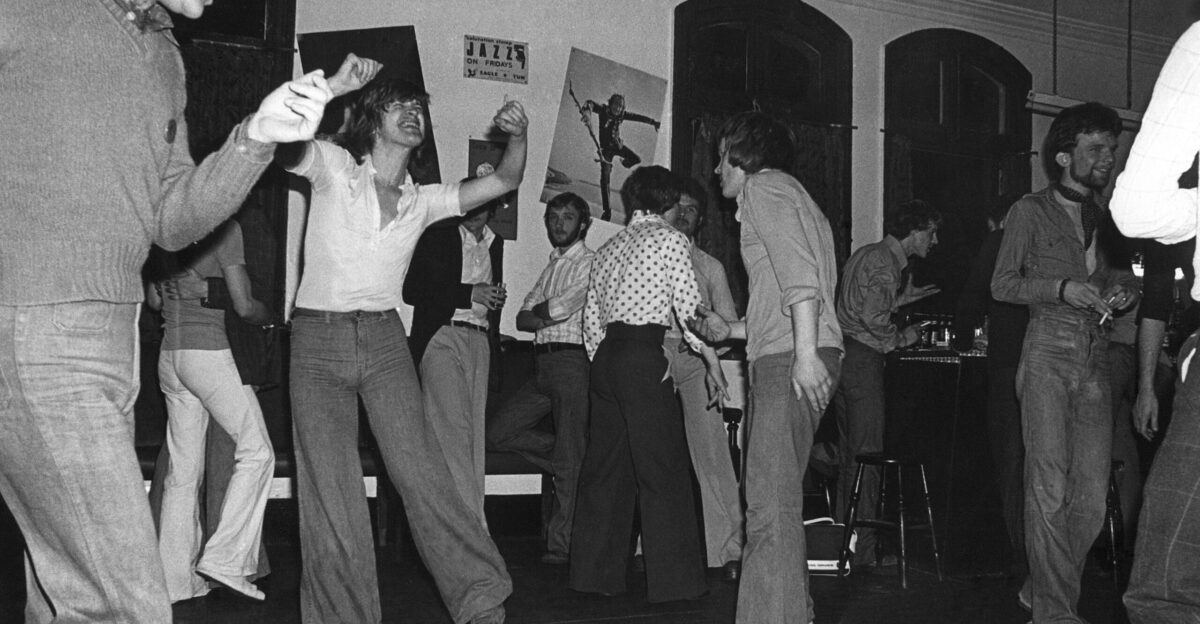
These nine songs are more than just music—they are emotional bookmarks. They take Boomers back to moments that shaped who they are. From love and rebellion to loss and hope, these songs define the cultural fabric of an entire generation.
Each note collapses decades, reminding us that music doesn’t just remind us of the past—it allows us to live it again.