
Tech doesn’t always go as planned. Some of the biggest names once promised to change the world, only to crash hard, taking billions (or trillions) with them.
From risky startups to major Wall Street players, these stories show what happens when ambition outpaces reality. Here are the nine most expensive tech disasters in U.S. history, and what we can learn from their collapse.
Big Promises, Bigger Wreckage
These disasters didn’t start with failure. They started with excitement, hype, and lots of cash.
During the dot-com bubble, investors threw $500 billion into half-baked startups, some built on napkin scribbles. With few rules and sky-high goals, companies raced toward growth at any cost. The result? Some of the worst crashes in American business history.
When the Numbers Were All Lies
In the early 2000s, companies started using tech to cover up bad numbers. New software helped them hide debt and invent profits they hadn’t earned yet.
Thanks to tricks like mark-to-market accounting, firms reported imaginary gains as real income. These weren’t accidents; they were digital fraud schemes that fooled even top investors and regulators.
Real People Paid the Price

Behind every failed tech giant are thousands of people left picking up the pieces. Enron’s collapse wiped out 20,000 jobs and $2 billion in retirement savings.
Webvan shut down overnight, laying off 2,000 workers. WeWork’s crash disrupted life for 730,000 members. These were more than business failures; they were personal tragedies for families and communities.
#9 – A Sock Puppet That Burned $300 Million

Pets.com became a symbol of the dot-com crash, known more for its goofy sock puppet than its broken business model.
They sold pet food at a loss, spending more than $70 million on ads while shipping 50-pound bags for free. The company burned through $300 million in just 268 days before shutting down.
#8 – Better Place, Worse Results
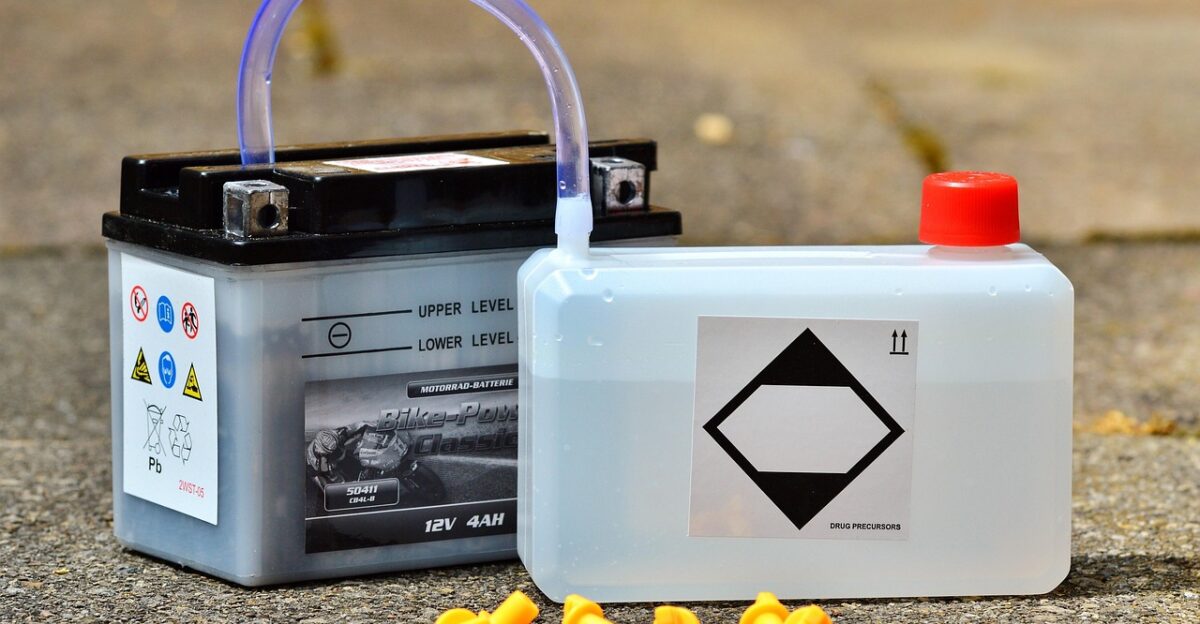
Better Place promised to change how we drive by swapping out EV batteries at roadside stations. It raised $850 million, with backing from Renault and governments.
But the plan was expensive and impractical. Drivers didn’t want to stop every 100 miles to change batteries. After building just 37 stations, the company folded in 2013.
#7 – Webvan’s Grocery Delivery Disaster
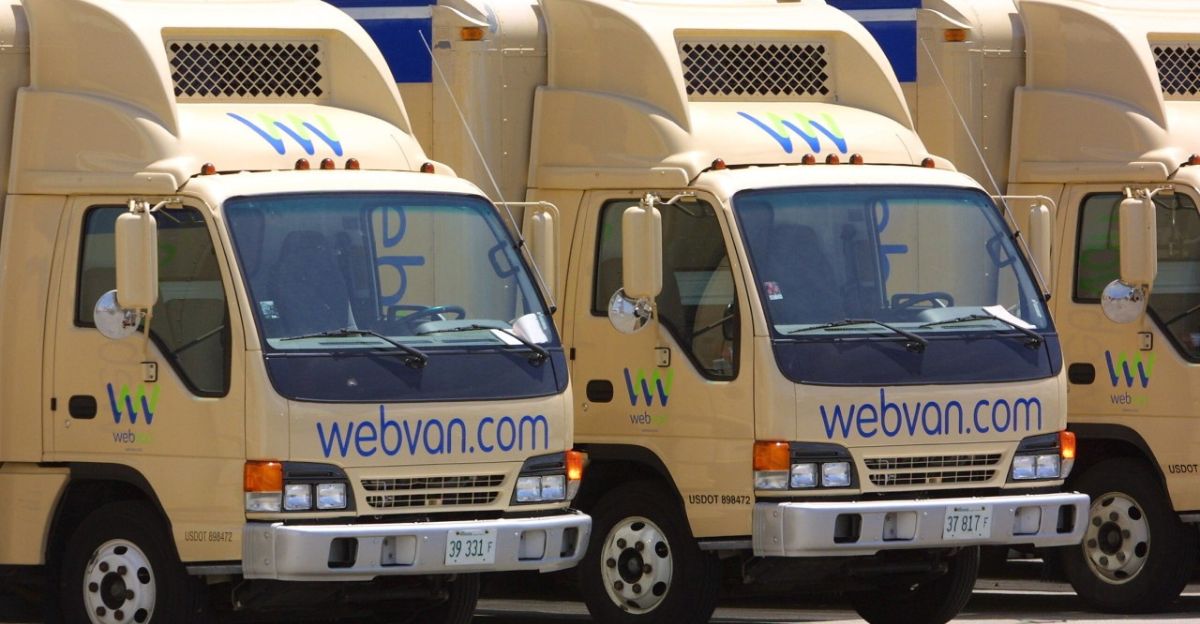
Webvan raised $800 million to deliver groceries in under 30 minutes. They built high-tech warehouses before proving customers wanted the service.
Stock soared to $34, then crashed to 6 cents. CEO George Shaheen quit his $20 million consulting job, only to leave Webvan with a $375,000 pension while the company burned out.
#6 – Solyndra’s Solar Blowout

Solyndra scored $535 million from Obama’s stimulus plan. But it made solar panels that cost more to build than they sold for.
Even with warnings from inside the Energy Department, funding went through. Chinese manufacturers slashed prices, making Solyndra’s design obsolete. The company went bankrupt. FBI agents raided its offices. Taxpayers recovered just $27 million. Now, let’s look at the bubble that popped $5 trillion.
#5 – The Dot-Com Crash That Wiped Out Trillions
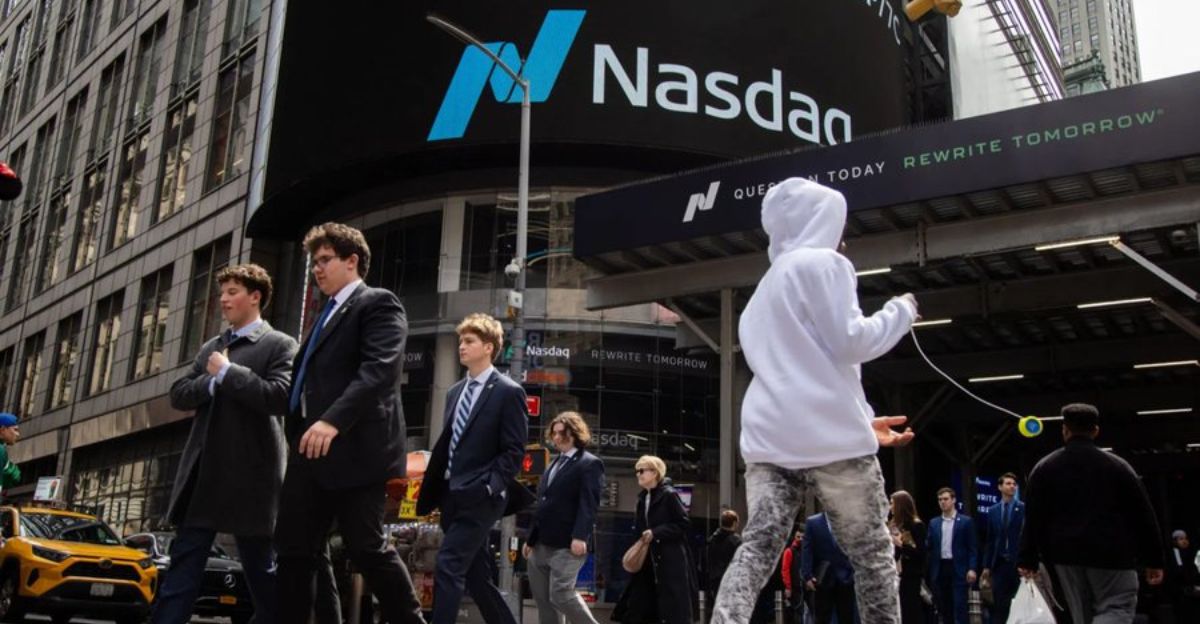
Between 2000 and 2002, the dot-com bubble burst and erased $5 trillion from the market.
Startups like Boo.com blew $188 million in six months without profits. TheGlobe.com soared 606% on its first day of trading, despite no revenue. Even Amazon lost 90% of its stock value. From here, the story only gets darker, as fraud replaced fantasy.
#4 – Theranos Faked Its Way to $9 Billion
Theranos promised life-changing blood tests from a single drop, raising $945 million from big names like Henry Kissinger.
But behind closed doors, the company faked results and used other machines. Two years of test results were voided. Patients were misdiagnosed with HIV and pregnancy issues. Founder Elizabeth Holmes is now serving 11 years in prison.
#3 – WeWork’s $47 Billion Meltdown
WeWork claimed to be a tech company, but mostly rented office space. It racked up $18 billion in debt while losing nearly $2 billion a year.
CEO Adam Neumann trademarked the word “We” and charged his own company $5.9 million to use it. His jet-fueled antics helped destroy $10 billion of SoftBank’s investment. The company filed for bankruptcy in 2023 but successfully exited bankruptcy proceedings in May 2024
The fall was loud, but not as destructive as what comes next.
#2 – Enron’s Web of Lies Cost $74 Billion
Enron started as an energy company but used fake accounting to hide $27 billion in debt. It built 3,000 shell companies with names like “Jedi” to move money around.
CEO Ken Lay cashed out $300 million while telling employees to keep buying shares. The crash erased 20,000 jobs and brought down accounting giant Arthur Andersen, too. Next is the one failure that nearly crashed the entire system.
#1 – Lehman Brothers’ $639 Billion Collapse
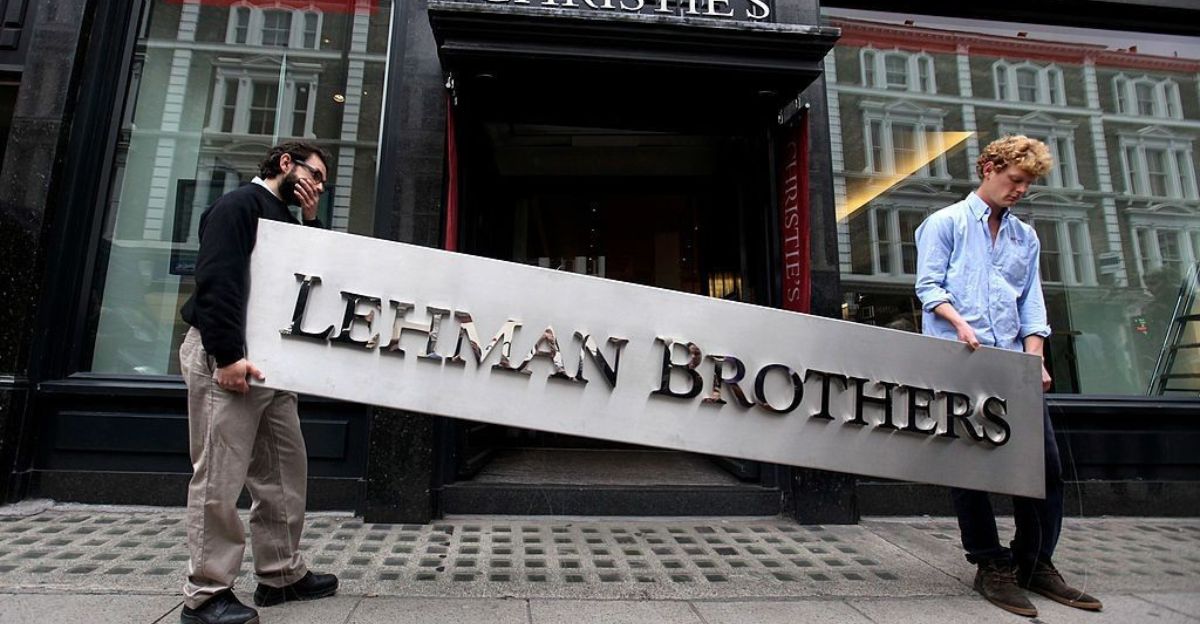
In 2008, Lehman Brothers declared bankruptcy with $639 billion in assets. Their risky mortgage bets and 31:1 leverage ratio shattered the economy.
CEO Dick Fuld made $484 million while the firm spiraled. The collapse triggered a global crisis, wiping out $10 trillion in wealth and forcing governments to step in. Even in this disaster, it took years to learn what went wrong behind the scenes.
Why These Scams Keep Getting Bigger
Sarbanes-Oxley was meant to stop corporate fraud, but its impact has been uneven. Theranos ran unchecked for 15 years. WeWork misled investors for nearly a decade before its IPO collapsed.
Founders use buzzwords to mask weak business models while investors chase hype over reality. Until growth-at-all-costs thinking changes, these collapses will continue.
When the Media Fanned the Flames
Media outlets often promoted tech frauds before asking hard questions. Theranos was praised by Fortune and The Wall Street Journal until whistleblowers came forward.
WeWork’s founder was hailed as a visionary even as the company bled cash. Studies show tech media shifts from glowing praise to criticism only after scandals break. This cycle lets fraud thrive under the spotlight for far too long.
Why Big Investors Still Make Bad Calls

Smart investors still fall for bad ideas. Confirmation bias leads them to favor info that fits their beliefs, while projection bias makes them assume everyone wants the same things they do.
Social proof plays a big role too. When one top firm invests, others follow. Research into Theranos and similar failures shows how charismatic founders use these blind spots to raise huge sums.
When Regulators Look the Other Way
Agencies like the FDA and SEC missed clear warnings. Theranos operated for years without proving its blood tests worked. The SEC overlooked Enron’s fraud as executives drained company funds.
Studies on regulatory capture show how agencies sometimes protect the industries they oversee. In Solyndra’s case, officials ignored internal doubts before approving massive loans. Until watchdogs stay truly independent, fraud will keep slipping through.
Foreign Billions, American Busts
Foreign investors helped inflate American tech bubbles. Saudi Arabia’s $45 billion investment in SoftBank fueled overvalued startups like WeWork, pushing valuations beyond what U.S. markets could support.
Chinese solar subsidies crushed U.S.-funded Solyndra. Research shows global capital created artificial demand and masked weak fundamentals. These cross-border investments make tech failures harder to detect and much harder to contain.
Still Repeating the Same Mistakes

Each tech wave claims to be different, but old patterns keep returning. Today’s AI startups echo dot-com hype without firm revenue plans. Crypto uses complex math to hide shaky value, like Enron once did.
SPACs brought back risky “blank check” deals from the 1920s. Experts say founder worship and easy money feed each cycle. As the saying goes, history may not repeat, but it certainly rhymes.
So What Did All This Cost Us?
Altogether, these failures lost over $6 trillion. That money could’ve paid for universal healthcare or rebuilt roads.
Instead, it went to failed products, inflated egos, and lost pensions. As new tech like AI and quantum draws billions more, remember: every company on this list once promised to change the world.
The real question is whether we’ve learned anything, or if we’re about to repeat the cycle all over again.