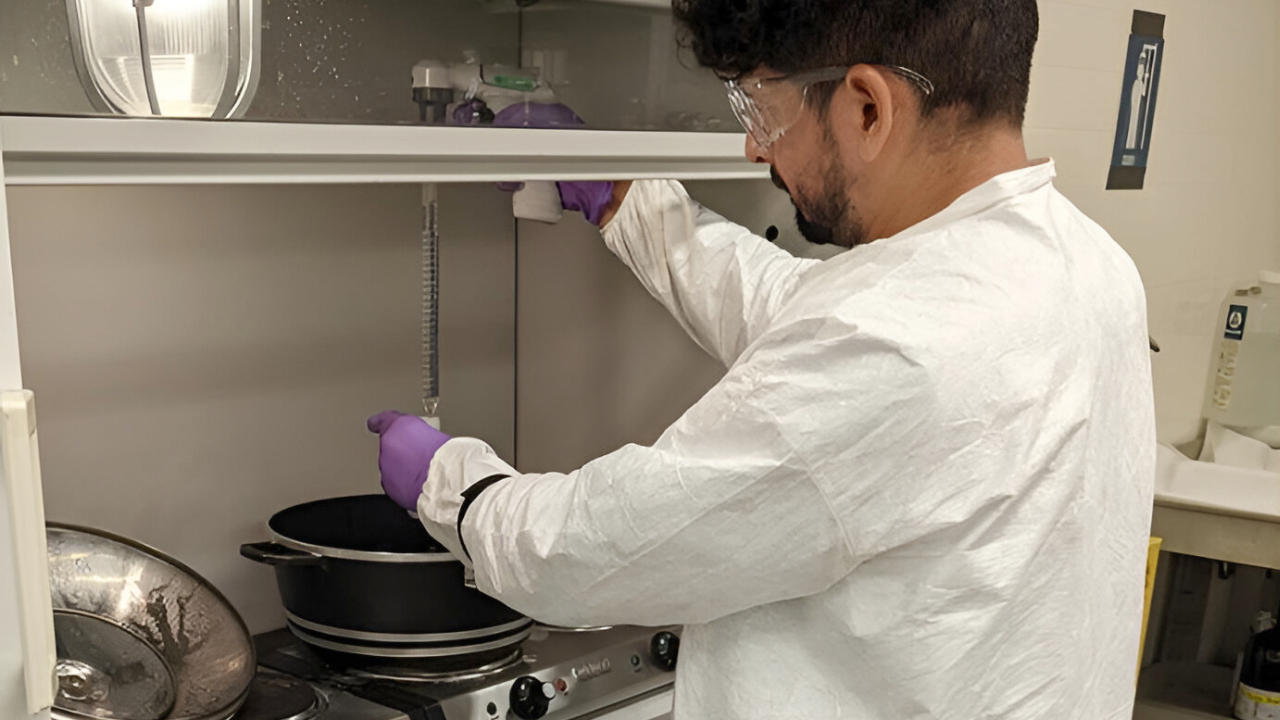
Families across several U.S. states spent months cooking daily meals in imported pots and pans that federal regulators later found could leach dangerous levels of lead. Between mid‑August and mid‑December 2025, the U.S. Food and Drug Administration (FDA) expanded its warning list from a single type of pan to 19 cookware products, turning a localized alert into a broader public‑health investigation focused on aluminum, brass, and traditional South Asian-style pots.
Escalating Warnings From a Single Kadai to 19 Products
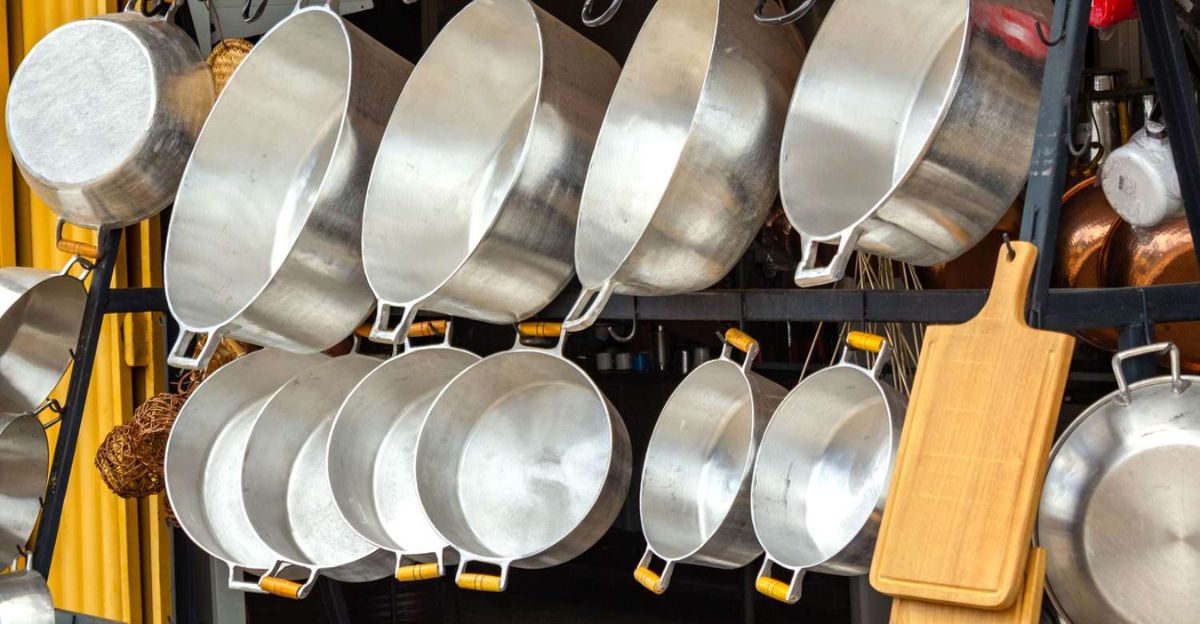
The issue surfaced on August 13, 2025, when FDA testing identified hazardous lead leaching from certain imported aluminum and brass cookware sold in South Asian grocery outlets. The first alert centered on Tiger White–brand kadais made by Saraswati Strips Pvt. Ltd. and sold at Mannan Supermarket in Jamaica, New York. Laboratory simulations of normal cooking showed that lead migrated from the metal into food.
That initial finding sparked a multi-state probe and revealed the problem was not confined to a single store or brand. Over the next four months, regulators added products from multiple manufacturers and distributors, showing that contamination ran through broader supply chains rather than being an isolated defect.
By December 13, the FDA’s tally reached 19 cookware items made of aluminum, brass, and mixed alloys, distributed through retailers in at least seven states: California, New York, Maryland, Illinois, New Jersey, Texas, and the District of Columbia.
How the List Grew Through Fall 2025

After the initial August warning, additional products surfaced in September and October as FDA and state health departments tested more imports. New items came from companies including Indian Cookware & Appliance, Town Food Service, New Reliance Traders, and Santos Agency, with affected stores spread across major South Asian shopping hubs.
The scope widened sharply on November 24, when regulators added nine products in a single update, the largest expansion to date. That group included several items from repeat manufacturers such as Silver Horse, JSM Foods, and Kraftwares India Ltd., pointing to recurring quality-control issues and concerns about metal sourcing and design across entire product lines.
A further update on December 3 brought two more items onto the list and confirmed that testing was still uncovering contaminated cookware even after multiple recalls.
Inside November’s High-Risk Cookware
The November 24 update underscored how deeply the problem had penetrated everyday kitchen routines in South Asian communities:
• Sonex aluminum pot Sold at Alanwar Food Corp in Brooklyn, New York, this pot had already been recalled by the manufacturer on November 18. FDA testing showed unsafe lead leaching during typical cooking, in a borough with a large South Asian population and extensive household use.
• IKM aluminum saucepan, size 2 Manufactured by JSM Foods and distributed via Lotus Mom Corporation, this pan was sold at India Metro Hypermarket in Fremont, California. The distributor initiated a recall on November 19, but many units remained in homes where they were used for boiling, soups, and sauces.
• Kraftwares brass tope and aluminum kadai size 5 Kraftwares India Ltd. supplied both a brass tope and a size‑5 aluminum kadai to India Metro Hypermarket in Fremont. Both were found to leach lead at unsafe levels under normal cooking temperatures, turning staple tools for rice, milk, and curries into potential exposure sources.
• IKM 4‑quart brass pot Another JSM Foods product, sold at India Cash and Carry in Fremont, was flagged for lead leaching comparable to aluminum versions. With its larger capacity, the pot increased the volume of contaminated food prepared in a single meal.
• Silver Horse aluminum caldero 28, degda 24, and degda 20 Multiple Silver Horse aluminum pots, sold at Punjab Supermarket & Halal Meats in Rosedale, Maryland, were found to release lead during routine use. Calderos and degda pots are frequently used for rice and family dishes, meaning repeated weekly exposure. The appearance of several Silver Horse models on the list suggested systemic manufacturing or material problems.
• Chef 24‑centimeter milk pan Made by Shata Traders and sold in both Maryland and Brooklyn, this milk pan was particularly concerning because it is often used for infant and child feeding. FDA tests confirmed lead contamination in heated milk, and a recall began on November 19.
Continuing Discoveries in December
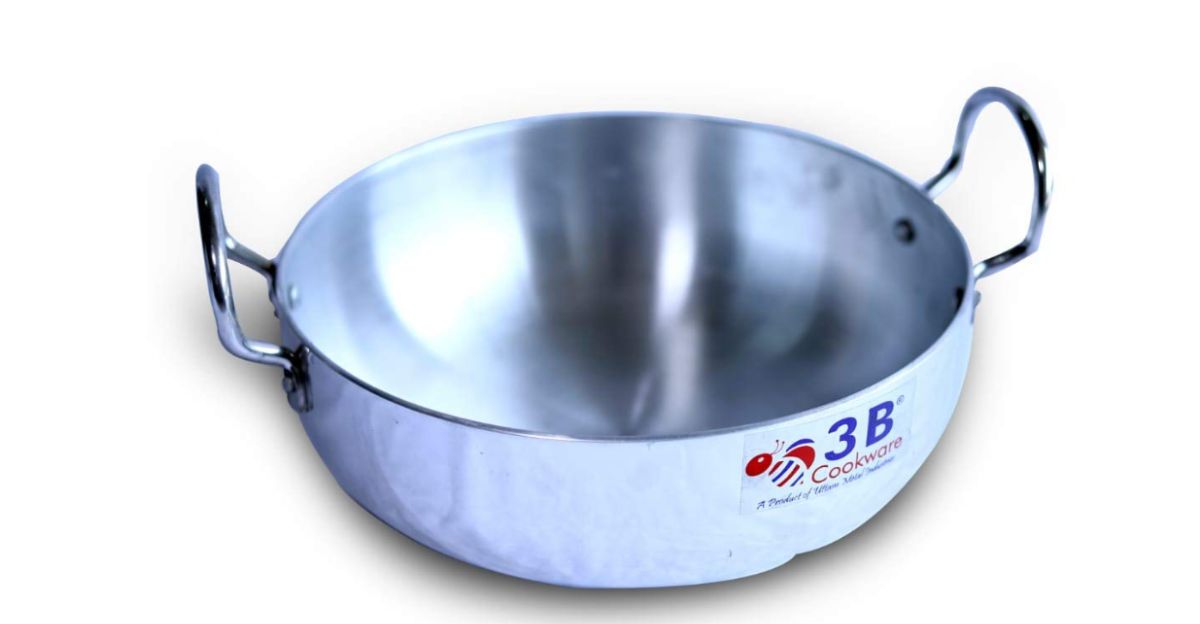
On December 3, regulators added two more products:
• 3B Cookware aluminum deg-style patila number 4, sold at India’s Fine Foods in West Sacramento, California, which had been subject to a manufacturer recall in late October but remained in circulation for weeks.
• A handmade brass tope with no identifiable brand, sold by Diya Handicrafts in Chicago, Illinois. Without manufacturer details, regulators could not initiate a full recall or trace its origin. The retailer discarded remaining stock, but any pots already sold could not be easily tracked.
Together with earlier additions from Indian Cookware & Appliance, Town Food Service, New Reliance Traders, Santos Agency, Saraswati Strips, Sonex, JSM Foods, Silver Horse, Kraftwares, Shata Traders, 3B Cookware, and others, these items formed a cross-section of aluminum and brass cookware imported primarily from India and Pakistan.
Health Risks and Uneven Recalls
Lead has no safe exposure level, according to federal health guidance. It accumulates in the body, particularly in bones, and can cause permanent neurological damage. Children, pregnant women, breastfeeding mothers, and women of childbearing age face the highest risk because lead can impair brain development, reduce IQ, and contribute to behavioral and learning problems. It is also linked to kidney damage, hypertension, and reproductive effects.
Experts have emphasized that heat accelerates the leaching of lead from cookware, meaning frying, boiling, and simmering can increase contamination during normal cooking. Each meal prepared in a contaminated pot adds to cumulative exposure.
Company responses varied. Some manufacturers and distributors, including Sonex, JSM Foods, Shata Traders, and 3B Cookware, initiated recalls quickly after test results. Others limited their actions to retailer notifications, and unbranded or handmade items could not be fully recalled at all. Even with official warnings, some products remained on shelves or in household use longer than regulators intended.
Public Health Implications and What Comes Next
By mid‑December, the FDA’s list of 19 lead‑leaching cookware products illustrated a wider supply-chain problem involving imported aluminum and brass cookware sold in ethnic markets across multiple states. The pattern suggests that manufacturing standards, material sourcing, and oversight for certain imported cookware lines may not adequately protect consumers from heavy-metal contamination.
Public‑health guidance now urges households to compare their pots and pans with the FDA’s most recent warning list, stop using any matching items immediately, and discard rather than donate them. Families that used identified cookware for more than two weeks are advised to seek blood lead testing for children and pregnant women and to monitor official updates as the investigation continues.
With testing still underway and additional products added as recently as December 3, regulators indicate that more contaminated cookware may yet be identified. The evolving list underscores both the urgency of strengthening safeguards on imported kitchenware and the need for ongoing vigilance from retailers, manufacturers, and consumers to prevent long-term lead exposure in homes.
Sources:
FDA warning on imported cookware that may leach lead (updated November 24 and December 3, 2025)
FDA constituent updates and consumer guidance on lead in imported aluminum and brass cookware
Women’s Health Magazine reporting on FDA cookware warning (December 2, 2025)
USA Today analysis of FDA lead-contaminated cookware (December 2, 2025)
CBS News coverage of imported cookware lead contamination (December 2, 2025)
Newsweek reporting on lead-leaching cookware brands (December 2, 2025)
Dr. Kelly Johnson-Arbor statement on heat and lead leaching (December 3, 2025)