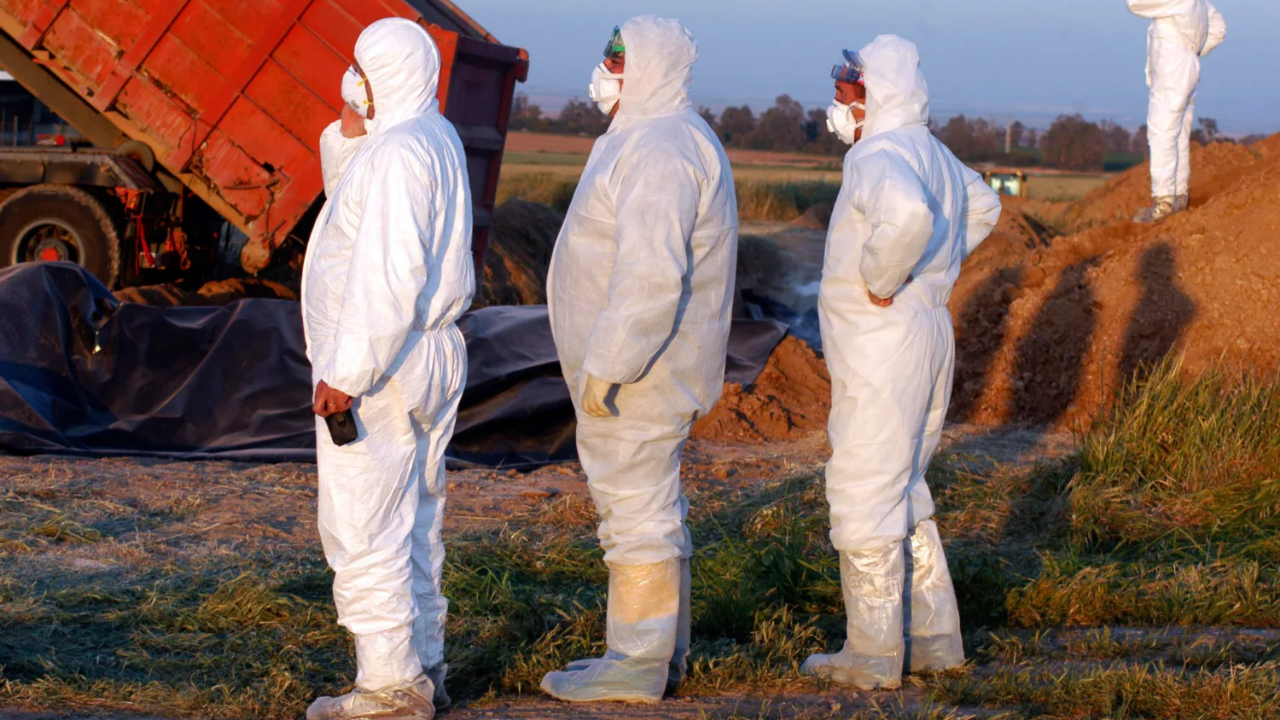
The massive bird flu outbreak began quietly in October 2025, but within weeks, nearly 9 million poultry had been culled. Farms across the globe, from North America to Europe, scrambled to contain the rapidly spreading H5N1 virus. By December, every continent had been affected, even reaching the remote Heard Island, 2,600 miles from the nearest landmass.
The crisis, which has caused food prices to surge, has also sparked fears of a more significant global health threat. How did this once-contained virus suddenly breach such vast distances, leaving a trail of devastation in its wake?
Behind the Outbreak: The Perfect Storm
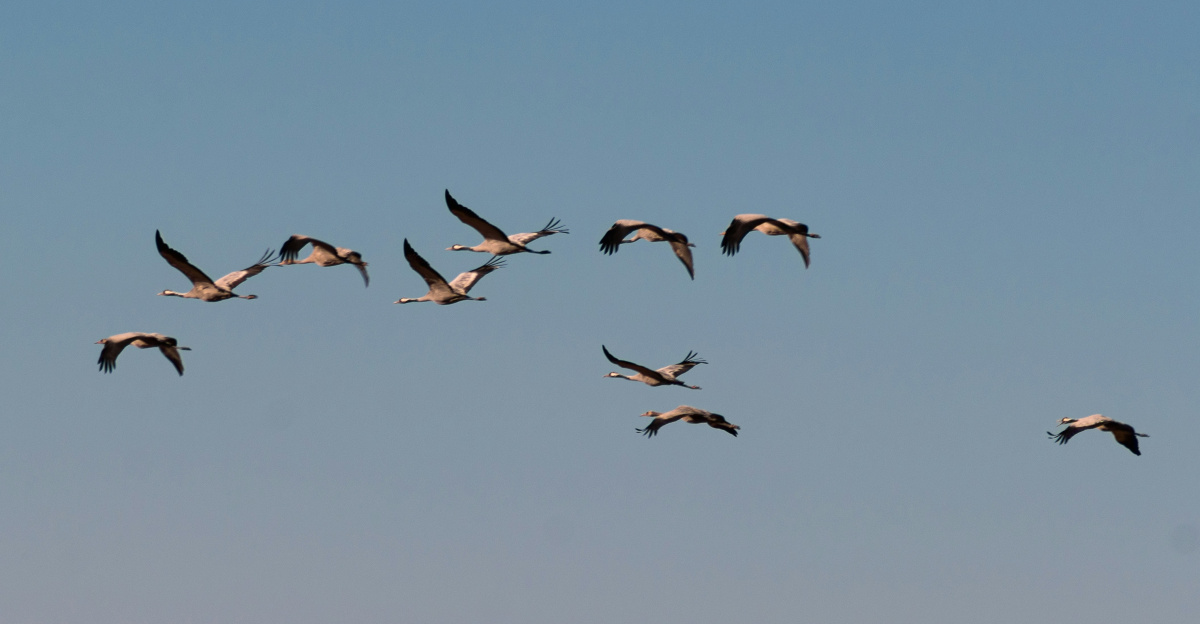
The H5N1 2.3.4.4b strain, emerging as the dominant variant in 2021, has mutated to spread rapidly across species.
Migratory birds, climate change, and disrupted biosecurity measures have created the ideal conditions for its explosive spread. The virus has not only affected poultry but also mammals, increasing the severity of the outbreak and its potential global implications.
Rising Costs: Eggs and Poultry Prices Surge

As a result of the massive culling of poultry, prices for eggs, chicken, and turkey have soared. U.S. egg prices have surged significantly since October 2025.
Consumers worldwide are feeling the pinch, with many supermarkets introducing purchase limits to manage shortages, further escalating food inflation and supply chain pressures.
Fast Food and Restaurants: Rising Ingredient Costs Force Adjustments
Quick-service restaurant chains and hospitality venues are grappling with rising chicken costs and supply shortages. Some have raised prices or adjusted their menu offerings.
If shortages persist, they may need to adapt further, potentially shifting towards alternative proteins to maintain customer satisfaction and profitability.
Strain on Pet and Livestock Feed Markets

Pet food and livestock feed industries are also struggling with the ripple effects of the H5N1 outbreak. Poultry by-products, a common ingredient in pet food, are in short supply.
Meanwhile, farmers are facing rising costs for cattle, pig, and aquaculture feed as protein sources become scarcer. This has prompted the exploration of alternative protein sources, such as insects and plant-based options, to alleviate the shortage.
Global Trade Disruptions: Poultry Trade Restrictions Intensify
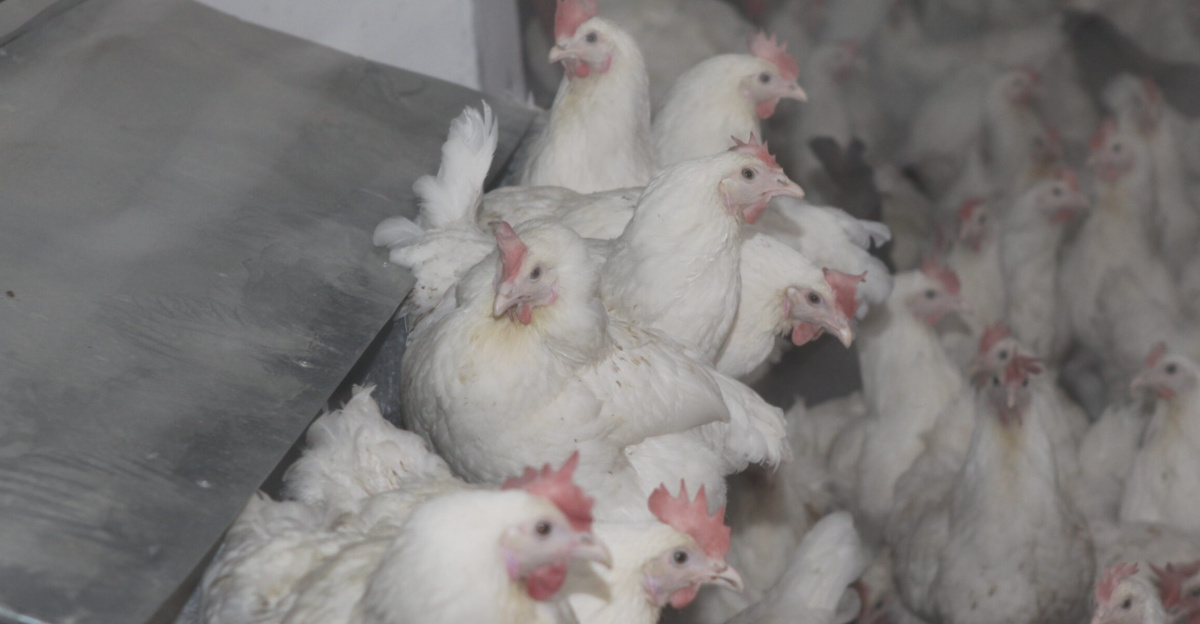
Major poultry producers, including Brazil, have faced trade restrictions as importing countries implement measures to contain the virus’s spread.
These restrictions have led to significant disruptions in the global poultry trade, with countries diversifying their import sources to mitigate supply gaps.
Farmers Under Siege: Financial and Emotional Strain
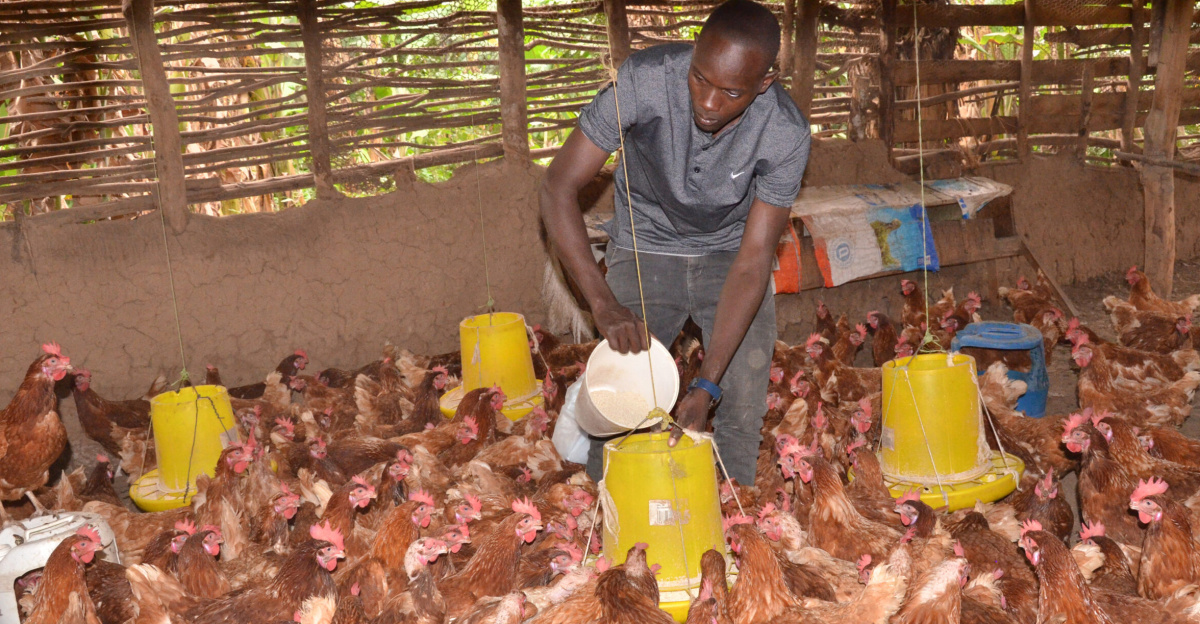
Poultry farmers, especially in the U.S., Canada, and Germany, have faced catastrophic losses due to the virus. In some cases, entire flocks of over 1 million birds have been culled.
German farmers, in particular, have been devastated by the virus’s spread via migrating cranes, with one farmer describing the experience as “heartbreaking and economically catastrophic.”
Emergency Response and Biosecurity Measures Tighten
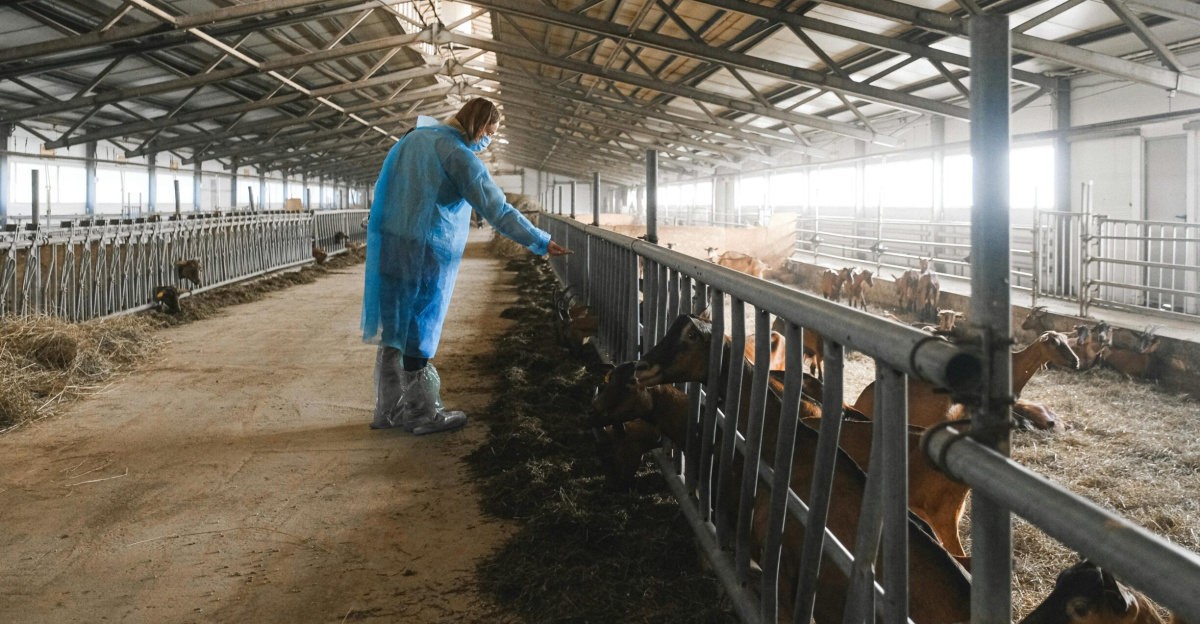
Governments across the U.S., Europe, and Canada have implemented emergency biosecurity measures in response to H5N1 outbreaks.
New regulations require enhanced biosecurity protocols on farms, including stricter movement controls and worker testing. These measures have disrupted normal agricultural operations and significantly raised compliance costs for producers.
Economic Impact: Food Inflation and Consumer Prices
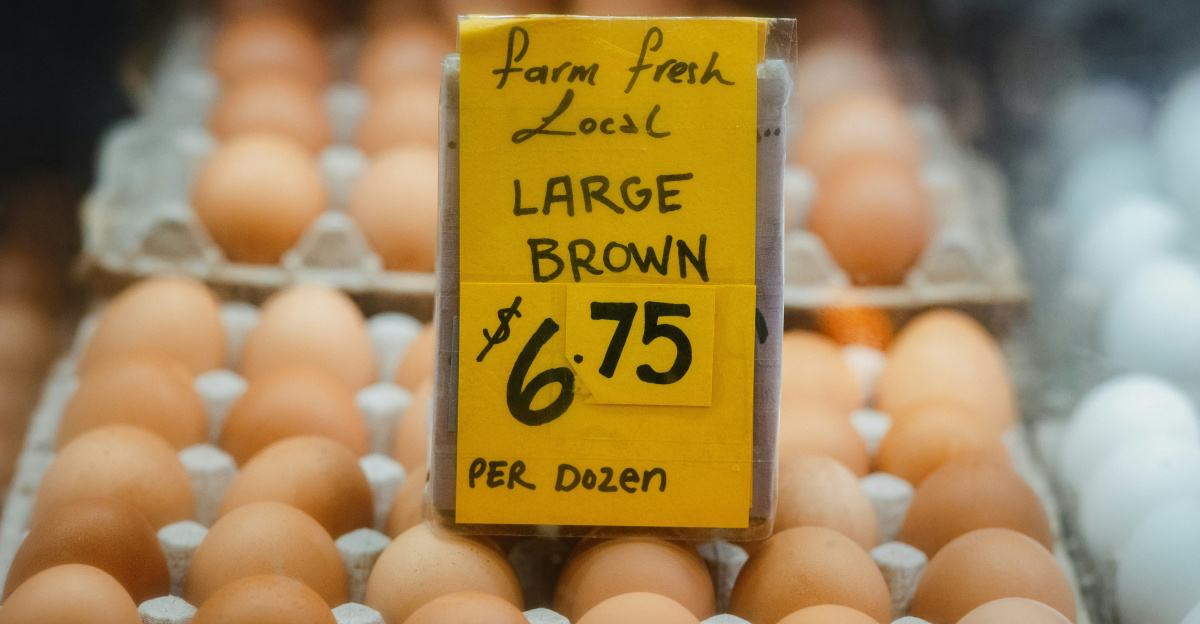
The culling of millions of poultry birds is driving significant food inflation. In the U.S., egg prices have skyrocketed, contributing to an overall rise in food prices.
The inflationary effects are being felt globally, with governments and central banks closely monitoring the situation to assess its impact on broader economic conditions and potential inflationary pressures.
Retailers’ Response: New Strategies to Manage Shortages
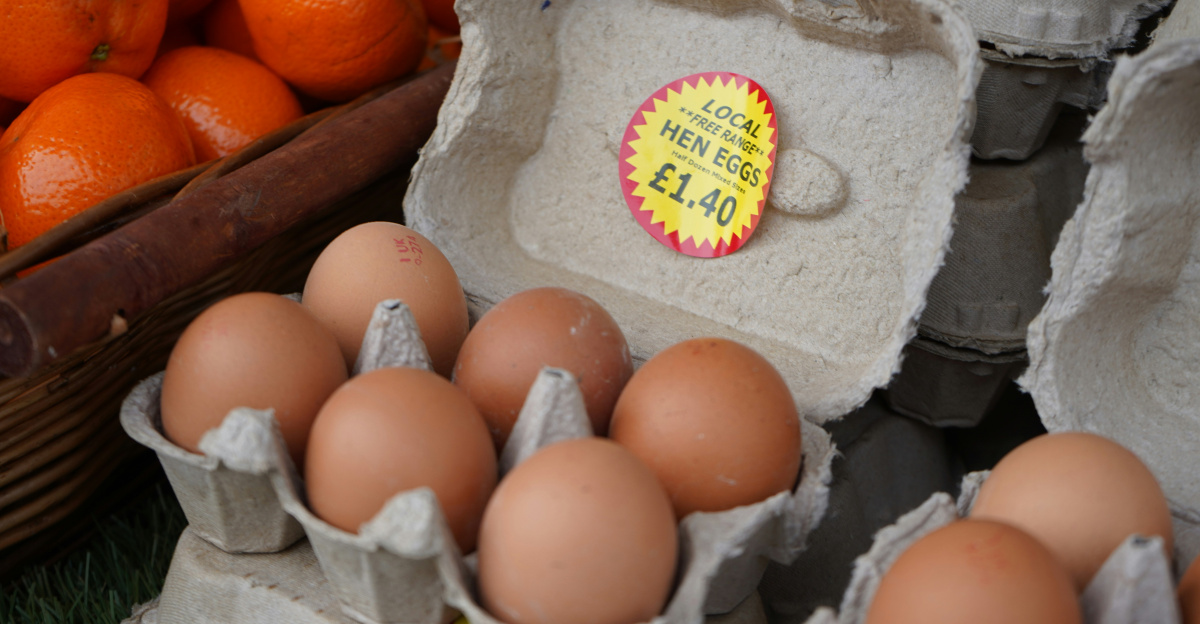
Supermarkets are adjusting to the poultry crisis by promoting private-label eggs and poultry products at lower prices to retain customers.
Some are even bundling eggs with other staples or offering loyalty discounts. Retailers are also expanding their plant-based and alternative protein offerings to cater to price-sensitive consumers seeking alternatives.
Hospitality Industry Struggles: Menu Cuts and Higher Prices

Hotels, restaurants, and catering companies are adjusting to the crisis by reducing their chicken-based offerings and increasing prices on poultry items.
Many venues are facing pressure on profit margins as labor and ingredient costs rise. Event planners report a shift from chicken to beef or vegetarian dishes as clients adjust to the supply constraints.
Supply Chain Bottlenecks: Leather, Fertilizer, and Pharmaceuticals

The poultry crisis is also affecting industries far removed from farming. Leather manufacturers, fertilizer companies, and pharmaceutical firms are facing sourcing challenges due to shortages in poultry by-products.
Companies reliant on these materials are experiencing increased production costs, further exacerbating supply chain disruptions.
Global South Faces Dire Food Security Threats
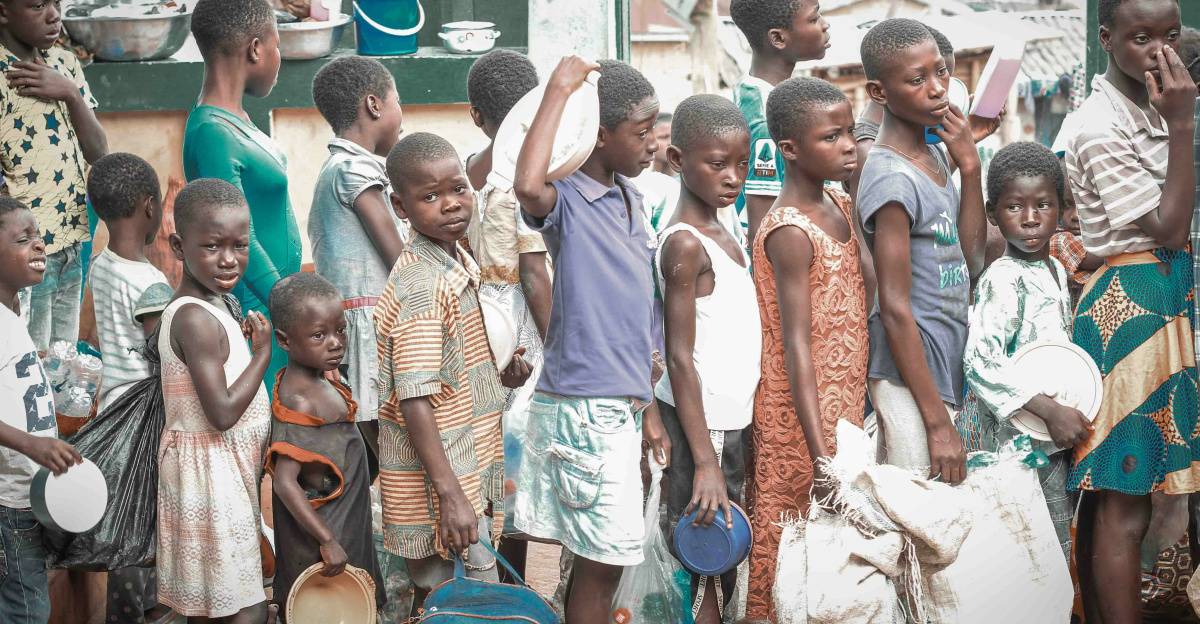
Developing nations in Africa and Asia, where poultry is a primary protein source, are at high risk of food insecurity.
Countries like Cambodia, India, and Bangladesh are experiencing both poultry outbreaks and human H5N1 infections. The World Food Programme has issued warnings about potential malnutrition and heightened public health risks in these regions.
Health Officials Monitor Zoonotic Risks: A Growing Human Concern

While human-to-human transmission of H5N1 remains rare, health officials are closely monitoring the virus’s spread to mammals. Recent cases in household pets, cattle, and dolphins have heightened concerns.
A human death from H5N5—a different bird flu strain—occurred in the U.S. in November 2025, with no transmission to others, underscoring the importance of continued surveillance. Health agencies are ramping up surveillance and vaccine development in response to this emerging risk, emphasizing the need for stronger biosecurity.
Environmental Impact: Wild Birds and Biodiversity at Risk

The outbreak’s impact on wild bird populations is alarming, with massive deaths among seabirds, waterfowl, and raptors.
The detection of H5N1 in elephant seals on Heard Island is a stark reminder of the virus’s ability to infiltrate pristine ecosystems. Conservationists are urging immediate action to protect vulnerable species and habitats.
The Rise of Alternative Proteins: New Opportunities in a Crisis

As poultry supply chains are disrupted, alternative protein companies are seeing a surge in demand.
This shift is fueling investment in new protein sources, with the crisis catalyzing a long-term shift toward more sustainable protein production methods.
Financial Market Reactions: Volatility in Agriculture and Commodity Markets
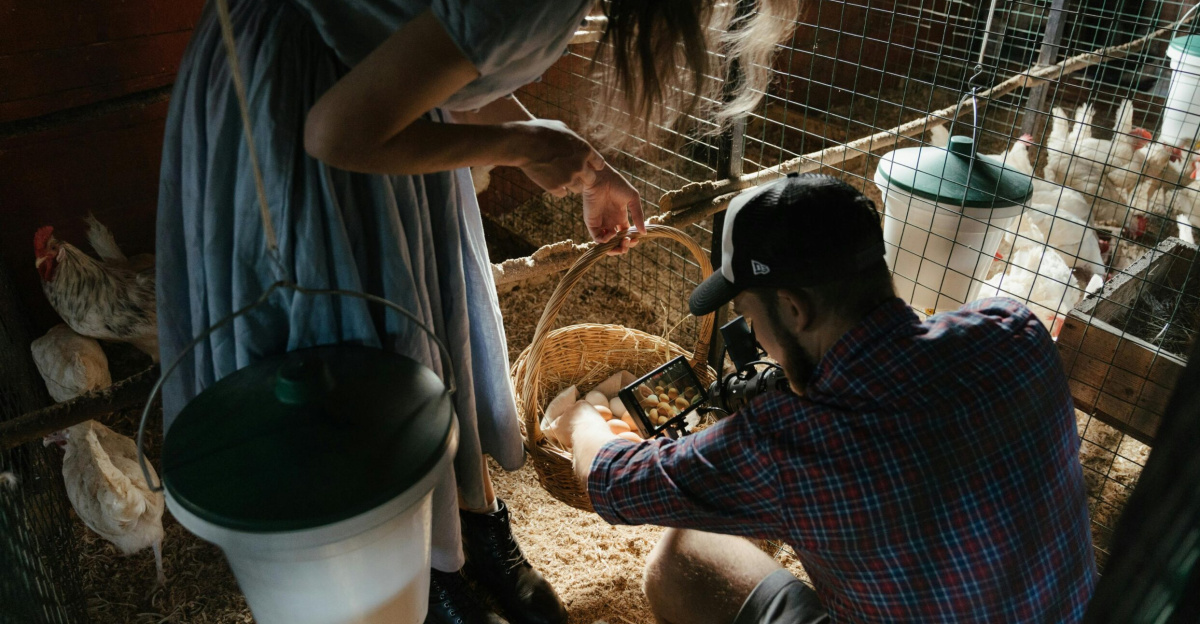
The outbreak has caused significant volatility in commodity markets, particularly for eggs and poultry. Futures prices have surged, and hedge funds are positioning themselves for prolonged supply constraints.
Meanwhile, agricultural stocks are showing mixed performance, with alternative protein companies benefiting while traditional poultry producers face pressure.
Consumer Strategies: How to Manage Higher Prices
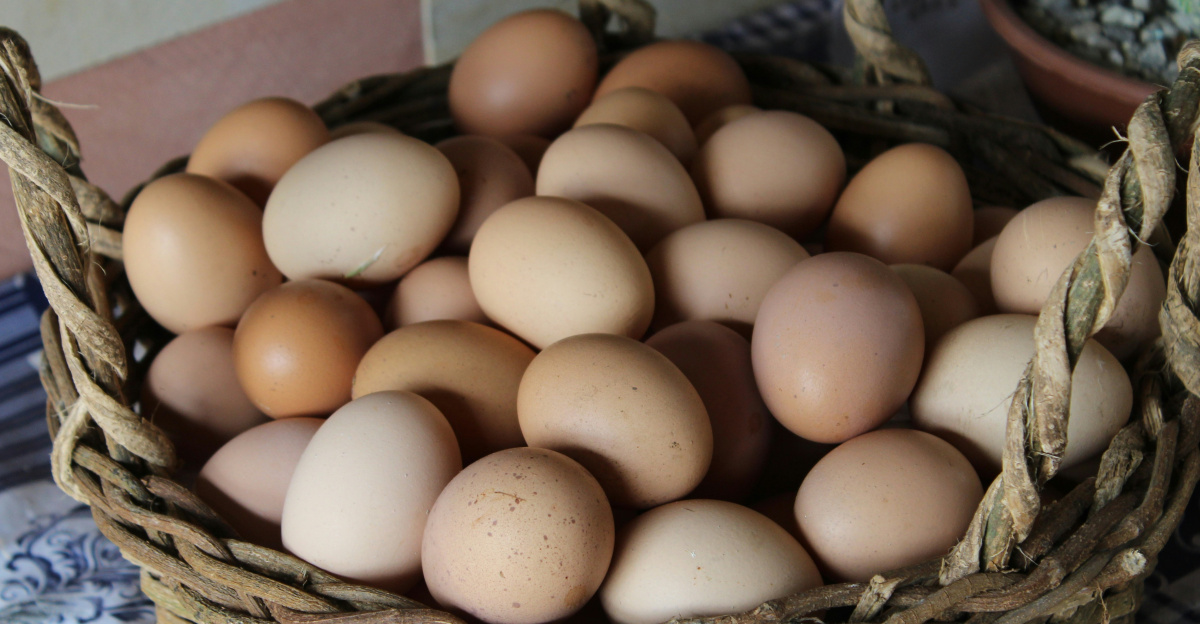
Consumers are advised to buy eggs and poultry in bulk during price dips and freeze them for later use. Shoppers are also encouraged to explore plant-based and alternative protein options as a way to mitigate the impact of poultry shortages.
Retail loyalty programs and strategic budgeting are key to navigating the ongoing food price inflation.
Vaccine Development and Biosecurity: Can We Break the Cycle?

Scientists are fast-tracking the development of vaccines for both animals and humans in response to the H5N1 outbreak.
While efforts are underway to enhance farm biosecurity and surveillance systems, experts warn that without global cooperation and stricter biosecurity measures, the crisis may extend well into 2026, posing a persistent threat to food security.
The Ripple Effect: A Global Reckoning
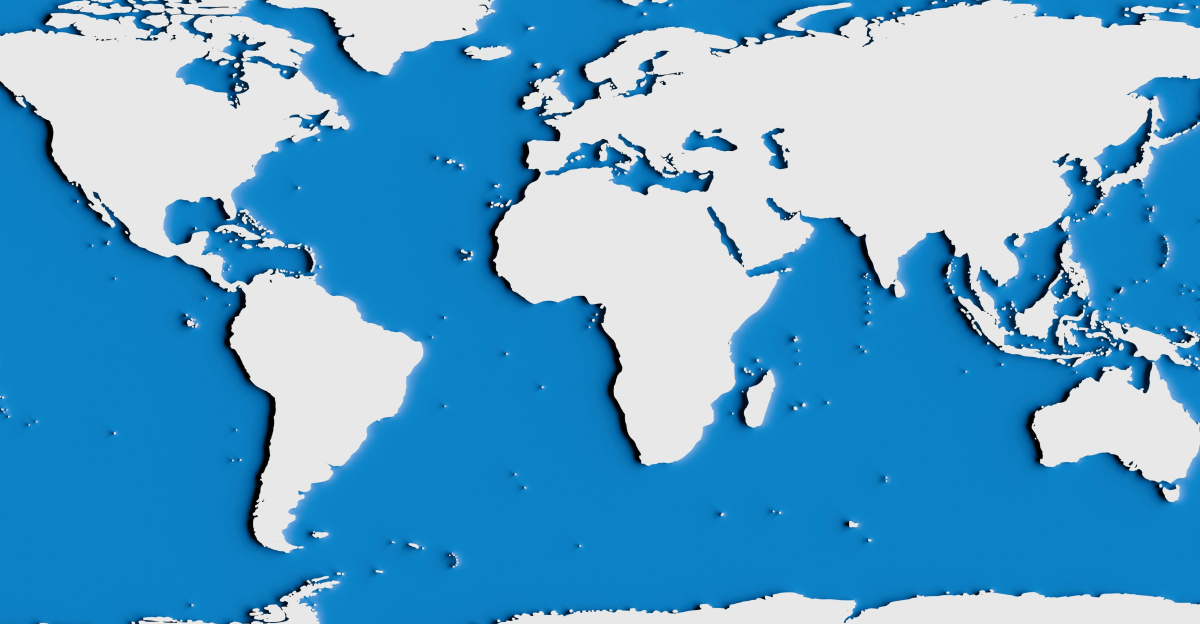
The H5N1 outbreak highlights the interconnectedness of global food systems, economies, and ecosystems. Nearly 9 million birds have been lost, and the virus has spread across multiple continents, affecting both poultry and wild species.
As prices rise and governments scramble to respond, this crisis serves as a reminder that proactive measures in resilience and biosecurity are essential to safeguard global stability in the face of future pandemics.
Sources:
WOAH (World Organization for Animal Health) HPAI Monthly Reports; October-December 2025 reporting period
FAO/WHO/WOAH Joint Public Health Assessment Reports (March 2025, July 2025 assessments)
CDC H5 Bird Flu Situation Summary and USDA APHIS Surveillance Dashboard (November 2025 updates)