
Walmart reveals more about how people spend money than any other store. Shoppers reveal their true financial situations through their everyday actions. Some carefully track every dollar, while others shop without worry.
The way people move through aisles, touch products, and make choices tells us who they are. These patterns illustrate how financial stress influences daily decisions. Understanding shopping habits helps us see economic inequality in action. Small choices at checkout reveal big differences in financial security and peace of mind.
1. The Mental Arithmetic Game
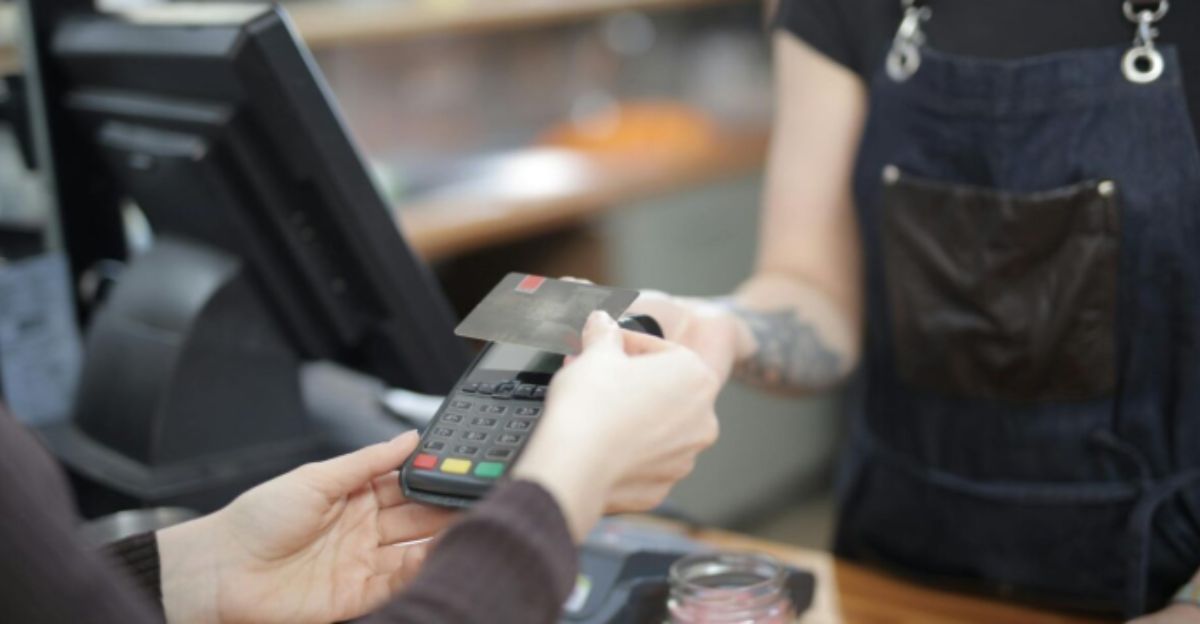
Watch shoppers carefully add up cart totals before reaching the register. These shoppers round up prices for safety and mentally calculate the tax. They keep a budget buffer to avoid embarrassment at checkout. Budget shoppers develop strong mental math skills from years of careful spending.
Every dollar matters to them, so overspending creates real problems. This behavior shows discipline born from financial pressure. Research shows that budget shoppers develop sophisticated systems to control their spending. Their automatic calculations reflect years of living paycheck to paycheck.
When Numbers Don’t Matter

Wealthy shoppers load carts without tracking costs. The total in the register might surprise them, but it won’t hurt financially. They remove nothing from the cart based on price. This difference shows how money security changes everything about shopping.
When budgets have breathing room, shopping becomes easy and convenient. The freedom not to track spending is a huge privilege. Many people never experience shopping without price anxiety. This simple behavior illustrates how economic security profoundly influences daily experiences.
2. The Strategic Store Brand Selector

Budget shoppers fill carts with store brands through personal testing. They compare Great Value products against name brands carefully. Store brands cost 25 to 30 percent less than name brands. These shoppers buy store brands for cereal, canned goods, and cleaning supplies.
They buy name brands only where quality truly matters—like coffee or chocolate. This selective approach saves real money over the course of several months. Smart shoppers know exactly which substitutions work and which don’t. Their choices reflect practical knowledge from trial and error.
The Psychology of Brand Flexibility

Budget shoppers think differently about brands than wealthy shoppers. They ignore brand loyalty when money is tight. They learn which products need brand names and which don’t. This strategy requires testing new products and remembering what worked.
They build mental databases of store information. Shopping becomes an ongoing project to find the best value for money. Brand flexibility shows sophisticated consumer thinking. Budget shoppers make smart choices by constantly experimenting.
3. The Unit Price Detective

Price-conscious shoppers carefully study unit price labels on shelves. They calculate whether larger sizes truly cost less per ounce. This math practice takes effort but saves real money. Budget shoppers save a significant amount of money by choosing efficient sizes.
Every percentage point of savings helps their tight budgets. This behavior shows someone for whom every cent matters. Research shows that detailed price comparison requires significant mental effort. For struggling households, this effort delivers meaningful budget relief every month.
The Privilege of Convenience

Wealthy shoppers rarely check unit prices because the mental effort required is too great. They pick the middle size and keep shopping without thought. Time feels more valuable to them than 15-cent savings. Higher-income shoppers value convenience over squeezing out small savings.
Comparing prices for each product wastes their time and energy. The opportunity cost exceeds the money they’d save. This behavior accumulates across shopping trips in significant ways. Economic privilege means prioritizing convenience over price optimization all the time.
4. The List Loyalist

Budget shoppers arrive with detailed lists and follow them exactly. They plan meals, check their pantries, and create lists that match their budgets. Shopping lists stop impulse purchases dead. Research shows unplanned items make up 20 to 50 percent of grocery spending.
For budget families, every unplanned item threatens their financial plans. Breaking the list feels dangerous, not just inconvenient. This strict approach transforms shopping into a focused mission. Discipline replaces browsing for budget shoppers entirely.
The Browser’s Freedom

Wealthy shoppers browse aisles with general ideas instead of strict lists. They discover appealing products and buy them without worry. Unplanned 30-dollar purchases feel like nothing to them. This freedom shows economic privilege clearly.
For these shoppers, an extra purchase represents a tiny fraction of their budget. Shopping becomes a fun and exploratory experience rather than a stressful one. The difference between “I can buy what interests me” and “I can only buy what I planned” changes everything. Retail therapy feels possible only for those with real money.
5. The Markdown Timer

Smart budget shoppers learn exactly when Walmart marks down meat and bakery items. They time visits to evening hours when clearance stickers appear. Timing purchases around sales can save 30 to 75 percent. Arriving at the right time saves $ 10 to $ 15 per trip.
These savings stack up to hundreds of dollars annually. This behavior shows both financial need and shopping sophistication. Budget shoppers willingly inconvenience themselves for meaningful price cuts. Strategic timing becomes part of their regular routine.
The Convenience Premium

Wealthy shoppers shop when convenient, not when prices drop. They buy full-price meat without checking clearance sections. Peak shopping hours matter more than the timing of markdowns. Higher-income households value time over price optimization.
Research shows that wealthy shoppers are unlikely to adjust their schedules for modest savings. The mental effort required to catch sales doesn’t feel worthwhile. Schedule flexibility represents economic privilege in action. For these shoppers, clearance hunting feels like an unnecessary hassle that wastes time.
6. The Multi-Store Strategist

Budget shoppers know prices at Aldi, Target, and Walmart differently. They plan routes to visit multiple stores for the best deals. This approach requires effort and time but saves real money. Saving $ 8 weekly adds up to over $ 400 yearly. That money matters hugely to households with tight budgets.
Budget shoppers maintain mental price databases across retailers. Multiple shopping trips feel justified by cumulative savings. This behavior reveals sophisticated consumer knowledge and dedication to saving.
The Convenience-Valuation Equation
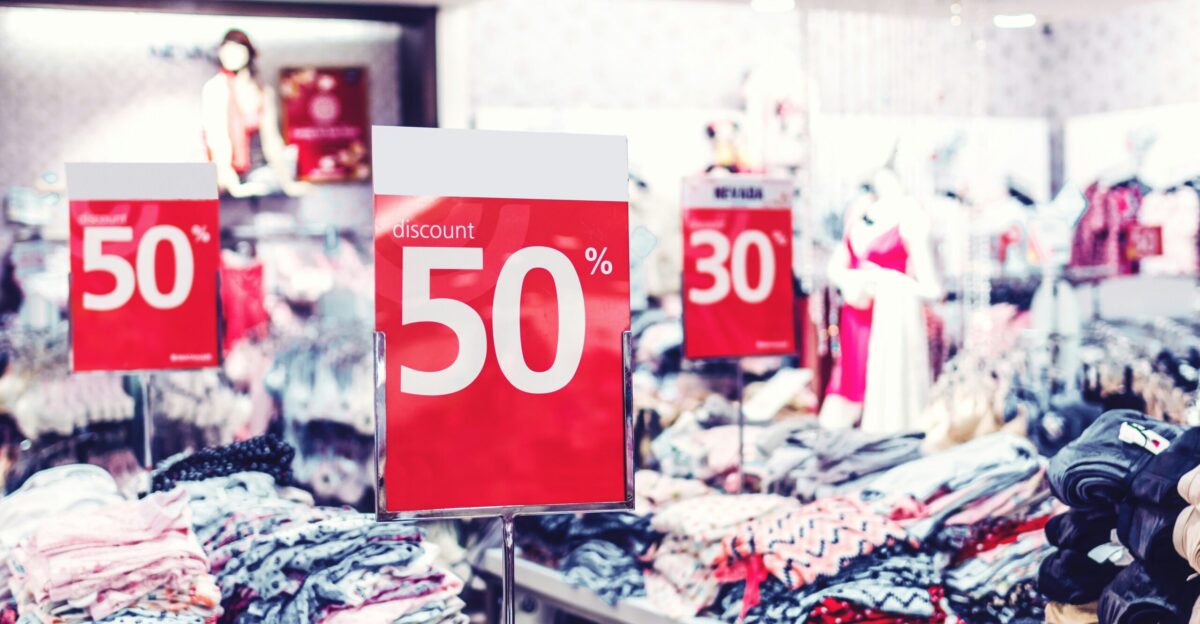
Wealthy shoppers often consolidate their purchases at a single store, despite higher prices. Visiting three stores to save $8 feels like poor planning. Higher-income shoppers view time as their most valuable resource. They calculate that the hassle costs more than the savings.
Research proves wealthy households prioritize convenience over price matching. They optimize for efficiency, not maximum dollar savings. Time becomes more precious than fractional savings. Economic security completely reshapes shopping priorities and behavior patterns.
7. The Selective Produce Buyer
Budget shoppers carefully select basics like bananas, potatoes, and onions. They avoid expensive produce that might spoil before they can eat it. Waste represents money literally thrown away. Food waste concerns heavily influence budget-conscious buying decisions.
They choose frozen vegetables to minimize the risk of spoilage. Frozen options save money while delivering the same nutrition. Every fresh food purchase receives careful consideration beforehand. Budget shoppers often opt for frozen over fresh to minimize financial risk significantly.
Produce Without Anxiety

Wealthy shoppers fill carts with fresh berries, specialty greens, and exotic fruits freely. Spoilage feels annoying rather than financially significant to them. They maintain a high tolerance for some produce waste. Research indicates that higher-income households tend to view food waste as a minor budget item.
The psychological difference shapes everything about produce purchasing. Some worry about every purchase; others experiment freely. Budget shoppers limit their purchases to fresh food; wealthy shoppers buy whatever interests them. Economic buffer capacity significantly alters production and buying behavior.
8. The Cash Envelope System

Some budget shoppers use cash specifically to create spending limits. You spend only what you brought—no more. This practice aligns with envelope budgeting systems for specific categories. Cash transactions create a stronger psychological awareness of spending than card transactions.
Watching bills leave your wallet feels different than swiping plastic. Research proves cash makes spending feel more real and painful. For struggling households, this psychology serves a practical purpose. Willpower alone is insufficient; physical limitations are more effective.
The Convenience of Cards

Wealthy shoppers prefer cards over cash for convenience and rewards. They don’t worry about accidentally spending $ 15 to $ 20 extra. Card flexibility matters more than spending restrictions. Higher-income shoppers want tracking, rewards, and ease of transactions.
Spending slightly over budget causes no financial worry. Cards represent economic security in the form of payment. Budget shoppers need physical restrictions; wealthy shoppers trust their financial stability. This difference shows how privilege removes the need for spending controls.
9. The Rollback Watcher

Budget shoppers track Walmart rollback sales and wait for discounts. They delay clothing, home goods, and discretionary purchases for sales. Waiting can capture 20 to 40 percent price reductions. Paying $ 12 today instead of waiting for $ 8 feels irrational.
For budget families, patience represents a smart money strategy. Tracking sales cycles requires mental effort and purchase discipline. This behavior shows rational economic thinking under financial pressure. Budget shoppers willingly practice delayed gratification for real savings.
Immediate Gratification Privilege

Wealthy shoppers buy non-essential items immediately when they want them. They don’t track rollback schedules or wait for promotional pricing. Saving $ 3 to $ 4 on a $12 item feels inefficient. Higher-income shoppers place little emphasis on the timing of sales.
Their time value exceeds the savings achieved through patient waiting. Immediate purchases feel normal and deserve no second thought. This behavior represents economic privilege at its most subtle. The freedom to satisfy wants instantly belongs only to truly comfortable households.
The Unspoken Economic Language
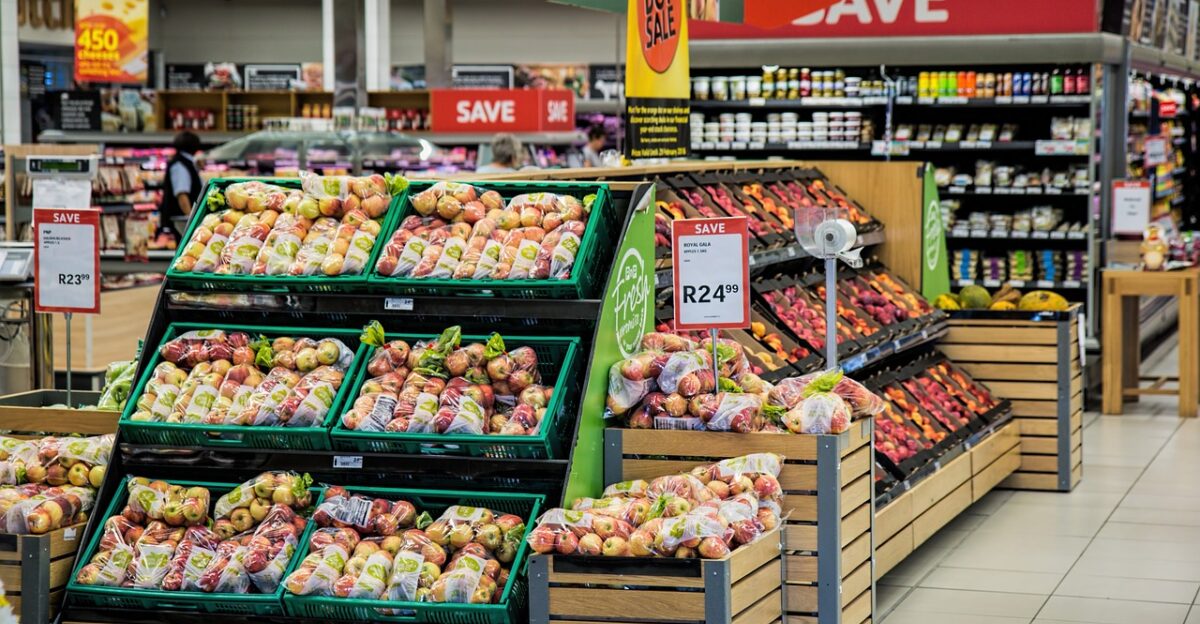
Shopping behaviors reveal financial reality through everyday actions. Running totals, store brands, unit prices, lists, markdown timing, multi-store shopping, and cash envelopes all paint a picture of budget consciousness. These behaviors represent practical survival strategies, not random preferences.
Each choice optimizes limited dollars because waste feels genuinely dangerous. Research shows economic pressure drives sophisticated consumer strategies. Shopping trips reveal profound inequality in financial security. Understanding these patterns reveals how financial stress influences daily life through small, repeated choices made at every store visit.