
What if children routinely gained skills by age 12 that challenge many adults today—skills born not from innate talent, but from a childhood built on unfiltered experience? Between 1946 and 1964, 76 million American children, known as Baby Boomers, matured in an era that prioritized real-world navigation over supervision, fostering independence through daily trials.
A World Without Constant Oversight
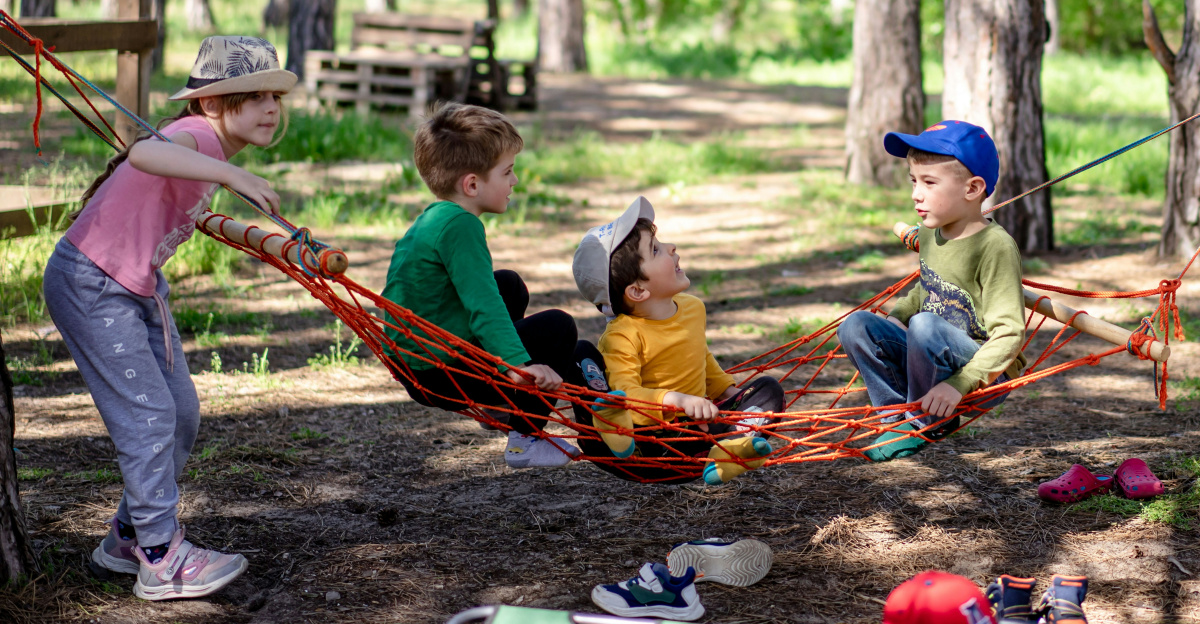
Children in the 1950s and 1960s moved freely without digital tracking or hourly check-ins. A simple announcement to a parent—often just letting them know their general whereabouts and expected return time—sufficed. No hovering adults interrupted their explorations. This approach, later termed “helicopter parenting” in studies from 1990 onward, was absent. Instead, trust in children’s ability to handle accountability shaped their growth, teaching them through direct encounters with the world’s demands.
Lessons From Unscripted Encounters

Schools lacked formal “life skills” classes, but life provided relentless instruction. A fall from a bicycle taught balance; exhausting an allowance early revealed scarcity’s bite; team rejection built resilience amid competition. These raw moments—uncushioned by intervention—instilled a core belief: true capability emerged from action, not lectures. Failure’s sting, paired with triumph’s rush, created lasting competence.
Mastering Human Cues
Face-to-face interactions honed emotional intelligence before screens mediated them. Children deciphered jaw tension, voice shifts, or knowing glances, resolving disputes on their own terms—through negotiation, concession, or parting ways. This unguided immersion formed an unspoken syllabus in empathy and presence, free from scripted strategies or adult arbitration.
The Core Nine Skills

By age 12, Boomers wielded nine essential abilities, woven into daily routines like time management, communication, and safety. These formed a survival toolkit now rare in mediated childhoods.
Reading analog clocks was standard before digital displays became widespread, reinforcing time awareness and punctuality as children learned to interpret clock faces in schools and homes.
Cursive writing, drilled in schools during elementary grades, infused letters with personal flair, linking distant loved ones through tangible ink; most states no longer mandate it following the 2010 Common Core standards.
Bikes granted unsupervised access to neighborhoods and wild spots, where falls and scrapes taught daring and recovery.
Home economics classes and household needs introduced cooking basics—boiling eggs or simple meals—turning hunger into self-reliance.
Empathy arose from dinner-table observations and neighborhood exchanges, practiced amid real-time tensions.
Allowances in coins drove tactile money lessons: hasty spending brought regret, saving yielded gains. By the 1950s and 1960s, psychologists promoted allowances as essential to developing financial skills.
First aid fell to the injured themselves—cleaning cuts, applying bandages—building quiet self-sufficiency with household supplies like iodine and cotton wool.
Body language fluency decoded unspoken motives via posture or tone, an acuity born of necessity in face-to-face interactions.
Conflicts resolved peer-to-peer, forging negotiation, grit, and reconciliation without referees.
Self-Made Worlds
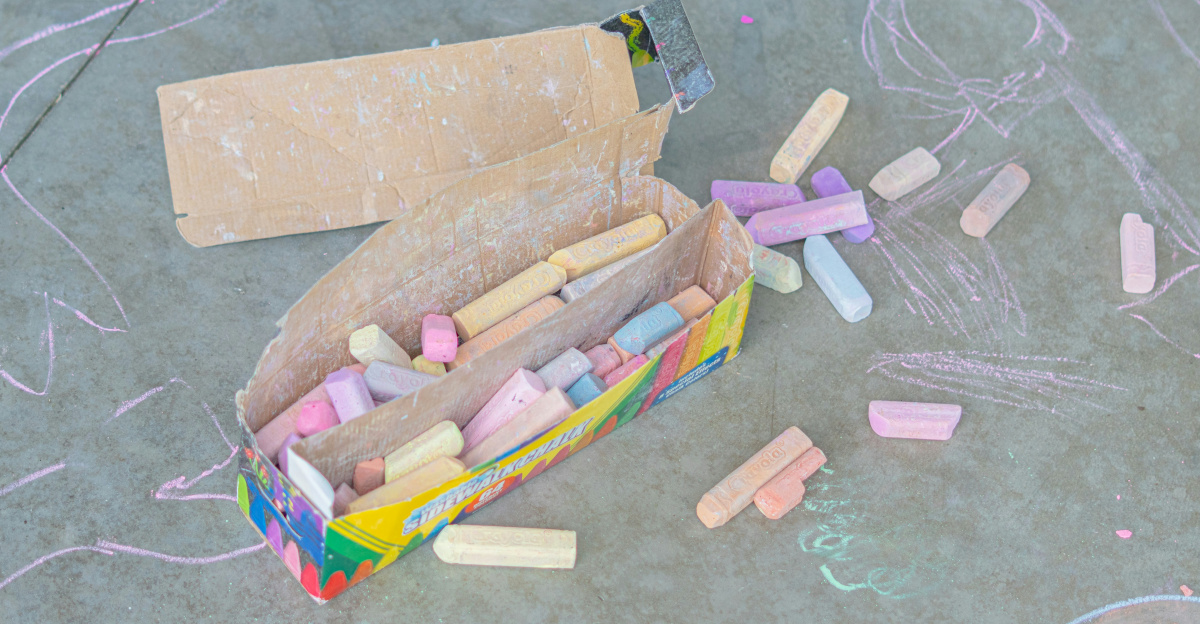
Boredom sparked invention. Without screens, children crafted forts from scraps, devised games from chalk and sticks, and spun stories from imagination. Afternoons vanished into self-directed play, nurturing creativity that persisted into adulthood. Privacy shielded their growth—no social media chronicled errors or identities. Emotions like fear or anger were met intuitively, without labels, yielding resilient inner strength. Freedom came tethered to responsibility: agreed-upon return times represented binding agreements, honing judgment through tested limits.
Echoes of Enduring Resourcefulness
Boomers’ era was not inherently safer, but deliberately formative. Expected proficiency in these skills bred confidence in handling the unforeseen. In today’s digital landscape, their unvarnished lessons highlight what unfolds when children earn trust through consequence. Reviving such opportunities could redefine modern upbringing, balancing protection with the forge of independence.
Sources:
U.S. Census Bureau. Baby Boomer Generation Demographic Data (1946–1964 Birth Cohort)
Palmer Method Foundation & Zaner-Bloser Archives. Cursive Penmanship Instruction Standards, 1950s–1960s
American Red Cross Historical Records. First Aid Training Accessibility & Public Schooling, Mid-20th Century
U.S. Department of Education. Home Economics Curriculum Standards & Compulsory Instruction Records, 1950s–1960s
Research on Helicopter Parenting. Term Origin & Psychological Studies (Cline & Fay, 1990; Contemporary Child Development Research)