
Dining out shows who you are and how you treat others. Whether at a casual restaurant or afancy establishment, good behavior makes you stand out. These habits aren’t about rules—they’re about respecting the shared space.
Your actions affect both staff and other guests. Learn these nine habits to earn respect, get better service, enjoy your meal more, and become a welcome guest everywhere.
1. Honor Your Reservation with Punctuality
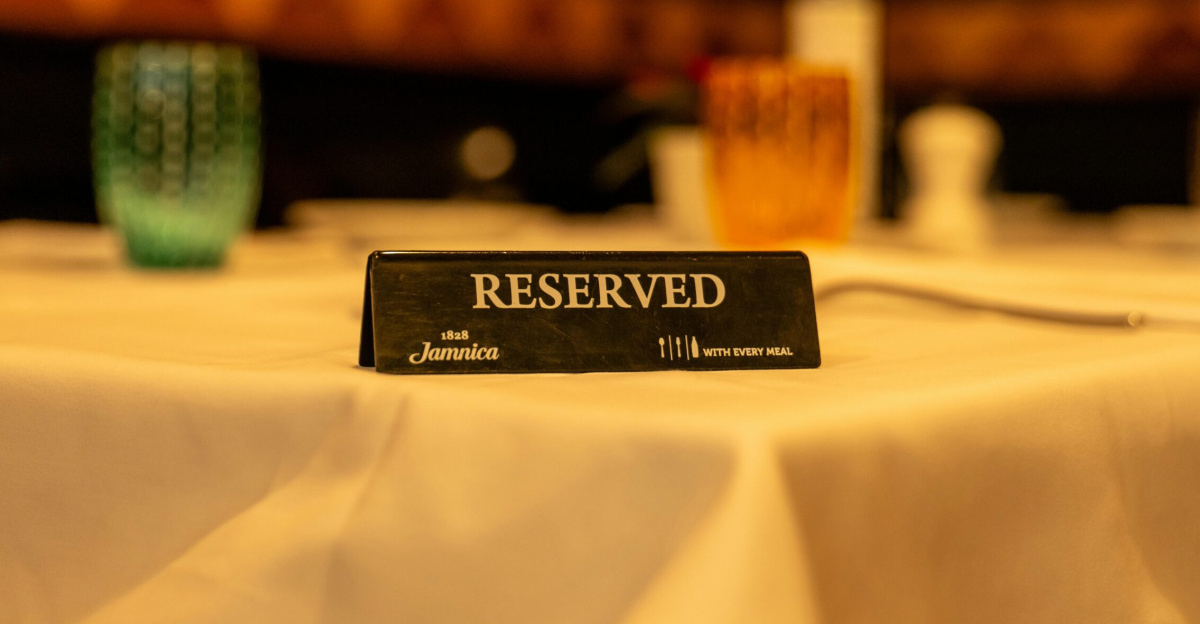
When you make a reservation, you promise the restaurant you’ll show up on time. Please arrive within 5-10 minutes of your scheduled reservation time. Call if you’ll be more than 10 minutes late.
Restaurants often give away tables after 15 minutes because other guests are waiting. Being late also wastes your dining time. Most restaurants give you 90-120 minutes. Respect their schedule, and you’ll get better treatment and keep your table longer.
The Ripple Effect of Late Arrivals
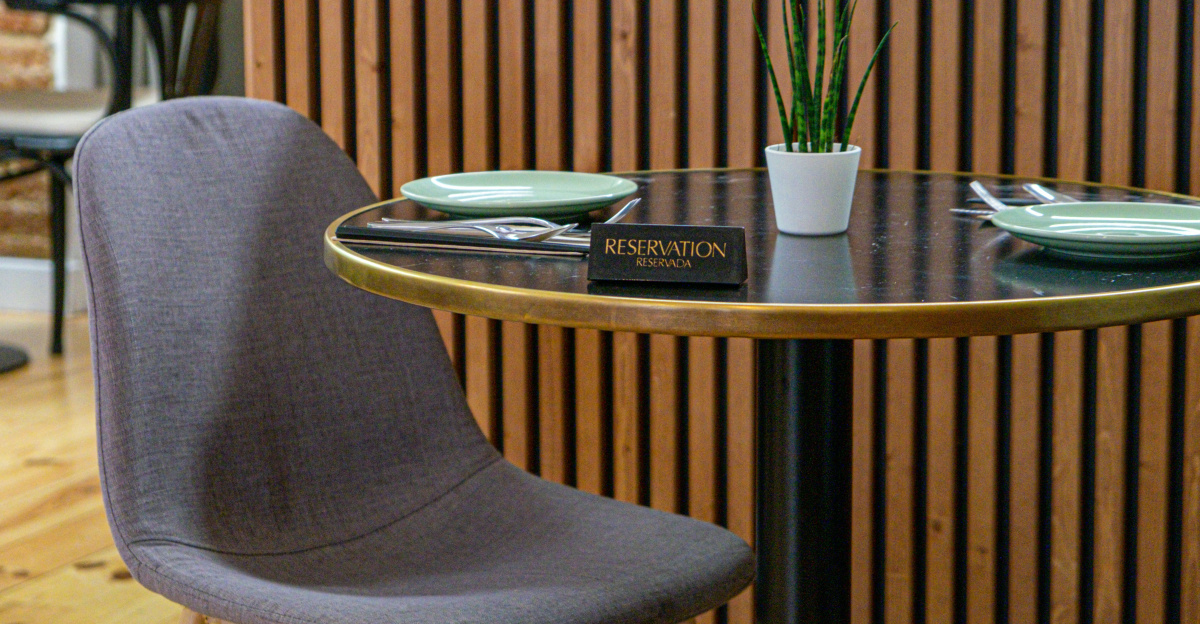
Late arrivals hurt everyone. The kitchen starts cooking your food. Servers plan their table schedule around you. Other guests with later reservations get delayed. A quick phone call fixes everything. It shows respect and lets staff adjust.
Early cancellations are also helpful—someone else gets your table instead. A simple call transforms a problem into something manageable. Staff appreciate the heads up and will work with you.
2. Treat Servers as Fellow Human Beings
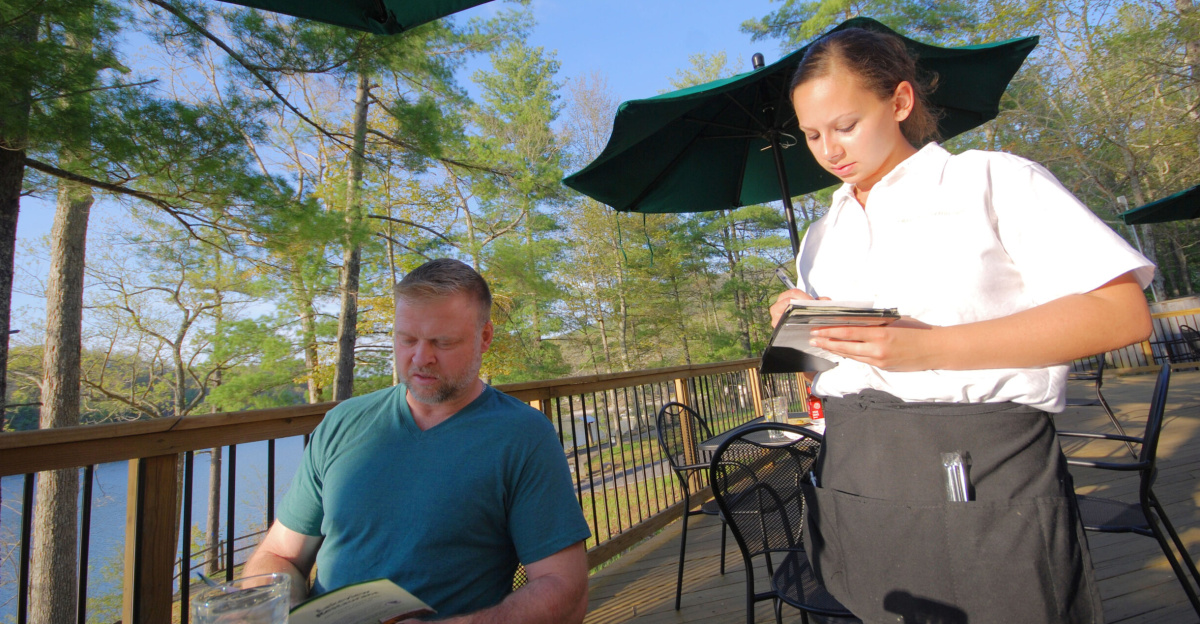
Treat servers as real people, not robots. Make eye contact, say ‘please’ and ‘thank you,’ and use their name. Servers who feel respected give better service and make honest suggestions. Respect costs nothing but gets you much better treatment.
Notice the difference: guests who acknowledge staff versus those who order while on their phones. Basic politeness significantly improves your entire dining experience and service quality.
Building Genuine Connections Through Respect

Speak at a normal volume—not too quietly or too loudly. Never snap fingers or wave frantically. Raise your hand calmly and say ”Excuse me” politely. Listen when servers recommend menu items. Show you value their knowledge.
Remember, servers are friendly because it’s their job, not a personal invitation. Stay respectful but warm. Servers enjoy serving guests who treat them well. This creates a positive environment for everyone at the table.
3. Be Genuinely Ready When You Say You’re Ready

Don’t tell your server you’re ready to order unless you’ve made a decision. Servers handle many tables at once. False readiness throws off their schedule. It delays other customers’ food and disrupts the kitchen.
Review your menu before calling your server. If you’re in a group, discuss orders together first. Take your time deciding—staff prefer waiting five minutes over standing awkwardly. Being prepared shows consideration for staff and other diners.
Strategic Menu Review Practices

Read your menu before signaling your server. Plan your order with dining companions beforehand. Ask all your menu questions at once, rather than repeating them. Be honest if you need more time. Servers appreciate transparency over awkward waiting.
Have your payment ready when requesting the check. Being prepared makes the entire dining experience smoother. This simple habit demonstrates respect and makes you a better guest. Everyone benefits from your thoughtfulness and readiness.
4. Manage Your Volume with Environmental Awareness
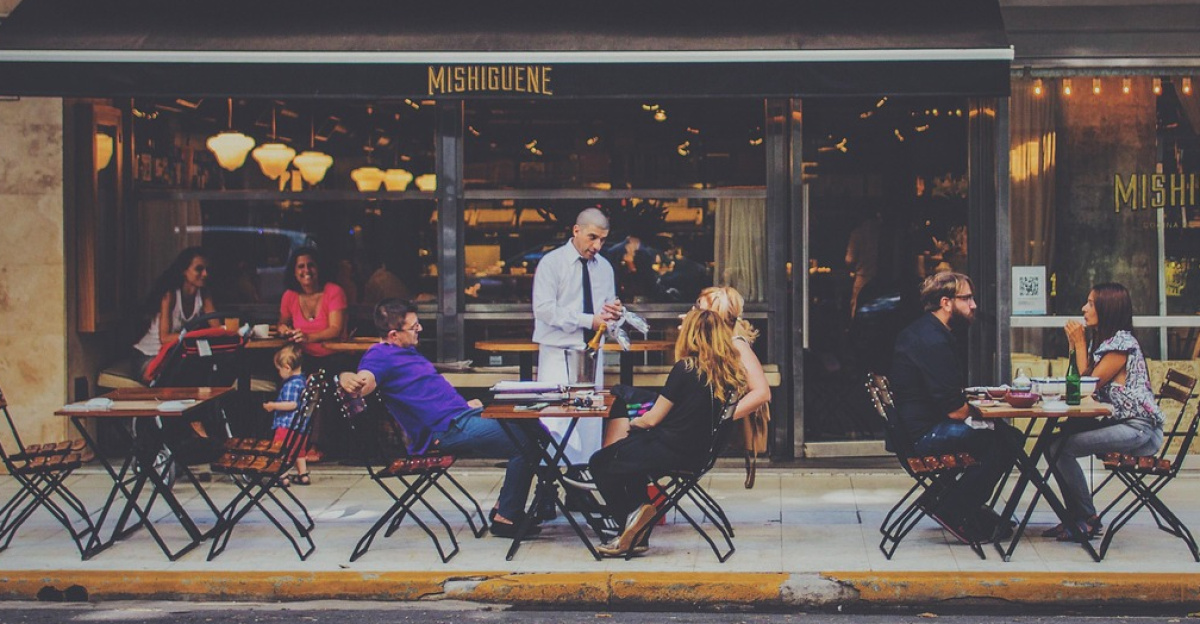
Keep your voice at a reasonable level. Ideal restaurant conversations range 55-65 decibels—loud enough for your companions but not for nearby tables. Avoid sharing personal details, business matters, or arguments with the entire room. Different restaurants have different expectations.
A sports bar is louder than fine dining. Notice the room’s volume and adjust accordingly. This shows sophistication and awareness. Respecting sound levels ensures a pleasant dining experience for all guests around you, everywhere.
The Phone Call Problem

Never take phone calls at your table. Other diners didn’t come to hear about your business or personal life. If you must answer, excuse yourself and step outside. Even having your phone visible suggests it matters more than your dining companions. Silence your phone and keep it out of sight.
Stay present during your meal. Don’t photograph every dish for social media. This mindful approach earns respect from staff and fellow guests. Put your phone away completely during dinner.
5. Handle Dietary Needs Without Drama

Dietary restrictions and allergies are normal and acceptable. Review the menu before ordering. Ask specific questions politely without making a scene. Thank the kitchen for accommodating you. Most restaurants handle various needs well. Treat it as a team effort, not a set of demands.
Tell your server your restriction and ask for guidance. Many diners build relationships with servers who learn their preferences and suggest good options. Communication works better than complaints. Positive attitudes get positive results every time.
Avoiding the Evangelism Trap

Don’t turn your diet into a lecture for other diners. Whether vegan, keto, or paleo, nobody came for your food philosophy speech. Keep explanations short and practical. Focus on what you need, not why you chose it. Ask specific menu questions instead of interrogating every ingredient.
Tell servers about serious allergies clearly and early. Verify the kitchen can safely handle it. This straightforward approach gets you the meal you want while keeping the pleasant atmosphere everyone deserves and paid for.
6. Navigate Complaints with Grace and Collaboration

Mistakes happen everywhere. Your response shows your character. Use a collaborative tone: “Could you help me with this?” instead of “This is unacceptable!” The first invites problem-solving. The second creates defensiveness. Servers want to fix issues because happy customers make their jobs easier.
Treat complaints as challenges to be solved together, not battles to be won. Listen actively, show empathy, and explain clearly. This approach yields better results and maintains everyone’s dignity throughout the process.
The Professional Response Framework
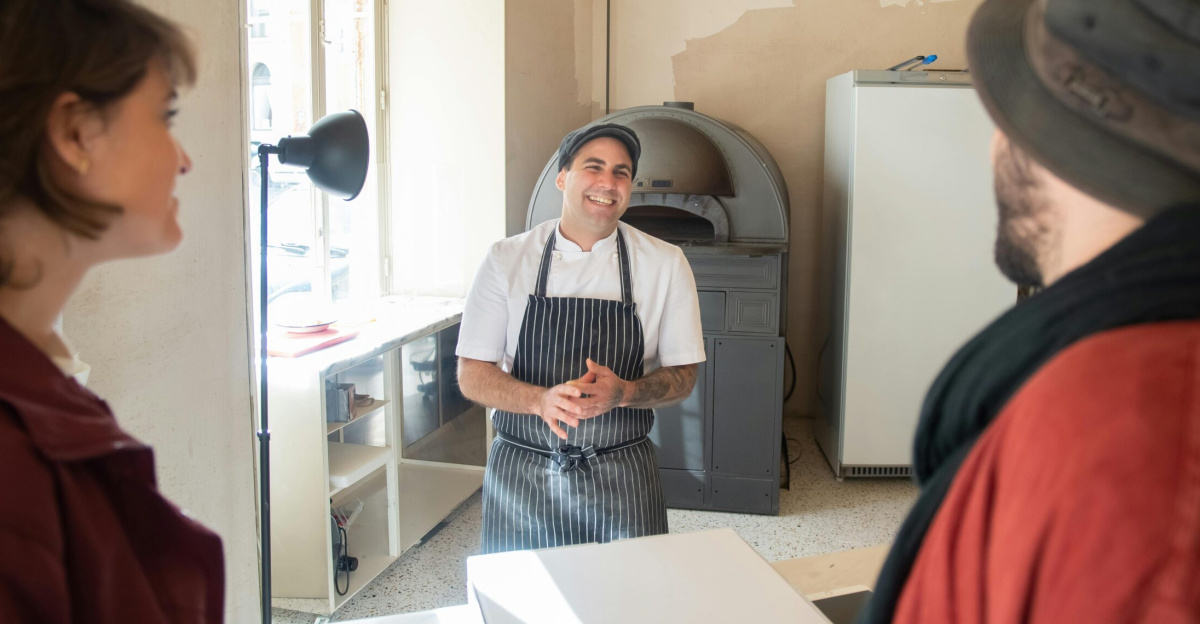
Stay calm when reporting an issue, even if disappointed. Give the server your full attention and make eye contact. Explain the problem clearly without raising your voice. Let servers suggest solutions—such as remaking the dish, offering substitutions, or providing compensation.
Request a manager if unsure, but stay calm and respectful. Say thank you once it’s fixed. Show they made it right. This graceful handling often turns bad experiences good. Restaurants remember guests who treat problems as opportunities for improvement, not complaints demanding compensation or attention.
7. Respect the Pace and Context of Service
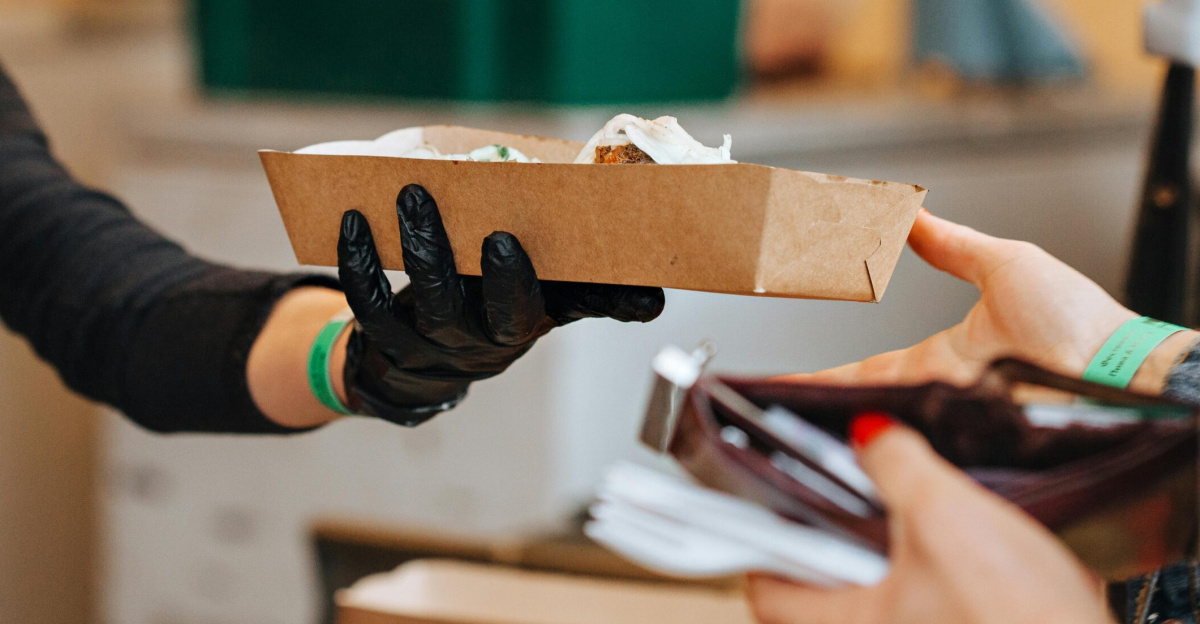
Different restaurants operate differently. Recognize these differences. Fine dining spaces time courses for appreciation and conversation. Don’t rush “slow” service there. Busy brunch spots turn tables fast. Don’t camp out for three hours with people waiting. Read the atmosphere.
Watch how fast nearby tables move. Notice how many wait for seating. Adjust your expectations based on these clues. This demonstrates your understanding of various dining contexts and social customs. Sophisticated diners adapt to each restaurant’s culture.
Matching Your Behavior to the Setting
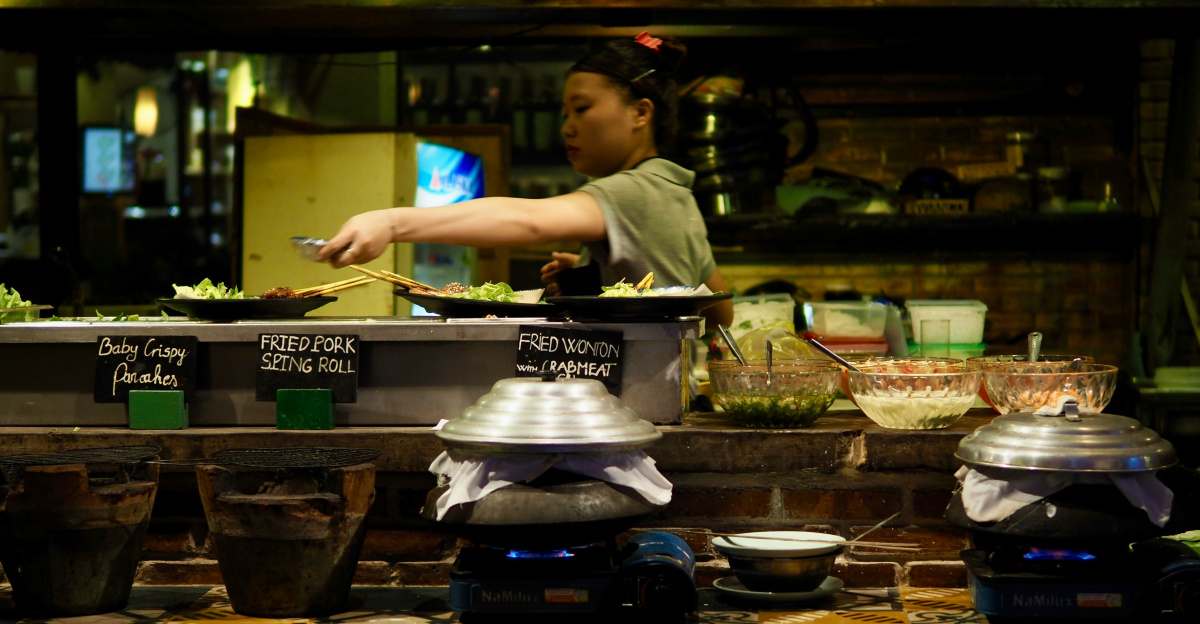
Servers juggle many tables. They can’t stand by you every second. Group your requests—ask for napkins, sauce, bread, and refills all at once. Stay patient during busy times. Servers give their best to everyone. If you finish early and people wait, finish up politely.
Don’t rush your meal, just be aware that timing matters. Your experience exists within a bigger system. This awareness elevates you from customer to savvy diner. Understanding complete restaurant operations shows true dining sophistication and respect.
8. Maintain Reasonable Table Tidiness

Nobody expects you to clean your table. However, normal dining messes differ from treating them like a disaster zone. Keep napkins contained. Prevent excessive spillage. Maintain general order. Show respect for the space and the staff who maintain it.
This matters especially with children. Let kids be kids, but don’t let food go on the floor. Servers notice tidy tables versus messy ones and adjust service accordingly. Keeping napkins on your lap, containing wrappers, and not creating food towers all show respect and consideration.
The Art of Thoughtful Plate Management

Let servers clear plates professionally. Don’t stack plates thinking you’re helping—it creates work if done wrong. If you consolidate, do it correctly: scrape leftovers onto one plate, stack plates of the same size stably, and place silverware on top. Never create wobbling towers; servers must deconstruct.
Don’t hand plates directly to servers already carrying loads. You’re not helping—you’re creating accident hazards. Remember, clearing tables is their job. Balance consideration with letting professionals work. This earns genuine appreciation and respect from staff.
9. Tip Appropriately and Discreetly
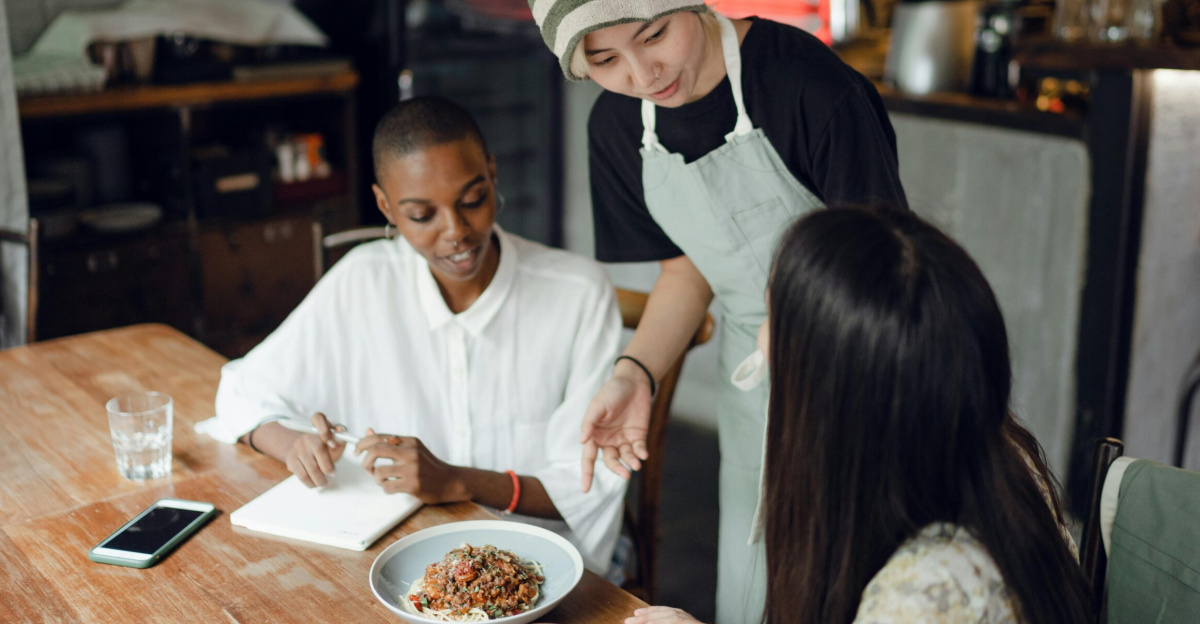
In countries with tipping, gratuity is part of the dining cost and is not optional. Tip 18-20% of the pretax bill. Exceptional service gets higher tips. Don’t announce tips or use them for special treatment. If you can’t tip properly, consider eating elsewhere or ordering takeout instead.
Tipping shows that you recognize servers earn a minimal base wage and depend on gratuity. Tip based on service quality and complexity, not because the food costs too much. Your tips support their livelihood directly and significantly.
Group Dining and Tipping Ethics

Handle group tipping carefully and correctly. Never skimp on your share—everyone notices. Restaurants typically add a gratuity of around 18-20% for large groups. That’s fair and expected. Without automatic gratuity, coordinate with companions before the bill arrives.
Ensure adequate tip coverage. Be transparent about splitting bills evenly or itemizing. Calculate tips on total amounts. If some consumed much more expensive items than others, address imbalances fairly. Handle payment away from the table. Never discuss tip amounts where servers or other guests can hear.
The Cumulative Effect of Dining Excellence

These nine habits benefit everyone—hardworking staff, fellow diners, and you. They don’t need special skills or much effort. They need awareness and consideration. Respect you earn brings real benefits: better service, honest recommendations, reservations at busy places, and a welcomed status.
These habits show personal growth and social intelligence. They improve how you navigate shared spaces everywhere and interact with service workers in all contexts. Consistent practice makes you a truly sophisticated diner who improves restaurants for everyone involved.
Sources:
Savourdxb, Dining Etiquette Dos and Don’ts – Social Tips for Success, July 20, 2025
The Restaurant HQ, Restaurant Noise Control: Tips From an Expert, July 14, 2024
Bankrate, The Latest Rules Of Tipping: How Much To Tip In 2024, July 9, 2024
Sculpture Hospitality, How to Handle Guest Complaints in Your Restaurant, March 24, 2025