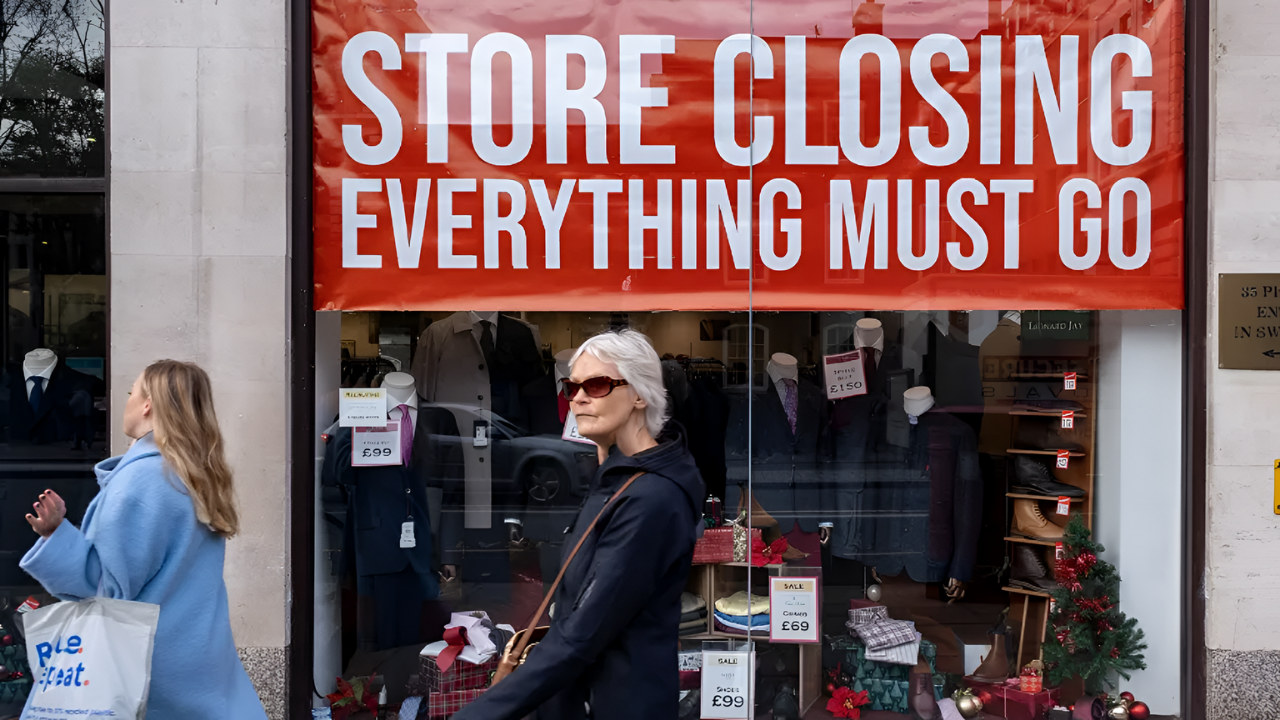
America’s shopping landscape is changing fast. In 2025, U.S. chain retailers closed more stores than ever before. Industry analysts warn conditions will worsen in 2026. Store closures began during the pandemic but have since become a major trend.
Every retail category faces exits—from pharmacies to department stores. The American high street is shrinking quickly. This signals a permanent shift in how Americans shop, not just a temporary slowdown.
A 12% Surge in Store Deaths
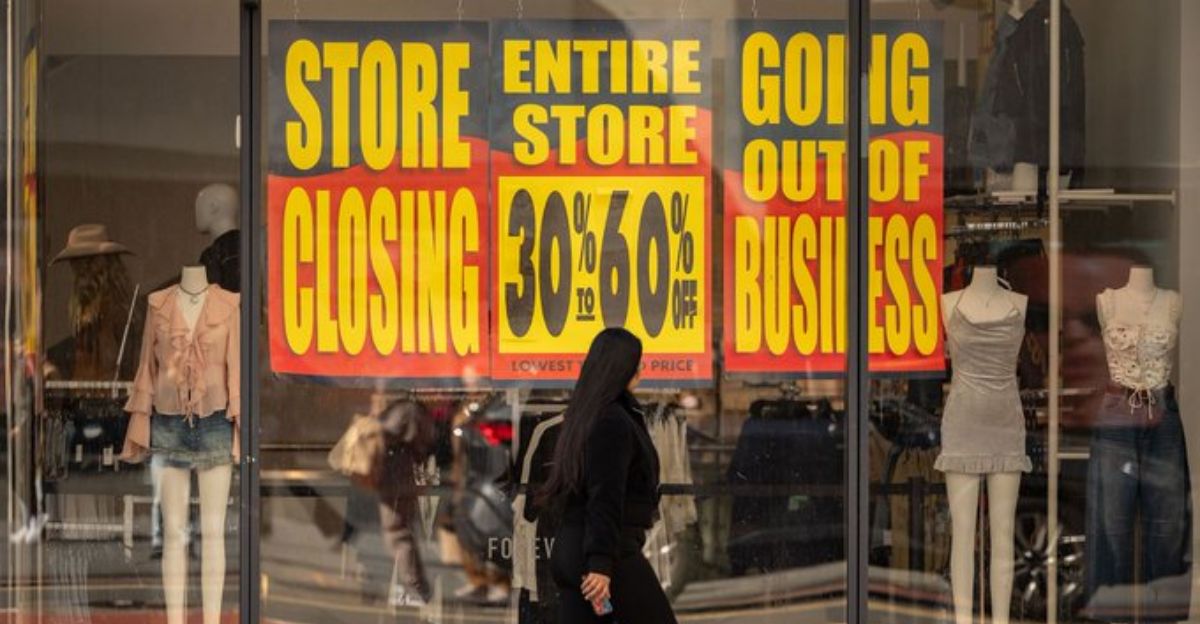
Last year broke all records. U.S. retailers closed over 8,200 stores in 2025. That’s 12% more than the 7,325 closed in 2024. Industry trackers say this ranks among the highest yearly totals ever recorded.
The pace is accelerating. Stores close faster now than before. Analysts say the market is increasingly hostile to weak and overextended chains. Can major brands survive what comes next?
Decades of Oversaturation

The crisis has deep roots. American retail exploded from the 1990s through the 2010s. Shopping centers and big-box stores multiplied faster than demand could support. Malls peaked around 2006, leaving excess capacity nationwide.
Chains expanded without planning for eventual saturation. By the 2020s, the bill came due. E-commerce drained foot traffic. Inflation squeezed budgets. Debt from decades of overbuilding became unbearable. Today’s closures are a reckoning.
Three Colliding Pressures
Three forces triggered the collapse. By 2025, e-commerce accounted for over 15% of retail sales. This drained customers from physical stores. Second, inflation hurts both shoppers and store owners. Operating costs rose while profits fell.
Third, many chains carried heavy debt from buyouts and acquisitions. Weak players were already running on thin margins. When all three pressures hit at once, survival became impossible. Waves of closures accelerated into early 2026.
The Record Number: 8,234 Stores Gone
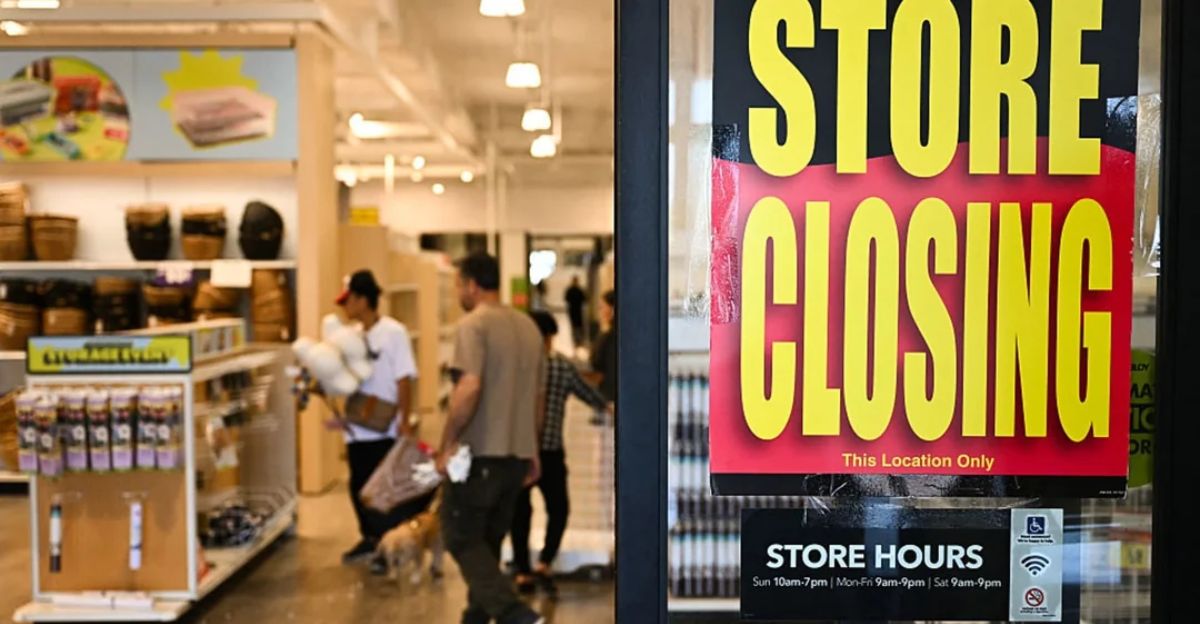
Here’s the core fact: 8,234 stores closed in 2025. Coresight Research confirms this number. It exceeds any annual total in recent data and ranks among the highest ever recorded. That equals 22 stores closing per day for a full year.
These stores span all 50 states. Every retail category suffered losses. These are permanent closures, not relocations. Workers lost jobs. Communities lost retailers. This marks a turning point in American retail history.
Regional Wastelands Emerging
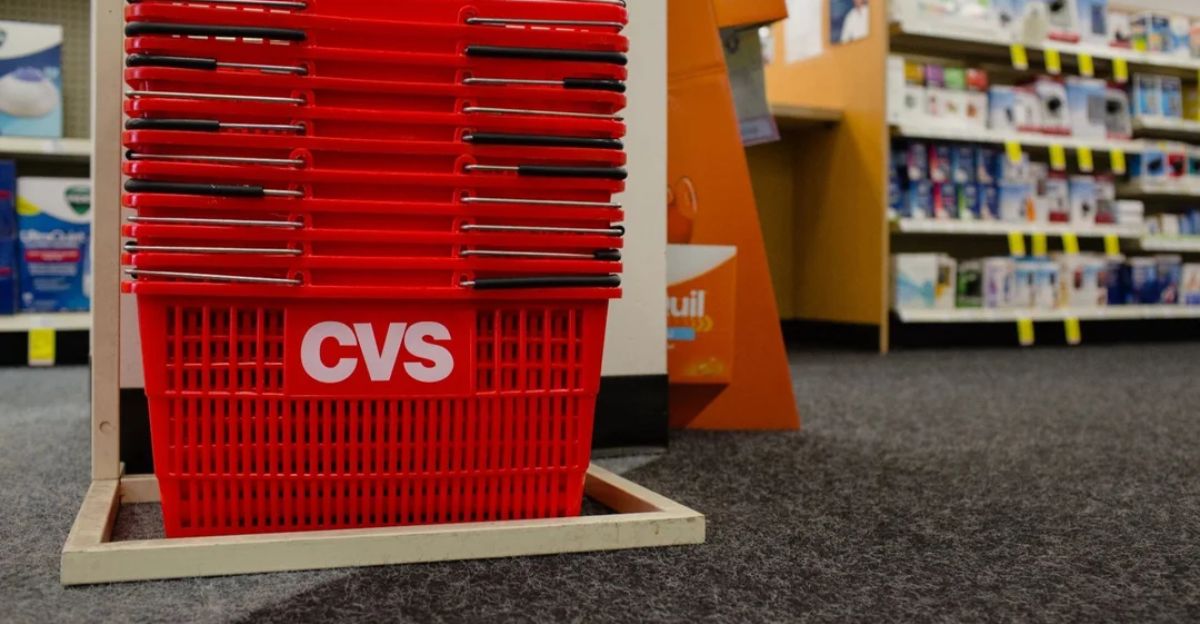
Closures reshape neighborhoods nationwide. Rural and low-income urban areas suffer most. Analysts call these “retail deserts”—places where shopping becomes difficult. Pharmacy closures hurt especially. CVS closed 270 locations in 2025.
Walgreens plans to close 1,200 stores over three years, with 500 by fiscal 2025. Some residents now travel 20+ miles to find a pharmacy. Malls that anchored downtown areas sit half-empty. The impact is uneven but severe, hitting vulnerable people hardest.
The Job Losses Mount
Store closures destroy jobs. Industry estimates put 2025 job losses at 80,000 to 165,000 retail positions. Supply chain and corporate office jobs likely add more losses. These numbers represent real workers losing paychecks and health insurance.
Retail workers often lack the skills required in other industries. Many can’t afford to relocate. Small towns dependent on one major retailer face economic collapse. The human cost will spread for years through already-struggling communities.
Dollar Stores Take a Tumble
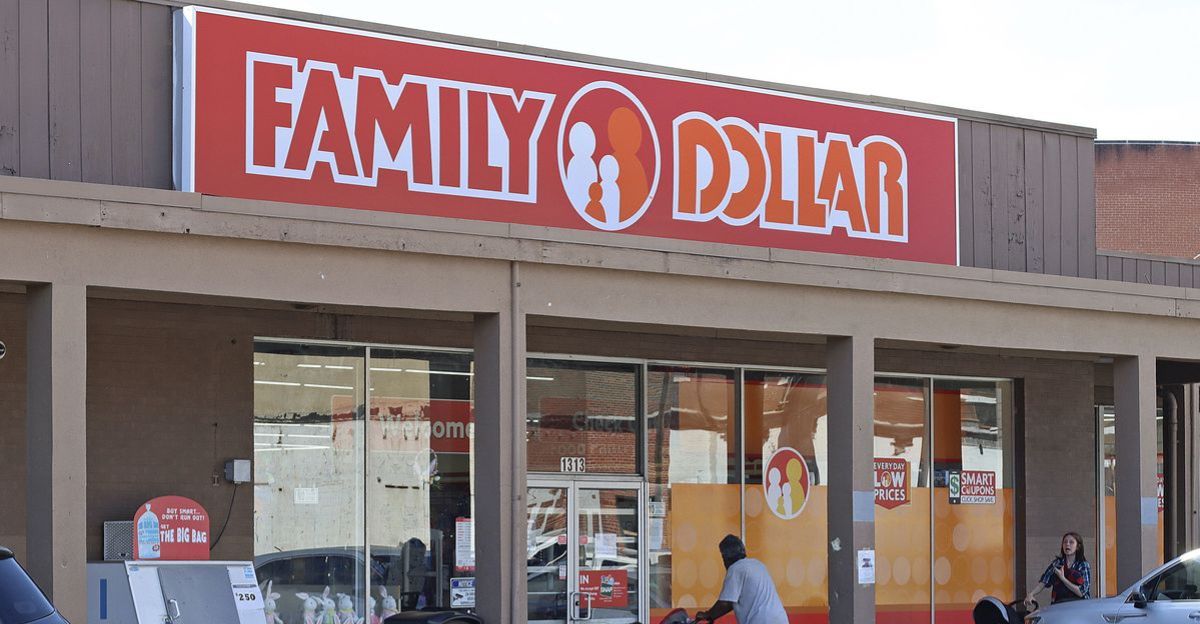
The discount sector collapsed dramatically. Dollar Tree closed roughly 1,000 stores in 2025. The company sold its Family Dollar brand. Dollar stores once seemed recession-proof. They thrived in low-income neighborhoods during tough times.
Rising theft, labor costs, and Amazon competition destroyed their model. Closing 1,000+ dollar stores removed cheap shopping options from communities that needed them most. No retail format—no matter how resilient—escapes disruption.
Department Store Reckoning
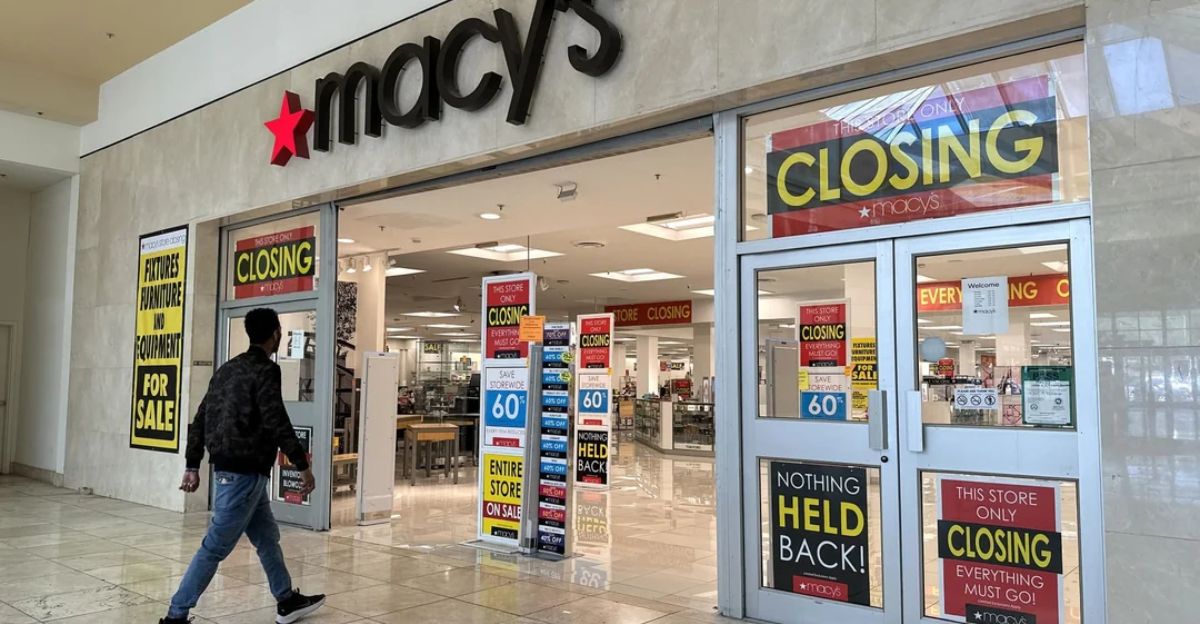
Department stores were already struggling. 2025 delivered a devastating blow. Macy’s announced 150 store closures by year-end 2026. This accelerates existing closure plans that eliminated hundreds of locations. Department stores once anchored shopping malls. Now they occupy a marginal position.
High-end stores can’t compete with luxury e-commerce and direct-to-consumer brands. Mid-market stores face competition from fast-fashion retailers. The anchor-tenant model that built malls in the 1980s and 1990s is dead. Dependent malls empty rapidly.
The Secondary Crisis: Retail Real Estate Collapse
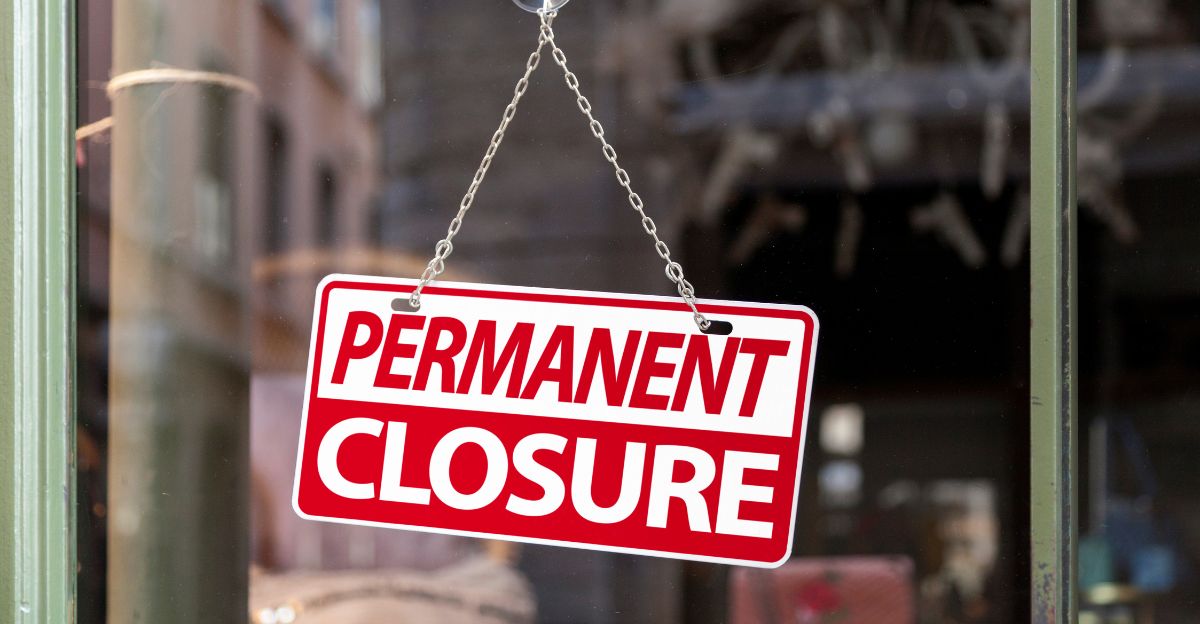
A hidden crisis emerges: commercial real estate implosion. When anchor tenants vanish, malls become worthless. Landlords default on mortgages. Properties face foreclosure or distressed sales. Banks and investment funds holding these mortgages face solvency threats.
Store closures aren’t isolated. They trigger a domino effect through commercial real estate and finance. Some experts warn that 2026 could see commercial mortgage defaults exceed those of the store-closure crisis. The danger spreads beyond retail.
Franchisees Under Siege

Behind closures sit thousands of franchisees. Small-business owners invested life savings in store operations. They face an impossible choice: honor unprofitable agreements or lose investments. Franchisees report that corporations are raising royalties and fees as sales plummet.
Small operators absorb losses while brands escape through closures. Corporate-franchisee tension reached a breaking point. Many franchisees file lawsuits seeking to be released from agreements. The 2025 collapse exposed how franchises transfer downside risk to small operators.
Bankruptcy Filings Accelerate
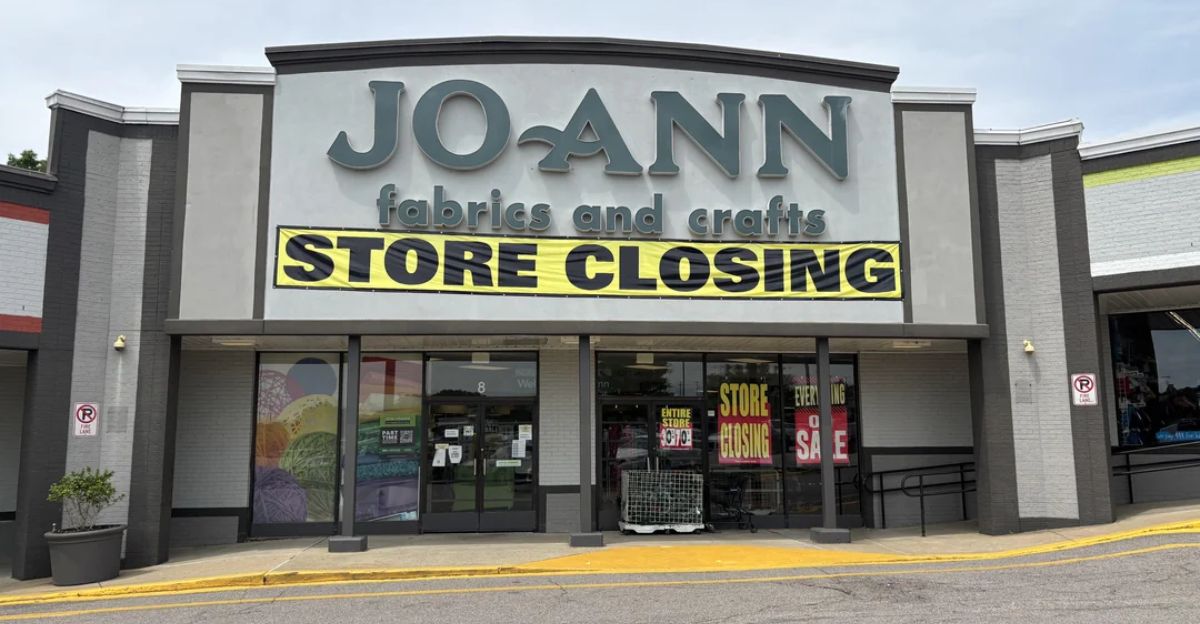
Bankruptcy filings acknowledged the crisis. At least 30 U.S. retail chains filed for bankruptcy in 2025. Major names included Party City (roughly 700 closures) and Joann Fabrics. Early 2026 brought Saks Global’s high-profile Chapter 11 filing in January.
Saks Global manages multiple luxury and department-store brands. Its bankruptcy ranks among the largest retail collapses since the pandemic. Even heritage brands face ruin. Each filing brings creditor negotiations, liquidations, and job losses.
E-Commerce Isn’t the Villain
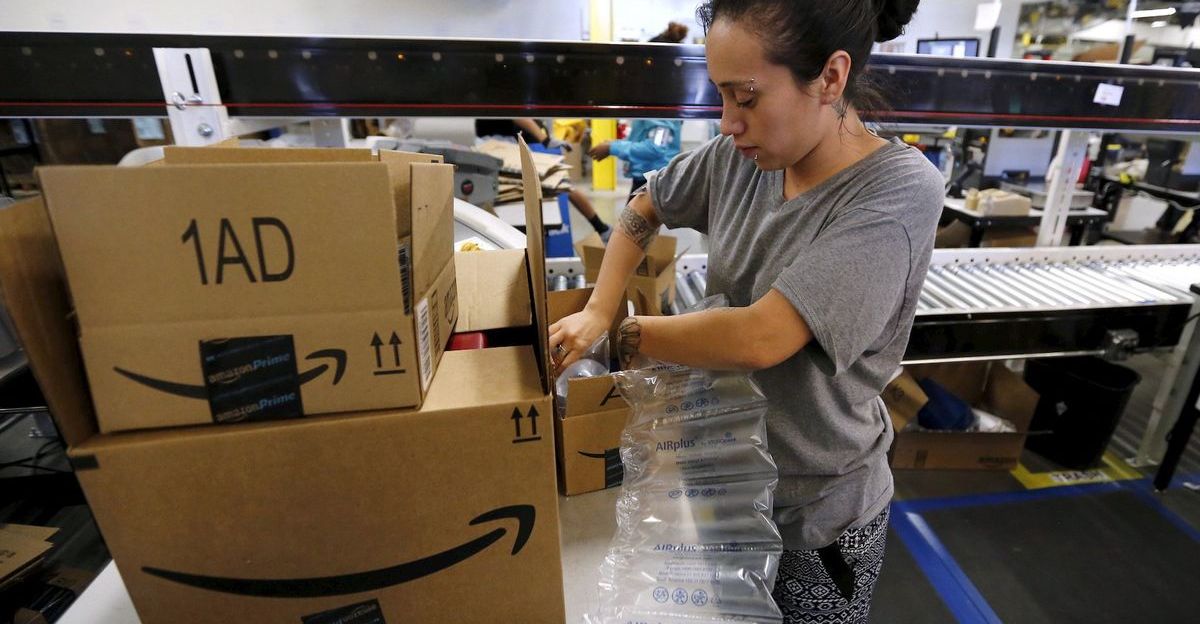
Surprisingly, e-commerce giants aren’t clear winners. Amazon and other online retailers face their own pressures. Fulfillment costs, logistics, thin margins, and return-shipping fatigue plague them. E-commerce shifted customer expectations. Shoppers demand faster delivery, easy returns, and digital experiences.
Traditional retailers that modernized supply chains, apps, and in-store technology survived. The real winners seamlessly blend online and offline. Both pure e-commerce and old-style retailers struggle. Adaptive, integrated retailers position themselves to survive.
Expert Skepticism on Turnarounds
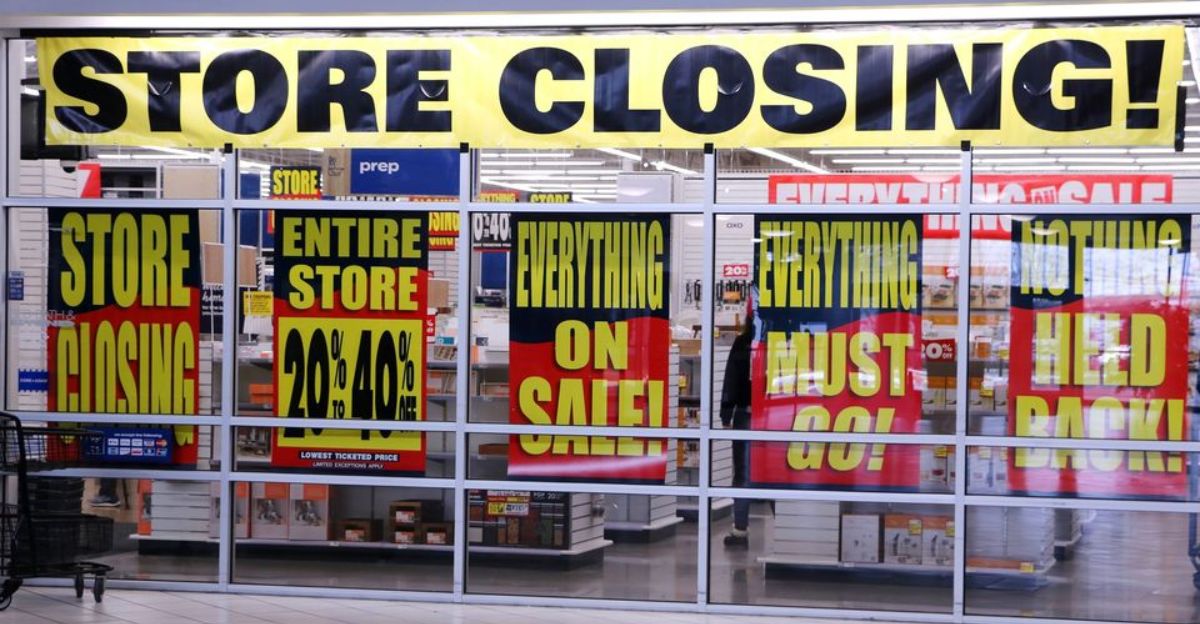
Industry experts doubt quick recoveries. Analysts warn consolidation will deepen into 2026 and beyond. Survivors will be larger, efficient operators with strong brands. Weak players continue exiting. One prominent analyst noted America has been “over-retailed” for decades.
This structural condition can’t be fixed in one year. Some closures may help by trimming excess capacity. But adjustment will hurt, with more exits and job losses. Experts predict no quick rebound.
The Reckoning Deepens
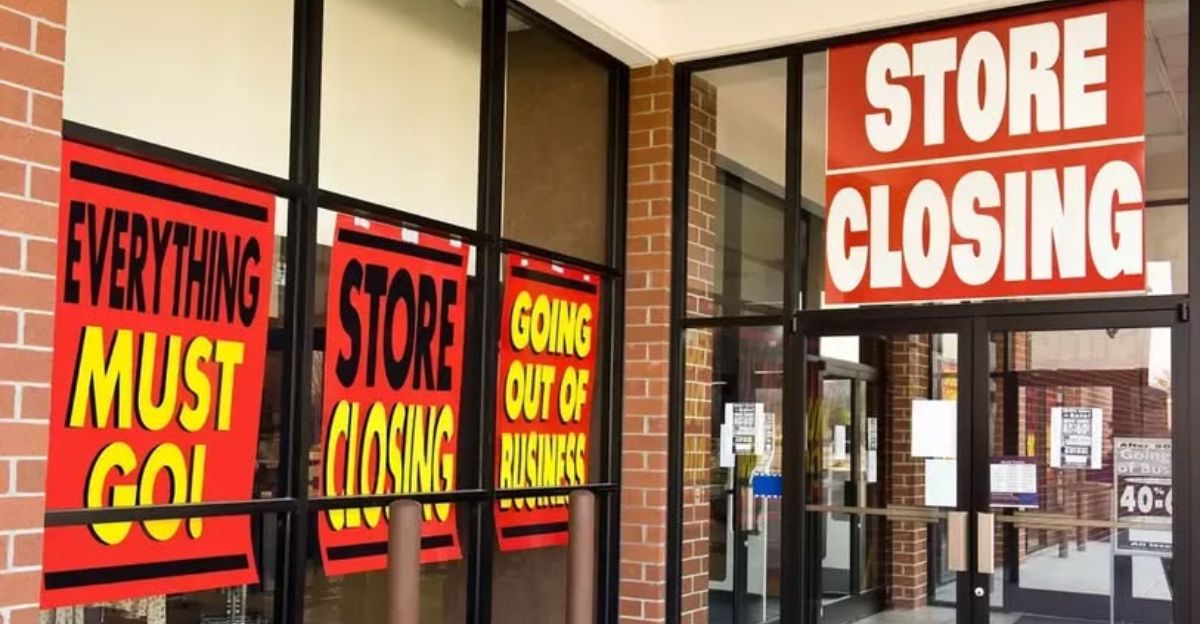
As 2026 unfolds, questions mount. Will more stores close? Which brands survive? The 8,234 closures in 2025 set records. Yet experts warn conditions worsen. Will thousands more shutter in 2026? Could the real estate crisis spread to financial markets? Can major chains modernize fast enough?
Consolidation may accelerate, leaving fewer, larger players. America’s retail landscape of 2030 will differ drastically from 2020. Communities face permanent job losses and retail deserts. The reckoning barely started.
Sources:
Xinhua News Agency – Economic Watch: U.S. retailers see 8200 closures in 2025 amid tariffs, debt pressures – January 1, 2026
Michael Snyder (Substack) – Empty Stores Everywhere! America’s “Retail Apocalypse” Is Already The Worst In History, And There Are Signs That It Is Getting Even Worse… – January 20, 2026
USA Today – Saks Global, high-end department store group, files for bankruptcy – January 14, 2026
CNN Business – Saks Global files for bankruptcy amid luxury market strains – January 14, 2026
CNBC – Saks Global files for bankruptcy protection – January 14, 2026
LinkedIn (Lee Peterson post) – US Retail Store Closures Rise 12% in 2025 – January 6, 2026