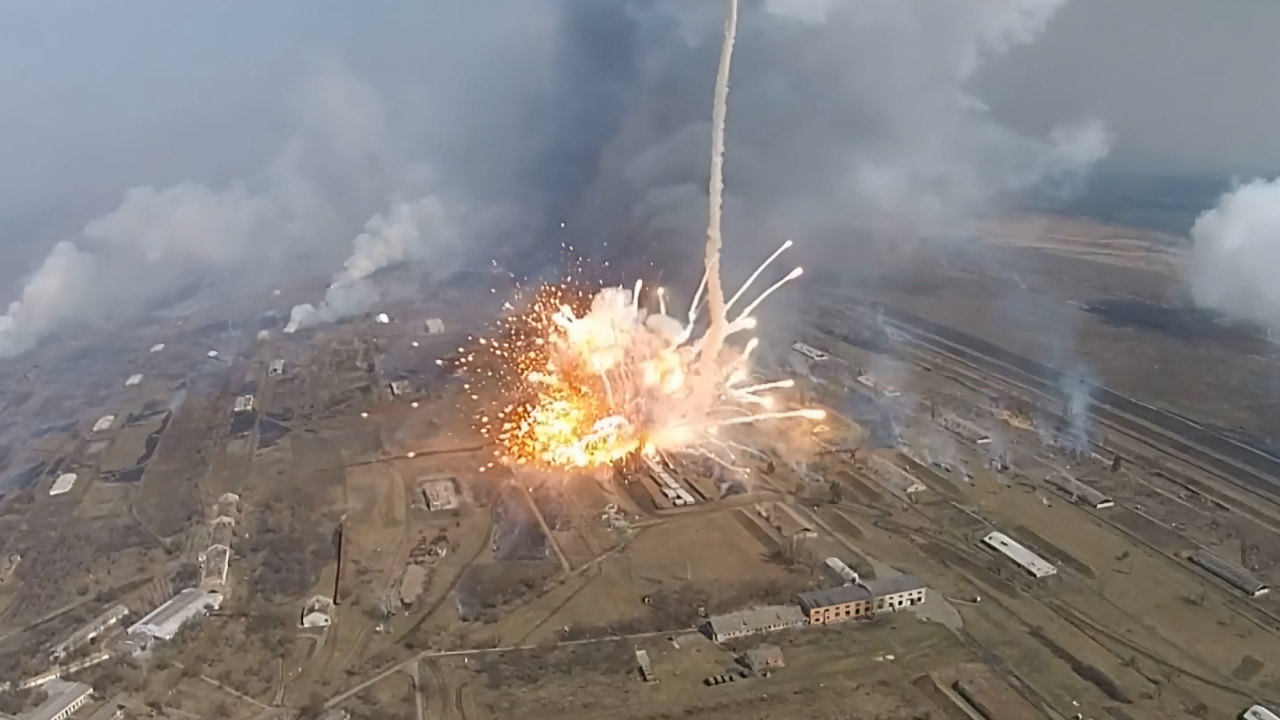
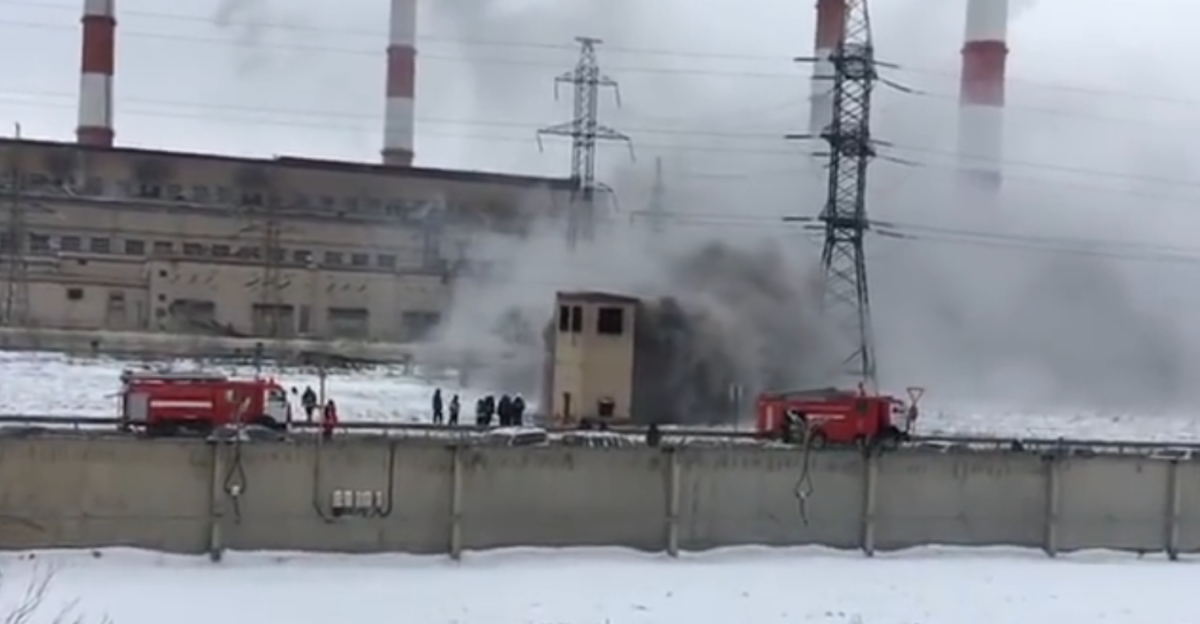
In the dead of night on January 14-15, 2026, Ukrainian drones launched a devastating strike on the Nevinnomyssk Azot chemical plant in Stavropol Krai, southern Russia. The attack, one of Ukraine’s most daring, ignited massive fires, threatening Russia’s artillery shell production.
This strategic move highlights Ukraine’s growing ability to target key military-industrial sites far beyond the frontlines, shaking Moscow’s defense capabilities.
Why Target Chemical Plants? Ukraine’s Strategy Unfolds
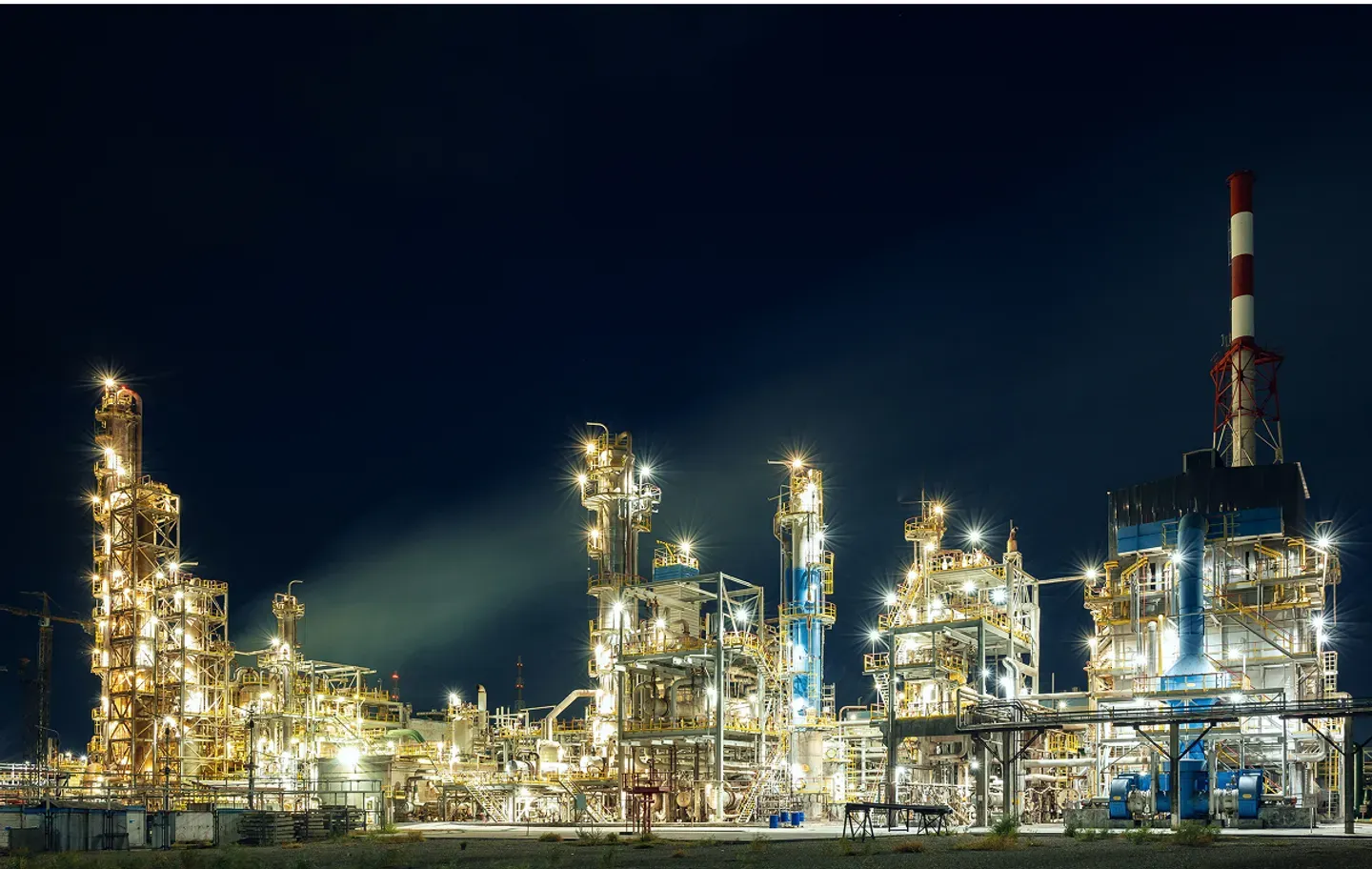
Ukraine’s evolving military strategy now focuses on weakening Russia’s war economy by targeting industrial hubs like the Nevinnomyssk Azot plant.
These facilities are vital to Russia’s production of acetic and nitric acids—chemicals essential for creating explosives. By hitting these nodes, Ukraine avoids direct combat, making this attack part of a broader effort to disrupt Russia’s artillery supply without confronting their military head-on.
Immediate Impact: Striking at Russia’s Artillery Backbone
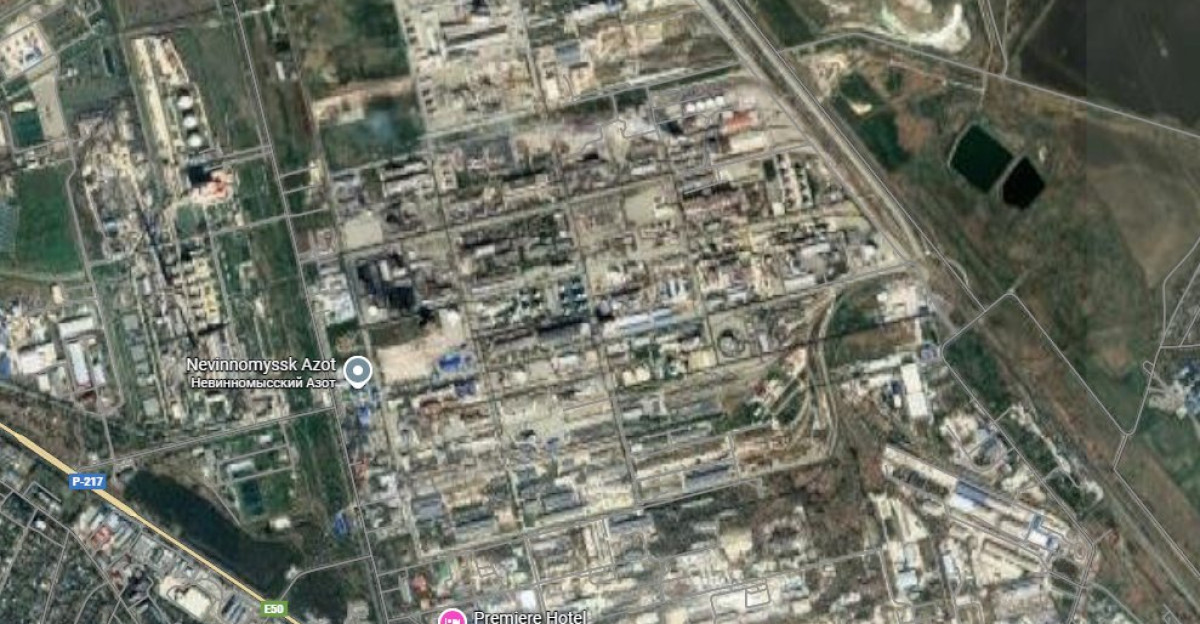
The strike at Nevinnomyssk Azot has immediate repercussions for Russia’s artillery supply chain. Satellite images show extensive fires, verifying the destruction of a plant that produces chemicals crucial for making ammunition.
This disruption is more than just a symbolic blow; it takes out a key component of Russia’s explosive production, halting or slowing the delivery of shells to the frontlines.
Corporate Fallout: Russia’s Defense Contractors Face Disruption
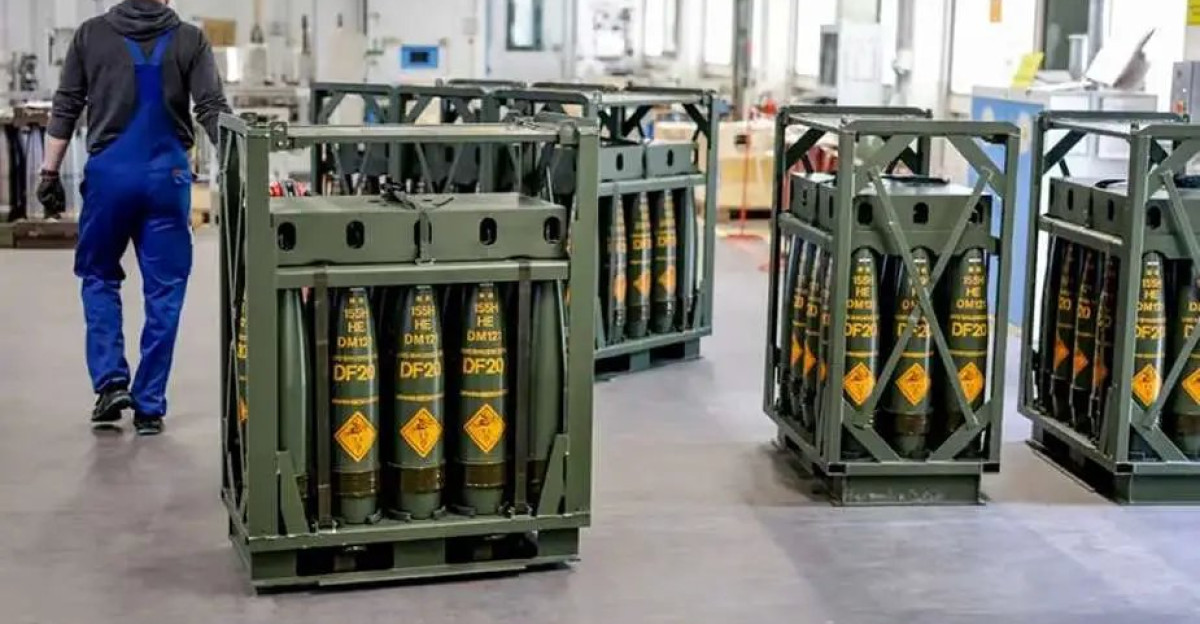
With the chemical plant offline, Russian defense contractors face significant setbacks. They depend on acetic and nitric acids to manufacture artillery shells.
Without these chemicals, Russia must either find alternative sources—likely more expensive and less efficient—or face a significant backlog in production, which could lead to shortages on the battlefield. The economic ripple effect could delay military resupplies and reduce artillery readiness.
Substitution Struggles: Seeking New Chemical Suppliers

In response to the strike, Russian military planners are scrambling to find new sources of acetic and nitric acids. Domestic suppliers could help, but their capacities are smaller, and imports from allies like Iran or Belarus face logistical delays and sanctions.
Each alternative option comes with trade-offs: longer transport times, higher costs, and potential bottlenecks that further strain Russia’s already-overburdened supply lines.
Geopolitical Tensions: Allies Struggle to Deliver Chemical Supplies

Russia’s search for alternative chemical suppliers raises serious geopolitical concerns. While Iran and Belarus are potential sources, ongoing sanctions complicate such deals.
This reliance on politically unstable allies exposes Russia’s vulnerability, possibly forcing Moscow to offer concessions in exchange for chemicals, shifting the balance of power in global geopolitics and altering the diplomatic landscape.
The Worker’s Struggle: Thousands of Jobs at Risk
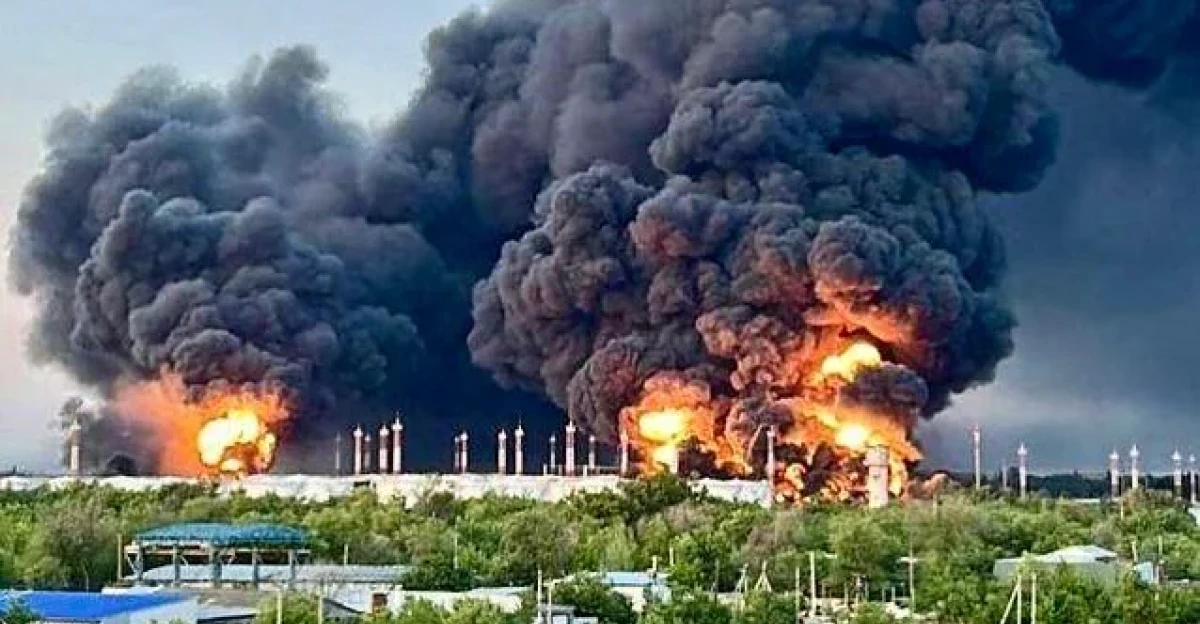
The attack also puts thousands of workers at the Nevinnomyssk Azot plant at risk. As the facility assesses the damage and begins repairs, layoffs and furloughs loom large.
Local communities in Stavropol Krai, which depend on the plant for both employment and economic stability, now face uncertainty. The government’s downplay of the incident only adds to the growing anxiety about job security and the region’s economic future.
Political Fallout: Russia’s Air Defense System Under Scrutiny
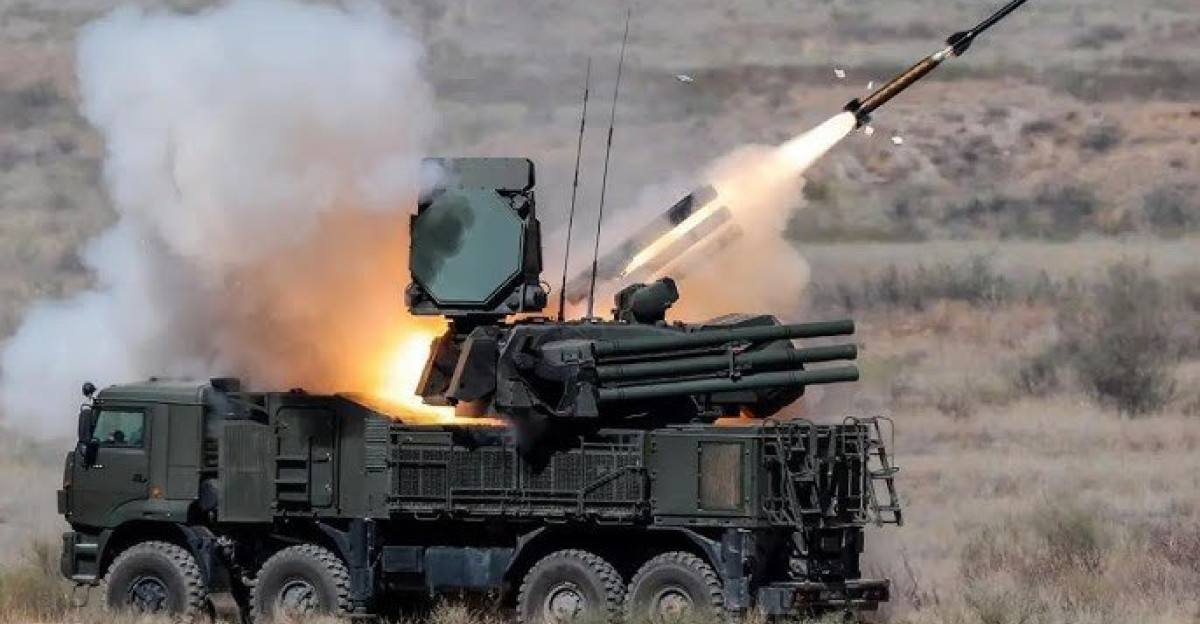
Despite Russia’s advanced missile and radar defenses, Ukrainian drones breached deep into Russian territory, striking Nevinnomyssk Azot.
This vulnerability has sparked political questions back home, with critics calling into question the effectiveness of Russia’s defense systems. This embarrassment for the Kremlin could force President Putin to justify defense spending while addressing growing doubts about the security of Russian industrial sites.
Financial Strain: Rising Ammunition Costs Hit Russia’s War Effort

The attack on the chemical plant will also put additional financial pressure on Russia’s military. With alternative chemicals more expensive and harder to obtain, Russian defense contractors will likely face higher production costs.
These rising costs could drive up the price of artillery shells, straining Russia’s military budget. This could lead to difficult choices—either cut back on ammunition production or divert resources from other areas of defense.
Economic Pressures on Civilians: Rising Costs for Russians

As Russia reallocates resources to rebuild war-damaged infrastructure, civilians will feel the squeeze. Products dependent on chemical supplies, such as fertilizers and heating fuels, may face shortages or price hikes.
With the ongoing strain of Western sanctions and inflation, Russian consumers may soon find themselves unable to afford basic necessities. These economic pressures could affect public morale and fuel discontent within the population.
Environmental Fallout: Pollution and Long-Term Risks
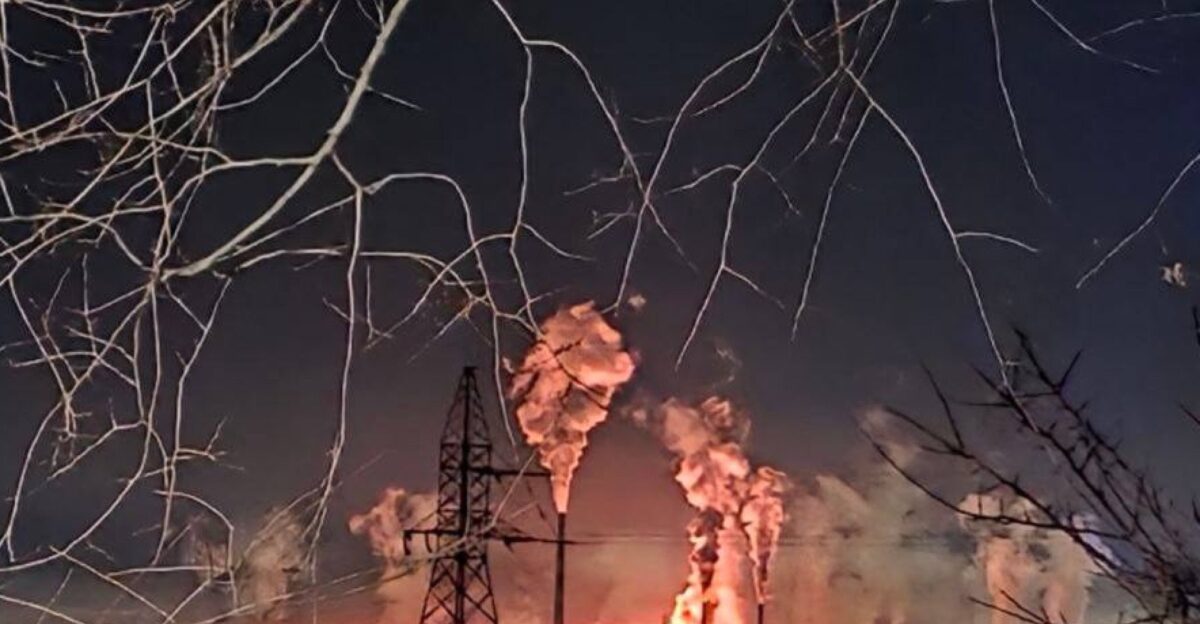
The fires at Nevinnomyssk Azot released toxic fumes and chemicals into the atmosphere, raising concerns about environmental contamination.
The plant’s production of acetic and nitric acids is already known to generate hazardous emissions, and the fire has likely exacerbated the issue. Local communities may face long-term health risks from air pollution, while Russia’s environmental authorities have yet to provide a clear assessment of the incident’s aftermath.
Strategic Shift: Ukraine’s Economic Warfare Gains Traction

Ukraine’s focus on economic warfare signals a shift in its strategy, using targeted strikes on Russia’s military infrastructure rather than large-scale battles.
The Nevinnomyssk Azot attack fits into this new approach, where damaging Russia’s industrial capability is as critical as battlefield victories. As Western support grows, this method of striking strategic, high-value targets without heavy losses could shift international perceptions of the war.
Market Implications: New Opportunities for Contractors and Suppliers
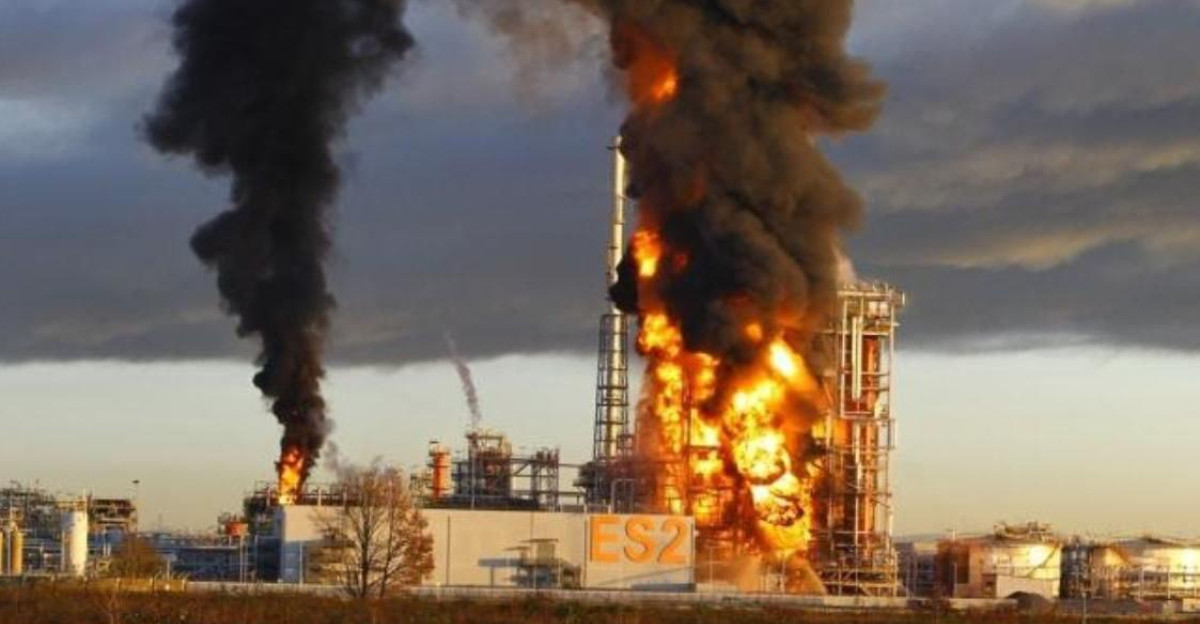
The disruption of Russia’s chemical supply chain opens new market opportunities for companies involved in alternative chemical production, logistics, and defense contracting.
Suppliers of expedited shipping, chemical substitutes, and military repair services stand to benefit from Russia’s strained supply chains. Meanwhile, Western contractors who supply Ukraine with long-range strike systems will also see increased demand, as the effectiveness of these systems becomes increasingly clear.
Financial Advice: Adjusting to the Shifting Geopolitical Landscape

Investors should reassess their portfolios in light of Russia’s disrupted supply chains. Companies with exposure to Russian defense contractors or chemical producers may face losses.
On the flip side, businesses that offer alternative chemical supplies, military logistics, or defense technologies could see increased demand. Monitoring geopolitical developments and adjusting investments accordingly will be key in navigating the volatile market landscape ahead.
Looking Ahead: The Future of Modern Warfare
The Nevinnomyssk Azot strike is a clear example of 21st-century warfare—precision targeting of economic infrastructure to cripple an enemy without large-scale military confrontation. As Ukraine continues to strike at Russia’s vital industrial targets, the nature of the conflict will evolve.
With global supply chains at risk and both sides escalating their military strategies, the war’s future will depend increasingly on economic resilience and the ability to adapt to the changing battlefield.
Sources:
“Russian Offensive Campaign Assessment, January 15, 2026.” Institute for the Study of War / Critical Threats Project, 15 Jan 2026.
“Drones Set Fire to Russian Plant That Feeds Explosives Into Missile and Artillery Production.” United24Media, 14 Jan 2026.
“Drone strike hits Russia’s Nevinnomyssky Azot chemical plant in Stavropol region.” Caliber.az, 14 Jan 2026.
“The Russian billionaires whose chemical factories fuel Russia’s war machine.” Reuters, 30 Dec 2024.