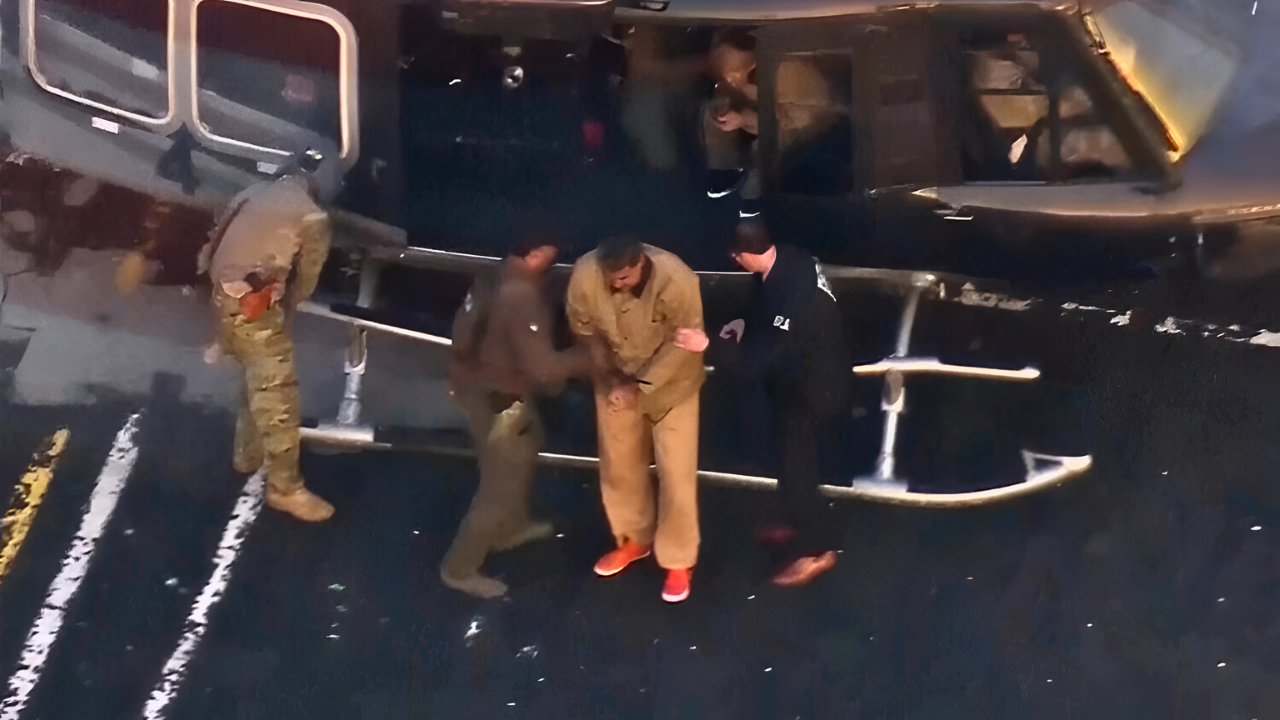
At 2:01 a.m. on January 3, 2026, explosions lit up Venezuela’s northern coast, plunging Caracas into darkness as U.S. helicopters flew low over the Caribbean. Within hours, airstrikes hit military targets, commandos raided a fortified compound, and President Nicolás Maduro was captured and airlifted out—leaving dozens dead and reshaping hemispheric tensions.
Operation Absolute Resolve
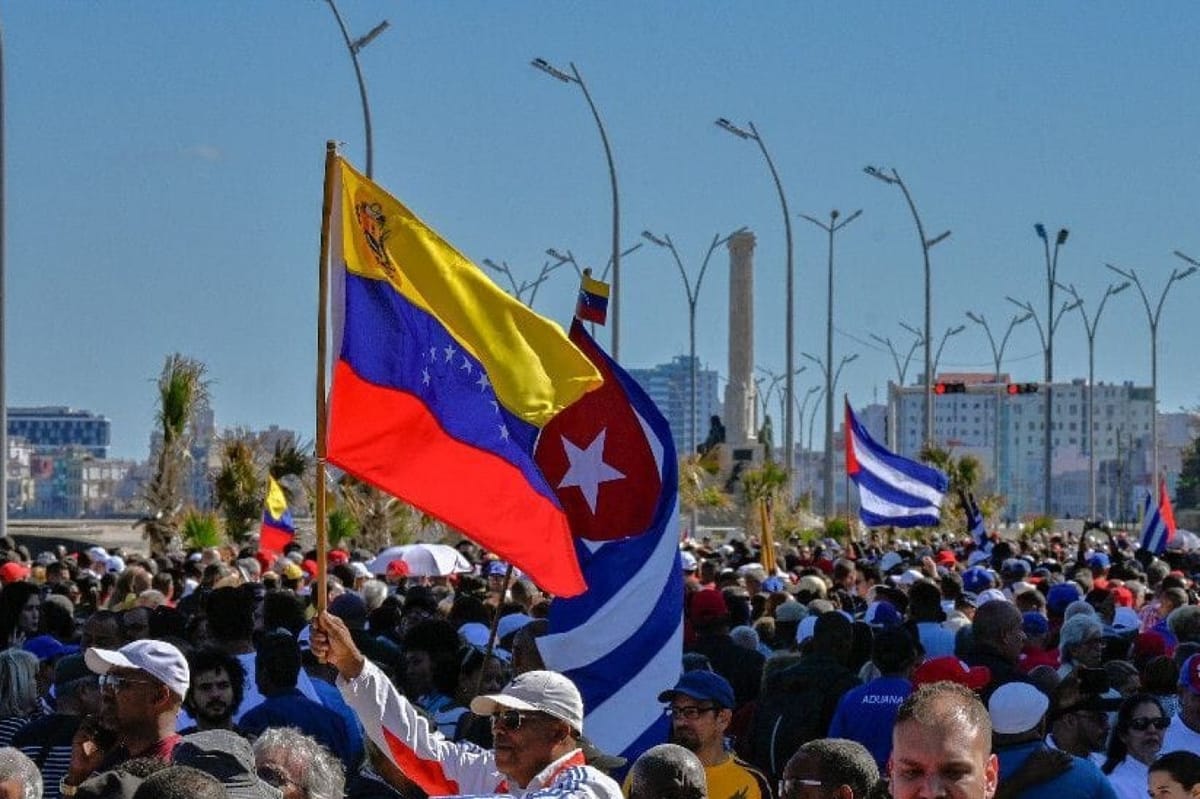
The mission, dubbed Operation Absolute Resolve, unfolded with precision. U.S. forces launched airstrikes on air defenses, communications, and bases starting just after 2 a.m. local time. Simultaneously, Delta Force operators and the 160th Special Operations Aviation Regiment assaulted Maduro’s Caracas residence.
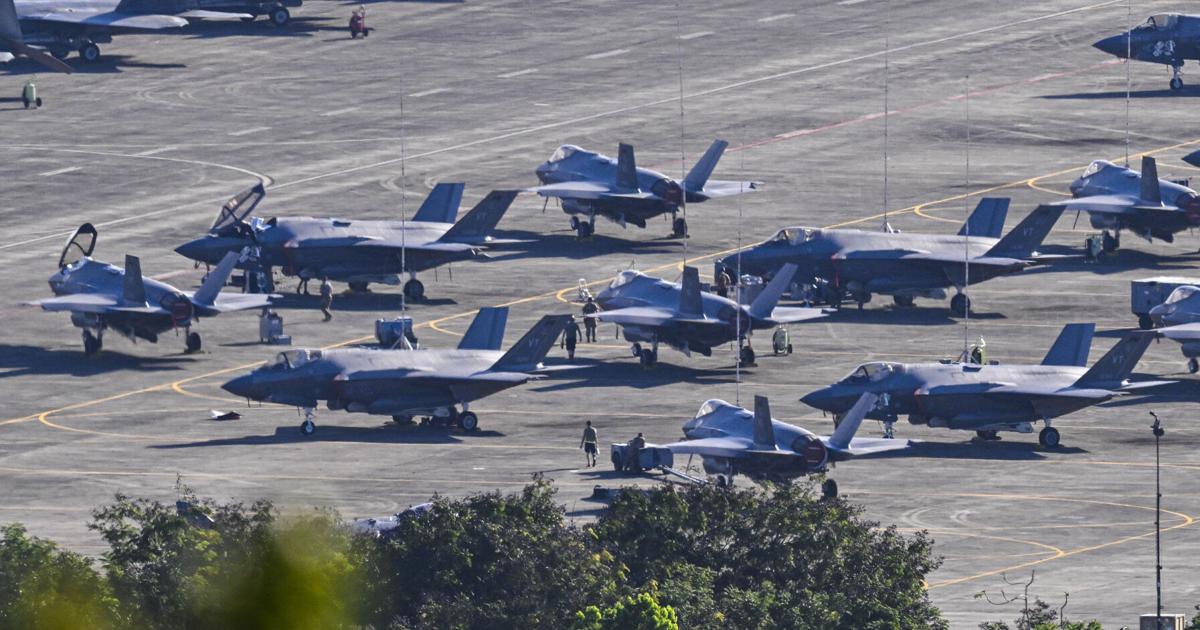
More than 150 aircraft from 20 airbases, backed by carrier groups and 15,000 troops, supported the raid. The extraction under fire lasted under 30 minutes. Maduro and First Lady Cilia Flores were taken into U.S. custody within 24 hours, facing narco-terrorism and weapons charges in New York.
Cuban Involvement Exposed
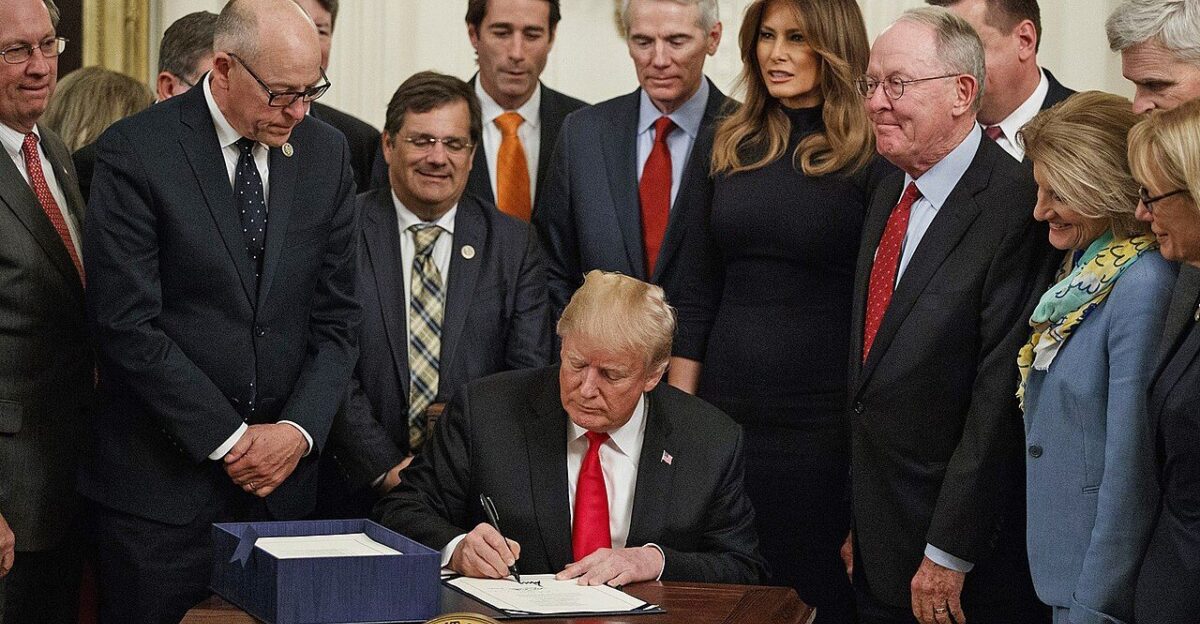
Casualties revealed Cuba’s hidden role. Havana confirmed 32 military and intelligence officers killed, all part of Maduro’s security detail at Venezuela’s request. Cuban officials described them as an “impenetrable” ring, later hailed as martyrs after fierce resistance.
Venezuelan Defense Minister Vladimir Padrino López acknowledged a “large part” of the Cuban-heavy detail was eliminated. The deaths spotlighted Cuba’s estimated 20,000 personnel in Venezuela, long downplayed by Havana.
Contested Casualties
Toll figures varied sharply. Venezuelan officials reported 40 deaths initially, revising to 80, then 100 including soldiers and civilians. Independent outlets tallied about 70 dead and 90 wounded.
Civilians suffered too: at least two confirmed deaths, including 80-year-old Rosa González, killed when an airstrike hit an apartment building near telecom targets in Catia La Mar. Relatives recounted pulling victims from rubble amid overwhelmed hospitals. U.S. claims emphasized minimized harm, but access limits and politics fueled disputes.
Trump’s Doctrinal Shift
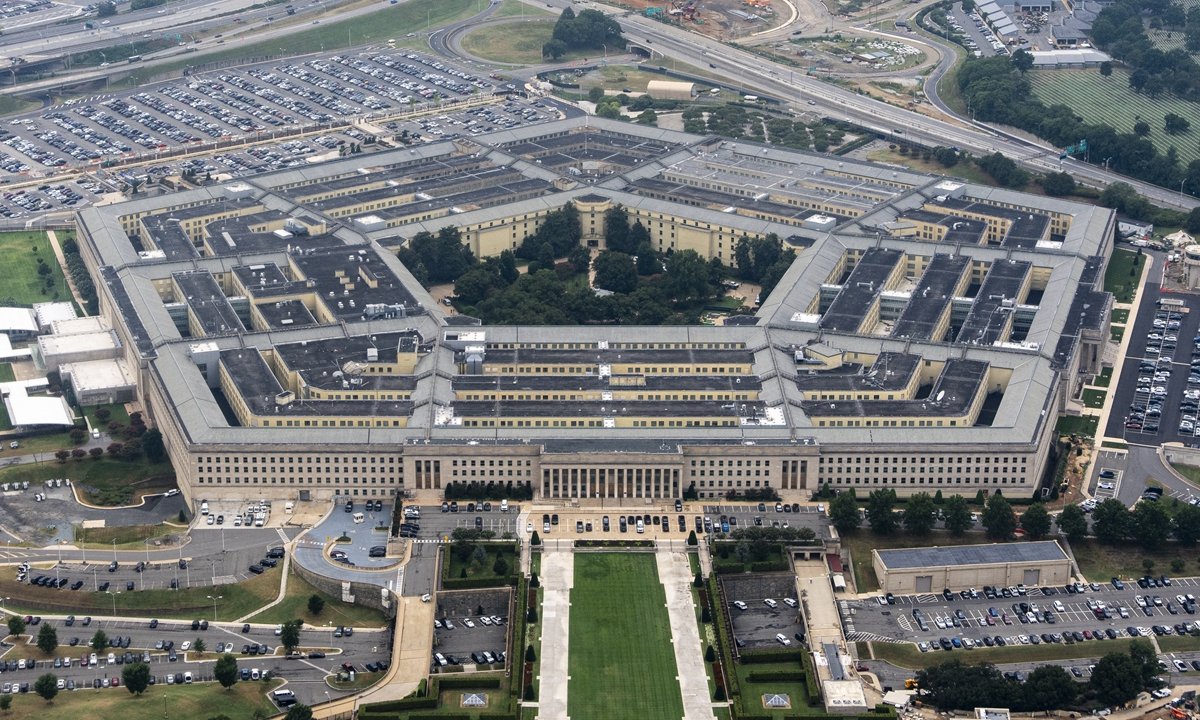
President Donald Trump called it a revival of the Monroe Doctrine, rebranded the “Donroe Doctrine,” to counter foreign adversaries and weapons in Venezuela threatening U.S. security. He noted the asymmetry: “A lot of Cubans were killed yesterday. There was a lot of death on the other side. No death on our side.”
Zero U.S. fatalities occurred, though six to seven soldiers were injured and one helicopter hit by fire but flew on. Officials hailed the urban raid as proof of superior tactics and technology.
Global Backlash and Future Stakes
Reactions split along lines. Russia and China decried it as a sovereignty breach; U.N. officials cited Charter violations. Britain urged norm respect. Venezuelan leaders, led by acting President Delcy Rodríguez, declared mourning and appealed to the Security Council, airing damage footage.
In Havana, the losses stunned elites, exposing intelligence vulnerabilities. Experts warned of backlash, likening it to past interventions and labeling it imperialism that could breed instability.
The raid signals U.S. readiness to act against rivals like China, Russia, and Iran gaining footholds. Trump plans U.S. oversight during Venezuela’s transition amid power struggles between loyalists, opposition, and interim figures. Legal fights over jurisdiction loom, as does debate on whether this precedent bolsters security or erodes global rules—potentially defining force and sovereignty in the Americas for years.
Sources:
New York Times – “Inside ‘Operation Absolute Resolve,’ the U.S. Effort to Capture Maduro” – January 3, 2026
Fox News Digital – “Cuba identifies 32 military personnel killed in US operation on Maduro regime in Venezuela” – January 5, 2026
BBC News – “How the US captured Maduro” – January 3, 2026
Barron’s – “Trump Says ‘A Lot Of Cubans’ Killed In US Operation Against Maduro” – January 4, 2026
TIME Magazine – “What Is the Monroe Doctrine, and How Is Trump Using It Today?” – January 6, 2026