
The signs that a family grew up watching every dollar are rarely loud or obvious. They tend to sit quietly in the living room: a couch that is more symbolic than functional, furniture gathered over years, and objects carefully preserved because replacing them would be a serious expense. Taken together, they trace a story of restraint, planning, and pride in making a modest space feel welcoming.
Good Couch, Strict Rules
In many lower-middle-income homes, the centerpiece of the living room is the “good” couch – the one children are warned not to sprawl on after school. It may be covered in plastic, layered with blankets, or guarded by strict rules about food and shoes.
This seating is often reserved for guests or special occasions, not everyday lounging. The aim is simple: a major purchase like a sofa cannot easily be replaced, so it is treated as an investment to be protected. The near-pristine condition of this couch signals that the household can maintain something of quality despite limited means.
The good couch often carries emotional weight. It can represent years of saving, long hours of work, or a milestone purchase that felt like proof of progress. Keeping it spotless becomes a way to show visitors that the family values order, discipline, and respectability, even if other parts of the home show more wear.
Patchwork Furniture, Steady Use
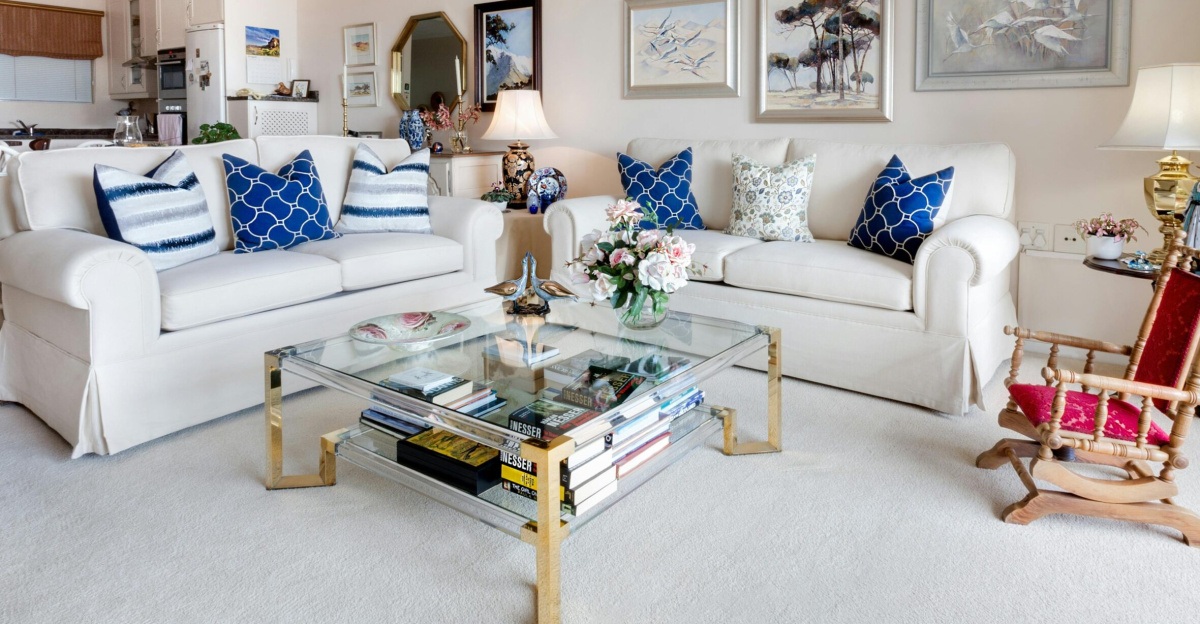
Elsewhere in the room, the furnishings often tell a different story. Instead of a coordinated showroom set, there might be a sofa from one era, an armchair from another, and a coffee table that originally belonged in a different room or even a different household.
These mismatched pieces are usually sturdy rather than stylish, acquired from discount outlets, clearance racks, yard sales, or passed down from relatives. Their colors and styles may clash, but each fills a specific need: extra seating, a place to set drinks, somewhere to stack schoolbooks.
This patchwork look reflects how purchases happen over time when money is tight. Furniture is added as budgets allow, not all at once. A table that once sat in a bedroom might move into the living room when a child needs a desk elsewhere. Plastic drawer units or small shelving systems may get tucked into corners to handle toys, paperwork, or craft supplies.
Multi-Functional Furniture
In smaller homes, items often serve more than one function. A coffee table may hide storage underneath; a sofa might fold out into a bed; a TV stand can double as a bookcase. Space is asked to do double duty, just as the furniture does, revealing both limited square footage and a determined effort to make every piece earn its keep.
Big Screen, Home-Based Entertainment
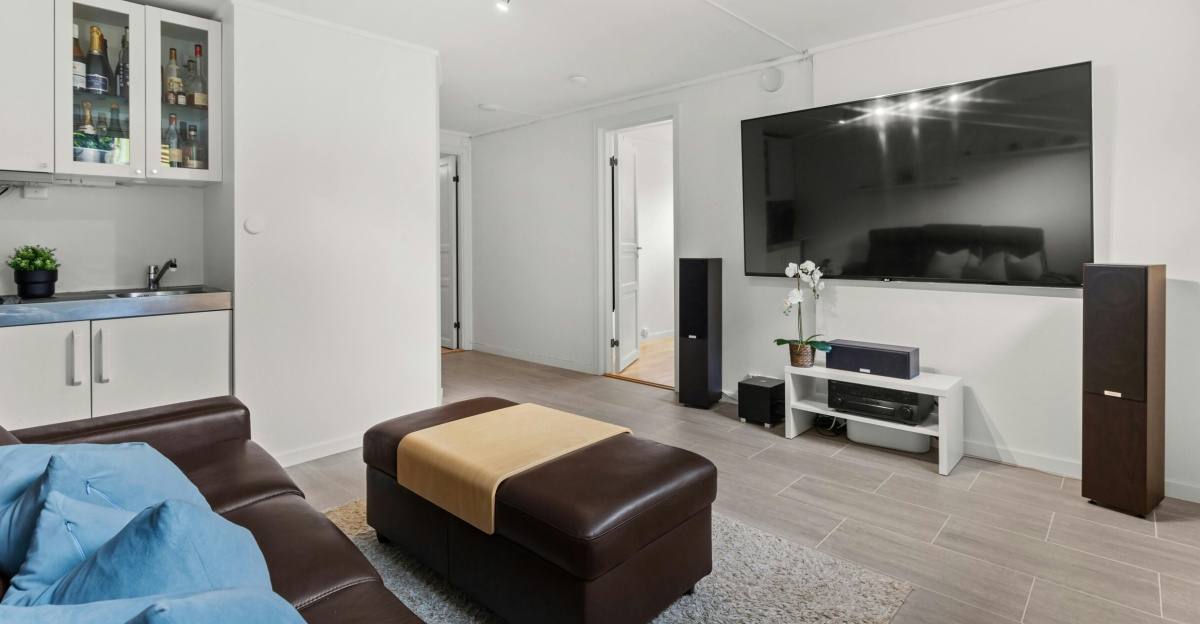
While the furniture may be mismatched, one object often dominates the room: an oversized television. For many families watching their spending, a large TV is one of the few “big ticket” upgrades that feels justified. Once purchased, it provides steady entertainment without the ongoing cost of movie tickets, concerts, or frequent outings.
Positioned as the focal point of the room, the screen becomes the anchor for family life. Movie nights, televised sports, streaming series, and video games turn the living room into a low-cost social hub. Instead of paying for external experiences, the family brings them indoors.
This setup also connects the household to broader cultural conversations. Even when travel and expensive hobbies are out of reach, following the same shows, sports seasons, or music events as others offers a sense of participation in shared experiences. The television thus serves both as an escape and as a bridge to the wider world.
Display Cabinets and Collections
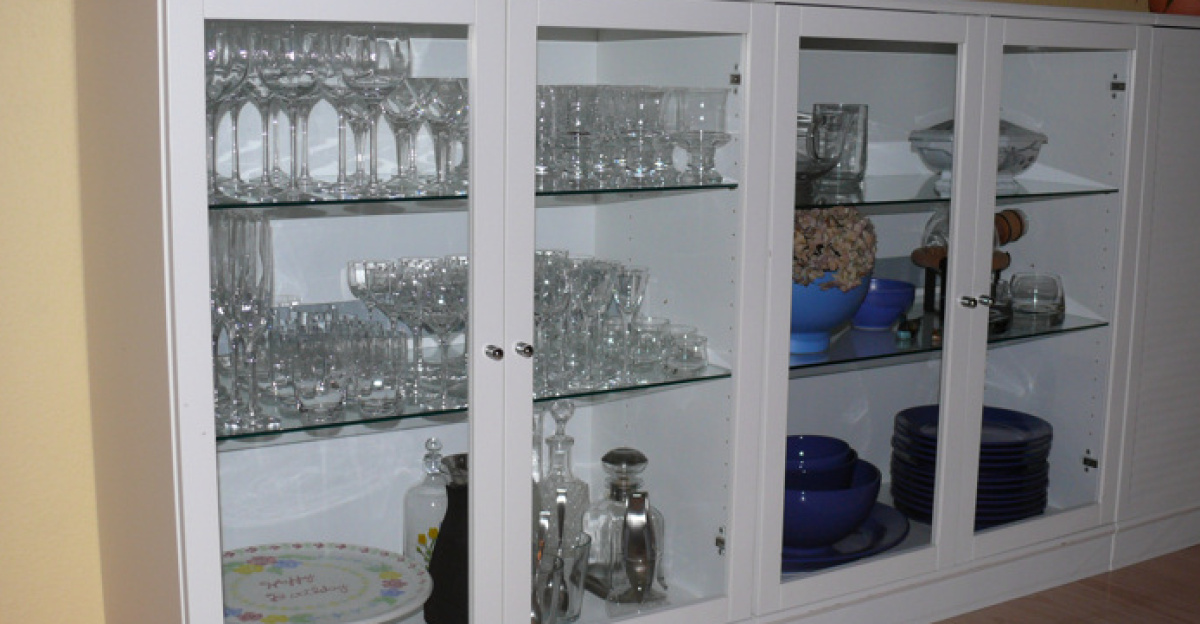
Not all displays in a lower-middle-class living room are electronic. Against one wall, there may be a glass-front cabinet or bulky wall unit packed with figurines, souvenir plates, glassware, trophies, and commemorative items. These objects are rarely used; they are arranged, dusted, and protected.
Each piece often represents a small moment of being able to purchase something beyond bare necessities: a souvenir from a trip, a bargain find that felt special, a gift for a birthday or anniversary. Over time, these items can form a visual record of modest luxuries – reminders that the family has found ways to celebrate and indulge, even on a limited budget.
Family Photo Displays
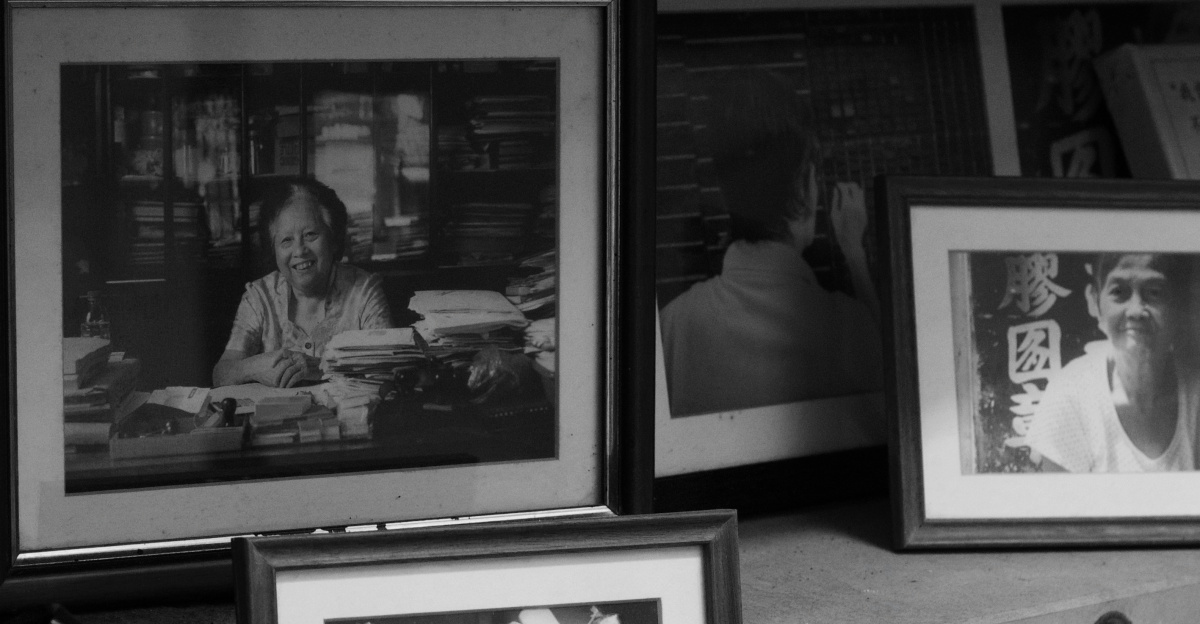
Another prominent display often appears on the walls, mantels, or shelves: a dense collection of family photographs. Portraits from chain studios, school pictures, baby photos, graduations, and weddings appear in frames that may not match but are placed with care. Together, they map out milestones over years spent in the same home.
These photo arrangements quietly assert that family, stability, and shared events are central achievements. They show children growing up, goals reached, and occasions marked, even when money was tight. For visitors, these displays offer an immediate sense of continuity and commitment. For those who live there, they reinforce the idea that relationships and memories are just as important as material goods.
Signs of Repair and Maintenance
Beyond the visible objects, a closer look often reveals signs of continual maintenance and repair. A remote taped together, a cable patched rather than replaced, cushions re-covered instead of thrown out, shelves held up by slightly mismatched brackets – all speak to a habit of making things last.
This do-it-yourself approach is not only about saving money; it is also about control and self-reliance. Knowing how to sew, glue, fix, or repurpose becomes part of the household skill set. Children watch and learn that replacement is a last resort, and that ingenuity can stretch the life of nearly anything.
Household Organization Practices
In many homes where budgets are watched carefully, visible organization systems become essential. Paper-based planning tools – calendars, appointment slips, school schedules, children’s drawings, emergency numbers, and coupons – often appear in central locations where the family gathers. When paid help or digital tools are less common, these physical reminders serve as planners, budget trackers, and memory aids in one.
Quiet Lessons in Money and Class
Taken together, these elements form a kind of informal curriculum for children growing up in lower-middle-class settings. They learn what must be protected, what can be patched, what counts as “special,” and how to read the subtle signals that others use to judge class and stability. Over time, shared living spaces become more than just functional areas; they become daily lessons in how to live within constraints while still finding room for comfort, pride, and aspiration.
Sources:
Pew Research Center Household Expenditures and Income Report (2016); Pew Research Center Income and Wealth Inequality Study (2020)
U.S. Bureau of Labor Statistics Consumer Expenditure Survey Annual Reports (2023-2024); BLS Household Furnishings and Equipment Expenditure Data
Harvard Joint Center for Housing Studies Home Repair Research (2024-2025); Harvard JCHS Disasters and Home Improvement Market Analysis
National Institutes of Health Sociodemographic Correlates of Screen Time Use Study (Nagata et al. 2021); NIH Family Socioeconomic Status and Children’s Screen Time Research (Mollborn et al. 2022)