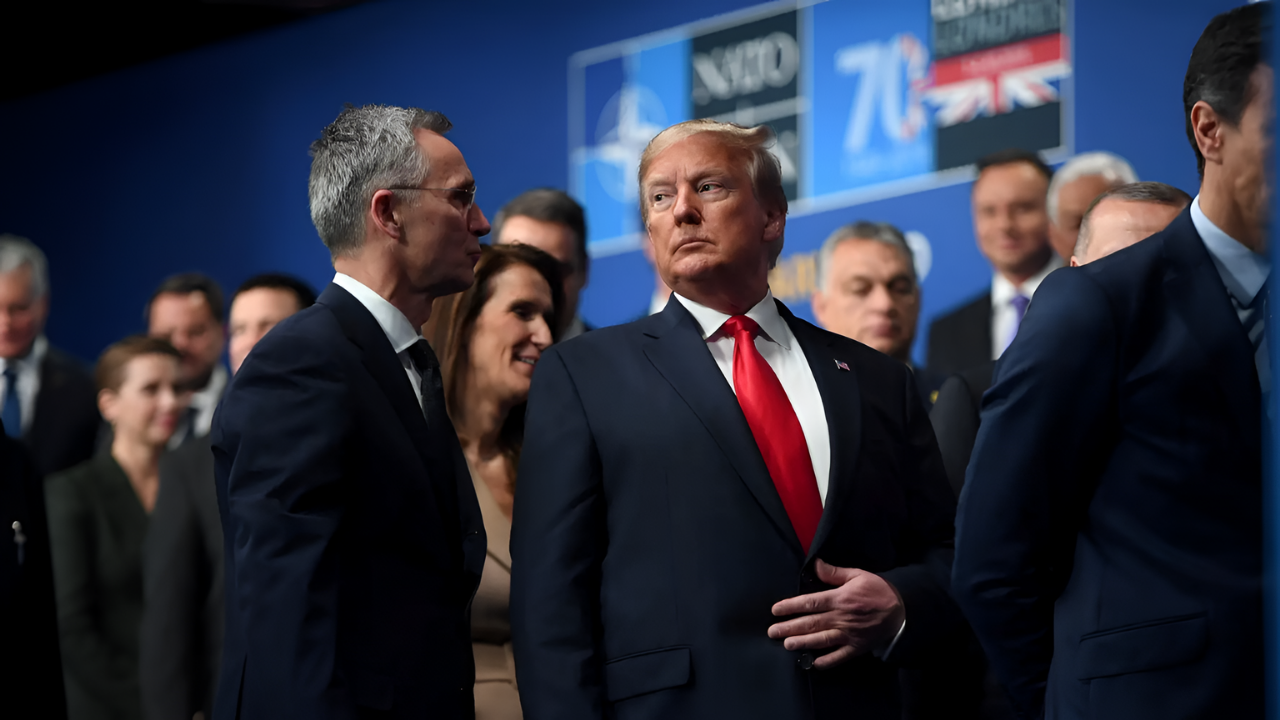
Across NATO, faith in American leadership has slipped to one of its weakest points in nearly two decades, with approval falling 14 points in a single year to just 21% in 2025. At the same time, approval of China’s leadership among these same allies has climbed to 22%, putting Beijing and Washington neck and neck in a way not seen since Donald Trump’s first term.
Gallup’s polling, conducted between March and October 2025, captured this mood before the latest flashpoints, including U.S. military operations in Venezuela and renewed talk in Washington about taking control of Greenland, a move that has alarmed key NATO partners. Public opinion matters because NATO is built not just on tanks and treaties but on trust.
Where the Backlash Is Sharpest
The backlash against American leadership is not evenly spread; it is concentrated in some of NATO’s biggest and most influential states. Germany recorded a staggering 39‑point drop in approval of U.S. leadership between 2024 and 2025, while Portugal’s rating fell by 38 points over the same period. In all, 18 of NATO’s 31 members saw double‑digit declines, an unusually broad downturn for a long‑standing alliance.
A name worth mentioning is Turkey, where approval of Washington’s leadership actually rose by 12 points, even as most of Europe moved the other way. When governments and voters in places like Denmark and Portugal start to wonder if their own security can still be taken for granted, they inevitably begin to consider other partners and other power centers.
America’s Reputation Rises and Falls
This collapse in support fits a familiar pattern: NATO’s view of the United States tends to track who sits in the White House and how they wield American power. Under Barack Obama, median approval of U.S. leadership across NATO hovered around 45%, close to levels of support for the European Union and only slightly below Germany.
During Donald Trump’s first term, that figure fell to roughly 22%, before rebounding to an average of 39% under Joe Biden. Gallup now finds approval back down at 21%, similar to the lows seen in the late George W. Bush years and early Trump era. In sharp contrast, European leadership remains far more popular among NATO publics, with EU approval at 60% and Germany’s at 54%.
An Alliance Under Strain
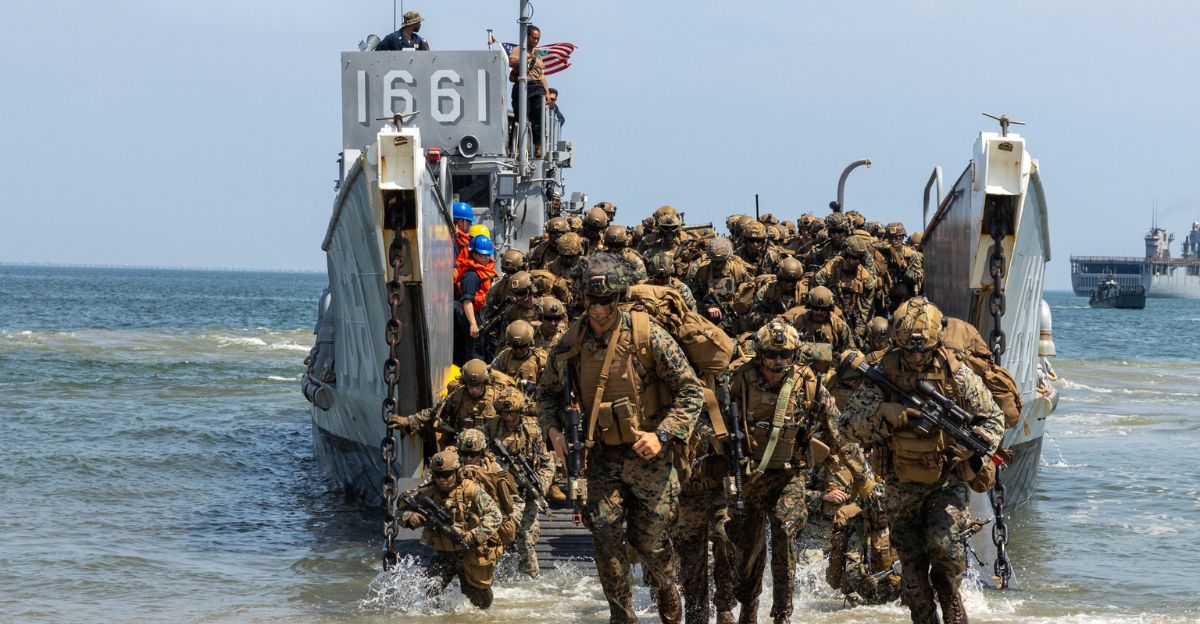
Behind the numbers is a sense that the transatlantic relationship is being pulled in multiple, often conflicting directions. U.S. military action in Venezuela and aggressive talk about securing Greenland have sharpened fears that Washington is willing to upend long‑standing understandings inside NATO. At the same time, Trump has demanded that allies ramp up defense spending to 5% of GDP, far above NATO’s existing 2% guideline and a level many governments see as politically and economically unrealistic.
Gallup’s data show that while some countries have boosted spending, many citizens resent feeling pushed rather than persuaded. Meanwhile, China is steadily increasing its footprint in Europe through infrastructure investments and loans, particularly in the Balkans and southern Europe, offering an alternative source of capital and influence.
Eight Allies Now Lean Toward China
Gallup’s latest figures highlight a striking realignment: in eight NATO countries, Slovenia, Luxembourg, Turkey, Bulgaria, Spain, Montenegro, Iceland and Greece, China’s leadership now enjoys an approval lead of at least 10 points over the United States. Across the alliance, median approval of Beijing stands at 22%, edging out Washington’s 21% and marking the first time in years that China has matched or surpassed U.S. leadership in NATO opinion.
Only three members, Poland, Albania and Romania, clearly prefer American leadership. The mix of countries leaning toward China is revealing. It includes wealthy Western states like Spain as well as smaller countries closer to Russia’s orbit, such as Bulgaria and Montenegro.
Southern Europe’s Quiet Pivot
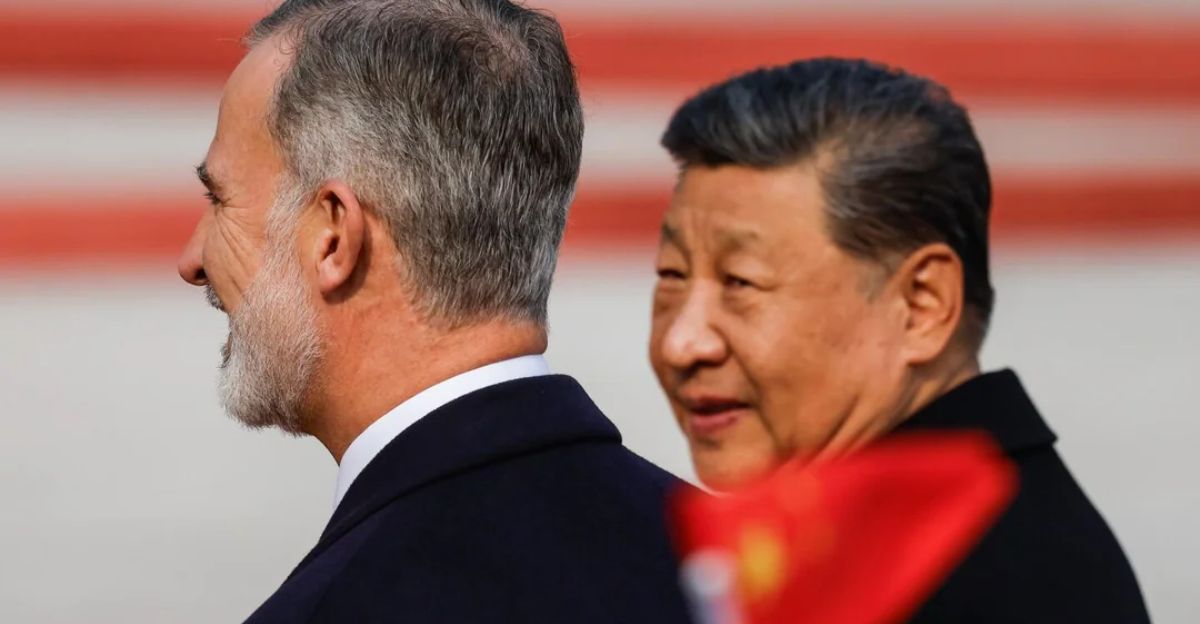
The most dramatic movement toward Beijing is emerging in southern Europe, where economic anxiety and infrastructure needs are creating openings for Chinese influence. Spain’s approval of China’s leadership rose by 15 points between 2024 and 2025, while Greece’s climbed by 14 points and Turkey’s by a striking 21 points. In the north, the story is very different.
Iceland, for instance, now records just 9% approval for U.S. leadership, similar to the low single‑digit support measured in neighboring Nordic countries. Taken together, the eight NATO members where China holds a clear opinion advantage represent more than 120 million people, roughly the population of a major global power in its own right.
Leaders Echo Public Anxiety
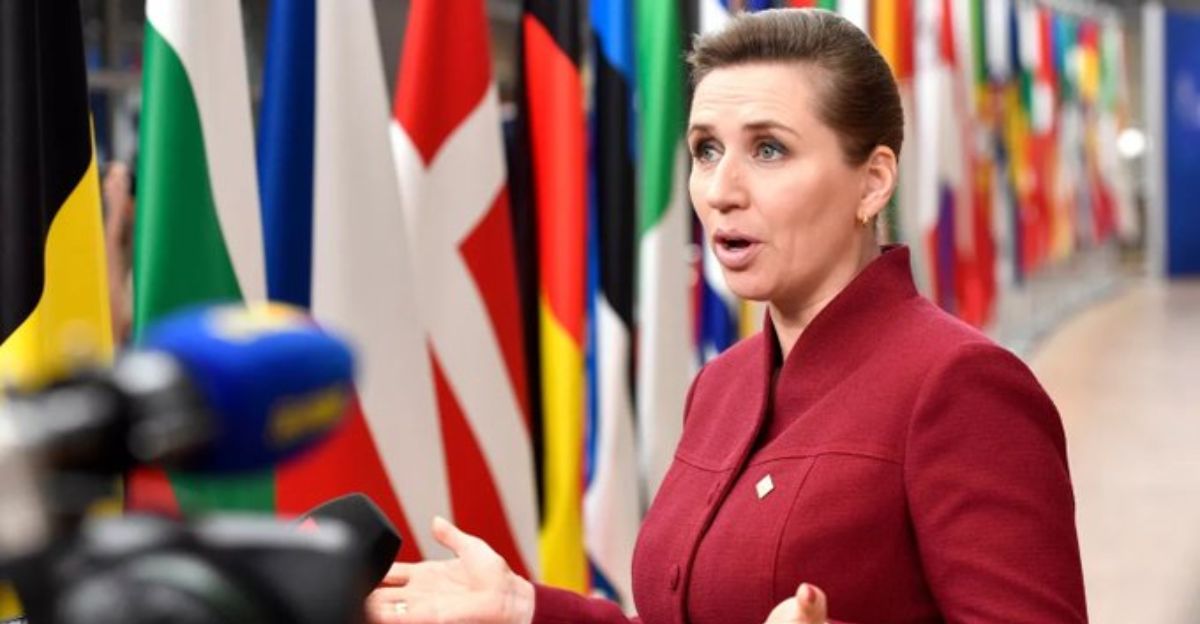
National leaders are not just reacting to these opinion trends; in some cases, they are amplifying them. Danish Prime Minister Mette Frederiksen issued one of the starkest warnings yet, telling Danish media that “if the United States chooses to attack another NATO country, then everything ends, including NATO and thus the security that has been established since the end of the Second World War.”
Her remarks were aimed squarely at Trump’s renewed talk of taking over Greenland, an autonomous part of the Danish realm and a NATO member. In Canada, the new government under Prime Minister Mark Carney has signaled interest in expanding trade with China, part of a broader effort to diversify away from the U.S. market.
China’s Gains Have Limits
The numbers could suggest a simple story of American decline and Chinese ascent, but the reality is more complicated. While U.S. approval collapsed by at least 10 points in more than half of NATO capitals, China saw double‑digit increases in only three: Spain, Italy and Belgium. In many other member states, views of Beijing barely moved or did not improve at all.
In some places approval of China rose even as attitudes toward U.S. leadership stayed flat or ticked up slightly, indicating that Beijing’s gains are not always Washington’s losses. Beijing is stepping into a vacuum created by U.S. missteps, particularly over trade, climate and territorial disputes.
NATO in a Changed World
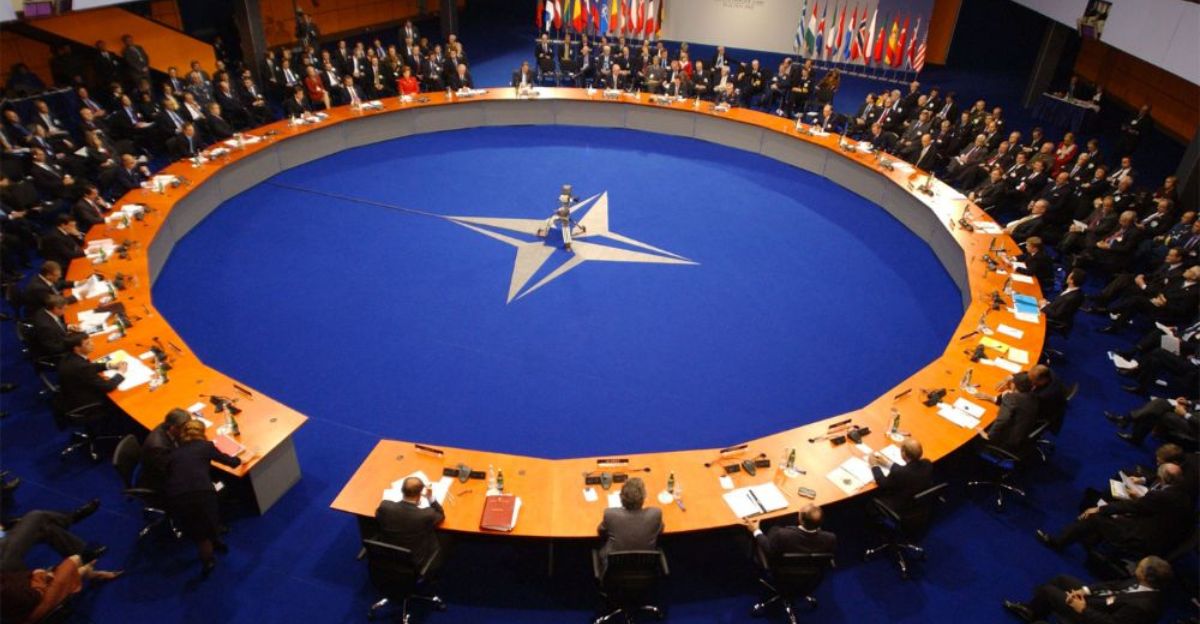
All of this is unfolding in a global environment very different from the one that existed when NATO was formed. The alliance now faces a grinding war in Ukraine, closer military cooperation between Russia and China, and a U.S. administration more openly skeptical about European burden‑sharing than its predecessors.
Beyond NATO, Gallup’s worldwide surveys show that in 76 of 96 countries, China’s leadership is viewed more favorably than America’s, a startling reversal from the early 2000s, when the U.S. routinely topped such rankings.
Only Three Clear Loyalists
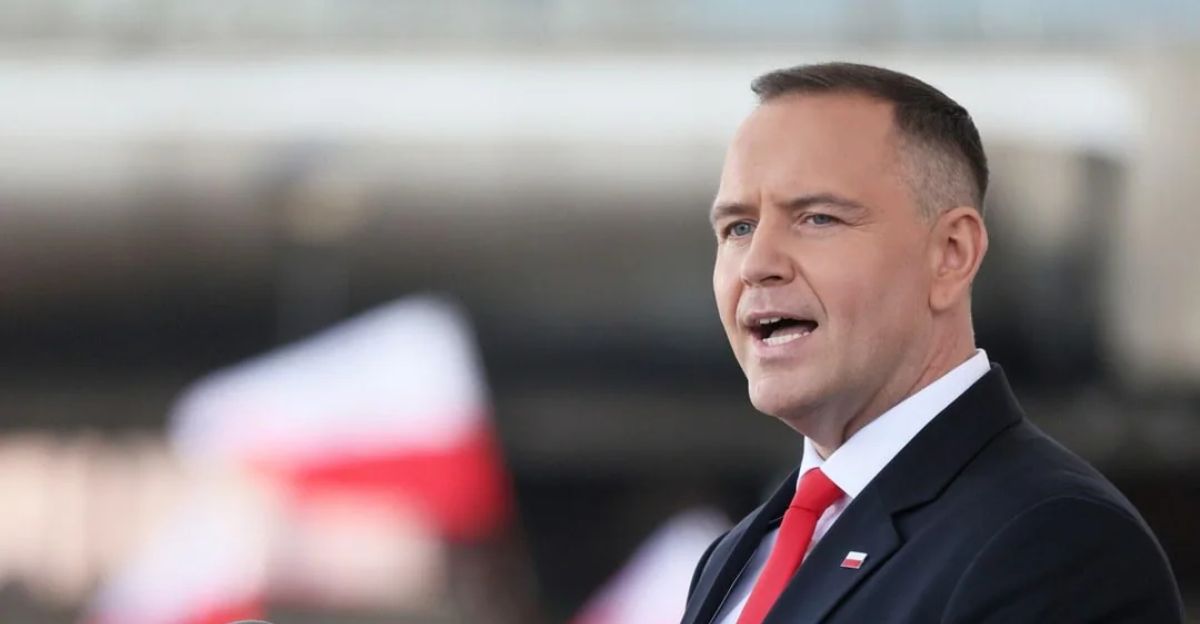
The scale of the opinion shift becomes stark when the numbers are tallied. Today, only three NATO members give significantly higher marks to U.S. leadership than to China’s. In Poland, 68% approve of Washington’s leadership; in Albania, that figure is 64%, both solid majorities. Everywhere else, the picture is murkier.
In 20 NATO states, approval ratings for the U.S. and China are statistically similar, meaning publics see little difference between the two powers. In the remaining eight, Beijing now leads. Back in 2020, at least five members clearly preferred U.S. leadership, underlining how much ground has been lost in just a few years.
Resentment Behind the Numbers

European frustration with U.S. dominance has been simmering for years and is now boiling over into public opinion. The Baltic states, Estonia, Latvia and Lithuania, remain deeply worried about Russia, yet debate in the United States over whether their defense is “worth it” has rattled elites and ordinary citizens alike. The Greenland dispute has intensified those concerns by raising the prospect of one NATO member using force against another.
Scholars say the way Washington has pushed for more defense spending has added to the resentment. Mark N. Katz, professor emeritus at George Mason University, told U.S. broadcasters that “every president since Eisenhower has been trying to get them to spend more on defense, and Trump has succeeded at this,” but the method has mattered.
How Trump Shapes the Mood
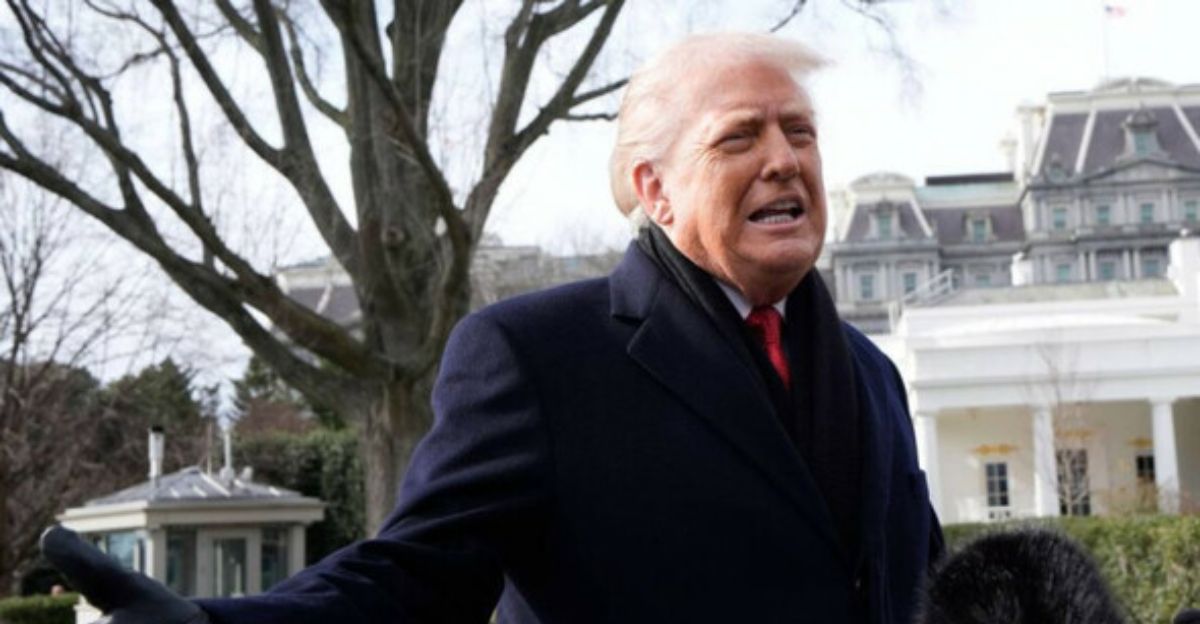
Inside NATO capitals, Trump’s renewed push over Greenland has become shorthand for a broader unease about American leadership. Danish Prime Minister Mette Frederiksen’s warning that an attack on Greenland would mean “everything ends, including NATO” captured just how seriously allies are taking the rhetoric.
Under Trump’s first term, NATO approval of U.S. leadership fell to about 22%; under Biden, it climbed back near 39%; under Trump again, it has dropped to 21%. Each swing has tracked shifts between cooperative gestures and more confrontational moves, including tariffs on European goods and public questioning of NATO’s value.
Allies Start to Hedge
Faced with uncertainty in Washington, many NATO governments are quietly building backup plans. Several have increased defense spending, in part to satisfy U.S. demands but also to ensure they can protect themselves if American support wavers.
The European Union, which enjoys a 60% approval rating among NATO publics, is positioning itself as a political and economic counterweight inside the alliance. EU governments are negotiating new infrastructure and energy deals that diversify away from U.S. suppliers and financing.
Skeptics and Warning Signs
Many specialists believe NATO is unlikely to formally break apart soon, but they see warning lights flashing. A recent China Daily editorial distilled one view of the dynamic, arguing that “unilateral bullying leads to isolation,” a line that has been widely quoted by diplomats watching the alliance’s troubles.
The real test, experts say, will come during the next security crisis. If Russia were to escalate against the Baltic states or pressure Turkey, would publics in countries with low trust in U.S. leadership still back full participation in NATO’s collective defense?
A Pivotal Year for NATO
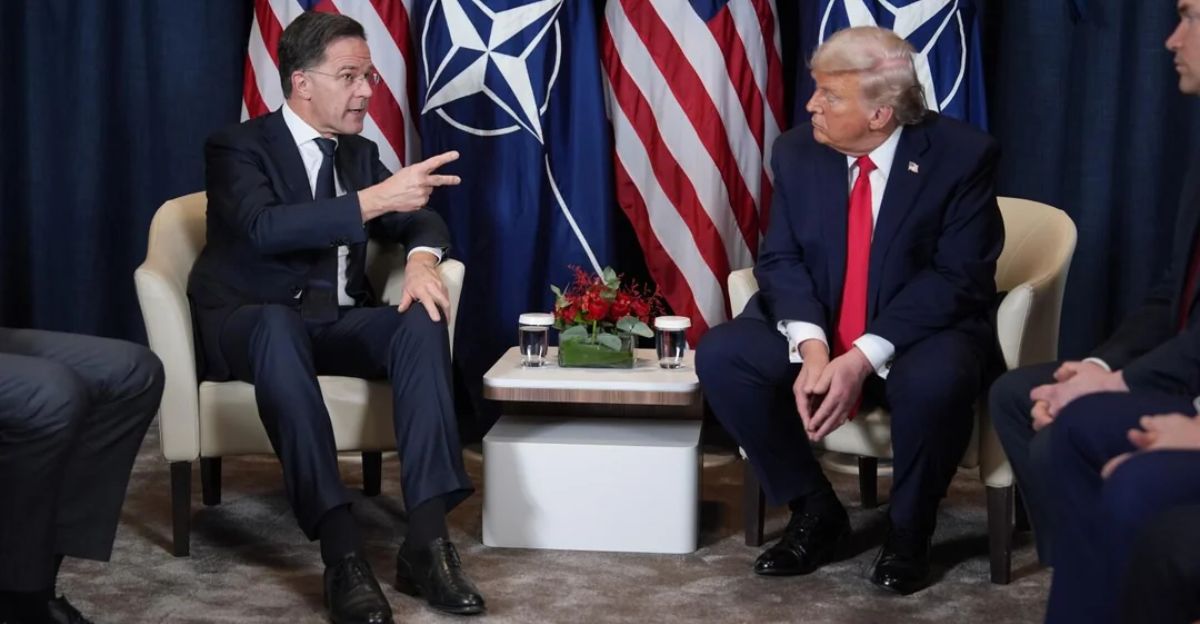
As 2026 unfolds, NATO faces a defining question: can trust in American leadership be rebuilt before the damage becomes permanent? The continuing dispute over Greenland and the fallout from U.S. operations in Venezuela have already tested how far allies are willing to bend. China’s opinion gains, though uneven, suggest Beijing is ready to keep capitalizing on any further missteps by Washington.
At this month’s World Economic Forum in Davos, policymakers and business leaders wrestled with how to manage a world where the U.S. no longer commands automatic deference, especially among its own treaty allies.
Sources:
Gallup – U.S. Leadership Approval Drops Among NATO Allies – January 21, 2026
Statista – U.S. Leadership Approval Slips Among NATO Allies – January 20, 2026
News3LV / Fox Baltimore syndicated package – Should US Stick With NATO as Approval of American Leadership Falls? – January 15, 2026
China Daily – It’s Clear Who’s Answering the Call of the Times – January 2026
European Union Institute for Security Studies – Low Trust: Navigating Transatlantic Relations Under Trump 2.0 – October 14, 2025