
Most people waste their morning hours scrolling and rushing. High performers, however, build quiet advantages that grow steadily over time. This isn’t about waking super early or following strict routines.
Instead, successful people utilize science-backed habits to reset their brain, body, and mindset before demands arise. Morning routines significantly impact stress hormones, mental clarity, and overall long-term health. These strategies create lasting edges that others never see.
1. The Circadian Reset Button

Your internal body clock controls sleep, hormones, and alertness. Morning sunlight stops your brain from making melatonin, the sleep hormone. Getting bright natural light within 30 to 60 minutes after waking sends a strong wake signal.
Just 10 to 15 minutes outside, even on cloudy days, can improve sleep quality, boost focus, and lift mood. Your body becomes most responsive to light right after waking.
The Full-Spectrum Benefits

Morning light does much more than help you wake up properly. People who receive daily sunlight, especially early in the morning, tend to experience better sleep, an improved mood, and steady energy. Morning sun helps your body create vitamin D, strengthens immunity, and supports heart health.
Outdoor light works better than indoor light for adjusting your body clock. Stepping outside after waking programs your entire system for optimal performance throughout the day.
2. Rehydrating Your System

While you sleep 6 to 8 hours, your body loses water through normal functions. Drinking water first thing in the morning rehydrates your system, speeds up metabolism, and activates optimal brain function.
This simple action addresses mild dehydration that occurs overnight, which can manifest as grogginess and fuzzy thinking. Drink 16 ounces of water in the first 10 minutes after waking, ideally before coffee or tea.
The Cognitive Cascade Effect

Even mild dehydration can reduce brain performance by up to 40 percent, affecting focus, short-term memory, and decision-making. Prioritizing water over caffeine allows your body to restore fluid balance, which in turn improves the delivery of nutrients to cells and facilitates the removal of overnight waste.
This practice also helps balance hunger hormones throughout the day, which in turn prevents overeating. Add lemon or sea salt to water if plain doesn’t appeal to you.
3. The Morning Pages Revolution

Free-form writing, known as Morning Pages, clears your mental space before the day begins. Write three pages of uncensored thoughts right after waking, with no grammar rules. This practice boosts self-awareness by showing thought patterns while offering a safe space for anxiety and fear.
Psychologists refer to the process of moving thoughts from the mind to paper as “cognitive offloading.” This reduces the mental burden of holding worries and unresolved feelings throughout the day.
The Neuroscience of Written Expression

Beyond clearing mental clutter, morning journaling can create lasting changes in brain chemistry. Journaling, especially gratitude writing, activates dopamine and serotonin—chemicals that regulate mood and manage stress.
People who practiced gratitude journaling for just 15 minutes daily over six weeks lowered their stress hormone levels by 23 percent. Writing tasks before bed or in the morning can boost sleep quality by allowing your brain to release worries. This builds emotional strength.
4. The Protein-Powered Morning

Not all breakfasts deliver the same brain benefits. Aarhus University research shows protein-rich breakfasts boost fullness and focus better than high-carb meals. People who ate high-protein, low-carb breakfasts with yogurt and oats remained mentally sharp throughout the morning.
Protein gives your body amino acids for making brain chemicals and stops the energy crashes from carb-heavy breakfasts. This keeps your brain functioning at its peak throughout the morning.
Sustained Energy Architecture

Your first meal sets the tone for your body’s energy for the entire day. Eating a balanced breakfast that includes protein, healthy fats, and complex carbohydrates provides steady energy and enhances planning skills.
Breakfast eaters show better memory recall than those who skip meals. Aim for 20 to 30 grams of protein from eggs, Greek yogurt, or plant options. This prevents mid-morning energy crashes that derail productivity.
5. The Science of Thermal Stress

Brief cold showers provide remarkable physical benefits. Dutch research found that people who took 30 to 90-second cold showers daily for 90 days reduced sick days by 29 percent. Cold water stimulates disease-fighting white blood cells, boosting immunity.
Cold exposure activates brown fat, which is crucial for maintaining body health, and provides energy comparable to that of three cups of coffee. The shock immediately raises alertness without caffeine. Start slowly with 30 seconds.
Mental Resilience and Recovery

Cold showers improve mental health beyond immunity. Cold water stress activates your nervous system, raising brain chemicals that fight depression and boost mood. It forces your body into survival mode, increasing blood flow that delivers oxygen to every part of the body.
This better circulation speeds muscle recovery after workouts and cuts inflammation. Gradually increase from 30 seconds to longer durations to build mental toughness and clarity.
6. The Planning Advantage

Harvard research shows people who spend just 10 minutes planning their day become 31 percent more productive. Time blocking divides your day into dedicated task periods, aligning with how your brain works most effectively.
Schedule your most challenging tasks during your peak energy—usually late morning—to achieve maximum results. This approach frees brainpower by removing constant “what’s next” decisions, making the flow state easier, where work feels effortless and highly productive.
Proactive Versus Reactive Mindsets

Checking emails first thing creates an expensive reactive mindset. Once reactive, returning to proactive thinking becomes very difficult. Instead, start with a quick planning session, naming your three most important tasks.
Planning the night before works even better—your brain processes the plan overnight, letting you start fresh with clear direction. Goal-setting psychology boosts motivation and confidence while reducing anxiety about pending work and tasks.
7. The Exercise Advantage Window
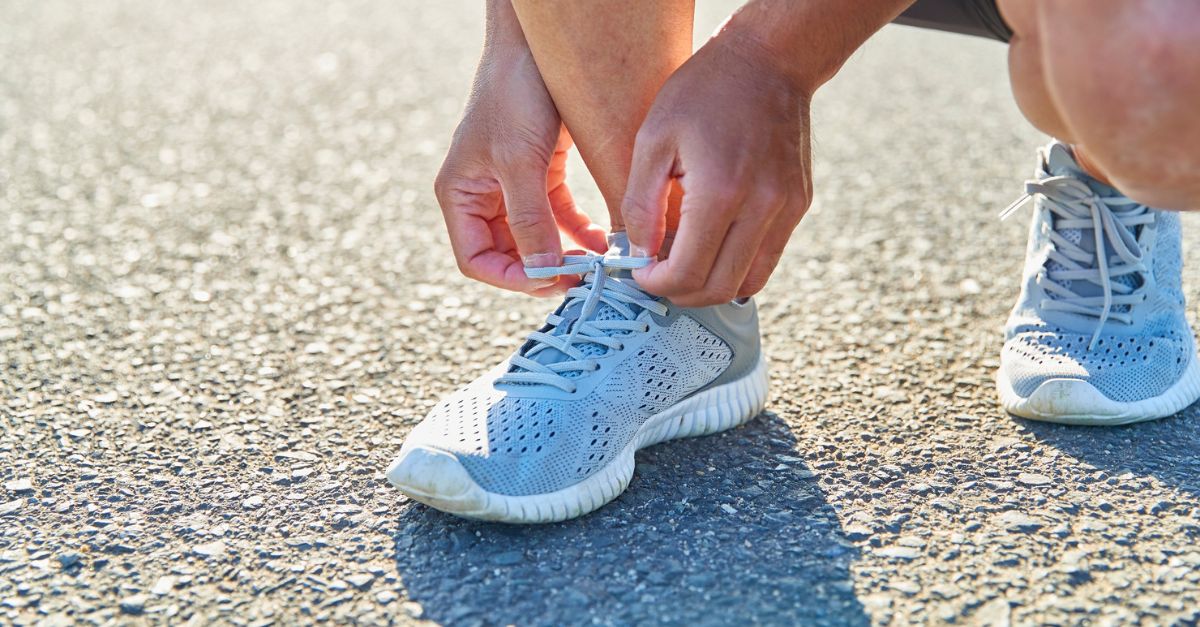
Morning exercise yields more benefits than the same activity performed later in the day. Research shows that morning workouts yield greater health benefits, particularly in controlling metabolism.
Physical movement triggers your brain to release BDNF, a chemical that boosts brain function and energy. Studies confirm that you become more creative for two hours after exercise. People exercising regularly report less work stress.
This early accomplishment builds powerful momentum for the rest of the day.
The Momentum Multiplier

Just 5 to 10 minutes of movement releases mood-boosting chemicals and improves blood flow to your brain. This early win creates psychological momentum through the “keystone habit” effect—one positive morning action triggers productivity throughout your day.
Morning exercisers become more proactive, predict problems better, and solve challenges more efficiently. This leads to greater business and life success simply by taking action before excuses arise.
8. The Cost of Immediate Connectivity

Maintaining a device-free morning zone is a powerful strategy. Starting your day by checking emails and news invites others’ priorities into your brain before you can form your own thoughts.
Digital immersion creates a reactive mindset, fragments attention, and raises stress before you center yourself. Research on morning routines reveals that high performers tend to delay their digital use. They maintain better focus, reduced stress, and greater control over their days by waiting to connect.
Preserving Mental Bandwidth

Your first 30 to 60 minutes after waking are crucial. Your decision-making brain area is fresh and untouched by outside demands. Keep phones on airplane mode or in another room during morning habits.
This protects valuable mental energy for planning, movement, or creative work. Notifications wait, but opening that digital door makes regaining focus nearly impossible. Digital delay cuts decision fatigue and protects your personal time.
The Compound Effect of Small Disciplines

Knowing these habits differs from doing them. The best strategy is to adopt layer practices gradually, rather than overhauling your morning overnight. Habit research shows that focusing on one new behavior for 2 to 3 weeks before adding another increases success.
Pick whichever habit appeals most or addresses your biggest current issue—whether it’s sleep quality, energy levels, or mental clarity—then add more of it gradually. Consistency matters more than intensity.
Building Your Personalized Morning Architecture

These science-backed habits are adaptable to various lifestyles. Even busy people can do simplified versions. A fast 15-minute routine includes 60 seconds of cold water immersion, drinking water in the sunlight, 2 minutes of journaling, and 5 minutes of stretching.
Consistency beats complexity—doing a simple routine daily is more effective than doing a complex one occasionally. Track how different combinations affect your energy and mood to build a sustainable routine.
The Edge You Can’t Buy

The advantages of morning habits aren’t flashy, which makes them powerful. While others wake slowly, you’ve reset your body clock, cleared mental clutter, fueled your brain, and moved—all before 8 AM. Small daily disciplines can lead to significant changes over time.
Research shows that people with morning routines manage stress more effectively and achieve greater success. Your decision about tomorrow morning determines your entire trajectory. The edge exists for anyone ready to claim it.
Sources:
- Careand, Morning Routines for Success: Simple Habits to Boost Your Health & Productivity, April 15, 2025
- Smart Circle, What Morning Routine Sets You Up for Success?, January 28, 2025
- ICNS, A high-protein breakfast increases subjective satiety and can improve concentration, October 31, 2024