
Your living room from the 1980s to early 2000s was more than decor—it chronicled family finances, priorities, and resilience for millions of lower-middle-class Americans. These spaces, built for endurance rather than fleeting style, revealed deliberate choices shaped by economic realities.
From the 1980s through the early 2000s, living rooms embodied restraint over extravagance. Furniture like couches costing $2,000 to $5,000 was selected to endure decades. Wall-to-wall carpeting, priced at $3,000 to $11,000, remained in place for 15 to 25 years or longer. Every purchase prioritized longevity, influencing the careful assembly of rooms that still resonate today.
Living Rooms as Social Signals
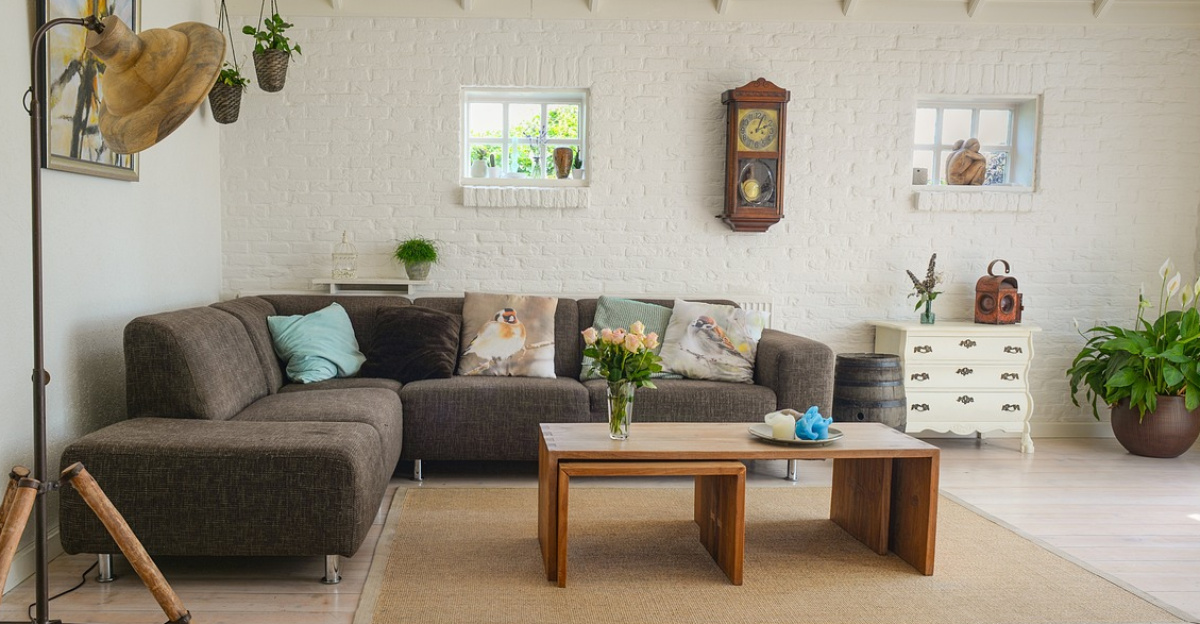
Sociologists note that living rooms serve as public stages, unlike private areas such as bedrooms. For lower-middle-class families, this meant emphasizing protection and presentation. Unused furniture, curated displays, and usage restrictions were not oversights but strategic displays of fiscal caution. These elements turned homes into visible records of financial discipline.
Unlike wealthier households buying coordinated sets, these families acquired items incrementally. A couch might arrive one year, a chair years later, and a table only when funds permitted. Mismatched yet sturdy pieces marked milestones, fostering a distinctive aesthetic by the 1990s that felt ordinary to those inside.
Eight Enduring Markers
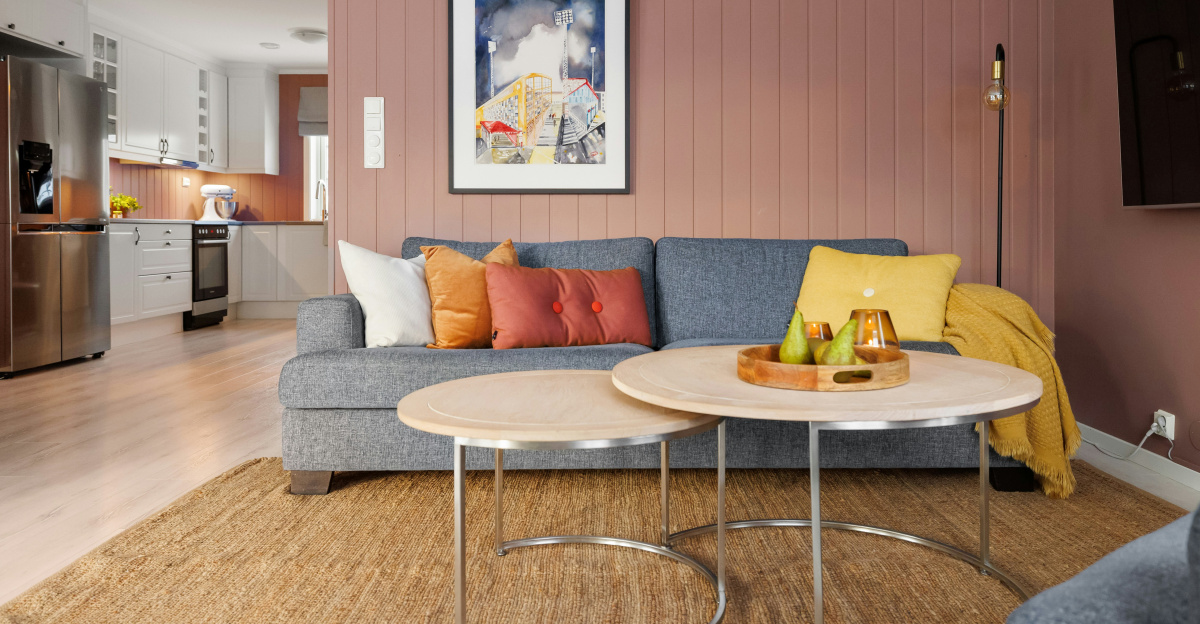
Certain objects repeatedly defined these spaces, each tied to economic and cultural contexts. Prioritized by size and investment, they formed a collective portrait of caution and pride.
1. The Entertainment Center Massive wooden units, 7 to 8 feet wide and 6 feet tall, anchored rooms. They stored CRT TVs, VCRs, stereos, and media, handling all entertainment for 15-plus years in a pre-streaming world.
2. The Long-Lasting Carpet High replacement costs led families to keep carpeting for decades. Rules—no shoes, no food, plastic runners—preserved it, turning the floor into a canvas of family milestones like holidays and celebrations.
3. Studio Portrait Walls Sears and JCPenney photos, often $39.99 packages, lined walls. Coordinated family outfits against studio backdrops symbolized stability and belonging, publicly affirming pride.
4. Mismatched or Inherited Furniture Gaps in purchases created eclectic mixes: a 1995 couch beside a 2001 table and older hand-me-downs. Durability united them, transforming necessity into a normalized style by the early 2000s.
5. The Unused Formal Room Many homes reserved formal living rooms for special occasions. Pristine furniture under plastic covers stayed off-limits to children, protecting years-long investments while signaling accomplishment.
6. Ceramic Displays Shelves held year-round ceramic villages and figurines from stores, fairs, or sales. Collections of 40-plus items, built gradually, represented accumulated sentiment and modest spending.
7. Locked Display Cabinets Glass cases showcased fine china, glassware, silver, and souvenir plates—too precious for daily use, too cherished to store away. They balanced display with safeguarding.
8. Organized Movie Libraries VHS and DVDs, $15 to $30 each, filled entertainment centers. Collections of 200 titles equated to $3,000 to $5,000 invested over time, alphabetized to reflect curation and control.
Values Encoded in Objects
Together, these elements underscored durability, sentiment, and vigilance. Homemade quilts outvalued store items; trends yielded to endurance. Rooms demanded rules because replacements were unaffordable, reframing them as intentional strongholds rather than relics.
Modern Reflections on Resilience
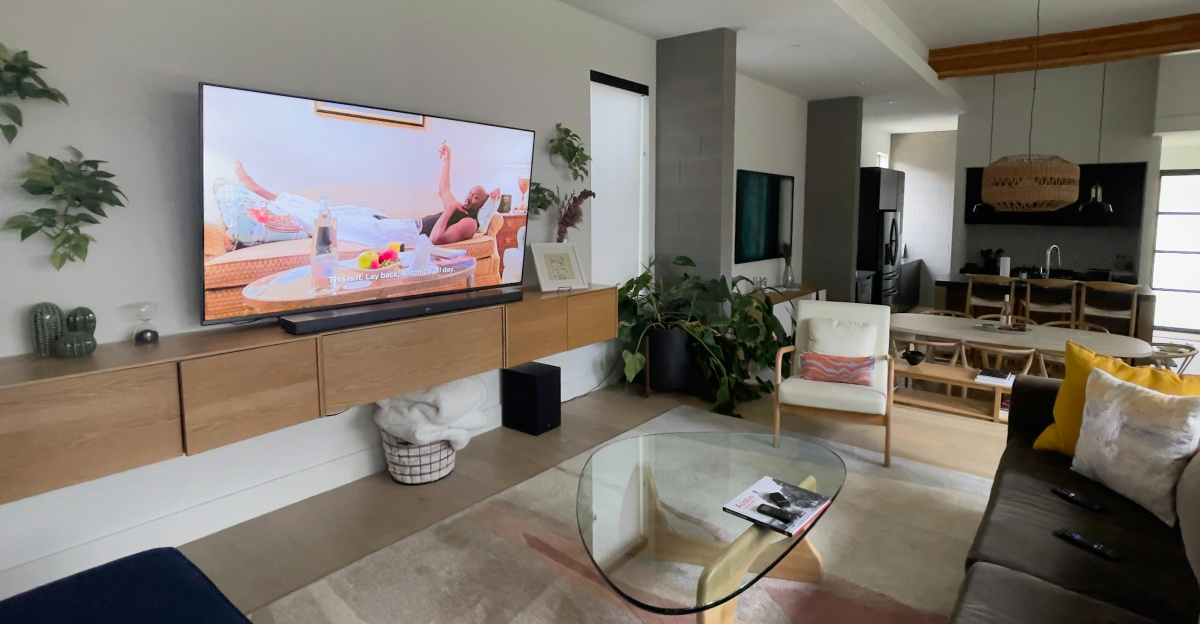
Today’s adults, raised in these homes, reinterpret them positively. Decades-old carpets signify savvy, not sloth; mismatched sets track triumphs. Ceramic arrays evoke personal legacies. This generational lens shifts views from shame to appreciation, validating shared histories.
These living rooms countered disposability with lasting investments, now prized by younger buyers for craftsmanship amid fast-furniture trends. As sustainability gains traction, their model of care and restraint offers timely lessons, influencing how future homes balance utility, memory, and economy.
Sources:
“How Much Does Carpet Replacement Cost? [2026 Data].” Angi, December 2025.
“Sofa Lifespan: How Long Should a Good Couch Last?” Stay Home Body, July 2024.
“90s Living Rooms: A Nostalgic Look Back At Interior Trends.” Spry Interior, March 2025.
“The Furniture Gap: Solving A Hidden Crisis For American Families.” Forbes, August 2025.
“8 Things Lower-Middle-Class Parents Always Display In Their Living Room.” VegOut Magazine, October 2025.