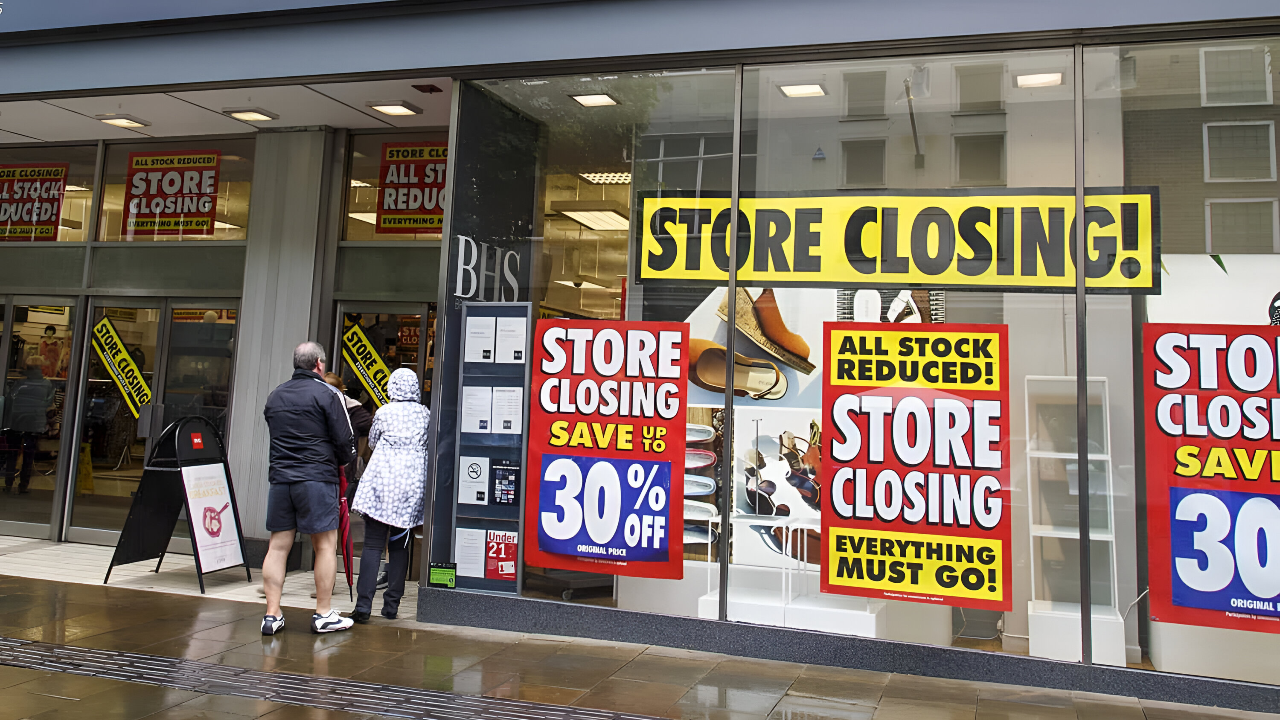
In recent years, several iconic retail giants have rapidly vanished from the U.S. landscape, leaving behind a trail of lost jobs and changed communities. The closures represent not just a fiscal crisis but also a cultural shift. This article examines eight prominent companies that have experienced significant operational downturns, shedding light on the impact on employees, customers, and the retail sector as a whole.
Party City’s Sudden Shutdown
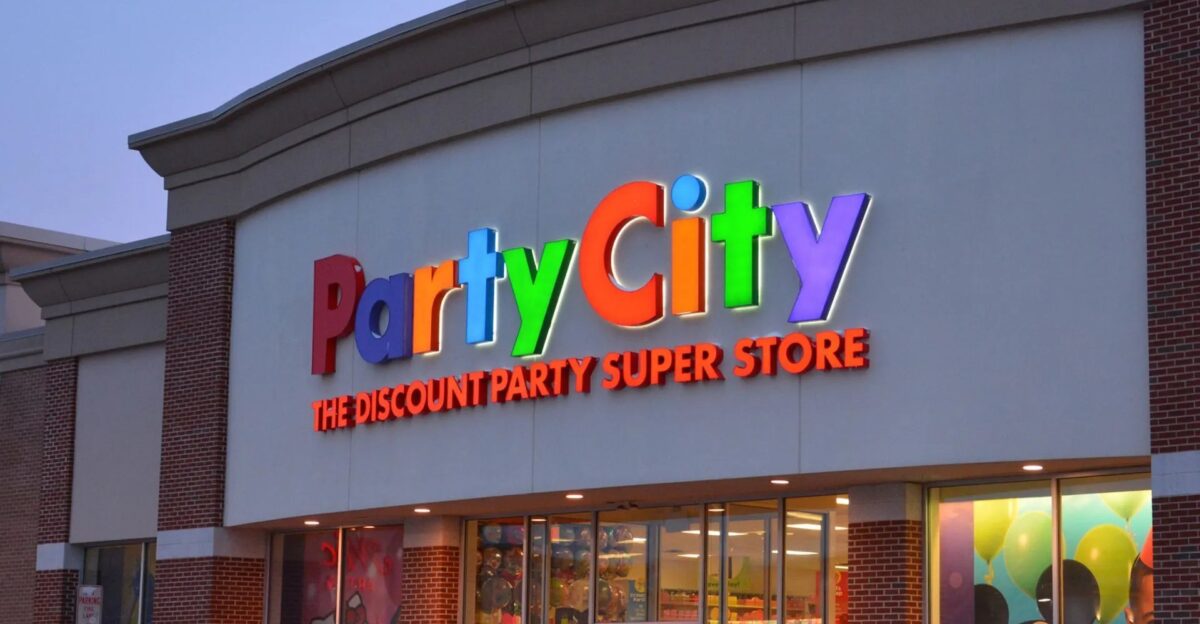
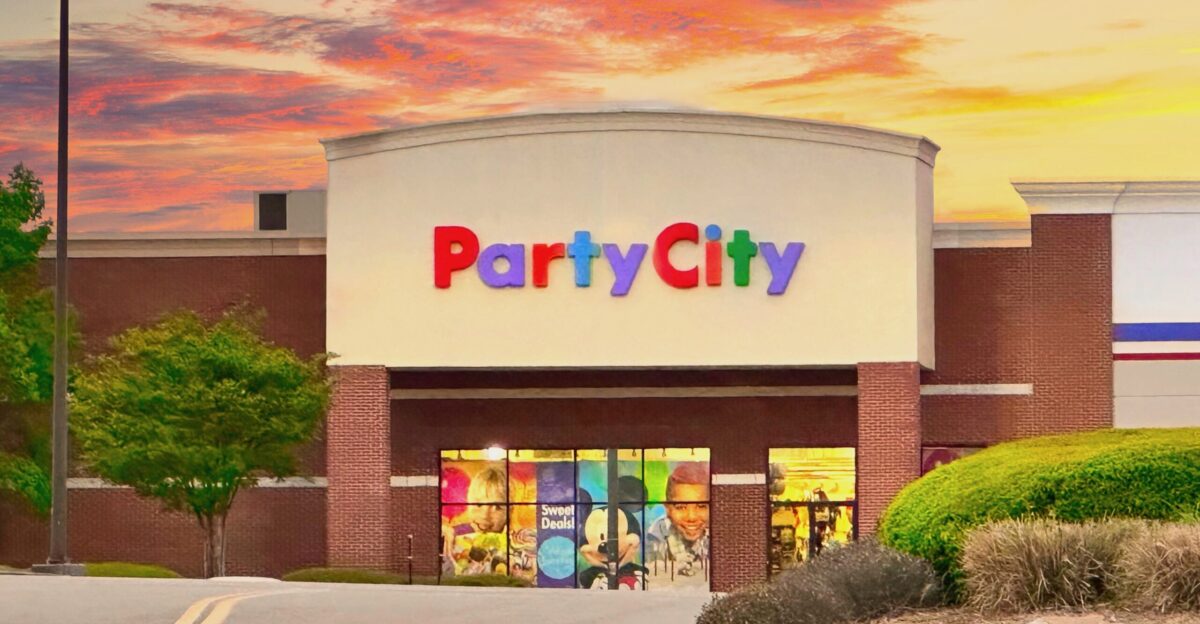
Party City, the leading party supply retailer in the U.S. for nearly four decades, filed for bankruptcy in December 2024. CEO Barry Litwin referred to this announcement as “the most difficult message” to deliver, offering no severance packages to employees. The abrupt closure of 700 stores resulted in the loss of over 10,000 jobs, rendering the go-to source for festive decorations and supplies obsolete overnight. This development underscored a widening gap in the retail market.
CVS Pharmacy’s Cost-Cutting Measures
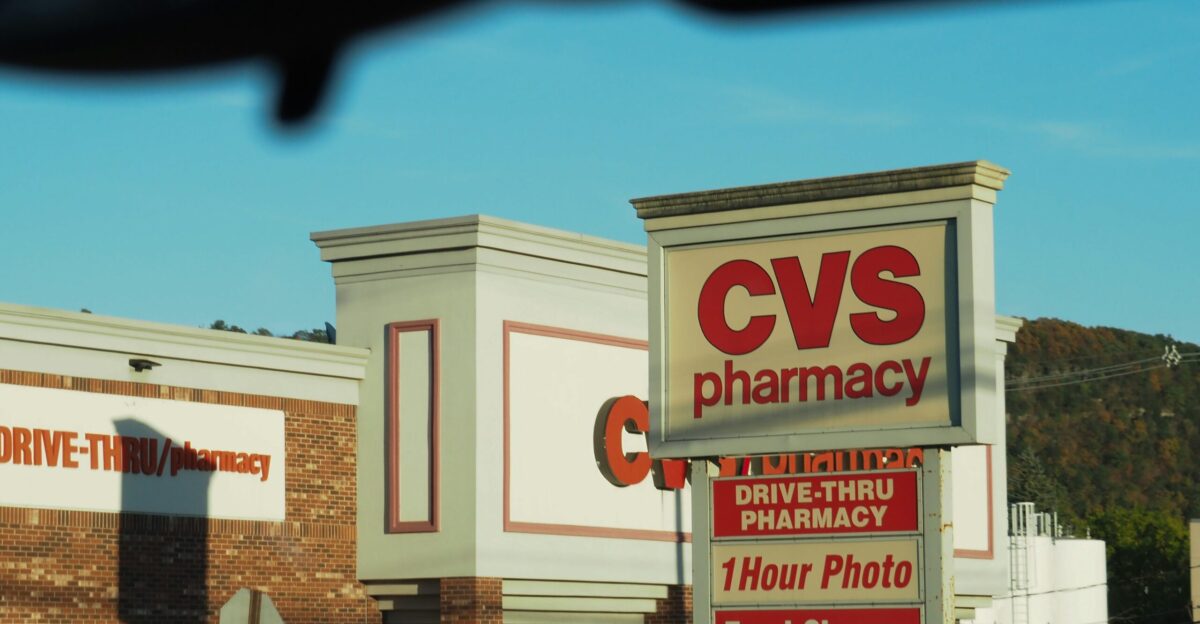
CVS Pharmacy has been actively closing stores to manage expenses. Between 2021 and 2024, the pharmacy chain shut down 900 locations, with plans for an additional 271 closures in 2025. These reductions primarily impact rural and underserved communities, creating “pharmacy deserts.” Customers in these areas now find it increasingly difficult to access essential medications, raising alarm among healthcare experts about the implications for healthcare equality.
LL Flooring’s Collapse
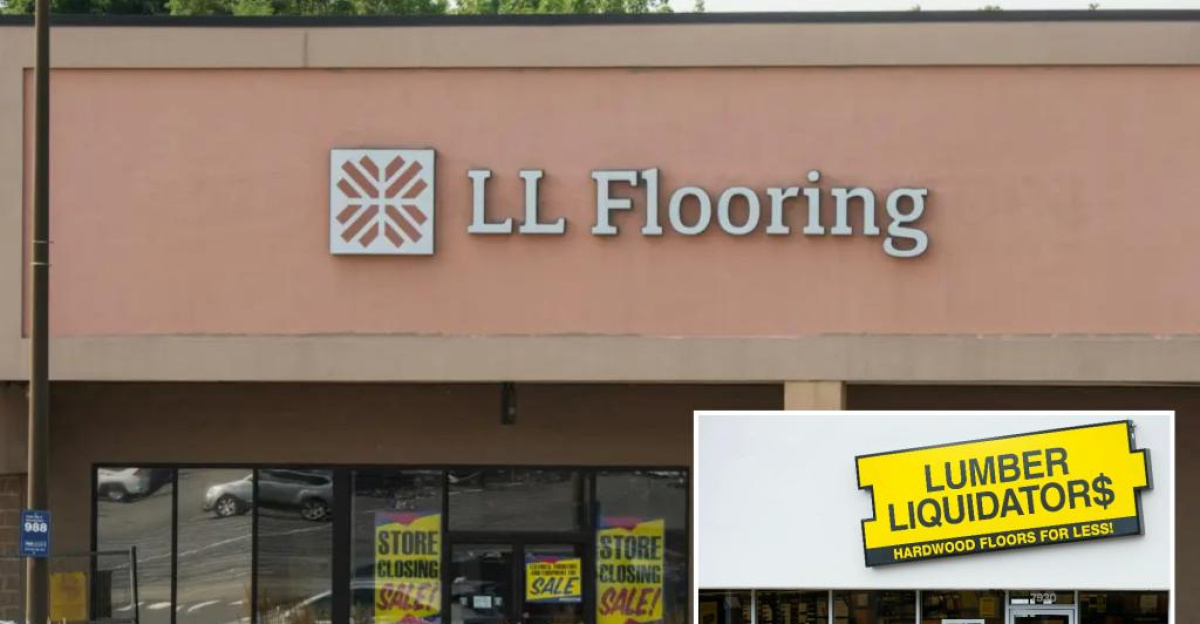
LL Flooring, formerly known as Lumber Liquidators, filed for bankruptcy in August 2024, leading to the closure of all 400 stores by September. The company’s struggles were attributed to oversupply, increased competition, and a dip in consumer spending. This liquidation resulted in over 5,000 job losses, dismantling a trusted resource for contractors and homeowners seeking flooring options. Their absence leaves significant gaps in the home improvement retail sector.
Big Lots Goes Under
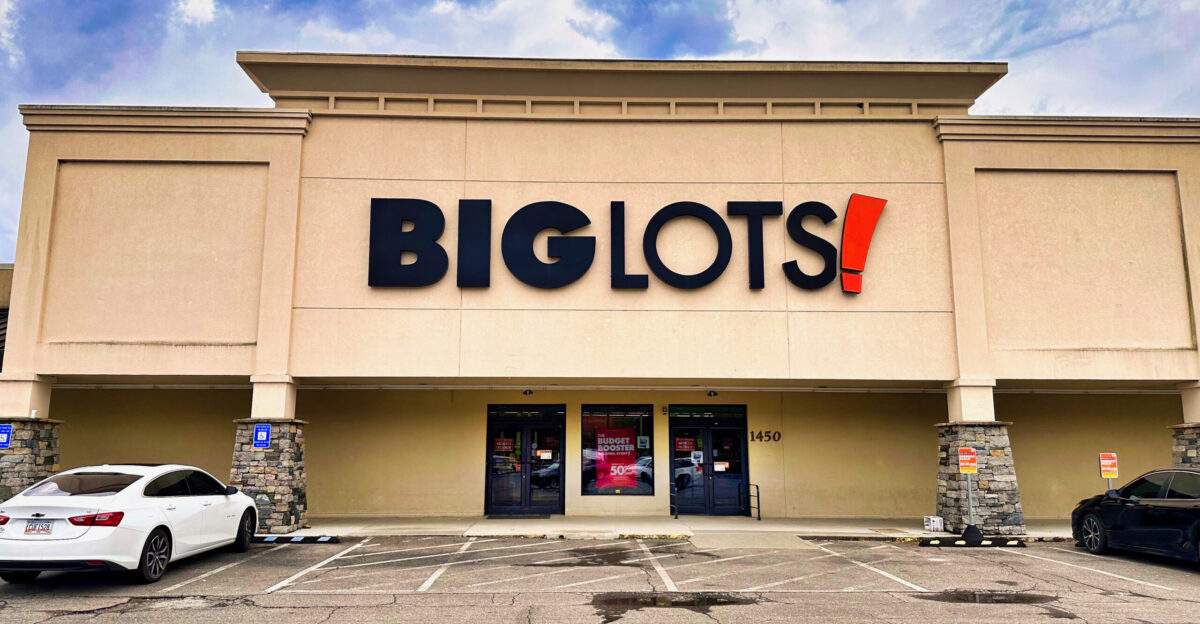
Big Lots, a discount home goods retailer, filed for bankruptcy in September 2024 and commenced liquidation proceedings. Despite attempts to sell to Hilco Capital, all 963 remaining stores were closed by December 2024. The abrupt closure resulted in a $4.7 billion annual revenue loss for American retail. Many customers searching for affordable home goods felt the sting of the closures, as the speed of Big Lots’ demise shocked industry observers across the board.
Walgreens’ Prescription Deserts
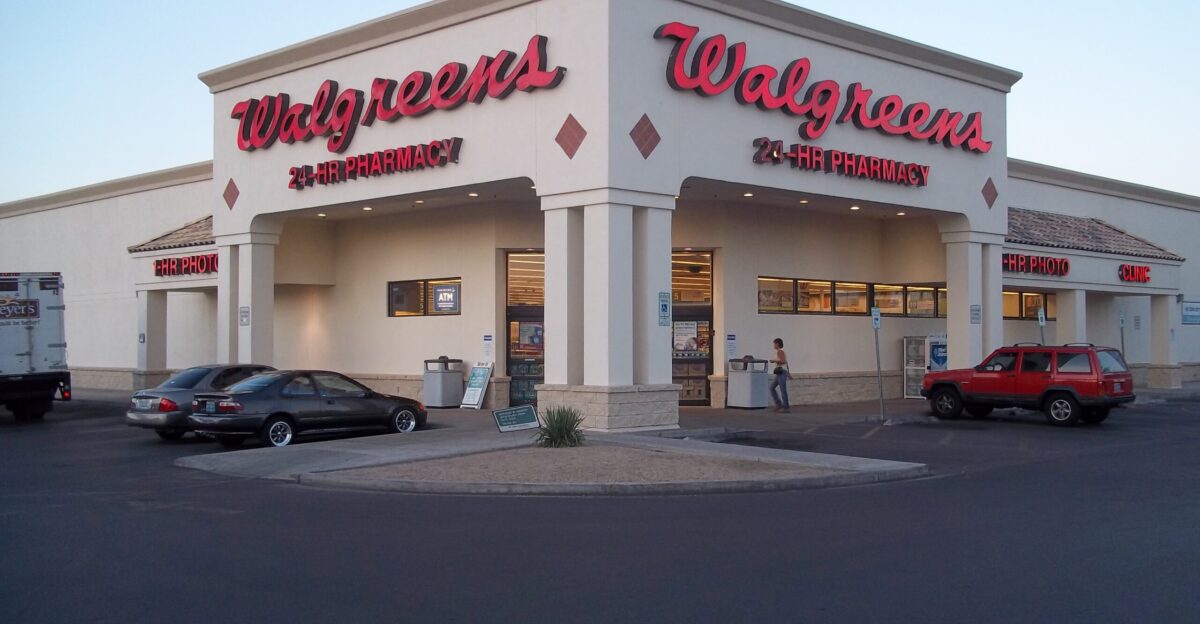
Walgreens, the second-largest pharmacy chain, plans to shut 1,200 locations over three years, with over 450 closures already reported by the end of 2025. This decision disproportionately affects the elderly and disabled in rural areas, creating significant healthcare access gaps. Experts warn of a growing “two-tiered” healthcare system, where affluent urban areas maintain access to pharmacies while poorer regions struggle. This shift presents dire consequences for public health infrastructure.
Joann Fabrics’ Double Bankruptcy
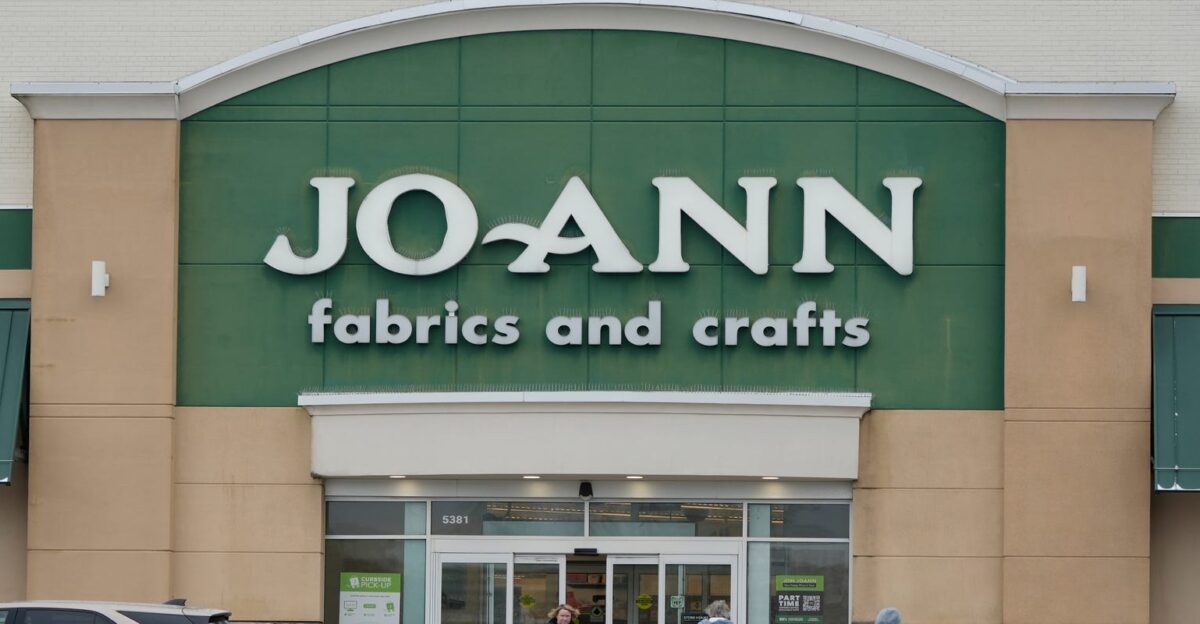
Joann, an 82-year-old crafts and fabric retail institution, faced its second bankruptcy in January 2025, leading to the liquidation of all 800 stores nationwide. Initially filing for bankruptcy in 2023, the company’s disappointing comeback efforts resulted in the loss of 19,000 jobs, erasing a beloved destination for hobbyists. Analysts highlight the declining interest in home-based crafts amidst economic uncertainty as a primary factor in Joann’s failure.
Rue21 Fades from the Scene
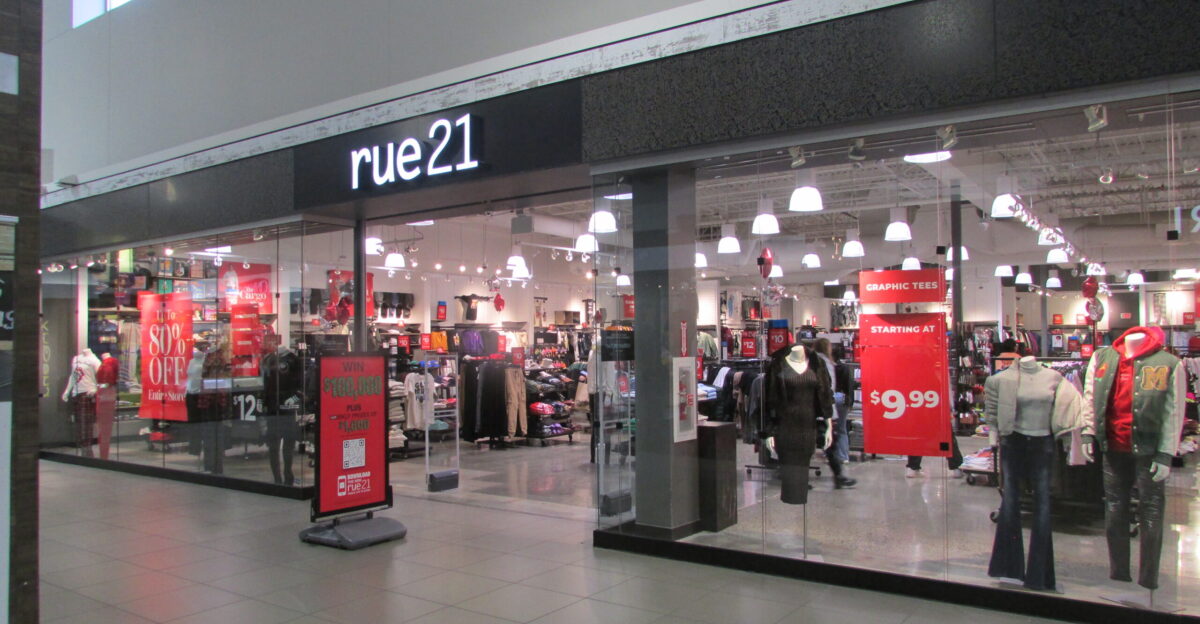
The teen fashion retailer rue21 quietly filed for bankruptcy and subsequently liquidated in 2024, garnering little media attention. With 543 locations, the brand once served as a popular hub for budget-conscious teens and young adults. Its sudden disappearance emphasizes the precarious nature of smaller retailers, particularly as investor enthusiasm wanes. Teen shoppers, accustomed to affordable fashion options, now find themselves without familiar choices.
Macy’s “Bold New Chapter”
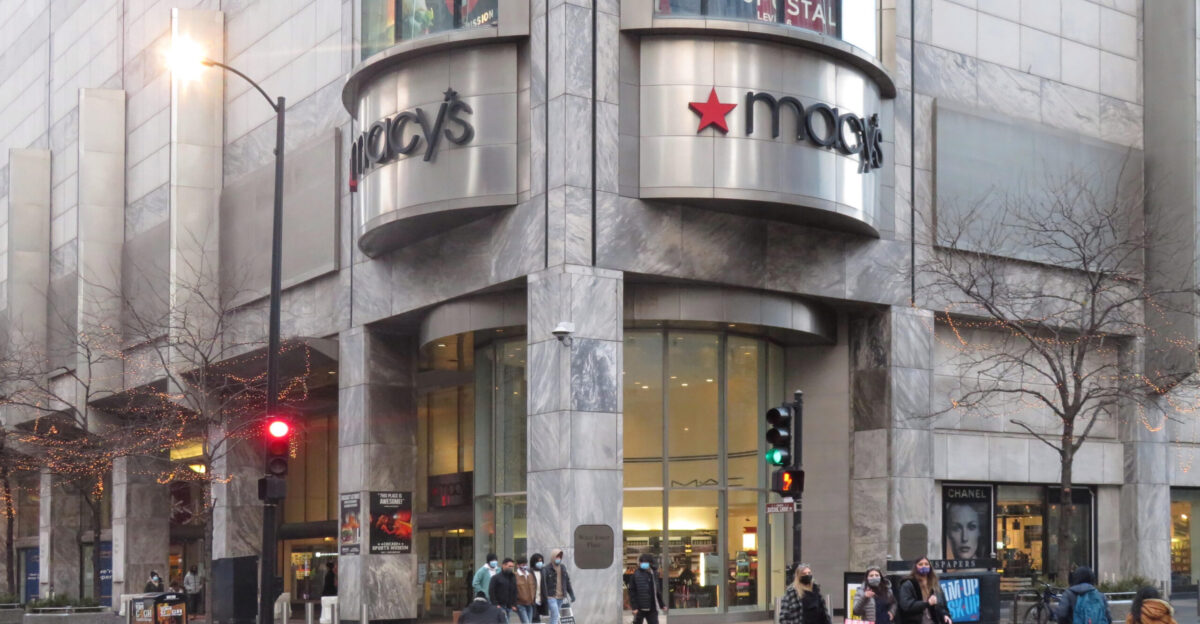
Macy’s, an iconic American department store with over a century of history, announced the closure of 150 stores over two years as part of its “Bold New Chapter” strategy. In 2025 alone, 66 stores are set to close, further devastating downtown shopping districts that are already facing decline. This unprecedented retreat showcases the pivotal changes in consumer habits and retail landscapes, highlighting the challenges faced by long-established brands.
Rite Aid’s Struggles and Closures
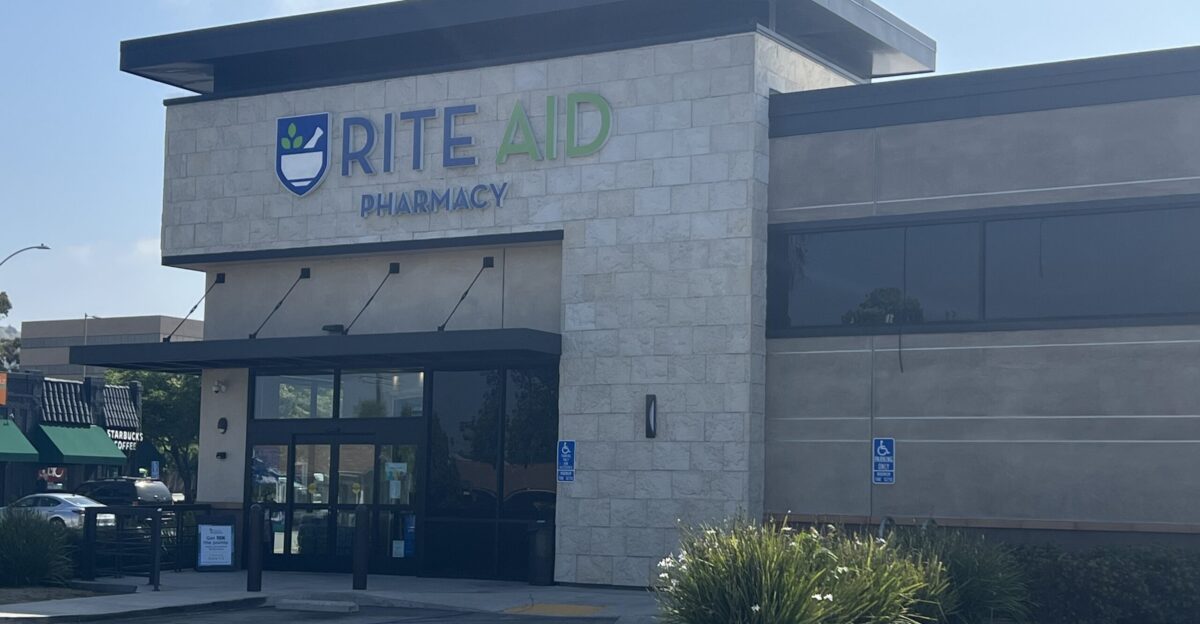
Rite Aid, facing its second bankruptcy since May 2024, is expected to close over 1,000 stores by 2025. The chain’s downfall stems from the convergence of opioid settlement costs, pandemic-induced losses, and modern competition. With healthcare deserts emerging from the closures, thousands more jobs were lost. Experts indicate that pharmacy chains are disappearing at a rapid rate, marking a troubling trend in the retail landscape.
7-Eleven’s Strategic Store Closures
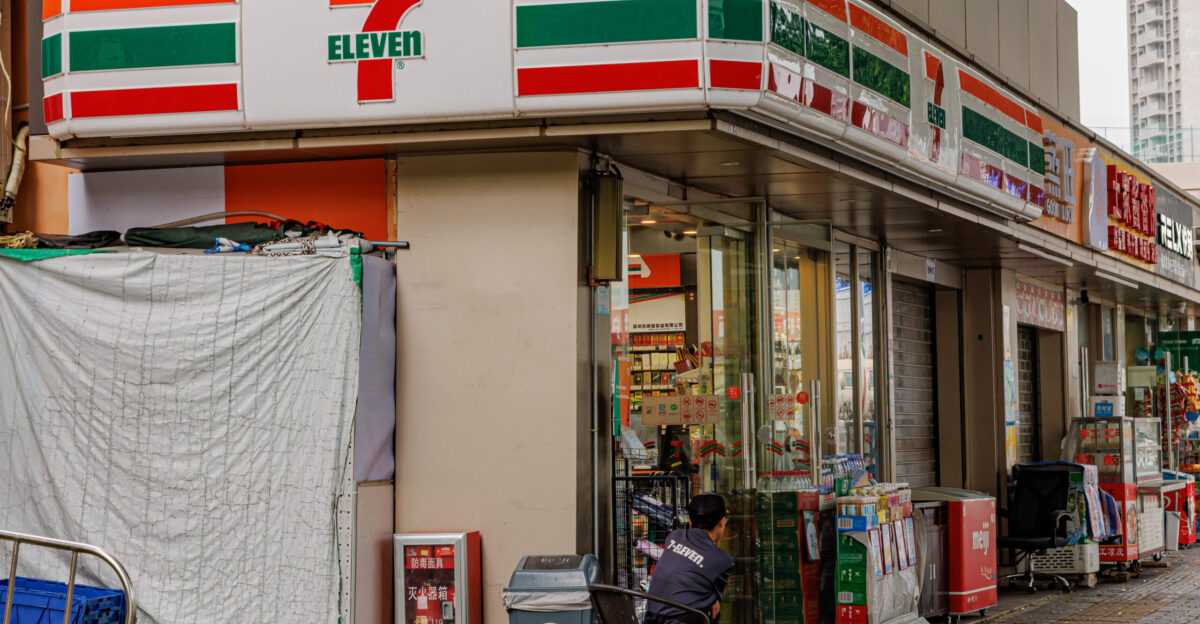
7-Eleven, the ubiquitous convenience store chain, announced the closure of 444 U.S. locations by the end of 2024. This surprising strategy represents a pivotal shift for the company as it aims to streamline its operations. Customers have expressed concern over losing easily accessible snack and beverage options, prompting discussions about the long-term effects on urban convenience shopping dynamics and consumer behavior.
The Rise of Retail Closures
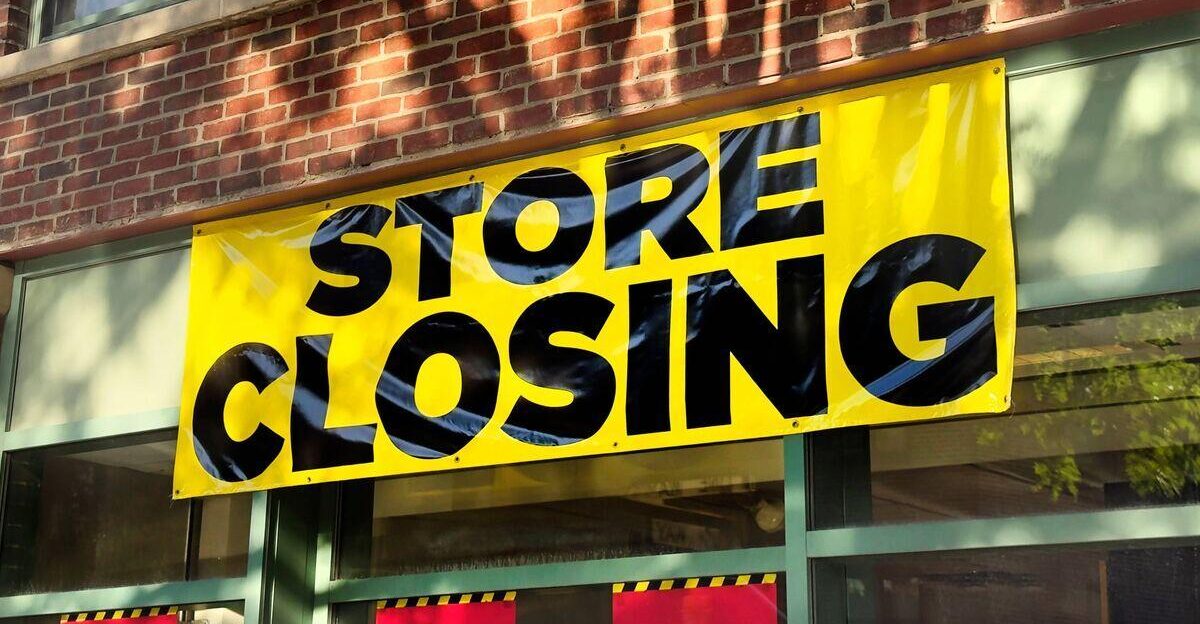
The wave of store closures in the U.S. is unprecedented, with estimates suggesting that 15,000 brick-and-mortar locations may close in 2025 alone. The data reveals an alarming trend as more stores shut than open. Analysts attribute this to shifting consumer preferences towards online shopping and the rising costs of operating physical locations. The retail landscape is evolving rapidly, and businesses must adapt or risk becoming obsolete.
The Human Cost of Closures
While the economic statistics are telling, the human stories behind these closures are just as impactful. Employees affected by the shutdowns express feelings of loss and uncertainty. One former Party City employee shared, “We were a family. Now, I’m left wondering how to support my kids.” These real-life experiences underscore the emotional impact of corporate decisions, shifting the focus to the individuals behind the figures.
Concerns Among Consumers
As these well-known retailers disappear, consumers are left concerned about the availability of products and the loss of familiar shopping experiences. A resident of a rural area lamented, “With Walgreens gone, I have to drive 40 miles for my prescriptions!” The changing retail landscape raises questions about accessibility and the challenges faced by some communities in maintaining essential services.
Analysts Weigh In

Retail analysts caution that the ongoing closures reflect deeper systemic issues within the industry, including economic pressures and changing shopping behaviors. A retail strategist noted, “Many of these brands failed to adapt to the digital-first economy.” This analysis highlights the need for retailers to innovate and evolve, connecting with consumers in more meaningful and contemporary ways to navigate the turbulent market.
Future of Retail in America

As America witnesses the disappearance of these legendary chains, the future of retail remains uncertain. A combination of emerging technologies, e-commerce growth, and consumer behaviors will define what’s next. Innovators in the sector may discover new paths to sustainability, while traditional entities must adapt to change to remain competitive in this rapidly evolving landscape.
The Impact on Real Estate

The mass closures have notable implications for commercial real estate markets across the U.S. As brick-and-mortar stores shut their doors, vacant retail spaces increase, potentially leading to declines in property values. Analysts project that a surplus of commercial real estate could lead to increased vacancies, reshaping local economies and leaving communities to grapple with excess inventory.
A Changing Consumer Landscape

Consumer preferences have shifted considerably, with many now favoring online shopping. The stark decline of these retailers underscores a shift towards digital platforms where convenience reigns supreme. As more shoppers prioritize speed and accessibility, businesses must adapt through technological investments, personalized marketing, and unique customer experiences to retain market share in the modern world.
What Lies Ahead
The rapid decline of iconic retail giants signals a transformative period for the American retail landscape. With predictable patterns giving way to unprecedented challenges, both consumers and businesses must grapple with the shifting realities of shopping in a post-pandemic world. Adaptability, innovation, and new strategies will be essential for survival as we navigate these uncertainties.
Final Thoughts
As these closures reshape the retail environment, the human element remains paramount. The stories of individuals affected by the economic shifts emphasize that beyond statistics lie real lives impacted by the decisions of companies. The future of American retail will not only be about survival but also about understanding and supporting the communities left behind in this ongoing evolution.
Sources
CNN “Why it seems like all of America’s chains are closing”
USA Today “CVS, Walgreens and Rite Aid are all set to close stores”
Retail TouchPoints “CVS Plans to Close 271 Stores in 2025”
Business Insider “More Than 3700 US Stores Are Closing This Year”
CNBC “Store closures rise, led by Party City, Big Lots, Walgreens”
CoStar “Rising US store closings on pace for record year”
Retail Dive “US store closures to again outpace openings this year”