
Hobbies reveal stark social divides, extending beyond income to differing views on time and investment. Upper-middle-class families treat leisure as strategic assets for networking and long-term gains, while lower-middle-class families favor pursuits with quicker, practical payoffs. Observations from luxury hospitality over a decade highlight nine such activities that underscore this gap.
Wine Appreciation and Regular Therapy

Upper-middle-class individuals view wine beyond mere drinking as a social dialect. Trips to regions like Napa or Bordeaux facilitate elite discussions and connections. Cellars function as appreciating assets, unlocking business opportunities and enduring networks.
Costs deter others: bottles range from $20 to $50, with cellars demanding thousands in upkeep. For those prioritizing essentials like groceries, such outlays appear wasteful, barring entry to circles where wine expertise serves as currency.
Therapy among the upper-middle class resembles routine upkeep, focusing on optimization rather than emergencies. Sessions address children’s stress or adults’ work-life balance, embedding mental health alongside fitness and diet.
Annual expenses reach $1,500 to $3,000 at $60 to $80 per visit. Lower-middle-class households typically engage only during crises, lacking the buffer for prevention. The divide stems from financial security, not recognition of benefits.
Golf, Country Clubs and Skiing
Golf transcends sport for this group, becoming a networking instrument. Club memberships and lessons acquaint children with professionals, forging ties that yield lifelong returns on verdant courses.
Entry demands $3,000 yearly for memberships, plus gear and coaching. Perceived as elite, golf stays inaccessible to many, yet the affluent see it as vital for relational infrastructure.
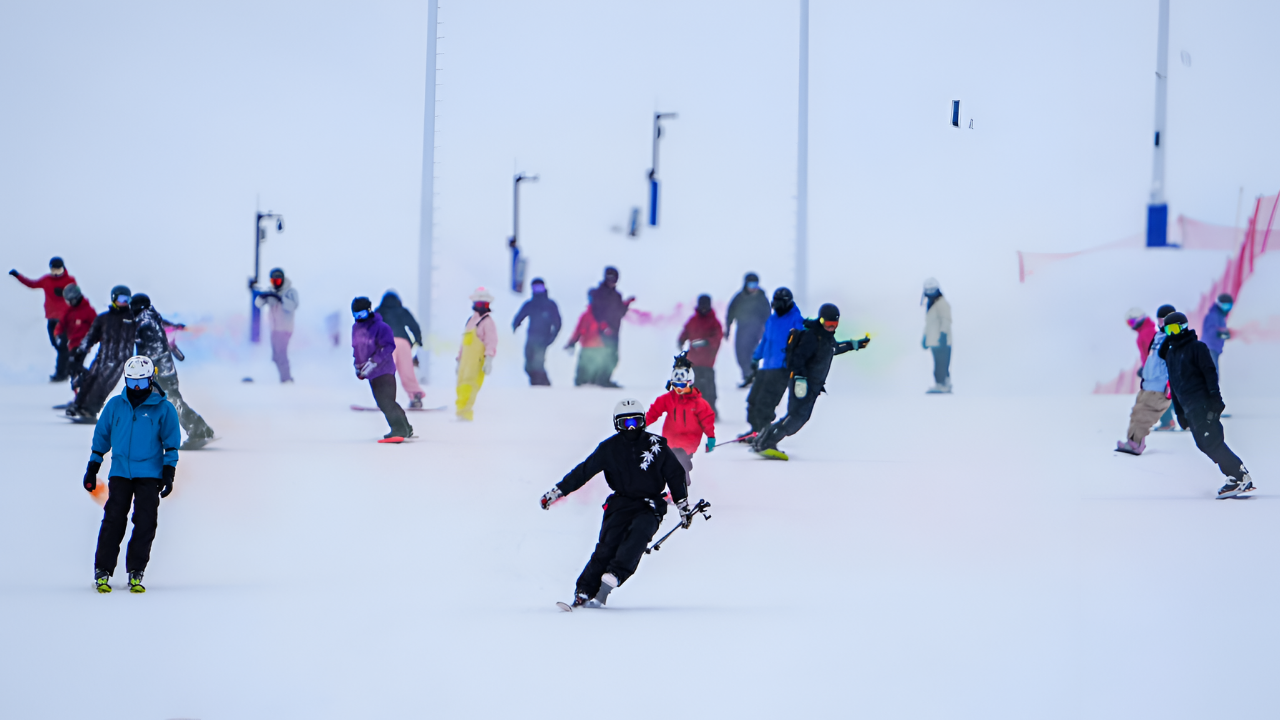
Ski outings build bonds among resource-similar families, with trips to Colorado or the Alps crafting shared traditions. These serve less as holidays than cultural investments, linking children to future peers.
A family of four faces $2,000 to $5,000 per trip, excluding travel and equipment—sums equaling months of rent for others. The wealthy frame them as gateways to high-net-worth networks.
Cultural Pursuits and Hosting Dinner Parties

Classical music education forms a pillar of upbringing, with piano or violin lessons costing $25 to $35 per session, totaling $7,000 to $10,000 yearly. Over a decade or more, one child may require $70,000 to $150,000. Parents seek not virtuosos but conversational fluency in composers like Beethoven, yielding intangible capital for social settings.
Lower-middle-class priorities demand tangible outcomes, viewing such sums as gambles without prompt returns.
These events demand precision, from menus to pairings, prioritizing alliances over meals. Expenditures of $150 to $350 cover premium elements, fostering ties that later prove valuable—affordable for hosts, prohibitive for those it could sustain a household two weeks.
Fitness Regimens And Equipment-Heavy Pastimes
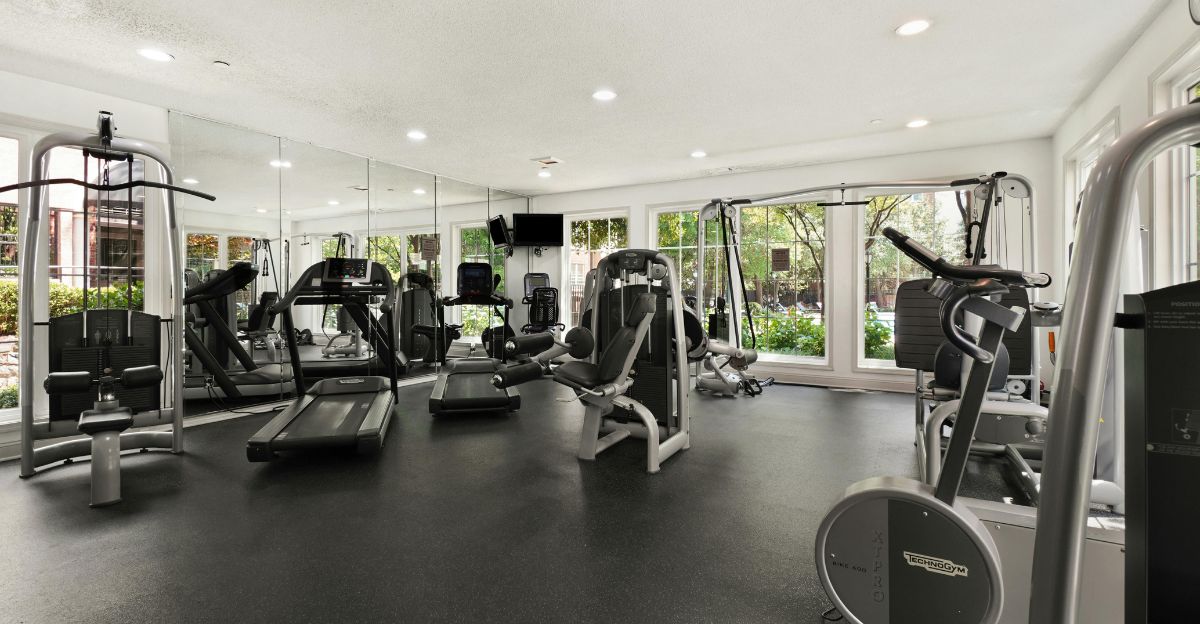
Gym access and trainers constitute lifestyle bedrock, akin to essentials like insurance. Sessions run $50 to $150, memberships $600 to $2,000 annually, yielding health and incidental connections.
Economic pressures prompt cancellations among others, forfeiting sustained benefits.
Photography, cycling, or woodworking demand upfront commitments: cameras exceed $2,000, bikes $1,200. Quality gear boosts persistence, a risk the affluent absorb even if interests wane.
Cheaper alternatives diminish enjoyment for others, hindering skill development.
Art and Performances and The Investment Mindset
Theater, ballet, opera, and galleries fill weekends, amassing literacy that signals refinement. Tickets and subscriptions cost hundreds to thousands yearly, positioning children for career-spanning rapport.
These remain sporadic luxuries for the less affluent.
This pattern exposes a core disparity: upper-middle-class strategies emphasize generational horizons, compounding networks over decades. Lower-middle-class focus on immediacy addresses pressing needs, often sidelining compounding edges. As economic pressures persist, bridging this perceptual chasm could reshape opportunity access, though mindsets rooted in circumstance prove resilient.