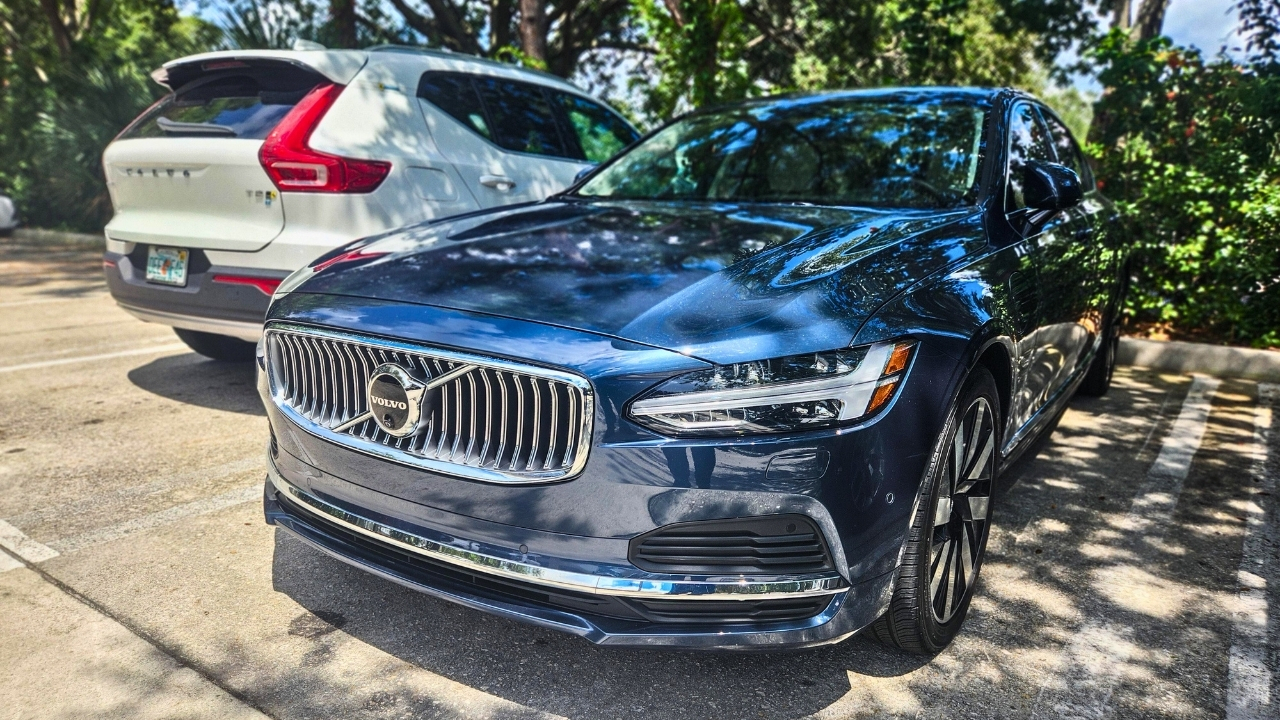
Production lines across America went silent in 2025. Eight beloved car models—some with decades of history—ended manufacturing forever within a single year. Dealerships report that their final inventory is selling out quickly as consumers rush to buy these disappearing vehicles.
This represents the fastest mass extinction of popular American car models in modern automotive history, marking an irreversible transformation of the industry.
Sedans Face Complete Market Elimination
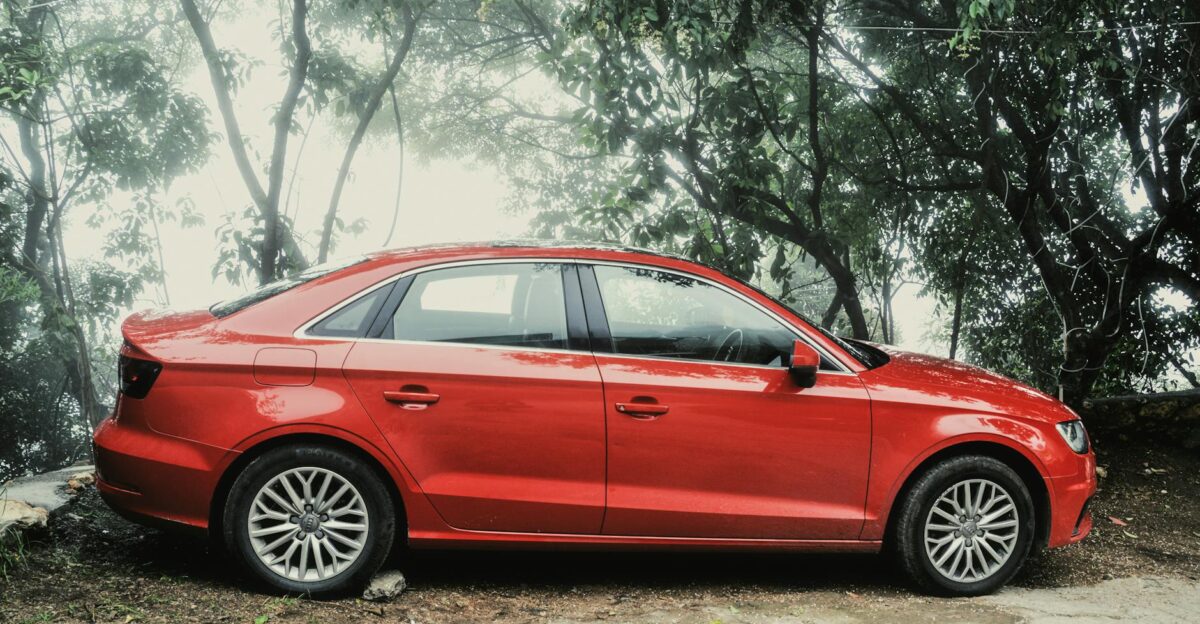
Traditional sedans are being systematically eliminated from manufacturer portfolios as they represent less than 20 percent of total U.S. vehicle sales. Consumer preferences increasingly favor larger, more versatile utility vehicles over passenger cars.
This trend forces manufacturers to discontinue beloved models that once dominated American highways. The collapse of the sedan segment creates significant challenges for budget-conscious consumers seeking affordable, practical transportation solutions nationwide.
Chevrolet Malibu Ends Nearly 60 Years of Production
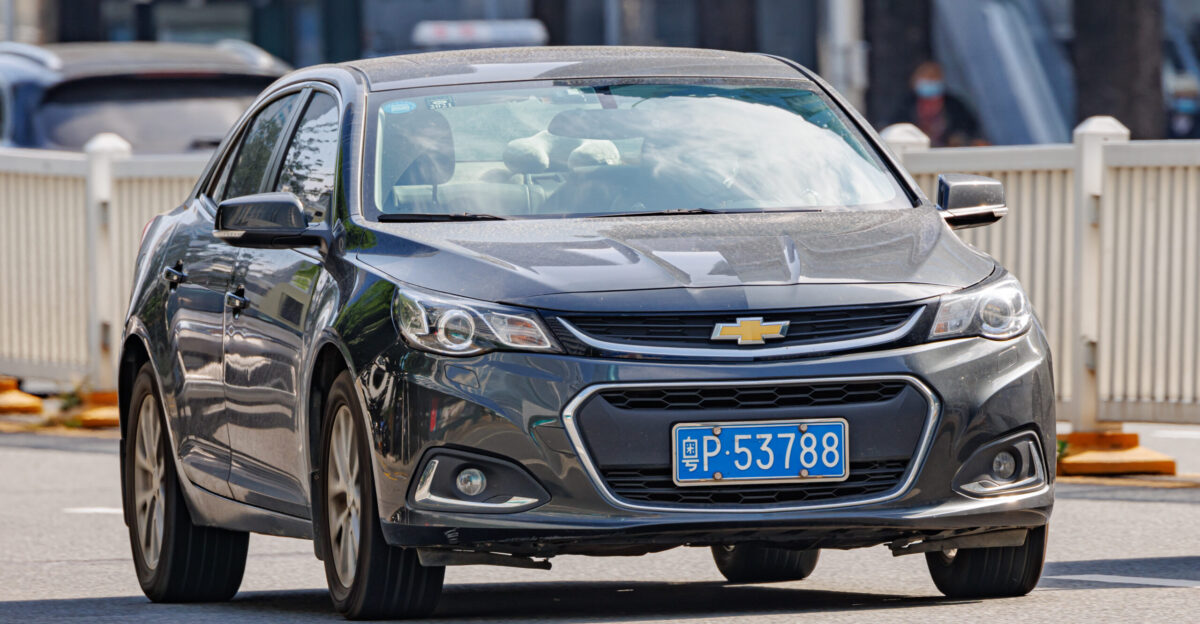
After nearly 60 years on American roads, Chevrolet’s iconic Malibu sedan ended production in November 2024. The 2025 model year represented the final opportunity for consumers to purchase this classic family sedan. First debuting in 1964 as a Chevelle trim level, it became a standalone model in 1997.
The Fairfax Assembly Plant in Kansas, where the Malibu was previously manufactured, has been retooled for the production of next-generation electric vehicles.
General Motors Reallocates Malibu Production Resources
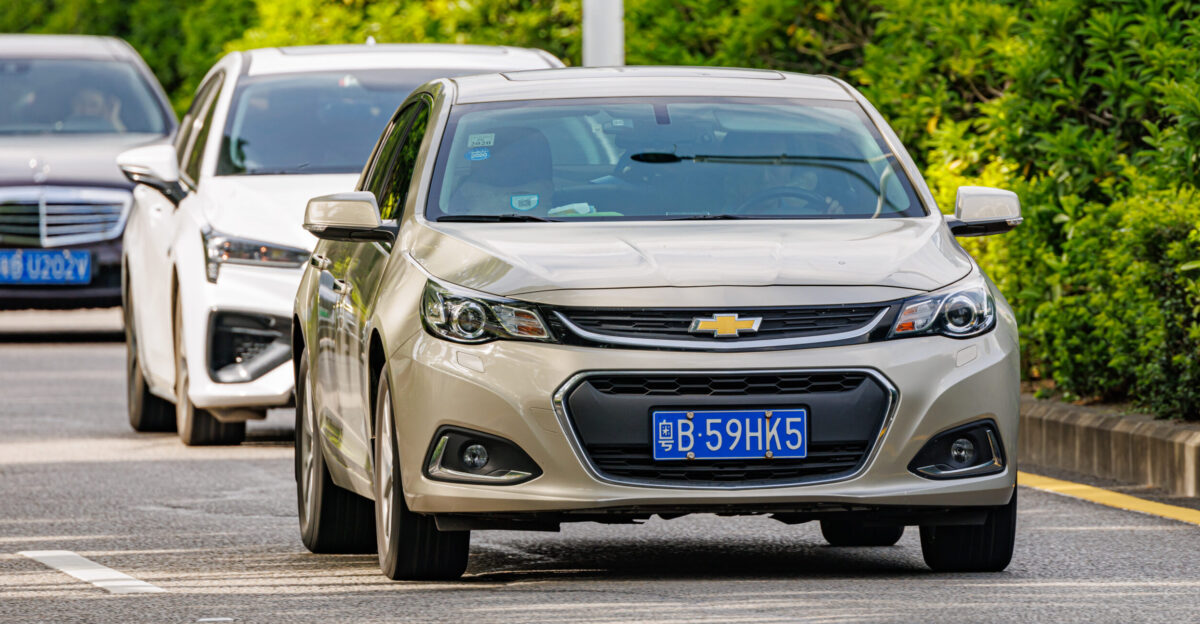
General Motors made the strategic decision to reallocate production resources toward electric vehicles, specifically the next-generation Chevrolet Bolt EV. The Malibu’s discontinuation reflects broader industry trends, showing a decline in sedans’ market share in America.
Approximately 680 workers at the Kansas facility experienced temporary layoffs, although GM supported affected employees through existing labor agreements. This move symbolizes the end of General Motors’ commitment to affordable family sedans.
Acura TLX Sales Plummet During Final Years
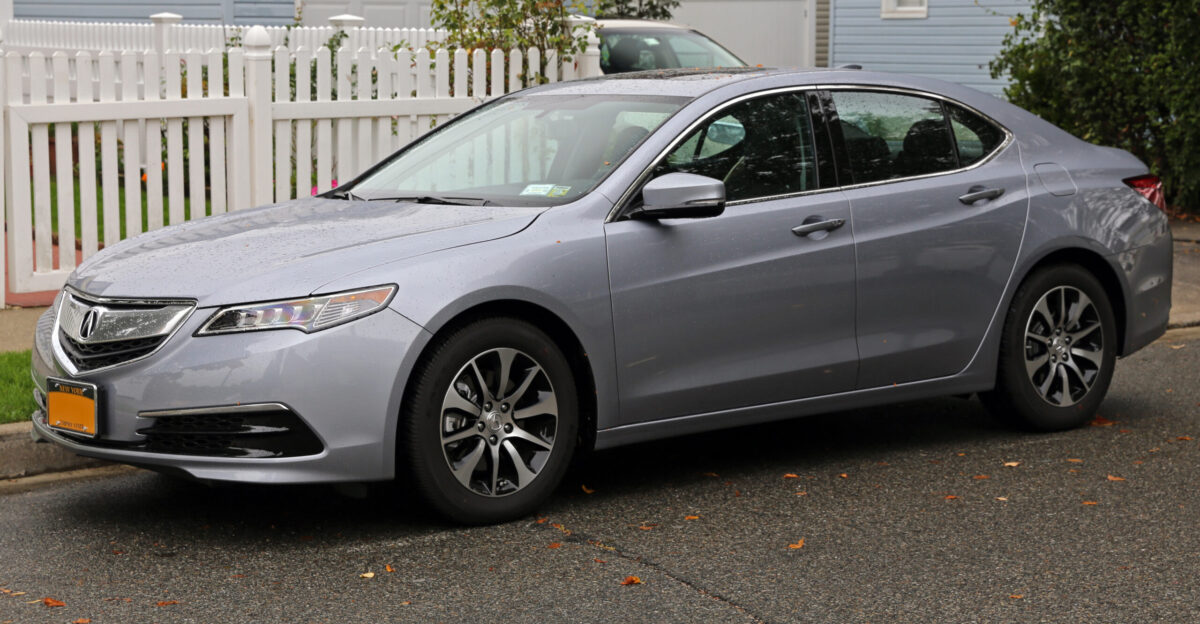
Acura’s mid-size luxury sedan, the TLX, concluded production in July 2025, having experienced a steady and significant sales decline. Peak sales reached over 47,000 units annually in 2015, but by mid-2025, sales had plummeted to just 3,634 units through the first six months.
This staggering decrease compelled Acura to reassess its sedan strategy and reallocate its manufacturing resources. The luxury sedan market proved unable to sustain profitable production volumes.
Acura Cites Changing Customer Needs
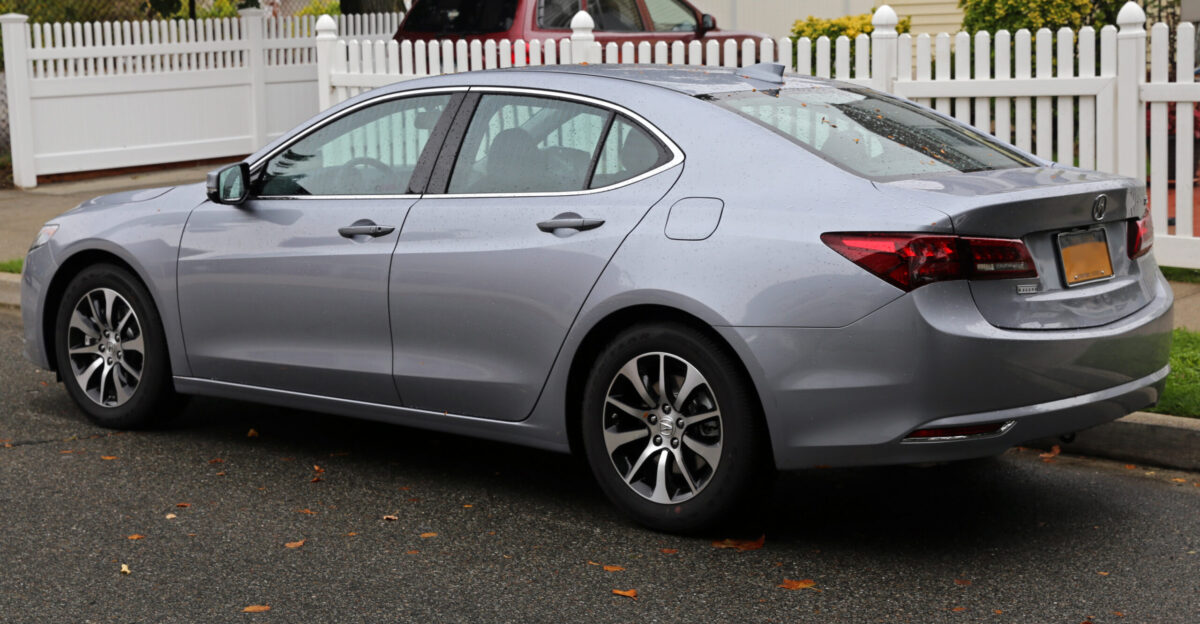
Acura cited “the evolving needs of our customers and the changing landscape of the automotive industry” as the primary reasons for discontinuity. The TLX was manufactured at Acura’s Marysville, Ohio, facility for many years.
Its departure leaves the Acura lineup focused almost exclusively on SUVs and crossovers, with only the Integra hatchback remaining as a non-SUV offering. Acura plans to replace the TLX segment with a new electric SUV adopting the classic RSX nameplate.
Kia Soul Ends 15-Year Production Run
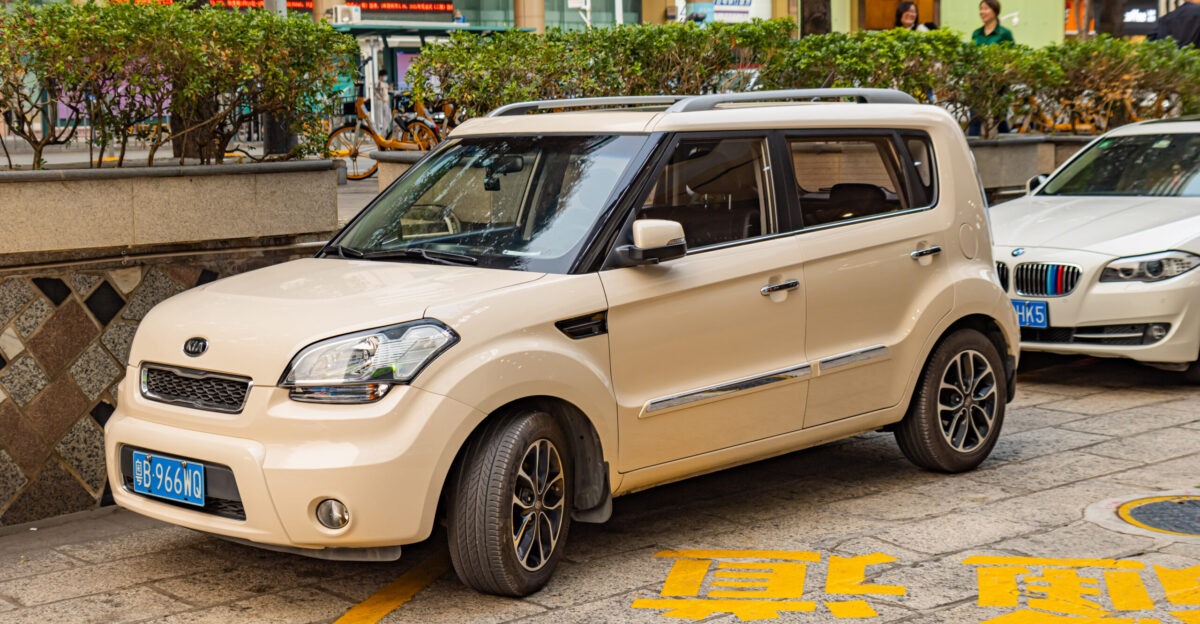
The distinctive Kia Soul, famous for its boxy silhouette and memorable hamster-dancing commercials, ended production in October 2025, marking 15 years of service. Over this period, Kia sold more than 1.5 million Soul units across multiple generations.
The Soul established itself as a beloved cult favorite among consumers seeking affordable, practical, and uniquely styled transportation. Despite passionate fan loyalty, sales gradually eroded due to competitive pressures from other subcompact crossovers.
Soul Faces Unmatched Competition from Rivals
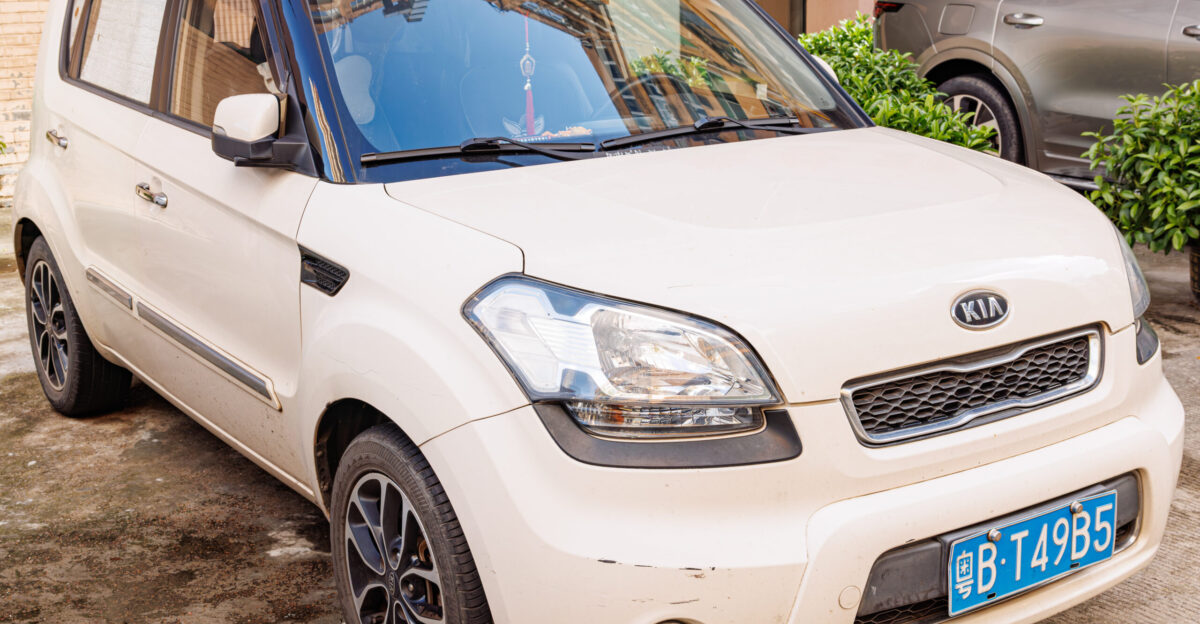
The Soul faced increasingly steep competition from other subcompact crossovers offering features the Soul lacked. Notably, competitors offered all-wheel drive capability, a feature Kia refused to develop for the Soul platform.
Sales gradually eroded as consumers opted for alternatives with greater versatility and capability in inclement weather. This competitive disadvantage ultimately proved insurmountable for Kia’s distinctive offering.
Soul’s 2023 Redesign Fails to Resonate
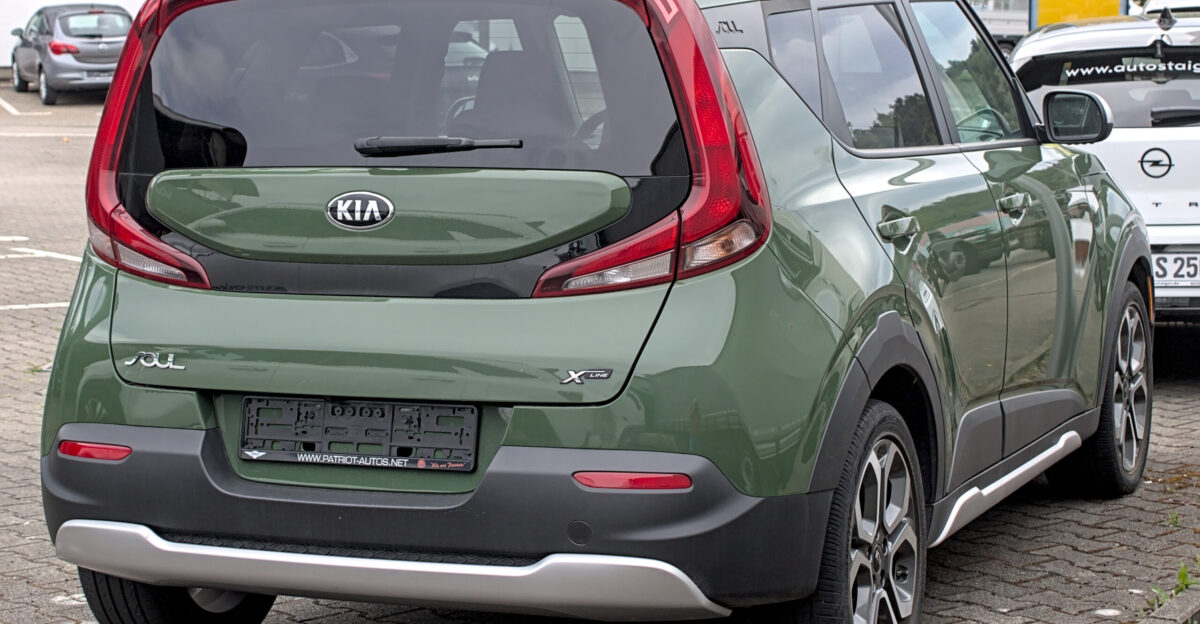
Kia’s 2023 redesign of the Soul, intended to inject new life into the aging platform, drew criticism from enthusiasts and reviewers. Multiple sources described the updated Soul’s appearance as featuring “downright low-rent exterior looks.”
The styling failed to resonate with the vehicle’s traditional target demographic effectively. Only a few thousand Soul units remain at authorized Kia dealerships, representing the last opportunity to purchase nationwide.
Subaru Legacy Concludes Remarkable 36-Year Run
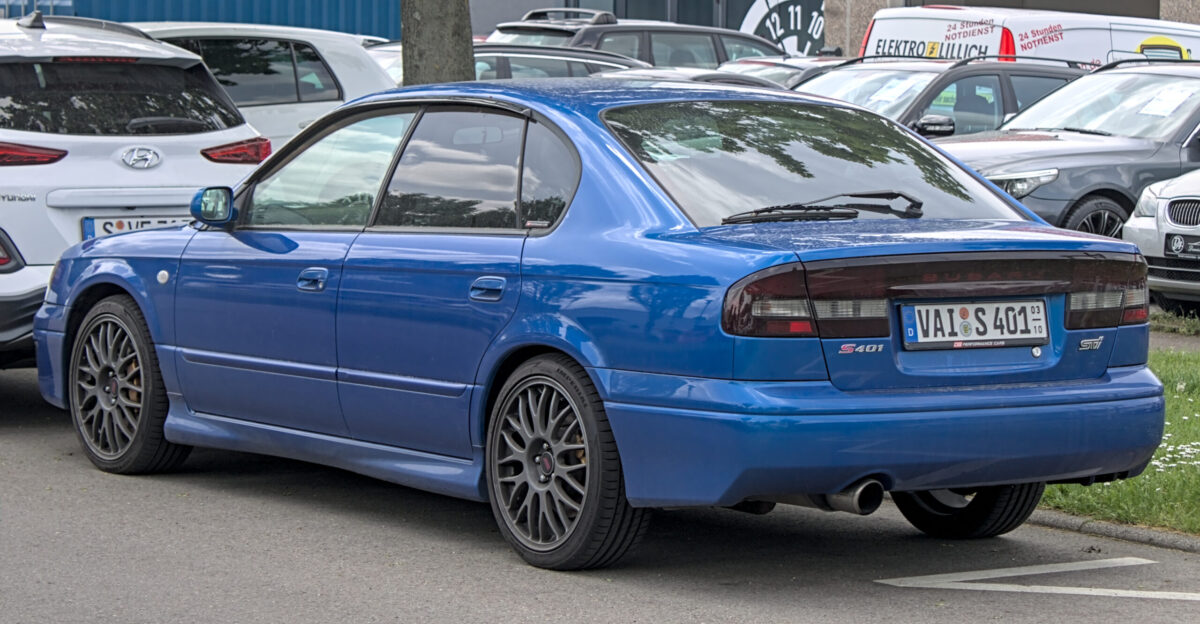
Subaru announced the end of Legacy production in spring 2025, marking the conclusion of a remarkable 36-year manufacturing run. The Legacy first launched in 1989 as the first Subaru manufactured on American soil at a domestic facility.
Over six generations, Legacy accumulated over 1.3 million unit sales throughout North America and worldwide markets. This discontinuation marks the end of one of automotive history’s most respected and dependable mid-size sedans.
Legacy Earns Exceptional Safety Recognition
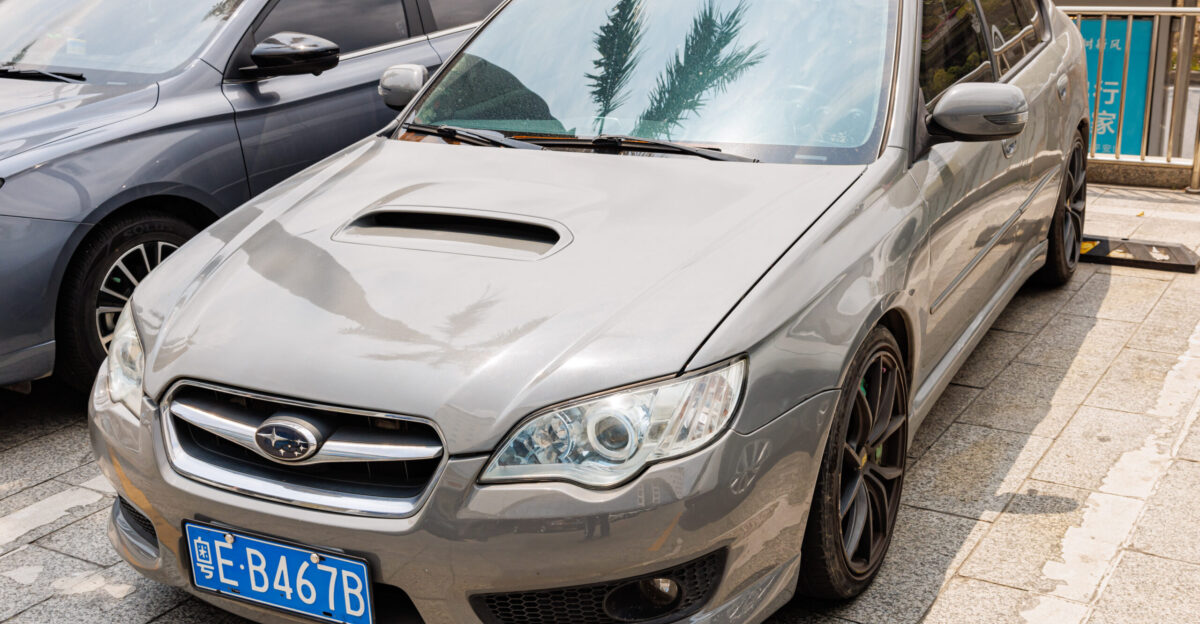
The all-wheel-drive Legacy earned remarkable recognition for safety and reliability over its production lifetime. It achieved IIHS Top Safety Pick honors for an impressive 18 consecutive years, among the longest streaks in automotive history.
Over 94 percent of Legacy vehicles sold during the previous ten-year period remain actively on the road today. These statistics reflect the model’s legendary durability, longevity, and customer satisfaction rates unmatched in its segment.
Subaru Emphasizes Market Shift Toward Electric Vehicles
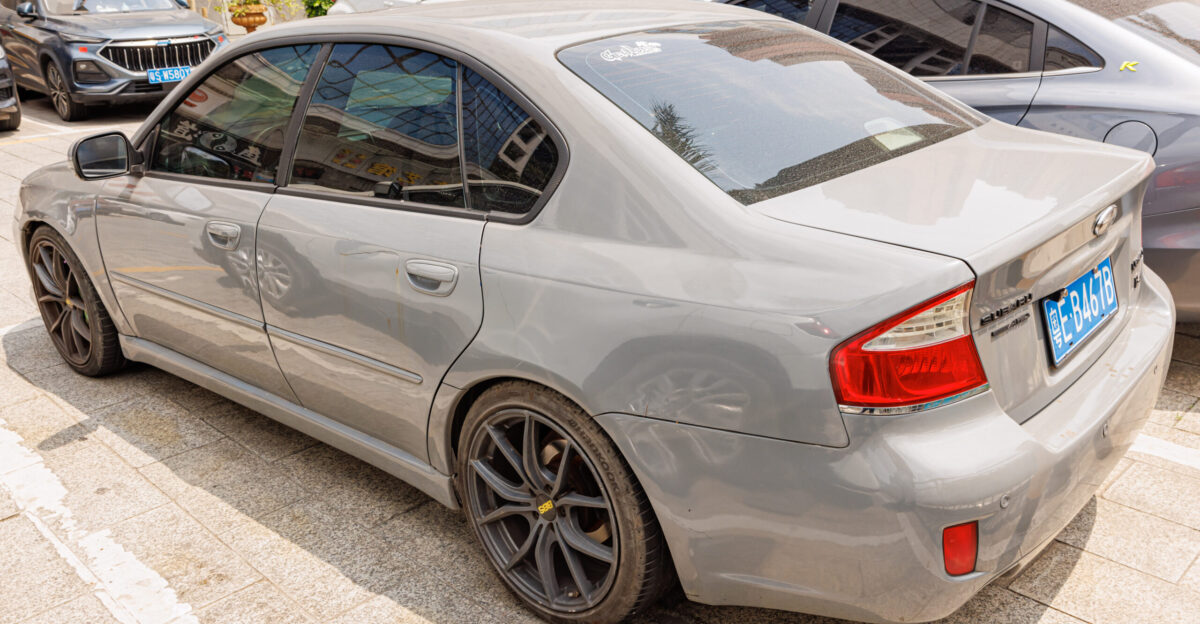
Subaru explicitly stated that the Legacy’s discontinuation reflects significant market shifts from traditional passenger cars toward SUVs, crossovers, and electrified vehicles. The company emphasized its transition toward developing and promoting electrified and fully electric vehicles. This strategic shift effectively meets evolving consumer demands and environmental regulations.
The Legacy’s platform-sharing sibling, the Outback wagon, underwent a comprehensive redesign in 2026 and continues production, serving customers who prefer wagon-style versatility.
Jeep Wagoneer Discontinued After Only Four Model Years
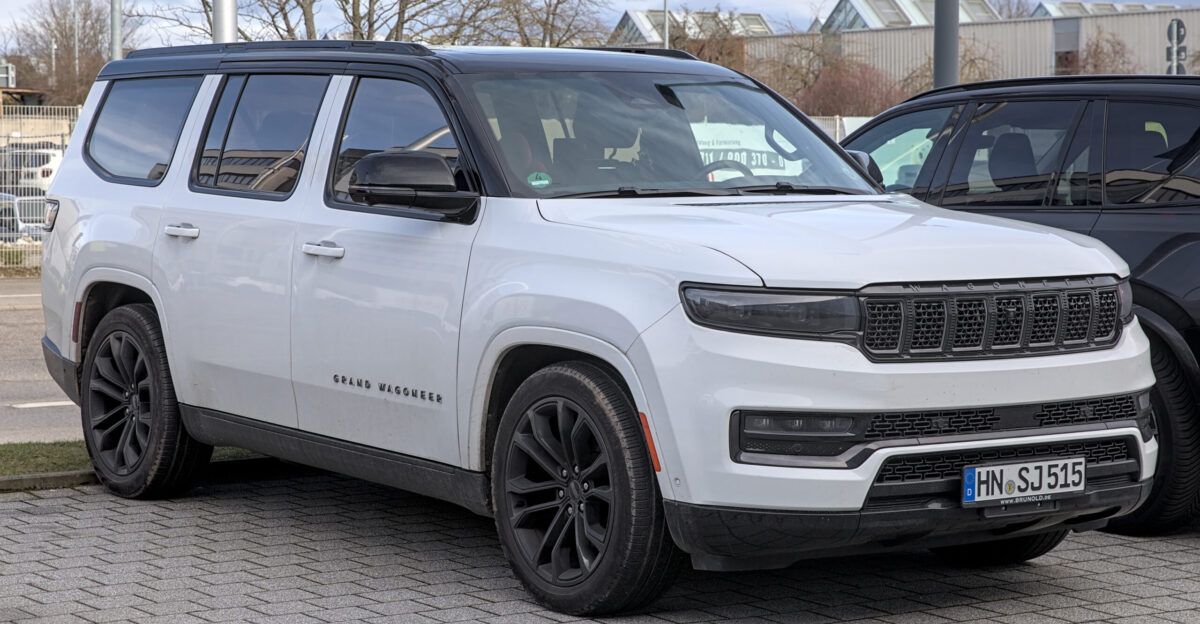
After only four model years on the market, Jeep discontinued the standalone Wagoneer nameplate, consolidating all trim levels under the Grand Wagoneer brand. The vehicle experienced disappointing sales results, with dealership reports indicating a 19 percent sales decline through September 2025.
This quick discontinuation reflects the challenges facing premium full-size three-row SUVs. Market softness and branding confusion significantly contributed to the disappointing sales performance metrics.
Consumer Confusion Undermines Wagoneer Market Position
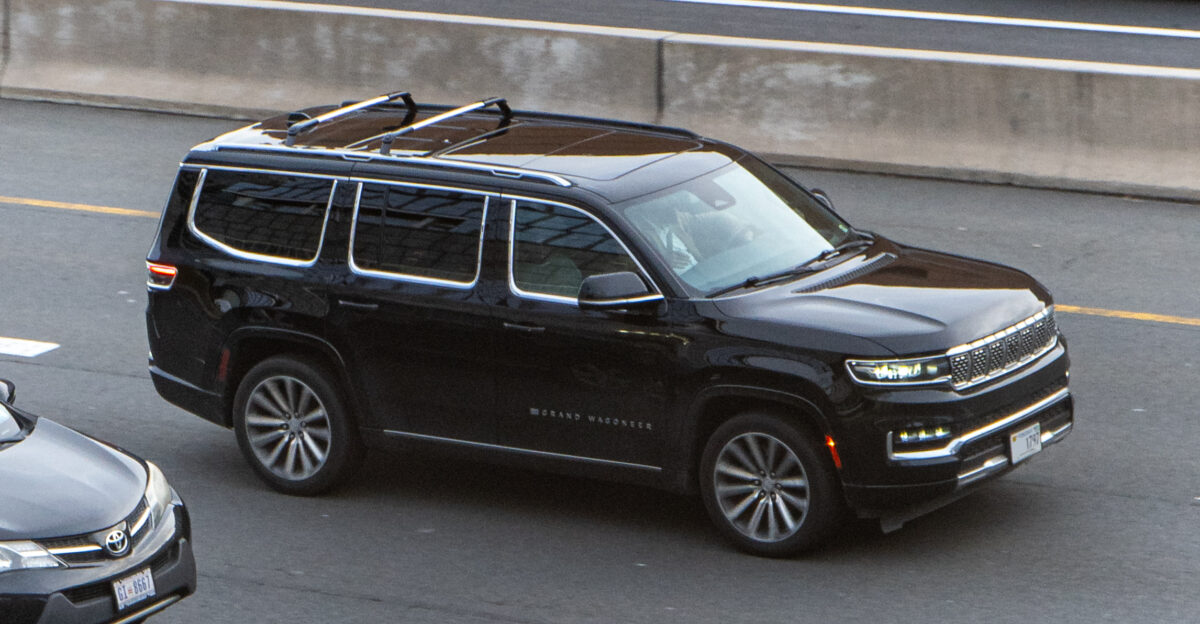
Market analysis suggests that Jeep’s branding strategy created consumer confusion by introducing the Wagoneer as a separate model, distinct from the Grand Wagoneer. Many potential buyers mistakenly believed the regular Wagoneer was simply a stretched version of the premium Grand Wagoneer.
This positioning confusion, combined with general market softness in the full-size segment, substantially impacted sales. The failed two-nameplate approach proved economically unsustainable for Jeep’s product strategy.
Jeep Consolidates Under Grand Wagoneer for 2026
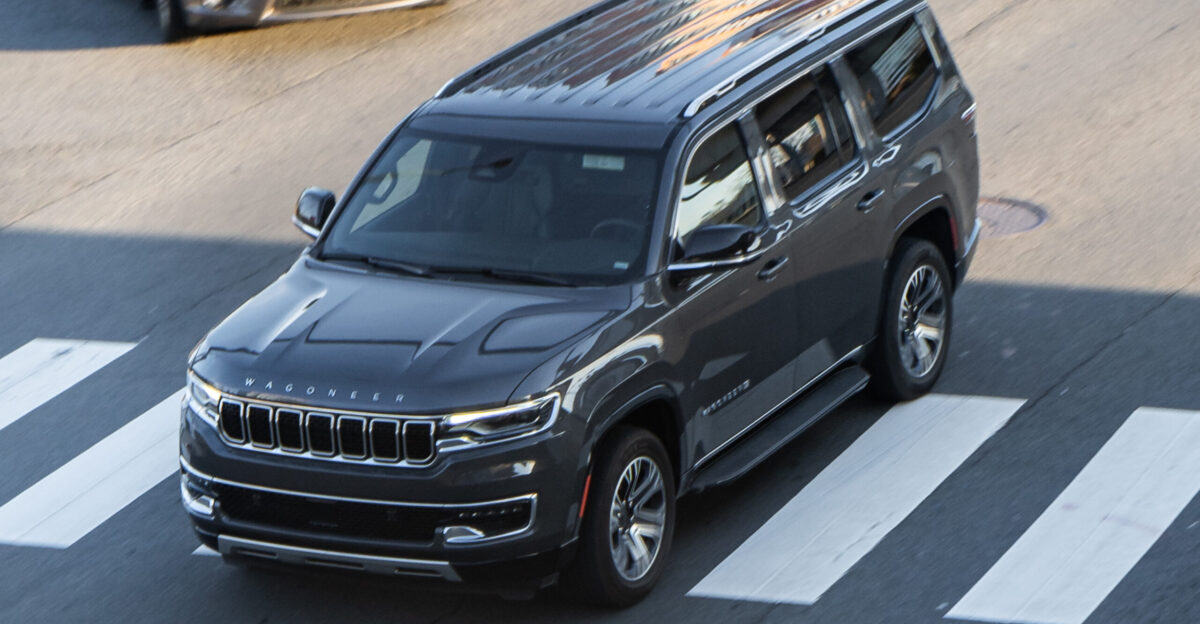
For the 2026 model year, Jeep consolidated its full-size three-row SUV lineup entirely under the Grand Wagoneer designation across all trim levels. Entry-level pricing is positioned attractively below $65,000, making the vehicle more accessible to mainstream consumers.
This decision represents a pragmatic mainstream positioning strategy that completely abandons the failed two-nameplate approach. Industry observers believe that this consolidation will simplify consumer choice and generate stronger demand in the future.
Cadillac XT6 Discontinued Despite Reliability Recognition
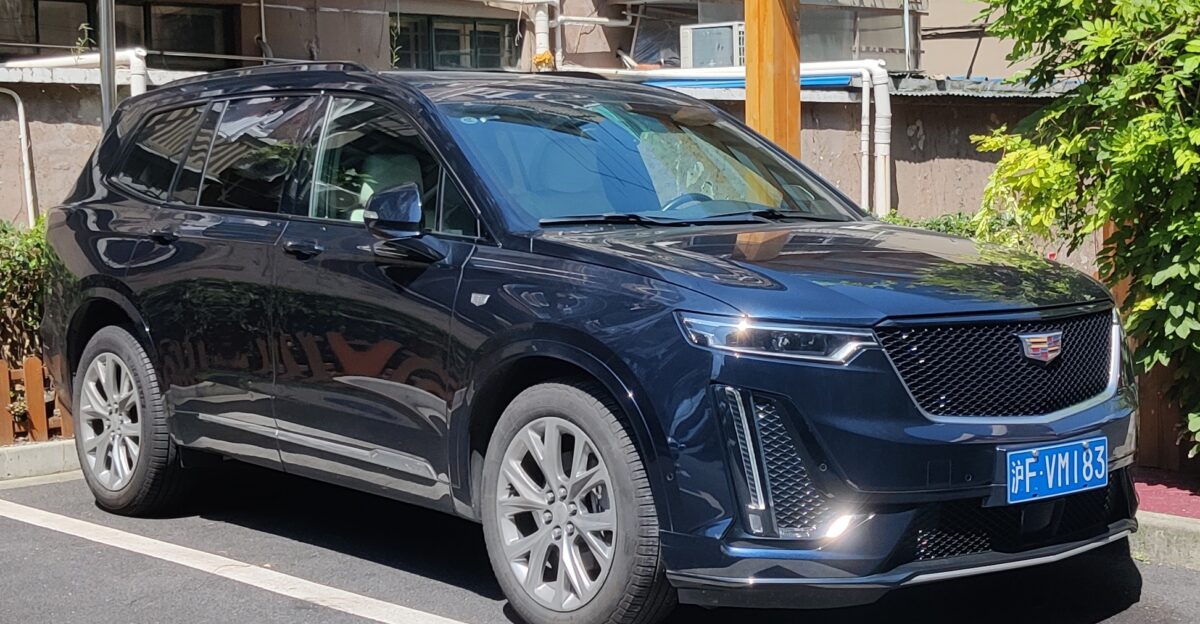
Cadillac has announced the discontinuation of the XT6 three-row luxury SUV after the 2025 model year, marking the end of a six-year production run.
The XT6 earned recognition as one of the most reliable mid-size premium SUVs according to J.D. Power’s 2025 Vehicle Dependability Study. Despite strong reliability credentials, strategic electrification plans were required to be discontinued. Production ended in November 2025 at Cadillac’s Spring Hill, Tennessee, facility.
Cadillac Vistiq Replaces XT6 as All-Electric Alternative
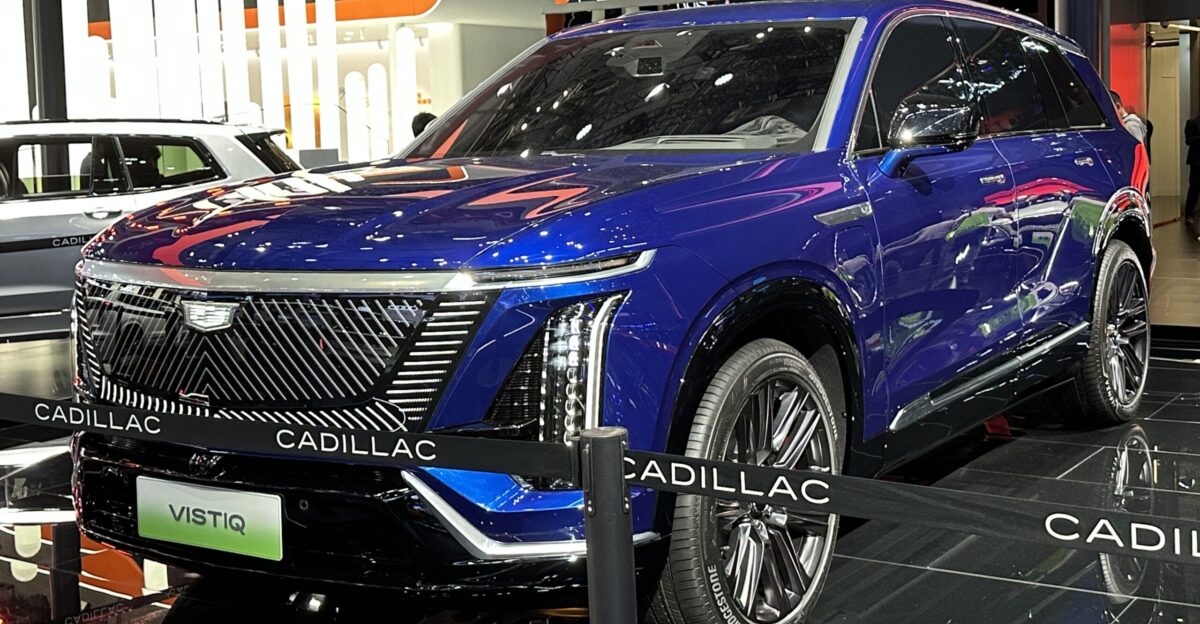
The Spring Hill facility is undergoing substantial retooling to accommodate expanded electric vehicle manufacturing capacity for future models. The three-row luxury SUV segment will be addressed by the new all-electric Cadillac Vistiq, offering similar spatial capabilities and three-row seating.
The Vistiq features premium amenities alongside robust electric performance and next-generation technology. This transition exemplifies Cadillac’s broader strategic shift toward developing an all-electric luxury vehicle lineup.
Lexus RC Sports Coupe Concludes Production in 2025
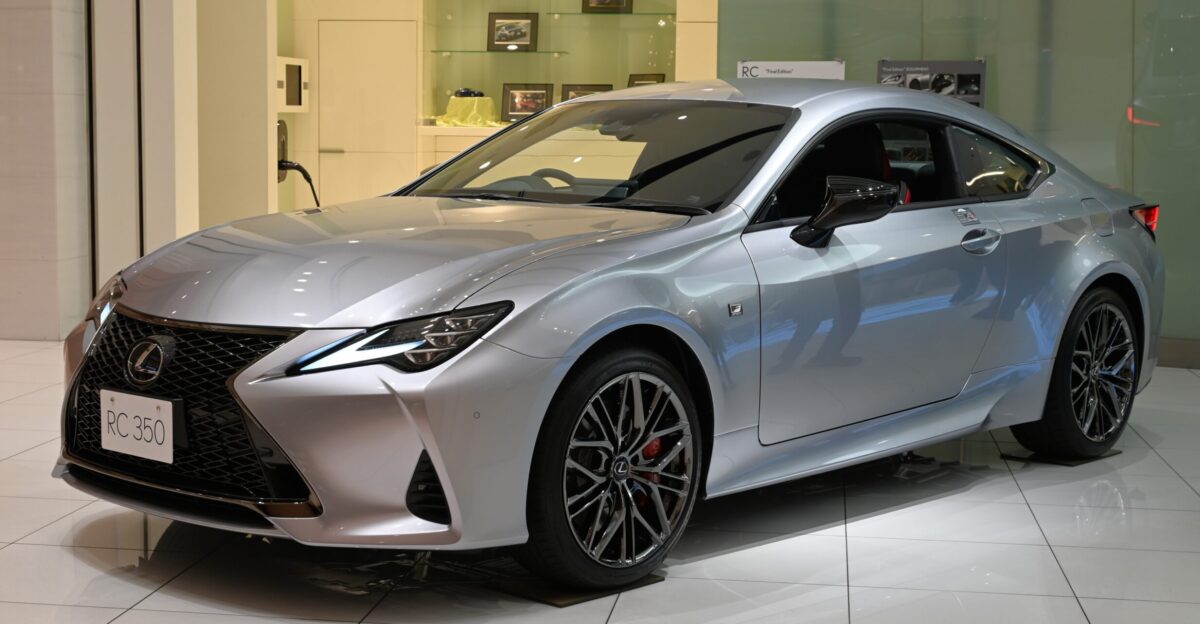
The Lexus RC sports coupe, including its high-performance RC F variant with naturally aspirated V8 power, concludes production after 2025. Following a decade of continuous production, the RC experienced steadily declining sales performance.
Lexus sold fewer than 2,000 RC units in 2024, representing a total of 1,854 vehicles. This minimal sales volume clearly indicates the sports coupe segment holds little interest for modern consumers.
RC F Final Edition Celebrates Performance Heritage
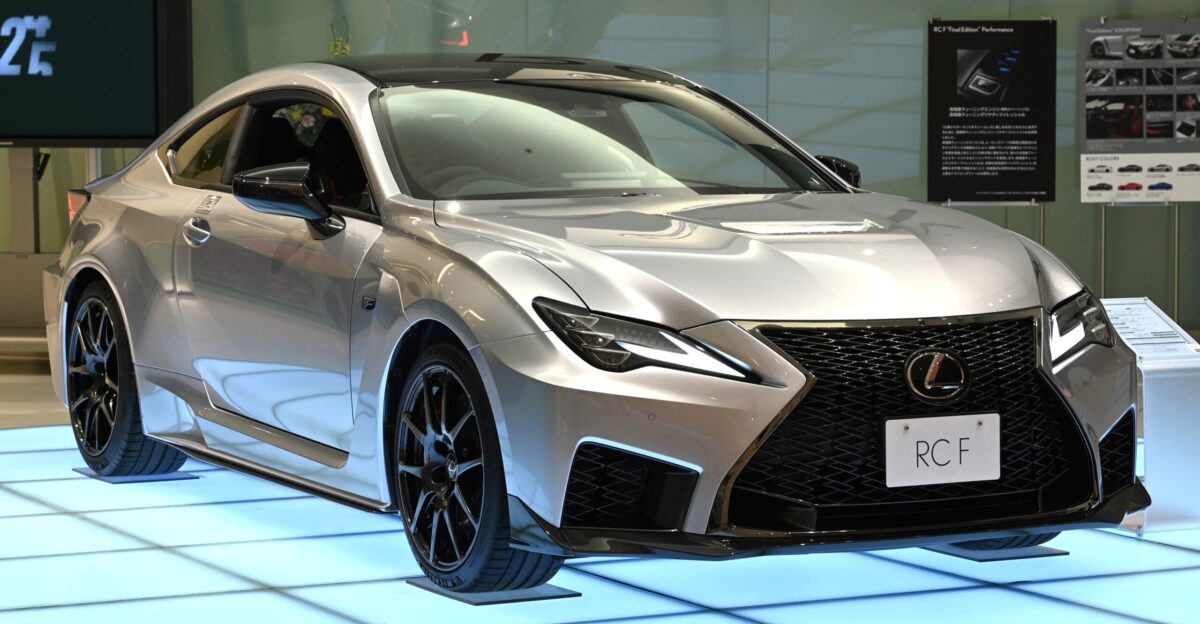
Lexus celebrated the RC’s final year with special Final Edition versions featuring distinctive red brake calipers and unique interior trim elements. The highly coveted RC F variant, rated at 472 horsepower, represents one of the last naturally aspirated V8 engines available in new automobiles.
The RC F Final Edition includes carbon exterior trim, adaptive suspension technology, and bespoke 19-inch BBS wheels. This final iteration represents the ultimate expression of the RC’s performance heritage.
Ford Escape Ends Despite Strong Recent Sales
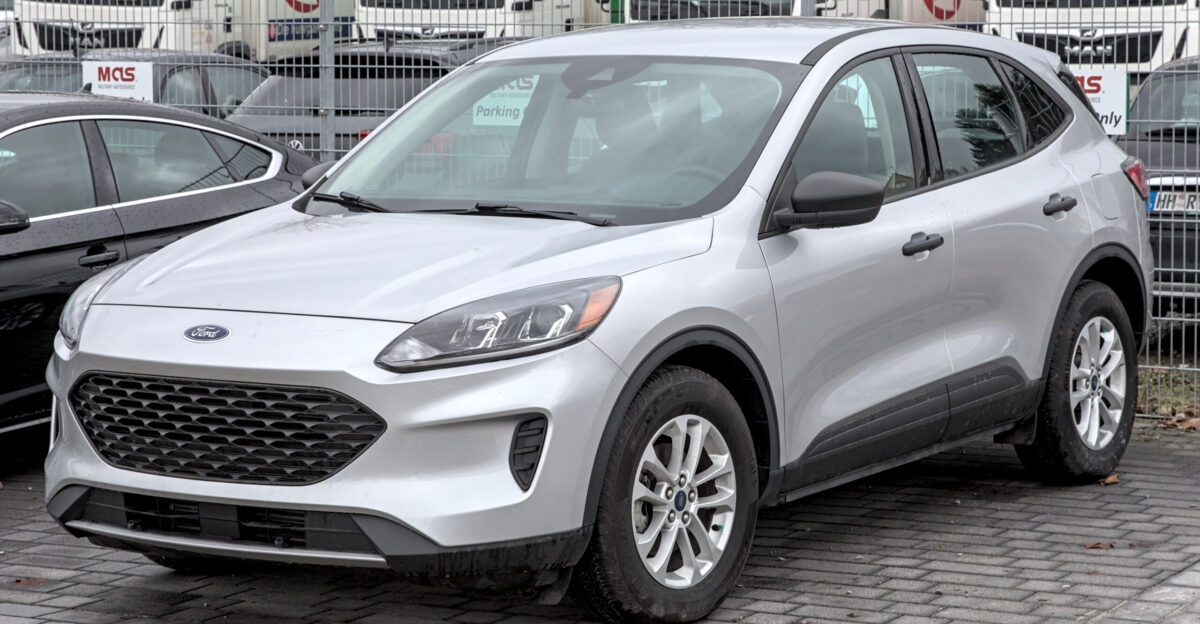
Ford announced that its venerable Escape compact crossover, one of the brand’s top-selling models over the past two decades, will conclude production after 2025. Despite maintaining strong sales momentum, with 82,589 units sold from January through June, representing a 10.8 percent year-over-year increase, the model will still be discontinued. Strategic manufacturing decisions required discontinuation.
The Louisville Assembly Plant in Kentucky is undergoing substantial retooling for the production of new-generation electric vehicles. Ford confirmed sufficient Escape inventory will be produced to satisfy existing orders extending into early 2026.