Walmart’s canned aisle promises value and convenience, but not every can pays off. As Foodie.com put it, “we assume bargains mean quality,” but shopper complaints often tell a different story, especially on taste and texture. This guide compiles eight Walmart canned products that attract frequent criticism in reviews, paired with simple homemade swaps.
Safety-tinged claims are grounded in reputable sources wherever applicable, and review-based notes are presented as shopper experiences you can verify. We’re not declaring universal truths—just passing along consistent patterns shoppers and food writers have reported.
Why Shopper Reviews Matter (and How to Read Them)

Product labels often highlight the best features—“farm fresh,” “traditional flavor,” or “family size.” Reviews capture what really arrives on dinner tables, unfiltered and unpolished. Many buyers take the time to describe texture, taste, and even health concerns after eating a canned product. That’s why reviews are more than just online chatter, they’re a food safety net for fellow shoppers.
Paying attention can help families make smarter choices, especially when canned staples are a pantry lifeline. Consider this a field guide, a crowd sentiment for taste/texture, and official sources for health and safety.
1. Great Value French-Style Green Beans
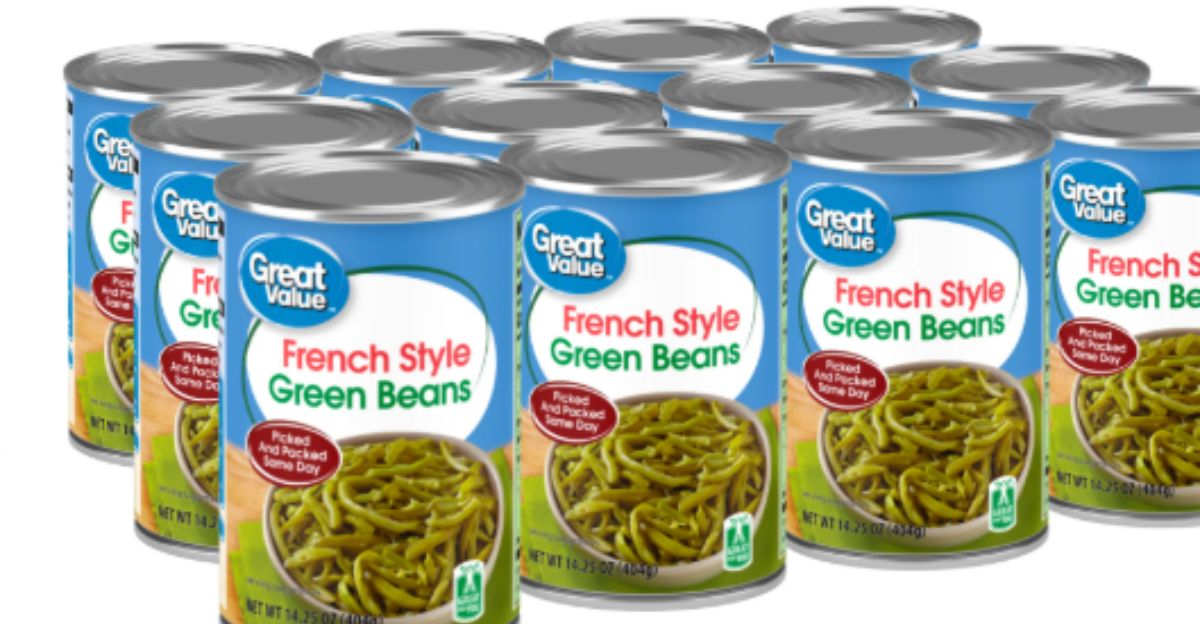
Shoppers expecting tender, bright beans often report the opposite with Great Value French-Style Green Beans when “tons of stems” and a pale, unappealing appearance are recurring complaints on Walmart’s review page. One review even describes stalk remnants “over two inches,” a quality-control gripe echoed across multiple low-star posts.
These opinions are easy to verify on the product’s review feed before you buy. If you need a reliably delicate texture for holidays or picky kids, reviewers suggest looking elsewhere or going fresh/frozen.
Homemade Alternative — Garlic-Sautéed Green Beans (Fast + Fresh)
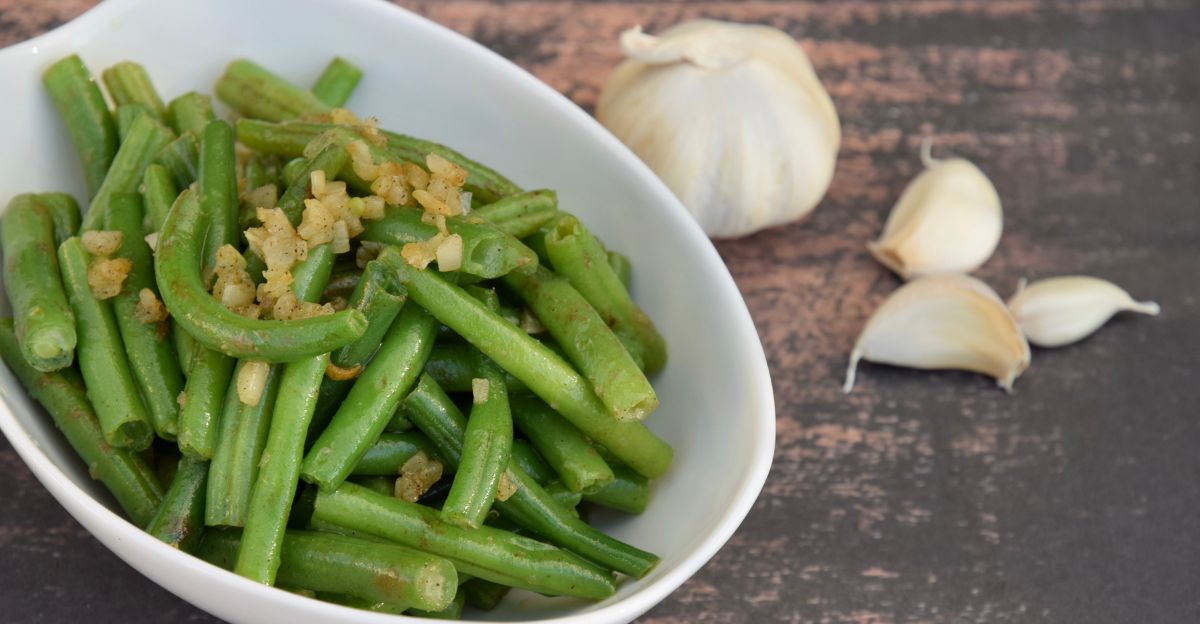
Skip the stem gamble and sauté fresh or frozen green beans in olive oil with sliced garlic until glossy and crisp-tender; finish with lemon and a pinch of salt. You control sodium and texture; reviewers frequently flag these issues with the canned version. This 10-minute side outperforms most canned textures and keeps color bright, which reviewers often miss in the French-style can.
If you need a pantry backup, frozen thin beans (haricots verts) keep their texture far better than long-processed cans, according to many home cooks and roundups of quick veggie upgrades.
2. Great Value Traditional Refried Beans
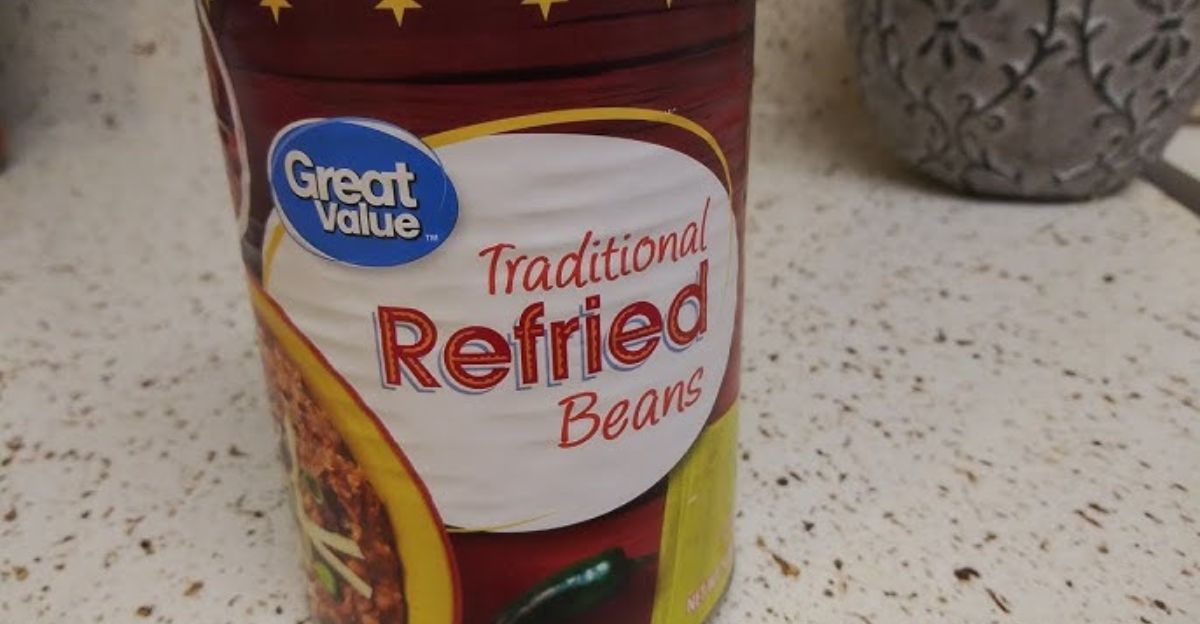
Refried beans should be silky and seasoned. Walmart reviewers, however, often complain about “greasy” cans with mixed whole/mashed beans and flat flavor; Foodie.com’s roundup notes the same pattern of texture inconsistency and underwhelming taste. Independent tastings at Tasting Table also place Great Value near the bottom relative to national brands, citing better options for similar prices.
If your family expects taqueria-style beans, these critiques suggest you may need to season heavily or choose a different brand. Verify by scanning low-rated reviews and recent taste tests before you stock up.
Homemade Alternative — Tex-Mex Refried Beans (Customizable in 25 Minutes)
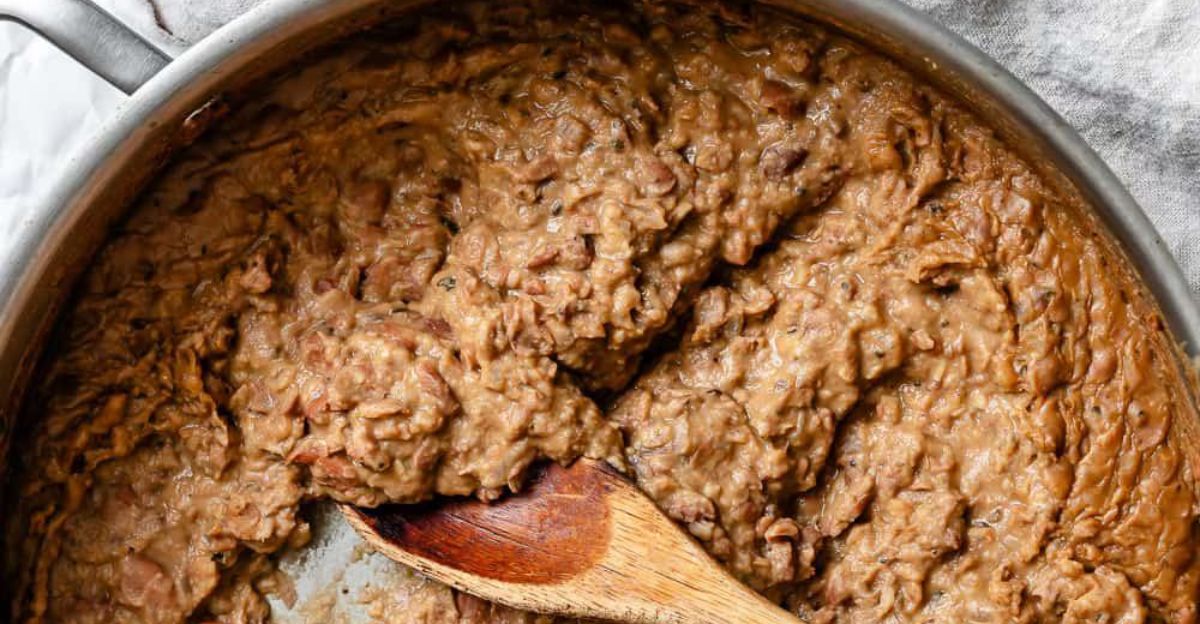
Sauté onion and garlic, add pinto beans (canned or cooked from dry), mash with oil or lard, and season with cumin and chili powder. Adjust salt and texture with broth. Reviewers who ditched the can often say homemade is creamier and far less oily; editors at Bon Appétit and others also highlight how seasoning control separates good beans from gloopy ones in tastings of store-bought options.
If convenience is key, start with a neutral, low-sodium canned bean and season assertively; you’ll still beat most of the “greasy” complaints in a short weeknight window.
3. Great Value Mixed Chili Beans
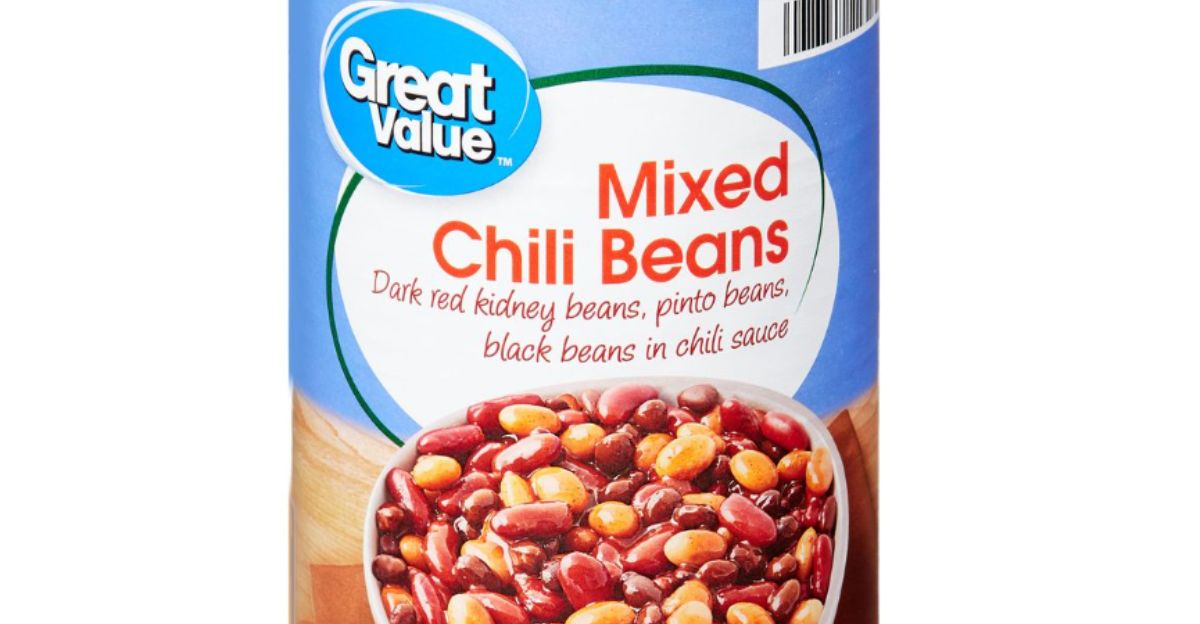
Great Value Mixed Chili Beans draw polarized ratings, but the bottom reviews repeatedly mention “smashed” beans and a “thick, unpleasant texture”—some even compare it to pet food. Scan the 1-star feed to see the pattern and decide if that texture works for your chili style; many reviewers want distinct beans that hold up during simmering, not a paste.
Because other buyers praise the value, this seems like a consistency problem across lots; it might be worth sampling a single can before you commit to a case. You can check the review trends directly on Walmart’s page.
Homemade Alternative — Slow-Simmered Chili (Beans That Hold Shape)
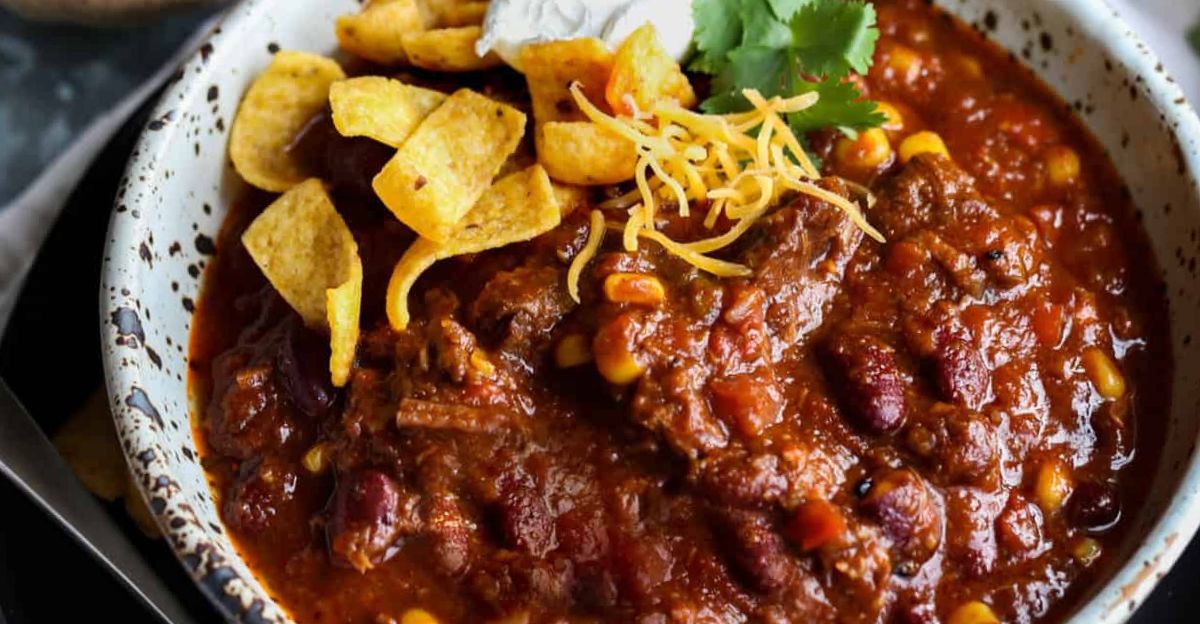
To avoid “mushed” beans, simmer gently and season in layers with aromatics, spices (chili powder, cumin, paprika), then tomatoes and beans. If you prefer intact beans, start with drained canned kidney/pinto or cooked-from-dry—both hold texture well.
Home cooks often note that they never go back to the can after trying a low-and-slow pot; you control salt, heat, and viscosity—the pain points in low-star reviews. Foodie.com’s chili write-ups echo how texture and salinity make or break the experience, two things that homemade fixes elegantly.
4. Great Value Bacon-Flavored Luncheon Meat
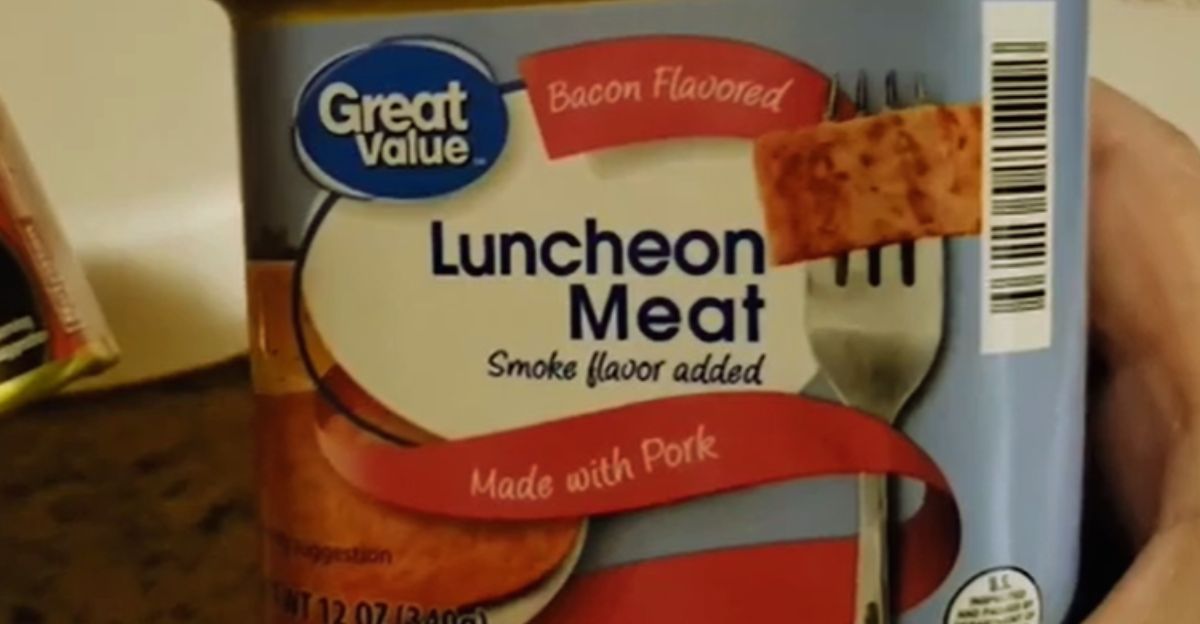
This is the most serious allegation on our list and needs careful framing. Foodie.com’s roundup quotes a Walmart shopper who called the product an “absolute health hazard,” claiming “bone shards in every can,” including enough to “cover a whole penny.” That’s a single consumer account, but it’s traceable and specific in Foodie’s reporting.
Walmart’s review page also contains low-star posts about texture and flavor. Because bone fragments are a known (though uncommon) processing hazard in meat plants, sharp-object complaints should be taken seriously and contents scrutinized.
Homemade Alternative — Bacon & Ham Salad (Safe, Simple Protein)

Mince cooked bacon and ham, then fold in celery, pickles, and a light mayo or Greek yogurt dressing. This fresh spread avoids the texture issues and harsh salt some reviewers report in canned luncheon meats.
If you want shelf-stable backup, choose brands with consistent QA and clear lot coding, and check can integrity at purchase (no dents, bulges, or compromised seams)—practices Walmart itself recommends during recalls or quality holds. Always defer to official recall channels for severe safety alerts rather than review chatter.
5. Great Value Hearts of Palm
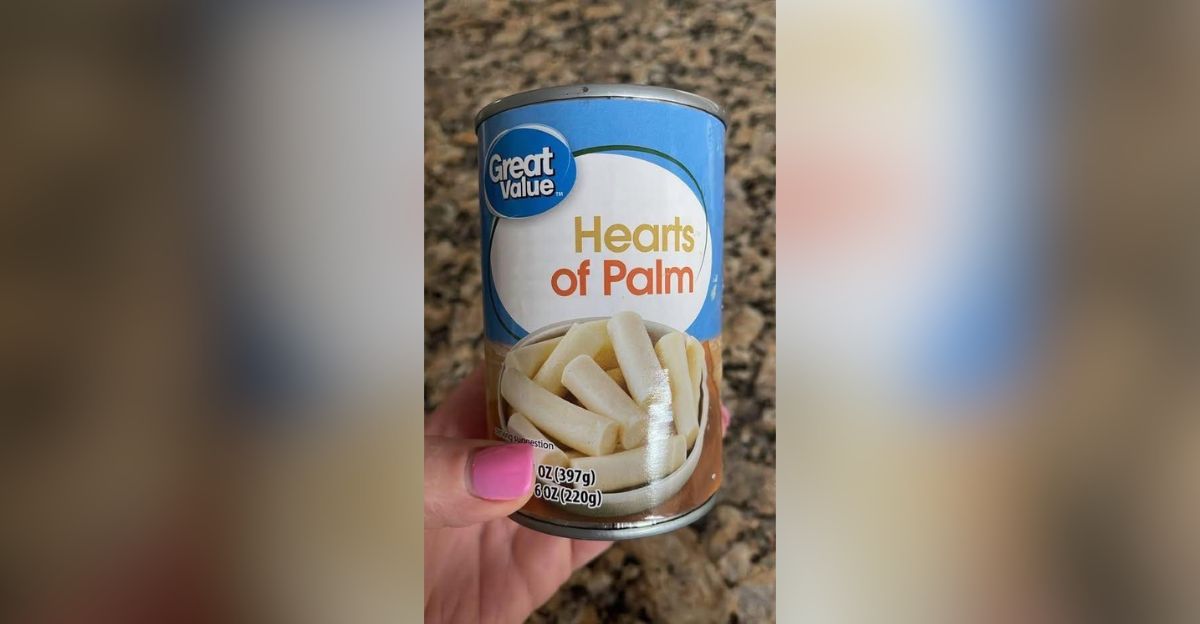
Hearts of palm should be tender with a clean snap. On Walmart’s review page, low-rated comments cite “mushy,” “fibrous,” or inconsistent pieces; others don’t mind the budget trade-offs. One reviewer also alleged higher sodium than expected. Treat such label concerns as unverified unless corroborated by regulators or a manufacturer’s statement.
The bottom line is that texture complaints are common enough in the 1-star section that you may want to try one can before buying multiples, especially if you plan to serve in salads where texture is the star.
Homemade Alternative — Marinated Hearts of Palm Salad (When You Can Find Better)
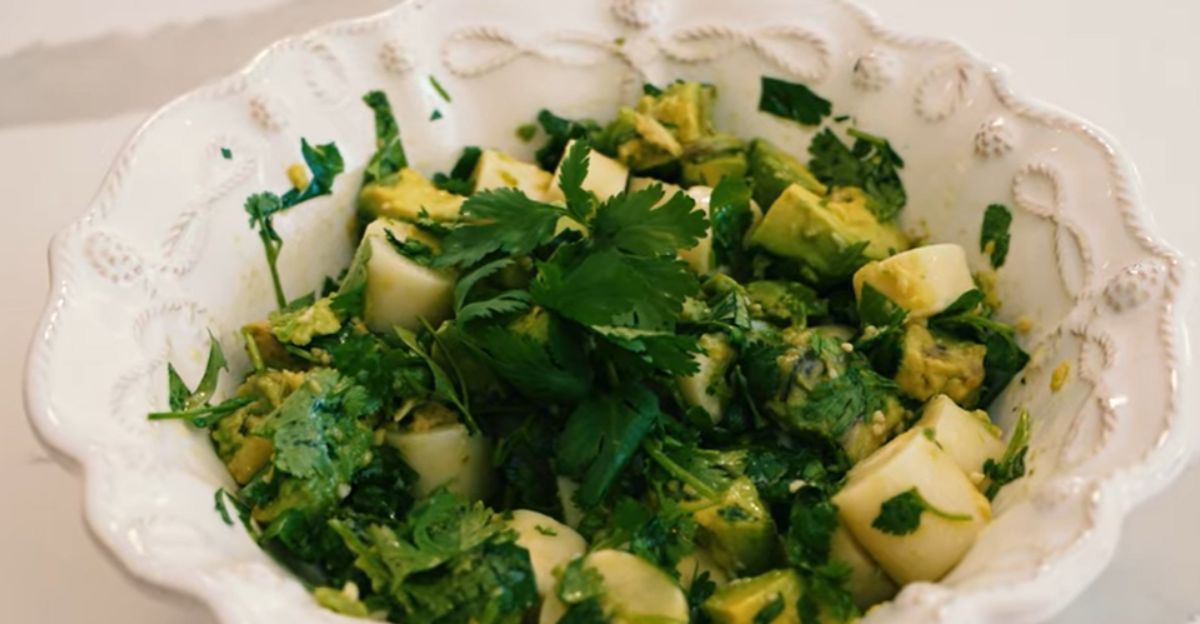
If you can source fresh or high-quality jarred hearts of palm, slice them thin and toss with tomatoes, red onion, lemon juice, and olive oil. Fans who switched say the “night-and-day difference” is mostly texture and salinity, two issues frequent in low-star canned reviews. Because “hearts” vary in thickness, rinse and pat dry before marinating to avoid waterlogged results.
If you must buy canned, chill thoroughly and season assertively. Even critics concede that acid and herbs help smooth out the “mushy” impressions some Walmart reviewers report.
6. Great Value Chicken Noodle Soup
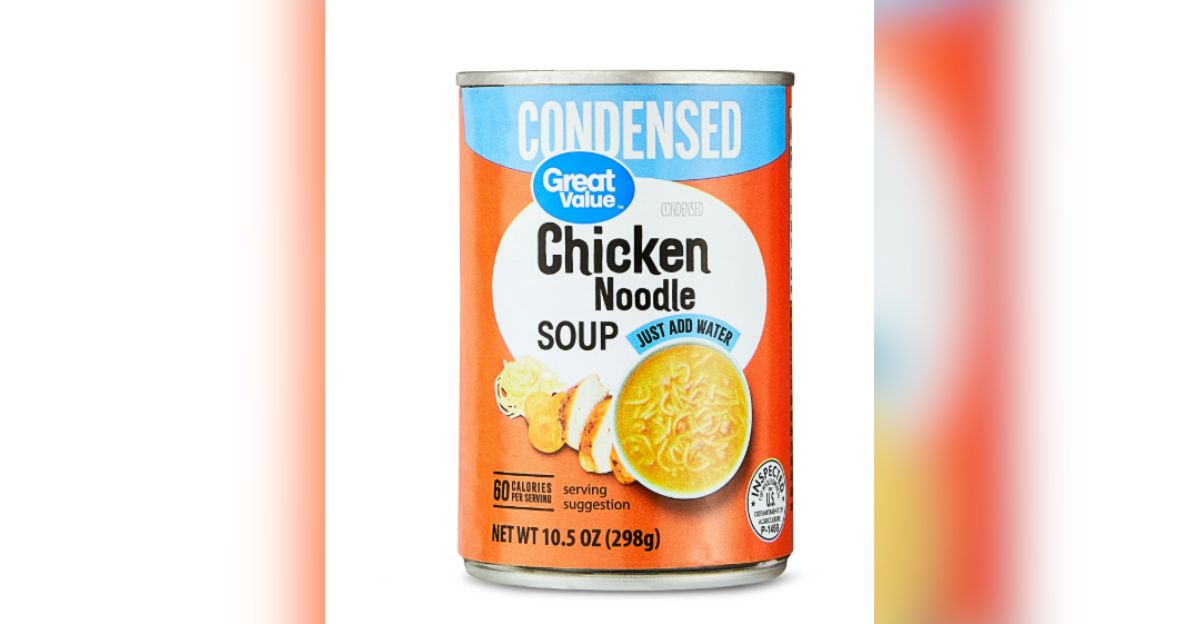
Comfort soup shouldn’t feel like noodles in yellow water. Low-rated Walmart reviews describe “hardly any chicken” and a “flat” broth compared with name brands, while some shoppers say they would rather “pay up for Campbell’s” after trying the Great Value can.
Note that other Walmart soups (organic/heart-healthy) also draw mixed reviews, illustrating how salt level and noodle texture divide buyers. If you’re buying for sick days or kids, scan the recent 1-star and 2-star comments first to know what to expect.
Homemade Alternative — Classic Chicken Noodle (Flavor You Control)
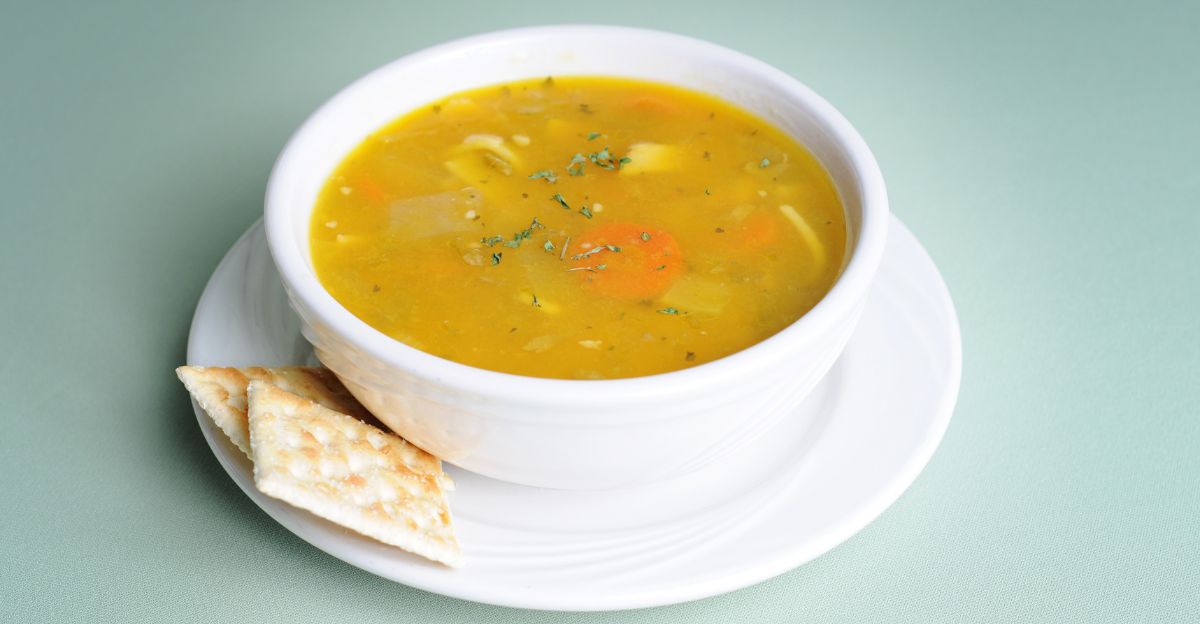
Simmer chicken with onion, celery, and carrots, then add noodles and finish with parsley, thyme, and a squeeze of lemon. As tasting panels often note, the advantage is seasoning control, as broths that taste “flat” in cans come alive with fresh herbs and acid.
If convenience matters, start with low-sodium boxed broth and rotisserie chicken. You’ll still avoid most of the “bland” and “sparse chicken” complaints on Walmart’s canned soups review pages. Keep salt in check for kids and anyone watching sodium.
7. Great Value Chili with Beans
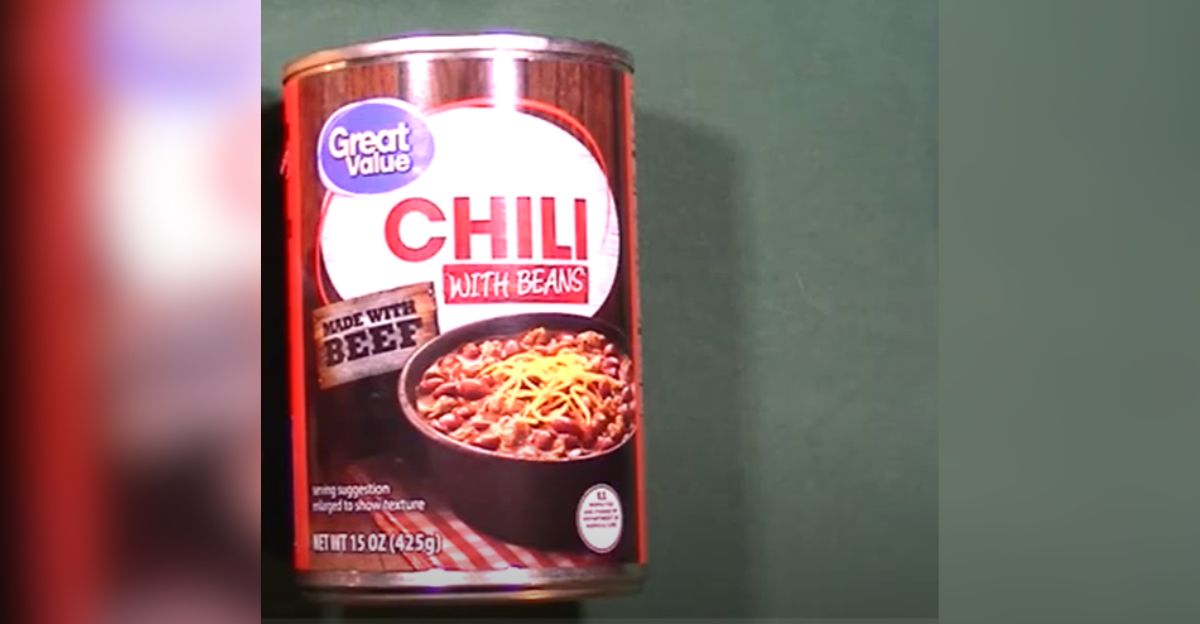
Taste is subjective, but patterns matter. On Walmart’s chili-with-beans page, low-star reviews often mention “super bland” flavor, watery texture, and mushy beans, and at least one shopper reported feeling ill after eating a can. Those are individual accounts, not medical findings, but visible in the 1-star stream.
Foodie.com also flags the Great Value chili line for disappointing flavor compared with rivals. If chili is your weeknight fallback, it may be worth sampling a single can and keeping spices on hand before buying by the case.
Homemade Alternative — Custom Chili (Smoky, Spicy, or Mild)
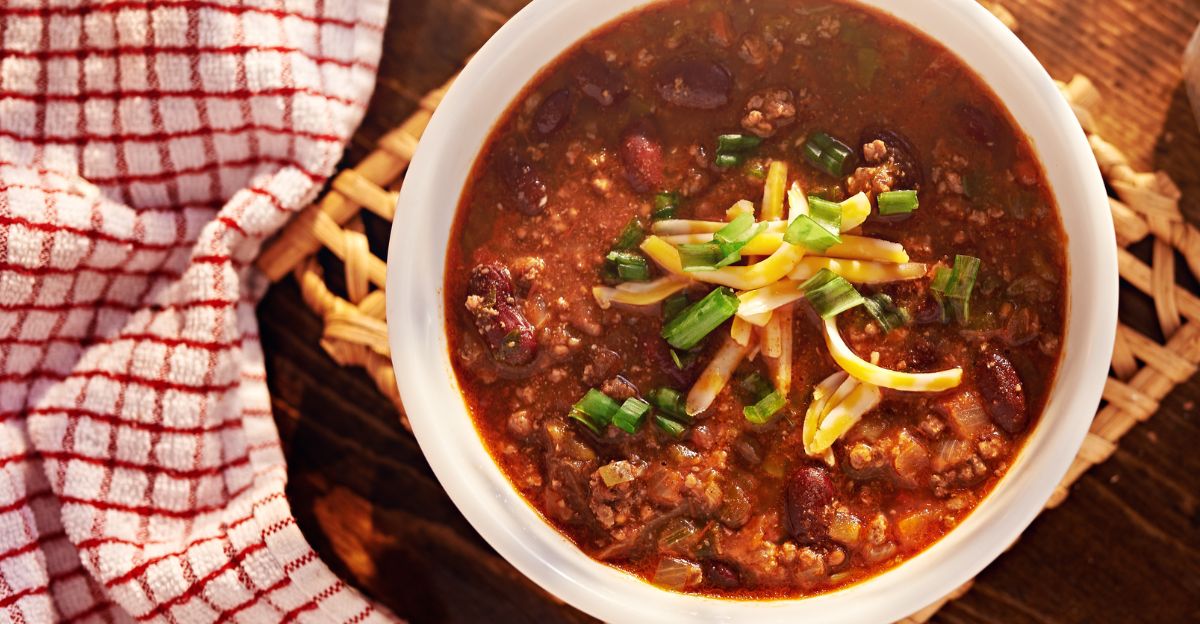
Build flavor in layers by browning the meat (or going meatless with mushrooms), blooming spices in fat, and adding tomatoes, broth, and beans. Simmer for at least an hour for depth. Home cooks routinely report that a basic pot outperforms canned versions on seasoning, texture, and aroma; taste tests underline how balanced salt and spice separate winners from also-rans.
If sodium is a concern, start low and finish with acid (vinegar or lime) to sharpen flavors without a salt bomb … the issue that plagues many mass-market chilis.
8. Great Value Golden Sweet Corn
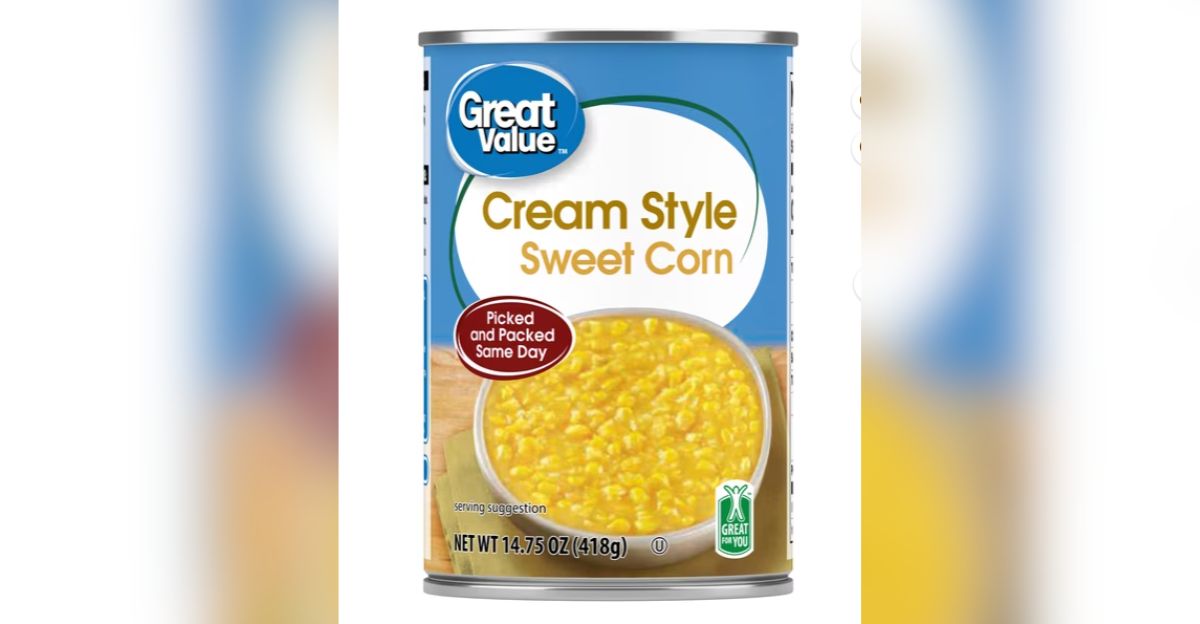
This item sparked viral posts when shoppers noticed two similar cans with different labels: some listed Thailand as the origin, different calories, and a Proposition 65 warning that “consuming this product can expose you to chemicals including lead.” TV “Verify” segments confirmed that Walmart was selling two versions from different suppliers; Prop 65 warnings appeared on some cans, not others.
Walmart attributed the differences to sourcing under high demand. This is a labeling/legal warning, not an FDA recall, but it’s reasonable for families to read labels closely.
Homemade Alternative — Roasted (or Frozen) Sweet Corn
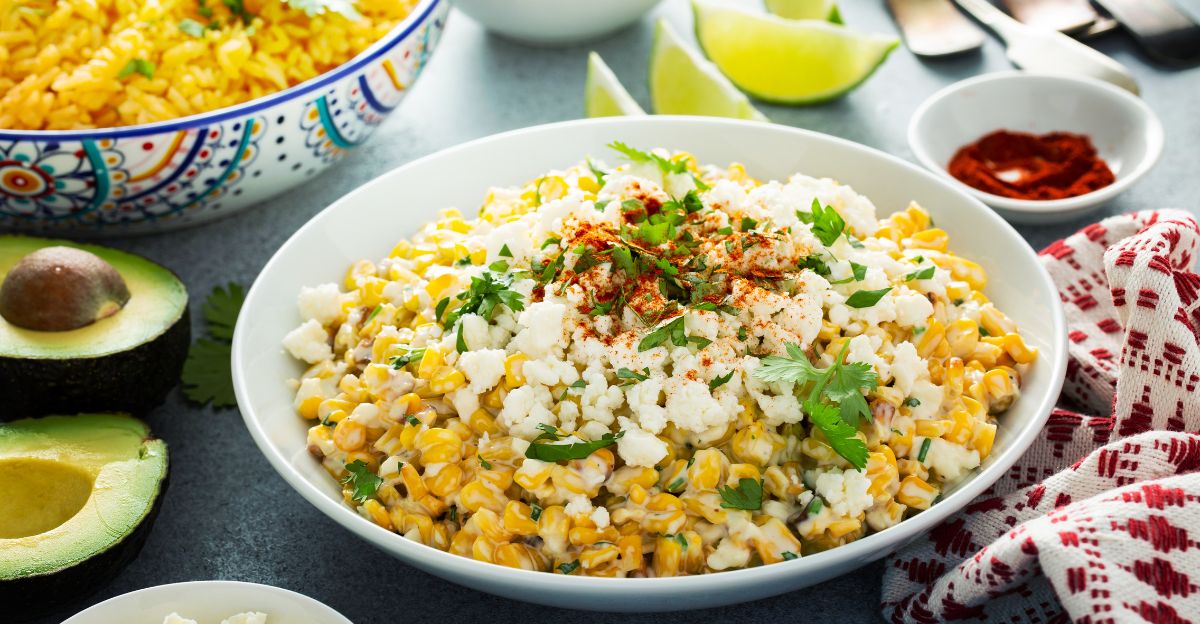
If the mixed labeling gives you pause, consider frozen or fresh corn. Roast kernels with oil until they char at the edges, then finish with lime or Parmesan. Reviewers who switched from canned cite cleaner flavor and better texture. Dietitians note that frozen vegetables often retain excellent nutrition.
If you buy the can, rinse kernels before cooking, a common food-safety suggestion from state agencies discussing general contaminant exposure under Prop 65. When in doubt, verify current guidance and choose the version (frozen, fresh, or specific canned lot) that fits your comfort level.
How to Shop Canned Foods Safely (Recalls and Red Flags)
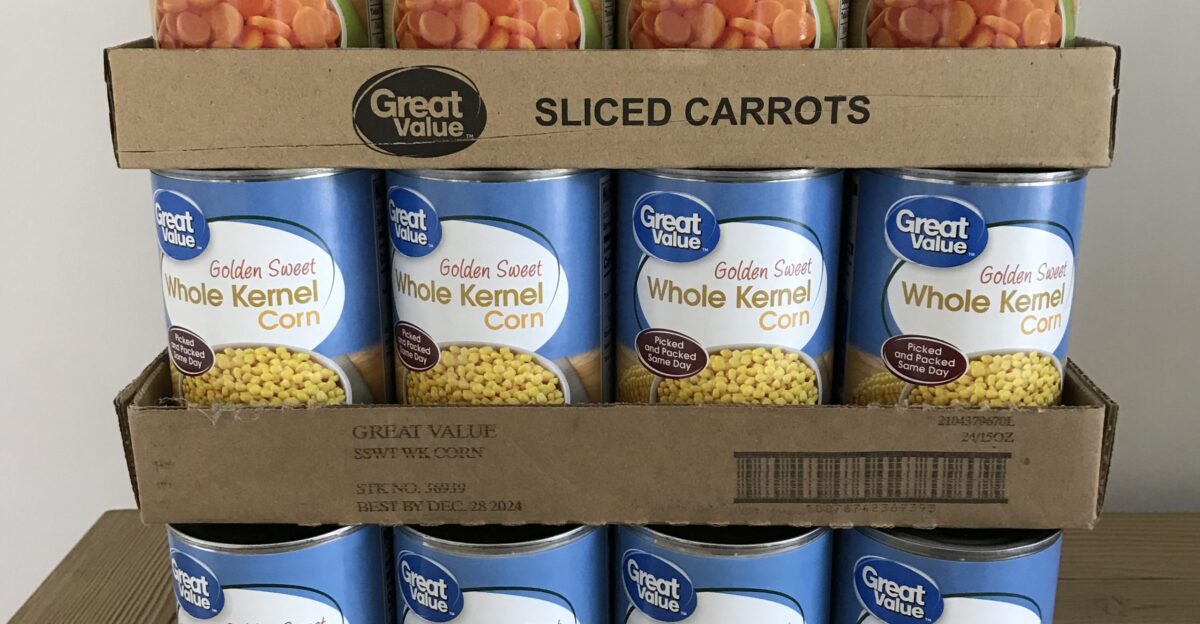
Most cans are safe, but vigilance pays. Inspect for dents, swelling, or rust before purchase; damaged seams are a no-go. For formal safety alerts (allergens, contamination), check FDA/USDA notices via FoodSafety.gov and Walmart’s recall page, which blocks items at registers during recalls.
Remember that isolated, scary reviews aren’t the same as recalls; you must look for official notices to confirm risks. When labels differ by supplier (like the corn example), use “Verify” reporting and agency guidance to decide what you’re comfortable serving.
Take Charge of Your Pantry (Smart Swaps, Clear Sources)
This article explored eight frequently criticized canned foods at Walmart, revealing how shoppers’ honest feedback uncovers recurring issues in taste, texture, and transparency. By listening to real voices and weighing alternatives, we empower ourselves to make smarter choices, not just to avoid unsatisfying cans, but to serve our families food we can feel good about.
The message isn’t to fear canned goods, but to approach them informed and curious. Next time you shop, remember that a better meal might be as close as your own kitchen, where quality, control, and satisfaction are always within reach.