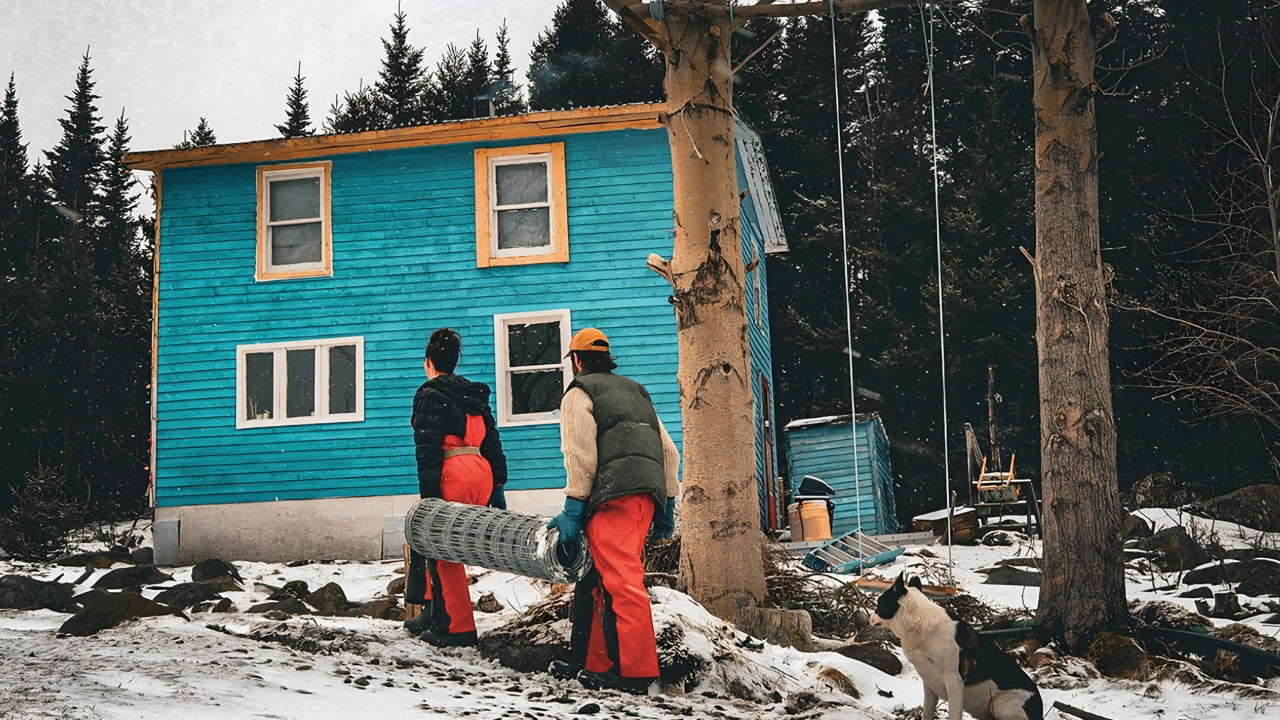
Over 20 million Americans now call themselves “preppers.” This number has doubled since 2017. These people prepare for society to collapse. They worry about economic problems, climate disasters, or infrastructure failures.
They don’t just stockpile supplies, they choose locations with water, fertile land, low population, natural barriers, and communities of like-minded people.
The best locations share common features: fresh water, fertile farmland, sparse population, and defensive terrain. From mountain ranges to tropical islands, eight destinations stand out as the top refuge choices for people preparing for an uncertain future.
1. The Ozarks
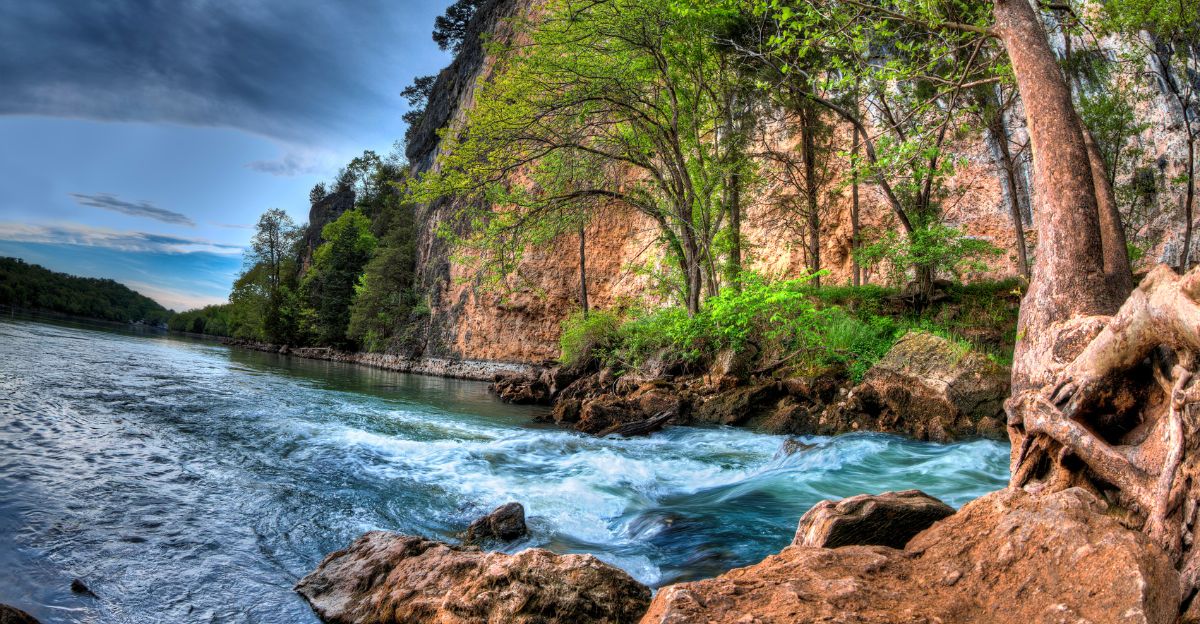
The Ozarks region spans the northern part of Arkansas and the southern part of Missouri. This rugged plateau offers unique survival advantages. Thousands of natural caves provide ready-made shelters with stable temperatures throughout the year.
These caves protect from extreme weather and potential threats. The Ozarks have an abundance of fresh water from rivers, springs, and underground aquifers. The Missouri and Mississippi Rivers offer fishing and transportation.
The forests are home to deer, turkey, and other wild game, offering opportunities for hunting and a source of food.
Self-Sufficient Living in America’s Heartland
The Ozarks region offers practical advantages for building self-sufficient homesteads. Land prices are affordable with minimal building restrictions. The mild four-season climate supports long growing seasons ideal for agriculture.
The soil is fertile and can support a diverse range of crops for food production. Rural communities embrace hunting, farming, and homesteading skills. The region is situated far from major cities, resulting in low population density and fewer people competing for resources.
The central location keeps it out of harm’s way from hurricanes and harsh northern winters. The Ozarks offer a perfect balance between accessible and secluded living.
2. Alaska
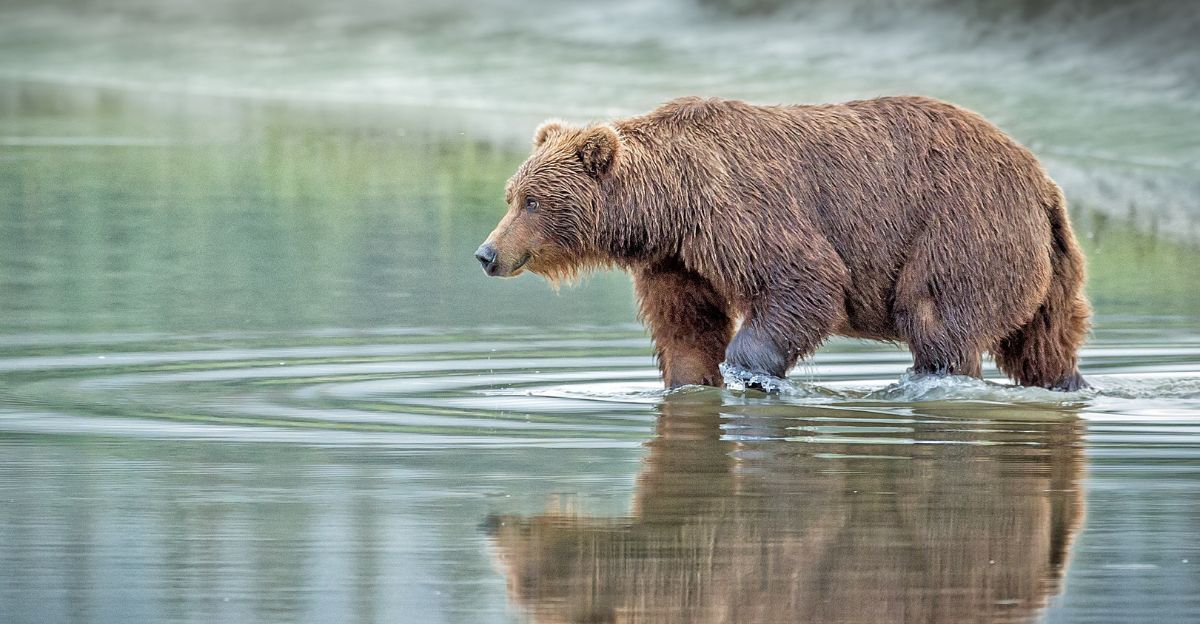
Alaska represents the ultimate destination of isolation, boasting an abundance of natural resources. The Alaskan Interior offers unlimited wilderness where people can completely disappear from society. The region is characterized by vast forests with minimal human presence.
The remoteness means trouble rarely finds you. You get natural protection from desperate populations fleeing cities. Despite the harsh climate, Alaska offers a diverse range of wildlife, including moose, salmon, caribou, and wild berries, all of which are available year-round.
Summer days last exceptionally long, allowing short but productive growing seasons in greenhouses. Low population density means minimal competition for resources and a reduced impact on wildlife.
Challenges and Rewards of Arctic Survival
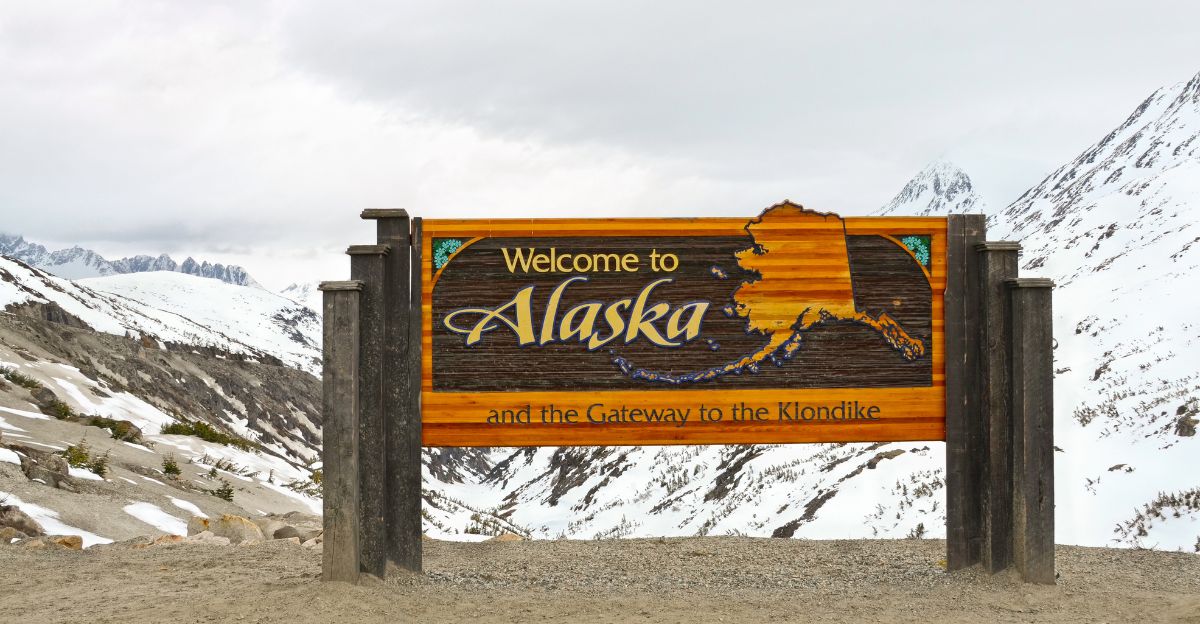
Living in Alaska during a collapse demands serious preparation and strong skills. Winter temperatures drop far below zero and last for months. Shelter building becomes critical because inadequate protection can cause death within hours.
The isolation that provides security also means limited medical care and supplies. Survivors must develop comprehensive knowledge of first aid and basic medical skills. Those who adapt gain unparalleled self-sufficiency. Alaska offers an abundance of natural building materials, including timber, for construction and heating purposes.
The state experiences few tornadoes, hurricanes, or earthquakes. Alaska offers complete separation from society and the highest probability of genuine long-term survival.
3. Idaho
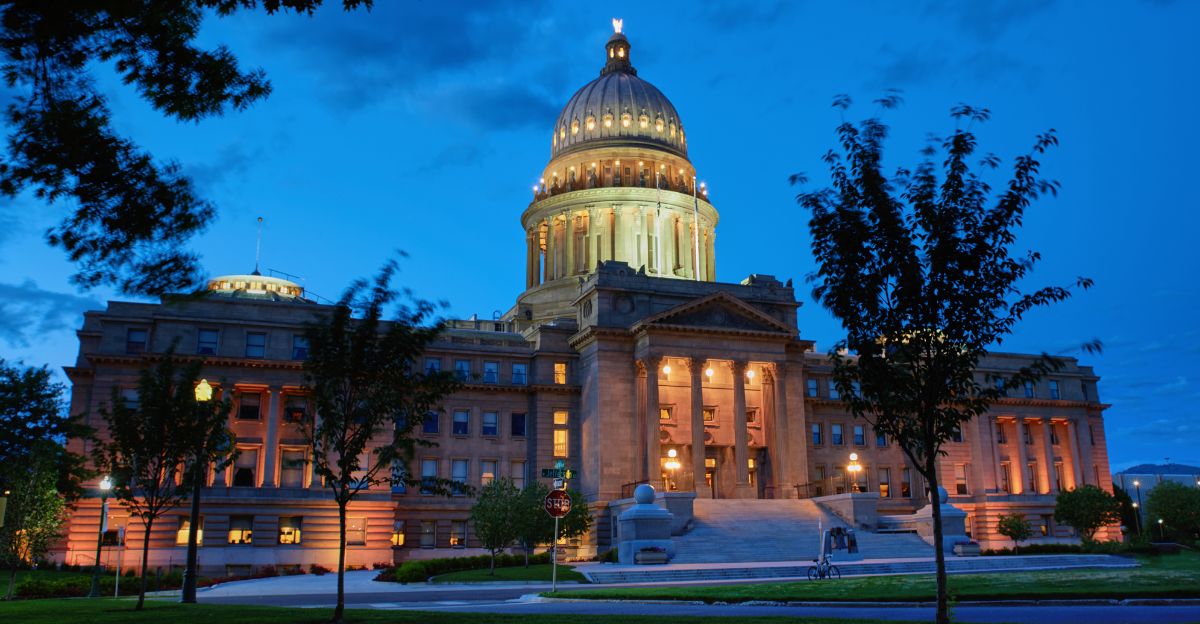
Idaho leads the American Redoubt movement. This movement designates Idaho, Montana, and Wyoming as safe havens for conservative Christians preparing for societal breakdown. Survivalist blogger James Wesley Rawles proposed this concept in 2011.
Hundreds to thousands of people have relocated specifically for survival purposes. Idaho attracts preppers due to its low population density, lack of major natural hazards, and the presence of many like-minded individuals.
The state offers vast tracts of affordable land for off-grid homesteads with few regulatory restrictions. Idaho’s diverse terrain ranges from high desert to dense forests for different survival strategies. Farming infrastructure and knowledge remain strong in rural communities.
Infrastructure for Independent Living
Idaho offers excellent infrastructure for establishing long-term survival communities. The state possesses an abundance of fresh water from rivers, lakes, and natural springs. Forests provide an endless supply of firewood for heating and cooking. Diverse wildlife populations support sustainable hunting practices.
Idaho hosts numerous survival training facilities, preparedness expos, and off-grid communities that share knowledge and expertise. Several bunker communities offer shared survival spaces for those who cannot afford individual retreats. The state’s strong gun rights culture and minimal government rules appeal to those prioritizing personal freedom and self-defense.
Idaho’s location avoids coastal vulnerabilities and major earthquake zones while providing elevation advantages. The growing prepper population creates a supportive network for training, supplies, and community connections.
4. Montana
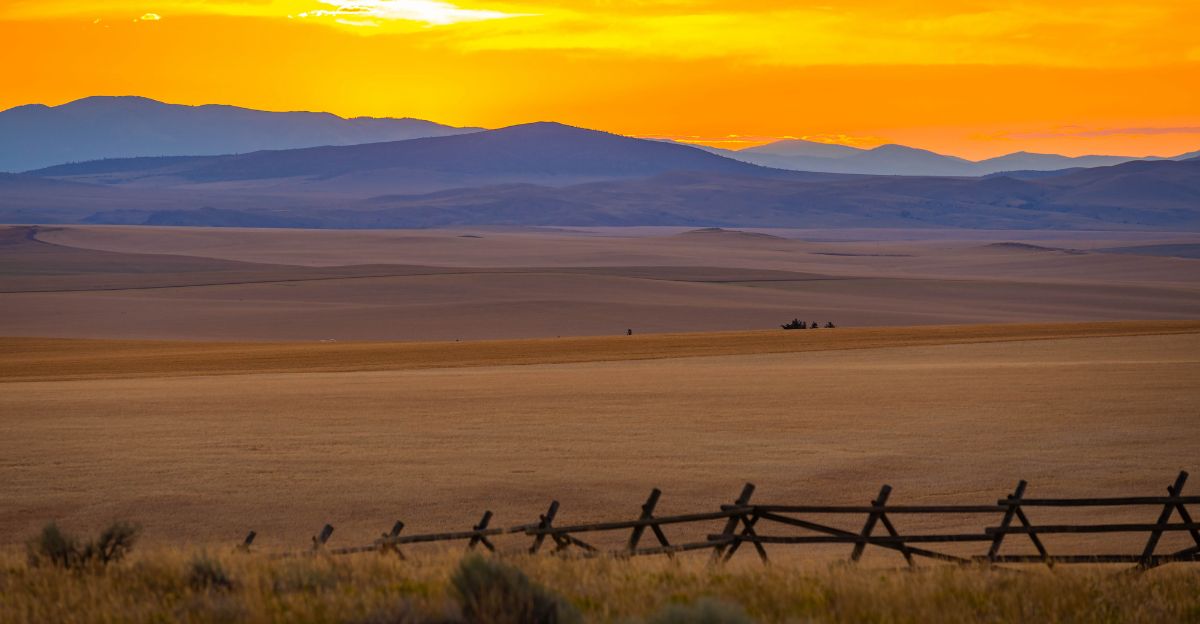
Montana represents another cornerstone of the American Redoubt, boasting expansive wilderness and established survival infrastructure. Paradise Valley, near Yellowstone National Park, features notable underground bunker networks built during the Cold War for protection against nuclear fallout.
Fifty-two underground bunkers can house hundreds of people. Modern preppers repurpose these into survival communities and private retreats. The state’s extremely low population density allows establishing homesteads miles from neighbors.
Montana’s diverse landscape encompasses mountains, prairies, and forests, providing strategic defensive positions and abundant resources. Rivers and lakes provide abundant fish and fresh water. Forests support thriving populations of deer, elk, and other game animals, which are hunted.
Resilience and Resource Abundance
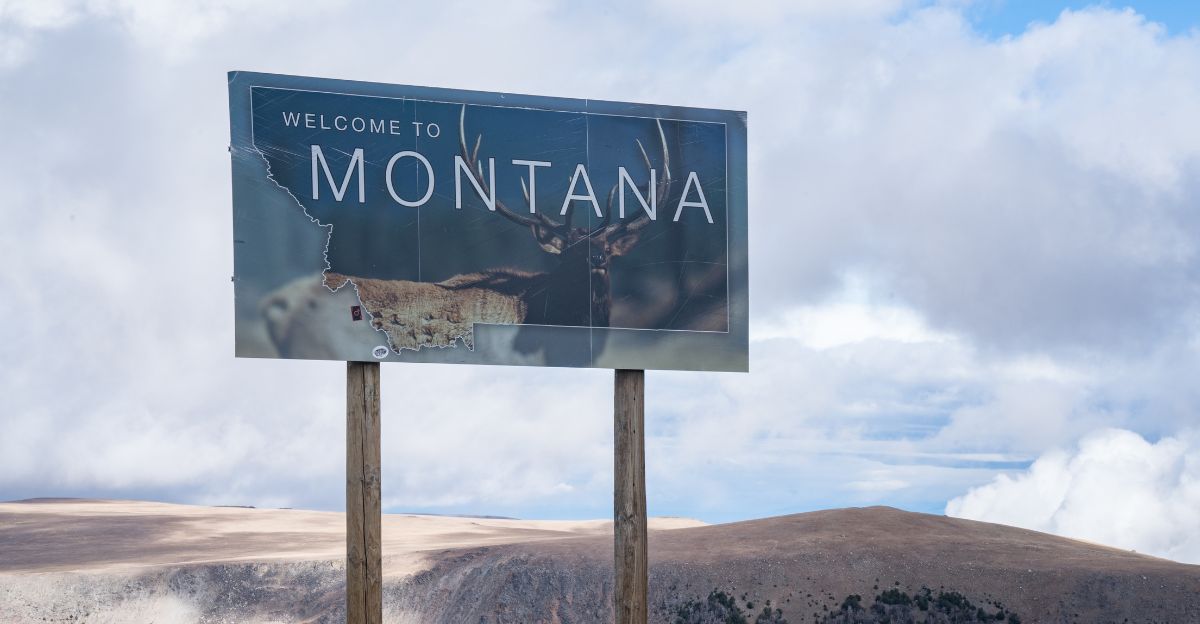
Montana’s economic resilience enhances its appeal as a destination for those seeking a better quality of life. The state demonstrated impressive stability during recent recessions. It offers better unemployment coverage and government reserves than most states.
Montana’s agricultural economy, based on ranching and farming, ensures the integrity of food production systems during economic disruptions. The state’s strong homesteading culture means that many residents possess skills in food preservation, animal husbandry, and off-grid living. Harsh winters provide natural pest control, reducing the number of disease-carrying insects.
Renewable energy potential includes hydropower from mountain streams and abundant sunshine for solar installations. Montana’s government maintains a hands-off approach to private property rights, allowing people to build freely. The state offers an ideal balance between wilderness isolation and access to small-town resources.
5. Pacific Northwest
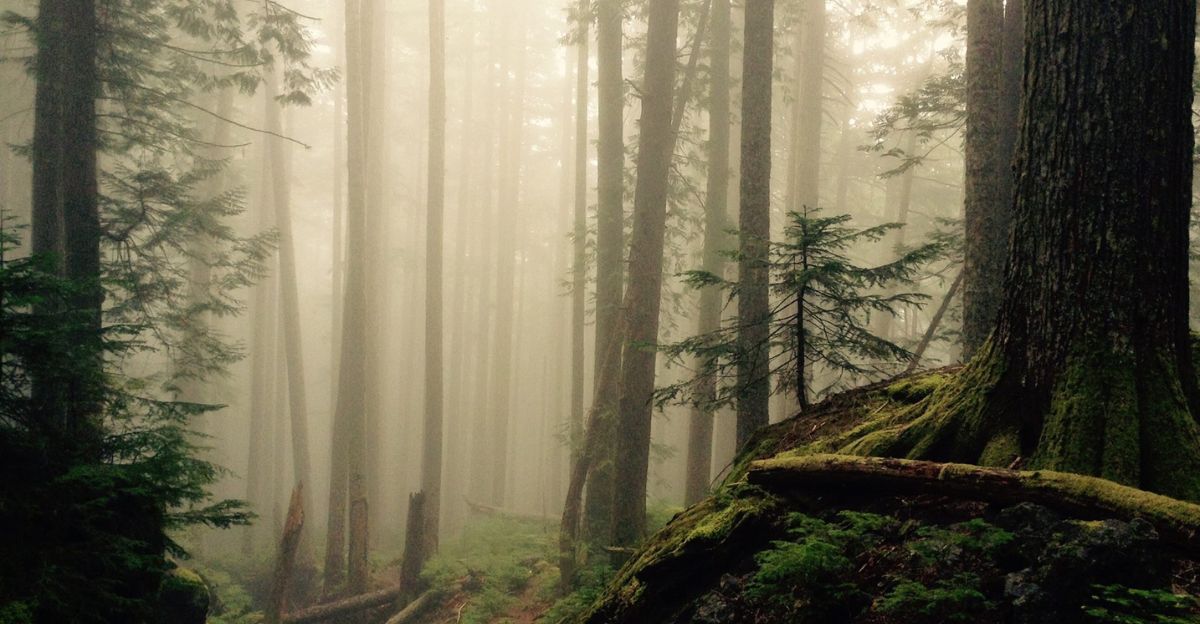
The Pacific Northwest, which includes Oregon and Washington, attracts off-grid enthusiasts and survivalists. The region’s mild weather allows year-round agriculture in many areas. This eliminates the need for extensive cold-weather preparations typically required in northern states.
The Pacific Northwest boasts incredible ecosystem diversity, ranging from coastal, seafood-rich areas to inland, game-filled forests. Abundant rainfall ensures reliable water collection through catchment systems. Numerous rivers and streams provide additional water access. Dense forests offer an abundance of building materials and firewood.
The Cascade Mountains create natural barriers protecting inland communities from coastal threats. The region hosts thriving off-grid communities with established networks of homesteaders and sustainability advocates sharing knowledge and resources.
Established Preparedness Culture
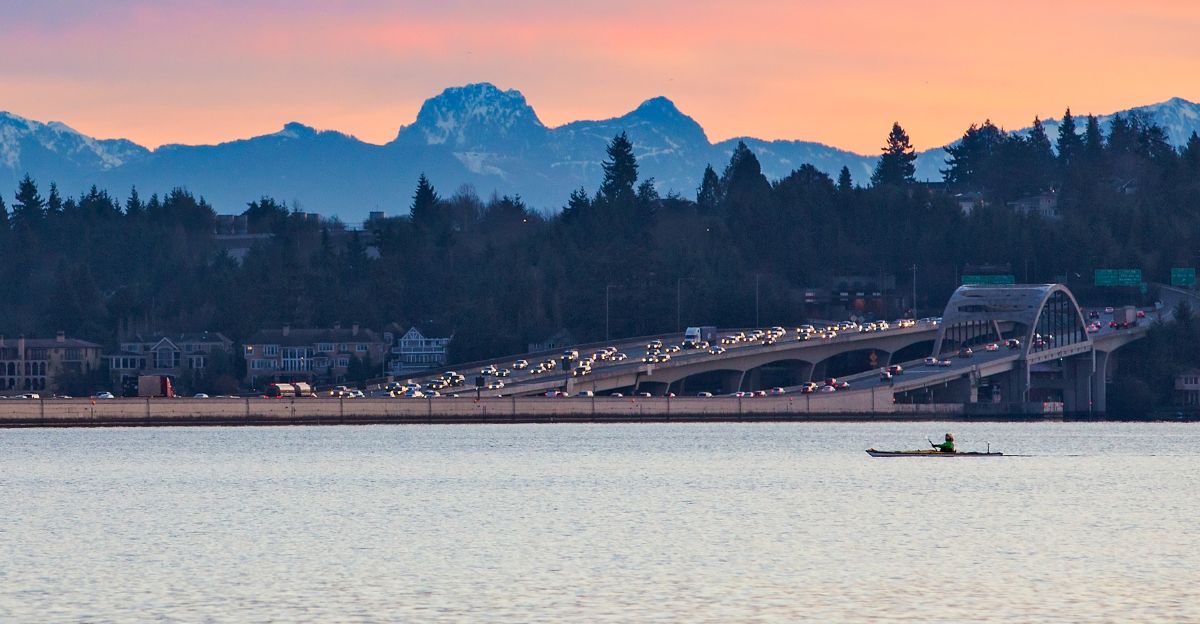
The Pacific Northwest’s greatest strength is its established culture of self-sufficiency and environmental stewardship. Many residents have already transitioned to off-grid living, creating blueprints and support systems for newcomers to follow.
Local farmers’ markets and food networks demonstrate viable, localized food systems that are independent of national supply chains. Oregon and Washington embrace alternative energy with widespread solar and wind installations. Renewable energy expertise is readily available in these communities.
Volcanic soil offers exceptional fertility for a wide range of crops, including fruits, vegetables, and wine grapes. However, the region faces wildfire risk in drier inland areas and potential major earthquakes along the Cascadia Subduction Zone.
The combination of a moderate climate, abundant resources, and established communities makes it a top choice for survival.
6. Appalachian Mountains
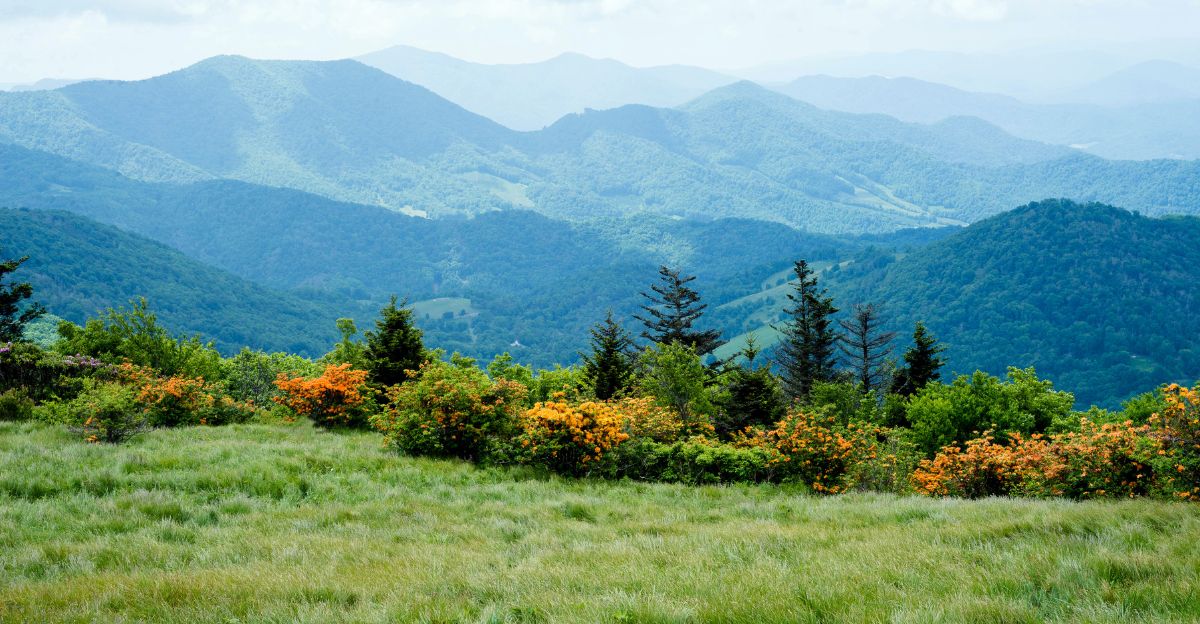
The Appalachian Mountain region, especially West Virginia and Tennessee, offers East Coast residents a viable survival destination. Cross-country relocation becomes unnecessary. Ancient mountains provide natural defensive positions with elevation advantages and limited access points for monitoring.
West Virginia features numerous caves, rock formations, and hidden valleys offering natural shelter and concealment. The region possesses abundant coal reserves and expertise in extracting energy resources. Appalachian rivers and streams provide reliable access to fresh water.
Diverse wildlife populations include deer, turkey, and black bears, which are suitable for hunting. The mild four-season climate enables productive agriculture without the extremes of northern cold or oppressive southern heat.
Self-Sufficient Mountain Culture
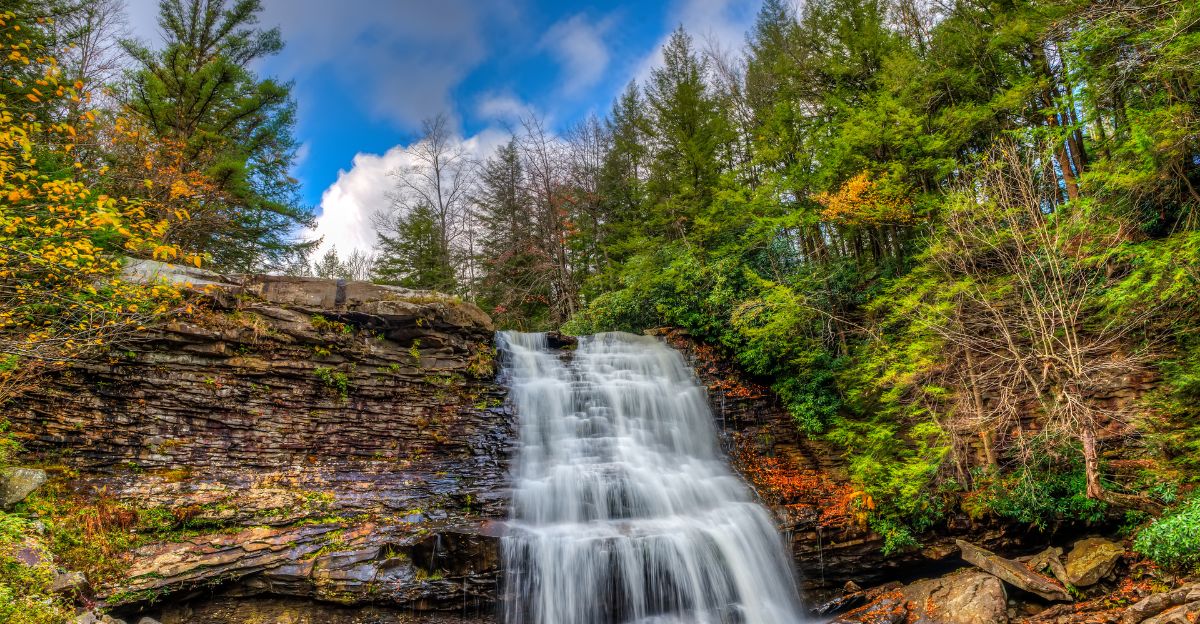
The Appalachian region’s greatest asset is its self-reliant culture and traditional skills passed through generations. Rural mountain communities practice subsistence farming, hunting, and food preservation using time-tested methods. Tennessee’s abundant rainfall supports agriculture.
The state’s central location provides safety from coastal hurricanes and western wildfires. West Virginia offers low property costs, making land ownership accessible. A sparse population reduces resource competition. The Appalachian Trail and state parks demonstrate extensive wilderness networks for retreat.
Existing infrastructure includes hunting camps, remote cabins, and off-grid properties providing ready-made refuges. Higher-elevation areas offer limited growing seasons and humid summers, requiring careful food storage. The region offers established mountain culture, accessible land, and natural defenses.
7. Wyoming
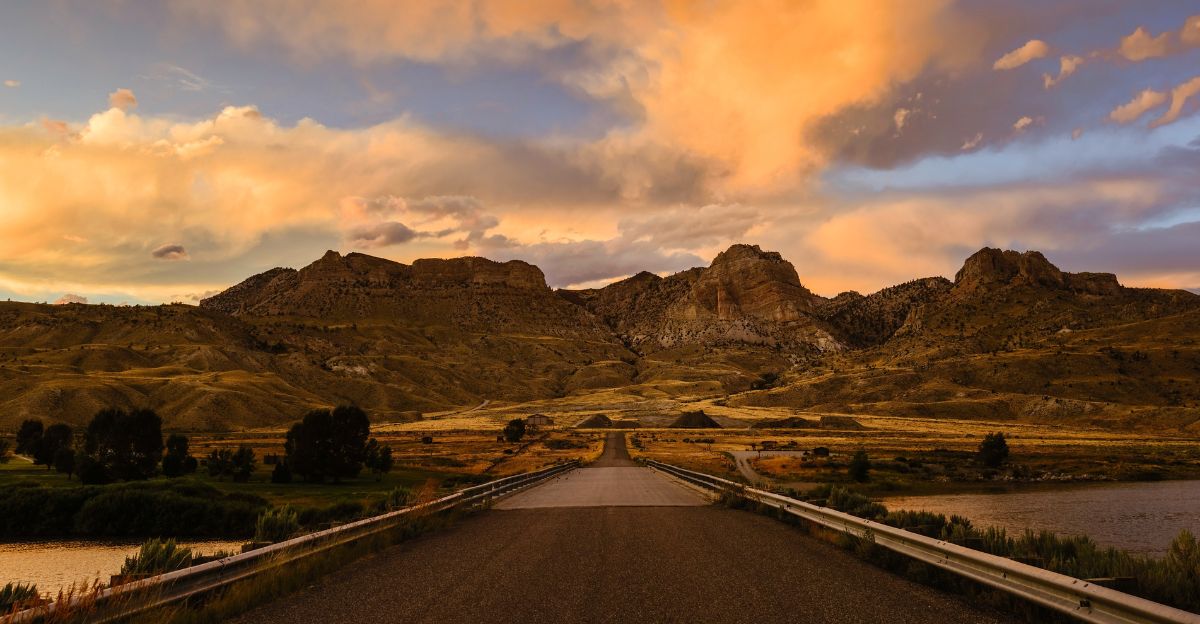
Wyoming earns recognition as a premier survival destination due to extreme isolation and natural defensive advantages. High elevation provides strategic visibility and creates a harsh climate, naturally limiting population density. Vast open spaces allow establishing homesteads miles from neighbors, ensuring resource security and privacy.
The Rocky Mountains offer natural protection from threats while providing access to mountain streams and wildlife. Clean rivers and fertile valleys support agriculture and livestock raising. Ranching forms the backbone of Wyoming’s rural economy. Wyoming has one of the nation’s lowest population densities, resulting in minimal land and resource competition during a crisis.
Prepper Infrastructure and Challenges
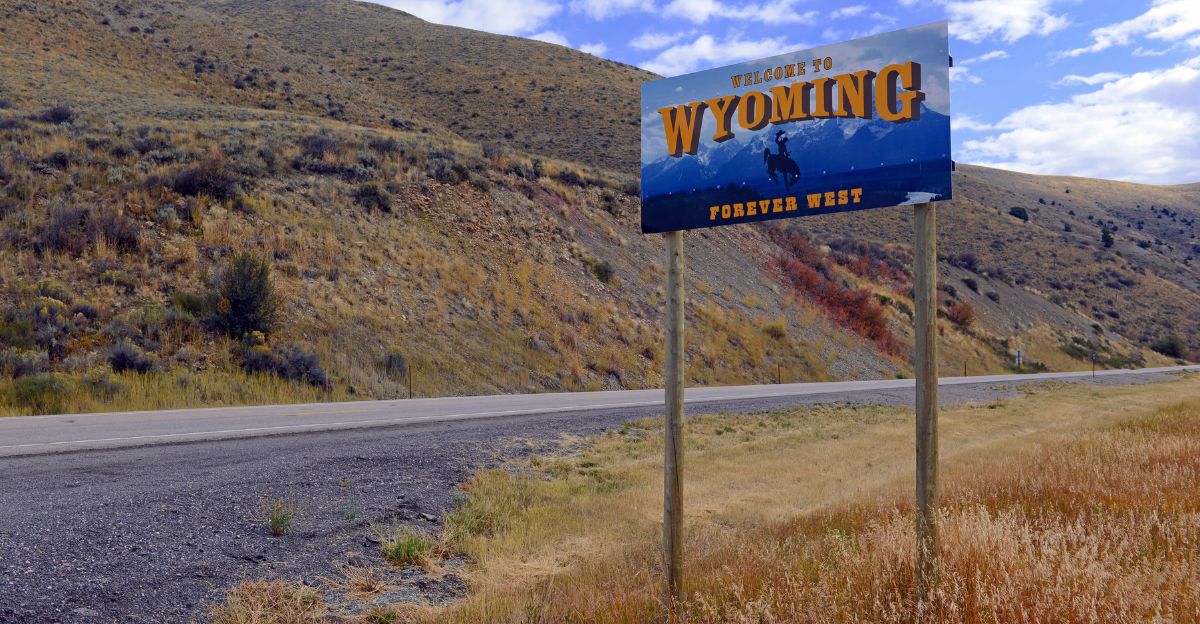
Wyoming has an unusually strong preparedness culture among U.S. states. The state legislature considered official task forces to study disaster scenarios. Wyoming hosts numerous underground bunker installations and survival communities. Some individuals invest hundreds of thousands of dollars in sophisticated shelter systems.
The state’s strong gun rights culture and minimal regulations appeal to those prioritizing personal freedom and self-defense. Wyoming’s energy- and agriculture-based economy provides stability that transcends broader economic fluctuations. However, Wyoming faces significant challenges, including extremely short growing seasons and bitterly cold winters requiring extensive preparation.
Water management becomes critical in an arid climate. Limited medical facilities and isolation result in restricted access to supplies. Despite challenges, Wyoming’s defensive terrain, low population, and prepper infrastructure make it a cornerstone for survival planning.
8. Hawaii’s Big Island
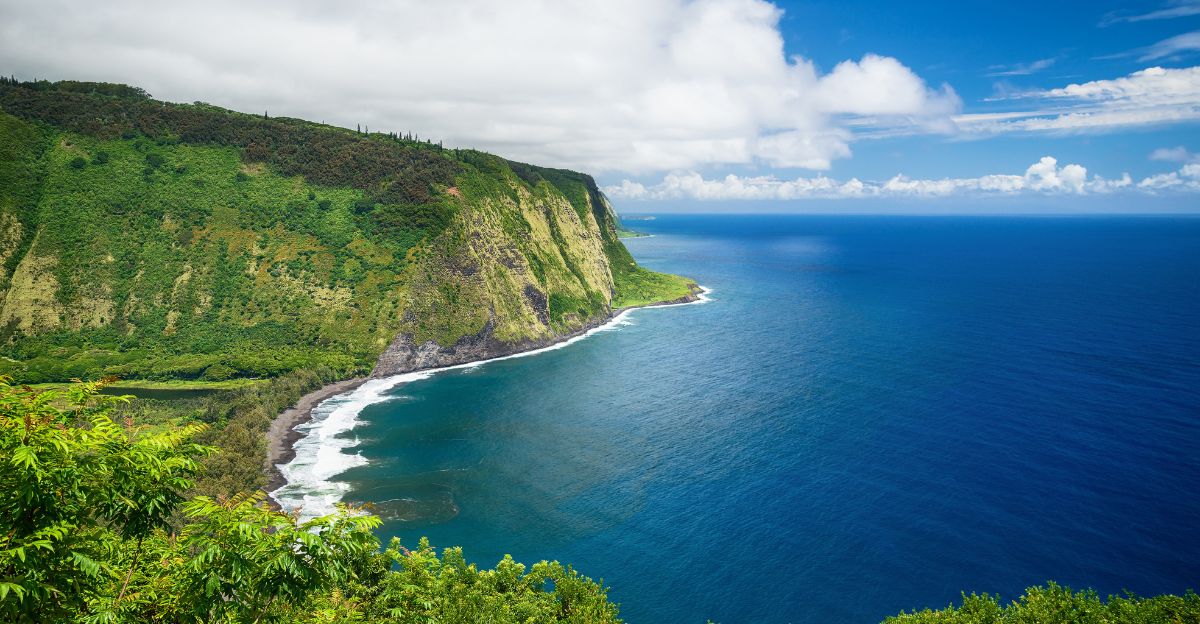
Hawaii’s Big Island presents a unique survival destination, contrasting sharply with typical mountain and desert prepper locations. The island’s tropical climate eliminates the need for heating, drastically reducing energy requirements and the need for cold-weather preparation.
Year-round growing seasons allow continuous food production. People grow bananas, papayas, coconuts, and breadfruit. Abundant rainfall in certain regions makes water collection straightforward through catchment systems. Volcanic soil provides exceptional fertility. Island permaculture practitioners have developed sophisticated food forests that require minimal maintenance.
The surrounding ocean offers an abundance of seafood through fishing and gathering. Wild boar and other species provide hunting opportunities. Existing off-grid communities demonstrate that self-sufficient living is possible and comfortable in Hawaii’s favorable climate.
Island Isolation and Resource Considerations
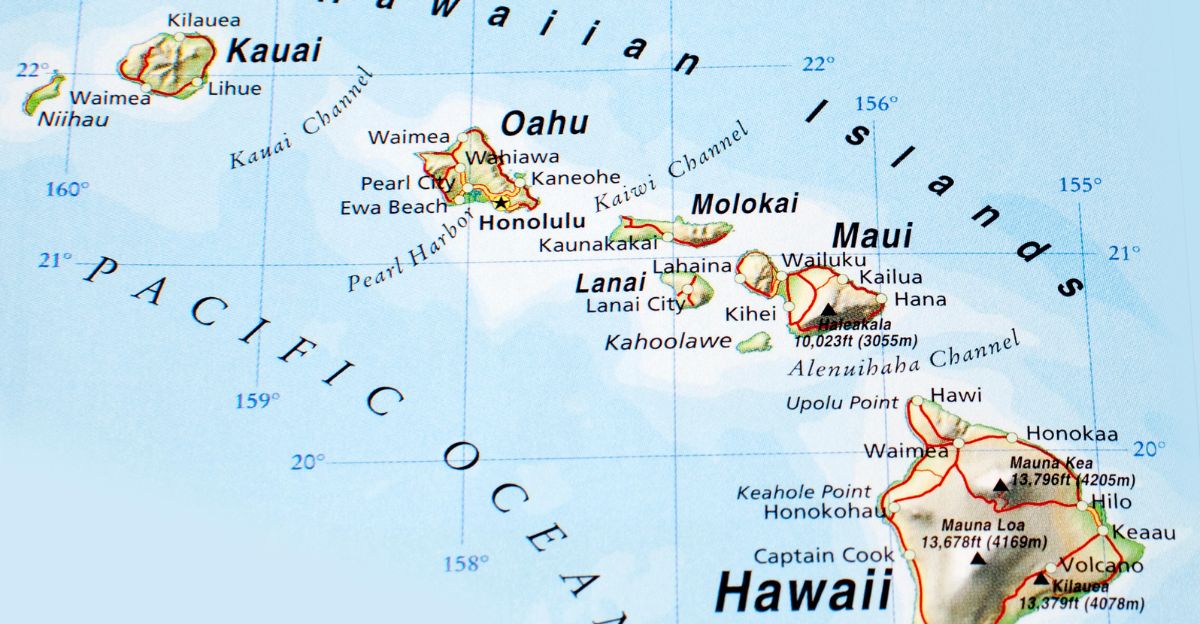
Hawaii’s geographic isolation provides natural security that landlocked locations cannot match. The 2,500-mile ocean barrier effectively prevents refugee influx during mainland collapse. The Big Island offers affordable land compared to other Hawaiian islands.
Remote areas remain accessible to committed off-grid residents. However, island life presents unique vulnerabilities requiring careful consideration. Hawaii relies heavily on imported goods, meaning that societal collapse affecting shipping would immediately impact those lacking complete self-sufficiency. Volcanic activity enriches the soil but presents threats from lava flows and volcanic gases in certain areas. Limited medical facilities outside major towns pose a significant challenge to addressing serious health emergencies.
The absence of timber means that construction requires importing supplies or using bamboo and earth-bag methods. Despite vulnerabilities, Hawaii’s Big Island offers survival advantages cold-climate locations cannot: minimal energy needs, continuous food production, comfortable outdoor living, and complete mainland isolation.
Skills Trump Supplies in True Survival
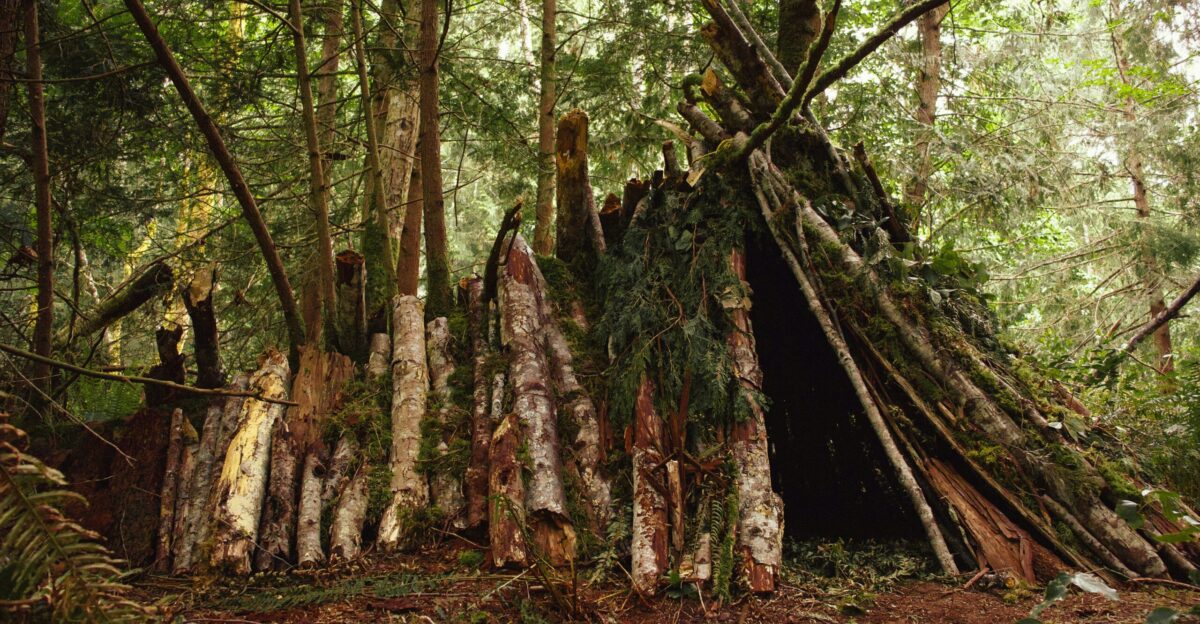
Selecting the right geographic location forms the foundation of survival planning. However, experts emphasize that skills and knowledge ultimately determine survival. Former military survival instructor Frank from Wyoming notes that most people fail because they accumulate supplies rather than develop practical skills.
Essential abilities include building shelter, purifying water, growing food, hunting, foraging, preserving harvests, and providing basic medical care. Training in wilderness first aid, orienteering, fire-starting, and stress management separates those who adapt from those who struggle. Successful preppers recommend regular practice with emergency equipment, testing gear in real-world conditions, and gradually developing self-sufficiency skills before a crisis.
Community connections prove essential because survival groups with diverse skills outperform isolated individuals. Organizations like CERT provide training while connecting preppers with local networks. Mental preparation, including stress management and psychological resilience, is equally important as physical preparation in determining survival outcomes.
The Economics and Ethics of Preparedness

The prepper movement evolved from a fringe subculture into a significant economic force. Companies offer freeze-dried food and luxury bunkers. Organizations like Fortitude Ranch offer middle-class Americans access to survival communities for an annual fee of $1,000 to $1,450. More elaborate accommodations cost more. These commercial operations reflect the mainstreaming of comprehensive survival planning, which requires significant financial investment.
However, the movement faces ethical questions about responsibilities toward unprepared neighbors during a crisis. Some preppers believe preparedness serves broader community resilience rather than isolated self-preservation. Others maintain strict operational security, believing advertising preparedness invites threats from desperate individuals.
Growing diversity within the movement encompasses a range of political ideologies, socioeconomic classes, and demographic groups. Concern about societal stability transcends traditional boundaries. Climate acceleration, political polarization, and infrastructure aging are expanding mainstream preparedness acceptance beyond its original survivalist roots.
Preparation Meets Prudence
The eight American destinations discussed represent carefully considered choices based on tangible survival factors rather than paranoid fantasy. Each location offers distinct advantages and challenges, from Alaska’s isolation to Hawaii’s tropical self-sufficiency, from Ozark caves to Appalachian traditions. These destinations share the capacity to support human life independent of complex supply chains, centralized infrastructure, and large-scale organization.
Whether collapse occurs through economic crisis, natural disaster, pandemic, infrastructure failure, or political upheaval, these regions possess fundamental resources: water, arable land, wildlife, and defensible terrain. The growing prepper movement reflects a growing recognition that the complexity of modern civilization creates vulnerabilities.
For the 20 million Americans engaged in preparedness, selecting a survival destination is one component of a comprehensive strategy that includes skill development, community building, and psychological readiness. True security lies not in location, but in knowledge, skills, and community connections that enable humans to adapt and endure.
Sources:
USA Today, “2024 election chaos has some ‘preppers’ ready for…”, December 4, 2023
Reddit – r/preppers, “Where would your ideal location be to reside when society…”, April 17, 2021
Greener Wisdom, “Best States For Off The Grid Living In The US”, December 31, 2024
Far and Wide, “17 U.S. States That Are Basically Built for Apocalypse”, December 4, 2024
Deseret News, “Banking on the end of the world: prepper bunker Fortitude Ranch”, March 2, 2022