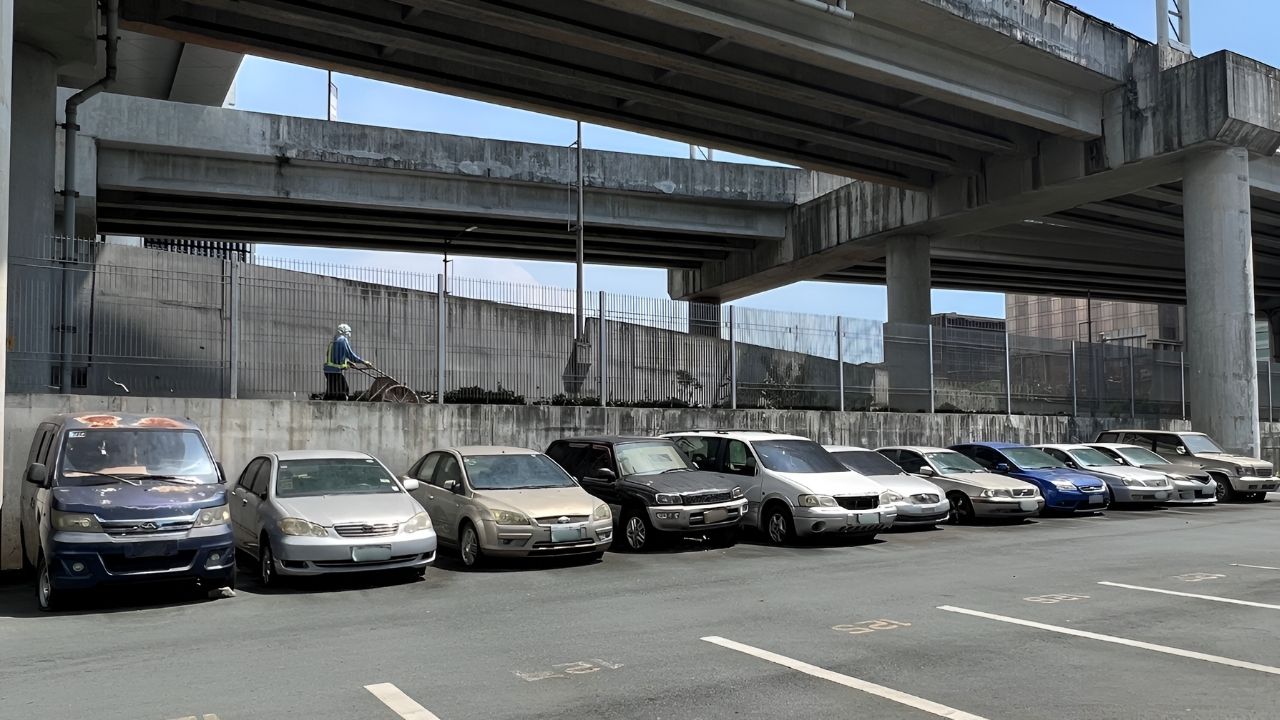
Seventy-one vehicles, left behind and gathering dust in the parking lots of Boston’s Logan International Airport, were auctioned off this November in a bid to reclaim valuable space and solve a persistent mystery: why do so many travelers abandon their cars at one of America’s busiest airports?
A Persistent Puzzle for Logan Airport
The phenomenon of abandoned vehicles at Logan is not new. Massport, the agency overseeing the airport, has held similar auctions in recent years—selling 92 cars in 2022 and 65 in 2017. Despite repeated efforts to address the issue, the reasons behind the steady stream of deserted vehicles remain elusive. Airport officials admit they are baffled, with no clear explanation for why owners simply vanish, leaving behind everything from nearly new SUVs to decades-old sedans.
The vehicles themselves tell a story of diversity and mystery. Some are late-model, well-maintained cars; others are older, neglected, and clearly unused for years. Each car represents an untold narrative—whether a sudden emergency, a change in life circumstances, or something more unusual.
From Parking Lot to Auction Block
To clear the lots, Massport transferred all 71 vehicles to JJ Kane Auctions in Shrewsbury, about 40 miles from Boston. The online auction, which took place from November 13-17, 2025, drew bidders from across the region, with items closing out over the course of the week. Every car found a new owner, freeing up parking spaces and closing another chapter in the airport’s ongoing struggle with abandoned vehicles.
The auction inventory was as varied as the reasons for abandonment. Alongside everyday models from Ford, Toyota, and Honda, bidders found luxury vehicles like a 2015 Mercedes-Benz SUV and a 2015 BMW SUV, which sold for $7,000 and $8,500, respectively. The oldest car on offer was a 1993 Jaguar, a relic among more recent models. The highest bid went to a 2020 Kia Telluride SUV, which fetched $15,500—raising questions about why such a valuable, nearly new vehicle would be left behind.
Hidden Costs and Legal Hurdles
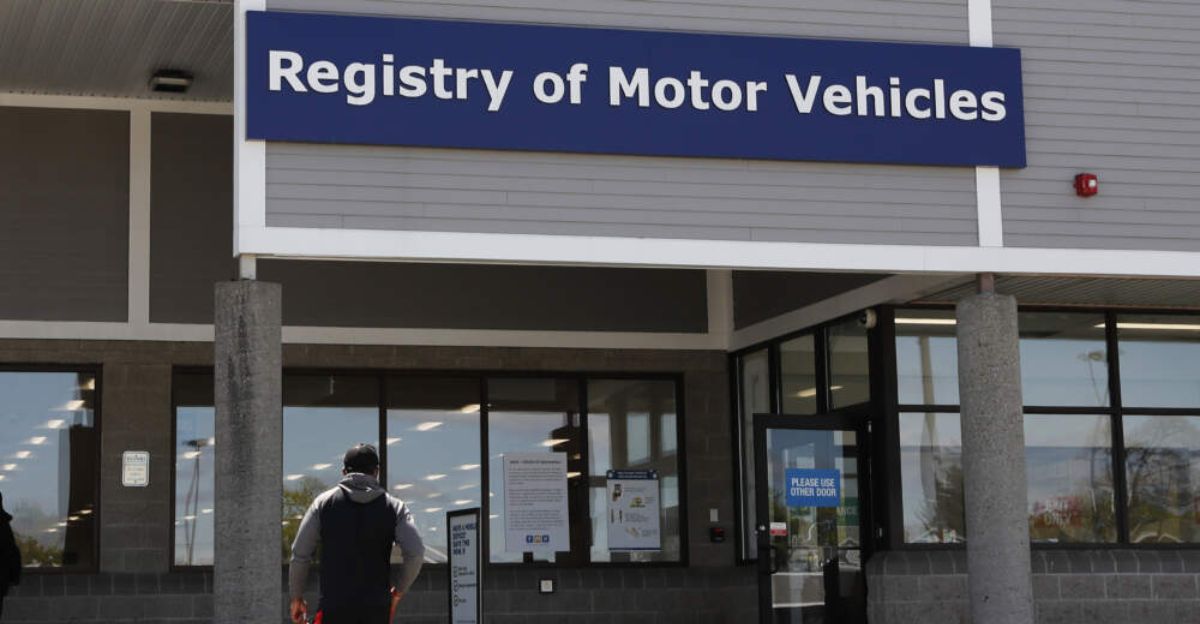
Buyers at the auction faced significant caveats. All vehicles were sold “as is,” with no warranties, titles, or guarantees about their condition. Many showed signs of neglect—flat tires, visible damage, or evidence of long-term exposure to the elements. Purchasers received only a Bill of Sale and were required to apply for new titles through the Massachusetts Registry of Motor Vehicles. For out-of-state buyers, the process was even more complex, as Massachusetts law mandates that vehicles must first be titled in-state before registration elsewhere.
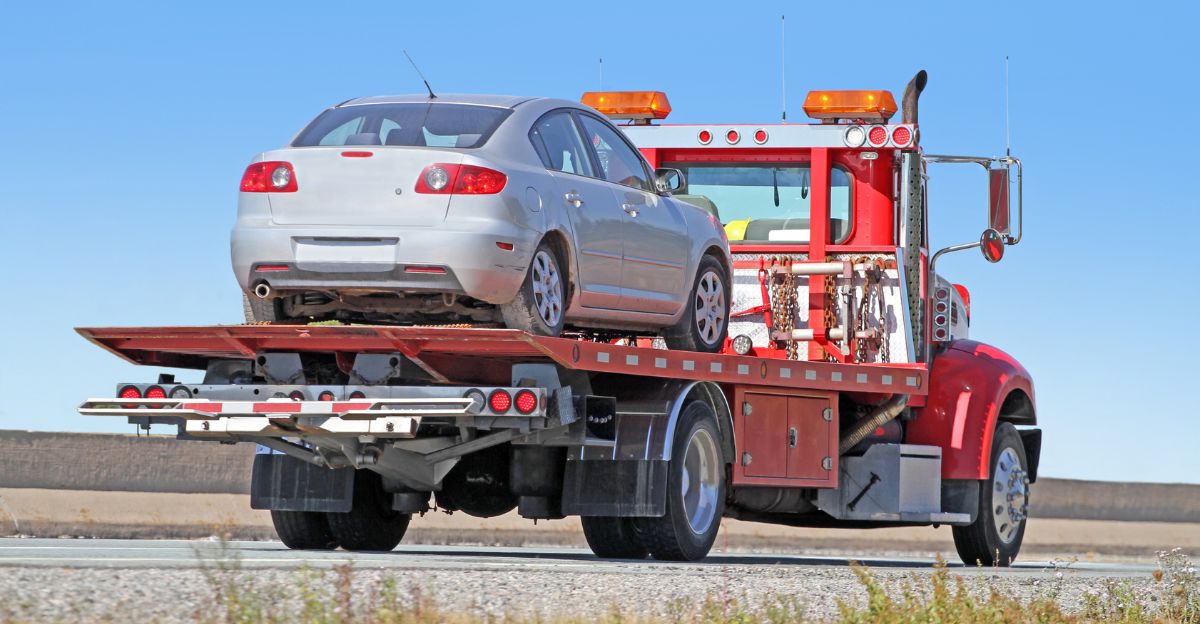
Towing was mandatory for all vehicles, adding to the total cost for buyers. Auction rules prohibited stripping vehicles for parts and required prompt removal, or buyers risked forfeiting both the car and their payment. The logistical and bureaucratic challenges made each purchase a calculated risk, with the potential for both bargains and costly surprises.
Understanding Abandonment
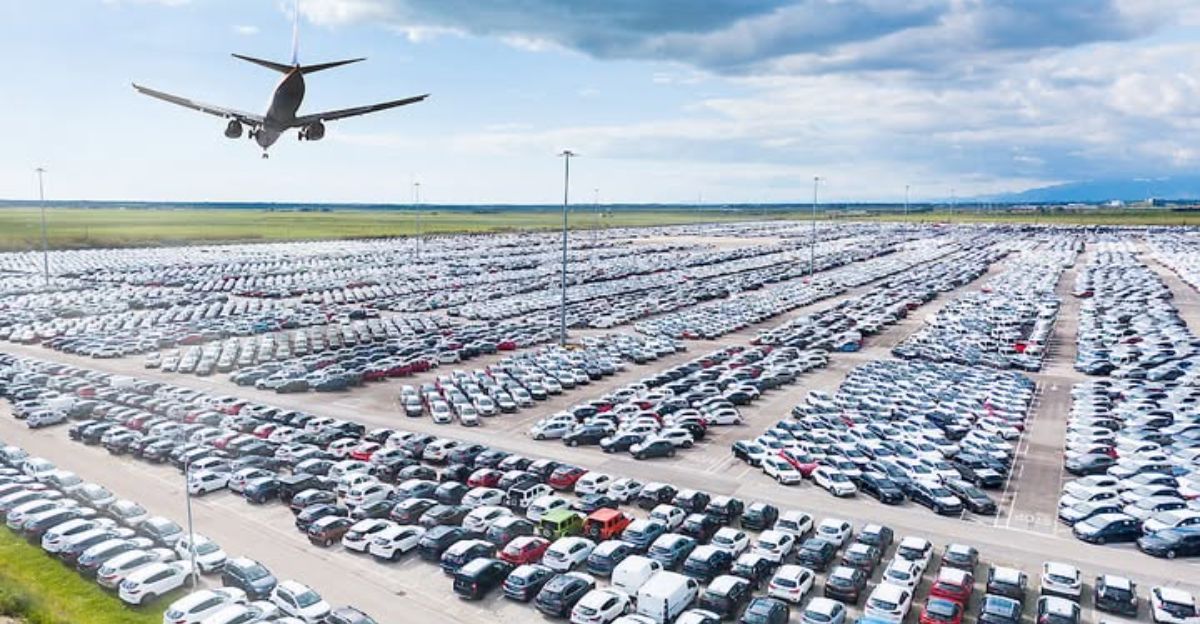
The reasons for abandonment are as varied as the vehicles themselves. Theories range from medical emergencies, deaths, arrests, or deportations, to permanent relocations, financial crises, lost documentation, or vehicles used for criminal purposes. In some cases, the cost of parking—$46 per day at Logan—can quickly exceed the value of the car, making abandonment a financially rational, if legally risky, decision.
Legal Framework and Ongoing Challenges
Massachusetts law imposes fines and license penalties for vehicle abandonment, but enforcement is difficult when owners cannot be located. While state law considers vehicles left unmoved for more than 72 hours as potentially abandoned, airports like Logan must allow for longer periods due to the nature of air travel and the need for due process. Massport follows legal requirements in contacting owners and, if necessary, removing vehicles.
Despite regular auctions and legal deterrents, the problem persists. The mix of personal hardship, bureaucratic complexity, and the sheer scale of airport operations ensures that abandoned vehicles remain a recurring challenge. For bargain hunters, the auctions offer both opportunity and risk; for airport officials, they are a necessary, if imperfect, solution to a problem with no easy answers.
Looking Ahead
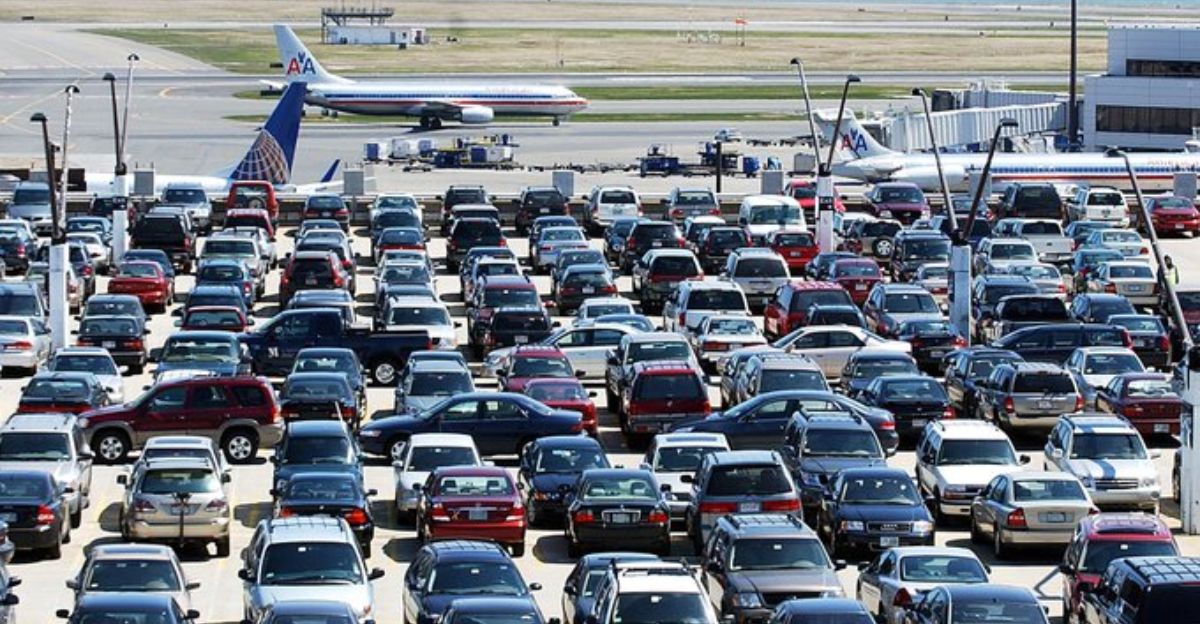
As long as travelers face emergencies, unexpected life changes, or financial difficulties, Logan Airport is likely to continue serving as an unintended repository for abandoned vehicles. Each auction clears the lots temporarily, but the underlying causes remain unresolved. For Massport and other airport authorities, the challenge is ongoing—balancing the need for efficient operations with the unpredictable realities of human behavior.