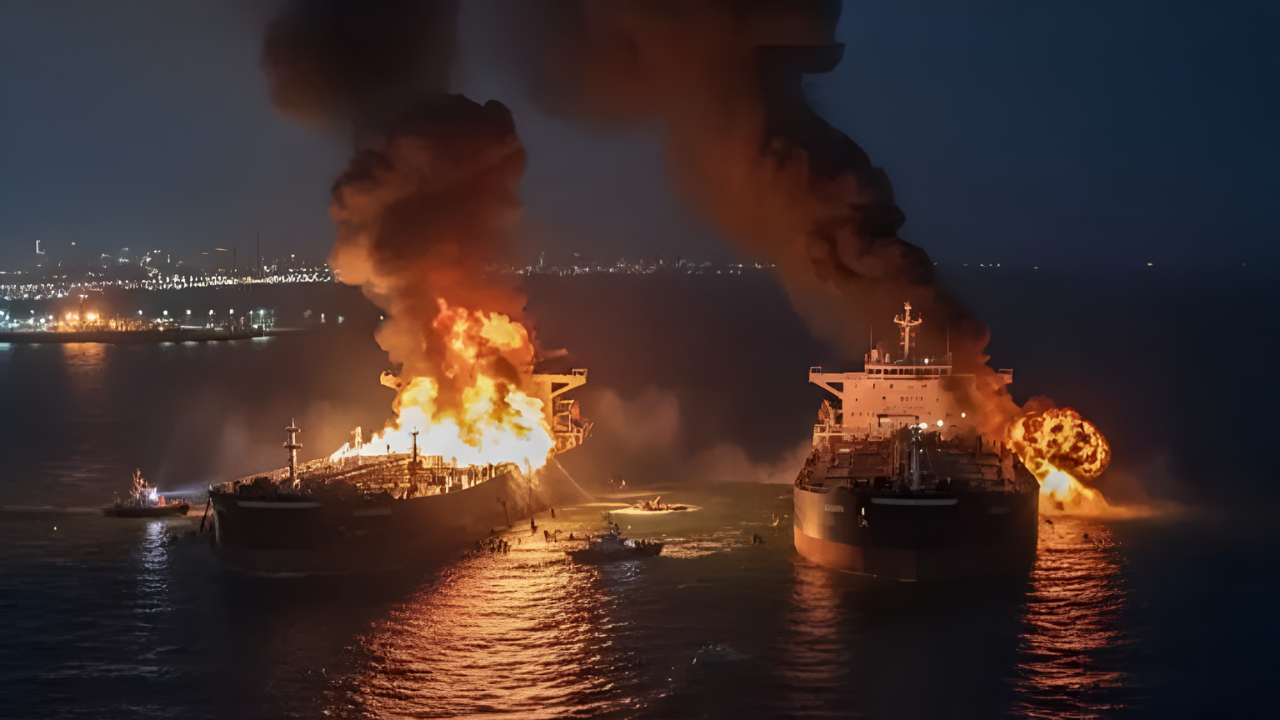
Ukraine has unleashed a sophisticated naval drone campaign that is systematically dismantling Russia’s elaborate sanctions-evasion infrastructure at sea. Over the past year, homemade Sea Baby drones built by Ukrainian engineers in secret facilities have inflicted mounting damage on aging tankers that funnel billions in crude revenue to Moscow’s war machine.
This weekend, the campaign reached a new frontier: strikes occurring over 50 kilometers offshore in NATO ally Turkey’s waters, signaling Ukraine’s expanding reach and capability. The question haunting oil markets and Western governments is no longer whether Ukraine can strike; it is how far the campaign will extend.
Sanctions Under Siege
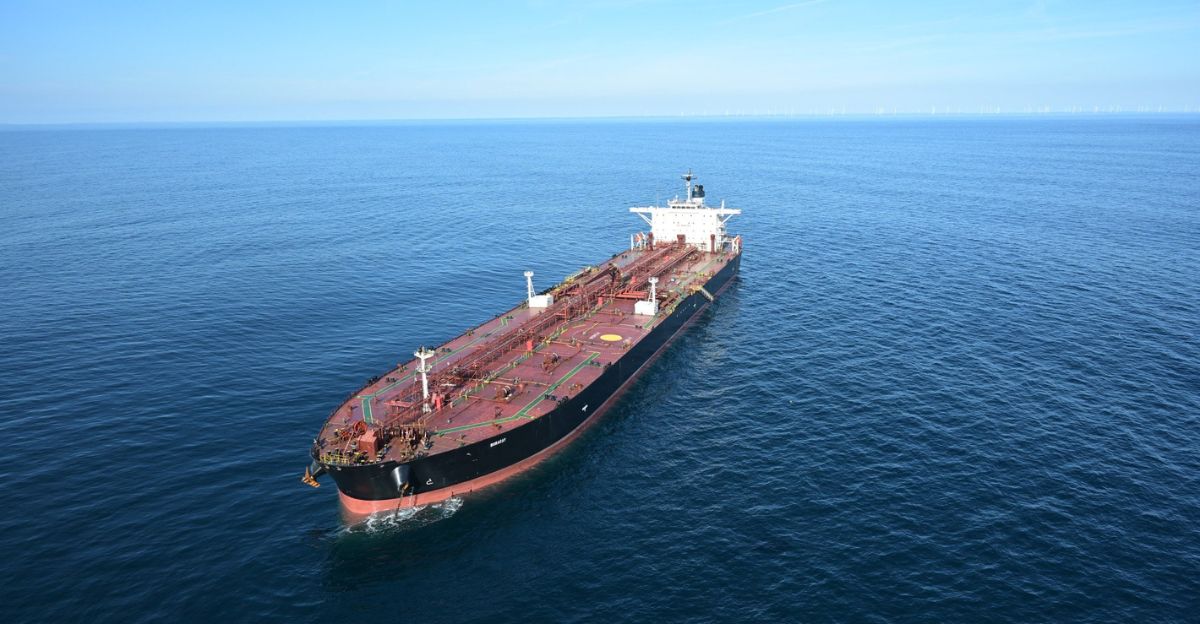
Russia’s shadow fleet has become the Achilles’ heel of Western oil sanctions, a network of aging, opaque tankers operating under flags of convenience to bypass European Union and US measures imposed after the 2022 invasion. These vessels, sanctioned individually by Washington, Brussels, London, and other capitals, generated an estimated $3–4 billion annually in illicit crude exports until Ukraine began targeting them with precision.
Intelligence assessments suggest Russia’s shadow fleet comprises approximately 600 tankers globally, but Ukrainian drone strikes are accelerating their attrition. Each vessel lost or damaged forces Moscow to rebuild its logistics, a costly and time-consuming process that squeezes the Kremlin’s access to hard currency when military spending is already straining budgets.
Ukraine’s Naval Innovation: Sea Babies
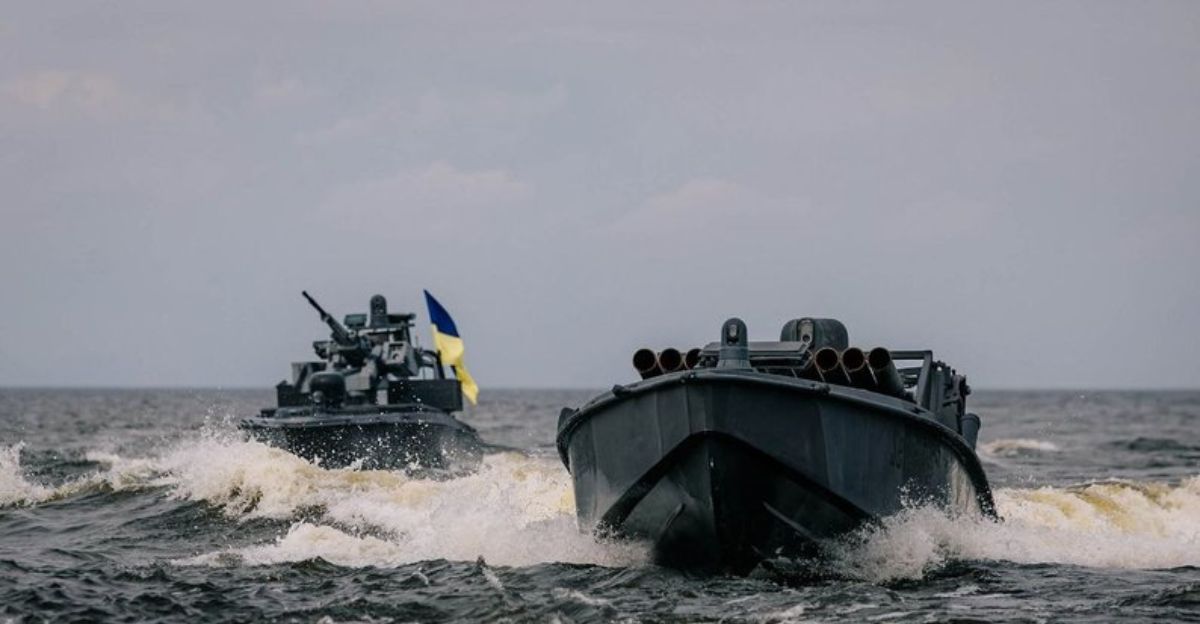
Ukraine’s Sea Baby naval drones emerged from desperation and innovation in early 2024, after Russia’s larger, well-equipped Black Sea Fleet pushed Ukrainian naval assets away from traditional bases. With limited conventional naval resources, Ukraine pivoted to autonomous maritime weapons uncrewed vessels packed with explosives and capable of traveling long distances at sea with minimal detection.
Ukrainian engineers reverse-engineered commercial and military technologies to produce a fleet of these DIY drones, each costing a fraction of a crewed warship or modern missile. By late 2025, Sea Babies had become synonymous with Ukraine’s maritime comeback, destroying or crippling over a dozen Russian naval vessels. The drones represent a model of asymmetric warfare: low cost, high precision, and strategic impact far exceeding their material value.
Novorossiysk: The Strategic Chokepoint
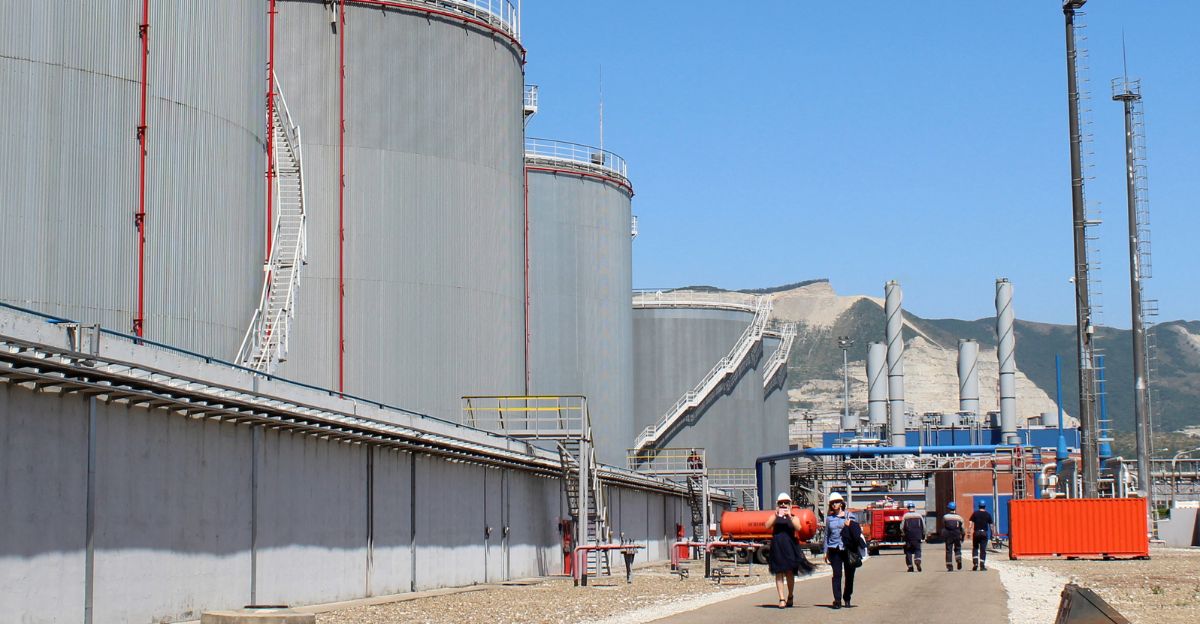
Russia’s Novorossiysk port on the Black Sea serves as the primary outlet for Kremlin-controlled oil and the Caspian Pipeline Consortium (CPC), a joint venture between Moscow, Almaty, and Western energy firms that ships crude from Kazakhstan via Russian territory. The CPC terminus handles over 1% of world oil supply roughly 1.5 million barrels daily making it a critical junction in global energy markets.
For months, Ukrainian intelligence had been mapping vulnerabilities at this strategic hub. On the weekend of November 28–29, a coordinated Ukrainian naval drone assault targeted not just shadow fleet tankers but also the infrastructure underpinning Russia’s oil export machine. The CPC facility’s exposed single-point mooring system became the focal point of Ukraine’s expanded campaign.
The Strikes: Kairos and Virat Disabled
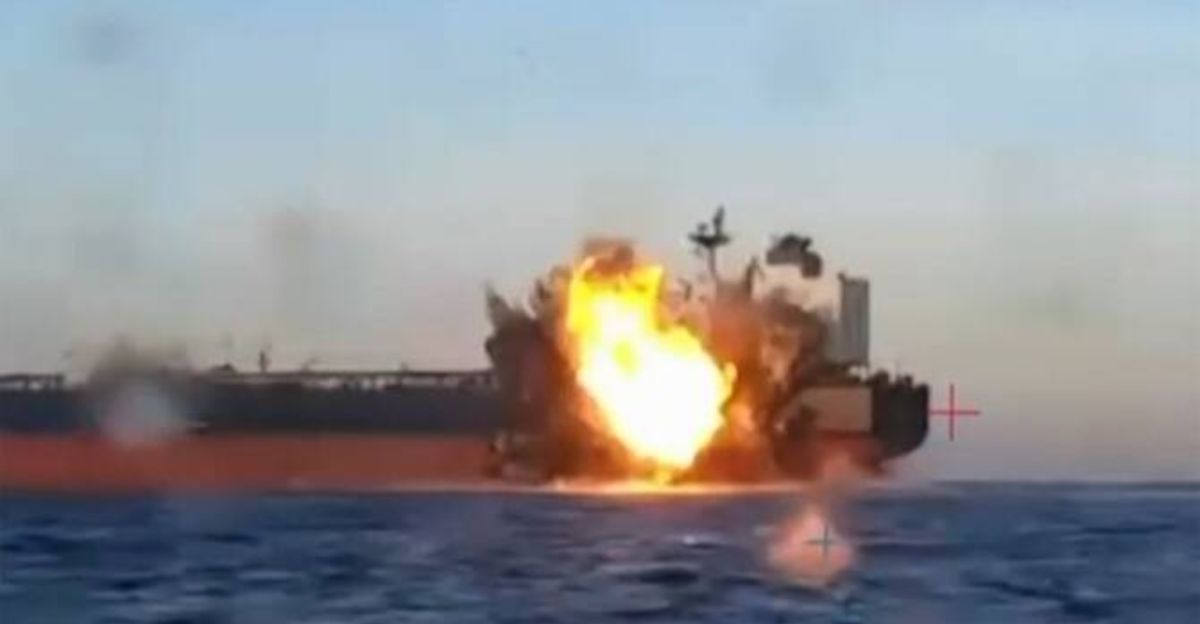
On Friday, November 28, 2025, in the late afternoon, Ukrainian Sea Baby naval drones struck two Russian-linked shadow fleet tankers in the Black Sea: the Gambian-flagged Kairos (274 meters long, built 2002) and the Panamanian-flagged Virat (built 2018). Both vessels were empty and heading to Novorossiysk to load Russian crude when they were hit.
The Kairos, struck approximately 28 nautical miles off Turkey’s Kocaeli province, caught fire and was forced to seek refuge; 25 crew members were evacuated safely. The Virat, hit roughly 35 nautical miles from the Turkish coast, sustained damage to its starboard side above the waterline and was attacked again on Saturday by additional unmanned vessels. Ukrainian security officials stated that these two vessels alone could transport oil worth approximately $70 million.
Turkey’s Unexpected Front Row
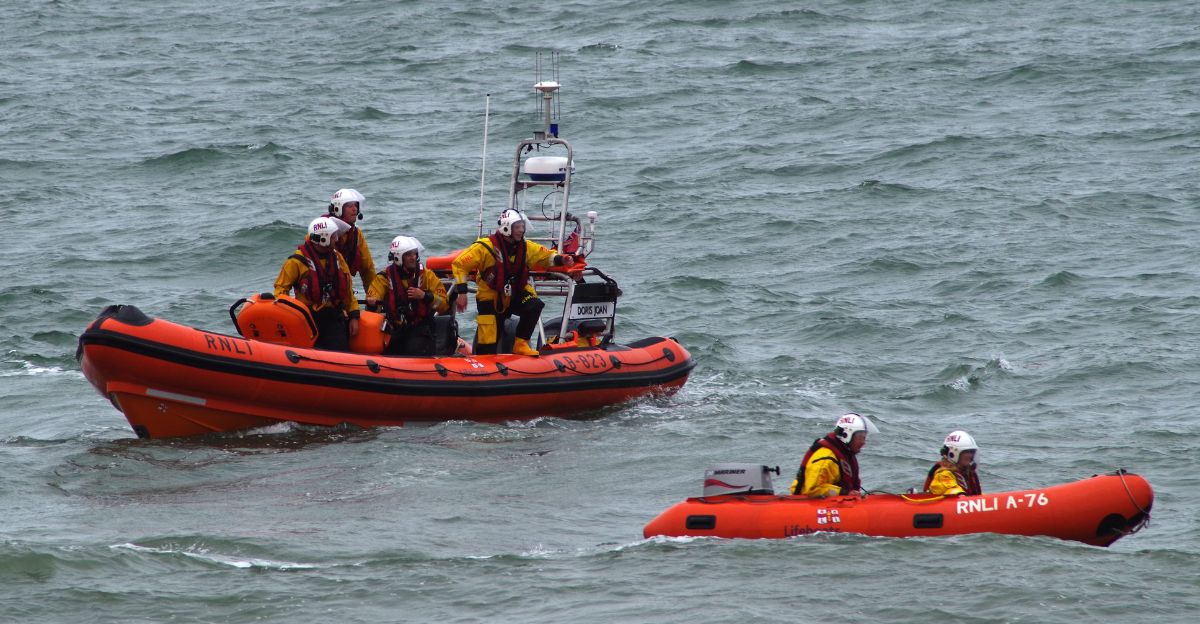
Turkey, a NATO member and key regional power, found itself at the center of a geopolitical firestorm as the strikes unfolded in its exclusive economic zone. Turkish maritime rescue teams scrambled to aid the burning Kairos, evacuating its crew while the fire continued in enclosed spaces below deck. Turkish Transport Ministry officials initially offered cautious language citing mines, missiles, or vessels as potential causes before acknowledging drone involvement.
The country’s Foreign Ministry condemned the strikes as posing serious safety risks and creating environmental concerns given the tanker’s fuel reserves and chemical cargo. Turkey’s government, maintaining a delicate balance between NATO obligations and economic ties to Russia, issued warnings against further attacks in its waters while stopping short of direct military intervention.
The Human Cost at Sea
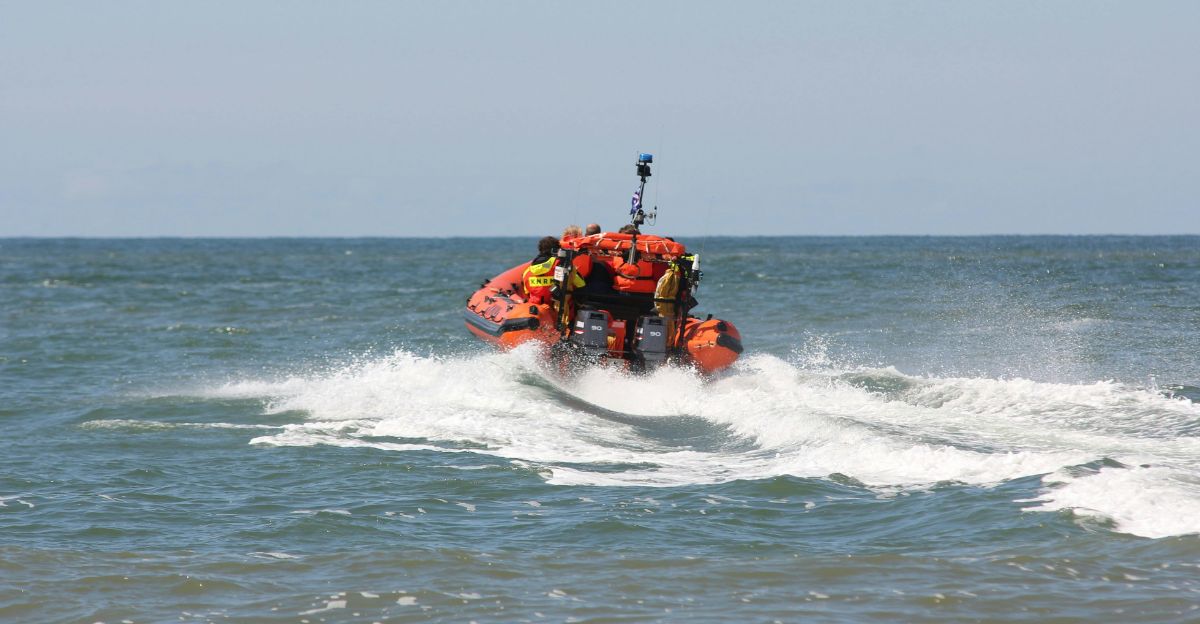
The evacuation of 25 crew members from the Kairos in rough Black Sea waters underscores the humanitarian toll of an escalating maritime conflict. Sailors from Ukraine, Russia, Serbia, and other nations worked aboard shadow fleet tankers often recruited through opaque labor brokers, accepting hazardous contracts because legitimate maritime employment was unavailable or paid less. For these crews, the shadow fleet represented economic survival, not ideology.
When the Kairos’s fire broke out, Turkish rescue vessels responded, and all crew reached safety, but the incident exposed how innocent workers become collateral damage in sanctions-evasion networks. The Virat’s crew remained aboard during the second attack on Saturday, enduring repeated strikes while hoping for Ukrainian mercy or Turkish intervention. The strikes have humanized the cost of both sanctions evasion and precision warfare at sea.
The Terminal Strike: CPC Suspension
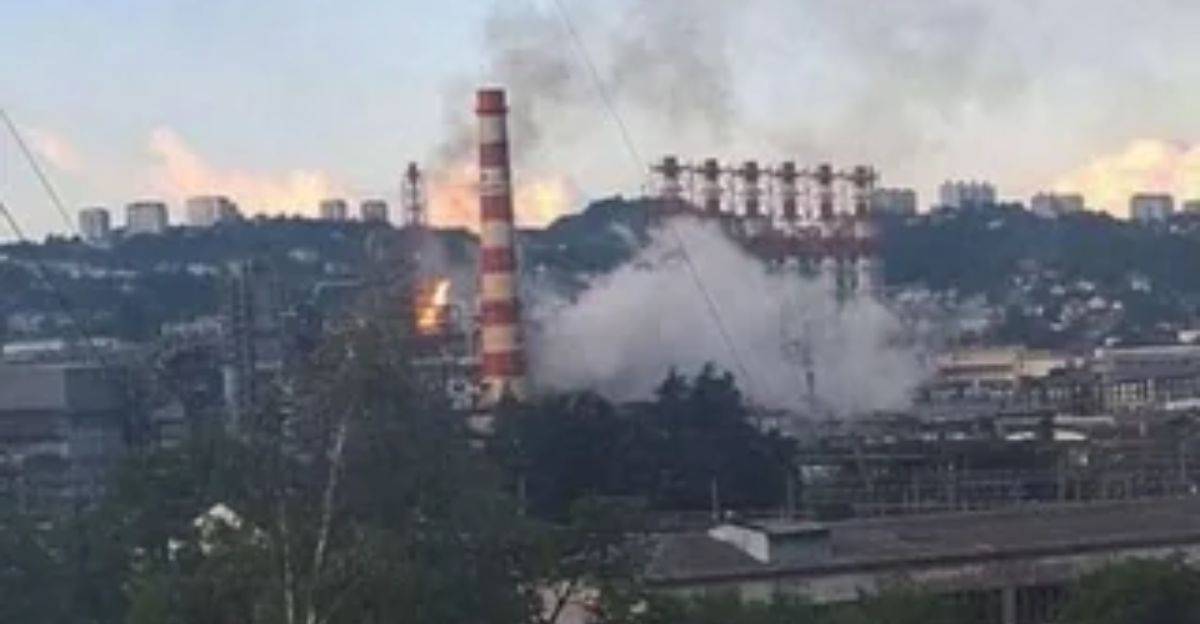
On the same weekend as the tanker attacks, a separate Ukrainian naval drone struck the Caspian Pipeline Consortium’s Novorossiysk terminal, targeting its single-point mooring—the vulnerable pipeline-to-ship interface. The strike severely damaged the mooring, forcing the CPC to suspend all loading operations at the facility. For global energy markets, the implications were immediate: over 1% of world oil supply abruptly went offline.
Crude prices ticked upward; energy traders reassessed supply forecasts; and governments worldwide contemplated further sanctions-driven energy instability. The CPC incident demonstrated that Ukraine’s maritime drone campaign had evolved beyond targeting individual sanctions-evasion tankers to disrupting Russia’s entire oil-export infrastructure. Moscow was now facing not surgical strikes but a systemic squeeze on its energy economy.
Global Oil Markets in Turmoil

Energy markets reacted with visible nervousness to the CPC shutdown. Brent crude rose sharply in trading following the announcement, as traders priced in supply disruption and uncertainty over how long the terminal would remain offline. Analysts noted that the CPC supplies crude not only for Russian exports but also for Kazakhstan’s oil sector a major ally’s interests suddenly jeopardized by Ukraine’s campaign.
Kazakhstan’s Foreign Ministry swiftly condemned the strike as unacceptable, emphasizing that the CPC is a civilian infrastructure joint venture and that Kazakh oil exports were being harmed by Ukrainian actions. Russia’s Foreign Ministry framed the attack as an escalation threatening global energy security. European governments, meanwhile, faced a delicate calculus: supporting Ukrainian military objectives while managing oil prices that affect their constituencies.
Sanctions Lists as Strategic Targets
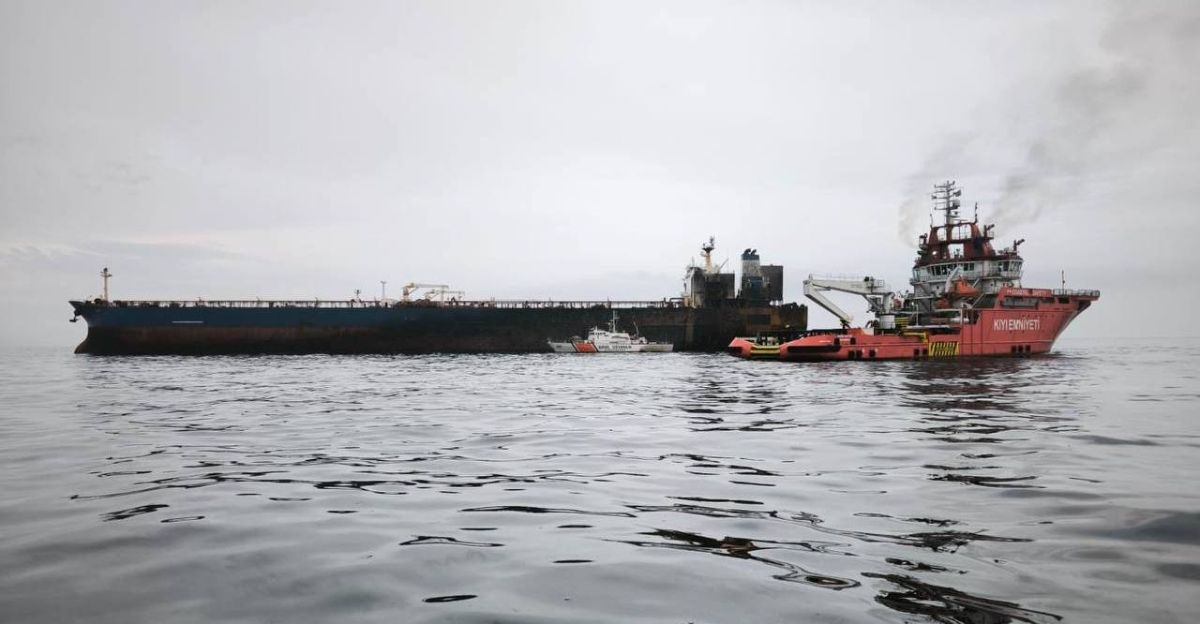
A crucial detail illuminates Ukraine’s strategic approach: both the Kairos and Virat were on active Western sanctions lists, making their targeting a legal and rhetorical victory. The Kairos was sanctioned by the European Union in July 2025, and by the UK and Switzerland shortly after. The Virat was sanctioned by the United States in January 2025, followed by the EU, UK, and Canada.
Ukrainian officials emphasized that the strikes were directed at sanctioned vessels implying that Ukraine was effectively enforcing Western sanctions that the shadow fleet was designed to circumvent. By highlighting the sanctions status of the targets, Kyiv reframed the drone campaign not as unilateral military aggression but as a logical extension of Western legal penalties. This rhetorical move placed Western governments in an awkward position: they could not credibly condemn Ukraine for targeting vessels their own sanctions regimes deemed hostile.
Russia’s Shadow Fleet Under Pressure
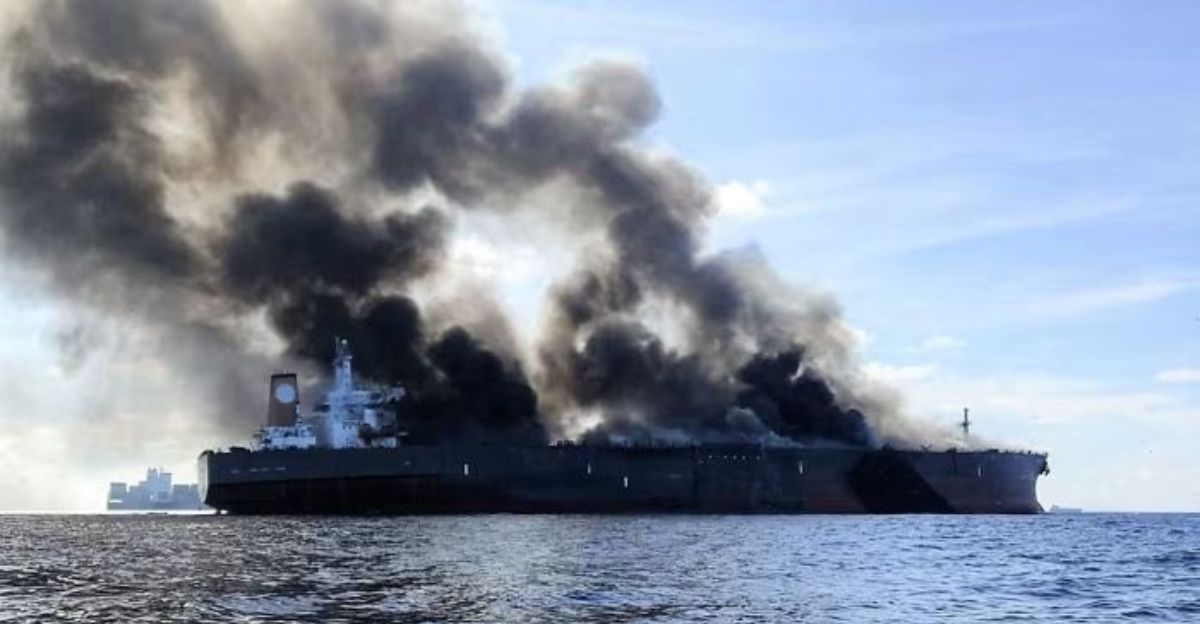
Russian officials and shadow fleet operators are reassessing their strategy in the face of accelerating Ukrainian strikes. Shipping records show that some shadow fleet tankers have begun avoiding the eastern Black Sea, rerouting via longer paths or shifting to smaller, less visible vessels. Insurance and financing for shadow fleet operations are becoming harder to secure, as underwriters factor in elevated risk premiums.
At least three shadow fleet tankers altered course or reduced speed in the Black Sea in the days following the Kairos and Virat strikes, suggesting that the psychological impact of the attacks is as significant as the physical damage. Russian oil traders have begun diversifying their export routes, seeking alternatives beyond the Black Sea chokepoint but Russia’s geography severely limits options. For Moscow, the shadow fleet and Black Sea terminal represent the most efficient oil-export corridor.
Ukraine’s Tactical Evolution
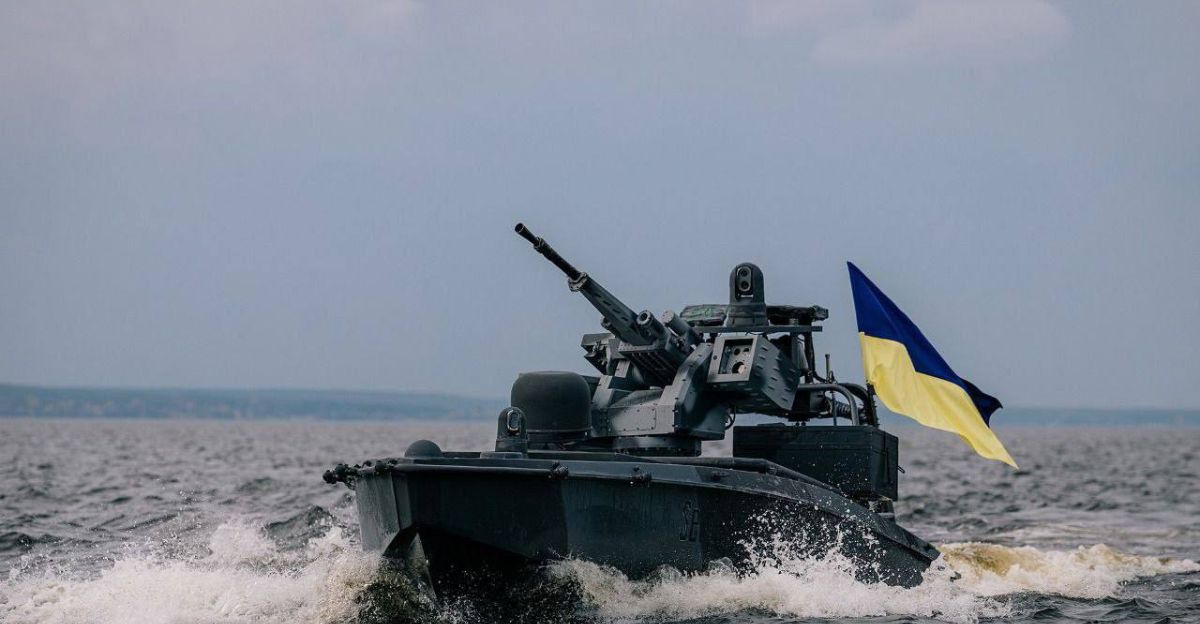
Military analysts are noting that Ukraine’s drone campaign has shifted from a defensive posture to an aggressive offensive targeting Russia’s war-financing apparatus. Early 2024 Sea Baby strikes focused on neutralizing Russian Black Sea Fleet combat vessels a direct military threat. By late 2025, the campaign has expanded into economic warfare, targeting the financial circulatory system keeping Russia’s invasion funded.
Ukrainian security officials have become increasingly vocal in framing these strikes not merely as military actions but as legitimate responses to Russian sanctions-evasion a form of economic self-defense. This represents a subtle but significant doctrinal shift: Ukraine is no longer asking permission or offering legal disclaimers for its strikes; it is confidently asserting a right to degrade Russia’s war-financing infrastructure. The implication is that future strikes may target additional terminals or shadow fleet tankers without requiring fresh international authorization.
The CPC Dilemma: Repair or Pivot
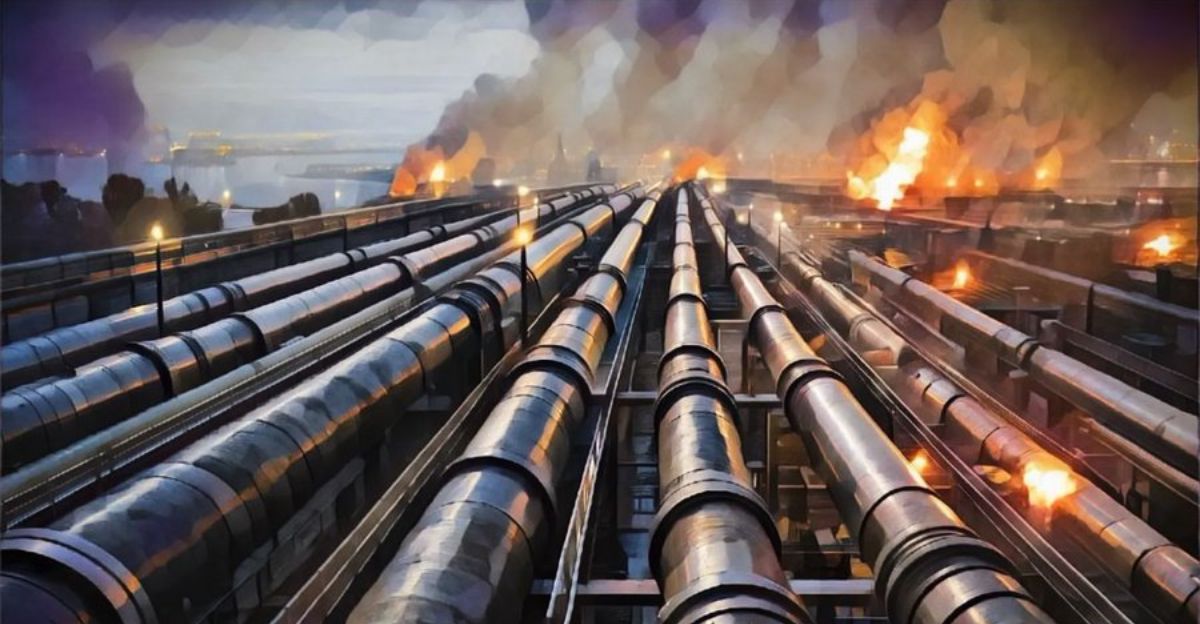
The Caspian Pipeline Consortium faces a critical decision: invest in hardening its Novorossiysk terminal against future drone strikes or accelerate alternative export routes. CPC engineers report that repairs to the damaged single-point mooring could take weeks or months, depending on structural damage severity and equipment availability. Russian officials have indicated they are exploring additional defenses anti-drone systems, increased perimeter security but privately acknowledge the challenge of defending against autonomous maritime threats.
Some analysts suggest the CPC may consider rerouting crude via the Russian Far East or negotiating alternative transit through non-sanctioned corridors. However, all alternatives involve higher costs, longer transit times, and reduced economic efficiency. The reality facing the CPC is that the terminal’s vulnerability is structural and difficult to remediate quickly.
Western Ambivalence: Tacit Support, Public Distance
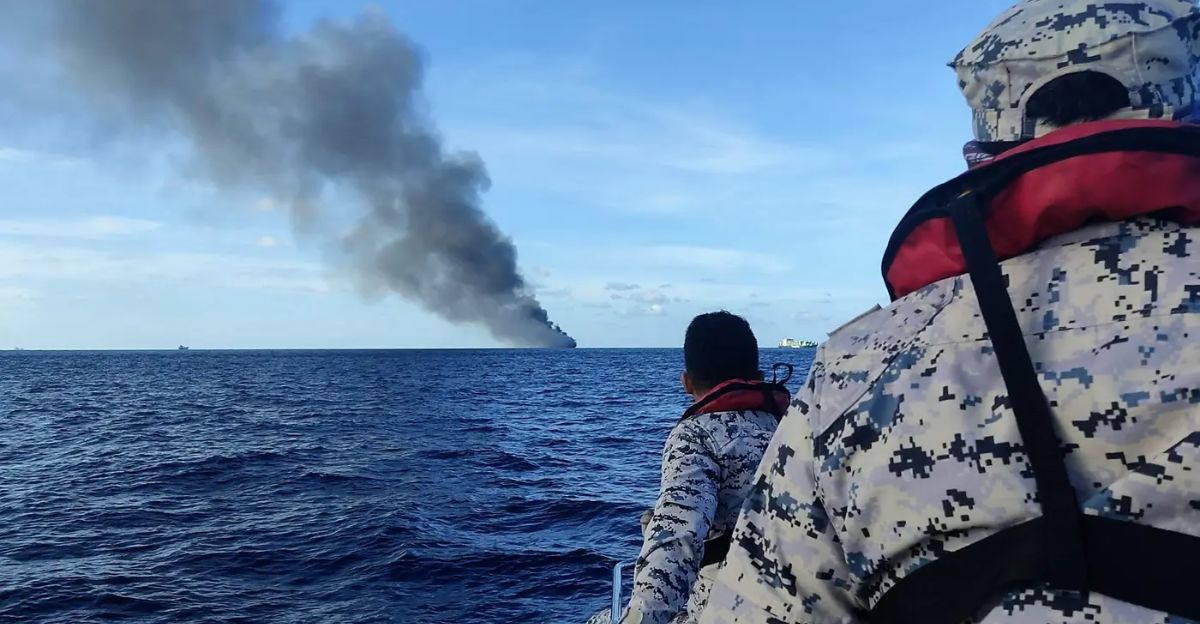
Behind closed doors, Western governments are reportedly expressing quiet satisfaction with Ukraine’s campaign against the shadow fleet and CPC infrastructure. Intelligence agencies have noted that the strikes are degrading Russian oil revenues without direct Western military involvement a form of plausible deniability that allows NATO members to support Ukrainian self-defense without being seen as directly targeting Russian economic infrastructure. However, in public forums, Western officials maintain studied neutrality, avoiding explicit endorsement while stopping short of condemnation.
This ambivalence reflects a deeper tension: Western governments have long recognized that sanctions on Russian oil are ineffectual if the shadow fleet continues operating, yet they hesitate to openly advocate for strikes on civilian infrastructure. Some energy sector analysts worry that the ambiguity creates space for escalation Ukrainian confidence in Western tacit support might encourage more aggressive campaigns, while Russian retaliation could trigger a cycle of tit-for-tat strikes beyond either side’s intended threshold.
The Open Question: How Far Will Ukraine Go?
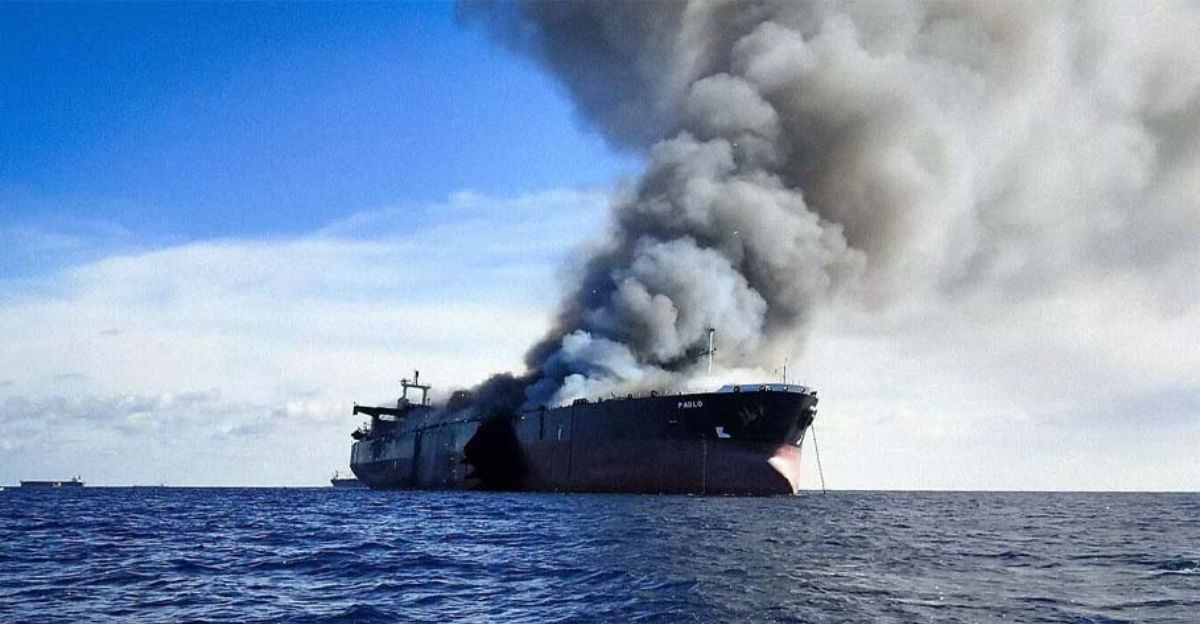
As Ukraine’s Sea Baby drones prove their capability to project power across the Black Sea and into Turkey’s exclusive economic zone, a profound question looms for strategists, policymakers, and energy markets: Has Ukraine established a new baseline for acceptable maritime strike operations, or will the campaign expand further? Ukrainian officials have hinted that additional targets within Russia’s oil-export ecosystem remain under consideration.
The shadow fleet comprises hundreds of additional tankers; the CPC terminal is one of several Russian and transit-state oil facilities. If Ukraine escalates systematically, global oil prices could face sustained upward pressure, energy security could become even more volatile, and the risk of NATO involvement could increase. Conversely, if the strikes have achieved their psychological and economic impact, Ukraine may consolidate its gains and use the campaign as leverage in future peace negotiations. What remains certain is that the age of unchallenged Russian oil exports through the Black Sea has ended.
Sources
AP News – Ukraine’s Sea Baby drones hit Russian oil tankers in the Black Sea
Reuters – Ukraine hits two Russian ‘shadow fleet’ oil tankers with drones
ABC News – Ukraine hits two Russian ‘shadow fleet’ oil tankers with naval drones
CNN – Ukraine says it hit Russian ‘shadow fleet’ tankers with drones
Kyiv Independent – Drone strike analysis and Ukrainian military operations
OpenSanctions Database – Shadow fleet designation and sanctions records