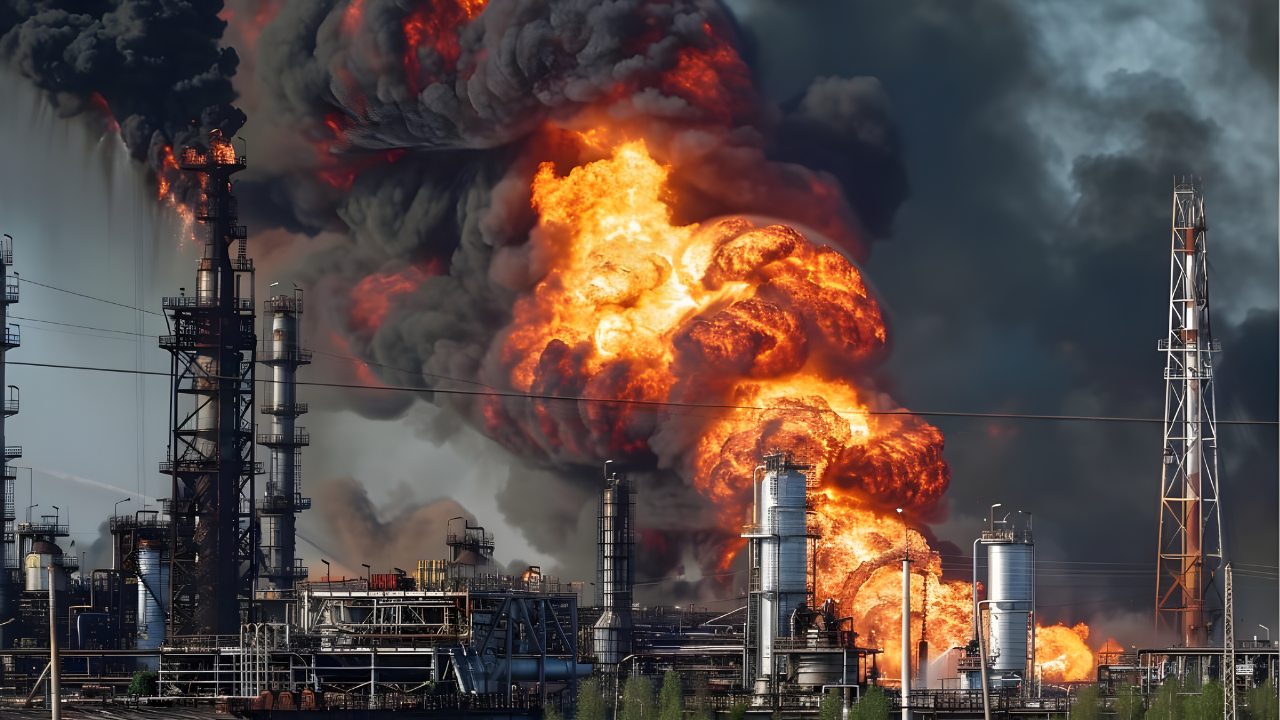
The safe interior of Russia just got shorter. On December 5, Ukrainian drones flew 700 kilometers—farther than most Americans drive in a week—and struck the heart of a critical oil refinery that fuels Russian tanks and army trucks. But this wasn’t just another hit.
For the second time in four months, the same piece of equipment took the blow, according to Reuters. The question haunting Russian energy planners: Can you really repair what keeps getting destroyed?
Rosneft Facility Halts All Processing
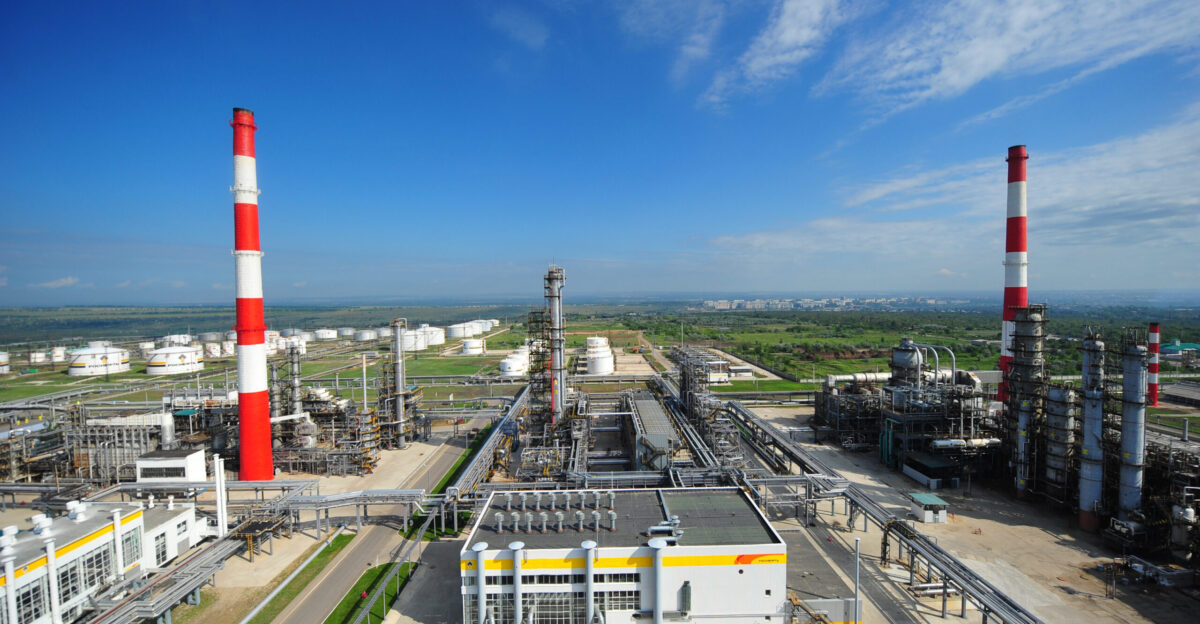
The Syzran refinery, owned by state-controlled Rosneft and positioned on the Volga River in Samara, shut down completely on December 5—not gradually, not partially, but entirely. Industry sources confirmed to Reuters that all crude oil processing ceased immediately after Ukrainian drones struck.
The facility, which has been pumping fuel since 1942, normally handles 90,000 barrels per day, or approximately 4.3 million metric tons annually; however, it operated well below capacity last year.
Primary Distillation Unit Struck Twice in Four Months
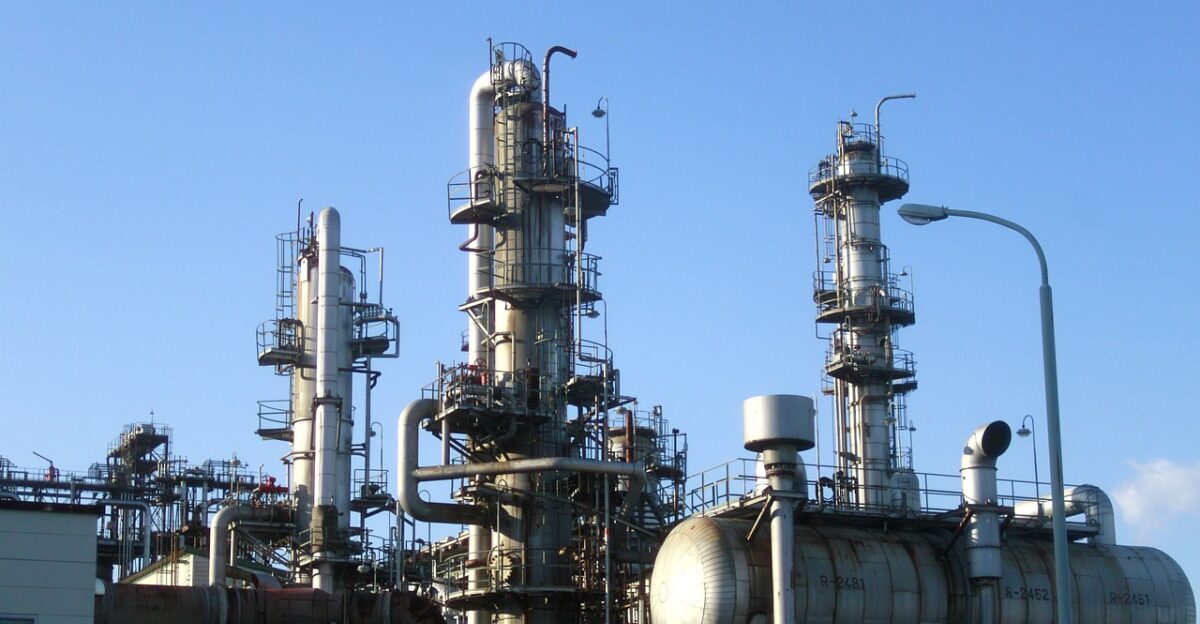
Here’s the pattern that worries Kremlin planners: the drones hit the same target twice. The CDU-6 crude distillation unit—the refinery’s beating heart—was damaged in August, repaired in two weeks, and then struck again on December 5, according to Reuters and Ukrainian military sources.
This time, the damage appears more severe. Industry sources tell Reuters the repair could stretch into January, far longer than before, forcing Russian energy officials to confront a grim arithmetic.
Strategy to Cripple Supply Lines
Ukraine’s General Staff released a statement on December 4: long-range drones had hit both the Syzran refinery and the Temryuk port in Krasnodar Krai the same night. The operation wasn’t random.
According to the General Staff, the strikes aimed to “reduce the military and economic potential of the Russian aggressor” by targeting infrastructure supplying Russian occupation forces.
Each facility was chosen because each one matters to how Russia sustains its war.
700-Kilometer Strike
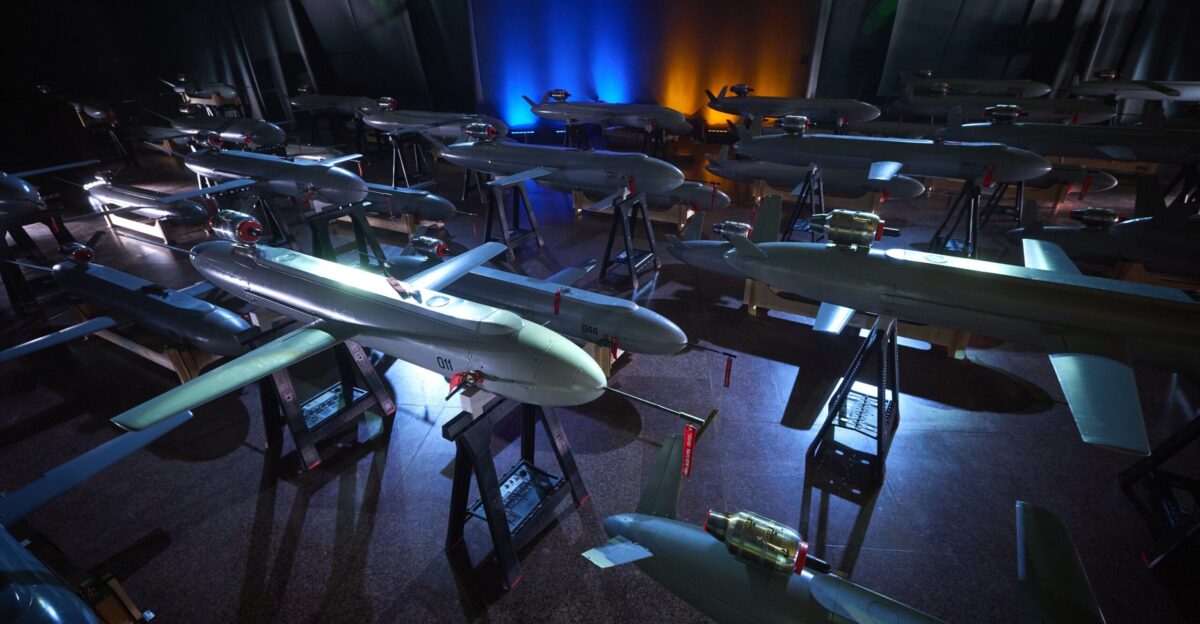
Imagine drawing a line from the Ukrainian border 700 kilometers into Russian territory. That’s where Syzran sits, making this one of Ukraine’s deepest strikes of the entire war, according to multiple sources. Ukraine revealed its capabilities in early December: a new drone called “Peklo” with a 700-kilometer range and speeds exceeding 700 kilometers per hour, according to reporting by the Atlantic Council.
President Zelenskyy announced that the first batch had already hit its targets, proving that these weren’t concepts—they were operational weapons.
Fuel to Multiple Russian Military Districts
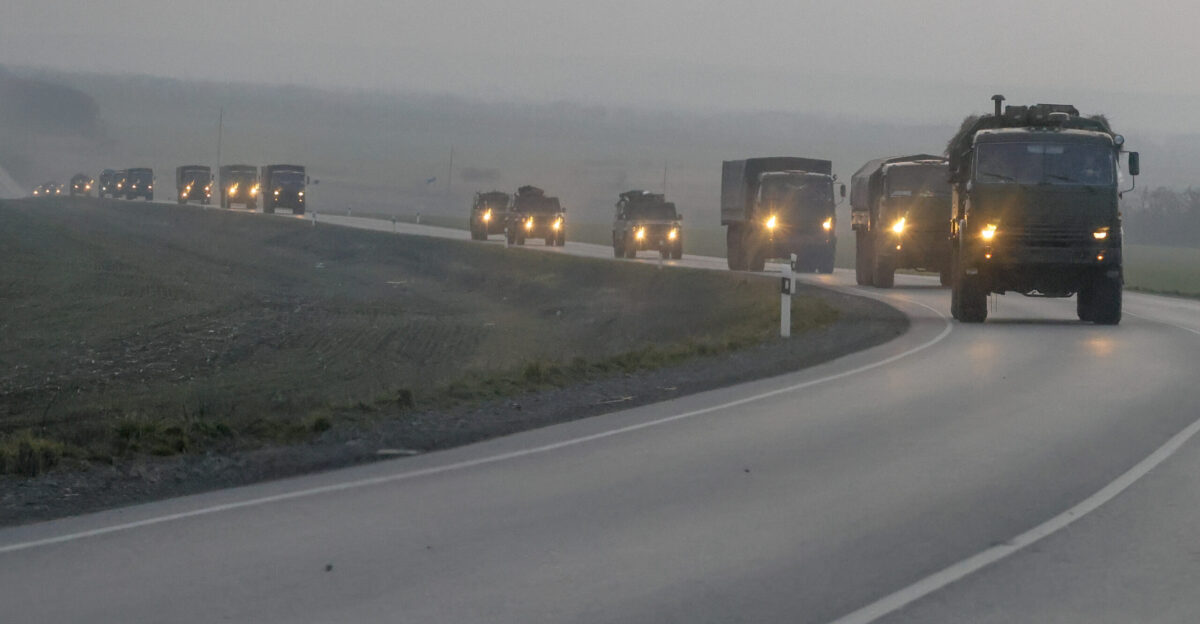
When Syzran goes dark, multiple Russian military regions feel it. The refinery supplies fuel to the Samara, Saratov, and Penza regions, as well as portions of central Russia, according to industry sources cited by Reuters.
More critically, it supplies airfields and military units under Russia’s Central and Southern military commands, according to military analysts.
Temryuk Port Strike Destroys 70 Percent of Fuel Storage
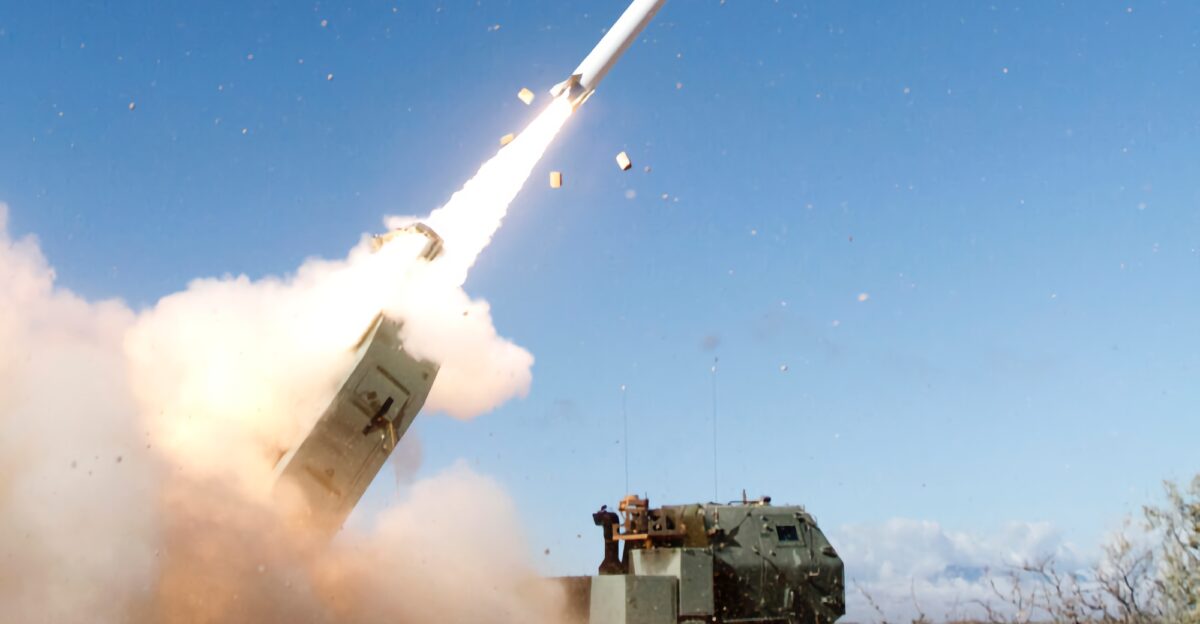
On the same night as the refinery strike, Ukrainian forces achieved something equally devastating at Temryuk Seaport. Drones destroyed 20 fuel tanks—70 percent of total storage capacity—according to Ukraine’s General Staff.
A Security Service of Ukraine source told the Kyiv Independent that elite special operations units struck the Maktren-Nafta liquefied natural gas terminal with precision. The fire that followed consumed 3,000 square meters and destroyed railway tankers, leaving infrastructure in ruins.
No Casualties Reported
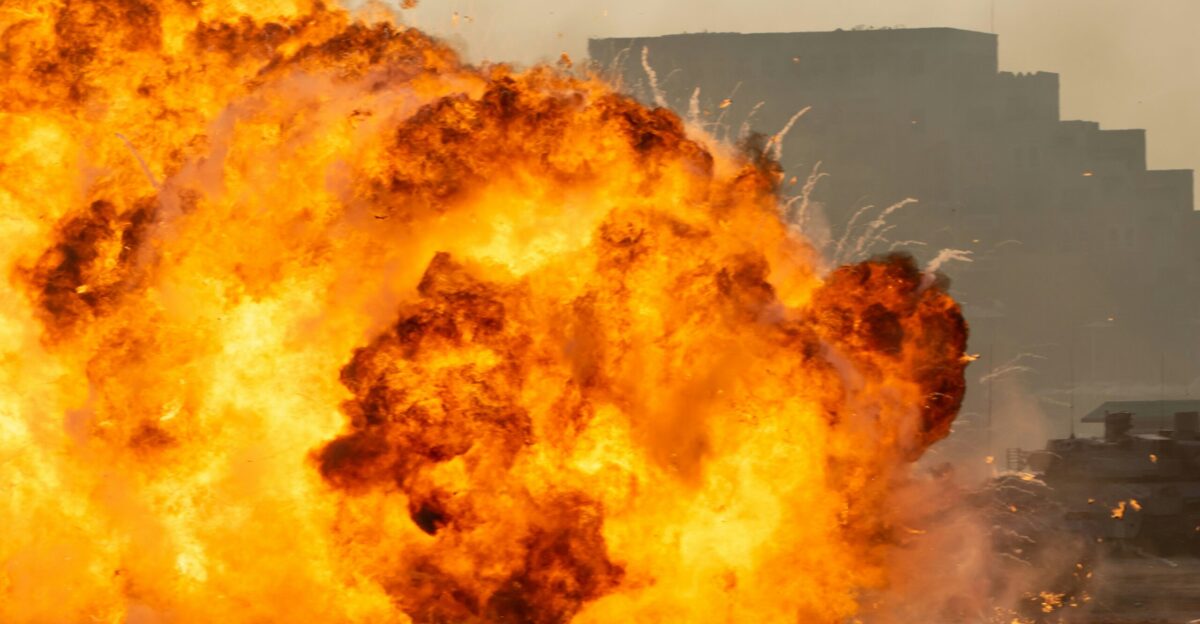
Before the drones arrived, the human element mattered. The Krasnodar Krai Operational Headquarters confirmed that all personnel at Temryuk port had been evacuated before the impact, with no casualties reported. At Syzran, workers were similarly evacuated as fire erupted following the strike, according to local reports and Russian media accounts.
The operations were surgical in their timing: destruction of infrastructure without loss of life, which shifts the narrative from human tragedy to economic catastrophe.
Russian Energy Infrastructure
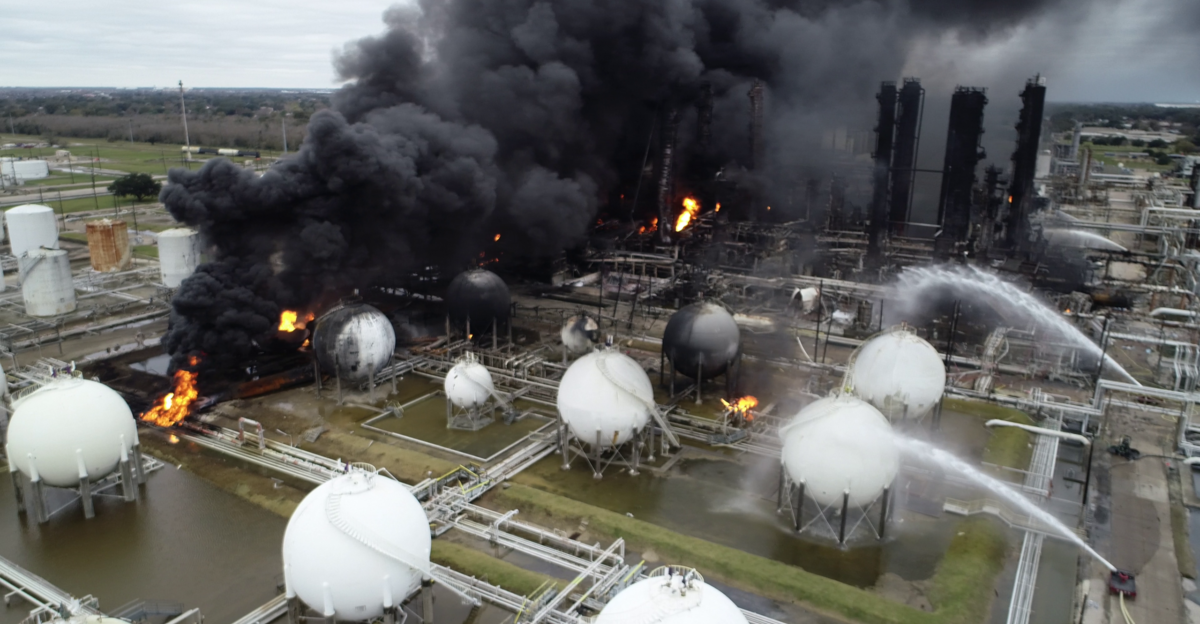
Ukraine has launched at least 58 attacks on major Russian energy sites since August alone, with drones reaching facilities 2,000 kilometers inside Russia’s borders, according to Reuters analysis. The cumulative impact has disrupted roughly 17 to 21 percent of Russia’s refining capacity at various points throughout 2024, according to multiple assessments.
Ukrainian officials refer to these as “long-range sanctions”—economic tools that drain the oil revenue flowing into Moscow’s war chest.
Russian Air Defense Gaps Leave Interior Facilities Exposed
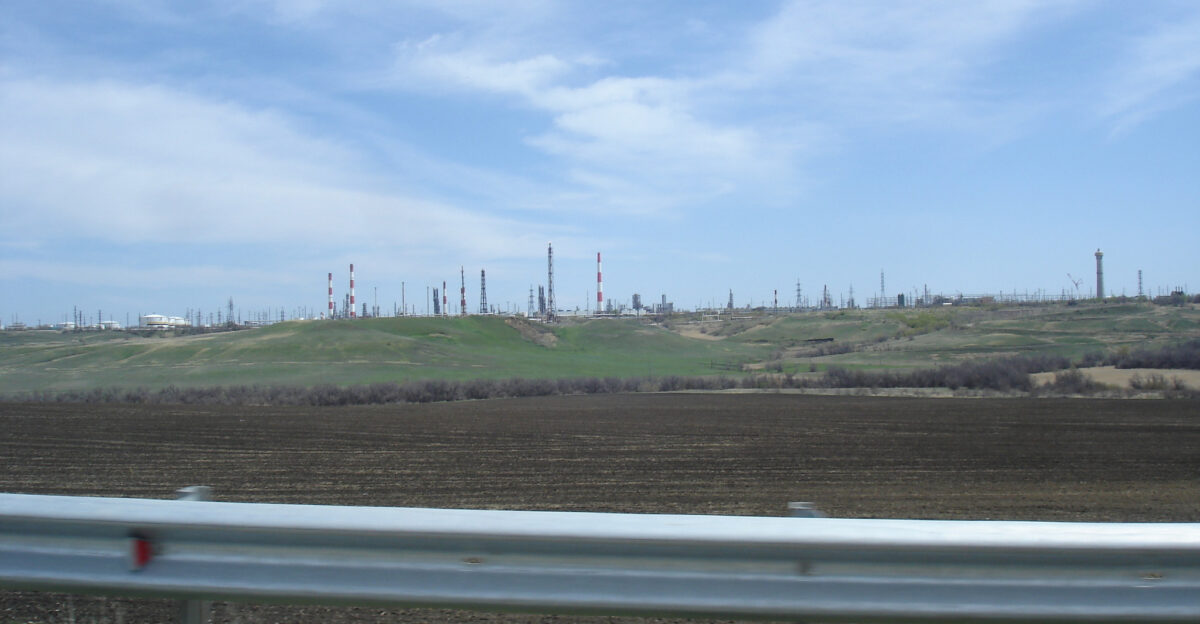
Russia positioned Syzran deep inland, believing distance meant safety. That assumption has been shattered. Research published in the Journal of Strategic Studies documents how gaps in Russian air defense have left civilian energy facilities vulnerable despite their interior location.
In April 2024, refinery operators even attempted to build protective barriers, suggesting they’d lost faith in the shield Russia had promised.
Fuel Shortages and Price Spikes

Gasoline prices surged approximately 10 percent, with sporadic lines at pumps across multiple regions, according to Reuters. Oxford Analytica found that refinery strikes forced the Kremlin to ban petrol exports while rationing spread to peripheral regions.
Wholesale prices hit records, and independent observers report shortages appearing even in Moscow’s suburbs, a stark symbol of how energy warfare touches civilians.
Economic Warfare Disrupts Supply
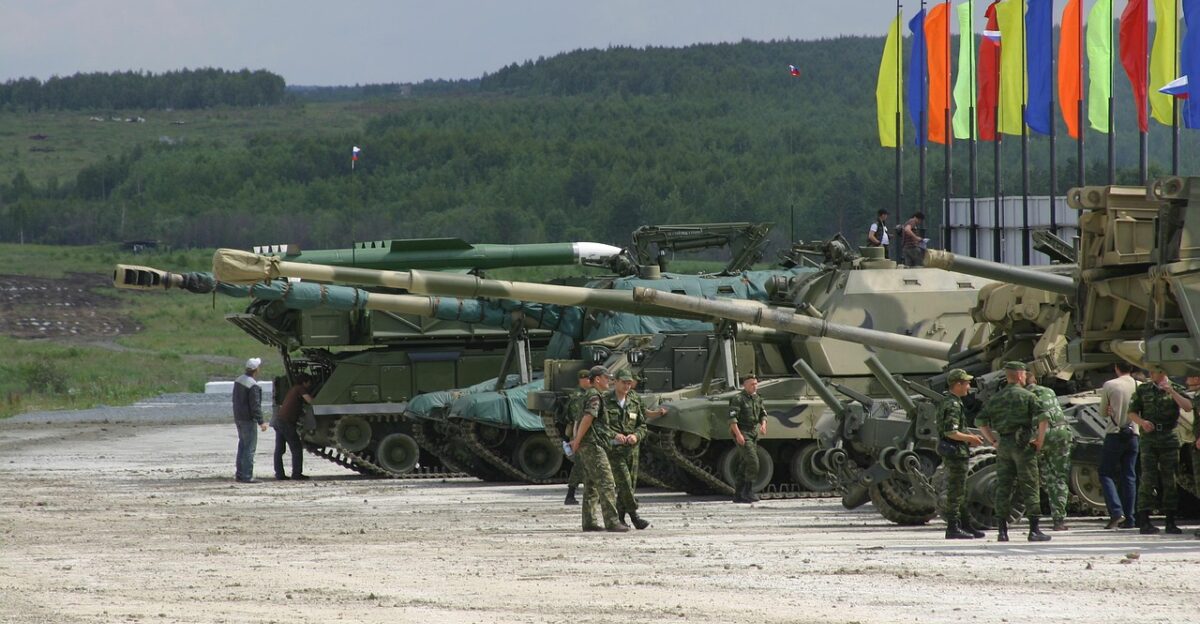
Ukraine’s strategy operates on two levels. Russia’s military still receives adequate diesel and aviation fuel—for now—but the psychological impact cuts deep: the rear isn’t safe, repairs are temporary, and strikes keep coming, according to security analysts.
Carnegie Endowment researcher Alexander Milov estimates the damage to oil facilities from late 2024 through early 2025 could exceed $700 million.
Repair Challenges

Here’s what makes recovery harder: Russia can’t simply order parts. Western sanctions have severed access to catalysts, control systems, and specialized equipment essential for modern refining, according to energy sector analysis.
The extended repair timeline at Syzran—one month instead of two weeks—suggests Russia is struggling to source replacements.
Ukraine Domestic Drone Production

Ukraine isn’t backing off. The Defense Ministry announced plans for more than 30,000 long-range attack drones in 2025, with international partners financing their production, according to a report by the Atlantic Council.
Serial production of the Palyanytsia missile drone is underway, with the advanced Ruta missile in trials, President Zelenskyy announced. A long-range version of Ukraine’s Neptune cruise missile—the weapon that sank Russia’s Black Sea flagship in 2022—is approaching operational status.
Deep Strikes Signal New Phase
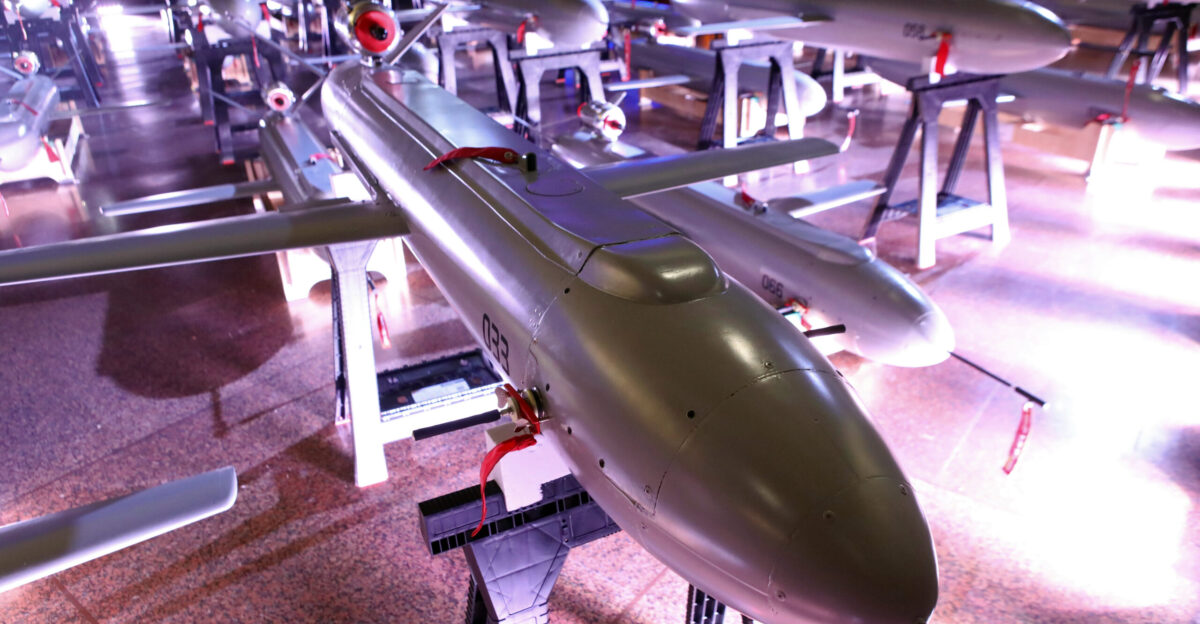
The pattern is unmistakable. Ukraine has struck targets over 1,000 kilometers inside Russia, including facilities in Bashkortostan and, for the first time, a Caspian Sea oil platform, according to CNN. With diplomatic talks stalled and Russian forces advancing on the ground, Ukraine has chosen economic disruption as its strategic answer.
The repeated hits on Syzran reveal the logic: systematically degrade Russia’s refining capacity month by month, strike by strike, until the whole system fractures.
Sources:
Russia’s Syzran oil refinery halted by December 5 drone attack, sources say – Reuters
Ukraine confirms drone strikes on seaport, oil refinery in Russia – The Kyiv Independent
Ukrainian drones destroy 70% of fuel tanks at Russia’s Temryuk Seaport, General Staff says – The Kyiv Independent
Ukraine shows off new ‘rocket-drone’ in bid to boost long-range strikes – Reuters
Ukraine is expanding its long-range arsenal for deep strikes inside Russia – Atlantic Council