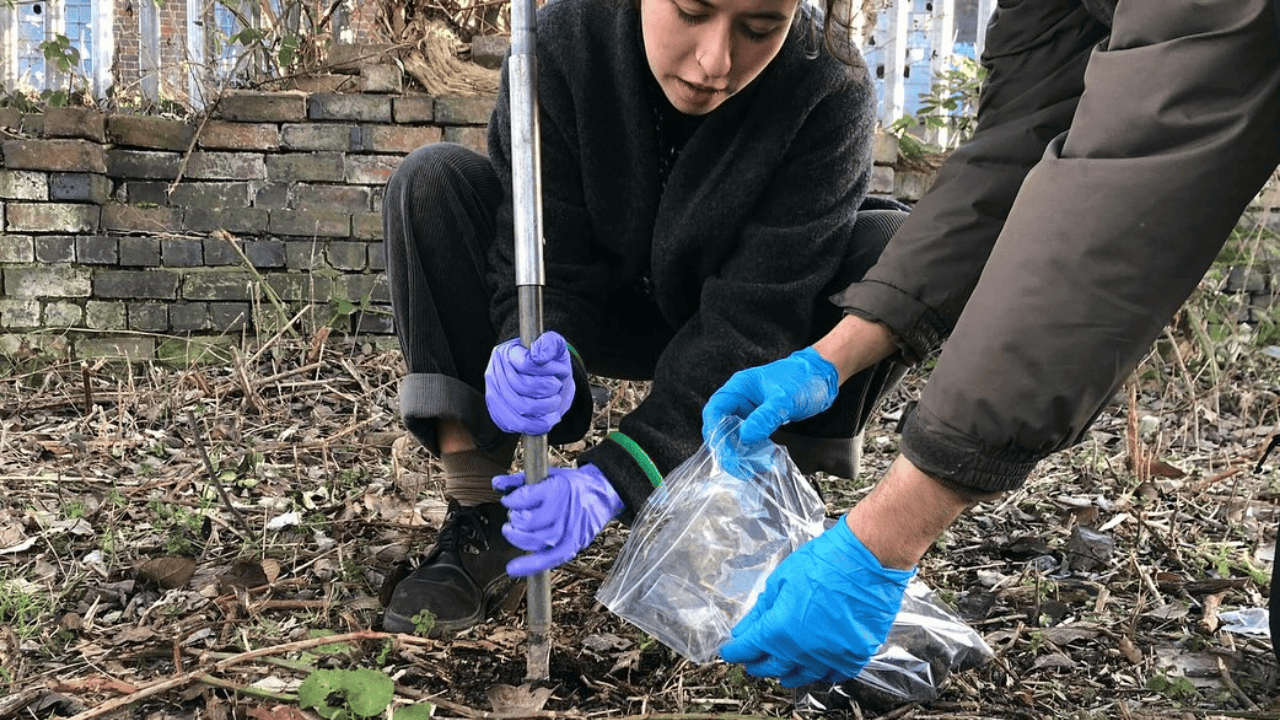
Deep in Michigan’s Huron Mountains, scientists checked out what looks like a untouched forest. They found non-native earthworms in about 70% of the area. These forests had no native earthworms for thousands of years after the last Ice Age. Now, these invaders are quietly changing how nutrients travel, how plants grow, and how animals get food.
To visitors, the forest floor seems healthy. But experts say it’s changing fast. The long-term effects are still unknown. These Huron Mountains forests are part of the huge Great Lakes woodland belt. It covers Michigan, Wisconsin, Minnesota, and Ontario. It’s full of mixed hardwood and conifer trees.
These woods already deal with problems like invasive bugs such as the emerald ash borer and water pests like zebra mussels. Now, non-native earthworms add to the trouble. They change soils that evolved without any worms. The worms mostly come from Europe and Asia. They arrived over the past few hundred years in ship dirt, imported plants, potting soil, and later through gardening and moving soil or mulch.
People spread them by accident. Worms hide in fishing bait, plant nurseries, compost, and dirt fill. For years, forest managers worried about deer eating plants, logging, and climate change. They slowly noticed thinner leaf layers and gritty soil. By then, the worms were already widespread.
How Different Worms Change the Soil
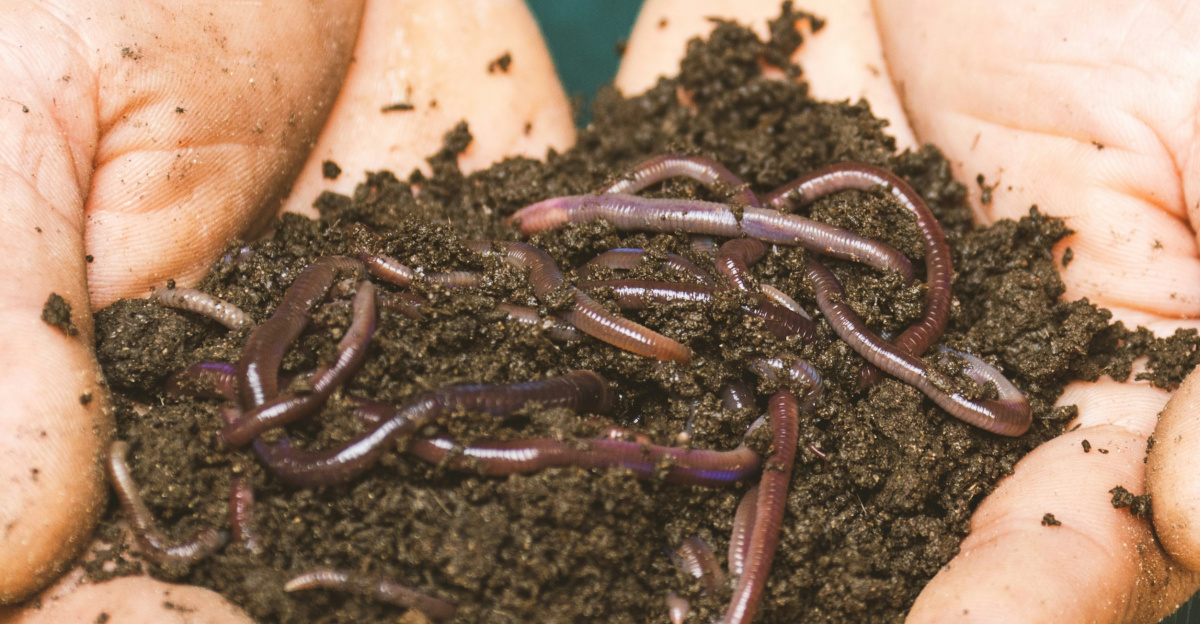
Not all invasive earthworms act the same. In 2025, a team led by Xiaoyong Chen studied three common types in the Huron Mountains. They connected the worms’ effects to their size. Small worms stay near the surface. They speed up leaf litter breakdown.
Medium-sized worms mix dead plant stuff into the top soil. This blends layers that used to stay separate. Big burrowing worms go deeper. They carry nutrients and organic matter down into mineral soil. Together, these worms cover 70% of the study area.
Only a small spot near a lake has no worms. That patch acts like a control site. It shows how much forest floor structure and organic material are gone elsewhere. This proves the Great Lakes area is a key spot for this soil change. It affects forests in the upper Midwest and more.
Food Chains and Carbon at Risk
Many think earthworms always help by improving soil. That’s often true in gardens and farms. But in northern forests shaped by glaciers, thick worm groups hurt more than help. Microbiologist Tim Gsell and others say worms eat leaf litter fast and mix it into soil. This speeds up loss of carbon and nitrogen instead of storing it long-term.
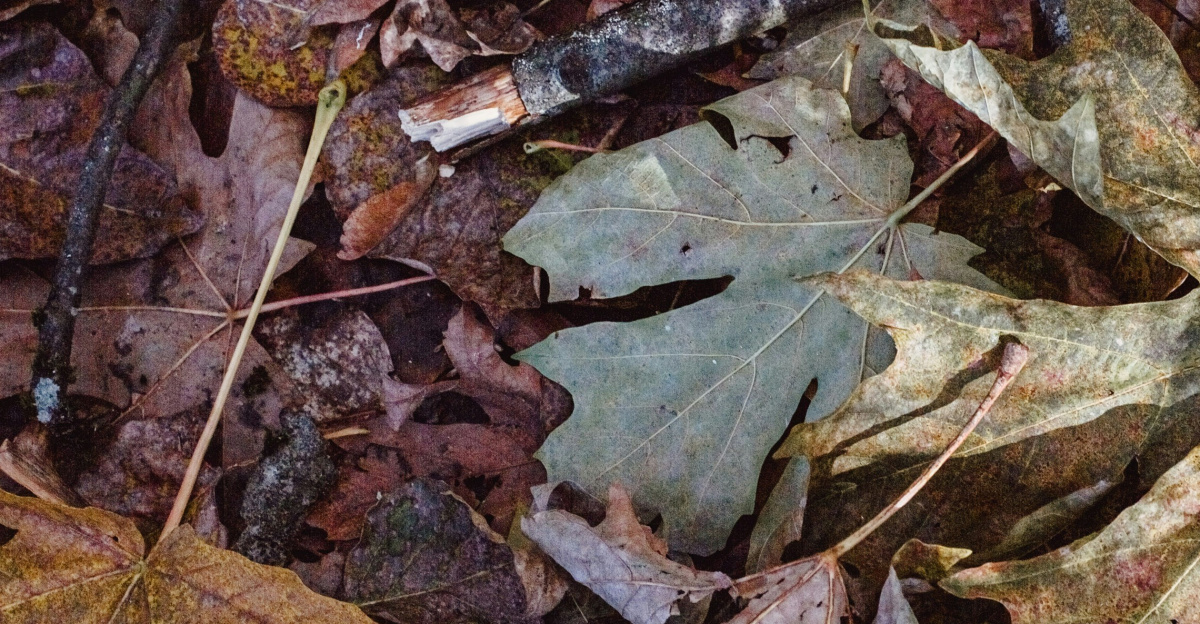
Thick leaf layers on the forest floor feed fungi, insects, and tiny critters. Those support birds, frogs, and mammals. In worm-invaded spots, the spongy layer disappears. Bare soil like coffee grounds takes over. Native wildflowers and tree seedlings drop. Some invasive plants move in on the upset ground.
These shifts hit the food web. Animals lose homes and food. Fast breakdown also releases carbon faster as CO2 and other gases. In places like the Huron Mountains, soils used to store carbon well. Now, this adds problems for fighting climate change.
Few Fixes and Ways to Slow Spread
Once worms settle in forests, removing them is hard. No big-scale methods exist. Gardeners can pick them by hand or use soapy water in small spots. But that’s not practical for huge areas. Chen’s team uses mustard water to count worms for research. It’s just for sampling, not control.
Landowners in the Upper Midwest see thinner leaves and changed soil. But options are limited. Experts suggest simple steps: clean boots and gear, don’t move soil or mulch from worm areas, and never dump fishing bait. The goal is to slow spread and protect worm-free spots, like the lake area in Huron Mountains.
Groups like Great Lakes Worm Watch in Minnesota map risks and teach people. Universities and extension services from New Hampshire to Wisconsin share guides on spotting European earthworms and jumping worms. These fast-spreaders reach New England, Mid-Atlantic, South, and West. The problem is everywhere.
Planning for a Worm-Filled Future
U.S. rules target obvious invasives like bugs, plants, and water species. Soil animals get less attention. Some states warn against moving jumping worms in plants or mulch. But rules vary. Scientists want steady policies on soil, bait, and plant trade to protect clean forests.
Experts wonder how northern woods will change in decades with warming climate and spreading worms. Faster decay might help some trees, raise fire risks, and cut carbon storage. Huron studies warn early. They show underground shifts. Understanding these small creatures’ big power is key for tough forest plans.
Sources
- Great Lakes Echo – “New research in Michigan’s Upper Peninsula shows how invasive earthworms are changing forest soils”
- The Cool Down – “Researchers make concerning discovery about harmful creatures hiding in our soil”
- UNH Extension – “Invasive in the Spotlight: Jumping Worms”
- NHBugs (University of New Hampshire) – “Jumping Worms” PDF