
Restaurant servers report an unsettling trend: younger diners arrive with earbuds in, their eyes on phones, bypassing the basic acknowledgment rituals that older customers once considered non-negotiable.
At upscale dining establishments across major U.S. cities, staff observe a stark behavioral divide emerging between generational cohorts. What explains this shift in fundamental courtesy?
A hospitality professional’s decade-long observation reveals a startling pattern: Boomers learned seven unspoken rules of respect that Gen Z has never encountered.
1. Always Acknowledge People in the Room

Boomer guests would greet the host, smile at the bartender, and thank the busser for pouring water before the meal began. Eye contact, a nod, or, at the very least, a verbal greeting signaled presence.
Meanwhile, many younger guests walk straight to tables without lifting their gaze from their phones, earbuds in, half-present.
Boomers grew up in communities where a simple “hello” meant you recognized another person’s humanity, even strangers you’d never see again. It wasn’t about friendliness—it was about presence and basic acknowledgment of shared space.
2. Never Interrupt People Mid-Sentence

Boomers grew up in a slower-paced, more conversational world. You didn’t jump in the moment you had a thought. You didn’t cut someone off because you were excited or disagreed with them.
Stephen Covey’s observation resonates: “Most people do not listen with the intent to understand. They listen with the intent to reply.” When hospitality professionals explained dishes or wine pairings to older guests, they listened to their comments.
Younger diners often interrupted halfway through, asking questions that would have been answered if they’d waited. Interrupting was seen as a sign of immaturity and a lack of emotional discipline among Boomers.
3. Respect Personal Space Without Needing It Explained

Boomers lived most of their lives without phones buzzing, screens flashing, or notifications demanding their attention. Their concept of personal space encompassed physical, mental, and emotional aspects. They didn’t hover behind people in line, blast music in quiet spaces, or assume access at all times.
On flights, Boomers board quietly, give polite nods to seatmates, then settle in to read or rest.
Many younger passengers FaceTime, take calls, record content, or watch videos without headphones, totally unaware of how intrusive it feels. Boomers believed respecting someone meant giving them room to exist comfortably.
4. Apologize Readily and Without Ego

Boomers often apologized for small things—not from guilt or insecurity, but because it made interactions run smoothly. “Sorry, didn’t mean to bump you.” “Sorry, let me move.” “Sorry, go ahead.” These micro-adjustments showed awareness of others.
Boomer guests apologized frequently and sincerely, never defensively. Many younger people avoid apologizing out of fear of appearing weak or overly accommodating.
Self-help culture teaches “protect your energy” and “never say sorry for being yourself.” Yet Boomers understood: respect meant owning your impact. People who apologize without drama are easier to work with, live with, and trust.
5. Treat Service Workers With Dignity

Boomers generally excelled at treating service workers with dignity, especially those who grew up working part-time in diners, grocery stores, or retail. They understood service work is real work deserving respect. Boomer guests treated staff with warmth, said thank you often, and tipped predictably.
One Boomer woman handed a handwritten thank-you card to the kitchen staff—not a review or social media post, but a physical card she kept in her purse. She believed gratitude should be expressed directly.
College-aged diners spending half their meals recording TikToks, then complaining that the chicken tasted “too chicken-y,” represent the stark contrast: one group saw people; the other saw a transaction.
6. Show Up On Time Without Expecting Flexibility

Punctuality used to be a core sign of respect. If you agreed to be somewhere at 3, you arrived at 2:57—not 3:10 with a “running late” text, not 3:30 with apologies. Boomers were raised in a world with fewer moving parts: no smartphones, no real-time updates, no casual rescheduling culture.
If you said you’d be somewhere, you meant it. Being late regularly was unacceptable. Today, everything is fluid.
Gen Z grew up adjusting plans at the last minute, and punctuality became a suggestion rather than a rule. Yet being late sends a more profound message: your time matters more than the other person’s.
7. Don’t Make Everything About Yourself

Boomers were raised with sayings like “don’t make a scene” and “keep that to yourself.” They valued privacy, modesty, and unassuming humility, which now feels foreign. Today we share everything: thoughts, feelings, opinions, struggles, triumphs.
Public expression is a regular occurrence; oversharing is a common phenomenon. Self-narration is part of everyday life. Boomers believed respect sometimes meant stepping back, not forward.
You didn’t steal someone’s moment or dominate conversations. You didn’t turn every story into a story about yourself. It wasn’t suppression—it was awareness. They valued attention as something you earned, not assumed.
The Punctuality Research: 70% vs. 47%

A Meeting Canary study of over 1,000 British and American adults revealed stark generational fractures: 70% of Boomers maintain zero tolerance for lateness, while 47% of Gen Z (ages 16–26) consider a 5–10 minute delay “on time.”
Boomers experienced profound stress when others were tardy, perceiving it as disrespect: “Your time matters more than mine.” Gen Z grew up texting updates and adjusting plans in real-time, normalizing fluid scheduling.
Lindenwood University research shows people who value punctuality feel calmer and more in control of their schedules—a benefit Boomers experienced without scientific confirmation, just a lived understanding of respect as time-honored.
The Authenticity Reframe

A critical reframing emerged in Gen Z culture: if Boomers valued restraint and “invisible humility,” Gen Z prioritizes authenticity and public vulnerability. The shift isn’t a matter of laziness—it’s ideological. Gen Z activists argue forced politeness masks marginalization; authentic expression builds connection.
Therapists and self-help culture reinforce: “never apologize for being yourself.” Yet neuroscientists studying politeness find the paradox: micro-apologies and restraint actually reduce social friction, creating what hospitality professionals call “social smoothness.”
Authenticity and courtesy aren’t opposites—they’re partners in genuine human connection when both are practiced intentionally.
Workplace Culture Wars Begin

Corporate HR departments report escalating friction between generations. Younger employees arrive without greeting colleagues, interrupt during meetings, and take personal calls on speakerphone. Older workers experience this as rudeness; younger staff experience forced politeness as performative and exhausting.
A 2025 Inc. Magazine article profiled etiquette coaches now employed by tech companies and startups, teaching Gen Z basics: eye contact, waiting to speak, and saying “thank you.” The tension reflects incompatible definitions of professionalism itself.
Leaders face unprecedented challenges in managing two cohorts with fundamentally different respect frameworks, sharing workspaces, and overlapping responsibilities.
Service Sector Impact: 23 Million Workers Affected

Approximately 23 million Americans work in the service and hospitality sector—roughly 15–20% of the U.S. workforce. When Gen Z diners and customers fail to acknowledge staff dignity, the cumulative impact is profound.
Restaurants report lower morale; the tipping culture is eroding; burnout is accelerating. A 2025 Restaurant365 analysis noted Gen Z customers “expect personalized service but often fail to recognize the humanity performing it.”
Service worker mental health surveys show increased anxiety in high-Gen-Z customer environments. The handwritten thank-you card has become almost extinct, replaced by online reviews that are often critical or demanding rather than grateful.
Phone Etiquette as Proxy for Larger Shifts

A PCMag survey of over 2,000 U.S. adults revealed that 87% of Boomers find speakerphone use in public unacceptable, while only 13% deem it appropriate.
Gen Z? 41% find speakerphone in public acceptable. The gap extends beyond phones: FaceTime calls on airplanes without headphones, video recording in restaurants without asking, and scrolling through social feeds during face-to-face conversations.
These behaviors signal a fundamental redefinition of “respect for shared spaces.” A More In Common study found 34% of Gen Z actively avoid listening to opposing viewpoints, versus 23% across all age groups. Phones have become both symptom and symbol of the respect divide.
Management’s Strategic Dilemma: Teaching Unwritten Rules

Leaders face unprecedented challenges: two generational cohorts with fundamentally different respect frameworks now share workplaces. Forcing Gen Z to adopt Boomer politeness rituals feels oppressive to younger workers. Allowing Gen Z communication norms can alienate older staff and erode productivity.
A 2024 LinkedIn analysis of 50+ organizations found companies that explicitly teach unwritten rules—rather than assuming knowledge—achieve higher retention and inter-generational collaboration.
Progressive organizations implementing “etiquette curricula” for Gen Z hires report 30% improvement in satisfaction and 15% reduction in complaints when framing it as “professional communication” rather than outdated formality.
Civility and Democratic Participation
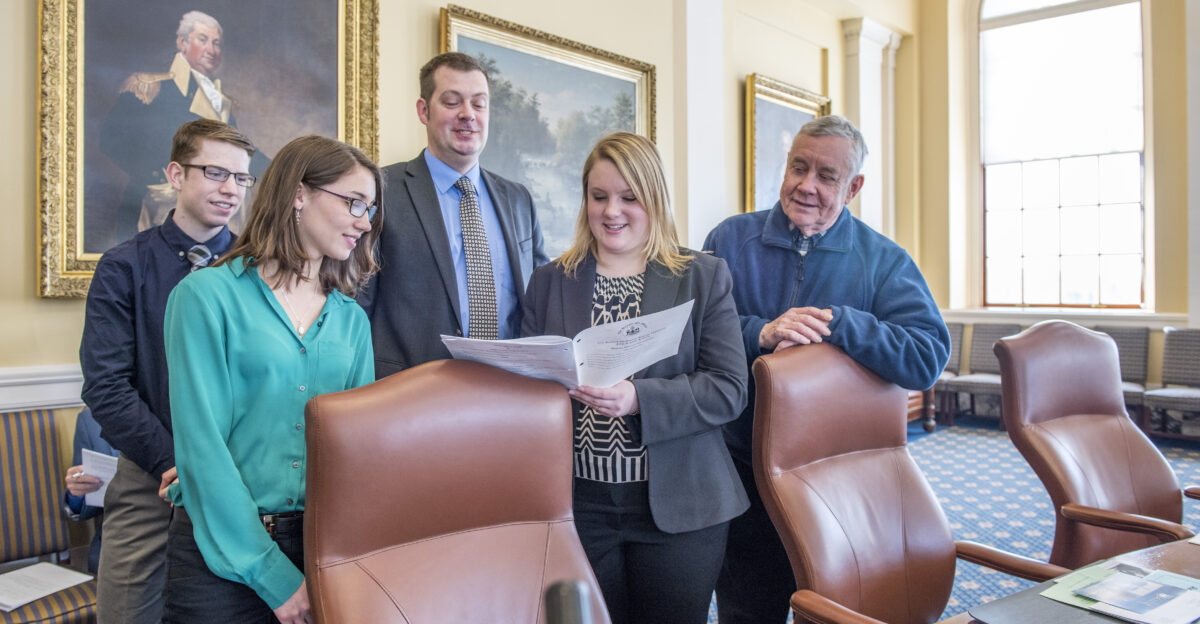
Political scientists observe the respect divide extending into civic engagement. Boomers, raised to “not make a scene,” struggle with the confrontational style of Gen Z activism. Yet Gen Z argues: if existing institutions ignore quiet politeness, disruption becomes necessary.
Town halls, school board meetings, and social media debates reveal fractures in shared assumptions about how disagreement should occur. The generational respect divide now shapes democratic participation itself.
Research from the Brookings Institution documents how generations navigate civic spaces with radically different expectations of courtesy, impacting everything from voting norms to community organizing strategies.
Are Other Cultures Shifting Too?

Research from Europe and Asia reveals similar patterns across cultures. A 2024 University of Tokyo study found that Japanese Gen Z is increasingly rejecting the notion of “silence is respect” in favor of vocal self-expression. British workplace research documents a decline in eye contact and greeting rituals among younger workers.
However, countries with stronger family-centered cultures (South Korea, India, Italy) show more resilient intergenerational politeness norms. Globalization and smartphone adoption accelerate the shift worldwide, but cultural roots persist.
The respect divide appears to be a civilization-scale transition, not isolated to English-speaking nations or Western workplaces.
Loneliness and Anxiety Rising

Psychologists raise an understudied concern: does the erosion of mutual acknowledgment harm wellbeing? A 2025 study in Psychological Science found that individuals in environments with low acknowledgment behaviors reported 23% higher loneliness and 18% greater anxiety.
Service workers in high-Gen Z customer environments exhibit elevated burnout. Conversely, workplaces that deliberately reinstate greeting rituals report improved mental health across all age groups. The neurobiology of respect—and its absence—deserves urgent attention.
Simple acknowledgments (eye contact, greetings, thank-yous) activate neural pathways associated with belonging and safety.
The Listening Crisis: 34% vs. 23%

More In Common’s extensive listening research revealed a troubling generational divide: 34% of Gen Z actively avoid listening to opposing viewpoints, compared to 23% of Americans overall. Meanwhile, 66% of all Americans believe people used to be better at listening, with Boomers most likely to agree.
Smartphones distract from genuine conversation for 57% of respondents. The listening crisis isn’t just a matter of etiquette—it’s foundational to empathy, conflict resolution, and democratic discourse.
When half a generation avoids opposing views, social fragmentation accelerates. The skill of listening without judgment appears to be disappearing with the generation that mastered it.
The Authenticity Paradox Deepens

Gen Z’s emphasis on authenticity ironically requires the very restraint Boomers practiced. True listening—foundation of authentic connection—demands suppressing the urge to interrupt. Respecting personal space allows vulnerability. Service worker dignity acknowledges the full humanity of all individuals, including strangers.
A growing Gen Z movement recognizes this paradox: authenticity and courtesy aren’t opposites but partners. Young professionals who master both—genuine presence plus respectful boundaries—report deeper relationships and career advancement.
Harvard Business School research confirms: executives who combine authentic communication with courtesy skills advance faster and maintain longer-lasting professional networks than those who privilege one over the other.
What This Moment Signals

The generational respect divide isn’t ultimately about TikTok complaints or phone calls. It reflects a civilization-scale transition: from face-to-face communities with enforced norms to digital networks where everyone broadcasts and no one bows. Neither system is inherently superior.
However, workplaces, schools, and families that deliberately integrate both—teaching Gen Z the power of listening while honoring authenticity—navigate the divide most successfully.
The question isn’t whether to resurrect Boomer rules, but how to synthesize respect frameworks for an era where both presence and authenticity matter. Respect remains one of the few things that never goes out of style.
Sources:
VegOut Magazine, Adam Kelton column, December 8, 2025
Stephen Covey, “The 7 Habits of Highly Effective People”
Travel etiquette observations, 2024–2025
Psychology Today on generational courtesy, 2024
Meeting Canary generational workplace study, December 2024
Lindenwood University, “The Relationship Between Punctuality and Time Control,” April 2016